AI赋能

Search documents
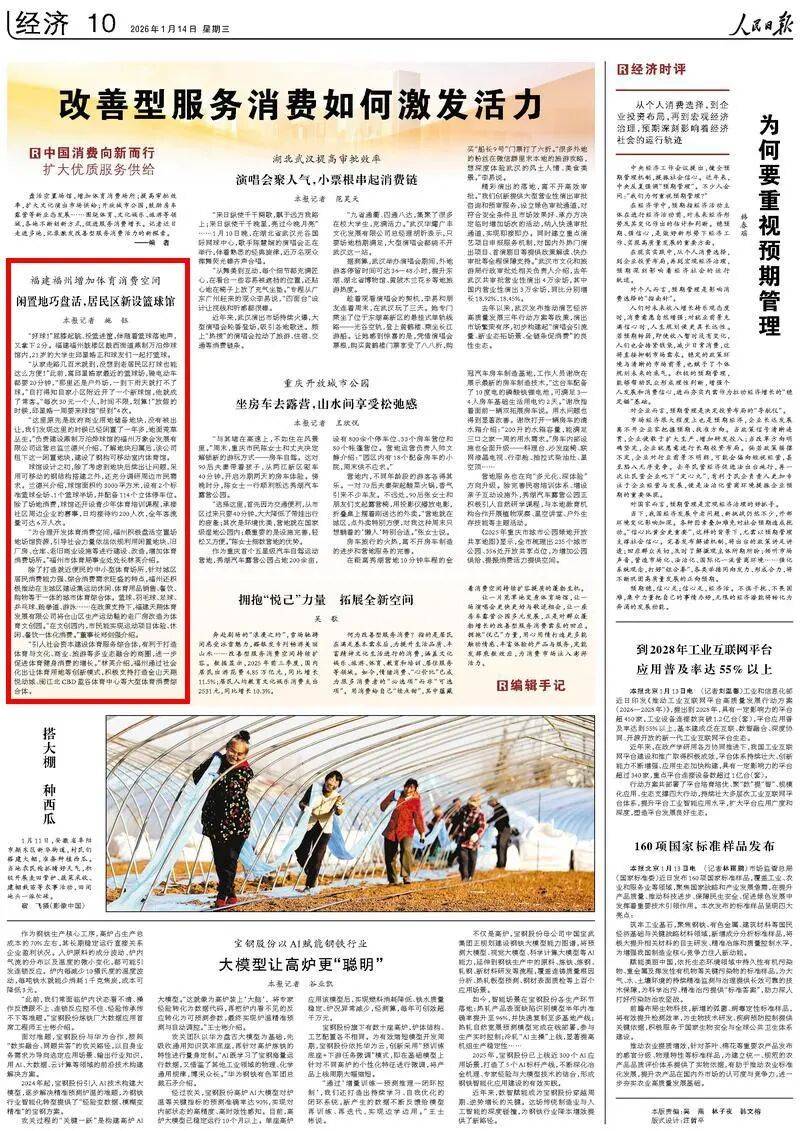
人民日报关注!福州增加体育消费空间:闲置地巧盘活,居民区新设篮球馆
Sou Hu Cai Jing· 2026-01-14 10:22
Group 1 - The article discusses how Fuzhou is enhancing sports consumption by utilizing idle land to create new sports facilities, such as basketball courts, to stimulate local economic activity [20][21] - The newly established basketball court in Fuzhou is designed to meet community needs, featuring a movable steel structure and accommodating various sports activities [21][22] - Fuzhou's sports bureau is actively promoting the development of urban sports complexes that integrate leisure, sports goods sales, dining, and shopping to cater to the diverse consumption needs of residents [22] Group 2 - The basketball court has a capacity to host around 200 visitors daily, with an expected annual footfall of approximately 60,000, indicating strong community engagement [21] - The initiative to repurpose idle land for sports facilities is part of a broader strategy to enhance sports consumption and promote a healthier lifestyle among residents [22] - Fuzhou is encouraging social capital investment in sports service complexes, which will help integrate sports with culture, commerce, and tourism, further boosting sports consumption [22]

看多中国经济,高盛预计今年底人民币汇率将升至6.85
21世纪经济报道· 2026-01-14 08:26
Core Viewpoint - Goldman Sachs has significantly raised its GDP growth forecasts for China for 2026 and 2027 to 4.8% and 4.7% respectively, marking the largest upward adjustment since 2019, driven by a new assessment of China's export prospects [1][4]. Group 1: Economic Forecasts - Goldman Sachs' optimistic outlook is based on three main factors: a positive global economic outlook, strong competitiveness in China's manufacturing sector, and a reduction in tariffs on Chinese goods by the U.S. [4][5]. - The bank predicts a 2.6% growth rate for the U.S. economy in 2026, which is higher than the market consensus of 2.0%, indicating stable demand for Chinese exports [4]. - The Chinese government's focus on building a modern industrial system and promoting technological self-reliance is expected to enhance China's competitive edge in global markets [4]. Group 2: Export Resilience - Approximately 80% of China's exports, including machinery, chemicals, and electronics, have shown a year-on-year growth rate between 5% and 15%, indicating broad resilience across various product categories [7][8]. - China's manufacturing costs are estimated to be 30% to 40% lower than those in other countries, contributing to the sustained growth of its exports despite tariff challenges [8]. Group 3: Currency Internationalization - The internationalization of the Renminbi (RMB) is expected to accelerate in the coming years, driven by China's growing economic share in the global economy, which is around 20% for both GDP and trade [11]. - The RMB currently accounts for only 2% to 3% of the global currency system, indicating a mismatch that is likely to correct over time as China's economic influence increases [11]. - The Chinese government aims to reduce reliance on the U.S. dollar, especially in light of geopolitical risks, by promoting the RMB's use in international trade and finance [12]. Group 4: Consumer Spending - To effectively boost consumer spending, policies should focus on providing financial support to low-income individuals, such as job creation and income increases, rather than relying solely on short-term measures like subsidies [16][18]. - The government is increasingly recognizing the importance of consumer spending, with initiatives like childcare subsidies aimed at directly enhancing household financial capacity [18]. - A significant portion of overall consumption comes from government spending on public services, which could play a crucial role in driving future consumption growth [18].


华为发布2026智能光伏十大趋势 助力光风储成为主力电源
Huan Qiu Wang Zi Xun· 2026-01-13 04:33
Core Viewpoint - Huawei Digital Energy held a conference to discuss the "Top Ten Trends in Intelligent Photovoltaics for 2026," emphasizing the acceleration of wind-solar-storage systems becoming the main power source for new energy systems, aiming for high-quality development in the industry [1][17]. Group 1: Trends in Intelligent Photovoltaics - The past decade has seen significant growth in the wind-solar-storage industry, but increasing penetration of renewable energy has led to balance and stability issues in power systems, marking a transition into a "value cultivation period" [3]. - The top ten trends include four application trends and six technology trends, with the first trend focusing on the collaboration of wind-solar-storage systems to create a predictable and controllable stable power source [3][5]. - The second trend highlights the omnipresence of grid-forming energy storage as a key support for grid stability and balance, enabling participation in energy market transactions and providing auxiliary services [6]. - The third trend discusses the collaborative supply model of source, grid, load, and storage, moving towards "regional autonomy + global collaboration" [7]. - The fourth trend emphasizes the transition of home energy storage scenarios from AI empowerment to AI-native, enhancing user experience through optimal electricity usage strategies [9]. - The fifth trend indicates a push for higher frequency and density in energy storage devices, with expectations of over 40% improvement in power density for photovoltaic inverters and storage systems in the coming years [11]. - The sixth trend focuses on high voltage and reliability, which will lead to a significant reduction in the cost per kilowatt-hour of photovoltaic systems [12]. - The seventh trend stresses the importance of system-level battery management for the safe and stable operation of energy storage systems [13]. - The eighth trend notes the maturation of new energy grid-forming technology, transitioning from passive to active roles in grid stability [14]. - The ninth trend involves the integration of intelligent systems into renewable energy plants, moving towards "autonomous operation" [15]. - The tenth trend addresses the shift towards quantifiable safety standards in the energy storage industry, enhancing safety capabilities through systematic evaluations [16].

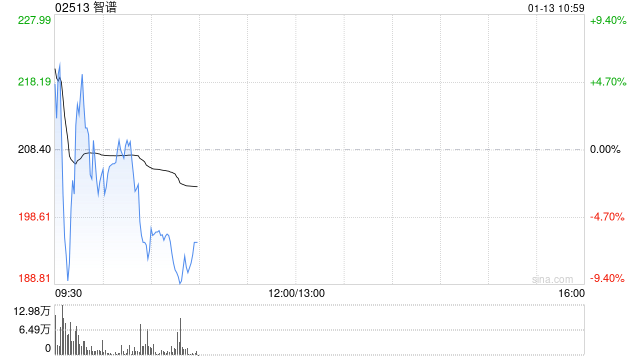
港股智谱震荡走低,一度跌近10%,此前涨超8%
Xin Lang Cai Jing· 2026-01-13 02:59
Group 1 - The stock of Zhizhu experienced significant volatility, dropping nearly 10% to reach 188 HKD after previously rising over 8% to a price of 225.2 HKD. As of the report, Zhizhu's decline was over 8.01% with a trading volume exceeding 400 million HKD [1][7]. Group 2 - China Galaxy Securities predicts that by 2026, AI applications will transition from "AI empowerment" to "AI native." Companies that can internalize AI capabilities into their product architecture will gain a competitive advantage in the upcoming market [3][9].
重视SAF扩产周期中废油脂资源增值,长江大保护千亿资金加码管网建设与生态修复
Zhong Guo Neng Yuan Wang· 2026-01-13 02:41
Core Viewpoint - The report emphasizes the critical role of Sustainable Aviation Fuel (SAF) in aviation decarbonization, highlighting the scarcity and price increase of waste oil resources during the SAF production expansion cycle [1][3]. Investment Recommendations - Key recommendations include companies such as Huanlan Environment (600323), Longjing Environmental Protection (600388), and others in the environmental sector [2]. - Companies to watch include Dayu Water-saving (300021) and Lian Tai Environmental Protection (603797) [2]. Industry Insights - SAF is identified as the only feasible solution for aviation decarbonization, with a focus on the HEFA route using waste oil (UCO) as raw material. The EU mandates increasing SAF blending ratios from 2% in 2025 to 70% by 2050, with projected SAF demand reaching 3,662 million tons by 2050 [3]. - By the end of 2025, domestic SAF production capacity is expected to reach 1.2 million tons per year, with total planned capacity of 4.4 million tons per year [3]. - The price of SAF is projected to rise significantly due to supply constraints, with a potential increase of over 50% from the beginning of the year [3]. Policy Tracking - The government is set to invest over 1 billion yuan in the Yangtze River protection projects from 2025 to 2027, with a focus on sewage pipeline construction and ecological restoration [4]. - Investment suggestions include companies involved in water treatment and sewage management, such as Bihui Source and Energy Conservation Guozhen (300388) [4]. Strategic Outlook for 2026 - The strategy focuses on value and growth, emphasizing the importance of marketization and efficiency improvements in the solid waste sector, with potential dividend increases [5]. - The report highlights the significance of the dual carbon drive, with recommendations for companies involved in renewable resources and waste oil production [6]. Industry Tracking - In the sanitation equipment sector, sales of new energy sanitation vehicles increased by 64.01% year-on-year, with a penetration rate of 18.60% [7]. - The price of biodiesel has decreased, leading to a decline in profit margins, while lithium battery recycling shows improved profitability due to rising lithium prices [7].





凝聚共识谋发展 谱写期货服务产业新篇章
Qi Huo Ri Bao Wang· 2026-01-13 01:04
Core Viewpoint - The 2026 Industry Service Alliance Conference in Zhengzhou focused on enhancing the futures industry's service to the real economy, addressing challenges in differentiation, digital transformation, compliance, and talent cultivation [1] Group 1: Service to the Real Economy - The futures market's core mission is to serve the real economy, but challenges such as cognitive differences, insufficient tools, and a lack of professional talent hinder effective service [2] - A multi-layered risk management service system is needed, requiring collaboration among regulatory bodies, exchanges, futures companies, and real enterprises [2] - Large state-owned enterprises prioritize compliance and precision in service, with training and simulations improving understanding of hedging in industries like steel [2] Group 2: Differentiation and Development - Differentiation is crucial for futures companies to overcome competition and achieve high-quality development [3] - Futures companies should focus on their backgrounds: industry-focused firms should deepen service in the supply chain, while those with brokerage backgrounds should integrate investment research with AI [3] - The asset management business needs to overcome challenges in product management, fundraising, and research support to avoid homogenization [3] Group 3: Digital Transformation - Digital transformation is essential for enhancing service efficiency, with AI and big data as key drivers [5] - Companies are developing intelligent systems based on AI to improve efficiency without replacing human roles [6] - Regulatory clarity on financial technology is necessary to support innovation while ensuring risk control [6] Group 4: Talent Support - Talent shortages are a significant barrier to the futures industry's development, necessitating partnerships between companies and educational institutions to enhance talent supply [8] - A scientific incentive system is recommended to retain talent and enhance their sense of belonging [8] - Practical empowerment through industry research is essential for young researchers to develop their professional skills [9] Group 5: Compliance and Ecosystem Building - The future of compliance in the securities and futures industry will shift towards a dual accountability model for companies and individuals [7] - Building a diverse cooperation ecosystem involving banks, insurance, and private equity is vital for long-term development [7] - The industry should focus on customer needs to create a service ecosystem that enhances financial literacy and market understanding [7] Group 6: Summary and Future Directions - The conference highlighted the importance of serving the real economy, with a focus on optimizing tools, addressing funding constraints, and enhancing talent supply [10] - Differentiation and asset management transformation are key paths for futures companies, with knowledge-based services emerging as growth points [10] - The Industry Service Alliance aims to foster collaboration across institutions and fields to support the futures industry's long-term development [10]
【招商电子】CES 2026跟踪报告:AI赋能依旧是主旋律,聚焦穿戴/IoT、智能车、机器人等新品创新
招商电子· 2026-01-12 12:03
Core Viewpoint - CES 2026 showcased significant advancements in AI-driven consumer electronics, with a focus on wearable devices, automotive technology, robotics, and IoT innovations, highlighting the integration of AI across various sectors [2][5][6]. Group 1: Wearable/IOT - AI glasses and camera headphones remain focal points in wearable technology, with over 50 companies participating, primarily from mainland China, emphasizing design improvements and multi-modal interactions [2][10]. - Headphone innovations shifted from audio performance to a combination of sound quality, AI integration, and multi-modal capabilities, with products featuring cameras and environmental awareness [2][13]. - New IoT categories, including smart imaging devices and AI home products, are gaining traction, with many startups entering the market [2][16]. Group 2: Automotive - AI is driving a comprehensive upgrade in automotive technology, with high-level autonomous driving expected to scale commercially [3][19]. - NVIDIA introduced the Alpamayo series of open-source AI models, enhancing the development of autonomous driving capabilities [3][19]. - Major automotive companies like Geely and Great Wall showcased their AI systems, while international brands are partnering with AI giants to enhance their offerings [3][24][26]. Group 3: Robotics - The robotics sector is evolving from household and service robots to humanoid collaboration, with significant participation from electronic companies [4][34]. - Innovations in household robots include advanced cleaning capabilities and a broader range of applications, while humanoid robots are becoming more sophisticated in interaction and movement [4][34]. - Chinese electronic companies are increasingly showcasing key components and technologies in robotics at CES 2026 [4][34]. Group 4: PC/Smartphone - Lenovo launched its first personal super intelligent system, Lenovo Qira, and announced a partnership with NVIDIA for AI infrastructure [4][36]. - Chip manufacturers like Intel, Qualcomm, and AMD are upgrading their products to enhance AI performance and user experience in PCs [4][39]. - The focus on AI integration in smartphones and PCs is expected to drive innovation and market growth in the coming years [4][39].







聚焦AI赋能农林教育变革,全国50余所农林院校大咖齐聚南京
Yang Zi Wan Bao Wang· 2026-01-12 11:11
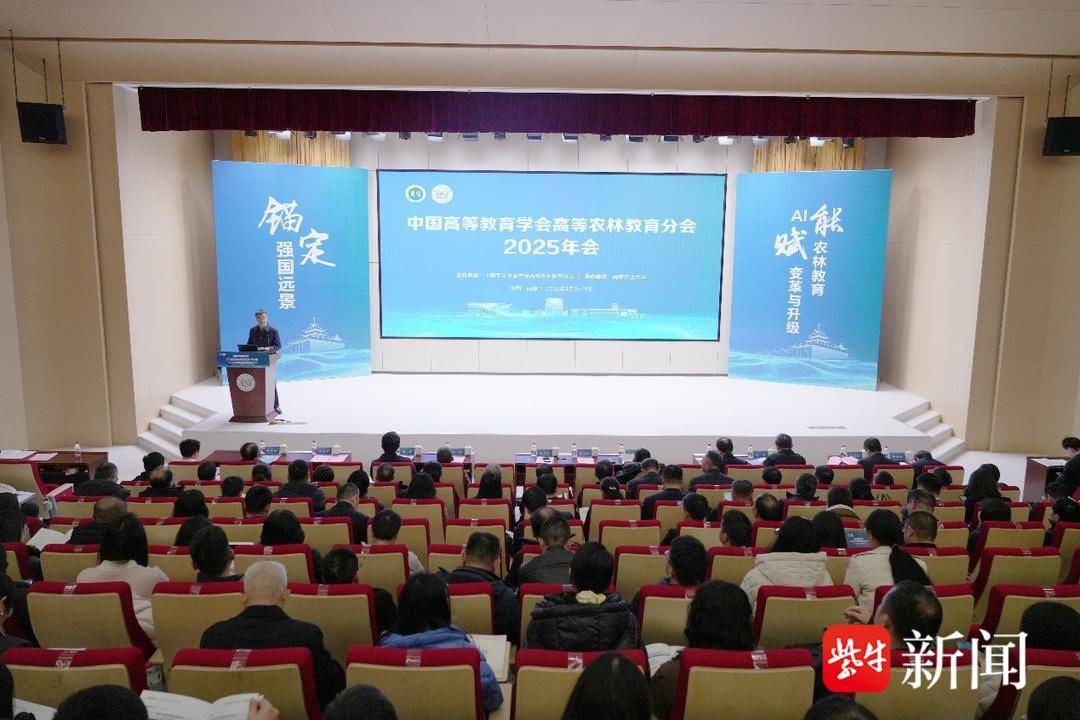
农业农村部科学技术司教育与科技人才处处长连庆表示,要紧紧抓住AI赋能的重要机遇,以科技创新引领高等农林教育高质量发展,重点在以下三方面 持续发力:一是服务乡村全面振兴,培养知农爱农新型人才;二是围绕农业产业需求,扎实推进农业科技创新;三是加强基层队伍建设,大力开展农业科 技服务。 在四个平行分会场,来自23所高校的26位代表分别围绕"农林拔尖人才培养体系构建与实践""数智技术重塑农林教育全维度变革""科产教融合育人平台的 构建与长效运行机制""农林高校教学改革与教材建设"等专题作交流报告。 1月9日至11日,由中国高等教育学会高等农林教育分会主办、南京农业大学承办的"中国高等教育学会高等农林教育分会2025年会"在南京召开。来自全国 50余所农林院校的领导与专家学者共计180余人齐聚一堂,共谋AI赋能农林教育变革与升级。 南京农业大学校长陈发棣重点阐述了数字技术与农林教育深度融合的重要意义,呼吁各农林高校把握AI时代机遇,携手构建交叉融合的学科新格局、深 化智能驱动的教学新范式、打造开放协同的发展新生态,共同推动高等农林教育高质量发展,为加快实现农业现代化贡献更大力量。 中国高等教育学会副会长姜恩来在讲话中提 ...
平安人寿2025年日均赔付超1.1亿元,AI赋能极速赔付
Xin Hua Cai Jing· 2026-01-12 08:54
Core Insights - Ping An Life's 2025 annual claims service report indicates a total of 4.958 million claims paid, with a total payout amount of 41.51 billion yuan, averaging over 110 million yuan per day [1] - The claims acceptance rate for Ping An Life's customers reached 99.2% in 2025, with the fastest single claim payout taking only 8 seconds [1] - The insurance industry is transitioning from "post-compensation" to "prevention and care" services, with claims processing being a critical touchpoint for customer perception of insurance value and service quality [1] Claims Service Enhancements - In 2025, Ping An Life introduced the DeepSeek model to create a new intelligent review engine, allowing 93% of automated claims to be accurately determined within 60 seconds, with the fastest payout in just 8 seconds [1] - The "Flash Claim" service achieved a payout amount of 4.49 billion yuan, with over 2.08 million claims paid within 30 minutes [1] - The "Intelligent Pre-Compensation" service provided early payouts, alleviating financial pressure on customers, totaling 53,000 claims and over 4.91 billion yuan in payouts [1] - The "Direct Quick Claim" service expanded significantly, with nearly 3 million claims paid and a payout amount exceeding 14 billion yuan, representing a year-on-year growth of over 200% [1] Claims Breakdown - Critical illness claims remain the highest payout category, with Ping An Life paying out 261,000 claims for critical illness insurance, totaling over 20.86 billion yuan, accounting for over 50% of total claims [2] - Among critical illness claims, malignant tumors accounted for 64% of the reasons for payouts, ranking alongside acute myocardial infarction and stroke sequelae as the top three causes [2]

星火保:金融科技赋能,引领保险服务生态创新变革之路
Huan Qiu Wang· 2026-01-12 08:02
Core Insights - The insurance industry in China is undergoing a transformation phase characterized by strong regulation, a push for efficiency, and a shift towards high-quality development, necessitating a break from traditional operational models [1][2] - The emergence of consumer demands for personalized, scenario-based, and dynamic insurance services highlights the inadequacies of traditional insurance models, which often suffer from high customer acquisition costs and slow service response times [1][3] Group 1: Technological Innovations - The "Xinghuo Insurance" platform utilizes its information flow generation and deployment capabilities to reconstruct the entire insurance service chain through self-developed algorithm systems and AI platforms, establishing a user-centered service model [2][10] - The platform's "Dynamic Demand Diagnosis Algorithm System" creates multi-dimensional user profiles by analyzing over 100 data points, ensuring accurate and timely user tagging [3][5] - The AI-driven customer service system integrates information from over 800 insurance products, enhancing pre-sale consultations and reducing response times significantly [7][10] Group 2: Service Efficiency and Personalization - The platform offers personalized insurance solutions by automatically generating optimal combinations of products based on user profiles and needs, addressing the issue of product mismatch [6][9] - A "Family Protection Management Center" feature allows users to manage all family members' insurance policies in one place, providing timely reminders for renewals and policy adjustments [7][10] - The introduction of a "smart insurance steward" for families provides lifecycle services, including health reminders and claims assistance, enhancing user experience [9][10] Group 3: Knowledge and Accessibility - The development of a specialized large model for insurance knowledge aims to simplify complex insurance terms and improve consumer understanding, addressing high complaint rates due to misunderstanding of policy terms [8][10] - The model integrates a vast array of insurance product terms, regulatory policies, and medical knowledge, ensuring that users receive accurate and comprehensible information [8][10] - The platform's knowledge services are accessible across multiple channels, including web, mini-programs, and short videos, enhancing user engagement and education [8][10] Group 4: Industry Impact and Future Directions - The technological advancements of Xinghuo Insurance are expected to reduce operational costs by 32% by 2025 while simultaneously improving business scale and profitability [10][11] - The platform serves as a benchmark for digital transformation in the insurance industry, with other companies adopting its dynamic algorithm technology and intelligent claims systems [11][12] - Xinghuo Insurance aims to extend its services to underserved markets, promoting inclusive insurance solutions and contributing to the goal of universal coverage [11][12]