消费升级

Search documents
国庆中秋假期超24亿人次流动折射消费新变迁
Zhong Guo Xin Wen Wang· 2025-10-09 17:00
国庆中秋假期,中国迎来一场规模空前的大迁徙。 交通运输部数据显示,在刚刚结束的中秋国庆8天超级黄金周里,全社会跨区域人员流动量累计24.33亿 人次,日均3.04亿人次,比2024年同期日均同比增长6.3%,创历史新高。日均3.04亿人次,相当于这个 假期,中国每天接近"搬运"一个美国。 这如同一面棱镜,折射出中国消费结构的变迁与市场的韧性、潜力。 当大家在讨论上述数字意味着什么时,应该看到一个更值得关注的现象:中国的消费正在"下沉",体验 在"上升"。 流动的中国,不只在路上。 数字背后,是人员流动带动消费变化。 某平台数据显示,县域旅游预订单量同比增长51%。江苏东台、浙江海宁、安徽泾县等小众目的地预订 量翻倍增长。 如,有平台的琉璃烧制国庆中秋假期订单环比增长高达270%,评弹增长150%。 数字背后,是城市竞争进入新的维度。 这表明,国人的节假日消费已不仅仅局限于大中城市商圈,消费的活力正悄然向更广阔的市场渗透。 如,在重庆荣昌,国庆前两日游客人数共计57.63万人次,著名景点安陶小镇连续两天客流暴增200%以 上。 为情绪买单、为体验付费,中国人消费逻辑的转变体现得更加明显。 非遗文化走红,亦揭示消 ...
国庆中秋“双节”消费成绩单:多项数据飘红
Zheng Quan Ri Bao· 2025-10-09 16:15
Core Insights - The recent travel data during the National Day and Mid-Autumn Festival indicates a strong public willingness to travel, significantly boosting the cultural and tourism market and holiday consumption, reflecting the robust vitality of the Chinese economy [1][3] Group 1: Travel Data - From October 1 to 8, the total inter-regional movement of people reached 2.433 billion, averaging 304 million per day, a year-on-year increase of 6.3% compared to the same period in 2024 [1] - Railway passenger volume totaled 153.96 million, averaging 19.24 million per day, with a year-on-year growth of 2.6% [1] - Waterway passenger volume reached 11.66 million, averaging 1.46 million per day, growing by 4.1% year-on-year [1] - Civil aviation passenger volume was 19.14 million, averaging 2.39 million per day, with a year-on-year increase of 3.3% [1] - Road travel, including both commercial and non-commercial passenger traffic, totaled 2.24841 billion, averaging 28.105 million per day, up 6.6% year-on-year [1] Group 2: Consumer Spending - During the 8-day holiday, domestic tourism reached 888 million trips, an increase of 123 million compared to the 7-day holiday in 2024 [2] - Total domestic tourism expenditure was 809 billion yuan, an increase of 108.19 billion yuan compared to the previous year [2] - Daily sales revenue in consumption-related industries grew by 4.5% year-on-year, with goods and services consumption increasing by 3.9% and 7.6%, respectively [2] Group 3: Economic Factors - The significant growth in holiday consumption is attributed to various factors, including the continuous release of policy benefits, optimization of consumption structure, and an increase in holiday duration [3] - The integration of tourism, sports, and other consumption scenarios is accelerating, creating new consumption hotspots that contribute to economic growth [3] - Holiday consumption serves as a crucial driver for consumption upgrades and is a key indicator of market trends, with recent trends showing expansion in scale and innovation in consumption models [3] Group 4: Future Recommendations - To further unleash holiday consumption potential, it is recommended to strengthen policy support, improve infrastructure in lower-tier markets, enrich consumption scenarios, and enhance consumer rights protection [4]
首席观察室|双节消费 何以沸腾?
Sou Hu Cai Jing· 2025-10-09 15:05
Core Insights - The National Day and Mid-Autumn Festival holiday saw a total of 2.432 billion cross-regional trips, averaging 304 million trips per day, representing a year-on-year increase of 6.2% [3] - The total box office for films during the holiday period reached over 1.8 billion yuan, indicating a vibrant market and strong consumer spending, reflecting China's transition to high-quality economic development [3] Group 1: Consumer Trends - Chengdu received 28.623 million tourists during the holiday, a 5.3% increase year-on-year, with online and offline consumption totaling 76.75 billion yuan, up 11.0% [3] - The city ranked second in the top 10 travel destinations according to Meituan Travel, and second in popular long-distance destinations according to Ctrip [3] - The holiday period featured over 300 themed activities and unique scenes, with more than 200 promotional events attracting 14.591 million visitors and generating 1.84 billion yuan in consumption [6] Group 2: Experience Economy - The demand for experiential consumption has increased, with significant foot traffic reported at various attractions, such as the flagship store of Mixue Ice Cream in Zhengzhou, which saw over 65,000 visitors in a single day [8] - The focus on enhancing consumer experience is crucial, as evidenced by the popularity of events and activities that provide immersive experiences [9][10] Group 3: Market Diversification - There is a growing trend towards personalized and niche markets, with younger consumers favoring unique experiences over traditional tourist attractions [12] - Events like the World Line Animation Exhibition and the Munich Beer Festival in Chengdu attracted large crowds, showcasing the demand for diverse cultural experiences [12][13] - The emergence of vertical markets catering to specific interests indicates a shift towards more segmented consumer demands, emphasizing the importance of quality and personalization in consumption [13]


“十一”消费市场量质齐升 AI智能与品质生活引领升级浪潮
Xin Hua Cai Jing· 2025-10-09 14:02
Group 1 - The core viewpoint of the articles highlights a significant upgrade in consumer spending during the 2025 National Day holiday, with a focus on smart home appliances, quality home goods, and cultural tourism experiences [1][2] - The sales of energy-efficient appliances increased by 19%, smart refrigerators by 20.7%, and smart home products by 16.8% during the first four days of the holiday [1] - The demand for AI smart appliances surged, with sales of "smart butler" products, such as air conditioners with human detection features increasing by 85%, and heat pump washing and drying machines rising by 127% [1] Group 2 - The travel and tourism sector also experienced a quality upgrade, with a 30% increase in travel orders on platforms like Meituan compared to the 2024 National Day holiday [2] - Small group travel orders saw significant growth, with orders in Xinjiang, Inner Mongolia, and Sichuan increasing by 63%, 60%, and 58% respectively [2] - The overall trend indicates a shift in consumer behavior from merely acquiring products to seeking quality and enriching experiences, reflecting a broader transition in consumer preferences [2]

民生刚需品类实现大幅增长!临沂市国庆假期消费市场热力升腾
Qi Lu Wan Bao Wang· 2025-10-09 13:53
Core Insights - The consumption market in Linyi City is experiencing significant growth during the 2025 National Day and Mid-Autumn Festival holiday, with a strong supply of essential goods and a vibrant festive atmosphere [1] Supply and Price Stability - Local authorities have ensured a stable supply of essential goods, with inventory levels at major supermarkets reaching approximately double the usual amount during the holiday [2] - Prices of 85 monitored essential goods remained within reasonable fluctuations, with 50.58% of items experiencing price increases, while 37.66% saw price decreases [2] - Retail prices for staple foods, cooking oil, vegetables, fruits, and dairy products remained stable compared to pre-holiday levels, with slight increases in meat and egg prices of 1.3% and 1.6% respectively [2] Strong Demand for Essential Goods and Emerging Consumption - Retail sales from 44 sample enterprises in Linyi reached approximately 61.06 million yuan, with significant growth in essential categories [3] - Sales of staple foods reached approximately 11.36 million yuan, up 26.2% year-on-year; beverage sales increased by 60.13% to approximately 1.56 million yuan; and tobacco and alcohol sales surged by 242.5% to approximately 1.90 million yuan [3] - Emerging sectors such as cultural and recreational consumption also showed strong growth, with sales of communication equipment and cultural office supplies increasing by 11.73% and 20.13% respectively [3] Diverse Consumption Activities and Innovative Scenarios - The "Enjoy Linyi, Shop in China" shopping season was launched, featuring a blend of shopping, dining, and entertainment activities to stimulate consumption [4] - Various promotional events were organized, including a trade-in program for consumer goods and an automotive and real estate exhibition, aimed at reducing consumer costs and enhancing holiday shopping experiences [4] - Major shopping centers introduced unique promotional activities, such as discounts and cultural performances, to attract consumers and enhance the shopping environment [5] - New tourism and leisure experiences were introduced, integrating local cuisine and cultural heritage, which contributed to increased consumer engagement and spending [5]
打造价值新标杆 长安跨越“星塔”破局而来
Zhong Guo Qi Che Bao Wang· 2025-10-09 11:36
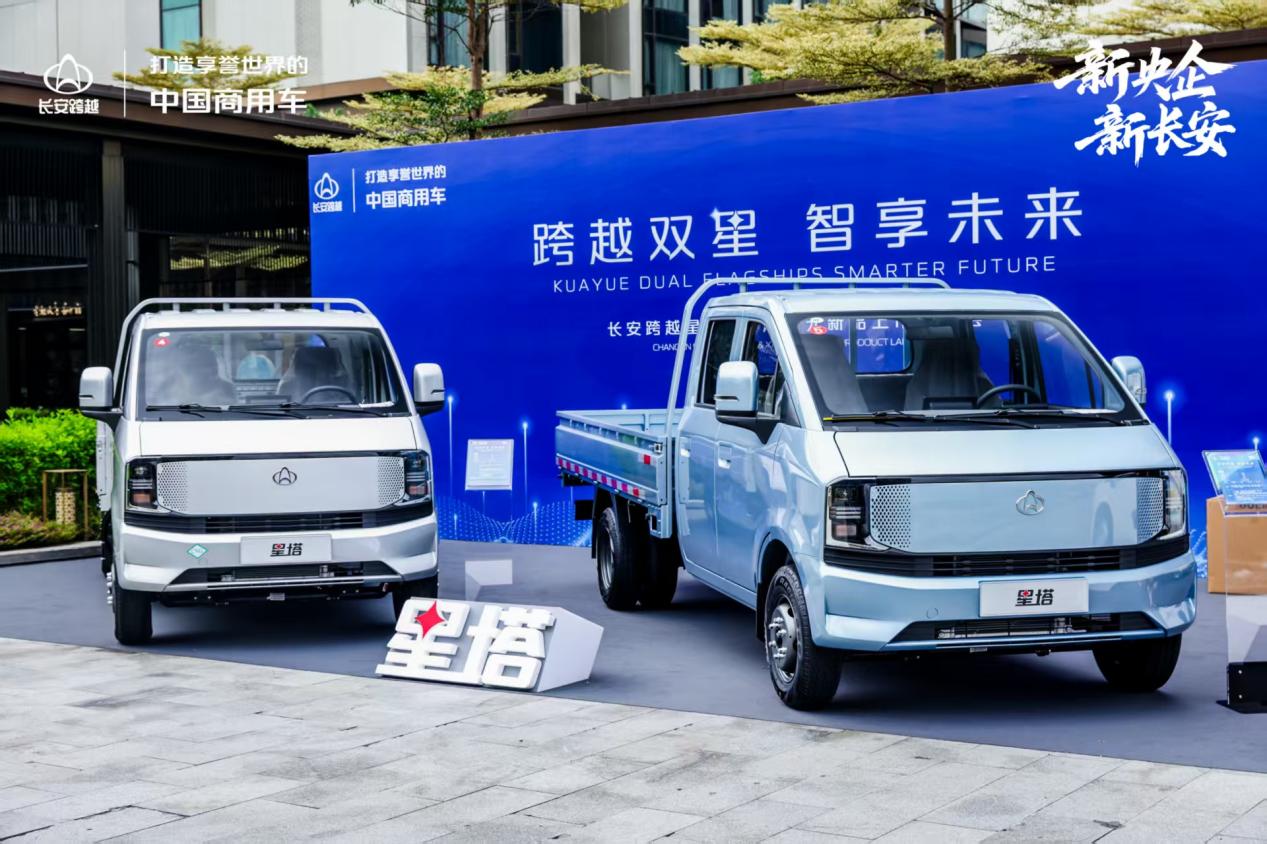
在消费升级与物流行业规范化发展的双重趋势下,用户对商用车的需求正在从"单纯便宜"向"综合价值"转变。9月29日,长安跨越的旗舰之作"星塔"正 式上市,星塔小卡精准地把握了这一趋势,以其均衡的产品力和精准的定价策略,有望在小卡市场占据一席之地,成为价值型用户的新选择。 初看星塔,其策略清晰得几乎透明。从名字内涵、产品谱系到设计理念,我们可以全面读懂这款承载着战略野心与用户期待的产品。"星"是希望,是荣 耀,是光明与指引,是用户全家生计的希望;"塔"是靠山,象征着稳固力量和安全,是用户的生活靠山。当"星"与"塔"相遇,这不仅是两个字的结合,更是 长安跨越对产品、对用户的双重承诺。 首先从外观来看,长期以来,商用车在人们的印象中往往是方方正正、颜色单调、缺乏设计感,与时尚和科技的词汇完全绝缘。而星塔则打破了这一呆 板的印象,在外观设计和空间上说实现了双突破,车身大曲面极简线条,流线型造型,重新定义了商用车的颜值与实用性。值得一提的是,星塔采用了子弹 头式驾驶舱设计,A柱倾斜角低至32.7度,结合车顶和车机盖连接结构,星塔从车头到车尾呈现出优美的流线型,有效的降低风阻10%。此外星塔还采用了 半隐藏式门把手设计,不仅 ...
双节消费多点开花文旅市场新意盎然
Sou Hu Cai Jing· 2025-10-09 10:55
来源:环球Tech 交通运输部数据显示,假期前八日,全社会跨区域人员流动量累计预计超24.32亿人次,创下历史同期新高,日均 3.04亿人次,同比增长6.2%。庞大的客流主要集中于京津冀、长三角、粤港澳大湾区、成渝等核心城市群,展现 了区域经济发展的强大引力。 文旅消费无疑是本次假期最耀眼的亮点。从北京前门步行街的游人如织,到上海外滩的灯火璀璨;从横店影视城 沉浸式项目前的长龙,到广西街头餐馆外的排队盛景,处处都是热闹非凡的景象。 值得注意的是,假日消费的人群结构正在发生深刻变化。以95后为代表的年轻一代正迅速崛起,成为旅游消费的 绝对主力。飞猪数据显示,假期出行客单价同比提升14.6%,其中95后游客的预订人次占比最高。 年轻人正以其独特的消费偏好,重塑着假日经济的格局。美团数据显示,"味蕾游"(为美食而旅行)、"赛事 游"等新业态持续激活消费潜力。更值得关注的是,当大城市景点人满为患时,越来越多年轻人选择"奔县",将目 光投向风景独特、文化底蕴深厚的县城与小镇。山西应县木塔、贵州镇远古城等地,凭借其独特的魅力,成为社 交媒体上的新晋"网红"打卡地,为县域经济带来了新的增长点。 【环球网消费综合报道】今年十 ...
株洲:文旅商融合催热“双节”经济,消费市场持续“圈粉”
Sou Hu Cai Jing· 2025-10-09 10:00
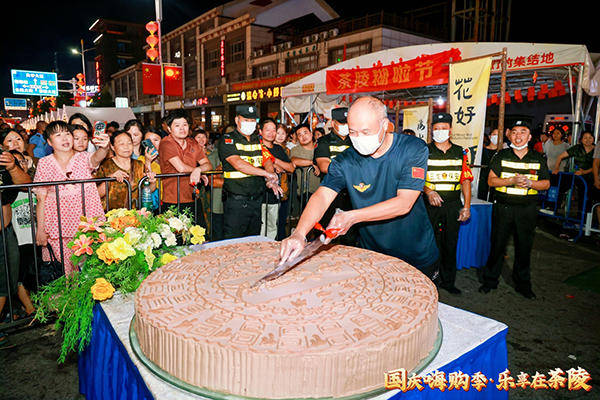
Core Insights - The consumption market in Zhuzhou has shown remarkable performance during the National Day and Mid-Autumn Festival, driven by a series of innovative and experiential activities that attracted a large number of tourists and effectively released consumption potential [1][4][11] Group 1: Festival Activities - The integration of culture, tourism, and commerce has become a key attraction for tourists, with events like the "Super Golden Week" in Tea Ling and the Ceramic Expo in Li Ling drawing significant crowds and boosting local consumption [4][5] - The "Super Golden Week" in Tea Ling received over 2.8 million visitors at the main venue, with a total of 5 million visitors county-wide, leading to over 600 million yuan in consumption across dining, accommodation, and shopping [4] - The Ceramic Expo in Li Ling featured 24 activities across three categories, enhancing the consumer experience and elevating the city's quality [5] Group 2: Cultural and Creative Activities - Cultural venues in Zhuzhou launched creative activities that combined the festive atmosphere with sports, such as a family-oriented traditional kicking game event at the Zhuzhou Museum [6] - The N+T Art Museum's inaugural exhibition attracted nearly 20,000 visitors during the holiday, showcasing a blend of art and technology [8] Group 3: Diverse Experiences - Various scenic spots in Zhuzhou offered diverse experiential projects to cater to different tourist demographics, such as the Water Fairy Lake's carnival activities and promotional ticket offers at sites like the Yan Emperor's Tomb [9] - The Tianze Clothing Market reported a 35% increase in foot traffic and a 28% rise in purchase orders compared to the previous year, indicating a strong consumer response to promotional activities [11] Group 4: Economic Impact - The combination of immersive experiences and innovative event formats has not only met the diverse needs of tourists but also led to significant revenue growth for participating businesses, reinforcing Zhuzhou's position as a consumer destination [11]
“味蕾游”点燃超级黄金周 餐饮消费活力迸发
Xin Hua Cai Jing· 2025-10-09 08:16
Core Insights - The 2025 National Day holiday coinciding with the Mid-Autumn Festival has sparked a surge in consumer spending, particularly in the food and beverage sector, highlighting a shift towards experiential consumption [1][2] Group 1: Consumer Trends - The "must-eat" list on Dazhong Dianping saw a nearly 180% increase in traffic during the holiday, with cities like Shanghai, Beijing, and Guangzhou leading the way [1] - There is a notable trend of restaurant consumption expanding into lower-tier markets, with some small towns experiencing over 217% growth in traffic on the list, and order volumes for local shops increasing by over 222% [1] Group 2: Brand Performance - Popular restaurant chains like Haidilao reported high customer traffic during the holiday, with some locations achieving a table turnover rate exceeding 12 times in three days [2] - New seasonal products have been launched by major dining brands to cater to consumer preferences, such as the "Jinguiguan Yin" series from Chabaidao, which sold nearly 1.3 million cups during the holiday [2] Group 3: Economic Impact - The explosion of restaurant consumption during the holiday reflects a deepening trend of consumption upgrading, with quality dining becoming a key driver of holiday economic activity [2] - The phenomenon of localized dining migration indicates a shift in consumer decision-making from sightseeing to emotional resonance, reshaping the meaning of travel [3]
假期余额归零寒流上线 京东七鲜为返工首日续上火锅“热辣滚烫”
Zhong Jin Zai Xian· 2025-10-09 08:07
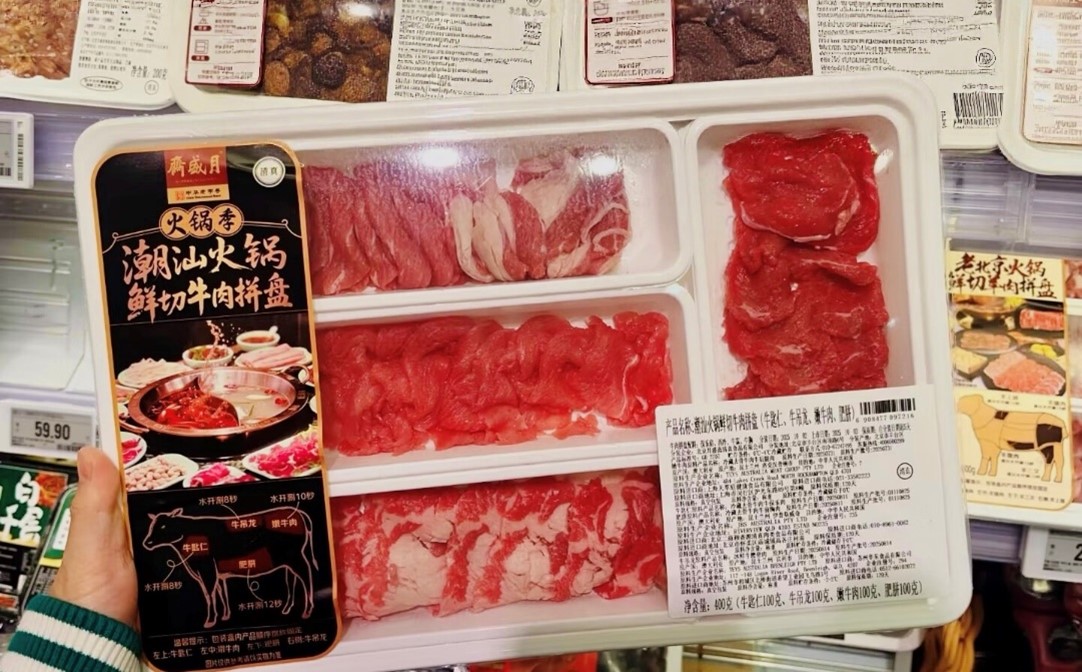
Core Insights - The recent continuous rainfall in North China has led to a significant increase in the demand for hot pot, with many consumers opting for this dish as the temperature drops after the National Day holiday [1][9] Group 1: Product Offerings - JD Qixian has launched a dedicated "Hot Pot at Home" selection on its app, featuring a variety of traditional ingredients and innovative regional flavors, making it easier for consumers to choose their preferred hot pot style [3] - The company offers convenient meal kits, such as a 500g vegetable platter and a 700g mushroom combination, allowing consumers to enjoy multiple flavors with minimal preparation [3] - A wide range of meat options is available, including various cuts of beef and lamb, with prices starting as low as 16.9 yuan per box, providing consumers with a restaurant-quality experience at home [5] Group 2: Convenience and Accessibility - For consumers who prefer not to cook, JD Qixian has introduced ready-to-eat self-cooking hot pot options, such as the Hai Di Lao dual-flavor self-cooking pot, which can serve 4-6 people and includes all necessary ingredients [7] - The company has implemented a supply chain management strategy to ensure the availability of hot pot products during adverse weather conditions, enhancing consumer confidence in purchasing [9] - Orders placed through JD's app can be delivered within 30 minutes in a 3-kilometer radius, emphasizing the convenience and speed of service [9]