新消费

Search documents
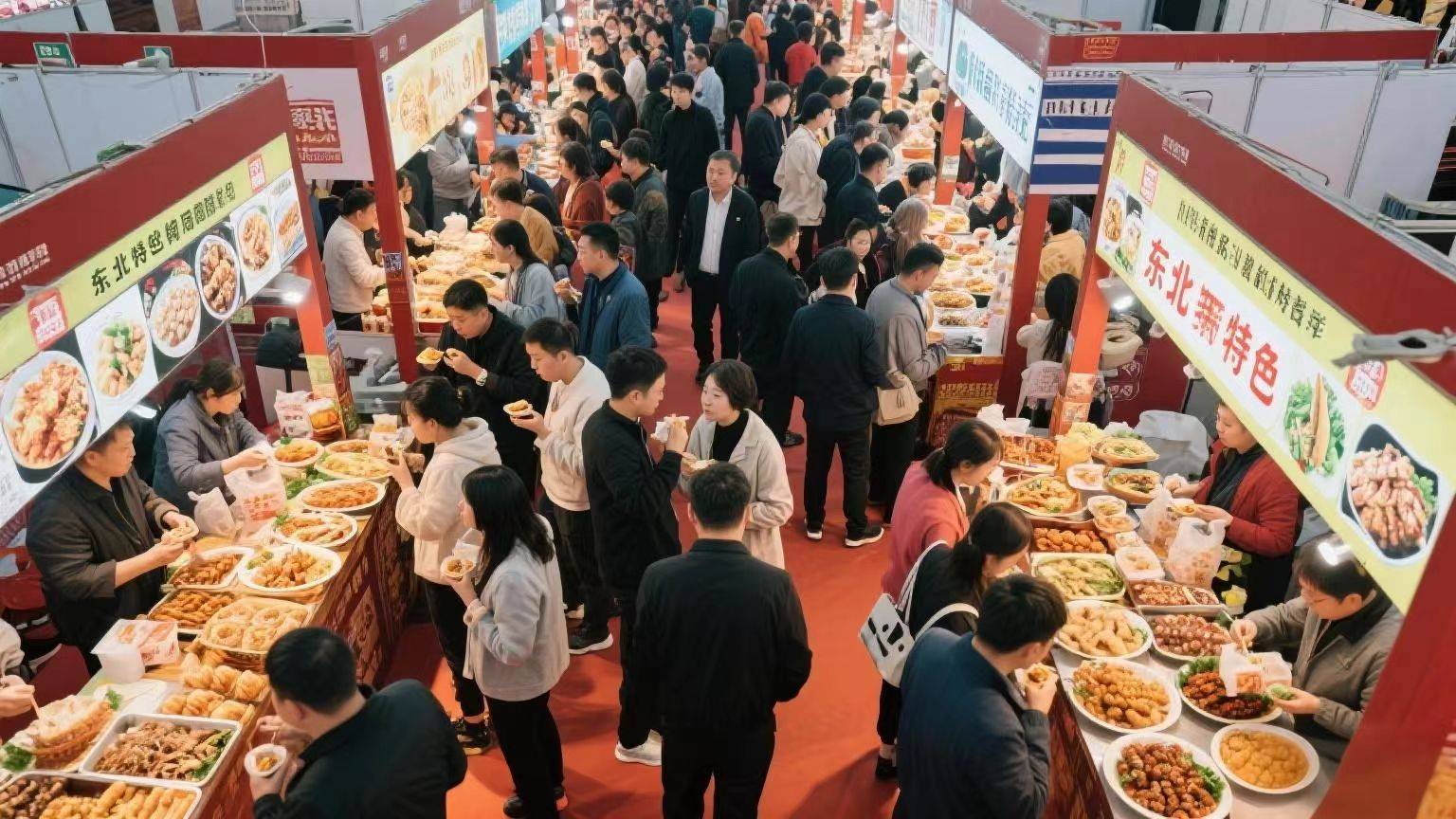
消博会上的“东北风”,吹起消费新热潮
Sou Hu Cai Jing· 2025-06-23 15:23
Core Insights - The "2025 Northeast Asia International Consumer Goods Expo" held in Shenyang from June 20 to 23 showcased a vibrant array of consumer brands and products, highlighting the region's potential in the consumer market [1][4]. Exhibition Overview - The expo featured an exhibition area of 85,000 square meters, hosting over 800 domestic and international consumer brands, creating a shopping paradise for attendees [3]. - Various themed areas included fashion, beauty, food, home goods, and technology, catering to diverse consumer interests [3]. Fashion and Beauty - The fashion section displayed international and domestic brands, with models showcasing the latest trends, while the beauty area offered a wide range of cosmetics and skincare products for attendees to try [3]. Food and Beverage - The food section highlighted local Northeast specialties such as Shenyang's "Bulao Lin" candy and Harbin's red sausage, alongside international cuisines like Japanese sushi and Korean kimchi, attracting food enthusiasts [3]. Home and Technology - The home goods area featured smart home products and elegant tableware, reflecting modern living standards, while the technology section presented cutting-edge electronic products, drawing interest from tech enthusiasts [3]. Regional Impact - The expo served as a platform for Northeast products to gain visibility and foster collaboration opportunities, enhancing the region's appeal in the consumer market [4]. - The event is expected to pave the way for more exhibitions in Northeast China, promoting regional culture and products to a broader audience [4].

新消费·新价值|从港股三朵金花爆发看中国新消费崛起
Bei Jing Ri Bao Ke Hu Duan· 2025-06-23 13:07
Group 1: Pop Mart - Pop Mart's revenue for Q1 2025 increased by 165% year-on-year, with China revenue growing by 95% to 100% and overseas revenue soaring by 475% to 480% [1] - The company's market capitalization reached nearly 370 billion HKD, marking a more than tenfold increase from its low point in March 2024 [1] - The success is attributed to the shift in consumer behavior towards emotional value, with the Labubu series generating over 3 billion HKD in sales in the first half of 2025, reflecting a 68% year-on-year increase [1][2] Group 2: Overseas Expansion - Pop Mart established its overseas business center in 2018, with overseas revenue reaching 1.066 billion HKD in 2023 and a significant increase in store count to 130 by 2024 [3] - Online sales in overseas markets grew by 834% in 2024, with notable increases from platforms like Shopee and TikTok [3] - The company tailored products to local markets, achieving a 375.2% year-on-year growth in revenue from Hong Kong, Macau, and overseas, accounting for 38.9% of total revenue [3] Group 3: Mixue Ice City - Mixue Ice City achieved a market capitalization of nearly 110 billion HKD following a successful IPO, with shares rising 43.21% on the first day of trading [4][5] - The company focuses on high cost-performance beverages, with 57.4% of its stores located in lower-tier cities, tapping into the growing demand for affordable brands [5] - Mixue's supply chain efficiency, including a 12-hour logistics network and self-sourced ingredients, has led to a 90% survival rate for county-level stores [6] Group 4: Lao Pu Gold - Lao Pu Gold's stock price surged over 20 times within a year, reaching a market capitalization of 170 billion HKD, driven by a revenue increase of 167.5% to 8.506 billion HKD in 2024 [7][8] - The brand's unique pricing strategy, emphasizing design and craftsmanship, has attracted high-net-worth consumers seeking cultural significance in their purchases [9] - Lao Pu Gold's collaboration with traditional cultural IPs has enhanced its appeal, aligning with the rising trend of spiritual consumption in the new consumer landscape [9][10]
次新基业绩首尾相差逾46个百分点,建仓节奏成胜负手
Di Yi Cai Jing· 2025-06-23 12:01
Group 1 - The A-share market has shown resilience in the second quarter, with the Shanghai Composite Index rebounding 9.2% from its low of 3040.69 points on April 7 to 3381.58 points by June 23 [1] - There is significant performance differentiation among newly established funds, with a gap exceeding 46 percentage points due to varying investment strategies and timing of market entry [2][3] - The healthcare sector, particularly innovative drugs, has been a key driver of fund performance, with some funds achieving returns over 20% despite market volatility [3] Group 2 - The second quarter has seen a notable increase in the issuance of equity funds, with over half of the 247 newly established products raising funds in less than 15 days, indicating a rush to capitalize on market opportunities [5] - The market is currently characterized by both opportunities and risks, with sectors like AI, humanoid robots, and innovative drugs showing high local interest, although some companies may still face valuation challenges [6][8] - The overall valuation of the A-share market remains historically low, supported by a dual easing monetary and fiscal policy environment, while uncertainties from global trade tensions pose risks [8]
新消费浪潮下,谁在抛弃旧秩序?
虎嗅APP· 2025-06-23 10:16
Core Viewpoint - The article discusses the transformation of the consumer landscape in China, highlighting the shift from traditional brands to domestic brands driven by the new generation of consumers, particularly the Z generation, who prioritize practicality and value over brand prestige [3][4]. Group 1: Key Trends in New Consumption - The new consumption trend is characterized by a collective disillusionment with foreign brands, as consumers increasingly favor domestic products that offer better value for money [6][7]. - The rise of domestic brands is not driven by nationalism but by a rationalist approach to consumption, leading to a K-shaped differentiation among domestic brands, where innovative brands thrive while traditional ones decline [12][13]. - The automotive industry is witnessing a significant shift towards domestic electric vehicles, with domestic brands capturing over 60% of the market share by 2024, driven by advancements in technology and consumer preferences [9][10]. Group 2: Changes in Consumer Behavior - New consumers are increasingly focused on self-satisfaction, leading to a redefinition of social interactions and consumption patterns, where personal happiness takes precedence over societal expectations [28][32]. - The tourism industry is experiencing a boom, with record-high participation rates, reflecting the desire for personal experiences despite economic constraints [30][32]. - The rise of the "single economy" and "宅经济" (home economy) is reshaping consumer demands, with a preference for personalized, convenient products and services [34][35]. Group 3: Channel Dynamics - Traditional retail channels are rapidly declining as new consumption models emerge, exemplified by the success of snack wholesale stores that offer lower prices and a wider variety of products [20][23]. - The shift towards instant retail is gaining momentum, with projections indicating that the market will exceed 1 trillion yuan by 2025, highlighting a significant change in consumer purchasing behavior [36][37]. - The article emphasizes the need for brands to adapt to the changing landscape, as traditional strategies become less effective in the face of evolving consumer preferences [27].
港股收盘(06.23) | 恒指收涨0.67% 半导体、航运股等走高 新消费概念普遍回暖
智通财经网· 2025-06-23 09:11
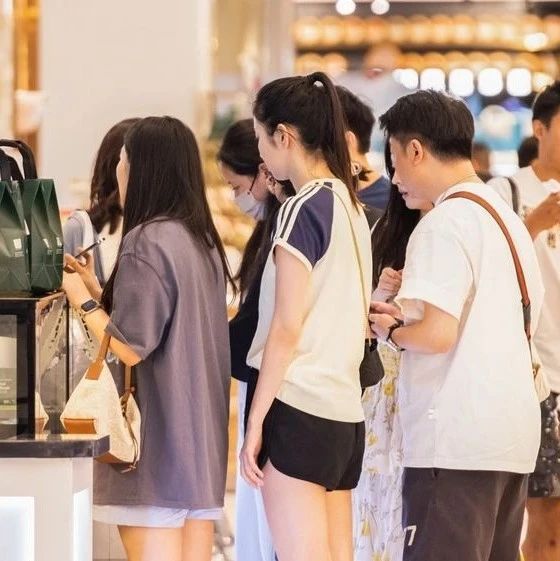
Market Overview - The Hong Kong stock market opened lower but rebounded, with the Hang Seng Index closing up 0.67% at 23,689.13 points and a total turnover of HKD 198.59 billion [1] - The Hang Seng Technology Index rose over 1%, indicating a positive sentiment in the tech sector despite geopolitical tensions in the Middle East [1] Blue Chip Performance - Li Auto (02015) led blue-chip stocks with a 5.49% increase, closing at HKD 107.6, contributing 12.27 points to the Hang Seng Index [2] - Other notable performers included Zhongsheng Holdings (00881) up 4.91% and SMIC (00981) up 4.56%, while Xinyi Solar (00968) and Mengniu Dairy (02319) saw declines [2] Sector Highlights - Semiconductor stocks performed well, with Hongguang Semiconductor (06908) up 7.84% and SMIC (00981) up 4.56% [3] - The U.S. plans to tighten semiconductor technology exemptions, which may impact global supply chains and create opportunities in the domestic semiconductor industry [3] Stablecoin Concept - The stablecoin sector showed positive momentum, with companies like Lianlian Digital (02598) and ZhongAn Online (06060) seeing significant gains [4] - The launch of the Cross-Border Payment System is expected to enhance the application of stablecoins, particularly in small and frequent transactions [4] Oil and Gas Sector - Oil and gas equipment stocks rose, with Shandong Molong (00568) up 8.65% and Baqian Oil Services (02178) up 7.14% [4] - The geopolitical situation, including U.S. airstrikes in Iran, has led to increased oil prices, with WTI crude oil rising over 6% at one point [5] Shipping Sector - Shipping stocks performed strongly, with Pacific Basin Shipping (02343) up 19.8% [6] - The potential closure of the Strait of Hormuz due to geopolitical tensions could disrupt global shipping routes, leading to increased interest in shipping stocks [6] New Consumption Trends - New consumption concepts are gaining traction, with companies like Shangmei (02145) and Maogeping (01318) reporting significant growth during the 618 shopping festival [7] - Analysts suggest that sectors meeting emotional value and high-frequency consumption criteria are likely to see long-term growth [7] Notable Stock Movements - China Tianrui Group Cement (01252) saw a significant increase of 14.81% after announcing a recovery in profits [8] - Xiaocaiyuan (00999) rose 10.15% following the lifting of a share lock-up period [9] New Listings - Yaojie Ankang-B (02617) surged 78.71% on its debut, focusing on innovative therapies for cancer and other diseases [10] - Baize Medical (02609) also performed well, increasing 42.18% after its IPO [11] - Sanhua Intelligent Control (02050) saw a slight decline of 0.13% on its first trading day [12]

茅台跌倒,新消费三姐妹却“暴力逆袭”?
Tai Mei Ti A P P· 2025-06-23 08:09
Core Viewpoint - The article highlights the contrasting performance of traditional high-end liquor brands like Moutai, which are struggling, versus the rising success of new consumer brands such as Pop Mart, Mixue Ice City, and Laopu Gold, which are thriving in the current market environment [1][18]. Group 1: Company Performance - Pop Mart has achieved a market valuation close to HKD 300 billion, driven by its successful LABUBU plush toy line and a comprehensive IP ecosystem that includes original IP incubation and a blind box mechanism [3][10]. - Mixue Ice City has over 46,000 stores globally, with annual revenue exceeding CNY 24.8 billion and net profit over CNY 4.4 billion, focusing on affordable pricing and quality [4][10]. - Laopu Gold reported sales of CNY 9.8 billion in 2024, a 166% year-on-year increase, with net profit rising by 254% to CNY 1.47 billion, targeting a younger demographic with culturally rich gold jewelry [5][10]. Group 2: Business Strategies - Pop Mart's strategy involves creating a complete IP incubation system and product lifecycle management, moving beyond just selling blind boxes to a broader range of products [7][14]. - Mixue Ice City emphasizes a strong supply chain and low-cost entry for franchisees, allowing for rapid expansion and high turnover in the beverage market [10][14]. - Laopu Gold differentiates itself by combining traditional craftsmanship with modern aesthetics, positioning itself in high-end shopping districts and appealing to a younger, fashion-conscious audience [15][16]. Group 3: Market Trends - The article notes a shift in consumer preferences, with younger consumers favoring products that offer emotional value and social currency, as seen in the success of the new consumer brands [9][18]. - The traditional high-end liquor market is experiencing a downturn, with brands like Moutai facing challenges due to changing consumer habits and a decline in the "banquet culture" [18][19]. - The new consumer brands are capitalizing on the demand for affordable, trendy, and culturally relevant products, indicating a significant transformation in the consumption landscape [1][19].


Z世代消费图鉴来了!做新消费“型”动派
Zhong Guo Ji Jin Bao· 2025-06-23 07:34
当下,消费市场正经历一场"静悄悄的变化":品质、体验、个性表达成为新刚需,线上线下加速融合, 新业态层出不穷。但是,信息过载让人眼花缭乱?预售套路、冲动消费频踩坑?钱包和权益如何守护? 别慌!新消费时代,清醒的"型"动派绝不躺平! 中国基金报紧抓时代脉搏,联合各大金融证券机构,倾力打造 《新消费"型"动派》 主题系列活动! 聚 焦Z世代消费力,以专业视角和多元形式,为您奉上一份实用、前瞻的《新消费指南》。 洞察Z世代消费力,解码趋势背后的投资逻辑! 本次《新消费"型"动派》主题系列活动将在中国基金报官方微信公众号、官方视频号、官方APP、官方 微博、官方抖音、官方社群等媒体平台进行同步宣传和推广,覆盖用户超1200万! 同时,活动将在中国基金报投资者教育社群中深度互动,让理性消费与科学理财的理念深入人心。 (原标题:Z世代消费图鉴来了!做新消费"型"动派) 您的反馈,将直通《基民来了》直播间,变身"基民树洞"热聊话题。参与即是对自身消费主张的清晰表 达,更是为行业提供价值洞察! 基民来了 新消费投资,你入局了吗? 6月23日起,精彩活动不停歇,助你成为新消费"清醒玩家": 投资热点说 新消费崛起!如何挖掘投资 ...
新消费火了!这些公司被密集调研
天天基金网· 2025-06-23 06:15
Core Viewpoint - The new consumption investment trend, driven by潮玩IP, national trend gold, pet economy, and new tea drinks, has gained momentum in 2023, with many new consumption companies seeing stock price increases of over 30% since the second quarter, attracting extensive institutional investor interest [1]. Group 1: New Consumption Companies - Leading new consumption stocks such as 泡泡玛特, 老铺黄金, and 中宠股份 have shown strong performance, with institutional investors conducting multiple research sessions [3]. - 潮宏基 has been researched by 178 institutions three times since mid-April, with a stock price increase of 74.71% in Q2 and 183.42% over the past year. The company plans to expand its brand internationally in 2025 [3]. - 周大生 attracted 216 institutions for 14 research sessions, with new self-operated stores focusing on gold and embedded products [3]. - 新兴珠宝企业曼卡龙 has been researched 16 times by 113 institutions, with a stock price increase of 79.78% in Q2, emphasizing its online capabilities to meet young consumers' preferences [4]. - 中宠股份, a leader in pet food, held two research activities attracting 221 institutions, while 天元宠物 was researched by 45 institutions six times, with a stock price increase of 38.82% in Q2 [4]. Group 2: Investment Logic and Strategy - The unique characteristics of new consumption companies have led fund managers to adjust their strategies, focusing on individual stock research rather than top-down approaches due to the scarcity of listed companies in niche markets [5]. - The research framework for new consumption differs significantly from traditional consumption, emphasizing product strength and consumer-driven purchasing rather than channel power [5]. Group 3: Future Investment Opportunities - Institutions are focusing on new consumption investment opportunities as the year progresses, with 国信证券 identifying seven main lines for investment: digital economy, self-care consumption, emotional value consumption, health economy, convenience economy, alternative economy, and value-driven consumption [6].


和治友德董事长韩金明出席2025年度新消费创客嘉年华 和治友德再获多项荣誉
Sou Hu Cai Jing· 2025-06-23 05:46
Group 1 - The 2025 New Consumption Creator Carnival and the 18th World Direct Selling Brand Festival will be held in Wuhan, focusing on innovation and opportunities [2] - Tianjin Hezhi Youde Pharmaceutical Co., Ltd. ranked 16th on the "2025 World Direct Selling Brand Influence 100 List" and received multiple awards including "2025 New Consumption Annual Influential Enterprise" and "2025 New Consumption Globalization Renewal Pioneer" [20][18] - The event aims to explore cutting-edge trends in the new consumption sector and identify potential business opportunities for sustainable development [4] Group 2 - Chairman Han Jinming, as the rotating chairman of the event, emphasized the importance of "renewal" in the context of domestic and international trends, and the digital age [9] - The company has been focusing on independent and continuous innovation, aiming for high-quality global development through digital transformation and sustainable practices [12] - The company plans to contribute to building a healthy community and promoting health culture as part of its future initiatives [23]

泡泡玛特、蜜雪冰城和老铺黄金:三家千亿公司,三种稀缺性
创业邦· 2025-06-23 04:07
Core Viewpoint - The article discusses the rise of three new consumption brands in Hong Kong: Mixue Ice City, Pop Mart, and Laopu Gold, highlighting their unique business models and market strategies that cater to different consumer needs and preferences [5][7][23]. Group 1: Business Models - Mixue Ice City focuses on efficiency by offering low-priced products and expanding through a franchise model, supported by a highly efficient supply chain [10][20]. - Pop Mart capitalizes on emotional engagement through its collectible toys, creating a strong brand narrative and high market expectations, reflected in its elevated price-to-earnings ratio [10][12]. - Laopu Gold targets cultural identity and high-net-worth consumers by positioning itself as a luxury brand, successfully bridging the gap between traditional gold products and modern luxury [15][16]. Group 2: Market Performance - In 2023, the average stock price increase for these brands exceeded 200%, with a total market capitalization surpassing 700 billion HKD, indicating strong investor interest [3][5]. - Pop Mart's market capitalization has fluctuated significantly, reaching a peak of over 100 billion HKD shortly after its IPO in 2020, but later experiencing a decline of over 90% before recovering to around 37 billion HKD by mid-2024 [7][12]. - Laopu Gold has shown remarkable growth, with its revenue increasing from 130 billion CNY in 2018 to 1,573 billion CNY in 2023, demonstrating its successful market penetration [15][16]. Group 3: Channel Strategies - Mixue Ice City operates over 46,000 stores globally, primarily through a franchise model, while maintaining a low-cost structure that allows for competitive pricing [25][44]. - Pop Mart and Laopu Gold utilize a direct sales model, focusing on high-end retail locations to enhance brand prestige and customer experience [25][26]. - Laopu Gold's average store performance in luxury malls exceeds that of international brands, showcasing its effective positioning in the high-end market [25][26]. Group 4: International Expansion - All three brands began their international expansion in 2018, with Mixue Ice City opening its first overseas store in Vietnam, Pop Mart entering South Korea, and Laopu Gold establishing a presence in Hong Kong [34][35]. - By 2024, Pop Mart's overseas revenue accounted for nearly 40% of its total income, indicating a successful international strategy [37][39]. - Mixue Ice City has established a significant presence in Southeast Asia, with over 4,800 stores, while Laopu Gold is still in the early stages of its international expansion [42][43].