智能汽车

Search documents
黑芝麻智能(02533.HK)五赴CES,三大领域最新突破推动智能全维进化
Ge Long Hui A P P· 2026-01-07 09:54
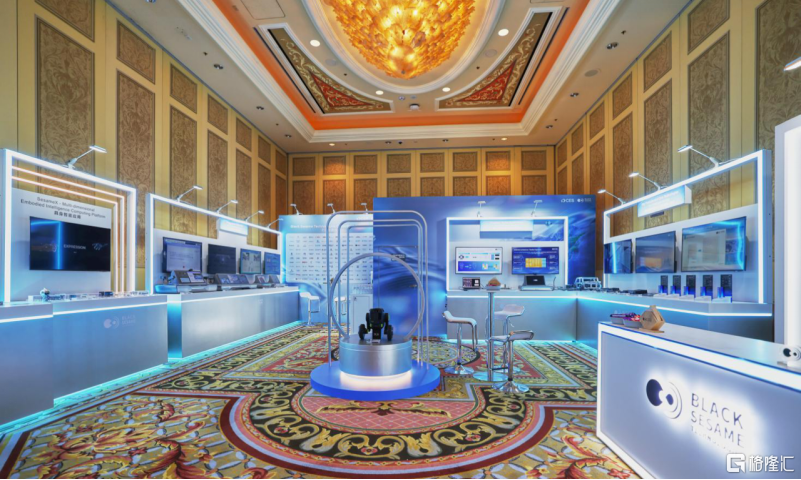
Core Insights - Black Sesame Intelligence showcased its latest achievements in assisted driving, embodied intelligence, and consumer electronics at CES 2026, marking its strategic shift from "driving assisted driving" to "promoting intelligent evolution" [1] Group 1: Assisted Driving - The A2000 all-scenario general-purpose assisted driving demonstration platform made its debut, providing high-performance, high-reliability full-stack solutions for the smart automotive industry [2] - The Huashan A2000 chip has gained wide recognition in the industry, successfully collaborating with major automakers like Dongfeng, Geely, Hongqi, and JAC to implement assisted driving technology in mass-produced vehicles [5] - The A2000 chip has passed relevant U.S. reviews and is officially launched in the global market, featuring a large-core architecture and system-level optimization [5] Group 2: Embodied Intelligence - The SesameX multi-dimensional embodied intelligence computing platform made its overseas debut, aimed at providing an open, scalable, and mass-producible intelligent computing base for robotics [7] - The platform includes three series: Kalos, Aura, and Liora, catering to various complexities and forms of robotic needs, promoting the large-scale industrial implementation of embodied intelligence [7] Group 3: Consumer Electronics - Black Sesame's AI imaging solutions have been widely adopted in consumer electronics, with over 500 million devices equipped globally [8] - The recent strategic acquisition of Yizhi Electronics enhances Black Sesame's capabilities in low-power, cost-effective AI SoC chips, showcased at CES [8] - The AI imaging solutions cover a range of products, including smartphones, tablets, cameras, and AI glasses, providing enhanced user experiences through deep integration of chips and algorithms [8]


雷军宣布今晚再开直播 探讨新版SU7并回应近期质疑
Sou Hu Cai Jing· 2026-01-07 07:14
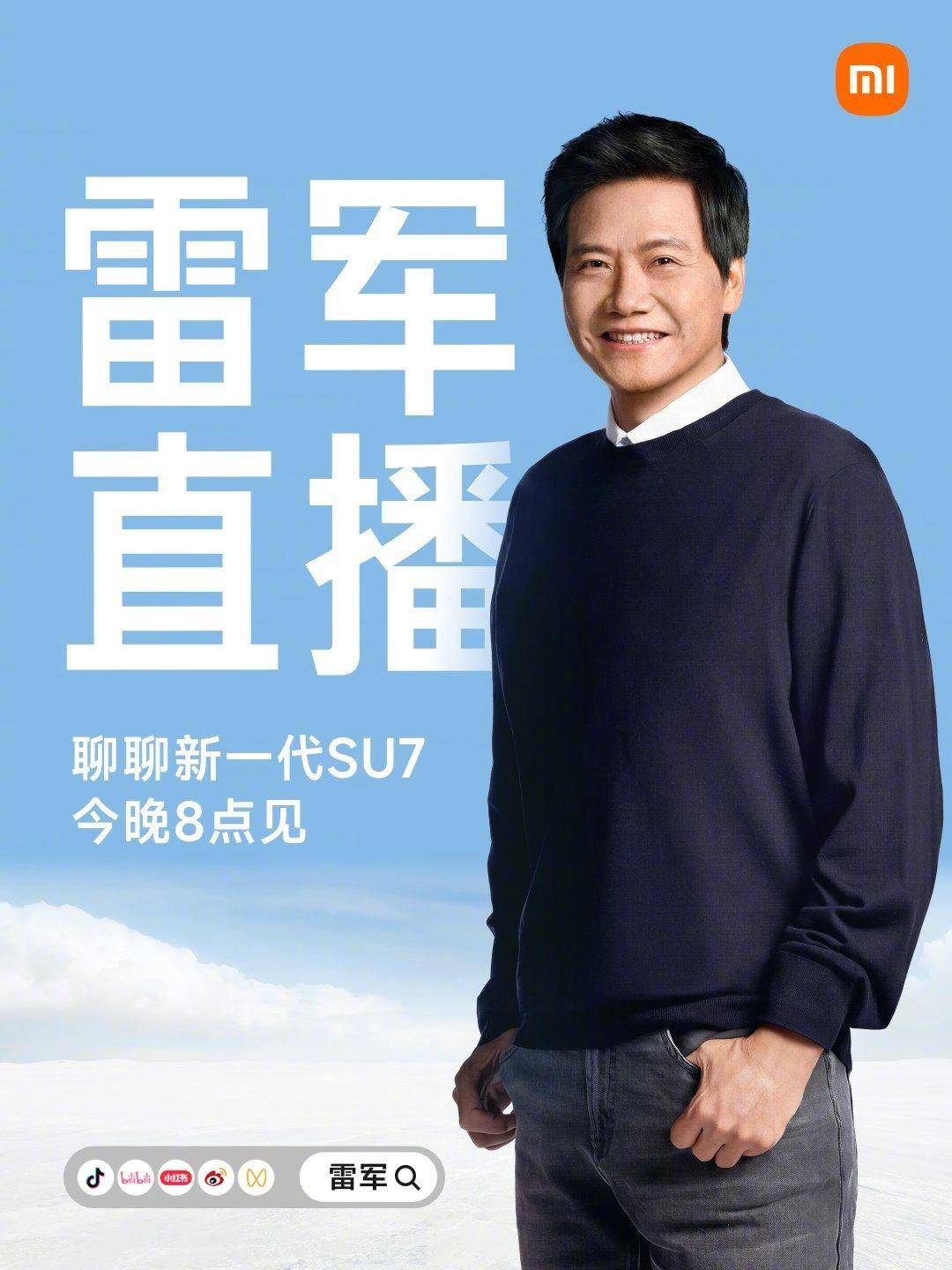
2026年1月7日午间,小米集团创始人、董事长兼首席执行官雷军通过个人社交平台宣布,将于当晚20时进行直播,介绍新一代小米SU7车型,并就近期网 络上的相关质疑作出进一步回应。雷军同时邀请公众在评论区留言提问,表示将就用户关注的问题进行解答。 据悉,新一代SU7延续其驾驶者导向的产品定位,在安全性能方面进一步强化。全系车型将标配激光雷达,辅助驾驶系统实现全面配置,续航能力取 得"新的重大突破"。同时,新车搭载更先进的智能底盘系统以提升操控质感,并配备升级后的智能座舱与辅助驾驶功能,以增强整体智能化体验。 此次发布的新一代SU7新增"卡布里蓝"配色,该颜色由小米MiMo大模型辅助定义,描述为介于天蓝色与绿松石色之间、带有明显青调的地中海海水色 系。此外,新车在外观与内饰方面亦有更新,包括新轮毂样式与全新座舱设计。 聊聊新一代SU7 今晚8点见 t 19 @ 8 00 雷军Q 值得一提的是,今天上午10时,新一代小米SU7已正式开启小订。该车型预售价区间为22.99万元至30.99万元,计划于2026年4月正式上市。据公开信息显 示,新车定位于豪华高性能纯电动轿车。 ml ...

小米CEO雷军今晚8点直播:聊聊新一代SU7,并将回应网上质疑
Sou Hu Cai Jing· 2026-01-07 06:41
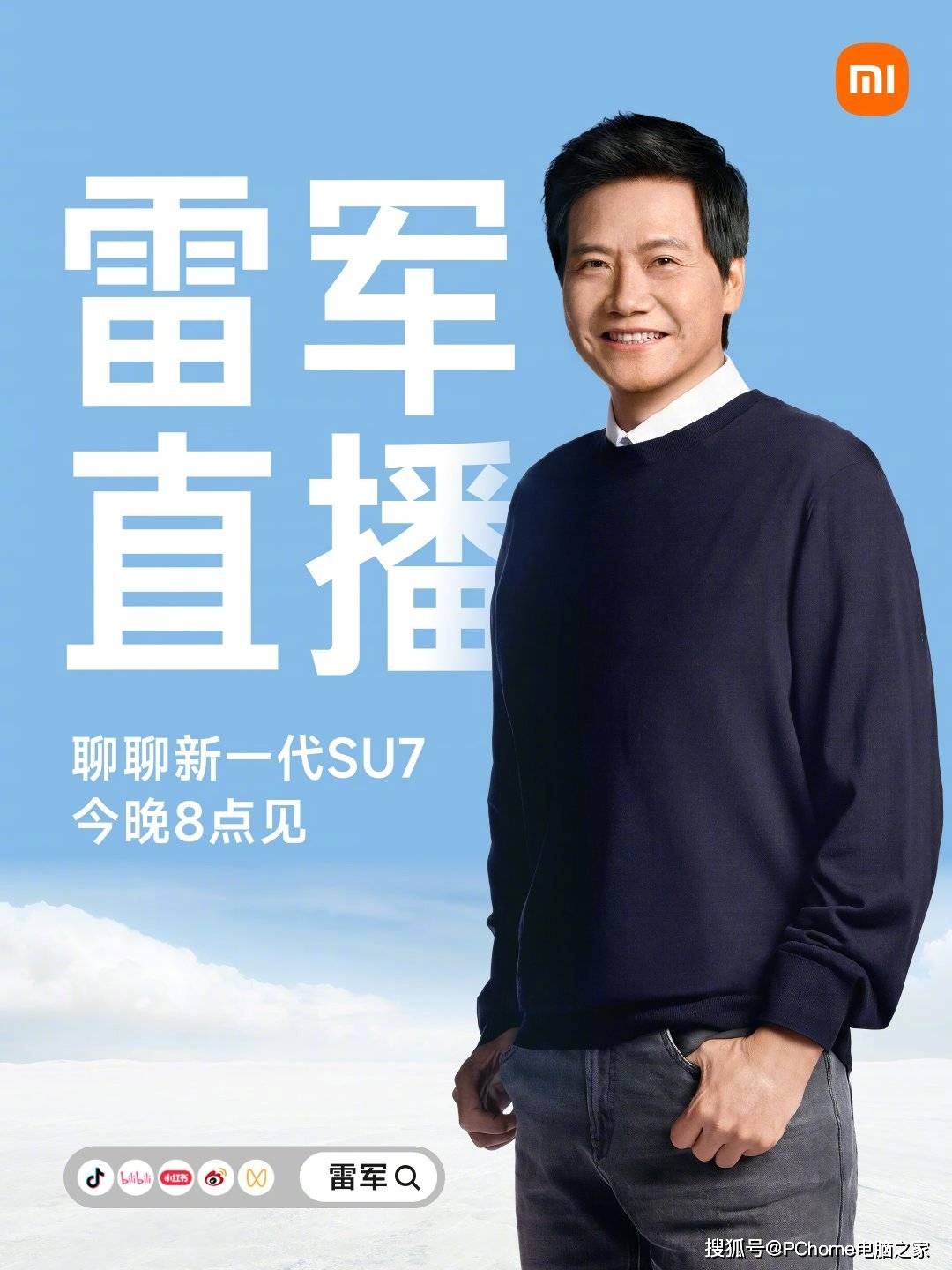
xiaomi SU7 值得注意的是,小米近期因与"万能的大熊"合作遭到粉丝及消费者抵制,今日官方发布通告表示:涉事人员皆被辞退,公关总经理徐洁云被通报批评。 2026年1月7日,小米CEO雷军账号发文称:今晚8点直播,聊聊新一代SU7,并继续回应网上各种质疑,大家有啥问题,可以直接留言。 据了解,雷军发文表示,新一代SU7仍然是一台出色的驾驶者之车:新颜色、新轮毂、新内饰依然惊艳,安全进一步增强,全系标配激光雷达,辅助驾驶全 部满配,续航有新的重大突破,同时,配备更先进的智能底盘让驾驶质感更出色,更强大的智能座舱和辅助驾驶系统造就无以伦比的智能体验。新一代 SU7,预计2026年4月上市。 ...
常熟汽饰跌2.04%,成交额1.36亿元,主力资金净流出833.32万元
Xin Lang Cai Jing· 2026-01-07 05:45
Core Viewpoint - Changshu Automotive Interior Co., Ltd. has experienced fluctuations in stock price and trading volume, with a recent decline of 2.04% in share price, reflecting market dynamics and investor sentiment [1]. Group 1: Stock Performance - As of January 7, the stock price of Changshu Automotive Interior is reported at 15.86 CNY per share, with a total market capitalization of 5.81 billion CNY [1]. - The stock has seen a year-to-date increase of 2.52%, a 5-day increase of 3.80%, a 20-day increase of 2.85%, but a 60-day decline of 12.81% [1]. Group 2: Financial Performance - For the period from January to September 2025, the company achieved a revenue of 4.671 billion CNY, representing a year-on-year growth of 25.03% [2]. - The net profit attributable to shareholders for the same period was 348 million CNY, showing a year-on-year decrease of 9.70% [2]. Group 3: Shareholder and Institutional Holdings - As of September 30, 2025, the number of shareholders decreased by 12.62% to 25,000, while the average number of circulating shares per person increased by 10.32% to 14,670 shares [2]. - Notable institutional holdings include HSBC Jintrust New Power Mixed Fund as the second-largest shareholder with 7.3733 million shares, a decrease of 293,200 shares from the previous period [2].

广汽与华为从“拍桌子”到协同合作 加速迈入智能化
Zhong Guo Jing Ying Bao· 2026-01-07 04:47
Core Insights - The visit of Huawei's executive Yu Chengdong to GAC Group marks a significant step in their collaboration on smart vehicles, culminating in a comprehensive cooperation framework agreement [2][3] - The agreement signifies a shift from project-level cooperation to a long-term strategic partnership, focusing on the integration of technology and product development in the smart automotive sector [3][5] Group 1: Cooperation Framework - The cooperation framework between GAC Group and Huawei is centered around the co-construction of the HarmonyOS ecosystem, emphasizing joint innovation in AI and other cutting-edge technologies [4][5] - This partnership aims to enhance GAC's smart upgrade and support the international expansion of China's automotive industry [5][6] - Both companies will work on integrating their strengths in electric vehicle manufacturing, operating systems, smart cockpits, and global service systems [4][5] Group 2: Product Development - GAC's new brand, Qijing, is set to play a crucial role in deepening the collaboration, with new models featuring Huawei's advanced driving and smart cockpit systems [7][8] - The first model from Qijing, a stylish shooting brake, is expected to launch in 2026, showcasing a collaborative design process involving significant input from both GAC and Huawei [7][8] - The product development process has been characterized by intense discussions and negotiations, reflecting the high standards both companies aim to achieve [8][9] Group 3: Strategic Alignment - The ongoing collaboration aligns with GAC Group's strategic plan "Smart Travel 2027," which prioritizes smart technology as a core focus [9][10] - The partnership has expanded from hardware to software, covering various aspects of automotive technology, with a consistent emphasis on smart solutions [9][10] - GAC and Huawei's joint initiatives, such as the Huawei cloud vehicle technology, have already been implemented in GAC's models, enhancing the overall smart experience [9]

CES 2026 正式开幕;英伟达挑战特斯拉FSD,马斯克:希望他们成功;小米公布 KOL 事件处理结果|极客早知道
Sou Hu Cai Jing· 2026-01-07 03:52
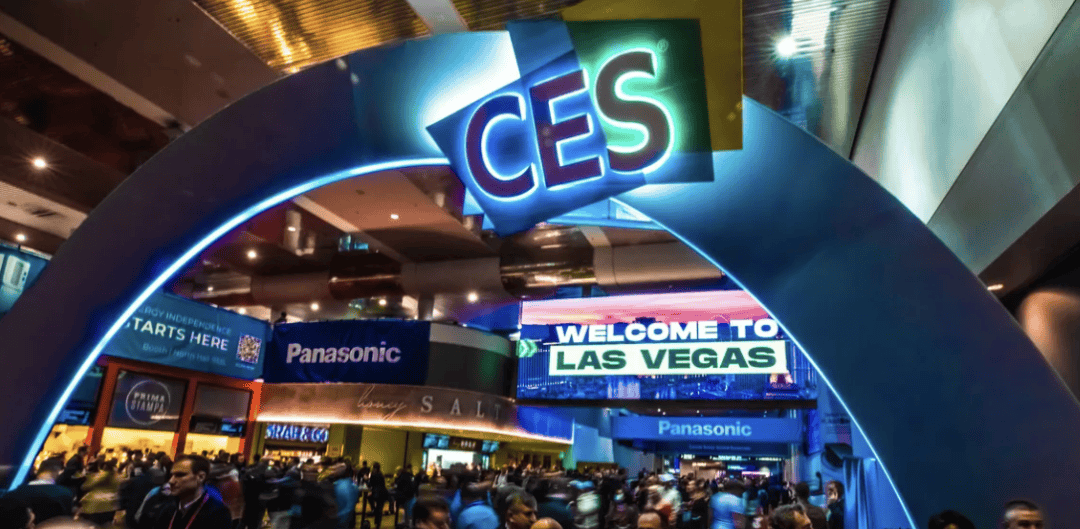
Group 1: CES 2026 Highlights - CES 2026 opened on January 6, showcasing over 4,100 exhibitors, including major companies like Nvidia, AMD, Qualcomm, Lenovo, and TCL, with expected attendance surpassing 150,000 [3] - The event emphasized the integration of AI across various consumer electronics sectors, moving beyond basic applications to fundamentally reshape chips, displays, appliances, and transportation [3] - Key focus areas included "Robotics and Embodied Intelligence," "Smart Vehicles," "AI Hardware," and "Fun Tech" [3] Group 2: xAI Funding and User Growth - Elon Musk's AI startup xAI announced the completion of a $20 billion Series E funding round, exceeding its initial target of $15 billion, with participation from investors like Valor Equity Partners and Qatar Investment Authority [4] - xAI reported approximately 600 million monthly active users on its X platform and Grok, planning to use the new funding to expand data center capacity and further develop the Grok model [4] Group 3: AI Industry Predictions - AMD CEO Lisa Su predicted that the AI industry will grow to over 5 billion daily users within five years, with a significant increase in computing power expected to exceed 10 YottaFLOPS [6] - Since the launch of ChatGPT, active AI users have surged from 1 million to 1 billion, a milestone that took the internet decades to achieve [6] Group 4: AI in Healthcare - Over 40 million Americans reportedly use ChatGPT daily for health and medical information, with many viewing it as a helpful ally in navigating the complexities of the healthcare system [7] - In remote areas with limited medical resources, users send nearly 600,000 health-related messages weekly, with about 70% of these conversations occurring outside traditional office hours [7] Group 5: Strategic Partnerships - Boston Dynamics and Google DeepMind announced a new AI partnership to integrate the Gemini Robotics AI model with Boston Dynamics' Atlas humanoid robot [8] - Qualcomm and Google deepened their decade-long collaboration in the automotive sector, focusing on integrating Snapdragon digital chassis solutions with Google’s automotive software and cloud services [9][10] Group 6: Innovations in Automotive Technology - Nvidia introduced the Alpamayo series of open AI models aimed at addressing autonomous driving safety challenges, with plans to launch on U.S. roads later this year [11] - A new foldable steering wheel designed for Level 4 autonomous driving was unveiled, which folds away when the vehicle is in self-driving mode, enhancing passenger experience [19][21] Group 7: AI Content Growth on Social Media - Douyin reported a 200% increase in viewership of AI learning content, with significant growth in the number of users engaging with technology-related videos [15] - The platform's AI content interest user base grew by 105%, reflecting a rising trend in AI-related content creation and consumption across all age groups [15]




双林股份:向人形机器人领域战略转型已取得阶段性成果
Ju Chao Zi Xun· 2026-01-07 02:27
Core Viewpoint - Shuanglin Co., Ltd. is strategically transforming from the automotive precision transmission sector to the humanoid robotics field, leveraging its core competencies developed over years to become a leading provider of intelligent drive components globally [2][3]. Group 1: Core Competencies and Advantages - The company has established itself as a global leader in intelligent drive components, holding leading positions in various niche markets, with its humanoid robot screw module sharing technology and processes with existing products [2]. - Shuanglin has a strong R&D and manufacturing capability across the entire industry chain, having formed a dedicated robotics module R&D team that ensures a closed-loop system from development to manufacturing [2][3]. - The company’s products offer dual advantages of performance and cost, with its self-developed reverse planetary roller screw significantly enhancing the load and endurance capabilities of humanoid robots while achieving the lowest global prices for high-precision components [3]. - Strategic focus and resource synergy are evident, as the company leverages its established customer base and supply chain in the automotive sector to accelerate market penetration in the robotics business [3]. Group 2: Progress and Achievements - The company has made significant progress in its robotics strategic transformation, with a dedicated team for robotics screw and module development and a complete R&D chain for linear joint modules [3][4]. - Production capacity is steadily advancing, with 100,000 sets of roller screws completed and a planned capacity expansion to 1 million sets, ensuring a stable supply for the robotics business [4]. - Client validation has been achieved, with successful provision of samples to leading domestic and international humanoid robot clients, receiving positive feedback on product performance and market fit [4]. Group 3: Future Strategic Directions - Shuanglin aims to promote the application of core products like roller screws in various scenarios, including humanoid robots, smart vehicles, and low-altitude aircraft, striving for a market position of "global best, leading in both price and quality" [4]. - The company plans to deepen its R&D efforts, focusing on ultra-high precision and efficiency products for key components in electric cylinders and robotic systems, while also reducing production costs through advanced manufacturing capabilities [5][6]. - A dual approach of scaling production and global layout is underway, with investments in Thailand for humanoid robot components and the establishment of professional sales teams in key regions to enhance international market presence [6].


雷军官宣新一代小米SU7:全系标配激光雷达,4月上市
Sou Hu Cai Jing· 2026-01-07 02:26
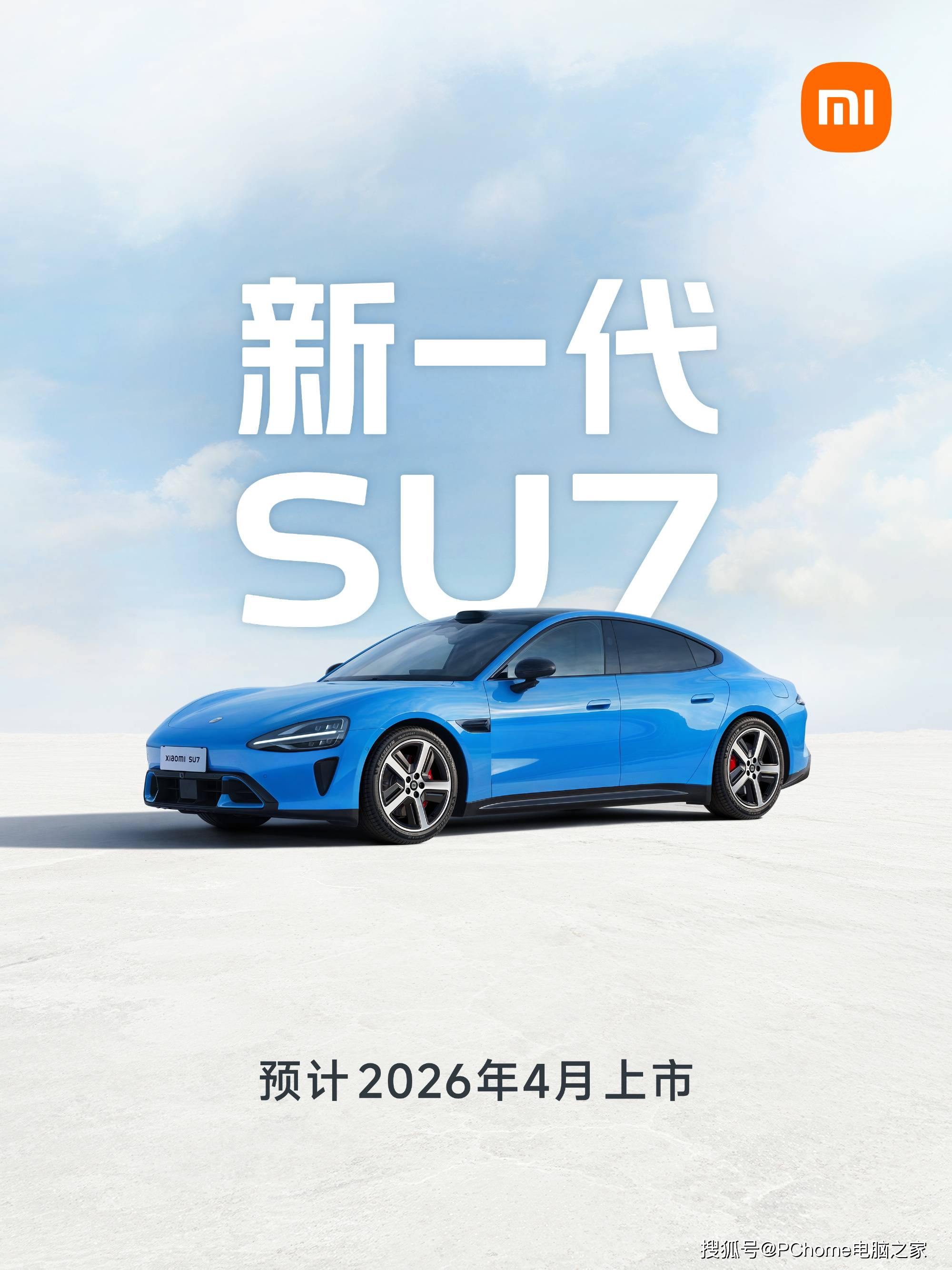
雷军透露,新一代SU7定位"豪华高性能纯电轿车",仍然是一台出色的驾驶者之车:新颜色、新轮毂、新内饰依然惊艳,安全进一步增强,全系标配激光雷 达,辅助驾驶全部满配,续航有新的重大突破……还有,更先进的智能底盘让驾驶质感更出色,更强大的智能座舱和辅助驾驶系统造就无以伦比的智能体 验。 结合宣传海报来看,新一代SU7将拥有"卡布里蓝"这一全新配色,整体外观相较上代差别不大。新一代SU7具体有何卖点,我们一同期待下产品发布会。 2026年1月7日,小米创办人,董事长兼CEO雷军在社交媒体平台发文称,我们很快将迎来SU7首次改款:新一代SU7,预计4月份上市,今天上午10点开启 小订。 雷军先是回顾了SU7取得的成绩。2024年3月28日,小米正式发布了SU7,4月份开始交付。SU7,因为好看、好开和智能体验,上市后就成为了汽车行业无 可争议的大爆品,一直火爆到今天。仅仅1年9个月时间,小米SU7交付超过了36万辆车,月均超过1.7万辆。甚至,过去一年,小米SU7成为最畅销的20万以 上的轿车(汽车之家数据)。 ...
雷军宣布:新一代SU7要来了!
中国基金报· 2026-01-07 02:09
新一代SU7预计4月份上市 1月7日早间,雷军发布微博称,新一代SU7豪华高性能纯电轿车预计4月份上市,今天上午 10点开启小订。 【导读】雷军:新一代SU7豪华高性能纯电轿车预计4月份上市 中国基金报记者 李智 1月7日早间,雷军发布微博称,将迎来SU7的首次改款,新一代SU7预计4月份上市。 雷军称,"诚挚地感谢每一位选择SU7的朋友,谢谢大家的支持,我们一起创造了这个奇迹! 同时,我们也会持续通过OTA和服务升级,让每一位SU7车主都能不断获得更好的体验。" 雷军表示,"我们倾听车主朋友们的建议,认真打磨每个细节,新一代SU7仍然是一台出色的 驾驶者之车:新颜色、新轮毂、新内饰依然惊艳,安全进一步增强,全系标配激光雷达,辅 助驾驶全部满配,续航有新的重大突破……还有,更先进的智能底盘让驾驶质感更出色,更 强大的智能座舱和辅助驾驶系统造就无与伦比的智能体验。" 2024年3月28日,小米发布SU7,4月份开始交付,上市后成为行业大爆品。仅仅1年9个月 时间,小米SU7交付超过36万辆车,月均超过1.7万辆。过去一年,小米SU7成为售价20万元 以上最畅销的轿车(汽车之家数据)。 小米汽车官方微博透露,新一 ...

“Alpamayo”推理平台出炉!英伟达为何急于布局自动驾驶?
Zhong Guo Qi Che Bao Wang· 2026-01-07 01:54
Core Viewpoint - Nvidia has launched the Alpamayo series of open-source AI autonomous driving models, simulation tools, and datasets aimed at enhancing decision-making capabilities in complex driving scenarios, marking a significant innovation in the autonomous driving sector [2][3][5]. Group 1: Technology and Innovation - The Alpamayo platform represents a shift from traditional "perception-execution" models to a more human-like reasoning approach, integrating a 10 billion parameter model and over 1700 hours of real-world driving data [5]. - The platform enhances decision transparency and can generate driving trajectories based on video inputs, facilitating research and model development [3][4]. - The introduction of Alpamayo allows for a 40% improvement in the resolution of long-tail problems, significantly enhancing the safety and reliability of autonomous driving systems [5]. Group 2: Open Source Strategy - Nvidia's open-source strategy lowers the barriers to entry for automakers, allowing them to bypass 5-8 years of algorithm development and rapidly build Level 4 autonomous driving systems [6]. - Companies using the Alpamayo platform can reduce R&D costs by 65% and shorten development cycles to 18 months, reshaping the industry's technical entry barriers [6]. Group 3: Market Position and Competition - Nvidia's Drive Thor chip offers dynamic computing power distribution, supporting a range from Level 2+ to Level 4 autonomous driving needs, showcasing its robust hardware capabilities [7]. - The company has established a strong presence in the automotive sector, covering 70% of mainstream automakers globally, although its automotive business revenue share is not the highest yet [8]. - Competitors like Tesla and Mobileye are ramping up their market presence, prompting Nvidia to solidify its technological position in the face of increasing competition [8]. Group 4: Regulatory Challenges - Nvidia faces challenges in global expansion due to varying autonomous driving regulations across different regions, necessitating adjustments to its technology and products [9]. - The company must navigate safety, ethical, and regulatory requirements while advancing autonomous driving technology [9]. Group 5: Future Outlook - Nvidia's CEO predicts that most cars will achieve autonomous or highly autonomous driving within the next decade, indicating a transformative phase for the automotive industry [10]. - The launch of Alpamayo is seen as a redefinition of the automotive industry, aligning with the new market demand for "computing power as productivity" [10].