
关税政策

Search documents
IMF:全球经济动荡不安,关税影响尚未完全显现
2 1 Shi Ji Jing Ji Bao Dao· 2025-10-14 13:04
Group 1: Global Economic Outlook - The International Monetary Fund (IMF) predicts global growth to slow from 3.3% in 2024 to 3.2% in 2025 and 3.1% in 2026, reflecting a gradual adaptation to trade tensions [1] - The global economic growth rate is significantly below the pre-pandemic average of 3.7%, with a projected annualized growth rate of 3.0% from the second half of 2025 to 2026 [1] - The IMF emphasizes that the current economic environment is influenced by geopolitical conflicts, debt pressures, and climate change, leading to increased uncertainty [2] Group 2: Trade and Tariff Impacts - The U.S. has implemented new tariffs on various imported goods, including a 50% tariff on kitchen cabinets and a 100% tariff on patented drugs, which has drawn strong opposition from multiple countries [2][3] - The IMF warns that the full impact of tariff policies has yet to manifest, with rising corporate profits potentially leading to increased inflationary pressures [3] - The world trade volume is expected to see a moderate decline over the next five years, with a projected average growth rate of 2.9% for 2025-2026, lower than previous forecasts [3] Group 3: Regional Economic Predictions - The U.S. economic growth is forecasted at 2.0% and 2.1% for the next two years, reflecting improvements due to lower effective tariff rates and fiscal stimulus from legislation [5] - The Eurozone is expected to see moderate growth, with predictions of 1.2% in 2025 and 1.1% in 2026, influenced by high uncertainty and increased tariffs [5] - Emerging markets and developing economies are projected to slow from 4.3% in 2024 to 4.2% in 2025 and 4.0% in 2026, with significant downgrades for low-income countries compared to middle-income economies [6] Group 4: Inflation and Monetary Policy - Global inflation is expected to decrease to 4.2% in 2025 and 3.7% in 2026, with significant variations across countries [8] - The U.S. inflation is projected to rise again in late 2025 due to the impact of tariffs being passed on to consumers, with a return to the Federal Reserve's 2% target expected by 2027 [8] - The IMF anticipates that the U.S. federal funds rate will decline to a range of 3.50% to 3.75% by the end of 2025, while the Eurozone's policy rate is expected to remain at 2% [8] Group 5: Currency and Trade Balance - The U.S. dollar has depreciated significantly in 2025, with a decline of approximately 10.8% in the first half of the year, which may enhance export competitiveness and reduce import-driven inflation [10] - The IMF notes that while the weaker dollar amplifies tariff impacts, it also supports global trade and provides policymakers in emerging markets with more room to support their economies [10]
对华加税100%?还没等中国发话,美国国内先给了特朗普当头一棒
Sou Hu Cai Jing· 2025-10-14 09:45
Core Viewpoint - Trump's threat to impose a 100% tariff on Chinese goods has led to significant market reactions, highlighting the strategic anxiety of the U.S. in the ongoing U.S.-China trade conflict [1][3]. Market Reaction - The announcement resulted in a sharp decline in U.S. stock indices, marking the largest single-day drop since April, indicating market disapproval of Trump's tariff policy [1][5]. - The Nasdaq index's drop reflects panic in the tech sector, with major companies like Apple and Nvidia experiencing significant stock price declines due to their reliance on Chinese rare earth materials and electronic components [5][7]. Impact on Industries - The tariff threat poses a secondary blow to traditional industries in the U.S., such as automotive and machinery, with companies like Ford and General Motors seeing stock price drops due to potential supply chain disruptions in their joint ventures in China [5][7]. - China's recent export controls on rare earth materials directly impact the U.S. defense and semiconductor industries, as China controls over 90% of global rare earth processing capacity, which could lead to a technology supply risk for U.S. tech companies over the next 3-5 years [3][5]. Financial Market Sentiment - The uncertainty caused by Trump's tariff policies has led to a collapse in financial market confidence, with a surge in the fear index and a shift of investors towards safe-haven assets like gold, while U.S. 10-year Treasury yields have declined [7]. - The potential for rising inflation and a crisis in the job market looms if tariffs are implemented, indicating a shift in the balance of power in the U.S.-China trade war, with the U.S. becoming the more vulnerable party [7].

艾罗能源:目前关税政策对公司影响相对较小
Zheng Quan Shi Bao Wang· 2025-10-14 08:30
Group 1 - The core business of the company is primarily focused on Europe, with steady growth in emerging markets such as Asia, Africa, and Latin America [1] - The company is actively building a diversified market layout [1] - The revenue from products exported to the United States constitutes a relatively small proportion of the company's total revenue, and the current tariff policies have a limited impact on the company [1]

市场情绪逆转,美为何迅速软化对华立场?
Xin Lang Cai Jing· 2025-10-14 08:08
来源:财经网 随着特朗普政府持续释放缓和信号寻求谈判。美股周一收高,三大股指均挽回上周五的部分失地。道指 反弹将近600点,标普对上周五的失地收复大约一半。半导体ETF收涨超4.4%,领跑美股行业ETF,标 普科技板块涨约2.5%。中概指数收涨3.2%。 黄金涨势继续,10月13日纽约尾盘,现货黄金涨2.27%,报4109.17美元/盎司,全天持续、平滑地震荡 上行,一度刷新历史高位至4117.13美元。COMEX黄金期货涨3.21%,报4128.80美元/盎司,一度涨至 4137.20美元创盘中历史新高。费城金银指数收涨4.76%,报309.59点,突破10月8日所创收盘历史最高 位309.12点。纽约证交所ARCA金矿开采商指数收涨4.00%,报2201.05点,逼近10月8日所创收盘历史最 高位2207.52点。 美国总统特朗普当地时间10日威胁对中国商品大规模加征关税,包括对关键软件实施出口管制。特朗普 表示,针对中方采取的稀土等相关物项出口管制,美国将从11月1日起对中国商品加征100%关税。美股 市场因此出现大幅波动,期权交易量创下历史纪录。 在此后的60多个小时内,美国政府立场大幅转向。特朗普暗 ...
韩国对美出口额暴跌超40%
Sou Hu Cai Jing· 2025-10-14 07:15
Core Insights - South Korea's exports to the United States have sharply decreased by over 40% year-on-year in the first ten days of this month, marking a significant decline in trade relations [1] - The U.S. has fallen from being South Korea's second-largest export market to the third-largest since the implementation of new U.S. tariff policies in July [1] - The recent fluctuations in the South Korean won's exchange rate have raised concerns, prompting the Ministry of Economy and Finance and the Bank of Korea to issue a joint statement emphasizing their vigilance and monitoring of market trends [1] Export Market Dynamics - The U.S. has historically been a key market for South Korean exports, but recent tariff policies have negatively impacted this relationship [1] - The decline in exports to the U.S. reflects broader challenges in South Korea's trade environment [1] Currency Fluctuations - The South Korean won has experienced significant volatility, which is a critical factor affecting export performance [1] - The joint statement from the Ministry of Economy and Finance and the Bank of Korea indicates a proactive approach to managing currency fluctuations, marking the first verbal intervention in over a year and a half [1]
美国《大而美法案》与特朗普财政政策框架
LIANCHU SECURITIES· 2025-10-14 05:29
Group 1: Key Points on the "One Big Beautiful Bill" (OBBBA) - The OBBBA is projected to increase the federal deficit by approximately $3.4 trillion over the next decade and raise the debt ceiling by $5 trillion[3] - The bill primarily focuses on tax cuts, with the cost of personal and corporate tax reductions exceeding $4 trillion, while new tax cuts are estimated to cost only $664 billion[4] - The majority of new tax provisions are set to expire by 2028, leaving the deficit burden for future administrations[4] Group 2: Economic and Fiscal Implications - By 2025, the U.S. public debt-to-GDP ratio is expected to exceed 96%, with projections indicating a rise to 118.5% by 2035 due to the OBBBA[5] - The OBBBA's tax cuts are anticipated to stimulate GDP growth by 0.2% to 0.8% in the short term, but the long-term impact could shift to a negative effect of -0.3% to -0.5% on GDP[8] - The bill's implementation is likely to exacerbate income inequality, as the tax cuts disproportionately benefit high-income individuals[8] Group 3: Market Reactions and Risks - The increase in debt supply from the OBBBA may lead to higher long-term bond yields and increased risk premiums, potentially crowding out private investment[9] - The short-term benefits of tax cuts may support equity markets, but long-term concerns about fiscal deficits and inflation from tariffs could create volatility[9] - The political landscape surrounding the OBBBA may lead to further government shutdowns, reflecting ongoing fiscal uncertainties[9]
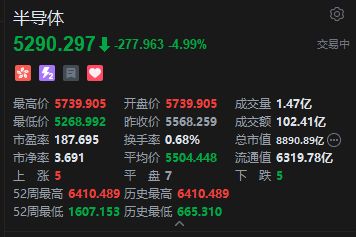
港股半导体股盘中回落
Xin Lang Cai Jing· 2025-10-14 03:07
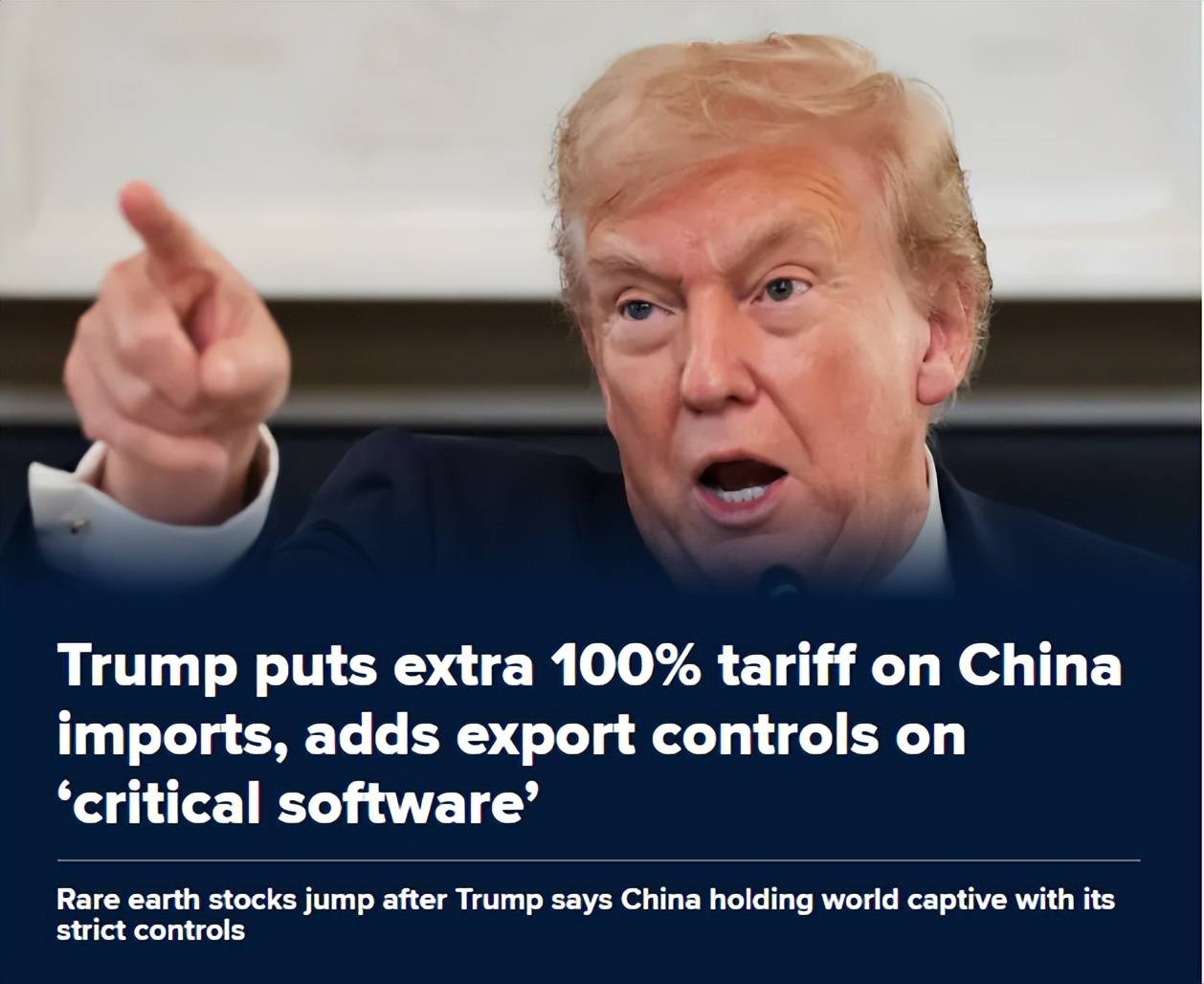
来源:新浪港股 消息面上,近期美国总统特朗普再次挥舞关税大棒,宣布将从11月1日对从中国进口商品加征100%的额 外关税,此外关键软件也将面临出口管控。 此外,根据闻泰科技的公告,公司子公司安世半导体收到荷兰政府的通知,要求安世及其下属所有子公 司、分公司、办事处等全球30个主体对其资产、知识产权、业务及人员等不得进行任何调整,有效期为 一年。 港股半导体股盘中回落,华虹半导体跌超8%,上海复旦、中芯国际跌超5%。 ...

大行评级丨建银国际:预计关税对纺织品、家电及IP玩具影响有限 纯内需消费股具备估值支持
Ge Long Hui· 2025-10-14 03:07
Core Viewpoint - The report from Jianyin International indicates that President Trump's announcement of an additional 100% tariff on Chinese imports is expected to have limited impact on textiles, home appliances, and IP toys, while domestic consumption stocks are supported by valuation [1] Group 1: Impact of Tariffs - The newly announced tariff policy is anticipated to affect market sentiment but to a lesser extent compared to April [1] - The impact on pure domestic stocks is expected to be limited, with valuation support for companies in this category [1] Group 2: Beneficiaries - Companies such as Anta Sports, Li Ning, Jiangnan Buyi, Nongfu Spring, Master Kong, Mixue Group, China Resources Beer, Mengniu, and Yili are likely to benefit from the current market conditions [1] Group 3: Economic Outlook - The potential slowdown of the U.S. economy remains a primary downside risk, although the likelihood of this occurring is currently considered low [1]
特朗普关税论成黑天鹅,美股跌3.5%,币圈200亿爆仓,美联储慌了
Sou Hu Cai Jing· 2025-10-14 02:26
Core Viewpoint - Trump's tariff threat tweet in mid-October triggered a global market crash, with the Nasdaq dropping 3.56% and Bitcoin plummeting 13% to below $110,000, leading to a total liquidation in the cryptocurrency market amounting to $4.654 billion [1][6]. Group 1: Market Reactions - Following Trump's announcement of a 100% tariff on Chinese products starting November 1, global markets experienced a massive sell-off, with major U.S. indices suffering significant losses: Dow Jones down 1.9%, S&P 500 down 2.71%, and Nasdaq down 820 points, marking the largest single-day drop of the year [4][10]. - The energy sector saw a temporary boost, with ExxonMobil rising 2.3% and Chevron 1.8%, as the market anticipated increased domestic energy production due to tariffs [10]. Group 2: Inflation and Economic Impact - The tariff policy presents a contradiction, benefiting domestic energy while exacerbating inflation, as evidenced by a 4.7% increase in furniture prices due to prior tariffs, and a projected rise in consumer prices affecting essential goods [12][8]. - 73% of Americans expect prices to surge, with California pharmaceutical companies facing an additional $170 billion in costs due to tariffs on patented drugs, which will ultimately be passed on to consumers [12]. Group 3: Federal Reserve Dilemma - The tariffs have placed the Federal Reserve in a difficult position regarding interest rate decisions, as rising inflation pressures contradict previous expectations of a rate cut in November [14][16]. - Richmond Fed President Barkin expressed low confidence in inflation forecasts, while Fed Chair Powell warned of high uncertainty in economic outlook, complicating the situation for risk assets like cryptocurrencies [16]. Group 4: Cryptocurrency Market Dynamics - The cryptocurrency market, particularly Bitcoin, has become highly sensitive to traditional market movements, with a correlation coefficient of 0.8 when the S&P 500 drops over 2%, indicating that institutional investors are heavily involved in both markets [19]. - The volatility in the crypto market surged to 35%, significantly higher than the 12% volatility in the stock market, as traders reacted to the uncertainty surrounding Federal Reserve policies [16]. Group 5: Policy Uncertainty and Future Outlook - The recent events highlight the recurring theme of policy uncertainty, with previous tariff announcements by Trump also causing market fluctuations, indicating that such "black swan" events may become more common [21][23]. - Investors are advised to be cautious of high-leverage operations, as no asset is immune to the impacts of sudden policy changes [25].
国泰君安期货商品研究晨报:能源化工-20251014
Guo Tai Jun An Qi Huo· 2025-10-14 02:18
Report Overview - Report Date: October 14, 2025 - Report Type: Commodity Research Morning Report on Energy and Chemicals by Guotai Junan Futures 1. Report Industry Investment Ratings - Not explicitly provided in the report 2. Core Views - The report analyzes the market trends of various energy and chemical futures, including PX, PTA, MEG, rubber, synthetic rubber, asphalt, etc., and provides corresponding investment suggestions based on the fundamentals and market dynamics of each commodity [2][10][11] 3. Summary by Commodity PX, PTA, MEG - **PX**: Mid - term trend is weak. Suggest long PXN positions due to potential PX supply - demand gap and expected expansion of polyester industry chain profits [2][10] - **PTA**: Hold 1 - 5 reverse spreads. Unilateral trend is weak due to weak cost support and sufficient supply [2][10] - **MEG**: Unilateral trend is weak under the pattern of oversupply. Overall load is expected to adjust slightly, and attention should be paid to the impact of policies on demand [2][11] Rubber - **Rubber**: Oscillating weakly. Market shows a decline in futures prices and a decrease in inventory in Qingdao area [2][13][15] Synthetic Rubber - **Synthetic Rubber**: Weak operation. Fundamental pressure increases due to high supply, and macro - trade conflicts may also affect cost and demand expectations [2][18] Asphalt - **Asphalt**: Weakly oscillating. Production increases, factory inventory rises, and social inventory decreases [2][20][31] LLDPE, PP, PVC - **LLDPE**: Trend is weak. Market is affected by tariff policies, with high inventory pressure and limited cost support from crude oil [2][32][33] - **PP**: Trend remains weak. Suppressed by factors such as trade wars and high supply [2][36][37] - **PVC**: Trend is weak. High - production and high - inventory structure is difficult to change, and exports may face policy disturbances [2][74][75] Others - **Caustic Soda**: Do not chase short positions in the short term. Supply pressure is not large, and demand in some areas is expected to drive inventory reduction [40][42] - **Pulp**: Oscillating. Supply pressure persists, and downstream demand is mainly for rigid needs [45][48] - **Glass**: Original sheet prices are stable. Market demand is weak, and downstream procurement enthusiasm is low [50][51] - **Methanol**: Short - term oscillation. Spot prices show some increases, and port inventory has accumulated after the holiday [53][56] - **Urea**: Short - term oscillating. Inventory increased during the National Day, and spot trading improved recently, but the medium - term trend remains weak [58][59][60] - **Styrene**: Stop loss on short positions. Short - term oscillation is expected, and the expectation of inventory accumulation turns to de - stocking in October [61][62] - **Soda Ash**: Spot market changes little. Supply is at a high level, and downstream demand is mainly for rigid needs [63][64] - **LPG**: Resistant to decline at low levels and rebounded at night. Attention should be paid to the changes in CP prices and device maintenance plans [66][71] - **Propylene**: Demand weakens, and short - term weak operation is expected [67] - **Fuel Oil**: Oscillating and weak in the short term. Low - sulfur fuel oil shows a slight decline at night, and the price difference between high - and low - sulfur spot is narrowing [77] - **Container Freight Index (European Line)**: May oscillate strongly. Market conditions are affected by factors such as freight rates and shipping capacity [79]