
人工智能(AI)

Search documents
应对存储价格上涨 联想集团宣布已签署长期零部件供应协议
Zheng Quan Shi Bao Wang· 2025-11-20 09:11
Core Viewpoint - Lenovo Group has signed a long-term supply agreement with key component suppliers to address the rising storage chip prices driven by the surge in artificial intelligence (AI) demand [1][2]. Group 1: Supply Chain Strategy - The long-term contract aims to ensure sufficient supply for the upcoming year, reflecting Lenovo's emphasis on stability and sustainability during its AI transformation [1][2]. - By locking in key component supplies, Lenovo can better control cost fluctuations and gain strategic advantages in a competitive market [2][3]. - Lenovo's significant purchasing power allows it to negotiate favorable terms in the supply chain, creating a competitive edge that smaller players cannot match [3]. Group 2: Market Context and Performance - The global storage chip prices are increasing due to heightened demand from data center operators for AI server construction, leading to a tightening supply of traditional storage chips used in smartphones, computers, and gaming devices [1]. - Lenovo's Intelligent Devices Group (IDG) reported a revenue of 108.1 billion RMB in the second quarter of the 2025/26 fiscal year, marking a 12% year-on-year increase, with AI terminal devices contributing significantly to this growth [3]. - The CEO of Lenovo believes that the market will not experience a bubble, but rather a phase of AI technology becoming more widespread and accessible [3].

AI是抢活还是赋能?颜宁给出最新答案
Guan Cha Zhe Wang· 2025-11-20 07:36
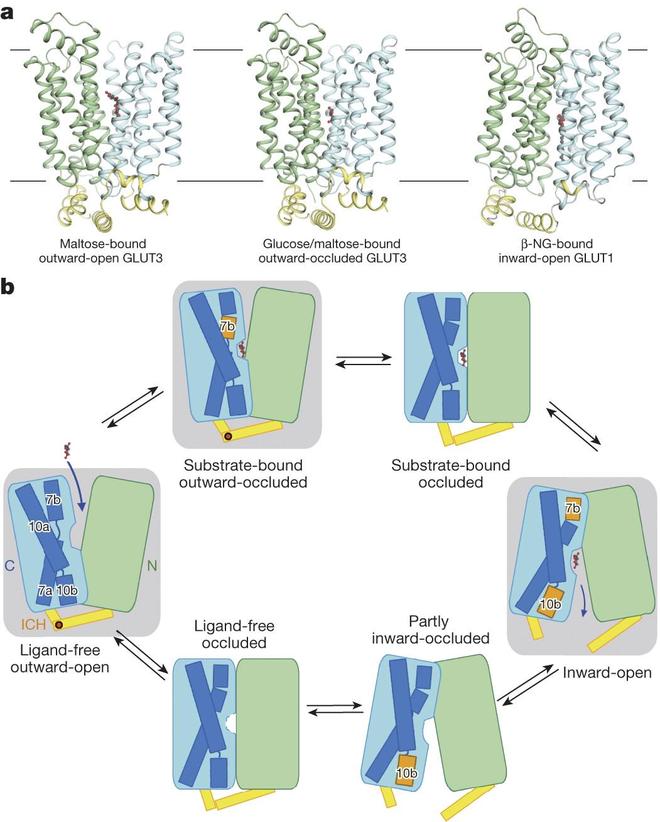
Core Insights - The academic report by Yan Ning at Shanghai Jiao Tong University discusses the relationship between AI and scientific research, emphasizing a new paradigm in biological discovery led by structural insights [1][19]. Research Focus - Yan Ning's initial goal in establishing her lab in 2007 was to produce results that could be included in textbooks, focusing on glucose transport proteins and sodium ion channels as primary research areas [2][5]. - The research on glucose transport proteins (GLUTs) has successfully reached publication in textbooks, with the next target being sodium ion channels, particularly the Nav1.7 subtype, which is linked to pain perception [5][10]. Technological Advancements - The advent of cryo-electron microscopy (cryo-EM) has revolutionized the ability to analyze protein structures, achieving resolutions as high as 1 Å, which allows for detailed structural analysis previously only possible with X-ray crystallography [6][8]. - The development of AI tools, such as Alphafold, is being integrated into research, although current predictions from these tools are not yet sufficiently accurate for the desired conformations of proteins [8][20]. New Research Paradigms - The research approach is shifting from a problem-oriented methodology to an observation-driven paradigm, allowing for the discovery of new molecular structures, including unique sugar fibers that may have applications in carbon neutrality and material science [11][14]. - The introduction of a new algorithm named Ahaha aims to enhance the efficiency of determining the absolute chirality of sugar fibers in cryo-EM images, showcasing the integration of AI in structural biology [16][18]. AI Integration - AI is seen as a tool for empowerment in scientific research, facilitating the analysis of large datasets generated by cryo-EM and enabling the development of models for sugar structures [19][21]. - The collaboration between biology and AI is expected to lead to significant advancements in both fields, with potential implications for the future design of AI hardware inspired by biological structures [21].

今晚九点半,美国9月非农终于出炉,降息预期或再迎巨震?
Jin Shi Shu Ju· 2025-11-20 03:30
AI播客:换个方式听新闻 下载mp3 音频由扣子空间生成 11月20日(周四)21:30,美国将公布"姗姗来迟"的9月非农报告。经济学家预测,报告将继续显示就业 市场疲软,继8月数据不佳之后,9月的招聘情况仅小幅回升。 市场预测非农就业人数在9月增加5万人,高于8月的2.2万人。相比之下,美国经济在年初时每月平均增 加约10万个工作岗位。失业率料将继续维持在4.3%。 Comerica银行的首席经济学家比尔·亚当斯(Bill Adams)则表示:"金融市场对9月就业报告的反应可能 会比平时小,因为私人来源已经提供了更多关于就业市场表现的信息。不过,政府数据仍然是衡量就业 市场状况的黄金标准,任何一个方向的重大意外都将带来大量新信息。" 亚当斯预测9月非农就业人数将增加约4万人。 其他数据显示就业市场降温 尽管此前缺乏官方就业数据,但其他指标表明美国劳动力市场正在降温。10月份,美国大部分地区的裁 员通知数量显著增加,更是凸显了就业市场的压力。 克利夫兰联储的数据显示,21个州的39006名员工收到了《工人调整和再培训通知法案》通知,告知他 们即将面临裁员。这一数字是自2006年1月开始跟踪该数据以来的最高水平 ...
SGX CEO on How New ‘Dual Listing' With Nasdaq Will Work
Youtube· 2025-11-20 03:20
Core Insights - The new cross-border listing framework aims to attract tech growth companies from Asia to the IPO market, enhancing access to global capital [2][4] - The initiative is expected to launch by mid-next year, pending regulatory approval, and is designed to streamline the IPO process for issuers [3][4] - There is a growing pipeline of over 30 companies preparing for IPOs on SGX, indicating a robust market environment [13] Group 1: IPO Market Dynamics - The IPO market has seen a turnaround recently, with $2.4 billion raised in the third quarter across various companies, including SaaS firms [8] - The framework will provide a single set of documents for issuers, simplifying the regulatory obligations [3] - Companies like Grab and Sea, which previously listed overseas, may consider returning to the local market due to this new mechanism [4] Group 2: Market Opportunities - There is significant interest from unicorns and tech companies in Southeast Asia looking to list, supported by venture capital and private equity [5][10] - The SGX is positioned to attract Chinese companies seeking to expand their footprint outside of China, leveraging multiple listing pathways [9] - The introduction of the Next 50 Index aims to enhance the representation of tech and AI companies within the market [11] Group 3: Future Growth Projections - The company anticipates revenue growth of 6 to 8% over the medium term, with plans to expand its FX business and launch new financial products [14][15] - The ongoing consultations with the ecosystem indicate a positive sentiment among companies looking to IPO, which is expected to bolster the market further [6][7] - The company is exploring acquisitions to strengthen its multi-asset platform, focusing on commodities and risk management tools [16][17]


PC和AI推动,联想三季度营收猛增15%,但存储芯片涨价侵蚀利润
美股IPO· 2025-11-20 02:41
Core Viewpoint - Lenovo Group's latest financial report shows a mixed picture, with a 15% year-on-year revenue growth driven by a recovery in the PC market and strong demand for AI servers, but a 5% decline in net profit raises concerns about future profitability due to rising component costs [3][10][11]. Financial Performance - Lenovo's quarterly revenue reached $20.5 billion, exceeding market expectations of $20.1 billion [5]. - The net profit for the quarter was $340.3 million, falling short of the consensus estimate of $434.2 million [4][11]. - For the first half of the year, Lenovo reported a net profit of $845.6 million and revenue of $20.45 billion [6]. Business Segments - The PC business has shown strong performance, with a 17.3% year-on-year increase in shipments from July to September, helping to boost revenue [8][9]. - AI servers have emerged as a key growth driver, with increasing investments in computing infrastructure from global enterprises accelerating demand [10]. Cost Pressures - Rising storage chip prices are significantly impacting Lenovo's profit margins, leading to concerns about the overall profitability of PC manufacturers [11][12]. - Morgan Stanley has downgraded its rating for Lenovo based on the anticipated erosion of profits due to increasing component costs [3][12].

我们正处于“LLM 泡沫”,而非 AI 泡沫
阿尔法工场研究院· 2025-11-20 02:21
Group 1 - The core viewpoint is that large language models (LLMs) are not a universal solution, and the future will see more customized and specialized models that address specific problems [1][2] - The current focus and funding are heavily concentrated on the idea of building a "universal model" using vast computational resources, but the reality is that smaller, specialized models will emerge to effectively solve different issues [2] - The potential bursting of the LLM bubble may have limited impact on the company, as the AI industry is large and diversified, meaning that even if the sector is overvalued, it will not significantly affect the overall industry or its business [3] Group 2 - Hugging Face has adopted a cautious spending strategy, with half of the $400 million raised still in the bank, contrasting sharply with the "burn rate" of other AI companies, particularly in the large language model space [3] - The company aims to build a "long-term, sustainable, and globally impactful" business, learning from past industry cycles where many practitioners are eager for quick results and act with a short-term perspective [3]

中美新老经济分化加剧,债牛趋势更为确定
2025-11-20 02:16
Summary of Conference Call Records Industry Overview - The records discuss the economic divergence between the US and China, highlighting the acceleration of the new and old economy split, particularly in the context of the 2025 economic outlook and its implications for 2026 [1][6][21]. Key Points and Arguments Economic Divergence - The US economy is facing "three highs" issues: high inflation, high interest rates, and high wages, which are pressuring traditional businesses while benefiting a few leading tech firms in the new economy [1][7][9]. - China's stock market reflects new economic growth, but its contribution remains low, with traditional sectors like real estate experiencing significant declines, leading to a historic first instance of zero investment growth in 2025 [1][11][21]. Market Predictions - Predictions for 2026 emphasize the need to avoid linear extrapolation from 2025 data, as structural changes and market expectations may lead to different economic paths [2][5]. - The overall performance of various asset classes in 2025 was positive, but the domestic bond market showed weakness, indicating caution in projecting trends for 2026 based solely on past performance [3][4]. Challenges in the US Economy - The US consumer-driven economy is under pressure from declining employment, low consumer confidence, and rising delinquency rates on loans, with non-farm employment data showing negative growth [8][9]. - The impact of AI on the economy is significant but concentrated in a few sectors, limiting its overall contribution to GDP and employment growth [9]. China's Economic Dynamics - The new economy in China is primarily driven by manufacturing investments, with local governments increasing spending on emerging industries under national policy guidance [12]. - The real estate sector's decline is accelerating, which is expected to continue affecting overall economic growth negatively in the coming years [11][21]. Fiscal and Monetary Policy - In 2025, fiscal policy was aggressive, supporting economic growth, but signs of a slowdown in fiscal support are emerging, with expectations of reduced government spending in 2026 [25][27]. - The current monetary policy environment is relatively loose, with potential for further easing, especially in light of the stable RMB exchange rate, which allows for more flexibility in monetary policy [36][38]. Market Valuation and Risk Premium - Global stock valuations are at historical highs, with risk premiums indicating a high level of market uncertainty, although not at the extreme levels seen during the internet bubble [15][16]. - The relationship between the stock and bond markets is evolving, with both potentially coexisting despite differing influences from the new and traditional economies [13][41]. Trade Dynamics - China's trade surplus reached a historical high, accounting for nearly half of the global surplus, which may lead to increased international trade tensions [22][23]. - Expectations for trade friction in 2026 remain high, with potential challenges for export orders continuing to affect economic performance [24]. Additional Important Insights - The records highlight the importance of understanding the structural changes in both the US and Chinese economies, particularly the implications of AI and traditional industry pressures [6][9]. - The anticipated decline in fiscal support and the need for monetary policy adjustments in 2026 are critical for investors to consider when evaluating market opportunities and risks [27][30]. - The interplay between stock and bond markets suggests that shifts in investor sentiment could lead to increased capital flows into bonds if stock valuations decline [41].
机构预计内存还有50%涨价空间!上游半导体设备ETF(561980)连续五日“吸金”累计2.11亿元,年内份额增超96%
2 1 Shi Ji Jing Ji Bao Dao· 2025-11-20 02:14
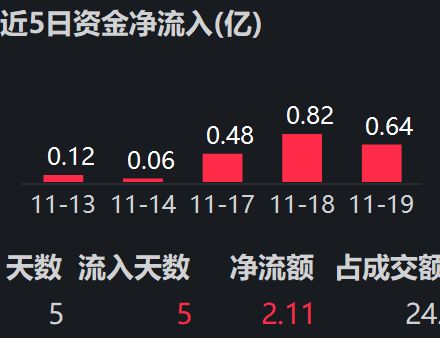
Group 1 - The storage chip sector is experiencing a price surge, with a 50% price increase in memory prices expected by early 2025, and a projected 30% increase in Q4 2024, followed by a potential 20% rise in early 2025 [3] - The semiconductor equipment ETF (561980) has seen a net inflow of 211 million yuan over the last five trading days, with a year-to-date share increase of 96.6%, bringing its latest scale to 2.75 billion yuan [1][3] - The semiconductor industry index has risen by 53.42% year-to-date, ranking first among major semiconductor indices, with a maximum increase exceeding 80% [6][7] Group 2 - Nvidia plans to use mobile-grade memory chips in its AI servers, which could lead to a doubling of server memory prices by the end of 2026 [3] - The semiconductor equipment sector is expected to benefit from a "price cycle" and "product iteration cycle," leading to higher capital expenditures and sustained order growth for upstream equipment companies [3] - Major semiconductor events, such as ICCAD-Expo 2025 and the China International Semiconductor Expo, are set to take place, attracting leading companies from around the world [5] Group 3 - SMIC's 8-inch monthly production capacity has surpassed 1 million wafers for the first time, with a utilization rate of 95.8%, indicating strong demand for analog and storage orders [5] - The semiconductor industry is witnessing a robust recovery, with the China Securities Index reporting a 32.12% year-on-year revenue growth and a 27.12% increase in net profit for Q3 2025 [7][8] - The top ten components of the semiconductor equipment ETF account for over 78% of the index, focusing on key domestic innovations in the semiconductor supply chain [8]





英伟达上季营收加速增长62%,本季指引再超预期,黄仁勋称“Blackwell销量远超预期”
硬AI· 2025-11-20 01:53
Core Viewpoint - Nvidia's third-quarter revenue growth accelerated for the first time in two years, with data center revenue reaching a record high, reflecting strong demand for AI infrastructure [2][11][12] Financial Performance - Revenue: In Q3, Nvidia reported revenue of $57.01 billion, a year-on-year increase of approximately 62%, surpassing analyst expectations of $55.19 billion [6][11] - EPS: The adjusted non-GAAP EPS for Q3 was $1.30, a 60% year-on-year increase, exceeding analyst expectations of $1.26 [7] - Gross Margin: The adjusted gross margin for Q3 was 73.6%, slightly below the expected 74.0%, but the guidance for Q4 indicates an increase to 75% [7][16] Segment Performance - Data Center: Q3 revenue from data centers was $51.2 billion, a 66% year-on-year increase, exceeding analyst expectations [8][12] - Gaming and AI PC: Revenue from gaming and AI PC was $4.3 billion, a 30% year-on-year increase [8] - Professional Visualization: Revenue was $760 million, a 56% year-on-year increase [8] - Automotive and Robotics: Revenue was $592 million, a 32% year-on-year increase [8] Guidance and Future Outlook - Revenue Guidance: For Q4, Nvidia expects revenue of $65 billion, indicating a year-on-year growth of over 65% [10][14] - Gross Margin Guidance: The expected gross margin for Q4 is 75%, marking the first year-on-year increase in six quarters [16] - Future Revenue Potential: Nvidia's CFO stated that new chips are expected to generate $500 billion in revenue over the next few quarters [18][19] Market Position and Strategy - Nvidia's strong customer base includes major companies like Microsoft, Amazon, Alphabet, and Meta, which collectively account for over 40% of its sales [18] - The company has secured $500 billion in chip orders for 2025 and 2026, indicating robust future demand [18][21] - Nvidia's strategy includes investing in AI infrastructure and maintaining strong partnerships to enhance its market position [21]


美联储会议纪要暴严重分歧:多人认为不适合12月降息
Hua Er Jie Jian Wen· 2025-11-20 01:35
Group 1 - The Federal Reserve's recent meeting minutes indicate significant disagreement among policymakers regarding the potential for a rate cut in December, with more officials believing that no further cuts are necessary this year than those who support a cut [1][2][3] - A consensus exists among nearly all participants to end the balance sheet reduction (QT) by December 1, 2023, after three and a half years of implementation, with plans to reinvest proceeds from mortgage-backed securities into short-term U.S. Treasury bonds [6][7] - Concerns have been raised about financial stability, particularly regarding high asset valuations in the stock market and the risk of a disorderly decline in stock prices, especially if the market reassesses the outlook for artificial intelligence technologies [5][7] Group 2 - Many officials believe that further rate cuts could exacerbate ongoing inflation risks, particularly in light of high inflation data and a slowly cooling labor market [4] - The minutes reflect a strong divergence of opinions within the FOMC regarding the policy direction for the upcoming December meeting, marking one of the largest disagreements in recent years [7] - There is a notable concern among some officials about the potential impact of tariffs on overall inflation, suggesting that the committee should consider easing policy to address employment risks [4]