
供给侧结构性改革

Search documents
炼化反内卷,行业加速头部化
21世纪经济报道· 2025-12-02 13:18
Core Viewpoint - The refining and chemical industry in China is expected to experience a significant turnaround by the second half of 2025, driven by policy changes and the consolidation of advanced capacities [1]. Group 1: Industry Policy and Capacity Allocation - In late November, China issued early crude oil import quotas for 2026, with major private refining companies like Hengli Petrochemical receiving substantial allocations, indicating a shift towards advanced capacities [1]. - The early allocation of quotas in 2026 was concentrated among a few leading companies, contrasting with the previous year's distribution among numerous smaller enterprises, highlighting a trend towards industry consolidation [5]. - The Ministry of Industry and Information Technology (MIIT) has initiated measures to prevent excessive competition in the PTA and bottle-grade polyester slice industries, signaling a favorable environment for leading firms while challenging smaller players [2]. Group 2: Industry Overcapacity and Structural Changes - The PTA industry has shifted from meeting domestic demand to facing overcapacity, prompting regulatory bodies to implement measures to address this issue, including energy consumption limits for refining and chemical processes [3]. - The implementation of energy consumption limits is expected to accelerate the exit of outdated and smaller production capacities from the market, thereby improving the overall industry structure [3]. - The recent policies aim to guide the planning and layout of major petrochemical projects, controlling new refining capacities and preventing overcapacity risks in related sectors [5]. Group 3: Market Dynamics and Economic Context - The global economic downturn since 2022 has impacted demand in the polyester industry, which is closely tied to macroeconomic conditions, leading to a phase of inventory competition [2]. - The refining industry is witnessing a clear pyramid structure, where the elimination of outdated capacities can be targeted effectively, contrasting with slower clearing processes in other sectors like solar and lithium [5]. - The geopolitical landscape has also influenced energy storage demands, reducing cost pressures on the refining industry and enhancing expectations for a market turnaround [6]. Group 4: Investment Trends and Future Outlook - As of mid-2025, the construction projects in the basic chemical sector have seen a decline in investment, indicating a potential end to the capital expenditure cycle and a gradual recovery in supply dynamics [7]. - The overall profit levels in the chemical industry remain low, prompting companies to seek improvements in competitive dynamics to achieve normal profitability levels amid the ongoing "anti-involution" trend [7].


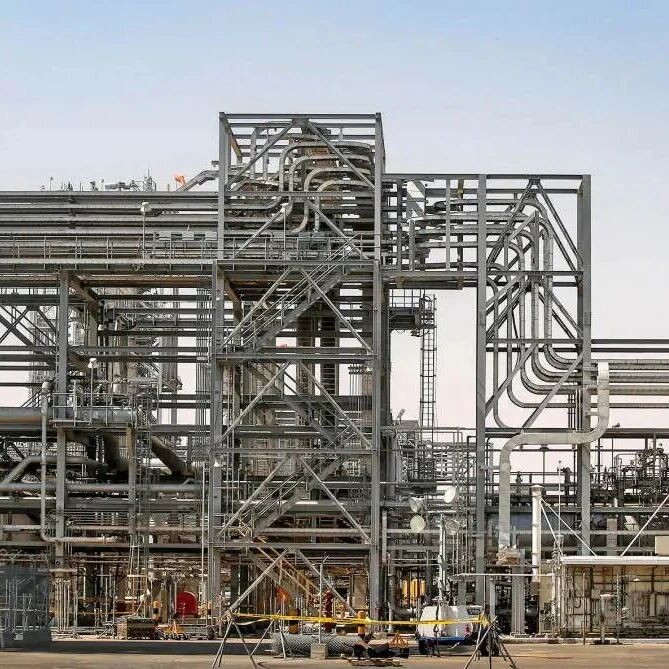
炼化反内卷 行业加速头部化
2 1 Shi Ji Jing Ji Bao Dao· 2025-12-02 13:05
Core Insights - The refining industry is expected to experience a turnaround by the second half of 2025, driven by policy changes and industry consolidation [1] - The early allocation of crude oil import quotas for 2026 has favored leading private refining companies, indicating a shift towards advanced capacity and industry consolidation [1][6] - Recent policies and self-regulatory measures from government and industry associations are accelerating the trend of "anti-involution" in the refining sector [1][2] Group 1: Policy Changes and Industry Dynamics - The Ministry of Industry and Information Technology held a meeting to address the over-competition in the PTA and bottle-grade polyester slice industries, signaling a focus on stabilizing the sector [2] - Major private enterprises were required to submit data on production capacity, output, and measures to prevent industry over-competition, indicating a push for accountability among leading firms [2] - The implementation of energy consumption limits for refining products aims to accelerate the exit of outdated and small-scale production capacities [3][4] Group 2: Market Conditions and Economic Factors - The global economic environment has been sluggish since 2022, impacting overall demand and leading to a phase of inventory competition in the industry [3] - China's push for domestic production of PX has resulted in an oversupply of PTA, necessitating measures to address the imbalance [3] - The geopolitical landscape has reduced cost pressures on the refining industry, contributing to a more optimistic outlook for recovery [8] Group 3: Industry Structure and Future Outlook - The distribution of crude oil import quotas has shifted from a fragmented model to a more concentrated one, favoring larger, integrated refining companies [6][7] - The government's commitment to eliminating outdated capacities and enhancing entry barriers for leading refining firms is evident in recent policy announcements [7] - The overall capital expenditure in the chemical sector is declining, indicating a potential end to the cycle of capacity expansion and a gradual recovery in supply dynamics [8]
炼化反内卷,行业加速头部化
2 1 Shi Ji Jing Ji Bao Dao· 2025-12-02 12:05
Core Viewpoint - The refining industry in China is expected to experience a significant turnaround by the second half of 2025, driven by policy changes and the concentration of production capacity among leading enterprises [1]. Group 1: Industry Developments - In late November, China issued early crude oil import quotas for 2026, with major private refining companies like Hengli Petrochemical, Rongsheng Petrochemical, and Dongfang Shenghong receiving substantial allocations [1]. - The early batch of quotas for 2026 was notably concentrated among a few leading companies, contrasting with the more fragmented distribution seen in 2025, indicating a shift towards advanced capacity and industry consolidation [1][6]. - The Ministry of Industry and Information Technology (MIIT) and industry associations have implemented policies to promote a trend of "anti-involution" in the refining sector, aiming to streamline operations and enhance efficiency [1][3]. Group 2: Policy Measures - A meeting organized by MIIT on October 29 focused on preventing excessive competition in the PTA and bottle-grade polyester slice industries, with major private enterprises required to submit data on production capacity and measures to avoid industry involution [3]. - Legal measures, including energy consumption limits for refining processes, have been introduced to address overcapacity and losses in the industry, with expectations that these will accelerate the exit of outdated and smaller-scale production facilities [4][5]. Group 3: Market Dynamics - The global economic downturn since 2022 has impacted demand in the polyester sector, which is closely tied to macroeconomic conditions, leading to a phase of inventory competition [3]. - The geopolitical landscape has influenced energy storage demands, reducing cost pressures on the refining industry and enhancing expectations for a market reversal [8]. - The overall investment in the chemical raw materials and products manufacturing sector has declined, indicating a nearing end to the capital expenditure cycle and a gradual recovery in supply dynamics [8].
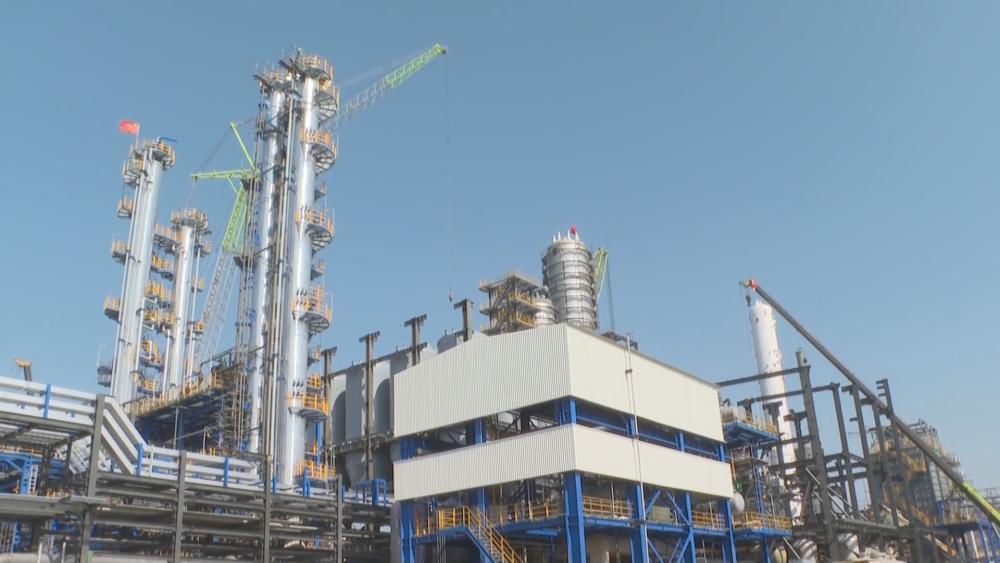
好评中国|聚力前行,为做好经济工作积蓄磅礴力量
Huan Qiu Wang· 2025-12-02 08:58
Group 1 - China's economy is maintaining a stable and progressive development trend, showcasing strong resilience and a bright outlook for the future [1] - In the first three quarters, the GDP grew by 5.2% year-on-year, accelerating by 0.2 and 0.4 percentage points compared to the previous year and the same period last year, respectively [1] - The urban unemployment rate averaged 5.2% in the first three quarters, remaining stable compared to the first half of the year [1] - The scale of foreign trade reached a historical high, with import and export growth rates gradually recovering, and foreign exchange reserves maintained above $3.3 trillion [1] Group 2 - The optimization of China's economic structure and the transition of growth drivers are progressing steadily, with significant advancements in high-quality development [2] - In the first three quarters, the added value of the equipment manufacturing industry and high-tech manufacturing industry accounted for 35.9% and 16.7% respectively, indicating a clear trend of industrial upgrading [2] - Investment in equipment and tools increased by 14% year-on-year, with emerging industries like lithium-ion battery manufacturing and new energy vehicles showing rapid growth [2] Group 3 - China's strong resilience is fundamental to its ability to cope with uncertainties and achieve stable long-term growth [3] - The first three quarters of stable growth laid a solid foundation, while new productive forces are being cultivated to create new growth points [3] - The macro policy space remains ample, providing continuous support for the economy, with positive factors accumulating as indicated by leading indicators and high-frequency data [3]
发挥积极财政政策作用(学习贯彻党的二十届四中全会精神)
Ren Min Ri Bao· 2025-12-01 22:11
Group 1 - The core viewpoint emphasizes the importance of fiscal policy as a foundation for national governance and its role in supporting China's modernization and national rejuvenation efforts [1] - The implementation of proactive fiscal policies since the new era has deepened the understanding of fiscal macro-control, utilizing tools like budgets, taxes, and government bonds to stabilize economic cycles and promote structural optimization [2][3] - The average economic growth rate in China is projected to be 5.5% from 2021 to 2024, with over 12 million new urban jobs created annually [3] Group 2 - The achievements in fiscal policy reflect the innovative theories of the Party, focusing on counter-cyclical management and the integration of supply-side and demand-side strategies [4] - The "14th Five-Year Plan" period will see public budget expenditures exceed 136 trillion yuan, supporting key national strategies such as rural revitalization and regional coordinated development [3][4] - The fiscal policy aims to enhance the effectiveness of macro-control and improve the management of public finances, ensuring that resources are directed towards areas that benefit the public [6][12] Group 3 - The "15th Five-Year Plan" period is critical for achieving socialist modernization, with complex domestic and international challenges that require effective fiscal responses [5] - The focus will be on expanding domestic demand, supporting technological self-reliance, and improving living standards through targeted fiscal measures [9][10][11] - The government aims to prevent and mitigate local government debt risks while promoting sustainable fiscal development [12]
需求放缓库存承压 钢铁业倚重高端化与低碳化破局
Zhong Guo Zheng Quan Bao· 2025-12-01 22:04
Core Viewpoint - The steel industry in China is experiencing a decline in apparent consumption and production, with a need for innovation and adaptation to maintain competitiveness and explore new markets, particularly in high-end products and green technologies [2][3][7][9]. Production and Consumption - From January to October, the total crude steel production in China reached 818 million tons, a year-on-year decrease of 3.9%, with an average daily output of 2.69 million tons [1][5]. - The apparent consumption of steel in the first three quarters of 2025 was 649 million tons, down 5.7% year-on-year, continuing a trend of decline since the 14th Five-Year Plan [3][7]. - The domestic apparent consumption has decreased from a peak of 1.04 billion tons in 2020 to an estimated 890 million tons in 2024, a reduction of 150 million tons, averaging a decline of 3.8% per year [3]. Inventory Levels - As of November 28, the social inventory of five major steel products reached 10.073 million tons, an increase of 27.82% year-on-year [2][6]. - The inventory of key steel enterprises was reported at 15.61 million tons in mid-November, reflecting a 26.3% increase since the beginning of the year [6]. Financial Performance - Among 46 listed steel companies that disclosed their third-quarter reports, 31 reported a year-on-year increase in net profit, accounting for approximately 67.39% [3][4]. - The overall profitability of the steel industry has improved compared to last year, but the foundation for profitability remains unstable due to declining demand and rising inventory levels [3]. Industry Recommendations - The China Iron and Steel Association (CISA) emphasizes the need for strict adherence to crude steel production control policies and the promotion of sustainable development through self-discipline and innovation [7][8]. - Suggestions for high-quality development include focusing on supply-side structural reforms, enhancing innovation capabilities, and increasing international competitiveness [8][9].

推动供需更高水平动态平衡
Jing Ji Ri Bao· 2025-12-01 22:02
Core Insights - The implementation plan aims to enhance the adaptability of supply and demand in consumer goods, promoting consumption upgrades to lead industrial upgrades and achieving a dynamic balance between supply and demand [2][4][10] Supply and Demand Adaptation - The total variety of consumer goods has reached 230 million, with over 100 categories such as home appliances and clothing leading global production [3] - China's consumer goods supply has entered a new development stage characterized by high quality and high price, effectively meeting the needs of consumers [3][4] - The plan targets the formation of three trillion-level consumption sectors and ten hundred-billion-level consumption hotspots by 2027, with a focus on high-quality development by 2030 [4][10] Innovation and Technology - The rapid response of consumer goods companies to technological upgrades and subtle changes in consumer demand has led to continuous product innovation [3][6] - The integration of AI and big data into consumer goods production is reshaping consumption patterns, with generative AI product users reaching 515 million by mid-2023 [7][8] Market Dynamics - Consumer preferences are diversifying, with specific needs emerging from different demographic groups such as the elderly and students, creating opportunities for tailored products and services [7] - The retail sales of consumer goods reached 36.6 trillion yuan from January to October, with a year-on-year growth of 4.4%, indicating a stable development trend [6] Addressing Structural Issues - The plan acknowledges existing structural mismatches in supply and demand, such as oversupply in some areas and insufficient high-quality supply in others [9][10] - Five key measures are proposed to address these mismatches, including expanding new technology applications, enhancing product supply, and creating new consumption scenarios [10]
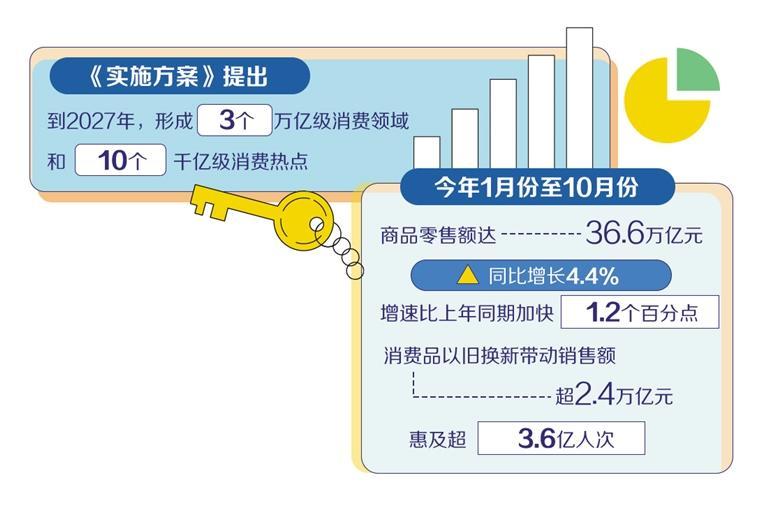
钢铁业倚重高端化与低碳化破局
Zhong Guo Zheng Quan Bao· 2025-12-01 20:25
Core Viewpoint - The steel industry in China is experiencing a decline in consumption and an increase in inventory, despite stable production levels and improved profitability for some companies [1][2][4]. Production and Consumption - From January to October, China produced 818 million tons of crude steel, a year-on-year decrease of 3.9%, with an average daily output of 2.69 million tons [1][3]. - The apparent consumption of steel in China for the first three quarters of 2025 was 649 million tons, down 5.7% year-on-year, continuing a trend of decline since the 14th Five-Year Plan [1][2]. Inventory Levels - As of November 28, the social inventory of five major steel products reached 10.073 million tons, an increase of 27.82% year-on-year [1][3]. - The inventory of key steel enterprises was reported at 15.61 million tons in mid-November 2025, reflecting a 26.3% increase since the beginning of the year [3]. Profitability and Financial Performance - The steel industry has shown overall stable operations this year, with significant improvements in profitability compared to last year, although demand has decreased [2][4]. - Among 46 listed steel companies that disclosed their third-quarter reports, 31 reported a year-on-year increase in net profit, accounting for approximately 67.39% [2]. Industry Development Strategies - The China Iron and Steel Association (CISA) emphasizes the need for steel companies to adhere to production control policies and focus on sustainable development through structural reforms [4]. - Recommendations for high-quality development include enhancing innovation capabilities, optimizing resource supply, and promoting the integration of steel structure construction [4][6]. Environmental Initiatives - By the end of October, 219 steel enterprises had completed or partially completed ultra-low emission modifications, with total investments exceeding 310 billion yuan [5]. - The industry is encouraged to accelerate technological innovation and expand applications in new energy sectors [5][6].

央广财评|增强供需适配性 打开万亿级消费新蓝海
Yang Guang Wang· 2025-12-01 08:55
Core Viewpoint - The Chinese government has introduced a significant policy aimed at enhancing consumer demand and supply adaptability, focusing on 19 key tasks to promote a robust economic cycle and improve the consumption landscape [1][2] Group 1: Policy Implementation - The Ministry of Industry and Information Technology and the National Development and Reform Commission, among other departments, released an implementation plan to stimulate consumption [1] - The plan emphasizes expanding new consumption, tapping into existing markets, and optimizing the environment for consumption [1] Group 2: Market Potential - China is the world's second-largest consumer market, with the largest middle-income group, indicating substantial growth potential [1] - The application of new technologies like artificial intelligence and virtual reality is accelerating the rise of new consumption patterns [1] - The increasing income levels in rural areas and the vibrant county-level consumption market are contributing to overall consumption growth [1] Group 3: Demographic Insights - By the end of 2024, the elderly population in China is projected to reach 310 million, accounting for 22% of the total population, highlighting a significant market for elderly care products and services [2] - There are unmet demands across various demographic groups, including children, students, and young adults, representing potential multi-trillion yuan markets [2] Group 4: Supply-Side Structural Reform - The implementation plan aims to address structural mismatches in supply and demand, promoting high-quality consumer goods to meet the needs of the population [2] - The focus is on supply-side structural reform, brand leadership, standard upgrades, and the application of new technologies to enhance production quality [2]
重大项目释放投资新动能,多地民营经济促进条例密集落地
Di Yi Cai Jing· 2025-12-01 08:09
Group 1 - The core viewpoint emphasizes the positive progress of private capital participation in major projects, with the National Development and Reform Commission (NDRC) encouraging private enterprises to expand effective investment and promote high-quality development of the private economy [1][2] - The NDRC highlighted the importance of private enterprises seizing opportunities in technological revolutions, industrial transformations, and urban-rural coordinated development to actively participate in national strategic projects [1][3] Group 2 - Since the 14th Five-Year Plan, the overall operation of China's private economy has improved, with private enterprises adjusting their development methods and structures, leading to an average annual growth rate of over 10% in private investment in manufacturing and high-tech industries [2] - The introduction of private capital into nuclear power projects is a significant example, with plans to increase private participation from 2% in 2020 to 10-20% by 2025, potentially driving over 24 billion yuan in private investment [2] Group 3 - The NDRC's recent measures aim to stimulate private investment by addressing market access, fair competition, and service optimization, with 13 specific initiatives proposed to stabilize employment and promote the development of the private economy [3][4] - The implementation of the Private Economy Promotion Law in May 2023 marks a significant step in protecting the rights of private enterprises and entrepreneurs [5] Group 4 - Local regulations are being enacted to support private economic development, with the Fujian Province's Private Economy Promotion Regulation set to take effect in January 2026, focusing on fair competition and investment promotion [6][7] - Other provinces, including Tianjin and Shandong, are also advancing similar regulations to enhance support for private enterprises [7] Group 5 - Experts emphasize the need for a supportive environment for private enterprises, including reducing non-market risks from policy changes and administrative controls, to boost confidence in the private economy and facilitate economic recovery [8]