
商业航天

Search documents
2026年化工策略与化工框架培训会
2026-01-23 15:35
Summary of Key Points from the Conference Call Industry Overview - The chemical industry exhibits significant cyclicality, analyzed through sales volume and profit per ton, with profit fluctuations reflecting raw material and product price differentials [1][3] - China holds a dominant position in the global chemical industry, with a market share of 50%, benefiting from low-cost fixed asset investments, efficient human resources, and entrepreneurial spirit [1][5] - The capacity cycle is approximately ten years, with inventory cycles around 40 months, and mid-cycles lasting about 20 years [1][3] Core Insights and Arguments - The year 2016 marked the bottom of the previous capacity cycle, and 2026 is expected to be in a similar position [1][3] - Key indicators for short-term price fluctuations include inventory levels, which must be assessed in context [1][7] - Chinese companies excel in long-cycle perspectives, allowing for counter-cyclical expansions during downturns, using various indicators to identify market turning points [1][8] - The global supply side of the chemical industry is favorable due to the end of China's capacity expansion, overseas capacity exits, and the return of China's existing capacity [1][12][13] - Leading Chinese chemical companies are currently experiencing high net profit margins and have the potential for significant dividend payouts, enhancing investment returns [1][14] Future Growth Areas - Future growth points for leading Chinese chemical companies include new demands from the new economy (e.g., AI robots, aerospace), the evolution of leading companies into high-dividend firms, and competitive advantages from rebate policies [2][15] - The chemical product prices and stock prices may diverge, with stock prices potentially rising even when product prices fall due to macroeconomic conditions and raw material price drops [2][11] - The petrochemical sector is expected to see a turnaround in free cash flow from a negative 130 billion in 2022 to positive in 2024, with better performance anticipated in 2025 [2][19] Market Predictions and Challenges - The chemical industry faces challenges in predicting future performance, particularly regarding profit margins influenced by raw material prices [2][10] - The PPI is expected to turn positive in 2026, indicating improved industry profitability [2][17] - The basic chemical sector is projected to achieve positive free cash flow by 2025, with leading companies potentially offering over 10% dividend yields [2][20] Investment Strategy for 2026 - The overall strategy for 2026 is optimistic, focusing on global supply-side reforms and the demand from AI technologies [2][16] - The chemical industry is expected to experience significant improvements in performance due to strong free cash flow capabilities and favorable supply-demand dynamics [2][21][22] Conclusion - The chemical industry is poised for a positive outlook in 2026, driven by strong cash flow, favorable supply conditions, and emerging demands from new technologies [2][21][22]
航天电子20260122
2026-01-23 15:35
Summary of Aerospace Electronics Conference Call Company Overview - Aerospace Electronics is the only publicly listed platform under the Aerospace Science and Technology Corporation, focusing on aerospace electronic support, which accounts for over 80% of its revenue, including telemetry communication and inertial navigation, benefiting from increased aerospace missions and space station construction [2][4][15] - The company has divested its civilian product business to concentrate on the military market, which is expected to enhance performance [2][6] - The company is involved in the construction of two core satellite constellations, China Star Network and Shanghai Yancheng Qinfan, totaling 28,000 satellites, providing long-term growth momentum [2][8] Core Business Segments - The company has five main business segments: 1. Aerospace electronic support: Over 80% of revenue, including telemetry communication, inertial navigation, and mechanical components [7] 2. Unmanned systems: Managed by the subsidiary Aerospace Times Feihong, covering small to medium-sized drones and unmanned aerial vehicles [7] 3. Telemetry communication: Includes various telemetry communication terminals and secure communication devices [7] 4. Inertial navigation: Covers a full range of technologies from mechanical inertial navigation to the latest quantum gyroscopes [7] 5. Integrated circuits: Includes Beidou navigation chips and FPGA chips [7] Market Position and Competitive Advantages - Aerospace Electronics is a leading player in the domestic commercial aerospace sector, particularly in satellite laser communication, with a high level of technological maturity [3][12] - The company holds a significant market position in the rocket support field, with its products accounting for 20-30% of rocket costs, and has robust R&D and production capabilities [9][10] - In the satellite sector, electronic components and electromechanical servo systems represent over 60% of the overall value, showcasing the company's strong technical capabilities [10] Future Opportunities - Short-term benefits are expected from the increasing number of domestic aerospace missions and the normalization of space station operations, providing stable demand [8] - Long-term growth is anticipated from low-orbit satellite constellation construction, with significant projects underway [8] Unmanned Aerial Vehicle (UAV) Development - The company is the only designated precision-guided weapon unit under the Aerospace Science and Technology Corporation and plays a crucial role in unmanned combat operations [13] - The UAV segment is expected to contribute significantly to the company's performance, with a focus on expanding production capacity to meet high demand [14] - The company is also actively exploring overseas military trade markets, where UAV profit margins are significantly higher than domestic manufacturers [4][14] Overall Outlook - As the only listed platform under Aerospace Science and Technology Corporation, the company benefits from its strong industry position and technical capabilities, playing dual roles as an aerospace electronic supplier and UAV manufacturer [15] - The company is well-positioned to capitalize on the early-stage growth of commercial aerospace, with expected revenue and performance growth across multiple sectors, including satellites and rocket telemetry communication [15]

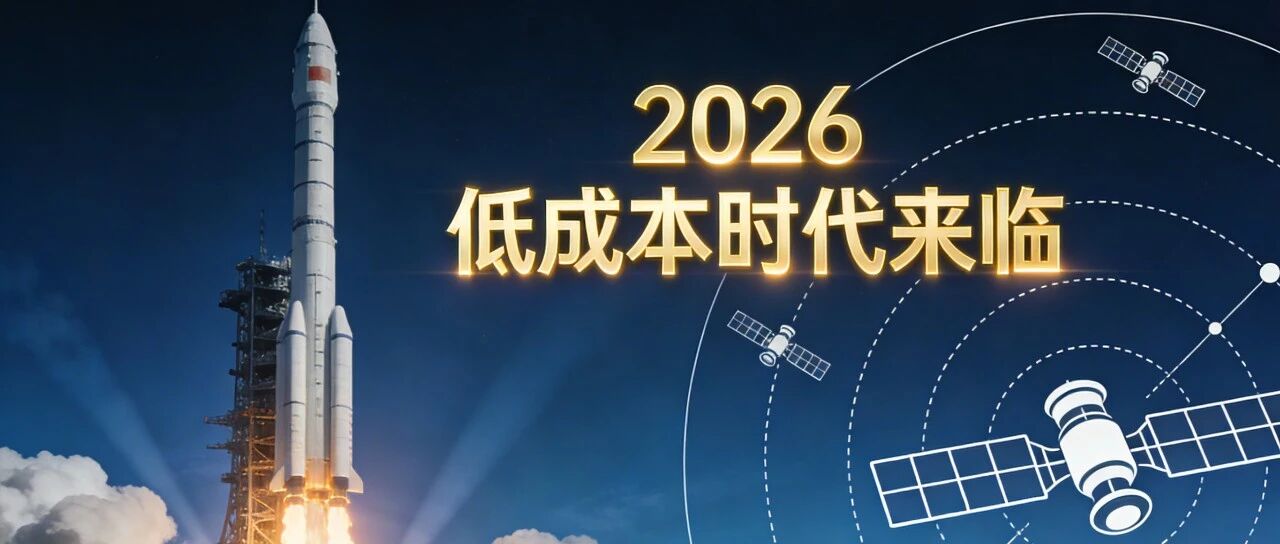
2026太空赛道杀疯了!可回收火箭突破临界点,商业航天千亿产业链全曝光
材料汇· 2026-01-23 15:18
Core Viewpoint - The article emphasizes that commercial aerospace is poised for explosive growth by 2026, driven by government support, technological breakthroughs, capital influx, and market demand [6][8]. Group 1: Policy Support - The establishment of a Commercial Aerospace Department by the National Space Administration and supportive policies from over ten provinces have created a favorable environment for the industry [7][22]. - The government has included commercial aerospace in its work reports for two consecutive years, indicating a strategic focus on this sector [22]. Group 2: Technological Breakthroughs - Key advancements include successful tests of reusable rockets and the transition of satellite production to a "mass production" model, significantly enhancing launch capabilities [23][25]. - The Hainan launch site is now operational, supporting up to 16 high-density launches annually [23]. Group 3: Capital Influx - In 2025, the commercial aerospace sector saw a total financing of 18.6 billion yuan, a year-on-year increase of 32%, with significant investments in satellite applications and rocket manufacturing [28]. - More than ten companies are accelerating their IPO processes, indicating a robust interest from investors [28][29]. Group 4: Market Demand - The demand for low-orbit satellite constellations is increasing, with applications in satellite communication, space computing, and space tourism becoming more viable [7][35]. - The article highlights that there are 286 million non-internet users in China, representing a significant market opportunity for satellite communication services [7]. Group 5: Reusable Rocket Technology - Reusable rocket technology is expected to reduce launch costs by up to 60%, marking a shift towards "flight-like launches" in commercial aerospace [41]. - The first successful tests of vertical landing and recovery for rockets have been completed, with multiple rocket types set to debut in 2026 [42]. Group 6: Industry Structure - The commercial aerospace industry is characterized by a collaborative model involving state-owned enterprises, private companies, and local governments, creating a diversified ecosystem [16][22]. - The article outlines the differences between traditional and commercial aerospace, emphasizing the market-driven approach of the latter [15][16].

商业火箭迎关键验证窗口:发动机决定太空探索深度,3D打印则是降本核心
Hua Er Jie Jian Wen· 2026-01-23 14:43
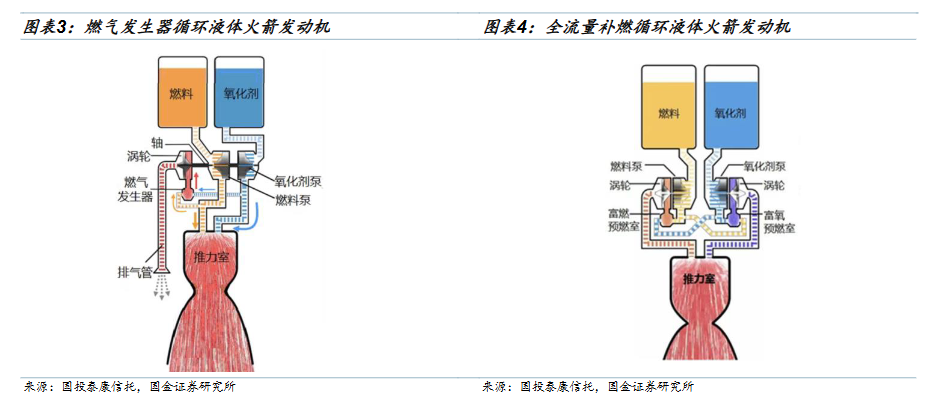
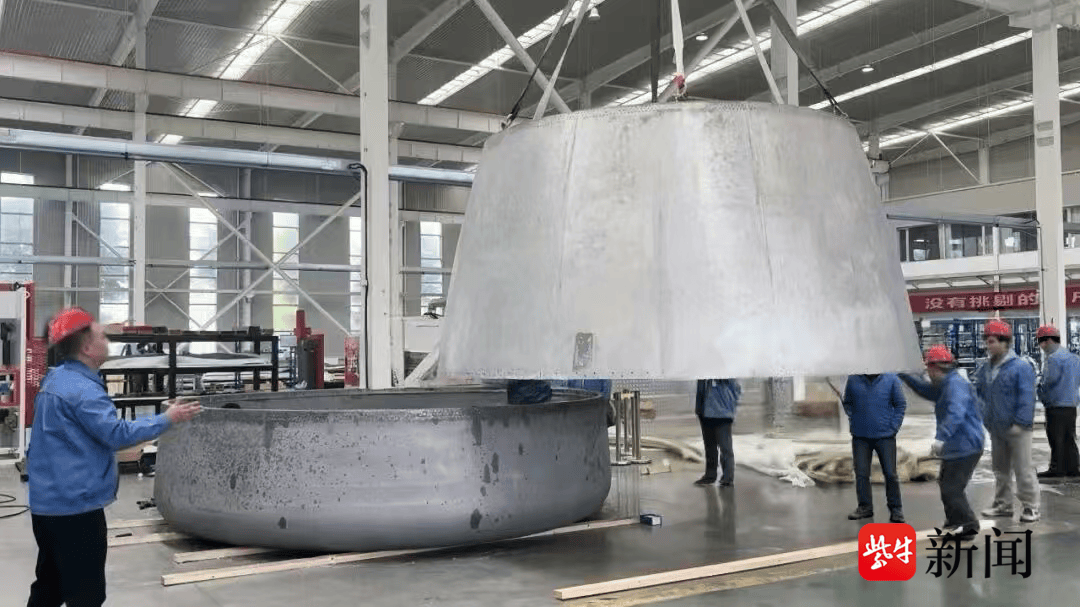
Core Viewpoint - The key to competition in the commercial aerospace industry lies in surpassing the profitability threshold of "2.8 tons payload at 800 km orbit," which is fundamentally linked to advancements in upstream hard technology, particularly in engine performance and 3D printing capabilities [1][2]. Industry Analysis - The commercial aerospace sector is entering a critical development phase, with 2026-2027 identified as a pivotal window for Chinese commercial rocket companies, marking the first flights of several medium to large liquid rockets and the practical testing of reusable technology [1][2]. - The demand for satellite internet, such as GW constellations, is driving the need for enhanced payload capacity and cost control, making companies that can meet the "2.8 tons at 800 km" threshold key players in the market [1][2]. Technological Advancements - Engine technology is evolving towards full-flow staged combustion and large thrust capabilities, which are essential for increasing rocket performance limits. Currently, most Chinese commercial rocket engines utilize gas generator cycles, but the industry is shifting towards more efficient full-flow staged combustion designs [3][4]. - 3D printing has become a core production capability in the aerospace sector, significantly reducing production cycles and weight. For instance, production times have decreased from 50 hours to 10 hours, with weight reductions exceeding 50% for certain components [10][11]. Market Dynamics - The transition from small solid rockets to medium and large liquid reusable rockets is reshaping the supply chain, with a focus on core components like 3D printing, large storage tanks, and servo systems, which are gaining increased market attention [2][3]. - The Chinese 3D printing market is projected to reach approximately 41.5 billion yuan in 2024, with the aerospace sector accounting for about 16.7% of this market, highlighting the growing importance of this technology in commercial rocket manufacturing [10][11]. Structural and Material Innovations - As payload capacities increase, rocket structures are evolving towards larger dimensions, with tank costs comprising over 60% of the overall structure costs. New materials, such as stainless steel, are being adopted for storage tanks due to their strength and cost-effectiveness [13]. - The control systems in rockets are also being upgraded to meet the demands of high-frequency launches, transitioning from traditional electric servos to electromechanical hydraulic servos, creating new market opportunities for related supply chain companies [13].
蓝思科技:商业航天领域已实现批量供货 针对太空环境极端需求已研发出超薄光伏玻璃模组等
Ge Long Hui A P P· 2026-01-23 14:20
Core Viewpoint - The company, Lens Technology, has expanded its collaboration with leading domestic and international clients from consumer electronics to three high-growth sectors: smart automotive, embodied intelligence, and commercial aerospace, achieving deep strategic synergy across multiple fields [1] Group 1: Business Expansion - The company has successfully entered the commercial aerospace sector and has begun bulk supply of products [1] - Main products include structural components and precision modules for satellite communication terminals, with stable delivery scale [1] Group 2: Technological Advancements - The company has developed ultra-thin photovoltaic glass modules and large-size UTG flexible glass that are resistant to atomic oxygen erosion and radiation, leveraging its leading global technology in ultra-thin glass and photovoltaic glass post-processing [1] - These high-barrier products are actively collaborating with clients for the joint development of next-generation products, establishing a strong technological moat [1] Group 3: Revenue Contribution - Currently, the revenue contribution from these products is relatively small, indicating potential growth opportunities but also caution for investors [1]

太空光伏站上风口!光伏企业抢滩万亿赛道,股价最高上涨125.89%
Hua Xia Shi Bao· 2026-01-23 14:17
Group 1 - The commercial space sector has become a focal point in the capital market, with space photovoltaics gaining significant attention, as evidenced by a 30.57% increase in the space photovoltaic index over nearly 60 trading days [2] - Key companies in the space photovoltaic sector include Junda Co., Ltd., Tuori New Energy, Zhonglai Co., Ltd., Jinjing Technology, Trina Solar, and Jiejia Weichuang, with Junda Co., Ltd. showing remarkable performance, with a stock price increase of 125.89% in the same period [2] - The acceleration of satellite deployment in low Earth orbit, including SpaceX's approval for 7,500 new Starlink satellites and China's application for 203,000 satellites, has driven the demand for space photovoltaics as a sustainable energy source [3] Group 2 - Space photovoltaics are favored for satellite energy supply due to their advantages, such as immunity to weather interference and simpler installation compared to traditional solar setups [4] - The high cost of space photovoltaics, primarily using gallium arsenide materials, poses a significant challenge, with current prices for space-grade gallium arsenide solar cells being over 1,000 times that of terrestrial silicon cells [4] - Perovskite materials are emerging as a potential next-generation solution for space photovoltaics, although their long-term stability and large-scale production remain to be validated [4] Group 3 - The space photovoltaic concept has gained momentum in 2026, with multiple brokerages predicting a "trillion-level market," prompting various photovoltaic companies to engage in strategic partnerships and research [5] - Recent collaborations include a strategic partnership between Dongfang Risen and Shanghai Port Construction Group to develop perovskite and p-type heterojunction battery technologies for space energy applications [5] - Trina Solar has established a comprehensive layout in three key areas: crystalline silicon batteries, perovskite tandem batteries, and III-V gallium arsenide multi-junction batteries, anticipating significant market potential as reusable rocket technology advances [6] Group 4 - Trina Solar has reported collaborations with leading aerospace companies in Europe and the U.S. for its crystalline silicon products, focusing on perovskite and silicon tandem products for satellite applications [6] - Junda Co., Ltd. has seen its stock price double since embracing the space photovoltaic concept, with a recent closing price of 90.4 yuan per share [6] - Other equipment manufacturers, such as Aotwei and Maiwei, have also experienced significant stock price increases, with Aotwei's stock rising by 74.44% and Maiwei's by 68.58% over 20 trading days [6][7]



A股“躁动”与港股“失速”——公募基金缘何减配港股?
Zhi Tong Cai Jing· 2026-01-23 14:11
Group 1 - The overall positioning of public funds has become clearer with the completion of the 2025 Q4 reports, showing a notable shift towards cyclical and small-cap growth stocks, while the allocation to Hong Kong stocks has decreased significantly from 19.26% to 16.23% [1] - The decline in the strategic position of Hong Kong stocks within active equity funds contrasts with the upward trend in the A-share market, raising concerns about the future performance of Hong Kong stocks [1] - The A-share market has shown a strong growth style, with significant thematic investment in sectors like commercial aerospace and artificial intelligence hardware, which are less represented in the Hong Kong market [2] Group 2 - Hong Kong stocks are facing dual pressures on liquidity, both from external factors and southbound capital, making them more sensitive to liquidity changes compared to A-shares [3] - Despite a record inflow of 1.4 trillion RMB from southbound capital in 2025, the pace has slowed significantly in Q4, with daily average inflows dropping to 10.9 million HKD in December [3] - The IPO market in Hong Kong has thrived, with 117 IPOs raising 285.9 billion HKD in 2025, marking a return to the top globally, but a potential wave of lock-up expirations could pose challenges [4][5] Group 3 - The upcoming lock-up expirations for major companies listed in the first half of 2025 could lead to significant selling pressure, with an estimated 120 billion HKD in potential unlocks by December [4] - Historical patterns indicate that lock-up expirations have coincided with declines in the Hong Kong market, although strong-performing companies may still attract new investments [5] - The market's current dynamics suggest that while there may be selling pressure from lock-up expirations, the presence of new buying forces could offset this impact [5]
联创光电2025年净利润预增80.36%至120.57%
Zheng Quan Ri Bao Wang· 2026-01-23 14:06
Group 1 - The company expects a significant increase in net profit for 2025, projecting a range of 435 million to 532 million yuan, representing a year-on-year growth of 80.36% to 120.57% [1] - The growth in profit is primarily attributed to the substantial increase in the laser business and a significant reduction in losses from the backlight source segment [1] - The company has been transitioning from traditional industries to technology-driven sectors, focusing on smart control, laser, and high-temperature superconducting industries [1] Group 2 - The rapid growth of the laser industry is driven by technological breakthroughs in pump sources, lasers, and anti-drone systems, with plans for further integration and scaling of high-tech industries [2] - The superconducting industry will focus on market applications in induction heating, silicon growth, controlled nuclear fusion, and electromagnetic catapults, aiming for long-term growth and improved profitability [2] - Breakthroughs in electromagnetic catapult technology are expected to transform the economic model of space launches by reducing costs, increasing launch frequency, and enhancing payload ratios [2][3]

黄景瑜签约航天公司CEO曾是央视主持人
Sou Hu Cai Jing· 2026-01-23 14:03
Core Viewpoint - Beijing Chuan Yue Zhe Manned Space Technology Co., Ltd. has announced that Huang Jingyu will be the company's 009th space tourist, marking a significant step in China's commercial space tourism industry [2][7]. Group 1: Company Overview - Beijing Chuan Yue Zhe Manned Space Technology Co., Ltd. was established on January 11, 2023, focusing on manufacturing in the railway, shipping, aerospace, and other transportation equipment sectors [2]. - The company has a registered capital of 7.789275 million RMB and a paid-in capital of 4.9 million RMB, having completed its angel++ round financing by 2025 [2]. Group 2: Leadership and Innovations - The founder and CEO, Lei Shiqing, graduated from Jinan University with a major in broadcasting and hosting, and previously worked as a host for CCTV's international channel [4]. - The company holds four invention patents related to manned spacecraft, with Lei Shiqing as the primary inventor for all patents; three have been authorized, and one is under substantive examination [4]. Group 3: Recent Developments - On January 18, the company conducted China's first full-size manned spacecraft landing buffer test, showcasing its independently developed "Cloud Sensing Landing" system, which performed excellently during the trial [4]. - The company announced Huang Jingyu as the 009th space tourist on January 22, with the first space tourist being Qiu Heng, CMO of Zhiyuan Robotics [7].
恒指强势震荡中枢上移 临近前高压力位资金面谨慎
Xin Lang Cai Jing· 2026-01-23 13:45
Market Overview - The Hong Kong stock market indices collectively rose, with the Hang Seng Index increasing by 0.45% to 26,749 points, the Hang Seng China Enterprises Index up by 0.51%, and the Hang Seng Tech Index rising by 0.62% [2] - Major tech stocks showed strong performance, with Xiaomi rebounding nearly 3%, Alibaba up over 2%, and JD.com and Meituan also recording gains [2] Sector Performance - The technology sector remained active, with significant movements in stocks such as Kuaishou (+2.7%), Lenovo (+2.3%), and Alibaba (+2.2%) [3] - Other sectors like commercial aerospace and AI applications saw increased speculative interest, while industries such as photovoltaics, precious metals, biomedicine, smart driving, and semiconductors experienced upward trends [3] Declining Sectors - Cyclical sectors including oil, coal, paper, and aviation faced collective pullbacks, with real estate and construction materials also showing weakness [4] - The overall market is experiencing strong fluctuations, approaching the 27,000-point mark, but with caution in the funding environment as trading volume decreased significantly to 240.872 billion HKD [4] Short Selling Activity - The total short selling amount reached 24.891 billion HKD, accounting for 10.33% of the Hang Seng Index's trading volume, indicating active short positions [4] - The top three stocks with the highest short selling amounts were Pop Mart, Alibaba, and Xiaomi, with respective amounts of 1.3 billion HKD, 1.26 billion HKD, and 1.064 billion HKD [4] Institutional Sentiment - Public fund positions in Hong Kong stocks decreased in the last quarter, reflecting a shift in institutional attitudes towards the market [5] - According to Guolian Minsheng Securities, the weighted total position of active equity funds in Hong Kong stocks was 12.41%, down by 2.04% from the previous quarter, with increased holdings in non-bank financials and resource sectors [6] Future Outlook - The technology sector in Hong Kong is expected to experience a "Davis Triple Play," potentially becoming one of the most elastic directions for investment [7] - Current valuations of the Hong Kong technology sector are lower than those of A-shares, with the PE ratio nearing historical lower limits, suggesting limited downside and potential for upside [8]


