自动驾驶

Search documents
特斯拉罕见释放销量承压信号:机构预测四季度销量下滑15%
Xin Lang Cai Jing· 2025-12-31 06:33
特斯拉或将迎来连续第二年年度交付量下滑。 当地时间12月29日,特斯拉通过投资者关系网站罕见发布第四季度交付预测,首次以官方形式公开整理 了大和、德意志银行、高盛、巴克莱等20家知名机构的交付量预测数据。 此举被解读为公司提前管理市场预期、应对潜在业绩压力的主动策略。 根据特斯拉公开的预测数据,机构预计其2025年第四季度预计交付车辆42.29万辆。这一数值较2024年 同期下滑约15%,且低于彭博社、FactSet等外部机构对其今年四季度44.5万辆的平均预估,显示出更为 悲观的预期。 从全年来看,特斯拉CEO埃隆・马斯克在政治及公共事务领域的活跃表态引发部分消费者分歧,被认为 是美国部分州及欧洲市场销量压力加剧的潜在因素。2025年前两个季度,特斯拉已因相关言论导致销量 阶段性暴跌,虽第三季度靠政策红利短暂提振,但未能扭转全年下滑趋势。 不过,马斯克的"回归"等因素挽回了特斯拉的股价。资本市场上,尽管销量预期疲软,特斯拉2025年股 价仍保持上行态势,投资者关注点开始向自动驾驶、Robotaxi和人形机器人等新兴业务转移。 Wedbush Securities著名分析师Dan Ives明确将2026定义为 ...


为什么蔚来会押注世界模型?
自动驾驶之心· 2025-12-31 06:27
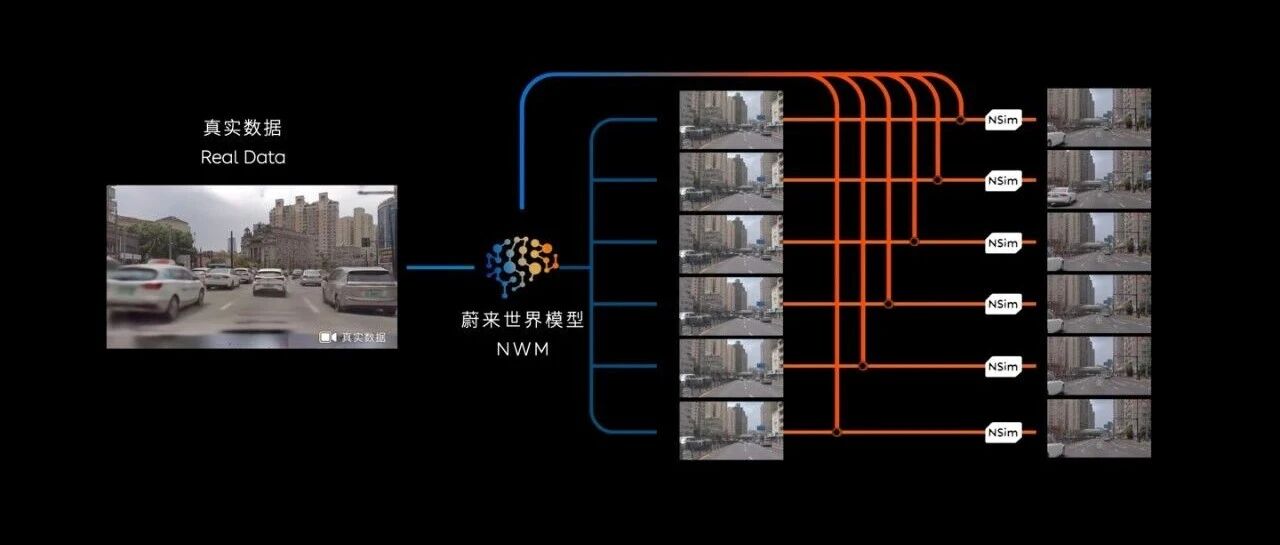
Core Insights - The article discusses the recent promotion of NIO's NWM 2.0, highlighting its positive reception and the potential of world models in intelligent driving [1] - It emphasizes that the true limit of intelligent driving lies in world models, which utilize video as a core component to understand spatiotemporal and physical laws, enabling machines to comprehend environments like humans do [1] Group 1: World Model Concept - World models address spatiotemporal cognition, while language models focus on conceptual cognition, with the former being more effective in modeling the real world's four-dimensional space-time [1] - The article mentions that many AI giants are developing general world models, including projects like Li Feifei's Marble, Yann LeCun's V-JEPA 2, and DeepMind's Genie 3 [1] Group 2: Challenges in Understanding World Models - The definition of world models remains vague, leading to confusion among newcomers in the field, who often spend significant time navigating challenges without clear guidance [1] - The article notes that understanding world models and completing tasks like data generation and closed-loop simulation can be particularly difficult for beginners [1] Group 3: Course Overview - A course is being offered to help individuals understand the world model domain in autonomous driving, featuring insights from industry algorithm experts [2][6] - The course will cover various aspects of world models, including their historical development, application cases, and different schools of thought within the field [6][10] Group 4: Course Structure - The course consists of six chapters, starting with an introduction to world models and their connection to end-to-end autonomous driving [6] - Subsequent chapters will delve into background knowledge, discussions on general world models, video generation-based models, OCC generation models, and industry applications [6][8][9][10] Group 5: Expected Outcomes - The course aims to equip participants with the skills to reach a level comparable to a world model autonomous driving algorithm engineer within a year [14] - Participants will gain a deeper understanding of key technologies such as BEV perception, multimodal large models, and generative models, enabling them to apply their knowledge in practical projects [14]
“SBBA”格局初现:豪华汽车市场的格局重塑
Xin Lang Cai Jing· 2025-12-31 04:29
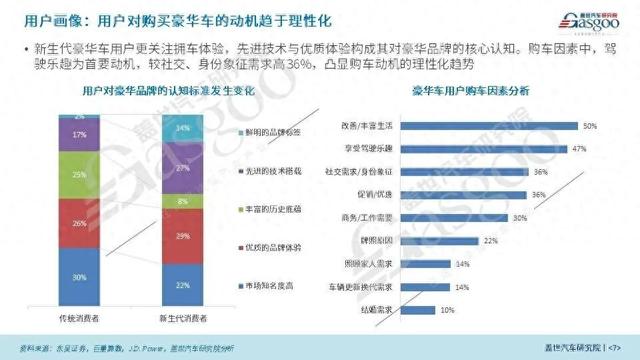
Core Insights - The automotive industry in 2025 is marked by significant transformations, including the penetration rate of new energy vehicles surpassing 50%, advancements in AI and autonomous driving, and a shift in consumer preferences towards high-value options from traditional luxury brands [1][2] Industry Transformation and Consumer Awakening - The reshaping of the Chinese luxury car market is a result of simultaneous industry transformation and consumer evolution, with the penetration rate of new energy vehicles reaching a milestone of over 50% in 2025 [1] - A report indicates that 35% of high-net-worth individuals in China now prefer new energy brands over traditional German brands (BBA), marking a historic shift in brand preference [1] Market Dynamics and Competitive Landscape - The traditional luxury market, previously dominated by BBA, is being disrupted as the Enjoy brand enters the market, achieving top sales in the new energy segment [2] - The Enjoy brand fills a significant gap in high-end intelligent new energy vehicles, as traditional luxury brands lag in adopting AI and autonomous driving technologies [2] Changing Consumer Demands - The motivations for purchasing luxury vehicles have shifted from social status symbols to driving enjoyment and practical experiences, particularly after the introduction of L3 autonomous driving [5] - Consumers are now more willing to pay for advanced technology and quality experiences rather than brand prestige, leading to a redefinition of luxury from brand heritage to value creation [5] Product Strategy and Market Positioning - Enjoy's product strategy aligns with industry trends, focusing on dual flagship models to establish a technological benchmark and cater to diverse consumer needs [7] - The Enjoy S9 and S9T models are positioned competitively within the 300,000 to 450,000 yuan luxury price range, offering full-featured luxury at entry-level prices [7] - The pricing strategy emphasizes value without relying on traditional luxury brand markups, appealing to rational consumers [7] Product Features and Innovations - The Enjoy S9 targets business elites and high-end families, while the S9T is designed for outdoor and travel needs, showcasing a dual-track strategy that enhances market coverage [8] - Both models utilize advanced technology platforms, offering superior driving assistance, smart cabin features, and impressive range capabilities, addressing modern consumer demands [10] Sales Performance and Market Penetration - Enjoy has established a positive feedback loop of sales growth, brand reputation, and channel expansion, successfully penetrating the core luxury market [12] - Over 60% of new customers come from traditional luxury brands, indicating a successful shift from being a secondary choice to a primary target for consumers [12] Strategic Partnerships and Future Growth - Enjoy is deepening its collaboration with Huawei, ensuring ongoing investment in key technology areas to support long-term growth [14] - The brand is expanding its product lineup with new SUV and MPV models to meet diverse consumer needs, capitalizing on the growing market for intelligent electric vehicles [15] Conclusion - Enjoy's rapid rise illustrates a new path for high-end automotive brands in China, focusing on technology and consumer-centric value rather than merely replicating traditional luxury models [17] - The emergence of the "SBBA" competitive landscape signifies a significant shift in market dynamics, with Enjoy poised to redefine luxury automotive standards in the country [17]
自动驾驶2025年终盘点:走出“青春期”,从技术炫技到全球落地
3 6 Ke· 2025-12-31 04:27
Core Insights - The autonomous driving industry reached a significant milestone in 2025, transitioning from a conceptual phase to practical applications, with various companies achieving regulatory approvals and launching commercial operations [1][3][21] Industry Developments - In 2025, Chinese autonomous driving companies accelerated their global expansion, with notable projects such as MOGOX and BYD winning Singapore's first L4 autonomous bus pilot project, marking a significant entry into developed countries' public transport systems [3][5] - The successful implementation of L3 autonomous driving regulations in Beijing and Chongqing established a framework for commercial operations, with the first L3 vehicles receiving conditional approval for operation in specific areas [8][9][11] Technological Advancements - The industry saw a shift towards end-to-end architectures and localized adaptations, with companies like Huawei introducing advanced systems that significantly reduce latency and improve performance in complex driving scenarios [12] - The introduction of affordable high-level autonomous driving features in vehicles, such as the BYD Qin L DM-i, has increased market penetration, with the adoption rate for advanced driving features in vehicles under 150,000 yuan rising from 5% to 18% by the end of 2025 [13] Capital Market Activities - The dual listing of Pony.ai and WeRide on the Hong Kong Stock Exchange marked a significant event in the capital market, with both companies focusing their fundraising efforts on commercializing L4 technology [16][18] - Despite initial stock price declines post-listing, the dual listing is seen as a benchmark for the industry, providing a stable financing channel and highlighting the long-term value of autonomous driving technologies [19] Globalization and Market Expansion - The global rollout of Robotaxi services accelerated, with partnerships like WeRide and Uber launching operations in Dubai, while Tesla initiated limited testing in the U.S. [6][21] - The successful deployment of autonomous driving solutions in high-density urban environments, such as Singapore, enhances China's influence in global autonomous driving standards [6][21] Regulatory and Safety Considerations - The industry faced challenges related to safety and regulatory compliance, with incidents prompting a reevaluation of operational safety measures and the establishment of stricter regulatory frameworks [20][21] - The balance between innovation and regulation is crucial for the sustainable development of the autonomous driving sector, as evidenced by the regulatory responses to safety incidents [20][21]
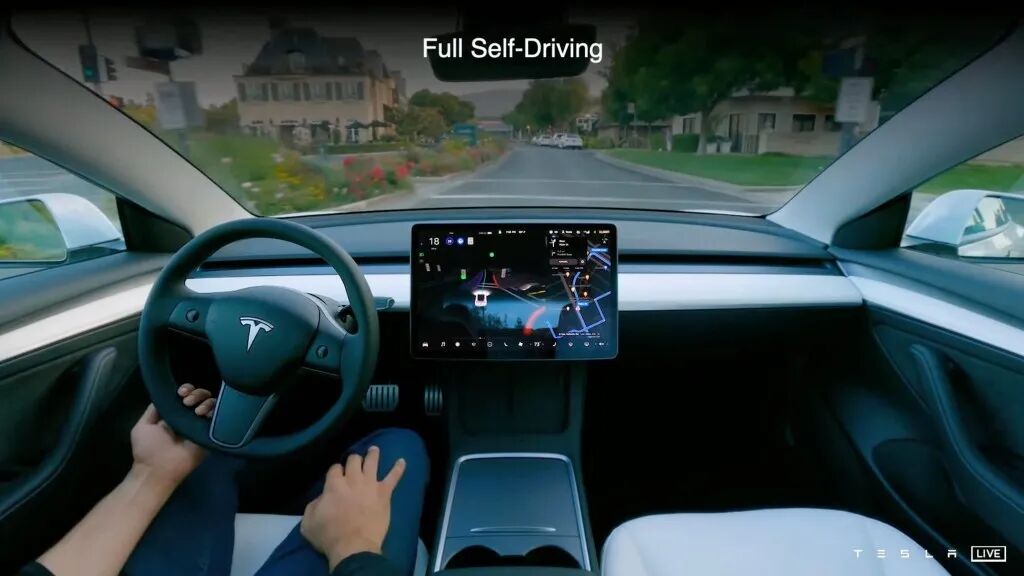
美媒:马斯克2025年为特斯拉画的“大饼”,一个没实现
Feng Huang Wang· 2025-12-31 02:26
Core Viewpoint - Elon Musk's ambitious predictions for Tesla in 2025 have once again proven to be unrealistic, with significant discrepancies between expectations and actual performance [1]. Group 1: Delivery Volume - Tesla's electric vehicle delivery volume is projected to decline for the first time in a decade in 2024, with an estimated annual delivery of approximately 1.64 million vehicles, contrary to Musk's earlier expectations of a 20% to 30% growth for 2025 [2]. Group 2: Robotaxi Deployment - Musk had predicted that by the end of 2025, 50% of the U.S. population would have access to Robotaxi services, with over 1 million Robotaxis operational. However, the actual deployment has fallen short, with only about 30 vehicles in Austin, most of which are not in operation [3]. Group 3: Demonstration Events - Musk announced a "historic demonstration" for the end of 2025, which has not materialized, echoing previous unfulfilled promises. The demonstration is now linked to the new Roadster, which has faced multiple delays, with the latest postponement to April 2026 [4]. Group 4: Tesla Semi Production - The production of the Tesla Semi has been delayed again, with the latest confirmation pushing the timeline to 2026. Originally slated for a 2019 launch, the vehicle's production has faced continuous setbacks [5]. Group 5: Optimus Robots - Musk aimed to have thousands of Optimus humanoid robots operational in Tesla factories by the end of 2025, with plans to produce between 5,000 to 10,000 units. However, there is no evidence that Tesla has achieved this goal, with reports indicating significant delays in the project [6].

瑞银下调特斯拉2025年第4季度交付量
Zhong Guo Qi Che Bao Wang· 2025-12-31 01:43
Core Viewpoint - UBS has significantly lowered its Q4 2025 delivery forecast for Tesla from the market expectation of 435,000 units to 415,000 units, representing a year-over-year decline of 16% and a quarter-over-quarter decline of 17% [1]. Group 1: Delivery Forecast and Market Conditions - UBS's downward revision of Tesla's delivery forecast indicates significant pressure on the company, despite the long timeline before the conditions for Musk's high compensation package are evaluated [1]. - Tesla's delivery volumes have shown fluctuations across major markets, including the U.S., Europe, and China, which has contributed to analysts' pessimism [4]. - In the U.S. market, Tesla's delivery volume for October and November was 80,000 units, a decrease of 23% compared to the first two months of Q4 2024 and a 26% decline year-over-year [4]. Group 2: Financial Performance and Profitability - Tesla's total revenue in Q1 2025 decreased by 9% year-over-year, with GAAP net profit at $409 million and an operating margin plummeting to 2.1% [5]. - UBS's financial projections for Tesla indicate a decline in EBIT and net income, with expected EBIT of $6.101 billion and net income of $5.403 billion for 2025 [6]. Group 3: Product Challenges and Consumer Sentiment - The Model Y has been reported as the "least reliable model" in the 2026 TÜV report, with the highest defect rate recorded in the past decade, raising concerns about quality [5]. - The "phantom braking" phenomenon in Tesla's FSD system has led to legal challenges and increased scrutiny regarding the safety of the autonomous driving technology [5]. Group 4: Future Growth Opportunities - Tesla's FSD system is crucial for the Robotaxi business, which has begun operations in Austin, Texas, with plans to expand to additional cities [8]. - The company aims to produce the Cybercab at a cost below $30,000, with operational costs as low as $0.20 per mile, potentially transforming the transportation industry [8]. - Tesla's humanoid robot, Optimus, is set to enter mass production, with plans for a third-generation model by the end of 2025, which could redefine human-robot collaboration and open new market opportunities [9].

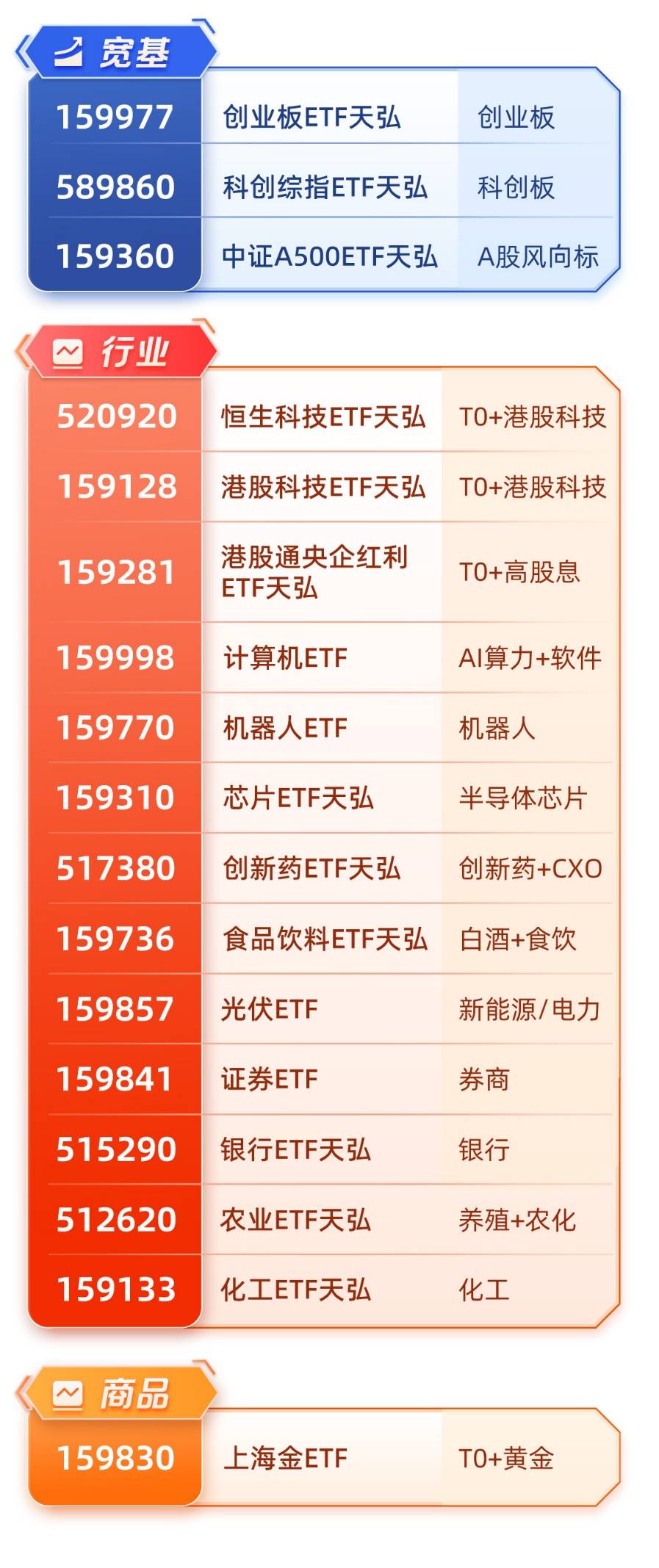
腾讯领衔港股科技企业回购潮!港股科技ETF天弘(159128)自上市次日以来持续净流入累计超11亿元
Sou Hu Cai Jing· 2025-12-31 01:35
Core Insights - The Hong Kong Technology ETF Tianhong (159128) has seen a turnover of 2.52% with a transaction volume of 40.82 million yuan, while the tracked National Index of Hong Kong Stock Connect Technology (987008) rose by 1.07%, led by stocks such as UBTECH (09880) and SMIC (00981) [1] - As of December 30, the Hong Kong Technology ETF Tianhong (159128) reached a new high with a total size of 1.652 billion yuan and 1.791 billion shares outstanding [1] - The Hang Seng Technology ETF Tianhong (520920) also reported a turnover of 2.54% and a transaction volume of 270 million yuan, with the Hang Seng Technology Index (HSTECH) increasing by 1.96% [1] Fund Flows - The Hang Seng Technology ETF Tianhong has recorded a net inflow of 1.74 million yuan recently, accumulating a total of 34.8 million yuan over the past five trading days [2] - The Hong Kong Technology ETF Tianhong (159128) has seen a cumulative net inflow of over 1.1 billion yuan since its listing [1][2] Product Highlights - The Hong Kong Technology ETF Tianhong (159128) tracks the top 30 core technology assets in Hong Kong, with the top ten constituents accounting for over 75% of the fund [2] - The ETF allows for T+0 trading and is not subject to QDII quotas, making it a more accessible investment tool for technology assets [2] Market Trends - The ongoing buyback trend in the Hong Kong market is led by technology giants, with Tencent leading the buyback with 78.13 billion HKD, accounting for 44.17% of total buybacks [2][3] - The buyback activity is characterized by a concentration among leading firms and a clear use of idle funds, indicating a strategic approach to capital management [3] Institutional Views - Analysts from Zhongtai Securities suggest that the overall easing monetary policy from the Federal Reserve is beneficial for the Hong Kong market, particularly for the technology sector [4] - The acceleration of autonomous driving policies is expected to boost the automotive sector, with a positive outlook for technology stocks driven by the AI wave [4]

早报 | 2026年“国补”政策来了;个人销售购买2年以上住房免征增值税;特斯拉官网罕见发布悲观交付量预期;李蓓卖课遭遇连环怼
虎嗅APP· 2025-12-31 00:24
Group 1 - The Chinese government will implement a new subsidy policy for equipment updates and consumer goods replacement starting in 2026, optimizing support areas and subsidy standards [2] - The subsidy for updating old elevators will be adjusted to a tiered system based on the number of floors, while the car replacement subsidy will be based on a percentage of the car price [2] - The policy aims to support small and medium-sized enterprises and improve the application process to reduce investment thresholds [2] Group 2 - SoftBank has completed a $40 billion investment commitment to OpenAI, marking one of the largest private financings in history [3] - This investment aligns with SoftBank's strategy to focus on AI and related infrastructure, following the sale of its Nvidia shares for $5.8 billion [3] - After this round of investment, SoftBank's ownership in OpenAI exceeds 10% [3] Group 3 - Elon Musk confirmed that xAI has acquired a third building, increasing its AI training computing power to nearly 2 gigawatts [4] - The new facility is located in Southaven, Mississippi, adjacent to xAI's second data center, Colossus 2 [5] - xAI is actively seeking financing to support its expansion plans, having previously discussed raising $20 billion in debt and equity [5] Group 4 - Warner Bros. plans to reject Paramount's acquisition proposal again, as the board is concerned about the lack of increased offers [6] - Paramount's latest offer includes a commitment from billionaire Larry Ellison to guarantee $40.4 billion in equity financing [6] - The board will meet next week to discuss the proposal further [6] Group 5 - The Federal Reserve's December meeting minutes reveal significant internal divisions regarding future interest rate cuts, with some officials supporting a 50 basis point cut [7] - The Fed lowered the federal funds rate target range to 3.50% to 3.75%, with a vote of 9-3, marking the highest dissent since 2019 [7] - Some officials expressed uncertainty about the need for further cuts due to missing key economic data from a government shutdown [7] Group 6 - A new tax policy will exempt individuals from value-added tax (VAT) when selling homes purchased for over two years, effective January 1, 2026 [8][9] - Homes sold within two years will incur a 3% VAT [8] Group 7 - Tesla's website has published a pessimistic delivery forecast, predicting a 15% year-over-year decline in Q4 deliveries, totaling approximately 422,850 vehicles [10] - This decline is attributed to the expiration of U.S. tax credits and increasing global competition [10] - Tesla's total deliveries for 2025 are expected to be between 1.6 million and 1.65 million, marking an 8% year-over-year decrease [10] Group 8 - Disney has agreed to pay a $10 million civil penalty to settle allegations of violating the Children's Online Privacy Protection Act related to YouTube content [11] - The allegations state that Disney failed to properly indicate that its YouTube videos were directed at children, leading to unauthorized data collection [11] Group 9 - Ganfeng Lithium has been sent for prosecution due to alleged insider trading, with the company stating that its operations remain normal and the issue is historical [12][13] - Following the announcement, Ganfeng's stock fell by 3.78% in A-shares and 2.74% in Hong Kong shares [13] Group 10 - The first oral insulin application by Tianhui Biotech was not approved, with the company stating that the withdrawal was a strategic decision [23][24] Group 11 - The new generation of digital RMB system will officially launch on January 1, 2026, as announced by the People's Bank of China [30] Group 12 - Xiaopeng Motors' chairman, He Xiaopeng, predicts that true fully autonomous driving will arrive in 2026, skipping L3 and moving directly from L2 to L4 [32]



8点1氪:特斯拉“车顶维权”女车主被限高,申请人为特斯拉;多家品牌足金首饰价格大幅下跌;蔡磊渐冻症病情接近终末期
36氪· 2025-12-31 00:14
Group 1 - Tesla's "roof rights protection" female car owner has been restricted in spending, with a court order involving an amount of 172,300 yuan [2] - The price of gold jewelry has significantly dropped, with some stores reporting a decrease of 42 yuan in a single day, which is considered unusual [3] - Tesla's global production reached its 9 millionth electric vehicle at the Shanghai Gigafactory [7] Group 2 - Xiaomi's Lei Jun announced a New Year's Eve live stream where engineers will disassemble a car live [6] - SoftBank has completed a total investment commitment of $40 billion in OpenAI, with the last payment of approximately $22 billion made recently [6] - L&F, a South Korean battery materials manufacturer, saw its stock price drop by 11% after a significant reduction in orders from Tesla, from $2.91 billion to $738,600 [12] Group 3 - Manus has announced its upcoming integration with Meta, continuing to operate in Singapore while enhancing its product offerings [5] - Ningde Times has entered the hydropower station business by establishing a joint venture for the development of a hydropower project [9] - Baidu Smart Cloud has launched a comprehensive AI solution for the consumer electronics industry, covering everything from chips to applications [22]
何小鹏和马斯克的共识:通向L4之路已经清晰
36氪· 2025-12-31 00:14
Core Viewpoint - Xiaopeng Motors, under the leadership of He Xiaopeng, is positioning itself among the global leaders in autonomous driving technology, closely monitoring advancements in AI and directly comparing its technology with Tesla's [1][2]. Group 1: Autonomous Driving Technology Development - The essence of autonomous driving is a physical AI problem, where the combination of "large computing power + large data + large models" has proven effective in accelerating AI evolution [2]. - He Xiaopeng's recent test drive of Tesla's FSD V14.2 revealed significant advancements, with the system transitioning from L2 to a "quasi-L4" stage, showcasing improved decision-making and responsiveness in complex scenarios [5][9]. - The testing route was consistent with previous experiences, allowing for a clear comparison of technological iterations [6]. Group 2: Technical Consensus Among Leading Companies - Leading companies in the industry are forming a consensus on technology, focusing on pure vision solutions and end-to-end design logic to enhance autonomous driving capabilities [11][13]. - Both Tesla and Xiaopeng Motors are committed to a pure vision approach, relying on camera data for driving decisions, which reflects a convergence in their technological paths [13][14]. Group 3: Xiaopeng's Second-Generation VLA - Xiaopeng's second-generation VLA has restructured the traditional "vision-language-action" framework, eliminating the language translation step, which enhances decision-making efficiency and responsiveness [19]. - The system demonstrates a deep understanding of the physical world, effectively recognizing and responding to various driving scenarios, including traffic signals and pedestrian movements [20][24]. - The training data for the second-generation VLA has reached nearly 100 million clips, simulating a vast array of driving conditions, which supports its continuous learning and self-evolution capabilities [24]. Group 4: Market Differentiation and Localization - Xiaopeng's focus on localizing its technology for Chinese road conditions provides a competitive edge, particularly in complex driving environments that differ significantly from those in Silicon Valley [14][15]. - The second-generation VLA is designed to handle a variety of scenarios, including narrow roads and mixed traffic, which enhances its performance in localized contexts [15]. Group 5: Future Plans and Milestones - Xiaopeng Motors has set a clear timeline for the rollout of its autonomous driving technology, with plans to launch the second-generation VLA in early 2026 and introduce multiple L4-level Robotaxi models [32][34]. - The company aims to achieve parity with Tesla's FSD V14.2 by August 30, 2026, demonstrating confidence in its technological capabilities [34][37]. - The industry is transitioning from theoretical discussions to practical validations of autonomous driving technologies, with both Tesla and Xiaopeng Motors leading the way in this evolution [38][39].