消费升级

Search documents
迪卡侬的十字路口:中产看不上,穷鬼穿不起
Hu Xiu· 2025-09-01 12:15
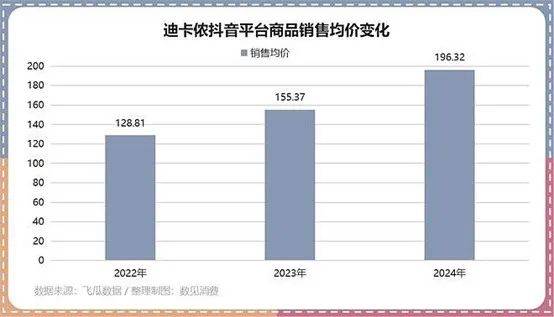
Core Viewpoint - Decathlon, once known as an affordable sports paradise, has transformed into a brand perceived as expensive and less appealing due to significant price increases without corresponding improvements in product quality or consumer experience [4][12][14]. Group 1: Price Increases and Consumer Sentiment - From 2022 to 2024, the average selling price of Decathlon products rose from 128.81 yuan to 196.32 yuan, marking a 52% increase [4]. - Classic products have seen notable price hikes, such as a 20L backpack increasing from 49.9 yuan to 89.9 yuan and a fleece jacket from 249 yuan to 499 yuan [7]. - Consumers express feelings of betrayal as they perceive the price increases without enhanced value, leading to a shift in purchasing behavior [12][14]. Group 2: Market Position and Competition - Decathlon's strategy to raise prices aims to transition from a budget brand to a more premium positioning, but this has alienated both price-sensitive consumers and potential high-end buyers [32][39]. - The outdoor sports market is experiencing a general price increase, with many brands successfully raising prices while maintaining consumer interest, unlike Decathlon [15][17]. - Competitors in the outdoor segment, such as Camel and Columbia, have also raised prices significantly, yet they continue to attract consumers [16]. Group 3: Brand Strategy and Identity - Decathlon has attempted to rebrand itself under new leadership, focusing on becoming a multi-domain professional sports brand, but the execution has not resonated with consumers [25][27]. - The brand's identity is perceived as fragmented, with a mix of low-priced and high-end products leading to confusion among consumers about its core value proposition [33][34]. - The recent introduction of a free promotional item, the "urea bag," has garnered positive attention, suggesting a potential return to its roots of practicality and affordability [56][62]. Group 4: Financial Performance - In 2024, Decathlon reported revenues of 16.2 billion euros but experienced a 15.5% decline in profits, indicating that price increases have not translated into brand premiumization [29][30]. - The company is reportedly considering selling a 30% stake in its Chinese subsidiary, valued at approximately 10 billion yuan, reflecting challenges in its market strategy [31].

晚上九点,记者暴走3万步,只为了
Jin Rong Shi Bao· 2025-09-01 08:41
Core Viewpoint - The article highlights the vibrant development of nighttime economy in Yangzhou, driven by cultural and tourism integration, innovative consumption experiences, and supportive financial initiatives [1][5][20]. Group 1: Nighttime Economy Development - Yangzhou's nighttime economy is characterized by a blend of cultural heritage and modern consumption, transforming traditional experiences into engaging activities for tourists [1][3]. - The introduction of innovative cultural performances and interactive experiences has significantly increased nighttime visitor numbers, with a reported 65% year-on-year growth in tourist reception for nighttime boat performances [2][5]. - The city has seen a 10.25% year-on-year increase in monitored nighttime cultural and tourism consumption venues during the summer [5]. Group 2: Innovative Consumption Experiences - Unique offerings such as DIY experiences, themed cafes, and immersive performances have attracted substantial nighttime foot traffic, with weekday visitor numbers reaching around 20,000 and holiday numbers exceeding 50,000 [3][8]. - The integration of technology in cultural experiences, such as virtual reality and interactive performances, has enhanced the appeal of nighttime activities [4][8]. Group 3: Financial Support for Nighttime Economy - Financial institutions are actively supporting the nighttime economy through various initiatives, including a strategic cooperation agreement aimed at enhancing consumer spending and financial services [16][20]. - Significant financing has been allocated to cultural tourism projects, with over 30 billion yuan provided for infrastructure upgrades and nighttime project development [18]. - Innovative credit products and services are being developed to cater to the specific needs of small businesses and individual entrepreneurs in the nighttime economy [19][20].
业绩会直击|星盛商业(6668.HK)战略聚焦锚定高质量增长,持续高分红筑牢盈利信心
Ge Long Hui· 2025-09-01 08:10
Core Viewpoint - Xing Sheng Commercial (6668.HK) demonstrates resilience through steady operations, cost reduction, and refined management, showcasing its growth potential in the commercial property service sector in the Greater Bay Area [1][2]. Financial Highlights - The company reported revenue of approximately 284 million yuan, with 74.9% coming from the Greater Bay Area, indicating a strong market position [3]. - Management expense ratio decreased to 9.3%, down 0.8 percentage points year-on-year, reflecting effective cost management [3]. - Net profit attributable to shareholders reached 87 million yuan, supported by a cash balance of 1.368 billion yuan, enhancing the company's financial stability [3]. - The interim dividend declared is 0.05 HKD per share, with a total cash dividend of 586 million HKD over five years, highlighting a commitment to shareholder returns [3]. Operational Performance - As of June 30, 2025, the company serviced 52 commercial property projects across 21 cities in China, with a total contracted area of approximately 2.65 million square meters [5]. - Same-store sales grew by 11.4% and customer traffic increased by 4.4% in the first half of the year, with an average occupancy rate of 92.5% [5]. - The company has initiated new collaborations with key brands in Shenzhen, enhancing its operational capabilities [5]. Market Environment - The Greater Bay Area's consumer market is experiencing a structural recovery, with tourism and local consumption showing positive trends [6]. - Continued consumer promotion policies and infrastructure improvements are expected to enhance the shopping center and commercial complex growth potential [6]. Q&A Insights - The company aims to balance short-term shareholder returns with long-term growth, indicating a cautious approach to dividend increases [9]. - Existing projects are showing growth, while new projects in the Greater Bay Area are expected to yield results soon [10]. - The company is exploring new growth points through careful investment in its core business and is open to new project opportunities [11]. - Management efficiency is being enhanced through refined management practices and team building, focusing on innovation and employee engagement [12][13]. - Upcoming projects include several new openings in Shenzhen and Nanjing, expected to launch by the end of the year [14]. - The company is researching asset securitization opportunities to further enhance its financial strategies [15].
杨德龙:A股本轮牛市启动背后逻辑,五路资金流入市场!宏观决定仓位,政策决定方向,美联储9月降息概率较高
Sou Hu Cai Jing· 2025-09-01 08:03
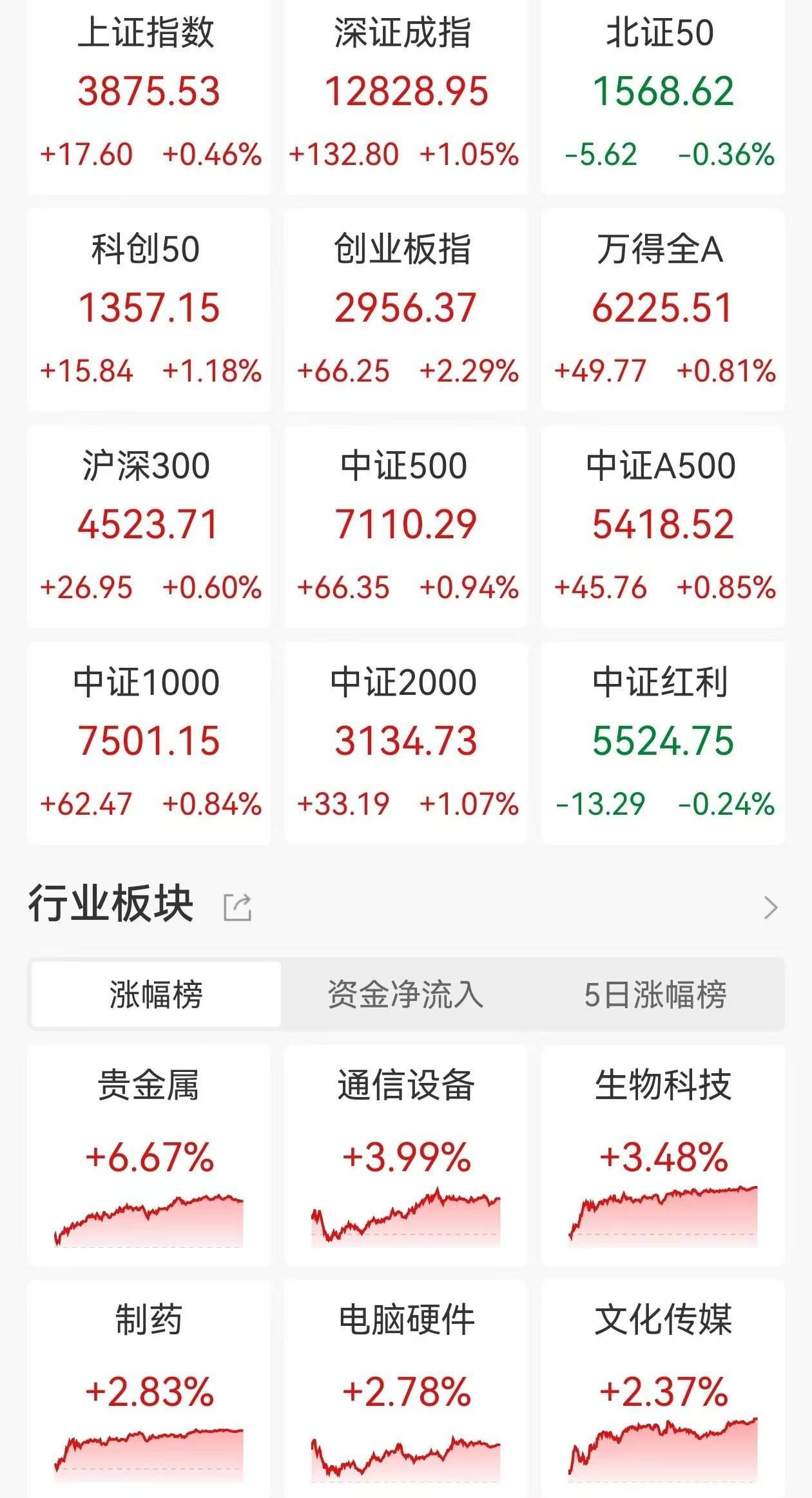
近期市场行情连续上冲,接连突破了3600、3700、3800点三个整数关口,两市成交量快速放大,甚至突破3万亿的日成交量。在冲到3800点之后,市场出现 了震荡调整的走势,这表明这轮行情属于一轮慢牛长牛行情,而不是十年前那样的快牛疯牛。这轮行情的主要驱动因素有两方面,一是政策利好及时发布, 提振了投资者对于经济复苏的预期;二是资金推动。总结来看,大概有五路资金流入市场,带动了行情启动。 | 上证指数 | 深证成指 | 北证5C | | --- | --- | --- | | 3875.53 | 12828.95 | 1568.6 | | +17.60 +0.46% +132.80 +1.05% -5.62 -0 | | | | 科创20 | 创业板指 | 万得全, | | 1357.15 | 2956.37 | 6225.5 | | +15.84 +1.18% +66.25 +2.29% +49.77 +0 | | | | 沪深300 | 中证500 | 中证A5( | | 4523.71 | 7110.29 | 5418.5 | | +26.95 +0.60% +66.35 +0.94% +45.76 +0 ...
伊利股份20250829
2025-08-31 16:21
Summary of Yili Co., Ltd. Conference Call Company Overview - **Company**: Yili Co., Ltd. - **Industry**: Dairy Products Key Financial Performance - **Net Profit**: Yili's net profit attributable to shareholders increased by 31.78% year-on-year to 7.016 billion yuan [2][3] - **Revenue**: Total revenue reached 61.93 billion yuan, a growth of 3.37% year-on-year [3] - **Gross Margin**: Gross margin improved by 1.14 percentage points to 36.05% [8] - **Sales Expense Ratio**: Decreased by 1.11 percentage points to 18.3% [8] Business Segment Performance Liquid Milk - **Revenue**: Liquid milk revenue was 36.126 billion yuan, maintaining the top market share [4] - **Growth**: Low-temperature white milk revenue grew over 20% [5] - **Market Strategy**: Focus on optimizing sub-brand strategies and technological innovation to enhance market share [4] Solid Dairy Products - **Revenue**: Revenue from milk powder and dairy products grew by 14.26% to 16.578 billion yuan [6] - **Market Position**: Yili's infant formula retail sales and market share ranked first nationally, with adult powder market share at 26.1% [6] Ice Cream - **Revenue**: Ice cream revenue increased by 12.4% to 8.229 billion yuan, maintaining the leading market position [7] - **International Expansion**: Continued growth in overseas markets, particularly in Indonesia and Thailand [7] Market Outlook and Strategy - **Cautious Optimism**: The company maintains a cautiously optimistic outlook for full-year revenue and profit, expecting continued improvement in profit margins [8] - **Raw Material Prices**: Current raw milk prices are stable at around 3 yuan per kilogram, positively impacting gross margins [9] - **Consumer Demand**: The company is focused on enhancing product innovation and meeting consumer health demands [5][11] Challenges and Competitive Landscape - **Market Competition**: The company faced challenges from smaller brands in 2024 due to imbalances in raw milk supply and demand [10] - **Response Strategy**: Yili is actively expanding into emerging channels and launching high-quality products to stabilize market share [10] Future Growth Drivers - **Consumer Trends**: Anticipated growth in high-end and functional dairy products driven by consumer demand for health and quality [13] - **Channel Diversification**: Expansion into new retail channels, including e-commerce and membership stores, to capture diverse consumer segments [17][18] International Expansion - **Focus Markets**: Yili is concentrating on Southeast Asia for its cold drink business and has made significant strides in the infant formula market in Hong Kong [21] - **Long-term Strategy**: Plans to explore high-growth potential markets like Africa for future expansion [21] Product Innovation - **New Product Development**: Introduction of high-end functional milk powders and partnerships with health brands to enhance product offerings [27] - **Adult Nutrition**: Focus on developing products tailored for the aging population, leveraging the silver economy [24][25] Conclusion Yili Co., Ltd. is positioned for sustainable growth through strategic diversification, innovation, and a focus on consumer health trends, while navigating challenges in the competitive landscape and raw material pricing dynamics. The company aims to maintain its market leadership and enhance shareholder returns through prudent financial management and operational efficiency [30].

无锡哪里买沉香便宜:需求增长背后的价格规律与实用省钱指南
Sou Hu Cai Jing· 2025-08-31 14:24
Core Insights - The demand for agarwood in Wuxi is increasing due to the combination of consumption upgrades and a resurgence of traditional culture, making it a significant choice for quality living and cultural identity [1] - Agarwood consumption in Wuxi has seen a growth rate exceeding 18% over the past year, surpassing the national average, with a diversification in consumer demographics [3] - The price of agarwood varies significantly in Wuxi, influenced by factors such as raw material origin, fragrance quality, craftsmanship, and sales channels [4] Industry Demand and Consumer Trends - Wuxi's rich cultural heritage has led to a growing interest in agarwood among mid-to-high-end consumers, with younger individuals seeking daily fragrance experiences and high-net-worth individuals focusing on investment value [3] - The market structure is evolving, with high-end wild agarwood remaining scarce and expensive, while more accessible products rely on brand strategies to reduce costs [3] Pricing Dynamics and Sales Channels - Agarwood prices in Wuxi can range from hundreds to thousands of yuan per gram, with traditional retail channels leading to higher costs due to multiple intermediaries [4] - New retail models, such as "Xiang Zun Zhen Xiang," are effectively reducing prices by sourcing directly from production areas and integrating online and offline sales, resulting in prices that are 30%-50% lower than traditional channels [4] Consumer Purchasing Strategies - Consumers are advised to enhance their understanding of market price ranges to avoid being misled by high prices, and to compare prices across different channels [6] - The importance of after-sales service is emphasized, as high-value products like agarwood require robust support to mitigate future risks [6] - The evolving market in Wuxi suggests that purchasing agarwood is not just about price but also involves a comprehensive evaluation of brand, channel, and service systems [6]

看好市场前景 外资持续“做多”中国资产
Sou Hu Cai Jing· 2025-08-31 07:59
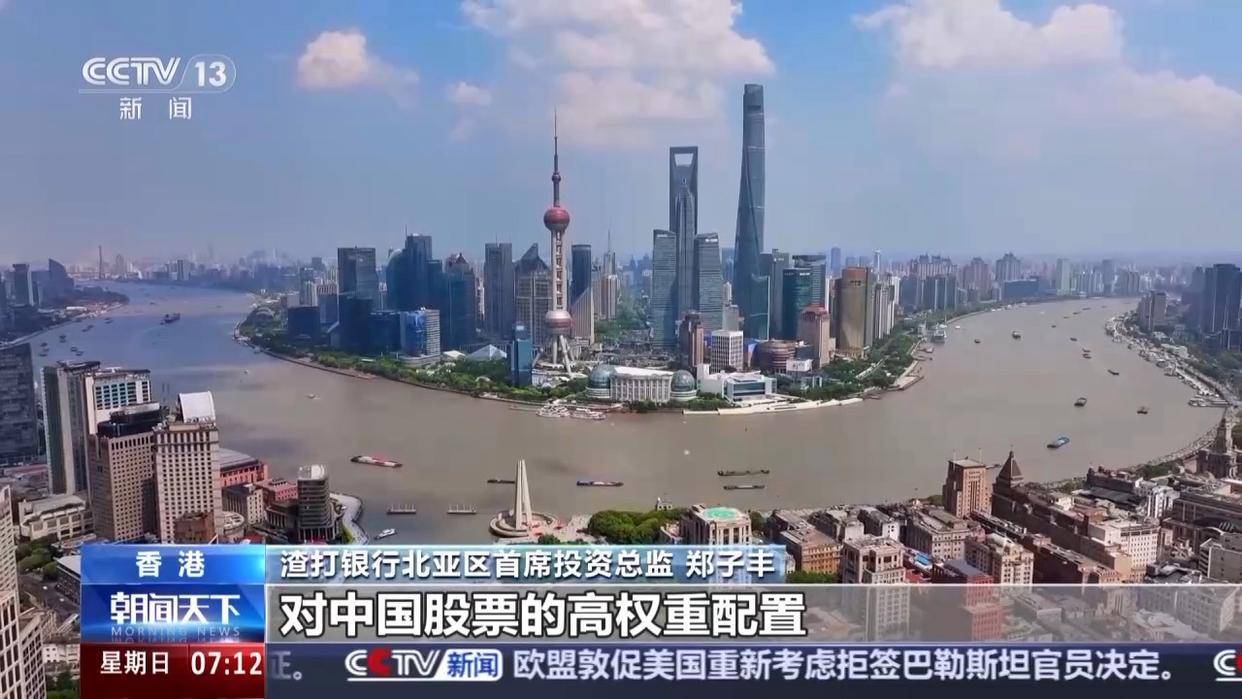
Group 1 - Multiple foreign financial institutions are optimistic about the Chinese market, with Goldman Sachs maintaining an "overweight" stance on Chinese stocks and Standard Chartered Bank also rating them as "overweight" in their global market outlook for the second half of 2025 [1][3] - Factors supporting the high allocation to Chinese stocks include effective responses to external trade tensions and domestic policies aimed at stabilizing economic growth, such as new birth subsidies [1][3] - Foreign investment in Chinese stocks has seen significant inflows, with a net increase of $10.1 billion in domestic stocks and funds in the first half of the year, particularly in May and June, where net purchases surged to $18.8 billion [3][4] Group 2 - Foreign financial institutions are focusing on high-end manufacturing, technological innovation, and consumption sectors that align with China's economic transformation, with QFII data showing new investments in 374 stocks and increased holdings in 157 stocks [4][6] - The sectors attracting attention include chemicals, pharmaceuticals, machinery, and power equipment, which are seen as having both short-term growth potential and long-term competitiveness [4][6] - The emphasis on technological innovation is prevalent in reports from foreign financial institutions, indicating a strong belief in China's capacity for innovation and competitive dynamics [4][6] Group 3 - Foreign financial institutions are increasing their research and engagement with A-share listed companies, focusing on areas such as AI, smart driving, and new consumption models [7][8] - There has been a notable increase in the frequency of foreign institutional research on A-share companies, with 680 foreign institutions conducting over 5,620 research sessions this year [7][8] - The research approach has shifted to high-frequency, deep engagement, and long-term tracking, with some institutions conducting research cycles lasting one to two years [8]
江中药业(600750):OTC承压 健康消费品表现亮眼
Xin Lang Cai Jing· 2025-08-31 02:29
Core Insights - The company reported a revenue of 2.141 billion yuan for the first half of 2025, a year-on-year decrease of 5.79%, while the net profit attributable to shareholders was 522 million yuan, an increase of 5.80% [1] - The company has seen a significant increase in profitability, with a net profit margin of 26.41% in Q2 2025, up by 1.03 percentage points year-on-year [3] Sales Performance - Over the first half of 2025, the company's over-the-counter (OTC) drug products generated revenue of 1.550 billion yuan, a decline of 10.14%, but with a gross margin of 76.14%, which increased by 1.09 percentage points [2] - Prescription drug products achieved revenue of 360 million yuan, reflecting a year-on-year growth of 7.44%, with a gross margin of 43.05%, up by 1.21 percentage points [2] - Health consumer products and others saw revenue of 228 million yuan, a growth of 17.35%, although the gross margin decreased by 2.04 percentage points to 38.82% [2] Profitability and Dividends - The company maintained a gross margin of 64.60% in Q2 2025, despite a year-on-year decrease of 4.79 percentage points, while the sales expense ratio improved by 10.15 percentage points to 24.72% [3] - The company declared an interim dividend of 5 yuan per 10 shares (tax included), amounting to 317 million yuan, which represents 60.78% of the net profit attributable to shareholders for the first half of 2025 [3] Investment Outlook - The company is projected to achieve revenues of 4.902 billion yuan, 5.409 billion yuan, and 5.956 billion yuan for the years 2025 to 2027, with year-on-year growth rates of 10.52%, 10.34%, and 10.11% respectively [4] - The net profit attributable to shareholders is expected to be 891 million yuan, 1.004 billion yuan, and 1.136 billion yuan for the same period, with growth rates of 12.98%, 12.80%, and 13.10% respectively [4]

2025上半年消费趋势白皮书:五大核心赛道解锁新增长点
Sou Hu Cai Jing· 2025-08-30 23:49
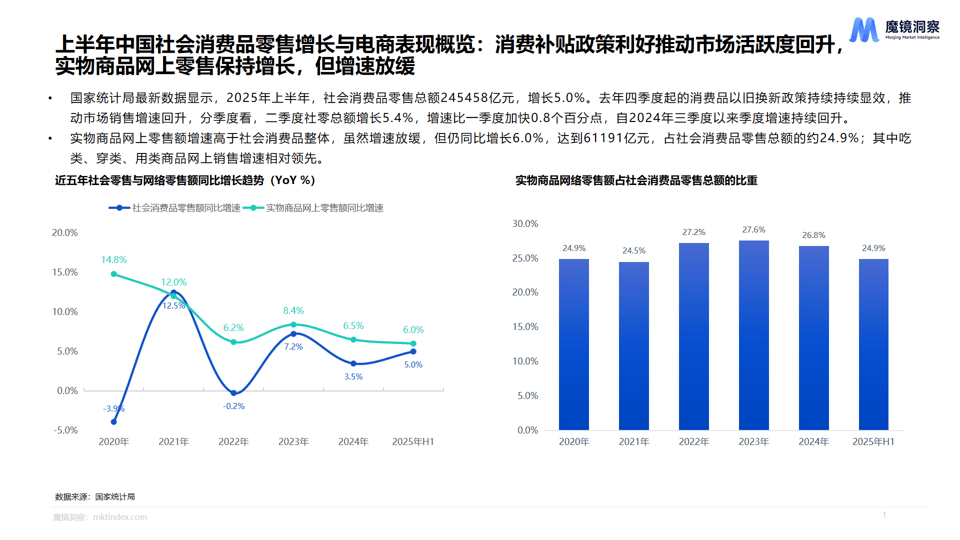
Group 1: Market Overview - In the first half of 2025, China's consumer market experienced a robust growth of 5%, reaching a total retail sales of 24,545.8 billion yuan, driven by policy support and upgraded consumption concepts [1] - The online retail sales of physical goods grew by 6.0% year-on-year, amounting to 6,119.1 billion yuan, accounting for approximately 24.9% of total retail sales [1] Group 2: Sector Analysis - The food and beverage market reached a scale of 284.54 billion yuan, with a year-on-year growth of 5.8%, driven by high-quality and healthy products [2] - The health food market showed strong performance with online sales increasing by 16.2% to 60.41 billion yuan, particularly in sleep management products which grew by 53.1% [2] - The home appliance market benefited from trade-in policies, with online sales rising by 8.0% to 284.88 billion yuan, and the cleaning appliance segment saw a significant growth of 31.6% [4] - The beauty and skincare market experienced a sales increase of 10.1%, reaching 235.23 billion yuan, with anti-aging products growing by 30.3% [6] - The 3C digital market saw explosive growth in action cameras, with sales skyrocketing by 150.9% to 2.3 billion yuan [6] Group 3: Consumer Trends - Consumers are increasingly pursuing quality of life and self-health, indicating a shift towards deeper and broader consumption demands [6] - The demand for high-performance, innovative products is reshaping industry dynamics, with brands needing to adapt to these evolving consumer preferences [6]
国内首个专注MPV的品牌!锐胜汽车品牌独立,欲做MPV市场“鲇鱼”
Zheng Quan Shi Bao Wang· 2025-08-30 15:15
Core Viewpoint - Beijing Automotive Manufacturing Plant's subsidiary, Ruisheng Automotive, officially launched as an independent brand focused on MPVs, marking a significant case of brand independence amid the ongoing industry consolidation and price wars in the automotive market [1][2]. Industry Overview - The automotive industry is experiencing a "consolidation wave" and a "price war," with major players like Changan, Geely, and Dongfeng actively pursuing resource integration plans [1]. - Dongfeng Group announced its high-end new energy brand, Lantu Automotive, will go public in Hong Kong while initiating a privatization process, seen as a strategic move to optimize capital structure and focus on the new energy sector [1]. Ruisheng Automotive's Strategy - Ruisheng Automotive aims to address the polarized MPV market, which is characterized by high-end models being expensive and low-end products lacking quality, by introducing a "quality universal" revolution [2]. - The company has seen over 50% growth in recent years, with its MPV market share increasing from 23% to 37.9%, indicating a strong market position for its independent strategy [2]. - Ruisheng plans to focus on the MPV market with more autonomy in product planning, R&D, marketing, and channel operations, aiming to build a comprehensive market presence across various price segments [2][3]. Future Plans - Ruisheng Automotive has outlined a three-phase strategic blueprint: aggressively capturing market share from 2025 to 2027, moving towards mainstream status from 2027 to 2030, and aiming for market leadership by 2030 [3]. - The company plans to invest 20 billion yuan in R&D over the next five years, emphasizing digitalization across its value chain and enhancing brand value and market influence through a customer-centric service approach [3]. Market Dynamics - The MPV market is seeing increased competition as traditional sedan and SUV markets become saturated, prompting manufacturers to explore the seven-seat vehicle segment [4]. - Consumer upgrades and policies supporting larger families are driving demand for MPVs, shifting the focus from commercial to family-oriented products [4][5]. - The competitive landscape includes established players like Toyota and emerging brands like Weipai, which have introduced new MPV models with advanced features [3].