
地缘政治

Search documents
高盛:全球半导体晶圆和基板展望
Goldman Sachs· 2025-07-19 14:02
Investment Rating - The report indicates a positive outlook for the semiconductor industry, particularly in the silicon wafer and silicon carbide sectors, driven by strong demand from electric vehicles and artificial intelligence applications [1][2]. Core Insights - The price of silicon wafers in China has been declining, with a forecast for stabilization by 2027 due to capacity expansion [1]. - The market for silicon carbide is significantly influenced by the electric vehicle sector, with penetration rates expected to reach 28% in 2025 and 40% in 2026 [1][7]. - The Chinese silicon wafer market is dominated by five companies, holding a 57% global market share, with significant improvements in technology quality [1][5]. - Geopolitical factors are impacting the semiconductor industry, necessitating careful consideration of tariffs and policies [1][14]. Summary by Sections Silicon Wafer Market - In 2024, the price of silicon wafers in China decreased by 17%, with further declines of 8% in 2025 and an expected 5% in 2026 [4]. - The market is expected to stabilize in 2027 as production capacity continues to expand [4]. Silicon Carbide Market - The price of silicon carbide fell by 16% in 2024 and is projected to decrease by 17% in 2025, driven by strong demand from the electric vehicle market [5][6]. - Local manufacturers are significantly increasing their output, contributing to the optimistic market outlook for silicon carbide substrate manufacturers [8]. Key Companies to Watch - Notable companies include Nora (silicon carbide and nitride equipment supplier), Xingyi and Sankexing (leaders in AI server orders), and SICC (local silicon carbide substrate leader) [2][15]. - Infineon is highlighted for its strong performance in silicon carbide strategy, with capabilities in IGBT and silicon wafer production, as well as involvement in AI power chips [1][16]. Geopolitical Considerations - The semiconductor industry faces pressures from geopolitical factors, including tariffs and trade policies, which could affect pricing and market dynamics [1][14]. - Investors are advised to weigh these geopolitical influences carefully when considering investments in the sector [14].
ASML20250718
2025-07-19 14:02
Summary of ASML Conference Call Company Overview - **Company**: ASML - **Industry**: Semiconductor Equipment Key Points and Arguments Financial Performance - ASML expects Q3 2025 revenue to be between €7.4 billion and €7.9 billion, below market expectations of €8.26 billion [2][4] - Gross margin is projected to be 50%-52%, influenced by high-end EUV equipment deliveries [2][5] - For the full year, ASML anticipates a 15% year-over-year revenue growth, maintaining a gross margin of 50%-52% [2][5] Market Outlook - ASML has not provided specific guidance for 2026, citing positive impacts from AI and multi-layer UV on EUV demand, but expresses caution due to geopolitical and macroeconomic uncertainties [2][6] - Investors are concerned about the divergence in EUV growth rates, with ASML projecting a 30% increase, lower than the market's expectation of 40%-50% [2][7] - Customers are opting for platform upgrades instead of purchasing new equipment, affecting EUV shipment forecasts [2][7] Regional Insights - The semiconductor equipment spending in the U.S., mainland China, and Europe is expected to decline in 2025, while Taiwan and South Korea are projected to see significant growth rates of 60% and 37%, respectively [2][8] - SEMI predicts a 25% decline in semiconductor equipment spending in mainland China for 2025, followed by a 5% decrease in 2026, reflecting geopolitical impacts and capacity adjustments [2][10] Revenue Contribution - The contribution of mainland China to ASML's revenue is expected to stabilize at around 25%, up from an initial estimate of 20% [2][11] - Despite a 35% year-over-year decline in mainland China revenue in Q2 2025, Taiwan's revenue surged by 274% [3][12] Industry Trends - Infrastructure spending is projected to drop by 30% in 2025, with a recovery of 3% in 2026; equipment spending is expected to grow by 2% in 2025 and 12% in 2026 [2][8] - The wafer fabrication equipment (WFE) market is anticipated to see modest growth rates of 5%-6% in 2026 [2][9] Investor Sentiment - Investors are currently pessimistic about 2026 expectations, which are lower than industry association forecasts [2][14] - There is potential for investment opportunities if geopolitical tensions ease and visibility on major customer investments improves [2][14] North American Equipment Manufacturers - North American equipment manufacturers are expected to perform better due to advancements in processes, GAA, and advanced packaging, despite macroeconomic uncertainties affecting investment visibility [2][13] Additional Important Content - ASML's Q2 2025 revenue was €7.7 billion, a 23% year-over-year increase, with net profit reaching €2.29 billion, a 45% increase [3][4] - The company reported a significant increase in EUV equipment revenue by 82%, while DUV equipment revenue declined by 10% [3][4]

中美竞争的世界,欧洲的未来在哪里?
Hu Xiu· 2025-07-19 08:22
Group 1 - The core idea of the articles revolves around the geopolitical and economic strategies of the US and China, emphasizing the importance of technology and leverage in their future growth [1][2][3] - The US is expected to rely heavily on technology and leverage after 2025, moving away from previous population growth strategies [2][3] - Both the US and China share similar goals regarding technological advancement, but their approaches and levels of commitment differ due to various factors [5][6] Group 2 - The competition between the US and China is characterized by a shared strategic framework, which is a notable aspect of the current geopolitical landscape [4][7] - The EU's foreign policy is complicated by its relationship with NATO, leading to mixed signals and a lack of a unified stance on security matters [9][10] - Eastern European countries tend to favor US involvement over European solutions due to historical experiences, which complicates the EU's diplomatic efforts [11][12] Group 3 - The ongoing Russia-Ukraine conflict has highlighted the differing perspectives within the EU regarding security and foreign policy, leading to hesitations and inconsistencies [17][18] - The EU's future is uncertain, as it faces challenges in population growth, technological advancement, and maintaining fiscal discipline in a competitive global environment [18][20] - The historical context of US-Soviet relations influences current US strategies, while China's unique development path presents its own set of challenges [19][20]
邓正红能源软实力:市场对新制裁反应冷淡 经济数据多空交织削弱石油需求势能
Sou Hu Cai Jing· 2025-07-19 06:21
Group 1 - The European Union has reached an agreement on the 18th round of sanctions against Russia, which includes measures to further target the Russian oil and energy industry, setting a dynamic price cap on Russian crude oil that is 15% lower than the average market price [2][4] - The market's reaction to the new sanctions has been muted, indicating skepticism among investors regarding the effectiveness of these measures and the potential for enforcement by the Trump administration [2][4] - The sanctions aim to reduce Russian oil revenues, which are a significant source of funding for the country, by lowering the price cap from $60 to $47.60 per barrel [2][4] Group 2 - Recent U.S. economic data presents a mixed picture, with a decline in single-family housing starts to an 11-month low, indicating a potential contraction in residential investment due to high mortgage rates and economic uncertainty [1][3] - Consumer confidence in the U.S. has improved, and inflation expectations continue to decline, which may lead to a Federal Reserve interest rate cut, potentially boosting energy demand [1][3] - The interplay of conflicting economic data is weakening the momentum for oil demand, as the housing market struggles while consumer sentiment shows signs of recovery [3][5] Group 3 - The effectiveness of the EU sanctions is questioned, as the design and intent to suppress Russian oil revenues may not be sufficient to alter the geopolitical landscape or energy market dynamics [4][5] - The potential for supply chain disruptions exists due to the sanctions targeting Russian oil refineries and key importing countries like India, but current models suggest that geopolitical premiums have not yet translated into price support [4][5] - The oil market is currently experiencing a phase of consolidation, with prices influenced by both oversupply concerns and geopolitical risks, reflecting a complex interplay of market sentiment and economic policies [5]

俄乌冲突欧洲损失千亿,是“高尚理想”还是利益博弈?
Sou Hu Cai Jing· 2025-07-19 04:38
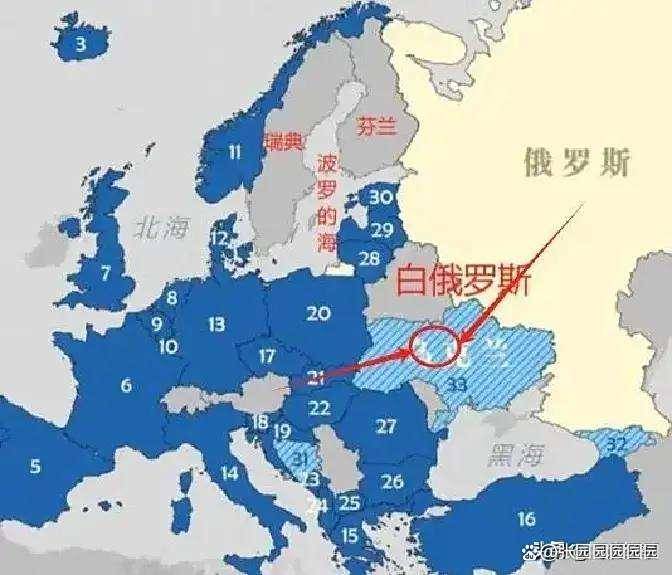
2022年爆发的俄乌冲突,像一颗投向平静水面的巨石,掀起了整个欧洲的震荡。不断飙升的能源价格、 动荡不安的市场、民众的不满情绪……这些问题在欧洲各国层层叠加,像一锅缓缓沸腾的开水。而更值 得深思的是,为什么欧洲各国,尤其是德国、波兰这样的关键国家,宁愿冒着经济衰退和社会动荡的风 险,也要坚持"死撑"乌克兰?这背后的逻辑到底是什么?欧洲真的是在为所谓的"高尚理想"埋单吗?这 些问题引发了无数争议,但鲜有人能给出直击本质的答案。 让我们先看一组数据:自俄乌冲突爆发以来,欧洲各国对乌克兰的援助总额已突破千亿欧元。但欧洲自 身的经济形势却岌岌可危——2022年,德国的通货膨胀率飙升至40年来的最高点,波兰的农业出口因战 争受阻损失惨重。而普通欧洲人更是切身感受到生活成本的压迫:天然气账单翻倍、超市里的物价不断 刷新纪录。欧洲各国真的愿意为乌克兰两肋插刀吗?还是说这背后另有隐情? 欧洲各国的态度并非铁板一块。表面上欧洲的对外声明总是高举"自由"、"民主"的大旗,强调支持乌克 兰是为了维护所谓的"国际秩序"。但在私下里,各国领导人的算盘打得比谁都精明。德国有工厂,波兰 有农田,斯洛伐克有资源,谁都明白,如果现在不全力支持 ...
沥青周度报告-20250718
Zhong Hang Qi Huo· 2025-07-18 12:55
Report Summary 1. Report Industry Investment Rating No relevant information provided. 2. Core View - This week, the asphalt fundamentals showed characteristics of increasing supply and weak demand. The supply side saw a week - on - week increase in weekly output and operating rate, while the demand side had a slight increase in shipment volume. The factory inventory decreased slightly, ending the two - week inventory accumulation trend, indicating an increase in traders' willingness to purchase. However, the social inventory increased, and the current asphalt social inventory remains at a high level, with demand awaiting further improvement. - The crude oil market currently lacks obvious drivers, and short - term fluctuations are dominated by news. The EU's sanctions on Russia and the reduction of the price cap on Russian oil are bullish in the short - term sentiment, but have limited impact in the medium - to - long - term. It is expected that the oil price will continue to fluctuate strongly. - Currently, the supply - demand contradiction of asphalt is not prominent, and the futures price mainly fluctuates around crude oil. It is recommended to track geopolitical changes and pay attention to the matching degree between refinery production scheduling and the progress of terminal project construction. It is also suggested to focus on the BU2509 contract in the range of 3,580 - 3,750 yuan/ton [7][69]. 3. Summary by Directory 3.1 Report Abstract - Market focus includes Trump's "major statement" on Russia, OPEC maintaining the 2025 global crude oil demand growth forecast, and IEA raising the 2025 global crude oil supply growth forecast while lowering the demand growth forecast [6]. - Key data: As of July 16, the operating rate of domestic asphalt sample enterprises was 32.8%, up 1 percentage point from the previous statistical period. As of July 18, the weekly output of domestic asphalt was 572,000 tons, an increase of 6,000 tons from the previous week; the factory inventory of domestic asphalt sample enterprises was 761,000 tons, a decrease of 2,000 tons from the previous week; the social inventory of domestic asphalt was 1.319 million tons, an increase of 7,000 tons from the previous week [7]. 3.2 Multi - Empty Focus - Bullish factors for asphalt include marginal improvement in supply - demand and low inventory levels; bearish factors include a cease - fire agreement between Israel and other parties and high supply levels [10]. 3.3 Macro Analysis - **Tariff negotiations**: The progress of US tariff negotiations is slow and uncertain. Trump said the US is close to reaching a trade agreement with India and may reach an agreement with Europe, but it's too early to say about Canada. The US - Japan tariff negotiation has no progress, and the US may maintain a 25% tariff on Japanese goods. The EU - US tariff negotiation has major differences, with core issues such as automobile and agricultural tariffs remaining unresolved [11]. - **Firing Powell incident**: Trump hopes that Fed Chairman Powell will resign, which may trigger investors' doubts about the Fed's independence and lead to the selling of the US dollar and US Treasury bonds [12]. - **Fed's "Beige Book"**: The overall sentiment is pessimistic. All 12 regions in the US reported price increases, and enterprises generally felt the cost pressure related to tariffs. The economic outlook is "neutral to slightly pessimistic", and it is speculated that the Fed will continue to "stand still" [12]. - **OPEC and IEA monthly reports**: OPEC maintained the 2025 global crude oil demand growth forecast at 1.29 million barrels per day and the 2026 forecast at 1.28 million barrels per day. It also maintained the economic growth forecasts for this year and next year. IEA raised the 2025 global oil supply growth forecast from 1.8 million barrels per day to 2.1 million barrels per day and lowered the 2025 average oil demand growth forecast from 720,000 barrels per day to 704,000 barrels per day [13]. 3.4 Data Analysis - **Supply**: As of July 18, the weekly output of domestic asphalt was 572,000 tons, an increase of 6,000 tons from the previous week. As of July 16, the operating rate of domestic asphalt sample enterprises was 32.8%, up 0.1 percentage point from the previous statistical period, with significant increases in South China and Shandong. The increase in refinery operating rate was due to a decrease in maintenance plans [14][22]. - **Demand**: As of July 18, the weekly shipment volume of domestic asphalt was 414,000 tons, an increase of 40,000 tons from the previous week. The weekly shipment volume rebounded and was at a high level this year. The capacity utilization rate of domestic modified asphalt was 14.55%, up 0.17 percentage points from the previous week [25][28]. - **Import and export**: In May, domestic asphalt imports were 397,700 tons, a month - on - month increase of 116,100 tons (41.3% increase), and a year - on - year decrease of 61,300 tons (13.37% decrease). The cumulative imports from January to April were 1.3492 million tons, with a cumulative year - on - year decrease of 19.03%. In May, domestic asphalt exports were 55,300 tons, a month - on - month increase of 11,300 tons. The cumulative exports from January to April were 249,700 tons, with a cumulative year - on - year increase of 59.62% [37][44]. - **Inventory**: As of July 18, the factory inventory of domestic asphalt sample enterprises was 761,000 tons, a week - on - week decrease of 2,600 tons, with a large decrease in Shandong. The social inventory was 1.319 million tons, a week - on - week increase of 7,000 tons. Except for the northwest region, there was a slight inventory increase in other regions [53][60]. - **Spread**: As of July 18, the weekly profit of domestic asphalt processing and dilution was - 524.1 yuan/ton, a week - on - week decrease of 46.3 yuan/ton. As of July 16, the asphalt - to - crude - oil ratio was 55.41, and as of July 17, the asphalt basis was 107 yuan/ton. The asphalt cracking spread rebounded this week, mainly due to the weak operation of crude oil prices [67]. 4.后市研判 - The asphalt supply - demand contradiction is not prominent, and the futures price mainly fluctuates around crude oil. It is recommended to track geopolitical changes, pay attention to the matching degree between refinery production scheduling and the progress of terminal project construction, and focus on the BU2509 contract in the range of 3,580 - 3,750 yuan/ton [69].
巴铁为什么要这样做?明知中国缺铜,却把铜金矿交给加拿大
Sou Hu Cai Jing· 2025-07-18 12:17
Core Viewpoint - Pakistan has awarded the development rights of the Reko Diq copper-gold mine to Barrick Gold of Canada, raising questions about its preference for Western partnerships over Chinese companies amid China's urgent need for copper resources [1][2]. Group 1: Historical Context and Bilateral Relations - Since establishing diplomatic relations in 1951, China and Pakistan have maintained a strong friendship, with China providing support in various sectors including aerospace, healthcare, and energy [3]. - China has also offered significant military assistance to Pakistan, enhancing its defense capabilities against threats from India [3]. Group 2: Economic Considerations - Pakistan possesses abundant natural resources, including coal, oil, and copper, but has faced challenges in resource development due to technical limitations and geopolitical conflicts [3]. - Canada has committed to investing $7 billion, along with an additional $1 billion for railway construction connecting the mine to Gwadar Port, which helps alleviate Pakistan's cash flow crisis and positions its copper production among the top five globally [2][3]. Group 3: Geopolitical Factors - Pakistan's ties with Canada are strengthened by shared language and legal systems as both are part of the Commonwealth, and their relationship with the West has been improving [5]. - The collaboration with Canada allows Pakistan to access European markets for its resources, a goal that is currently difficult for China to achieve [5]. Group 4: Strategic Positioning - Pakistan maintains a neutral stance in great power competition, balancing support from China while also engaging with Western partners to mitigate sanctions pressure [7]. - The decision to partner with Canada reflects Pakistan's focus on immediate economic benefits, risk diversification, and the need to repair international relations, emphasizing that national interests remain paramount in international friendships [7].
G20财长和央行行长公报:全球挑战包括地缘政治和贸易紧张局势,G20致力于国际政策合作。
news flash· 2025-07-18 12:08
G20财长和央行行长公报:全球挑战包括地缘政治和贸易紧张局势,G20致力于国际政策合作。 ...

原油震荡整理,受装置意外停?影响芳烃表现略强
Zhong Xin Qi Huo· 2025-07-18 08:36
1. Report Industry Investment Rating - The overall outlook for the energy and chemical industry is to approach it with a mindset of weakening oscillations. Specific varieties have different ratings: crude oil, LPG, asphalt, high - sulfur fuel oil, low - sulfur fuel oil, PTA, and urea are rated as "weakening oscillations"; PX, ethylene glycol, short - fiber, bottle - chip, PP, plastic, PVC, and methanol are rated as "oscillations"; pure benzene is rated as "oscillating strongly"; and caustic soda is rated as "oscillating strongly" [3][7][8][11][13][14][17][19][22][24][26][27][28][30][31] 2. Core Viewpoints of the Report - The international oil price continues to oscillate and consolidate. The reduction in crude oil production in the Iraqi region provides some support, but the increase in refined oil inventories in the United States and the expected inventory build - up in the future may lead to weakening oscillations in oil prices if geopolitical disturbances subside. For most energy and chemical products, factors such as supply and demand, cost, and market sentiment lead to an overall trend of weakening oscillations or oscillations. For example, asphalt prices are overvalued, high - sulfur fuel oil prices face downward pressure, and the cost - end support for LPG weakens [1][7] 3. Summary by Related Catalogs 3.1 Market Views - **Crude Oil**: Supply pressure persists, and geopolitical disturbances should be monitored. With the expected inventory build - up in the future, if geopolitical disturbances weaken, oil prices will gradually face pressure and are expected to weaken and oscillate [7] - **LPG**: The cost - end support weakens, the fundamental situation of supply - demand remains loose, and the PG futures may oscillate weakly [3][11] - **Asphalt**: The valuation of asphalt futures prices is gradually entering a severely overvalued stage, and the asphalt price difference is expected to decline as the warehouse receipts increase [8] - **High - Sulfur Fuel Oil**: The high - sulfur fuel oil futures prices face significant downward pressure, with supply increasing and demand decreasing, and the price is expected to weaken and oscillate [8][9][11] - **Low - Sulfur Fuel Oil**: It follows the crude oil to oscillate and weaken, facing factors such as a decline in shipping demand, green energy substitution, and high - sulfur substitution [11] - **Methanol**: The domestic methanol production areas show a pattern of weak supply and demand, and the price is relatively stable. The futures price oscillates in the short term [24][26] - **Urea**: The hype sentiment slows down, and the futures may return to the fundamentals. In the short term, it may face pressure to operate [24] - **Ethylene Glycol**: The weekly start - up rate declines, and the downstream start - up rate also decreases. It continues to oscillate and consolidate [17][18] - **PX**: There is insufficient driving force, and it oscillates and consolidates [13] - **PTA**: The driving force is not obvious, and it consolidates. It is expected to oscillate weakly in the short term [13] - **Short - Fiber**: The basis weakens, and there are no major contradictions in the industrial chain. The processing fee will remain stable, and the absolute value will follow the raw materials to fluctuate [19][21] - **Bottle - Chip**: Production cuts support the processing fee, and the absolute value follows the raw materials to fluctuate [22] - **PP**: The maintenance rate slightly increases, and it oscillates [28] - **Plastic**: The maintenance rate slightly increases, and it oscillates [27] - **Pure Benzene**: The near - end long positions in styrene leave the market, and pure benzene follows to decline. In the medium term, the pattern from July to August is acceptable [14] - **Styrene**: The port inventory continues to accumulate, and the price drops [16][17] - **PVC**: Market sentiment warms up again, and it mainly oscillates. The fundamental pressure still exists [30] - **Caustic Soda**: The spot price reaches the peak, and it oscillates and operates. The 09 futures contract oscillates, facing downward pressure and support [31] 3.2 Variety Data Monitoring 3.2.1 Energy and Chemical Daily Indicator Monitoring - **Inter - period Spread**: Different varieties have different inter - period spread values and changes. For example, the M1 - M2 spread of Brent is 0.96 with a change of - 0.01, and the 1 - 5 - month spread of PX is 38 with a change of - 10 [33] - **Basis and Warehouse Receipts**: Each variety has corresponding basis and warehouse receipt data. For example, the basis of asphalt is 192 with a change of 0, and the warehouse receipt is 82300 [34] - **Inter - variety Spread**: There are also corresponding values and changes in the inter - variety spread. For example, the 1 - month PP - 3MA spread is - 298 with a change of - 4 [35]
零售与就业双强、美联储官员“放鹰” 金价上演“深V”行情
Jin Tou Wang· 2025-07-18 03:32
Core Viewpoint - The recent strong U.S. economic data has put short-term pressure on gold prices, while geopolitical tensions and tariff risks continue to provide support for the gold market [1][2][4]. Economic Data Impact - U.S. retail sales in June increased by 0.6%, with core retail sales rising by 0.5%, indicating a moderate recovery in consumer spending [2]. - Initial jobless claims fell by 7,000 to 221,000, the lowest level in three months, suggesting a stable labor market that supports consumer spending [2]. Federal Reserve Policy Divergence - There is a notable split within the Federal Reserve regarding interest rate policy, with some members advocating for maintaining restrictive policies to curb inflation, while others support rate cuts [3]. - The probability of a rate cut in September is currently at 54%, with a 30% chance for action in July [3]. Trade Risks and Market Reactions - The Trump administration is in urgent negotiations with Japan regarding a 25% tariff, with a deadline of August 1 for an agreement [4]. - A significant increase of 44% in Swiss gold exports in June indicates that some institutions are still accumulating physical gold as a hedge against potential policy and market risks [4]. Future Outlook for Gold Prices - Gold prices are currently under pressure from macroeconomic factors, but the outlook for the second half of the year will depend on the Federal Reserve's policy direction and the actual implementation of Trump's trade policies [4][5]. - Technically, gold prices remain in a long-term uptrend, with a critical support level at $3,300 per ounce, and potential resistance levels at $3,350 and $3,380 per ounce [5].