
理性消费

Search documents
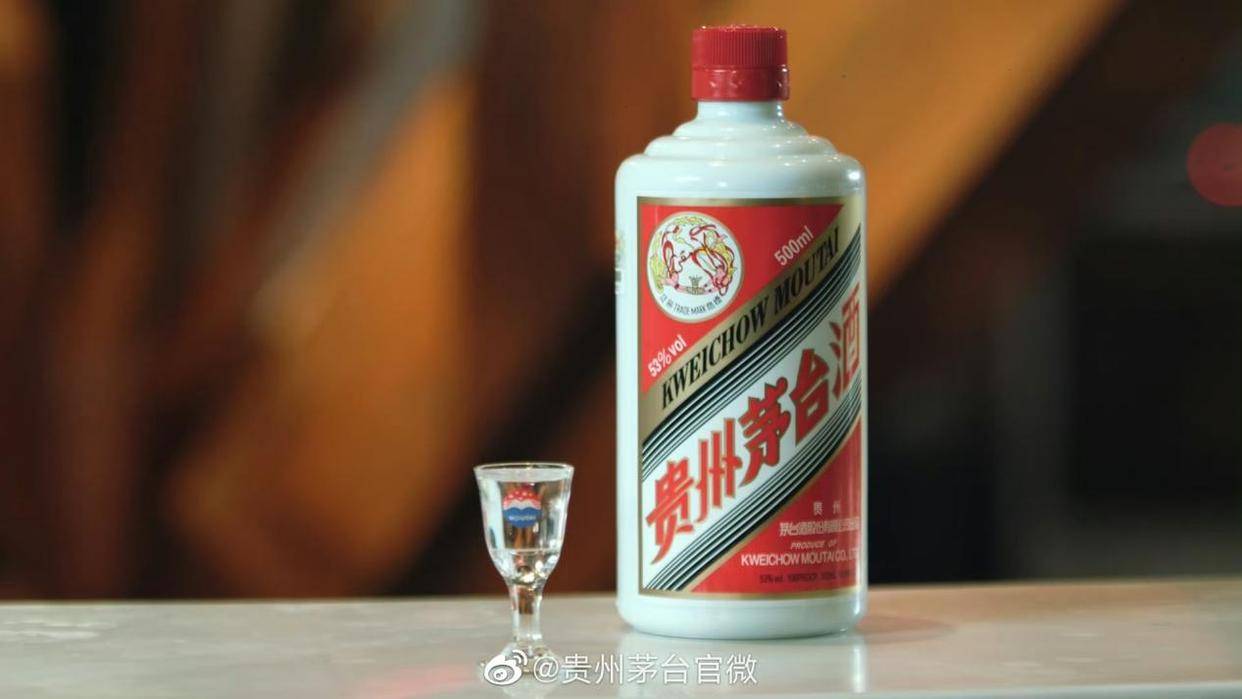
茅台双节市场调查:动销稳中有进,真实消费夯实市场根基
Sou Hu Cai Jing· 2025-10-06 20:37
Core Insights - The Chinese liquor market, particularly the high-end segment represented by Moutai, is experiencing a significant boost during the Mid-Autumn Festival and National Day holiday season, indicating a shift towards rational consumption patterns [1][2][4] - Moutai's performance is characterized by stable pricing and strong sales momentum, with the price of its flagship product, Flying Moutai, remaining between 1900 to 2100 RMB per bottle, reflecting healthy inventory levels and robust demand [1][2] - The company has successfully diversified its product offerings beyond Flying Moutai, launching several new products that cater to various consumer needs, thereby capturing additional market demand [2][4] Market Performance - Sales of Moutai have shown a remarkable increase, with terminal sales volume doubling month-on-month and growing over 20% year-on-year since September [1] - The demand for Moutai is driven by gifting and social gatherings, with consumers showing a preference for immediate consumption rather than speculative buying [2][4] - The company's strategic market research and initiatives have transformed market challenges into opportunities, reinforcing its position in the high-end liquor market [4] Consumer Behavior - The shift in consumer behavior reflects a move from speculative purchasing to immediate consumption, with customers now more willing to buy Moutai for personal use rather than as an investment [2][4] - New consumer segments, particularly urban professionals from industries such as finance and technology, are increasingly attracted to Moutai's products, aligning with the brand's strategy of selling a lifestyle rather than just liquor [4]


往年中秋高端礼盒抢空,今年烟酒店动销不足四成,商超降价仍少人问津
Sou Hu Cai Jing· 2025-10-06 07:59
Group 1: Consumer Market Trends - The recent National Day and Mid-Autumn Festival holiday period, expected to boost consumer spending, instead revealed a disappointing market performance, with widespread discount promotions failing to ignite shopping enthusiasm [1][3] - Many products, including high-end liquor and cigarettes, are experiencing significant price drops, indicating a shift in consumer preferences towards health and rational spending [3][9] - Sales of high-end liquor brands like Moutai and Wuliangye have declined sharply, with Moutai's price dropping from 2200 yuan to 1740 yuan, a decrease of over 20% [5][6][7] Group 2: Changing Consumer Preferences - The social status associated with luxury goods, such as high-end liquor and cigarettes, is diminishing, as consumers prioritize health and practicality over social capital [11][13] - The market for premium products, including mooncakes and crabs, is shifting towards more affordable options, with consumers increasingly rejecting high-priced items in favor of better value [19][21] - The demand for traditional luxury items is declining, as evidenced by the poor sales of extravagant mooncake gift boxes and the reduced interest in high-end crabs from the Yangcheng Lake region [23][39] Group 3: Automotive Market Dynamics - The automotive market is experiencing a significant downturn, with showrooms unusually quiet during the holiday period, contrasting sharply with previous years [25] - Both traditional fuel vehicles and electric vehicles are engaged in aggressive price competition, with notable discounts being offered across various brands [27][29] - Consumer hesitation and a preference for electric vehicles, driven by lower operating costs and increased charging infrastructure, are reshaping market dynamics [31][37] Group 4: Broader Economic Implications - The overall decline in consumer spending during the holiday season reflects a deeper transformation in value systems, moving away from traditional consumption patterns towards more pragmatic choices [39][41] - The market is increasingly favoring brands that offer transparent pricing and high product quality, signaling a shift towards a more informed and rational consumer base [41]



往年抢购茅台消费者,今年对2599元降价酒视而不见,高端白酒遇冷
Sou Hu Cai Jing· 2025-10-05 09:58
Core Insights - The article highlights a significant decline in consumer interest in high-end products during the National Day holiday, despite substantial price reductions across various categories, indicating a shift in consumer behavior towards value-oriented purchasing [1][5][29] Group 1: Market Trends - High-end liquor sales, including Moutai and Wuliangye, have seen a year-on-year decline of 15%-20% during the holiday period, with Moutai's price dropping from 2999 yuan to 2599 yuan [3][5] - The mooncake market is experiencing similar challenges, with prices for premium gift boxes slashed by over 50%, reflecting a lack of consumer interest [5][29] - The cigarette market is particularly affected, with prices for high-end brands like Zhonghua dropping from 1800 yuan to 850 yuan, and sales rates falling below 40% [7][29] Group 2: Consumer Behavior - Younger consumers are increasingly prioritizing cost-effectiveness over brand prestige, with only 12% of the post-2000 generation having tried high-proof liquor [11][15] - The shift in consumer mindset is evident as companies reduce their dining budgets, opting for cheaper options like beer instead of high-end spirits [11][15] - A significant 78% of consumers prefer purchasing unpackaged mooncakes, indicating a desire to save on unnecessary packaging costs [13][15] Group 3: Economic and Regulatory Influences - Regulatory measures, such as restrictions on mooncake packaging and increased penalties for smoking violations, are contributing to the changing market dynamics [13][15] - The supply side is adapting to these changes, with producers of liquor and mooncakes focusing on mid-range products and cost-effective packaging [27][29] - The overall consumer sentiment reflects a transition from "conspicuous consumption" to "value-based consumption," mirroring trends seen in other countries during economic downturns [19][21][29] Group 4: Future Outlook - Experts predict that China will enter a "value consumption era" over the next 5-10 years, emphasizing practicality, durability, and environmental considerations in purchasing decisions [31][33] - This shift is expected to lead to a healthier market environment, benefiting consumers by allowing them to obtain better products for lower prices [33][35] - Companies relying on brand premiums and marketing strategies will need to reassess their value propositions to remain competitive in this evolving landscape [29][31]
国庆不出游,痴迷外卖拼单,中国年轻人的低欲望时代,真的要来了
Sou Hu Cai Jing· 2025-10-01 04:16
Core Insights - The concept of "low-desire living" is emerging as a significant trend among young consumers in China, indicating a shift away from excessive consumption towards more mindful spending [3][12] - The rise of shared platforms and second-hand markets reflects a broader societal change where individuals prioritize essential purchases over brand-driven consumption [5][9] Group 1: Consumer Behavior Changes - Young consumers are increasingly focused on purchasing only necessary items during promotional events, with over 72% of users born in the 1990s and 2000s indicating they only buy essentials during sales [3] - The trend of "宅家经济" (stay-at-home economy) is gaining traction, with many young people opting for home-based activities and avoiding crowded tourist spots during holidays [6] - The popularity of "拼单" (group ordering) has surged, with a 400% increase in orders within six months, leading to an average order price dropping below 10 yuan [6][8] Group 2: Economic Implications - The shift towards group ordering has disrupted traditional high pricing in the food delivery sector, with common prices for items like milk tea and rice bowls dropping to 7 yuan and 9 yuan respectively [8] - More than 60% of young consumers are increasing their savings rates, and the monthly active users of second-hand trading platforms have reached 300 million [9] - Financial behaviors among the 18-30 age group are becoming more conservative, with a decline in consumption and credit card installment usage, while savings and investment in funds are on the rise [11] Group 3: Future Outlook - The low-desire lifestyle is characterized by a focus on quality experiences, self-control, and sustainable growth, suggesting a fundamental shift in consumer values [12] - The economic landscape in China is expected to adapt to these new consumer preferences, moving towards direct-to-consumer (C2M) models to enhance supply chain efficiency and reduce costs for consumers [9][12]

太反常了!还有1天就国庆,却出现5种“反常”现象!跟往年不一样
Sou Hu Cai Jing· 2025-09-30 16:29
Group 1 - The article discusses the unexpected decline in consumption during the extended holiday period, which was expected to boost spending due to the overlap of National Day and Mid-Autumn Festival [3] - High-end liquor, particularly Moutai and Wuliangye, has seen a significant price drop, with Moutai falling to 1,740 yuan, down nearly 300 yuan from the beginning of the year, indicating a shift in consumer preferences [9][10] - The younger generation prefers lighter alcoholic beverages, such as fruit wine and pre-mixed cocktails, moving away from the traditional heavy drinking culture associated with high-end liquor [10][22] Group 2 - The market for premium products, such as hairy crabs, has also declined, with wholesale prices for four-ounce male crabs dropping to 60 yuan, half of last year's price, as consumers prioritize value over brand names [14][16] - Wedding expenditures have decreased, with costs rising from 2,100 yuan to 3,500 yuan per table, leading many young couples to reconsider their wedding plans to save money [20][28] - The shift in consumer behavior reflects a broader trend towards valuing personal experience and comfort over social status and ostentation, with dining and wedding experiences becoming more affordable and accessible [24][26] Group 3 - Basic consumer goods prices, such as pork, eggs, and milk, have remained stable, with pork priced at 27.8 yuan per kilogram, indicating a healthy market despite the holiday season [30][32] - The stability in prices is attributed to sufficient supply and improved logistics, along with a more rational consumer mindset that reduces the need for bulk purchasing [32][34] - The tourism sector has also seen improvements in pricing transparency and regulation, leading to a more enjoyable consumer experience without the fear of being overcharged [34][36]

双节消费观察:“老字号”产品再发力 国潮范与经典款成宠儿
Zheng Quan Ri Bao Wang· 2025-09-29 12:49
Core Insights - The upcoming Mid-Autumn and National Day festivals are driving a surge in consumer demand for gift boxes, characterized by a shift towards rational purchasing behavior focused on quality, cost-effectiveness, and value alignment [1][5] - The integration of national trends and traditional brands is enhancing the appeal of classic products, reflecting consumers' dual pursuit of quality and cultural significance [2][4] Consumer Behavior - Consumers are increasingly prioritizing the intrinsic quality and emotional value of products over mere luxury, aligning with the "guarding tradition while innovating" approach of brands like Qingdao Beer and Beijing Daoxiangcun [5][6] - A report indicates that 72% of consumers prefer time-tested brands or classic products, while 68% believe that value is about matching quality with price, signaling a shift from concept marketing to value competition [7] Product Offerings - Qingdao Beer has launched various gift boxes tailored to different consumption scenarios, such as the classic gift box and the pure draft gift box, catering to diverse consumer preferences [3][4] - Beijing Daoxiangcun has introduced themed gift boxes like "Jingyun Central Axis" and "Jin Elegant Moon," which incorporate cultural elements and practical value, enhancing their appeal in the gift market [3][4] Market Trends - The gift market is witnessing a trend towards healthier and more meaningful consumption, driven by the rational shift in consumer behavior, which emphasizes quality and cultural resonance [5][6] - The design philosophy of both Qingdao Beer and Beijing Daoxiangcun reflects a minimalist approach that aligns with consumers' rational consumption needs, focusing on quality and cultural depth [3][4]

莫让临期食品变问题食品
Jing Ji Ri Bao· 2025-09-29 00:21
Group 1 - The core issue of expired food safety is highlighted, emphasizing the need for clear definitions and regulations to protect consumers and maintain market order [1][2] - The Beijing Municipal Market Supervision Administration has issued guidelines to clarify the definition of "near-expiry" food, improve labeling, and manage inventory effectively [1] - The lack of a unified standard for near-expiry food has led to consumer confusion and potential health risks, necessitating regulatory measures to prevent expired food from being sold [1] Group 2 - The market for near-expiry food in China is expanding, reflecting a growing awareness of rational consumption and waste reduction [2] - Effective management of near-expiry food requires strict adherence to rules by merchants and manufacturers, as well as proactive regulatory oversight to prevent expired products from being misrepresented [2] - Proper circulation of near-expiry food can reduce waste and provide consumers with cost-effective options, promoting a culture of rational consumption [2]
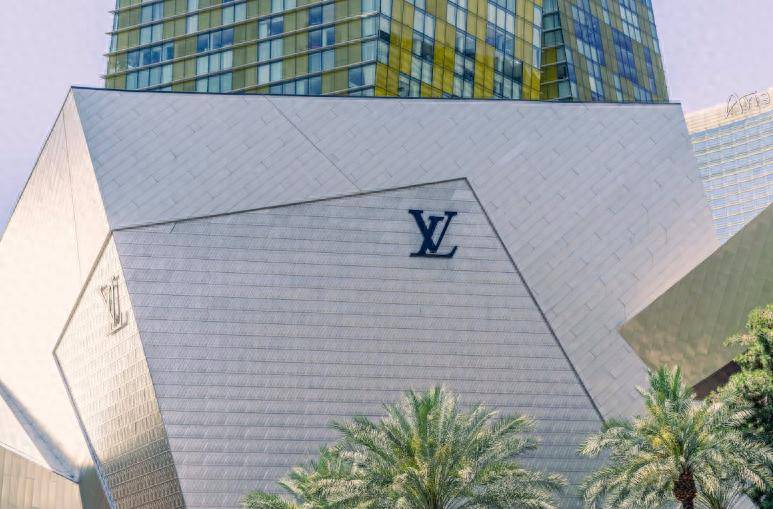
从LV到临期食品:中产消费的十年轮回
Sou Hu Cai Jing· 2025-09-28 14:20
Core Insights - The luxury goods market in China, which experienced rapid growth a decade ago, is now facing a downturn, with significant declines in revenue and profit reported by major brands like LVMH [3][4][5] - In contrast, the market for near-expiry food products is witnessing explosive growth, with a projected market size exceeding 40 billion yuan and an annual growth rate of nearly 6% [4][10] Group 1: Luxury Goods Market Decline - In 2015, China's luxury goods market reached a peak size of 113 billion yuan, contributing significantly to global consumption [1] - By 2025, LVMH reported a 4% decline in revenue for Q2, with a 15% drop in operating profit and a 22% drop in net profit [3] - Bain & Company revised its forecast for the global luxury goods market, predicting a potential decline of 2% to 5% in sales for 2025 [3] Group 2: Rise of Near-Expiry Food Products - The near-expiry food market in China is projected to surpass 40 billion yuan this year, driven by a shift in consumer attitudes towards more practical and cost-effective purchasing [4][10] - The rapid expansion of near-expiry food chains, such as Haotemai, reflects a growing consumer preference for value-oriented shopping [4] - The trend indicates a fundamental change in consumer behavior from ostentatious luxury spending to rational and pragmatic consumption [4][10] Group 3: Changing Consumer Psychology - The shift in consumer behavior is attributed to a deep transformation in the consumption psychology of the middle class, moving from conspicuous consumption to practical spending [5][10] - The middle class's debt levels have risen above 50%, with a focus on cost-effectiveness and practical consumption dominating their purchasing decisions [5] - The economic environment has shifted from rapid growth to a more cautious approach, influencing consumer habits and preferences [7] Group 4: Generational Shift in Consumption - The primary consumers of luxury goods have shifted from the older generations (70s and 80s) to Generation Z, who prioritize cultural identity and self-expression over brand logos [8] - By 2025, online penetration of luxury goods is expected to reach 46%, with Generation Z accounting for 72% of transactions [8] - The second-hand luxury market is projected to grow significantly, indicating a shift towards circular consumption and away from new luxury purchases [8] Group 5: Future Trends in Consumption - The rise of near-expiry food signifies a new trend in middle-class consumption, emphasizing quality-price ratio and sustainable practices [10][11] - Future consumption patterns are expected to focus on experiential spending, with increased interest in high-end travel and cultural entertainment [10] - Companies are encouraged to adapt to the "new pragmatism" in consumer behavior, focusing on quality and value in their offerings [11]
2025上半年美妆行业“变局”
3 6 Ke· 2025-09-28 11:48
Core Insights - The global beauty industry is projected to exceed $677 billion by 2025, indicating strong growth, while the Chinese cosmetics market is undergoing significant structural changes, moving away from reliance on single blockbuster products or marketing gimmicks to a focus on genuine brand strength [1][2]. Market Performance - The Chinese cosmetics retail market is expected to maintain moderate growth in the first half of 2025, with retail sales reaching 2.291 billion yuan, a year-on-year increase of 2.9%, although this is below the overall retail growth rate of 5.0% [2][4]. - International beauty giants are facing pressure in the Chinese market, with L'Oréal leading with sales of 186.19 billion yuan, a 3% increase year-on-year, while Estée Lauder reported a 10.88% decline in net sales, marking its lowest sales in five years [4][6]. Domestic Brand Performance - Domestic brands are showing resilience, with the retail scale of the Chinese cosmetics market reaching 1.0738 trillion yuan in 2024, and domestic brands capturing 55.2% of the market share [6][8]. - The top ten domestic beauty companies reported a total revenue growth of 11.72% in the first half of 2025, with Proya, Shiseido, and Shanghai Jahwa leading the rankings [7][8]. Consumer Trends - The beauty market is witnessing a shift towards rational consumption, with consumers increasingly sensitive to price and favoring cost-effective products. The sales of beauty and skincare products reached 235.23 billion yuan in the first half of 2025, a 10.1% increase year-on-year [12][13]. - The anti-aging market is experiencing significant growth, with total sales reaching 65.49 billion yuan, a 30.3% increase year-on-year, and the demand for anti-aging products is expanding to younger demographics [13][14]. Brand Strategies - Brands are increasingly adopting multi-brand strategies to address diverse consumer needs, moving from a single product focus to a more comprehensive brand matrix [14][19]. - Investment in research and development is on the rise among leading domestic brands, with a focus on building technological barriers and enhancing product efficacy [15][16]. Marketing and Distribution - Douyin (TikTok) has solidified its position as a growth engine for the beauty industry, with daily views of beauty videos exceeding 2.5 billion, reflecting a shift towards more refined and systematic marketing strategies [17][18]. - The competition is evolving from a focus on single-channel strategies to an integrated approach that balances online and offline resources, emphasizing the importance of brand experience and customer loyalty [18][19].



中秋节如何选购月饼?请收好四点消费提示
Ren Min Wang· 2025-09-28 09:00
细看标签信息,科学贮存和食用 贮存月饼时,应参照产品包装说明上的贮存条件要求,并在保质期内及时食用。常温贮存的月饼要 存放在阴凉、通风、干燥处,避免阳光直射和高温环境。冰皮月饼及含有鲜果、果酱、肉类、冰淇淋等 馅料的月饼,尽量密封后冷藏或冷冻保存。食用月饼前注意观察色泽、形态和气味等,如发现霉变、异 味等异常,应立即停止食用。 警惕"概念"炒作,按需理性消费 人民网北京9月28日电 (记者孙红丽)据河南市场监管微信公众号消息,中秋将至,为帮助消费者 选购到安全、放心、满意的月饼,欢度佳节,河南省市场监管局特发布消费提示。 选择正规渠道,核查经营资质 应选择证照齐全的商场、超市、专卖店等正规销售场所或运营资质齐全、信誉良好的电商平台购买 月饼。谨慎购买街边摊、朋友圈、微信群等售卖的"自制纯手工""无添加""网红"月饼,这类产品使用的 食品原料或食品添加剂来源不明、生产加工环境和卫生条件无法保障,食品安全风险较高。 查看包装标识,拒绝"三无"产品 选购月饼时,注意检查包装是否完整无破损,有无漏气、胀袋等情况。要认真查看包装标签上的食 品名称、生产厂家、食品生产许可证编号、生产日期、保质期、配料表、贮存条件等信息, ...