资产配置

Search documents
十年国债ETF(511260)盘中飘红,短端利率低位支撑配置窗口
Sou Hu Cai Jing· 2025-08-19 02:26
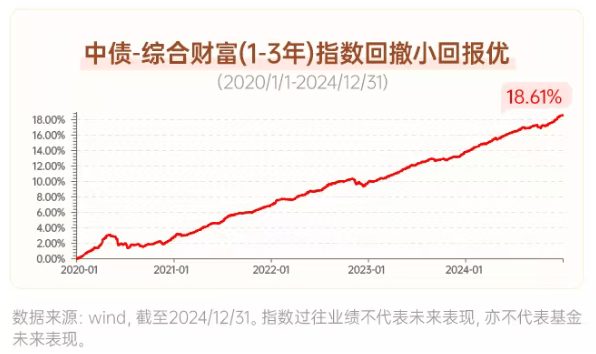
Core Viewpoint - The probability of a significant decline in the bond market is low, supported by the political bureau meeting's emphasis on maintaining ample liquidity, indicating the central bank's intention to stabilize short-term liquidity [1] Group 1: Market Analysis - The 10-year government bond yield is expected to fluctuate between 1.65% and 1.75% in the short term, with a recommendation to gradually increase allocation above 1.72%, prioritizing credit bonds over interest rate bonds and convertible bonds [1] - Historical experience suggests that bond market yield turning points typically precede stock market peaks, indicating that the current bullish sentiment in the stock market may not signal a sustained decline in the bond market [1] Group 2: ETF Performance - The 10-year government bond ETF (511260) has consistently achieved new net asset value highs since its inception, with a one-year return of 5.88%, a three-year return of 16.13%, a five-year return of 22.41%, and a cumulative return of 36.68% since establishment [1] - The ETF has maintained positive returns every year since its inception, making it a potential asset allocation tool that can navigate through market cycles [1] Group 3: Unique Advantages of the ETF - The ETF offers T+0 trading convenience, allowing investors to buy and sell on the same day, which is beneficial in a high-volatility environment [2] - The ETF has low trading fees, enhancing capital efficiency for investors [2] - The ETF provides transparency in holdings, with daily publication of the PCF list [3] - Investors can use the ETF for pledge repurchase, allowing them to access funds for other investment opportunities while retaining the ability to redeem the ETF later [3]
四因素详解保险股的投资逻辑
2025-08-18 15:10
Summary of Key Points from the Conference Call Records Industry Overview - The insurance industry is characterized by two main segments: life insurance and property insurance, each with distinct profit models and operational dynamics [1][5][10]. Life Insurance Insights - Life insurance companies operate on a dual-driven profit model focusing on reducing liability costs (e.g., pricing interest rates) and enhancing investment returns [1][4]. - The short-term profit model in the life insurance sector will continue to rely on interest spreads, benefiting from agent channel transformations and a recovery in liabilities [6][9]. - The demand for savings-type products is expected to rise, especially in the context of fluctuating returns from competing products like bank wealth management and public funds [6][7]. - The structure of life insurance products is evolving, with significant growth in annuity products, which accounted for over 110.5 billion yuan in premium income for Ping An Life in 2022, representing 20% of total business income [9]. Property Insurance Insights - The profit model for property insurance is defined as earned premiums multiplied by (1 - combined cost ratio) plus investment returns from invested assets [5][10]. - The growth rate of property insurance premiums has shown significant fluctuations, with a 9% increase in 2022 and 2023, following a decline in previous years due to regulatory impacts [12]. - The market concentration in the property insurance sector remains stable, with major players like PICC, Ping An, and Pacific Insurance holding approximately 64% market share [13]. Key Performance Indicators - Core performance indicators for life insurance companies include New Business Value (NBV) and Embedded Value (EV), which are crucial for assessing long-term profitability [17][18]. - The insurance sector's performance is influenced by market conditions, interest rates, new business sales improvements, and policy stimuli [19]. Challenges and Opportunities - The agent channel, a significant contributor to premium growth, faces challenges due to a decline in agent numbers since 2019, necessitating a transformation towards higher quality and productivity [8]. - The demand for guaranteed return products remains strong, driven by a high proportion of household savings in deposits, despite a decline in health insurance consumption due to lower income growth post-pandemic [7][21]. Future Outlook - The life insurance industry is expected to maintain stable growth in the long term, supported by agent productivity improvements and favorable economic recovery prospects [6][9]. - Property insurance companies are focusing on expanding non-auto insurance business lines to enhance profitability, as auto insurance growth has been constrained by regulatory reforms [14][15]. Company-Specific Insights - Ping An Insurance is leveraging a comprehensive financial service strategy, focusing on high-capacity agent teams and optimizing agent structures to improve productivity [23]. - China Pacific Insurance, as a leading player in the property insurance sector, benefits from strong pricing capabilities and scale advantages, positioning itself for improved underwriting profitability [24].
低利率+股债波动:理财公司如何应对?
Zhong Guo Jing Ying Bao· 2025-08-18 15:04
Core Viewpoint - The average annualized yield of wealth management products in China's banking sector has decreased to 2.12% in the first half of 2025, down from 2.65% in 2024, indicating a significant decline in returns amid a low-interest-rate environment [1] Group 1: Industry Trends - The asset management industry is transitioning from a reliance on single assets to a diversified asset allocation strategy due to low interest rates and an asset shortage [2] - Financial intermediaries, such as banks, are encouraged to transform by enhancing financial services, developing asset management businesses, strengthening asset trading, and promoting comprehensive operations [1][2] - The current asset management market is characterized by a large scale but relatively single asset categories, which limits depth and diversification [3] Group 2: Product Development - Wealth management companies are focusing on combination management and asset allocation strategies to navigate the challenges posed by low yields [1][2] - "Fixed income plus" products are becoming a key competitive tool for banks, allowing for increased yield flexibility while maintaining stability [5][6] - The introduction of rights-containing products is seen as a potential second growth curve for wealth management firms, complementing traditional fixed income products [4][5] Group 3: Strategic Recommendations - The asset management industry should enhance core capabilities by developing equity investment systems and exploring alternative asset allocations like REITs [4] - There is a need for structural reforms in key areas such as client expansion in the wealth management market and optimizing incentive mechanisms for public funds [4] - Companies are advised to leverage technology for smart investment advisory services, providing customized asset allocation plans based on client risk preferences and return objectives [6]
沪指创近十年新高,基金投资该怎么办
Sou Hu Cai Jing· 2025-08-18 14:59
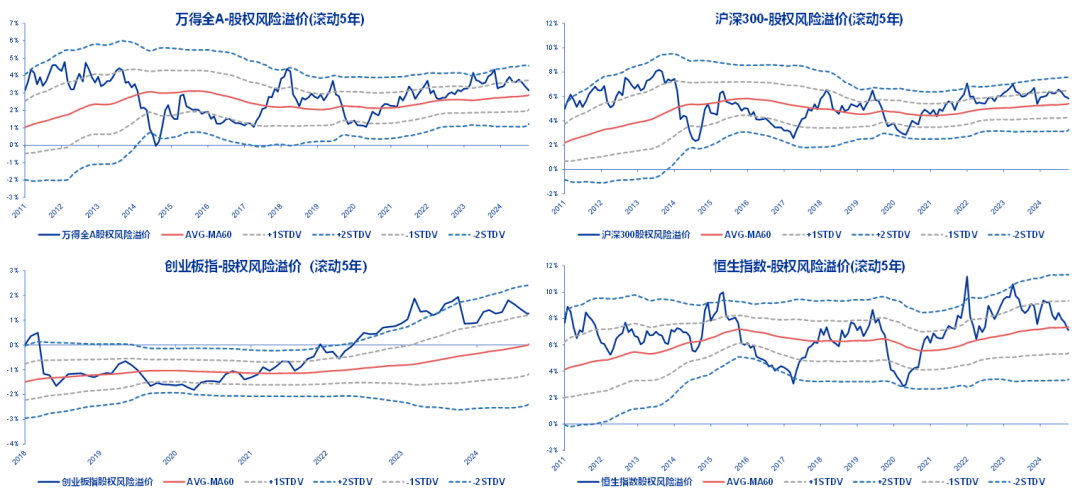
Core Viewpoint - The Shanghai Composite Index has reached a new high, surpassing 3700 points, marking the highest level in the past decade since the bull market of 2015 [1][2]. Market Analysis - The recent upward trend in the A-share market has raised questions among investors about whether the market is overvalued. While it may seem expensive compared to previous bear market levels, it is essential to compare it with other investment assets [2]. - The equity risk premium indicates that stocks remain competitively priced compared to bonds, with current levels near the median of the past five years [3]. - The dividend yield of the A-share market suggests that, under conservative assumptions, the overall valuation is not significantly overvalued, remaining at the five-year average [5][6]. Valuation Insights - As of August 8, the overall dynamic price-to-earnings ratio (PE) of A-shares is 21 times, while excluding financial and oil sectors, it rises to 35 times, indicating that certain segments may be overheated, particularly the ChiNext and CSI 2000 indices, which have PE ratios around 140 times [6][12]. - The performance of small-cap stocks in the Hong Kong market also shows signs of overheating, raising concerns about potential risks for investors [7]. Historical Context - The 2015 bull market serves as a cautionary tale, where many investors were drawn to high-performing small-cap stocks, which later underperformed. In contrast, quality leading companies tend to provide sustained value creation over market cycles [10][12]. Investment Strategy - A diversified asset allocation strategy is recommended, focusing on quality funds and maintaining liquidity to manage risks and seize opportunities during market corrections [14][15]. - For investors looking to enter the market now but concerned about future performance, a systematic investment plan (SIP) approach is suggested, allowing for disciplined investment without attempting to predict short-term market fluctuations [14][15].

天弘基金多位基金经理“晒”实盘 真金白银与投资者共进退
Zhong Zheng Wang· 2025-08-18 12:41
Group 1 - The core viewpoint of the article highlights the increasing popularity of fund managers sharing their real-time trading records, particularly focusing on Guo Xiangbo from Tianhong Fund, who has a medical industry background and has been proactive in sharing his investment strategies on the Alipay platform [1][2] - Guo Xiangbo's real-time trading records show significant returns, with his holdings in Tianhong Medical Innovation Mixed Fund A and C classes yielding returns of 23.29% and 34.54% respectively, as of August 11, 2025 [2][4] - The article emphasizes the importance of combining macro policies with industry fundamentals in investment analysis, as demonstrated by Guo Xiangbo's insights into the pharmaceutical sector and its future potential [2][4] Group 2 - Investors have responded positively to this new model of engagement, appreciating the concise and efficient communication from fund managers, which helps them navigate challenging market conditions [3] - Guo Xiangbo maintains a long-term investment perspective in the innovative drug sector, emphasizing the need for a contrarian approach during market downturns, which he believes can lead to significant opportunities [4] - The article discusses various fund managers at Tianhong Fund, each adopting different strategies, such as asset rotation and global diversification, all reflecting a long-term investment philosophy aimed at stable returns rather than short-term gains [5][6]
低利率时代如何破局?选择这只纯债基金的N重逻辑
Sou Hu Cai Jing· 2025-08-18 11:25
Core Viewpoint - In a low interest rate environment with 10-year treasury yields falling to 1.7%, traditional investment tools are yielding diminishing returns, leading investors to face challenges in seeking stable income [1][3] Group 1: Investment Environment - The current low interest rate environment has resulted in traditional conservative financial products facing dual challenges of declining yields and increased risks [3] - The transition to net value-based banking financial products has eliminated rigid repayment, potentially leading to losses in conservative investments [3] - The downward trend in risk-free interest rates in China is expected to continue, making it difficult for short-term reversals in this trend [2] Group 2: Asset Allocation Strategy - Effective asset allocation is crucial for achieving stable growth while controlling risks, with fixed income assets serving as a stabilizing component in investment portfolios [2][4] - The importance of constructing a diversified investment portfolio is emphasized, allowing different asset classes to leverage their respective advantages [2] Group 3: Bond Fund Advantages - Bond funds, particularly pure bond funds, exhibit significant value in asset allocation due to their unique risk-return characteristics [4][5] - Pure bond funds primarily invest in high-credit-quality bonds, providing stable coupon income and continuous cash flow for investors [5][6] Group 4: Specific Fund Features - The upcoming Hui Tian Fu Stable Bond Fund (Class A: 024839; Class C: 024840) focuses solely on pure bonds, avoiding high-risk assets like stocks and convertible bonds, aiming for stable returns through coupon income and trading strategies [6][8] - The fund employs flexible duration management and can utilize leverage up to 140% during favorable market conditions to enhance returns [8] - The fund manager, Xu Yinzhe, has extensive experience in fixed income management, contributing to the fund's potential for reliable performance [10][11] Group 5: Team and Institutional Strength - Hui Tian Fu has developed into a leading comprehensive asset management institution in China, with a stable professional team averaging over ten years of experience [11] - The company has established a robust investment framework based on macroeconomic research, allowing for effective asset allocation across different economic cycles [11]
资产配置全球跟踪2025年8月第3期:A股强势领涨,美元持续走弱
GUOTAI HAITONG SECURITIES· 2025-08-18 09:53
Group 1: Market Performance - A-shares and the ChiNext index led global gains with an increase of 8.6%[27] - The Hang Seng Index rose by 3.0% and the Nikkei 225 increased by 3.7%[27] - Emerging markets, particularly A-shares, outperformed developed markets, with the overall A-share market up by 3.0% last week[31] Group 2: Currency and Commodity Trends - The US dollar index fell by 0.4%, while the euro, pound, and yen appreciated by 0.5%, 0.8%, and 0.4% respectively[5] - Since the beginning of the year, the US dollar index has decreased by 9.8%, with the euro, pound, and yen rising by 13%, 8.3%, and 6.4% respectively[5] - Commodity prices saw a general increase, with the South China and CRB commodity indices both rising by 0.5%[71] Group 3: Bond Market Insights - The yield curve for Chinese bonds exhibited a "bear steepening" pattern, with the 10-year yield rising by 5.7 basis points to 1.75%[45] - The 10-year to 2-year yield spread for US bonds also expanded, indicating a "bear steepening" trend, with the 10-year yield increasing by 6 basis points to 4.33%[50] Group 4: Risk Premium Analysis - The risk premium for the CSI 300 relative to 10-year government bonds decreased to 5.7%, down by 0.14% from the previous value[19] - The risk premium for the S&P 500 relative to 10-year US Treasuries fell to -0.8%, a decrease of 0.10%[19]
大类资产周报:资产配置与金融工程增长维度回正,风险资产持续表现-20250818
Guoyuan Securities· 2025-08-18 09:47
Market Overview - Macro growth factors have stabilized, with the Jianxin Gaojin growth factor turning positive, indicating a recovery in macro growth expectations[4] - The ChiNext Index surged by 8.58%, leading global markets, driven by a renewed preference for technology growth sectors[9] - Market risk appetite has improved, with trading volume increasing by 24.1% week-on-week, reflecting heightened investor participation[57] Inflation and Economic Indicators - CPI year-on-year growth is at 0.1%, while PPI remains low, indicating persistent deflationary pressures[4] - The manufacturing PMI for July is at 49.3%, down 0.4 percentage points from the previous month, suggesting a slight contraction in manufacturing activity[39] Asset Class Recommendations - Fixed Income: Favor high-grade credit bonds and adjust duration flexibly, focusing on bank and insurance sector movements[5] - Equities: In the U.S., focus on technology sectors with long-term AI investment opportunities, as economic data shows resilience[5] - Commodities: Structural differentiation is evident, with strong performance in soybean meal (+5.59%) due to supply concerns[4] Risk Factors - Key risks include policy adjustments, market volatility, geopolitical shocks, and liquidity transmission risks[6] Valuation and Earnings Expectations - A-share valuations have increased, with the CSI 800's P/E ratio at the 13th percentile of the past three years, indicating rising valuation pressure[64] - Analysts project a 9.9% year-on-year earnings growth for the CSI 800, with revenue growth expectations at 6.0%[65]
宏锡基金带您读懂期权:从零基础入门到资产配置的进阶之路
Zhong Guo Zheng Quan Bao· 2025-08-18 08:55
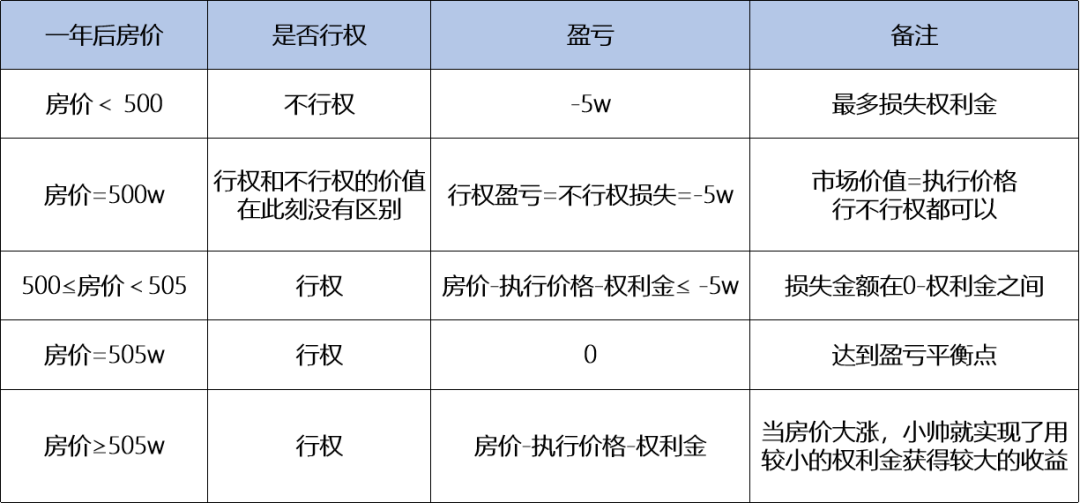
期权入门指南: 零基础也能秒懂的核心要点 "期"表示未来,"权"表示权利。期权,就是未来的权利的意思。其英文名称 "option" 直指本质——赋予期权持有者自由选择的权利。 期权是一种金融合约,赋予购买者在某个交易日或之前,以固定价格买/卖出某种金融资产的权利。 权利持有人(买方)既选择可以行权,也可以选择不行权。买方需要支付小额费用(权利金)锁定这个权利,卖方则承担相应的履约义务。 1、期权合约的六大要素 (1)标的资产:期权合约的"主角" 标的资产是指期权合约所对应的基础资产。它可以是商品、股指、外汇等。如玉米期权对应玉米期货合约,股指期权对应股票指数。 (2)权利类型:多空战场的"指挥棒" 权利类型决定了是有权买入还是卖出标的资产。 ①看涨期权(Call):未来买入标的资产的权利,如果你认为未来标的资产价格可能上涨,可购入看涨期权; ②看跌期权(Put):未来卖出标的资产的权利,如果你认为未来标的资产价格可能下跌,可购入看跌期权。 例如,50ETF期权的合约单位为1万,买了一份50ETF期权看涨期权就相当于拥有1万份50ETF的购买权利。 (5)行权价格:交易的"锚定点" (3)到期日:期权合约的"保 ...
港股异动丨华检医疗一度涨超6% 拟购买加密货币 总金额不超30亿港元
Ge Long Hui· 2025-08-18 07:56
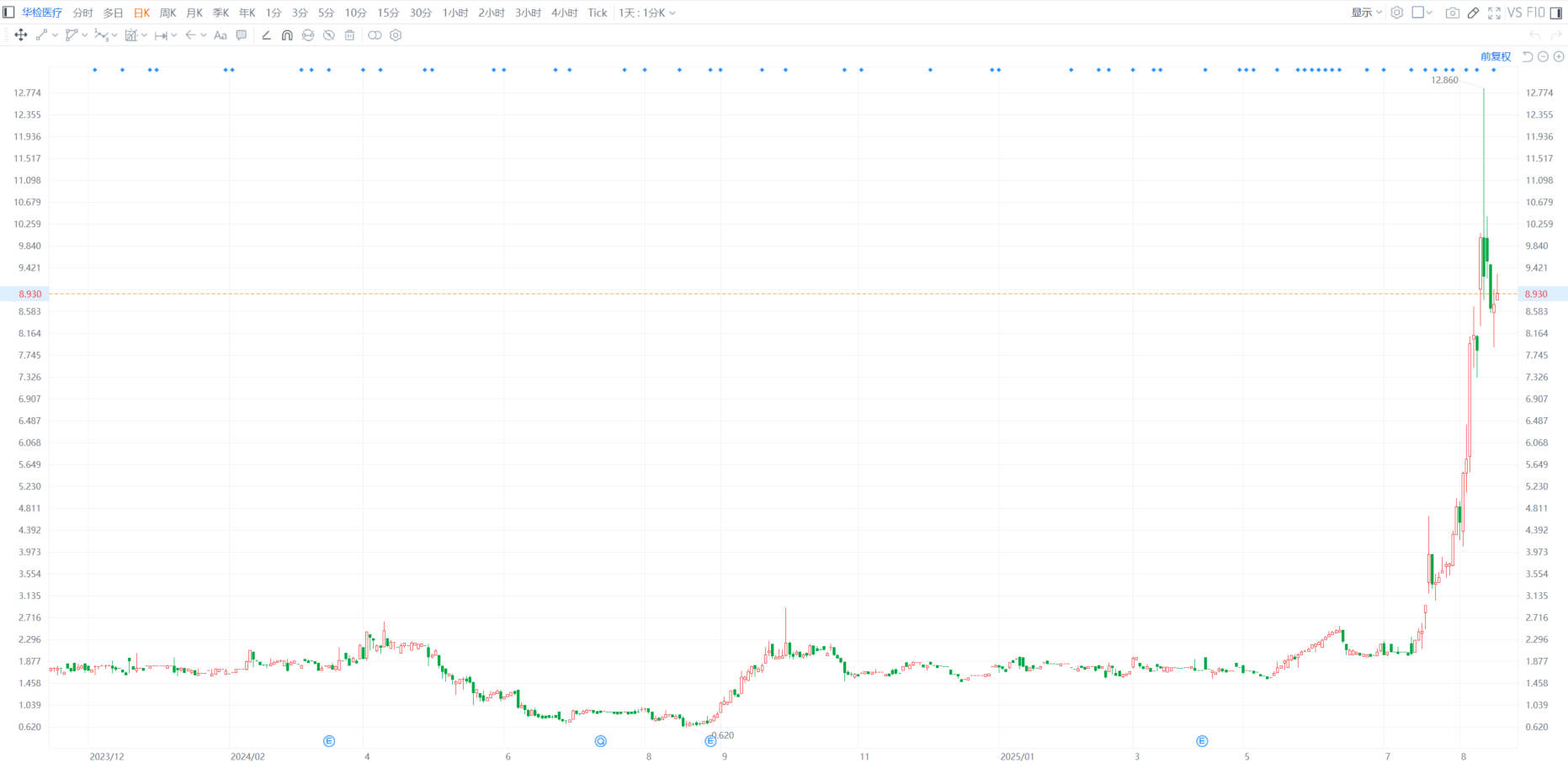
Core Viewpoint - The company, Huajian Medical (1931.HK), has proposed to seek shareholder approval for a purchase authorization to invest in cryptocurrencies, particularly Ethereum (ETH), as part of its asset allocation strategy and business development plans [1] Group 1: Company Actions - The company's board believes that purchasing and holding cryptocurrencies is a crucial step in solidifying its Ethereum reserves and accelerating the development of the ivd.xyz exchange ecosystem [1] - The board has recommended that shareholders approve a resolution allowing the company to potentially purchase cryptocurrencies over a period of 36 months, with a total purchase limit not exceeding 3 billion HKD [1] Group 2: Strategic Alignment - The potential cryptocurrency purchases and the authorization for such purchases are considered to align with the company's long-term development strategy and the overall interests of its shareholders [1]