场景化消费

Search documents
淘宝闪购元旦消费数据:7500万颗车厘子、1000万颗草莓被“老己”抢购一空
Xin Lang Cai Jing· 2026-01-04 01:57
Core Insights - The consumption model centered around instant gratification and self-reward has significantly boosted the holiday market during the New Year period [1][2] Sales Performance - Taobao Flash Sale data indicates that several major holiday products achieved record sales, with over 75 million imported cherries sold [1][2] - Sales of Dandong red strawberries surpassed 10 million units, while Boston lobsters, once considered a luxury, became a regular choice for young consumers, leading to a sell-out across over 100 stores [1][2] - Milk sales reached 1.2 million liters, and both cola and beer, essential for holiday gatherings, sold over 1.5 million liters each [1][2] Consumption Patterns - The purchasing behavior during the holiday season displayed distinct characteristics of scenario-based and instant consumption [1][2] - In the morning, consumers focused on seafood and hot pot ingredients, aligning with preparation needs for gatherings; from noon to night, sales of gifts, flowers, and snacks increased, catering to social and relaxation needs [1][2] - Late-night purchases included beer, fruits, and health supplements, reflecting a lifestyle balance sought by young consumers [1][2]



工信部品牌培育专家陈明:文明集市是内涵丰富的文商旅新业态
Nan Fang Nong Cun Bao· 2025-12-29 06:32
Core Viewpoint - The "Civilized Market" initiative in Guangdong is a new model that integrates culture, commerce, and tourism, showcasing the rich heritage of Lingnan culture while promoting local products and enhancing consumer experiences [9][10][15]. Group 1: Event Overview - The "Civilized Market" event took place from December 19 to December 28, featuring a main event and multiple sub-events across 33 counties, cities, and districts, with a total of 15 unique activities [3][4][16]. - The event attracted significant public interest, drawing both local residents and tourists to experience the diverse offerings [5][7]. Group 2: Cultural and Economic Impact - The initiative highlighted the integration of 33 counties' quality agricultural products and intangible cultural heritage, creating a vibrant marketplace that encompasses various consumer experiences [10][12][16]. - The event aimed to promote consumption and market chains while showcasing the achievements of the "Hundred Thousand Ten Thousand Project" and enhancing the local cultural atmosphere [13][15]. Group 3: Expert Insights - Professor Chen Ming emphasized the importance of interactive and participatory consumption experiences, suggesting future events could include elements like role-playing games and scenario-based activities to deepen consumer engagement with traditional crafts [21][22][24]. - The goal is to foster a greater understanding of traditional craftsmanship and cultural heritage, enhancing consumer appreciation and connection to Lingnan culture [23][25].

跨境电商运营:2026掘金指南:全球全品类20大消费趋势报告
Sou Hu Cai Jing· 2025-12-22 19:50
Core Insights - The report titled "2026 Gold Mining Guide: Global All-Category 20 Major Consumer Trends" published by Amazon Global Store focuses on the dynamics of the global consumer market, identifying multi-dimensional consumption trends that provide core references for cross-border e-commerce operations [1] Group 1: Key Consumer Trends - The global consumer market is characterized by health-oriented, intelligent, personalized, and sustainable consumption trends, with varying demands across different categories and regions [1] - Health consumption is on the rise, with products related to nutritional supplements, fitness, and health monitoring gaining popularity, as consumers show increased interest in natural ingredients and clearly defined health benefits [1] - Smart technology is permeating daily life, with growing demand for smart home appliances, wearable devices, and home control systems, particularly those with convenient operation and interactive features [1] - Personalized and emotional consumption needs are becoming prominent, with consumers increasingly valuing unique designs, customized services, and emotional resonance in products [1] - The concept of sustainable consumption is gaining traction, with eco-friendly materials, energy-saving products, and recyclability becoming key factors in consumer preferences [1] - There is a noticeable trend towards convenience and scenario-based consumption, with high-efficiency products that cater to fast-paced lifestyles and specific scenarios (e.g., home, outdoor, office) in high demand [1] Group 2: Regional Market Characteristics - Different regional markets exhibit distinct characteristics, necessitating precise strategies that consider local consumption habits and policy environments [1] - The report emphasizes that cross-border e-commerce must leverage these core trends in product development, supply chain optimization, and marketing strategies to align with consumer core demands and achieve business breakthroughs in global competition [1]

聚焦跨界增长:平台、品牌与IP共拓市场蓝海
2 1 Shi Ji Jing Ji Bao Dao· 2025-12-19 12:06
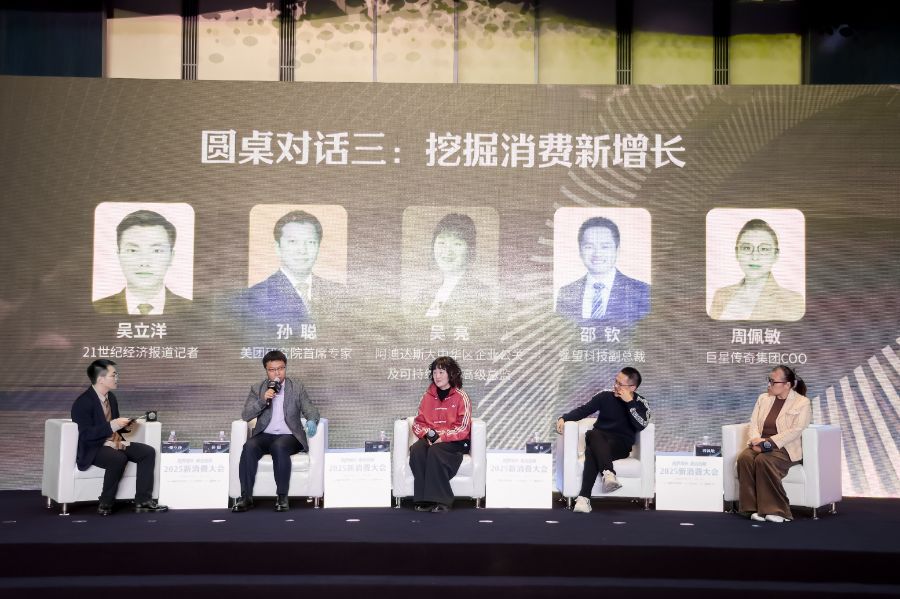
Core Insights - The conference "New Consumption Conference" held in Shanghai focused on "cross-border growth and innovative integration" in the consumer industry, highlighting the evolving characteristics of the Chinese consumer market, which has undergone phases of "revenge spending, rational return, and structural differentiation" over the past three years [1][3]. Group 1: Market Trends - The current consumer market is increasingly characterized by stratification, personalization, and scenario-based consumption, necessitating precise market strategies to cater to diverse consumer needs [3]. - The "silver economy" is emerging as a significant consumer group, driven by the aging population, with growing market potential in areas such as elder care and entertainment services for younger seniors [3]. Group 2: Consumer Behavior - Youth consumers are becoming more rational in their spending, often comparing prices and seeking value for money, while also showing a rising demand for emotional value in their purchases [3]. - Instant consumption needs among young consumers are increasing, with a willingness to pay for time-saving and efficiency-enhancing products [3]. Group 3: Brand Strategies - Brands must provide more choices to meet the growing personalized demands of consumers, as highlighted by Adidas' approach to catering to different consumer segments with specific product lines [4][5]. - The importance of social media in e-commerce is emphasized, with brands needing to create a content pyramid for effective communication and conversion strategies [6]. Group 4: Celebrity and IP Utilization - Utilizing celebrity IP can enhance brand value by linking emotional value to products, allowing consumers to connect with brands through familiar figures [7]. - Successful brand collaborations require careful selection of partners and alignment of marketing goals to effectively engage target audiences [11]. Group 5: Innovative Marketing Approaches - The integration of online and offline experiences is crucial for driving consumer engagement, as demonstrated by Adidas' flagship store initiatives that attract consumers through unique events [8][9]. - Brands can leverage user-generated content and social media to create a closed-loop system of "communication-consumption-communication," enhancing brand visibility and consumer interaction [9]. Group 6: Future Collaborations - Adidas plans to deepen collaborations with diverse designers to infuse fresh ideas into their product lines, aiming to resonate with younger consumers and express cultural confidence [10]. - The essence of collaboration is to break boundaries and increase user engagement, ensuring that brand and celebrity styles align to avoid alienating audiences [11].
聚焦跨界增长:平台、品牌与IP共拓市场蓝海丨直击新消费大会
2 1 Shi Ji Jing Ji Bao Dao· 2025-12-19 11:52
Core Insights - The conference focused on "cross-border growth and integrated innovation" in the consumer market, highlighting the importance of collaboration among platforms, brands, and IPs to explore new market opportunities [1] Differentiated Operations - The current consumer market is increasingly characterized by stratification and personalization, necessitating precise market strategies to cater to diverse consumer needs [2] - The "14th Five-Year Plan" emphasizes leveraging new demand to drive new supply, with the youth demographic being the most active in this supply-demand cycle [2] - Youth consumer characteristics include rational spending, a growing demand for emotional value, and an increasing preference for instant consumption [2] - The "silver economy" is emerging as a significant consumer group, driven by the aging population and their diverse needs [2] Scene-based Consumption - The integration of online and offline experiences is enriching product forms and marketing strategies, with brands needing to create engaging consumer experiences [6] - Adidas has successfully utilized flagship stores to create trendy consumer hotspots, enhancing brand visibility and driving foot traffic through social media engagement [6] - The importance of creating a closed loop between content distribution and product sales is emphasized, with consumers acting as content nodes [7] Precise Linkage for Breaking Barriers - Successful brand collaborations require careful selection of partners and strategies aligned with specific marketing goals [8] - Dazhong Dianping leverages its platform's network effects to create synergies between products, scenes, and brands [8] - Adidas plans to deepen collaborations with diverse designers to infuse modern interpretations of Chinese cultural elements into its products [8] - The essence of collaboration is to enhance user engagement and attract new customers, ensuring alignment in style and messaging between brands and their partners [9]
值得买消费产业研究院发布2025年三季度消费趋势:中国消费市场进入“价值自觉时代”
Zhong Guo Zhi Liang Xin Wen Wang· 2025-12-08 02:55
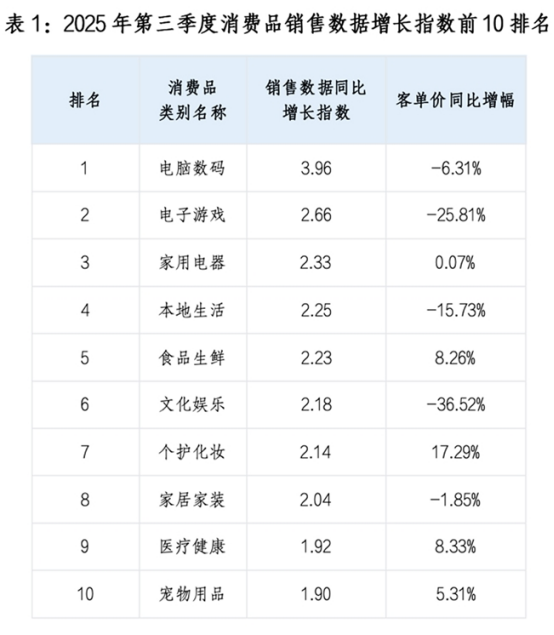
Core Insights - The report from Worth Buying Consumer Industry Research Institute highlights key changes in consumer behavior and market trends for Q3 2025, emphasizing a shift towards a more mature and experience-driven consumption model [1][2][3]. Group 1: Consumer Behavior Trends - Consumption is entering a "self-mature period," where consumers switch between high cost-performance and emotional value, focusing on both rational and emotional aspects [1]. - There is a rising trend in scenario-based consumption, shifting attention from merely purchasing products to buying experiences and lifestyles, with the combination of "goods + services" becoming crucial in decision-making [1]. - Experience demand is extending across the entire lifecycle, with consumers expecting a seamless, transparent, and trustworthy service loop from discovery to post-purchase, making service quality a core factor influencing repurchase and brand choice [2]. Group 2: Generational Consumption Changes - Intergenerational consumption is moving from differentiation to integration, with core values like health, connection, and self-realization becoming more aligned across generations, reducing differences in consumption attitudes [3]. - The new generation of consumers prioritizes emotional value, experience quality, and self-expression, driving a market shift from function-oriented to value-oriented and personalized approaches [3]. Group 3: Sales Data and Market Performance - In Q3, leading categories in consumer goods sales growth included computers and digital products, video games, home appliances, local living, and fresh food, with notable growth indices [4][5]. - The sales data shows that computers and digital products led with a growth index of 3.96, despite a 6.31% decline in average transaction value, while fresh food maintained stable growth with an 8.26% increase in average transaction value [5]. Group 4: Topic Heat and Consumer Sentiment - The hottest topics in consumer goods for Q3 included local living, travel, and financial services, with local living experiencing a significant growth index of 668.8% [6][7]. - Consumer satisfaction is high in categories like automotive consumption and fresh food, with automotive satisfaction reaching 93.0% and fresh food at 93.8%, indicating strong emotional engagement [8][9].

潍百投5亿元升级中百大厨房,打造全产业链品牌
Qi Lu Wan Bao· 2025-12-03 14:00
Core Insights - Weifang City is focusing on high-quality development of the private economy, with Weiba Group being a key player in enhancing consumer goods supply and operational capabilities [1][2] - The company has been recognized in various national and provincial programs, ranking 34th among China's top retail companies [1] Group 1: Business Development Strategies - Weiba Group is actively responding to government initiatives to boost consumption, leveraging policies like trade-in programs to enhance consumer spending and accelerate transformation [1] - The company is transforming large commercial complexes, creating unique business centers like the Gudemaom Night Economy Center and the Gudijin Smart Business Circle, which has seen over 520,000 visitors in its first week [1] Group 2: Marketing and Consumer Engagement - Weiba Group has partnered with over a hundred well-known brands to host various consumer events, creating immersive shopping experiences that have contributed to steady revenue growth [1][2] - The company has integrated digital resources through the Zhongbai e-commerce platform, achieving 3.8 million digital members and utilizing AI and big data for precise marketing [2] Group 3: Brand and Product Development - The company is investing 500 million yuan in upgrading its supply chain and production capabilities through the Zhongbai Big Kitchen initiative, aiming to create a nationally recognized food brand [2] - With a resident population of nearly 10 million, Weifang presents a large market capacity and high consumer demand, positioning Weiba Group to enhance local economic prosperity and improve living standards [2]
记者观察 | 从 “刺激” 到 “适配” 消费与供给进入双向奔赴阶段
Shang Hai Zheng Quan Bao· 2025-11-26 12:09
Group 1 - The core viewpoint of the articles emphasizes the shift in China's consumption policy from simple stimulus measures to a more systematic approach that enhances supply-demand compatibility, aiming to release consumption potential and facilitate economic circulation [1][3] - The structural transformation on the demand side is driven by rising GDP per capita exceeding $10,000 and a middle-income group surpassing 400 million, leading to a shift from imitation consumption to personalized, quality, and scenario-based consumption [2] - The proactive changes on the supply side are responding to and creating new consumer demands, with companies leveraging big data and AI for precise demand insights, leading to the rise of flexible manufacturing and innovative collaborations [2][3] Group 2 - The collaboration between policy guidance and market mechanisms is accelerating the formation of a virtuous cycle, with new consumption models and scenarios flourishing, and targeted subsidies replacing blanket policies [3] - The transition from "stimulation" to "adaptation" reflects a precise understanding of consumption patterns and is essential for high-quality economic development, creating a positive feedback loop between consumption and supply [3] - Continuous release of policy dividends, ongoing technological innovations, and vibrant market dynamics are expected to enhance the smooth interaction between consumption and supply, providing solid support for stable economic growth [3]
从“消费场”拓展为“社交场”,上海商圈打造“运动+”新场景
Sou Hu Cai Jing· 2025-11-17 13:36
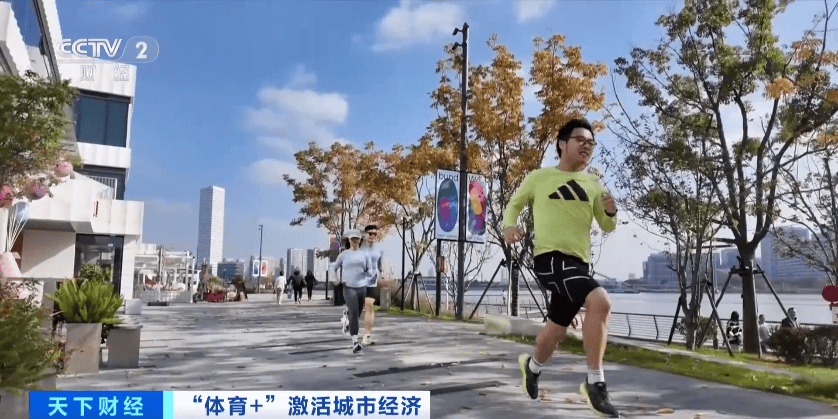
Core Insights - The article highlights the transformation of Shanghai's commercial spaces, particularly along the Xuhui Riverside, into vibrant sports and social venues, enhancing urban consumption and foot traffic [1][9]. Group 1: Development of Sports Venues - Numerous commercial areas in Shanghai are utilizing idle spaces to create sports facilities, such as running tracks and skate parks, providing citizens and tourists with opportunities for exercise and social interaction [1]. - The West Bund Dream Center, previously a cement factory, has been redeveloped into a trendy landmark featuring a 10-kilometer riverside running track that attracts many running enthusiasts [3]. Group 2: Diverse Sports Offerings - The Xuhui Riverside area leverages its scenic views and space to attract flagship stores of outdoor brands, national first stores of skiing brands, and urban experience stores for sports watches, while also incorporating various sports activities like skateboarding, camping, rock climbing, and tennis [5]. - The combination of "sports brand matrix + scenario-based sports spaces" enhances consumer experience, with evening skateboarding club events drawing significant participation [7]. Group 3: Impact on Local Economy - The establishment of sports scenes in the West Bund Dream Center has led to a 30% increase in foot traffic for surrounding dining and coffee businesses, with weekend daily foot traffic exceeding 20,000 visitors [9].
白酒行业经销商订货模式:变革、创新与未来趋势
Sou Hu Cai Jing· 2025-10-29 08:44
Core Insights - The white liquor industry in China is undergoing significant changes in its distributor ordering model due to consumption upgrades, digitalization, and evolving market competition [2][4] Group 1: Challenges of Traditional Distributor Ordering Model - Traditional distributor ordering models face issues such as information asymmetry and inefficiency, with a 15% error rate in manual order entry leading to significant inventory losses [3][4] - The multi-tiered distribution network results in redundant channels and profit distribution complexities, causing conflicts between brand owners and distributors [3] - Low inventory turnover rates average 4.2 times per year, significantly below the industry standard of 6.8 times, leading to increased financial pressure on distributors [3] Group 2: Digital Innovation in Distributor Ordering Model - White liquor companies are adopting digital ordering platforms to enhance efficiency and collaboration, exemplified by a leading company’s implementation of a digital system that reduces delivery times from 72 hours to 12 hours [4][6] - Digital tools are transforming distributors' roles from mere "cargo handlers" to "regional operators," enhancing their operational capabilities [4][6] Group 3: Rise of New Channels - Instant retail is emerging as a new growth area, with a reported 10-fold increase in sales during promotional events, indicating a shift towards immediate consumer satisfaction [5][7] - The shift from standardized purchasing scenarios to scenario-based consumption requires companies to leverage digital tools to capture emerging consumer demands [8] Group 4: Future Trends - The distributor ordering model is expected to evolve towards greater intelligence through AI and blockchain technologies, enhancing supply chain transparency [9] - The ultimate goal of channel digitalization is to create a symbiotic ecosystem among brands, distributors, retail outlets, and consumers [9] - Globalization of the white liquor market is accelerating, necessitating adaptations to cross-border supply chains and cultural differences [9]