
拉动内需

Search documents
对话管清友:中国到了科技创新的爆发期
Xin Lang Cai Jing· 2025-09-14 00:39
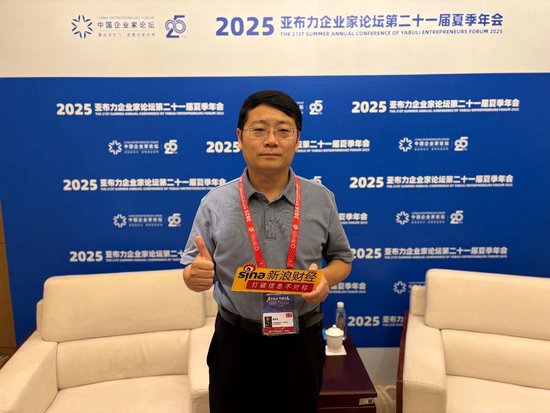
Group 1 - The 21st Summer Annual Meeting of the Yabuli Entrepreneurs Forum will be held in Guangzhou on September 12-13, 2025, focusing on the theme "Forging Ahead Steadily - Corporate Development in the New Global Context" [1] - The current market activity is attributed to multiple factors including abundant liquidity, the onset of the Federal Reserve's interest rate cuts, geopolitical factors creating investment opportunities, and the catalytic effect of AI technology [3] - There is a recognition of a technology innovation explosion, with rapid development across various stages from foundational computing algorithms to industry applications [3] Group 2 - Concerns about market bubbles exist, but the transition of technological advancements into corporate profitability is expected to be more solid than in previous market cycles [3] - To stimulate domestic demand, two approaches are suggested: providing financial support to low- and middle-income groups and implementing structural reforms to adjust the distribution system [3] - The growth potential for new consumption sectors, such as Pop Mart, remains significant, with high valuations driven by the ability to create new intellectual properties [4]

阿里上半年发出4300亿投资计划,阿里CFO称现在看不少过几年看就不这么认为了
Sou Hu Cai Jing· 2025-07-30 13:11
Core Insights - Alibaba's CFO Xu Hong announced significant investments totaling 430 billion yuan (approximately 61 billion USD) in AI and cloud infrastructure, marking an unprecedented commitment among private enterprises in China [2] - The investments are aimed at enhancing AI capabilities and stimulating domestic demand, reflecting Alibaba's belief in the vast potential of the AI market in China [2] - The company plans to leverage AI to transform its e-commerce platform, with notable growth in new brand registrations on Taobao's flash sales platform [2] Investment Details - Alibaba will invest 380 billion yuan (approximately 54 billion USD) over the next three years in building AI and cloud hardware infrastructure [2] - An additional 50 billion yuan (approximately 7 billion USD) will be allocated to subsidize consumers and merchants on Taobao's flash sales [2] - The total investment exceeds Alibaba's total investments over the past decade, highlighting the scale of this commitment [2] Market Context - Xu Hong emphasized that the current investment may seem substantial, but the future market potential for AI is expected to justify it [2] - The AI market in China is viewed as the largest globally, with significant demand anticipated to drive innovation in AI applications [2] - Amazon has also announced plans to invest 100 billion USD in AI-related projects, indicating a broader trend among major tech companies to prioritize AI development [2][3] E-commerce Transformation - The introduction of AI is expected to revitalize Taobao, with a reported 110% month-over-month increase in new brand registrations in July [2] - The shift towards instant retail aims to address traditional e-commerce challenges, enhancing customer experience and driving foot traffic to physical stores [2]

买房越晚,好处越多!
Sou Hu Cai Jing· 2025-07-30 12:27
Core Viewpoint - The current real estate market should be approached with caution, emphasizing that purchasing a home should only occur when absolutely necessary, as properties are currently viewed as consumer goods likely to depreciate in value [3][5][14]. Group 1: Real Estate Market Dynamics - The real estate sector remains a crucial pillar of the economy, but expectations of rapid price increases and speculative profits should be tempered [5][13]. - The focus has shifted from large-scale development to urban renewal, emphasizing quality and efficiency improvements in existing urban areas rather than new construction [7][13]. - The urbanization rate has slowed, indicating a transition from addressing quantity (availability of housing) to quality (living conditions and urban infrastructure) [13][14]. Group 2: Government Policy and Funding - Recent government initiatives aim to stimulate the real estate market through urban renewal projects, with a focus on upgrading existing infrastructure rather than new developments [9][10]. - Funding for these urban renewal projects will come from a combination of central government investments and local government contributions, including the issuance of special bonds [10][11]. - Despite the optimistic outlook for urban renewal, the available funding may be insufficient to support widespread implementation, highlighting the need for additional policies or financial tools [11][12]. Group 3: Consumer Guidance - Homebuyers should prioritize their actual needs and financial capabilities over speculative investment potential, focusing on essential factors such as location, amenities, and affordability [14][15]. - The market is unlikely to provide widespread gains for all buyers, but properties in desirable locations may retain their value amid urban renewal efforts [15].
“零公里二手车”或被全面禁止,车企虚假繁荣的泡沫会被戳破吗?
3 6 Ke· 2025-07-22 07:22
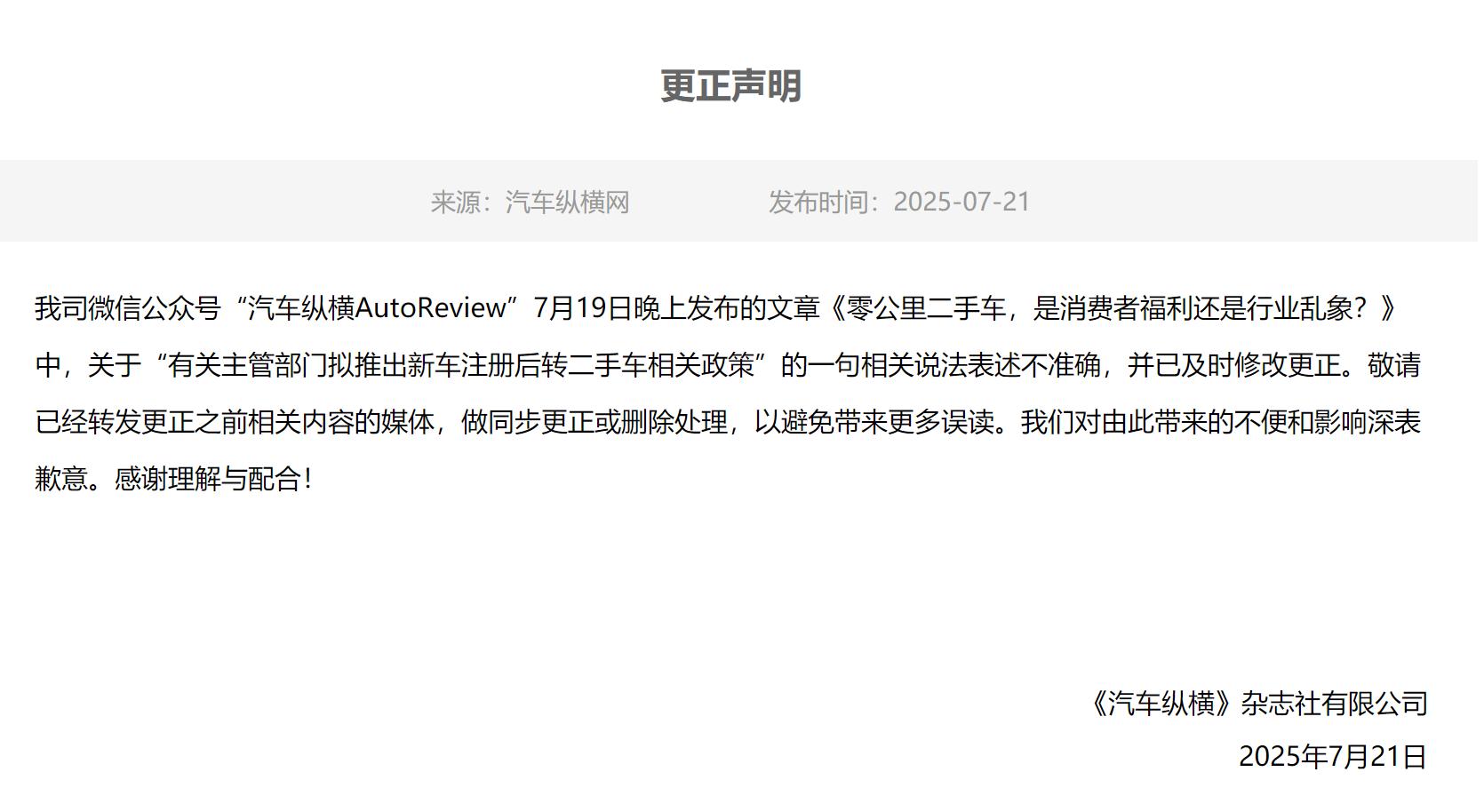
Core Viewpoint - The phenomenon of "zero-kilometer used cars" has gained significant attention following criticism from Great Wall Motors' chairman, highlighting its prevalence in the industry and its implications for sales reporting and market integrity [1][4][9]. Group 1: Industry Impact - Many domestic car manufacturers have reportedly used zero-kilometer used cars to inflate sales figures, aiming to meet monthly and quarterly targets [1][4]. - The Ministry of Industry and Information Technology (MIIT) is considering a policy to prohibit the sale of used cars within six months of new car registration to combat this practice [1][10]. - The prevalence of zero-kilometer used cars has led to a distorted market, where new car sales are negatively impacted, creating a vicious cycle that pressures manufacturers to resort to such tactics [6][9]. Group 2: Market Dynamics - Data from the China Automobile Circulation Association indicates that vehicles registered within three months and with mileage under 50 kilometers accounted for 12.7% of the used car market in 2024, underscoring the scale of zero-kilometer used cars [6][9]. - The practice has also affected the profitability of dealerships, with over 40% of dealers reporting losses and a significant number of used car trading platforms going bankrupt [9][12]. - The zero-kilometer used car issue has implications beyond China, as it allows for the circumvention of high tariffs on new cars when exported as used cars, prompting international scrutiny and policy responses [8][9]. Group 3: Regulatory Responses - The proposed regulations by MIIT aim to reduce the market share of zero-kilometer used cars, although it is acknowledged that such measures may not completely eliminate the practice [10][12]. - The industry is urged to focus on healthy market practices, including better regulation of sales processes and reducing the pressure on dealerships to meet unrealistic sales targets [22][10]. - The ongoing discussions and regulatory efforts reflect a broader recognition of the need for a sustainable automotive market, moving away from reliance on artificial sales boosts [17][22].


杨德龙-关税战下的资产走向
2025-07-16 06:13
Summary of Conference Call Records Industry or Company Involved - The discussion primarily revolves around the impact of U.S. tariff policies initiated by former President Trump on the global capital markets, particularly focusing on the U.S. economy and stock market dynamics. Core Points and Arguments 1. **Tariff Policy Impact**: Trump's tariff strategy is viewed as a significant risk, described as both a "gray rhino" and a "black swan," aimed at reducing the U.S. trade deficit and bringing manufacturing jobs back to the U.S. However, the logic behind this strategy is deemed flawed as it contradicts the established global monetary trade system post-World War II [1] 2. **U.S. Economic Outlook**: The U.S. economy is potentially heading towards recession, with soaring prices and a significant drop in the stock market. As of April 7, the stock market had seen a decline of over 10%, which is alarming given that over 50% of American household assets are invested in the stock market [2] 3. **Market Volatility**: The stock market has experienced a substantial decline over the past six months, and caution is advised before making investment moves. The potential for further declines exists, and investors are encouraged to wait for clearer signals before attempting to "buy the dip" [3] 4. **Investment Trends**: In the past five years, there has been an increase of 60 trillion in capital waiting for investment opportunities. The focus of state-backed investments has been primarily on large-cap ETFs, while retail investors are leaning towards small-cap stocks [4] 5. **Monetary Policy Adjustments**: The PPI target of 2% necessitates increased policy measures, such as potential rate cuts. The central bank's role includes stabilizing the economy and the currency, with recent agreements to use the RMB for trade with ASEAN countries, reducing reliance on the U.S. dollar [5] 6. **Currency Stability**: There is a consensus that devaluing the currency to stimulate exports is unnecessary, and maintaining currency stability is crucial. Gold is highlighted as a rising asset, with predictions of it reaching $3,000 per ounce, and recent prices have already approached $3,500 [6] 7. **Investment Strategies**: Investors are advised to consider dollar-cost averaging in their asset purchases to mitigate risks associated with market volatility. Key sectors for investment include home appliances, smartphones, and automotive materials, with a strong emphasis on manufacturing advantages [7] 8. **Technological Development**: The discussion touches on the relationship between smart vehicles and robotics, indicating that companies producing automotive components are likely to see stable growth due to the increasing demand for sensors and operating systems, which are essential for both industries [8] Other Important but Possibly Overlooked Content - The potential for a significant shift in trade practices towards using the RMB for international transactions is a noteworthy development that could alter the dynamics of global trade and investment strategies [5] - The emphasis on the importance of manufacturing capabilities in the U.S. and the potential for certain sectors to thrive despite broader economic challenges is a critical insight for investors looking for stability in uncertain times [7]
平台500亿消费券引爆消费热情 4124个餐饮品牌周破峰9818次
Sou Hu Cai Jing· 2025-07-11 15:55
Core Insights - Taobao Flash Sale launched a consumption coupon plan worth 50 billion yuan, effectively stimulating urban consumption potential and supporting small and medium-sized catering businesses [1][3] - The plan avoids "price-for-volume" requirements, allowing merchants to focus on improving product and service quality, leading to significant order growth, especially in tea and snack categories [1][3] - In the first week of the coupon plan, 4,124 catering brands reached historical peak sales, with 95% being urban chain brands, indicating a strong activation of urban consumption [3] Consumption Growth - The consumption coupon plan resulted in explosive order growth, with Qingdao's orders exceeding 100%, tea drink orders increasing by 60%, and snack orders growing by 110% compared to the initial launch [3][5] - The number of peak sales for 4,124 brands totaled 9,818, demonstrating the effectiveness of the plan in driving sales [3] Merchant Support - Taobao Flash Sale provided various subsidies and support measures, including store, product, and delivery subsidies, to alleviate merchant burdens and create business growth opportunities [1][5] - The platform's online traffic has also led to increased offline customer flow, enhancing the overall business environment for merchants [5] Market Impact - The launch of Taobao Flash Sale has contributed to a significant increase in national daily order volume, rising from 100 million to 200 million orders in two months, with Taobao Flash Sale accounting for 60% of this market growth [5] - Small and medium-sized merchants experienced approximately 120% growth in business orders over the past week, indicating a positive impact on local businesses [5]

突发!国补按下暂停键!
商业洞察· 2025-06-16 09:22
Core Viewpoint - The article discusses the recent suspension of national subsidies for consumer goods in various regions, highlighting the implications for both consumers and small to medium-sized enterprises (SMEs) in the market [2][3][4]. Group 1: Suspension of National Subsidies - Multiple regions, including Zhengzhou, Chongqing, and Jiangsu, have suspended the application for national subsidies for consumer goods, causing market shock [2][3][4]. - The reasons for the suspension vary, with some areas citing exhausted subsidy funds and others indicating system upgrades or rectifications [6][7]. - Despite the suspensions, the article suggests that the overall direction of stimulating domestic demand remains unchanged, and the likelihood of a complete halt to subsidies is low [8]. Group 2: Impact on SMEs - The suspension of subsidies may inadvertently benefit SMEs, as it could reset market dynamics that have favored larger brands [12][19]. - The article notes that the previous subsidy policies disproportionately benefited large enterprises, leading to increased market concentration and reduced opportunities for smaller brands [17][18]. - The current situation may provide SMEs with a temporary respite, but the long-term outlook remains uncertain as subsidies are expected to resume in the future [20][21]. Group 3: Economic Indicators - The article references a decline in the PMI for small and medium-sized enterprises, which fell to 48.3 in May, indicating a contraction in the sector [26][30]. - In contrast, the national PMI showed a slight improvement, suggesting that SMEs are facing more significant challenges compared to larger firms [29][30]. - The overall economic environment remains fragile, with concerns about demand and production levels impacting SMEs more severely [28][30]. Group 4: Future Considerations - The article emphasizes the importance of supporting SMEs for sustained economic growth, as they contribute significantly to employment and tax revenue [32][33]. - It warns against the dangers of market monopolization by large firms, which could lead to higher prices for consumers in the long run [34][35]. - The government is expected to continue implementing policies to support SMEs, recognizing their critical role in the economy [36][37].
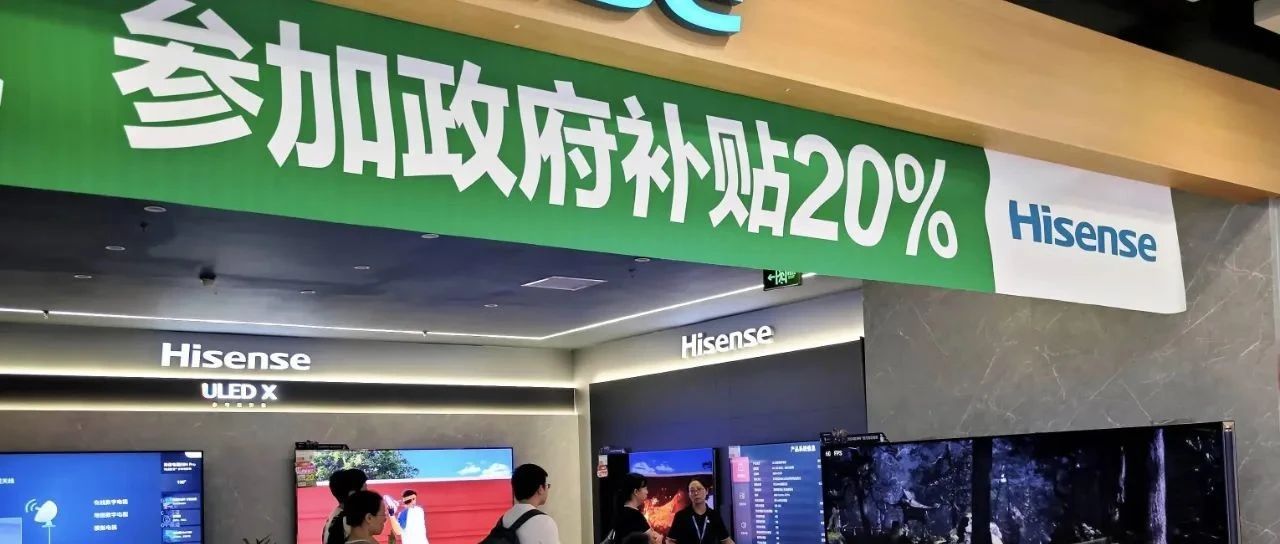
贝莱德基金:关税不确定性影响下 重点看好拉动内需等三大方向
Zhi Tong Cai Jing· 2025-06-06 00:55
Core Viewpoint - Global geopolitical tensions have eased as of May 2025, with the U.S. President agreeing to delay high tariffs on EU imports, leading to a recovery in risk appetite in A-shares and Hong Kong stocks [1] Market Overview - A-shares and Hong Kong markets continue a trend of upward volatility, with a significant recovery in risk appetite observed [1] - Market volatility has decreased, indicating a more stable investment environment [1] Investment Strategy - The company emphasizes the importance of assessing the earnings outlook of investment targets under cautious macro assumptions to support current valuation levels [1] - Focus on protecting against downside risks while seeking medium to long-term value re-evaluation opportunities [1] - Active monitoring of potential investment opportunities arising from market fluctuations [1] Investment Directions 1. **Domestic Demand-Driven Sectors**: - Focus on industries such as the internet, sportswear, food and beverage, and property services, which are characterized by strong cash flow and high dividends [1] 2. **Technology Innovation and Countermeasures**: - Target sectors include autonomous ERP, industrial software, artificial intelligence, robotics, low-altitude economy, and food and energy security, emphasizing foundational safety [1] 3. **Export Sectors with Competitive Advantages**: - Industries like home appliances, home furnishings, and textiles that combine domestic and international demand, as well as sectors with strong international comparative advantages, are prioritized [1] - The company believes that once tariff disputes are resolved, the competitive advantages of leading firms in these sectors will be validated, potentially enhancing long-term valuation [1]
王喆:拉动内需应回归收入基本面
news flash· 2025-06-03 01:49
Core Viewpoint - The current economic development faces multiple adverse factors, with increasing uncertainty in the external trade environment and internal challenges [1] Economic Indicators - Major macroeconomic indicators have significantly weakened at the beginning of the second quarter, indicating increased downward pressure on the economy [1] Policy Recommendations - The effectiveness of previous supportive consumption policies needs further evaluation, and follow-up measures should be introduced based on actual conditions [1] - To stimulate domestic demand, it is essential to return to the income fundamentals, implementing practical measures to improve the employment environment, enhance social security, increase disposable income for residents, and improve market expectations [1]
恒源煤电(600971)2025年一季报点评:量价齐跌拖累业绩 焦煤价格已触底
Xin Lang Cai Jing· 2025-05-22 08:26
Core Viewpoint - The company's coal production and sales volume declined in Q1 2025, primarily due to falling coal prices, leading to a significant drop in performance. It is anticipated that coking coal prices have bottomed out, presenting potential for upward movement in the future, while the power generation business is gradually expanding [1][2][3][4]. Financial Performance - In Q1 2025, the company reported total operating revenue of 1.179 billion yuan, a year-on-year decrease of 42.52%. The net profit attributable to shareholders was 27 million yuan, down 93.70% year-on-year [2]. - The company adjusted its earnings per share (EPS) forecasts for 2025-2027 to 0.58, 0.66, and 0.75 yuan, down from previous estimates of 0.64, 0.71, and 0.80 yuan [2]. - The average selling price of coal in Q1 2025 was 692 yuan per ton, a decrease of 325 yuan per ton year-on-year, while the sales cost remained stable at 561 yuan per ton, resulting in a gross profit of 130 yuan per ton, down 326 yuan per ton year-on-year [3]. Market Conditions - The average price of coking coal in Q1 2025 was 1,675 yuan per ton, down 615 yuan per ton year-on-year. In Q2 2025, it is expected to further decline by 235 yuan per ton to 1,439 yuan per ton due to ongoing market supply and demand issues [4]. - The company anticipates that policies to stimulate domestic demand may be introduced in the second half of 2025, which could boost downstream steel demand and potentially lead to a recovery in coking coal prices [4]. Business Expansion - The company has a relatively small installed capacity for thermal power generation at 66 MW and holds a 50% stake in the Qianyingzi Power Plant, which has an installed capacity of 2×350 MW for phase one and 1×1000 MW for phase two, with the latter connected to the grid on February 25, 2025. Additionally, it has a 21% stake in the Guoneng Suzhou Thermal Power Co., Ltd., which has an installed capacity of 2×350 MW [4].
