经济回暖

Search documents
【热点追踪】经济出现回暖 黄金高位震荡
Sou Hu Cai Jing· 2025-12-26 09:59
Economic Growth and Consumer Spending - The initial value of the annualized real GDP for the third quarter of 2025 in the U.S. is reported at 4.3%, a significant increase from the previous value of 3.8% [1] - Personal consumption expenditures contributed over half to the economic growth, with an annualized growth rate of 3.5%, up from 2.5% previously, boosting GDP growth by 2.4 percentage points compared to 1.7 percentage points before [3] - Government investment is also showing signs of recovery, contributing positively to the overall economic landscape [1][3] Monetary Policy and Market Impact - The Federal Reserve has cut interest rates by a total of 75 basis points since 2025, bringing the federal funds rate to a range of 3.5%-3.75%, which has positively impacted economic development [3] - Lower interest rates have reduced financing costs for businesses, enhancing their willingness to invest, particularly in technology and innovation sectors [3] - The decline in interest rates has also lowered mortgage and consumer credit costs, stimulating domestic consumption and market demand [3] Gold Market Dynamics - Recent trends show a significant increase in gold ETFs, with a notable addition of 12.02 tons on December 22 alone, indicating strong market demand for gold [5] - The price of gold has reached historical highs, surpassing $4500 per ounce internationally and 1000 yuan per gram domestically, although there are concerns about profit-taking and market liquidity during the holiday season [6] - The combination of seasonal demand and ongoing monetary easing by the Federal Reserve is expected to support gold prices, which are likely to remain in a high volatility range [6][7]


韩国戒严事件余波未平:“审判风暴”即将来临,经济缓过劲儿了吗
Di Yi Cai Jing· 2025-12-04 08:41
Economic Outlook - The Bank of Korea has raised its GDP growth forecasts for 2025 and 2026 to 1% and 1.8% respectively [1][6] - The economic growth rate for South Korea in 2024 is projected at 2%, which is below expectations [4] - The first quarter of this year saw a GDP contraction of 0.1%, marking the first decline since Q4 2020 [4] - The second quarter showed a GDP growth of 0.7% quarter-on-quarter, with a year-on-year growth rate expanding by 0.6 percentage points [5] Political Context - The political landscape in South Korea remains turbulent, with former President Yoon Suk-yeol facing multiple legal challenges, including charges of insurrection and obstruction of justice [2][3] - Public sentiment towards Yoon is notably negative, with a Gallup Korea poll indicating a 77% disapproval rating, making him the "worst former president in South Korean history" [2] - The political division in South Korea persists, with differing perceptions of the emergency martial law incident among supporters of various political parties [3] Sector Performance - The manufacturing sector showed resilience in Q2, with a 2.5% quarter-on-quarter growth, driven by the computer, electronics, and optical equipment industries [5] - The semiconductor and display industries continue to be key drivers of South Korea's export strength, with a 16.5% year-on-year output growth in Q3 [5][6] - The government's economic measures, including support for AI, biotechnology, and cultural industries, aim to stabilize the economy [5]
2500亿房贷增量!9月楼市的这个信号,不可忽视
Sou Hu Cai Jing· 2025-10-18 02:56
Core Insights - The significant increase in long-term loans for households in September, amounting to 250 billion yuan, indicates a notable recovery in the housing market after a prolonged period of stagnation [1][3][5] Policy Impact - The surge in loans is attributed to policy measures such as interest subsidies for personal consumption loans and adjustments in housing purchase restrictions in major cities like Beijing and Shanghai, which have stimulated demand [3][5] - The average interest rate for new personal housing loans in September was approximately 3.1%, a decrease of 25 basis points compared to the same period last year, further encouraging borrowing [3][5] Market Dynamics - The overall financial data for September showed a clear trend of recovery, with total RMB loans increasing by 1.29 trillion yuan, more than doubling from August, indicating a broader resurgence in both household and corporate loan demand [5][10] - The increase in long-term loans for enterprises, which rose by 910 billion yuan in September, reflects a growing confidence in future investments [5][8] Seasonal Factors - Analysts note that the improvement in the housing market data for September may be influenced by seasonal factors, as this period typically sees increased sales activity, and the low base from the previous year also contributes to the apparent growth [7][8] Market Segmentation - The real estate market is experiencing a bifurcation, with first-tier and hot second-tier cities showing rapid activity, while many third- and fourth-tier cities continue to struggle with high inventory and insufficient demand [8][10] - The growth in housing loans is primarily concentrated in core cities with ongoing population inflow and industrial support, indicating a shift in market dynamics [8][10] Economic Indicators - The increase in the narrow money supply (M1) by 7.2% year-on-year in September suggests enhanced short-term transaction willingness among businesses and residents, aligning with the trends observed in housing and corporate loans [10]

宏观经济宏观周报:高频指标继续提示经济回暖-20250928
Guoxin Securities· 2025-09-28 13:55
Economic Growth Indicators - The Guosen High-Frequency Macro Diffusion Index A remains positive, while Index B shows a significant increase, indicating continued economic recovery[1] - The seasonal comparison shows Index B standardized increased by 0.43, significantly above historical averages, suggesting ongoing domestic economic growth momentum[1] - Investment and real estate sectors are performing well, while consumer sector conditions remain relatively stable[12] Price Trends - Food prices are expected to rise by approximately 1.5% month-on-month in September, while non-food prices are projected to remain flat, leading to an overall CPI increase of about 0.3%[13] - The PPI is anticipated to decline by around 0.1% month-on-month, with a year-on-year forecast recovery to -2.4% due to a low base effect[13] Asset Price Predictions - Current domestic interest rates are low, and the Shanghai Composite Index is high; predictions indicate a rise in the ten-year government bond yield and a decline in the Shanghai Composite Index for the week of October 3, 2025[1][19] - The predicted ten-year government bond yield for the week of September 26, 2025, is 2.32%, while the actual yield is 1.88%, indicating a significant deviation[19]
历史上白酒如何走出调整期
2025-09-26 02:29
Summary of the White Liquor Industry Conference Call Industry Overview - The white liquor industry has experienced several adjustment cycles over the past 30 years, influenced by various economic and policy factors [2][9]. Key Points and Arguments 1. **Historical Adjustment Cycles**: - The industry faced four major adjustment periods: - 1999-2003 due to the Asian financial crisis and deflation - 2008-2009 due to the global financial crisis, with economic growth dropping from 14.2% in 2007 to single digits - 2012-2015 impacted by "Three Public Consumption" restrictions and the liquor plasticizer incident, leading to over 40% reduction in mid-to-high-end demand - 2018 faced challenges from trade wars and deleveraging policies [2][3] 2. **Recovery from the 2008-2009 Financial Crisis**: - The recovery was primarily driven by policy catalysts that stimulated economic growth, with a notable 100% increase in the white liquor index from November 2008 to August 2009 [3][4]. 3. **Comparison of Past and Current Conditions**: - The current macroeconomic environment in 2025 differs significantly from historical periods, making direct comparisons inappropriate. The second quarter of 2025 showed signs of inventory clearance and potential bottoming out [3][6]. 4. **Investment Opportunities**: - The industry is currently in a phase of inventory reduction, with expectations of reaching a bottom by the end of 2025. Investors are advised to monitor macroeconomic policies, inventory changes, and improvements in company fundamentals [3][11]. 5. **Impact of External Factors**: - The 2018 trade war and deleveraging led to economic pressures, but timely fiscal policies restored market confidence, leading to a new bull market starting in 2019 [5][6]. 6. **Performance in Early 2019**: - In early 2019, credit data exceeded expectations, and the consumption environment improved, contributing to a significant rise in the white liquor index, which nearly doubled despite no substantial improvement in earnings [7][8]. 7. **Cyclical Characteristics**: - The white liquor industry is characterized as a cyclical sector, with recoveries dependent on overall economic conditions. Historical policy shifts often signal upcoming economic turning points [9][10]. 8. **Stock Price and Earnings Relationship**: - Stock price recoveries typically precede earnings recoveries, suggesting that investors should focus on macroeconomic indicators rather than waiting for actual sales data to make investment decisions [10]. 9. **Current Market Sentiment**: - The industry is currently in a phase of both report and channel inventory reduction, with potential buying opportunities emerging. However, the overall sales situation remains weak, necessitating close monitoring of key sales periods such as the Mid-Autumn Festival and the 2026 Spring Festival [11][12].
A股上涨有可能带动经济回暖吗?
Hu Xiu· 2025-09-23 03:05
Core Viewpoint - The recent surge in A-share trading volume, consistently exceeding 2 trillion, indicates a significant increase in market activity, raising questions about the potential impact on economic recovery if the stock market continues to rise [1] Group 1 - A-share trading volume has recently surpassed 2 trillion, reflecting heightened market activity [1] - The ongoing increase in stock prices may accelerate economic recovery [1] - The concept of "water buffalo" is mentioned as a metaphor for understanding its influence on the economy [1]
经济热力图:消费有所回暖
CMS· 2025-08-26 03:34
1. Report Industry Investment Rating There is no information about the industry investment rating in the provided content. 2. Core View of the Report The report indicates that consumption is showing signs of recovery, while different sectors of the economy are experiencing varying trends. The weekly economic index has rebounded, with both production and demand sub - indices rising. However, there are also areas of decline, such as in real estate sales and some export price indicators [1]. 3. Summary by Relevant Catalogs 3.1 Weekly Economic Index - The China Weekly Economic Index (WEI) last week was 6.9%, a 0.1 - percentage - point increase from the previous value. The WEI production sub - index was 7.9%, up 0.1 percentage points, and the WEI demand sub - index was 5.7%, up 0.2 percentage points. The supply - demand gap was - 2.2%, up 0.1 percentage points [1]. 3.2 Production - The 4 - week moving average year - on - year of rebar production last week was 25.1%, a 9.7 - percentage - point increase. The blast furnace operating rate was 83.3%, down 0.3 percentage points, and the automobile semi - steel tire operating rate was 73.1%, up 1.0 percentage point [1]. 3.3 Infrastructure - The cement shipment rate last week was 39.8%, down 0.3 percentage points. The cement mill operating rate was 37.9%, up 0.3 percentage points, and the petroleum asphalt plant operating rate was 30.7%, down 2.2 percentage points [1]. 3.4 Real Estate - The 4 - week moving average year - on - year of the commercial housing sales area in 30 large and medium - sized cities last week was - 14.3%, a 1.9 - percentage - point decline. The 4 - week moving average year - on - year of the land occupation area of land transactions in 100 large - and medium - sized cities was - 13.0%, a 11.0 - percentage - point decline [1]. 3.5 Consumption - The year - on - year of the daily average retail sales of passenger cars last week was 8.0%, a 12.0 - percentage - point increase. The 4 - week moving average year - on - year of movie box office was 45.6%, up 18.5 percentage points. The 4 - week moving average year - on - year of domestic flight execution numbers was 1.4%, up 0.3 percentage points, and the 4 - week moving average year - on - year of subway passenger volume in Beijing, Shanghai, Guangzhou, and Shenzhen was 2.0%, up 1.4 percentage points [2]. 3.6 Export - South Korea's export year - on - year in mid - August was 18.0%, a 22.3 - percentage - point increase from the first ten - day period. The 4 - week moving average year - on - year of the Shanghai Export Container Freight Index (SCFI) last week was - 54.4%, down 0.2 percentage points, and the 4 - week moving average year - on - year of the Baltic Dry Index (BDI) was 17.6%, down 0.9 percentage points [2]. 3.7 CPI - The 4 - week moving average year - on - year of the agricultural product wholesale price 200 index last week was - 9.2%, a 2.0 - percentage - point decline. The 4 - week moving average year - on - year of the average wholesale price of pork was - 23.3%, down 2.4 percentage points, and the 4 - week moving average year - on - year of the average wholesale price of 28 key monitored vegetables was - 18.1%, down 2.6 percentage points [2]. 3.8 PPI - The 4 - week moving average year - on - year of the Nanhua Composite Index last week was 3.5%, a 0.7 - percentage - point increase. The 4 - week moving average year - on - year of the Brent crude oil spot price was - 14.4%, down 0.2 percentage points. The 4 - week moving average year - on - year of the rebar price was 2.5%, up 1.1 percentage points. The 4 - week moving average year - on - year of the Qinhuangdao Port steam coal closing price was - 19.0%, up 2.1 percentage points, and the 4 - week moving average year - on - year of the cement price index was - 10.1%, up 0.4 percentage points [3].
7月M2-M1剪刀差明显收窄,资金循环效率提高,经济回暖提升
第一财经· 2025-08-13 12:55
Core Viewpoint - The latest data from the central bank shows that as of the end of July, the broad money supply (M2) reached 329.94 trillion yuan, with a year-on-year growth of 8.8%, while the narrow money supply (M1) was 111.06 trillion yuan, growing by 5.6%. The narrowing gap between M2 and M1 indicates an improvement in the liquidity of funds and the efficiency of circulation, reflecting effective market stabilization policies and a recovery in economic activities [3][4]. Group 1 - As of the end of July, M2 balance was 329.94 trillion yuan, with a year-on-year growth of 8.8% [3] - M1 balance was 111.06 trillion yuan, with a year-on-year growth of 5.6% [3] - The difference in growth rates between M2 and M1 is 3.2%, significantly narrowed compared to the high point in September of the previous year [3] Group 2 - The new statistical criteria for M1 were implemented in January, showing a comparable M1 growth rate of -3.3% as of September 2024 [3] - The narrowing M2-M1 gap reflects enhanced fund activation and improved circulation efficiency, aligning with the trend of economic recovery [4] - M1 primarily represents the operating funds of enterprises, with large enterprises focusing on fund efficiency, while small and medium-sized enterprises tend to retain more liquid funds due to weaker financing capabilities [4][5]
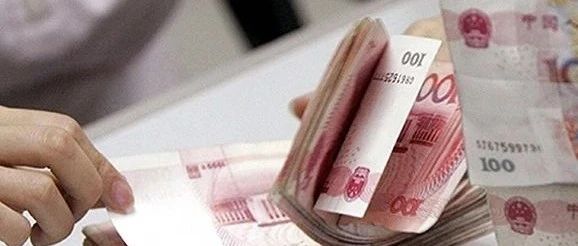
稳增长政策发力 首季经济回暖预期增强
Xin Hua Wang· 2025-08-12 06:30
Group 1: Economic Recovery Indicators - The National Bureau of Statistics is set to release major macroeconomic data for January-February, with multiple institutions predicting an economic rebound due to growth stabilization policies [1] - Industrial production is gradually recovering, with a projected year-on-year increase of 5.5% in industrial added value for January-February [1][2] - Fixed asset investment is expected to grow by 11% year-on-year in January-February, with manufacturing investment increasing by 24.5% and infrastructure investment (excluding power, heat, gas, and water supply) rising by 7.0% [2] Group 2: Investment and Policy Impacts - The approval of fixed asset investment projects has accelerated significantly this year, with major projects starting earlier, supported by front-loaded fiscal measures [2] - The Purchasing Managers' Index (PMI) for February indicates strong manufacturing investment, driven by improved profitability in the previous year, robust exports, and continued credit support for the manufacturing sector [2] - The civil engineering PMI rose by 8.9 percentage points to 58.6%, indicating a continued recovery in infrastructure investment, with a projected cumulative growth rate of 7.5% for January-February [3]
3600点拉锯战!历史重演还是剧本改写?这三大信号定胜负
Sou Hu Cai Jing· 2025-07-28 05:50
Market Overview - The 3600-point level in the A-share market is a psychological barrier for investors, with mixed sentiments about whether it represents a danger or a starting point for growth [3][4] - Historical context shows that the A-share market has struggled at this level in the past, with significant fluctuations observed in 2021 and 2023 [3] Valuation Changes - Current valuations differ significantly from previous years; for instance, the price-to-earnings (P/E) ratio for leading sectors like liquor and new energy has decreased, while sectors like AI and robotics have gained traction [3] - The P/E ratio for liquor has dropped to around 30 times, and for leading new energy battery companies, it is approximately 25 times, indicating a shift in market sentiment and valuation [3] Fund Flow Analysis - Recent fund flows indicate a strategic shift, with northbound funds net buying 8.7 billion yuan, primarily in consumer electronics and medical devices, which are linked to economic recovery [4] - Institutional investors are reducing positions in high-valued AI stocks while increasing investments in undervalued sectors like traditional Chinese medicine and electrical equipment [4] Economic Indicators - The Purchasing Managers' Index (PMI) has returned to the expansion zone, and while overall industrial profits are declining, profits in the equipment manufacturing sector have increased by 7%, particularly in robotics and lithium battery segments [4] - The solar energy sector has seen a 23% increase in export volume, with many component manufacturers ramping up production in overseas factories, reflecting strong fundamentals [4] Investment Strategy - Long-term investors are advised to focus on company fundamentals rather than short-term market fluctuations, emphasizing the importance of cash flow and stable dividends [5][6] - The current market environment suggests that investors should consider reducing positions in overvalued stocks while holding onto those with solid performance metrics [6]