
就业

Search documents
鲍威尔“加入”鸽派阵营 金价突破3370关口
Sou Hu Cai Jing· 2025-08-24 00:43
Core Viewpoint - The recent comments from Federal Reserve Chairman Jerome Powell indicate a dovish stance, suggesting a potential interest rate cut of 25 basis points in the upcoming September meeting due to changing economic risks [1][2] Group 1: Market Reactions - Spot gold prices experienced a rebound after hitting a low of $3321, closing at $3371, reflecting a significant daily gain [1] - The U.S. dollar index fell nearly 1%, making gold cheaper for buyers holding other currencies [1] - The market has fully priced in the expectation of a rate cut at the next monetary policy meeting, with further cuts anticipated by the end of the year [2] Group 2: Economic Indicators - Powell acknowledged the clear impact of the trade war on consumer prices but suggested it may be a one-time shock that the central bank can overlook [1] - He noted that while inflation faces upward risks, the labor market is not particularly tight, indicating a challenging economic environment [1] Group 3: Technical Analysis - Gold prices found short-term support around $3325, with the 100-day moving average serving as a key defense level [3] - A drop below the recent low of $3311 could accelerate declines towards $3300 or even $3270-3265, marking the lower boundary of a three-month trading range [3] - Resistance is noted in the $3348-3350 range, with a breakthrough potentially triggering short covering and pushing prices towards $3375 and beyond [3]
鲍威尔放鸽,为降息敞开大门
Hu Xiu· 2025-08-23 01:05
Core Viewpoint - Federal Reserve Chairman Jerome Powell's speech at the Jackson Hole Economic Symposium indicates an increasing downside risk to employment, suggesting a potential need for interest rate cuts [1][2][4]. Economic Conditions and Short-term Outlook - Powell noted that the risk balance regarding the Fed's dual mandate of employment and inflation seems to be shifting, with stable labor market indicators allowing for cautious consideration of policy adjustments [2][10]. - The current economic situation shows a peculiar balance in the labor market due to significant slowdowns in both labor supply and demand, leading to increased downside risks for employment [15][16]. - The GDP growth rate has slowed to 1.2% in the first half of the year, reflecting a decrease in consumer spending, which is a concern for economic stability [16]. Inflation and Tariff Impact - Powell stated that short-term inflation risks are tilted upward, while employment risks are tilted downward, creating a challenging scenario for monetary policy [3][20]. - The impact of tariffs is expected to lead to a one-time increase in price levels, but the full effects will take time to manifest in the economy [2][16]. - The core PCE price index rose by 2.9% year-on-year, indicating persistent inflation pressures despite a general decline from pandemic highs [16]. Monetary Policy Framework Adjustments - The Fed's new policy framework has removed references to achieving an average inflation target of 2% over time and the reliance on deviations from full employment as a decision-making basis [3][20]. - Powell emphasized that monetary policy is not on a preset path and will be adjusted based on data and the evolving economic outlook [21][30]. - The revised consensus statement aims to ensure the framework is applicable under various economic conditions and reflects a deeper understanding of economic dynamics [22][26]. Labor Market Dynamics - The labor market has shown signs of slowing, with job growth averaging only 35,000 per month over the past three months, significantly below the expected 168,000 for 2024 [12][15]. - The unemployment rate has slightly increased to 4.2%, remaining historically low, but other labor market indicators have shown minimal changes [13][14]. - A significant reduction in immigration has contributed to a slowdown in labor supply growth, impacting the overall labor market dynamics [14][15].
X @外汇交易员
外汇交易员· 2025-08-22 22:27
Market Expectations & Policy Stance - The market interprets Fed Chair Powell's remarks as a shift in policy focus from "controlling inflation" to "protecting employment" [1] - Market participants have increased bets on a September rate cut by the Federal Reserve, with the probability rising from 65% to 85% [1] - The market has fully priced in expectations for two rate cuts by the end of the year [1] Market Reaction - US stocks experienced a broad rally, with the S&P 500 rising by over 150 basis points (1.5%), ending a five-day losing streak [1]
深夜,全线爆发!鲍威尔,重磅发声!
证券时报· 2025-08-22 15:38
Group 1: Economic Outlook - The current U.S. economy remains resilient, with the labor market nearing full employment, but inflation is still high despite a decline from pandemic peaks. GDP growth is expected to slow from 2.5% in the same period last year to 1.2% in the first half of 2025, facing structural challenges from tariffs and immigration policies [1][6] - Powell emphasized that the labor market is in a "special balance" state, where both labor supply and demand are cooling, leading to a significant decrease in the threshold for new job creation needed to maintain stable unemployment rates. However, this balance is fragile, and the risk of rising unemployment is increasing [6] Group 2: Monetary Policy - The short-term monetary policy is characterized by a "cautious approach," with the policy interest rate now closer to neutral levels, approximately 100 basis points higher than a year ago, and within a restrictive range. The need to balance inflationary pressures and employment risks is highlighted [1][6][7] - Powell stated that the Federal Reserve's monetary policy has no preset path and will be entirely data-driven, based on economic data, outlook, and risk balance [7] Group 3: Monetary Policy Framework Assessment - The Federal Reserve's dual mandate of "maximum employment + stable prices" remains unchanged, with the framework originating from a 2012 consensus statement. The framework was first revised in 2020 and is set for another review in 2025 [9] - The adjustment of the monetary policy framework is attributed to significant changes in the economic environment, particularly the unprecedented inflation post-COVID-19, which deviated from the low inflation and effective lower bound (ELB) constraints anticipated in 2020 [9][10] - The revised framework maintains a long-term inflation target of 2%, deemed low enough not to impact household and business decisions while allowing for counter-cyclical policy adjustments. However, no specific numerical target for "maximum employment" is set due to its measurement challenges [10]


鲍威尔杰克逊霍尔放鸽!强调就业风险,暗示可能因此需要降息
华尔街见闻· 2025-08-22 15:08
Core Viewpoint - Federal Reserve Chairman Jerome Powell indicated that the current economic situation suggests an increase in downside risks to employment, which may necessitate interest rate cuts [1][2][4]. Economic Conditions and Outlook - The U.S. economy has shown resilience amid significant policy changes, with the labor market close to maximum employment and inflation having decreased significantly from pandemic highs [5][6]. - Powell noted that while the labor market appears balanced, it is a "peculiar balance" due to a significant slowdown in both labor supply and demand, indicating rising downside risks to employment [3][8]. - GDP growth has slowed to 1.2% in the first half of the year, reflecting a decrease in consumer spending [8]. Labor Market Insights - Recent employment reports show a slowdown in job growth, averaging only 35,000 jobs per month over the past three months, significantly lower than the projected 168,000 jobs per month for 2024 [7][8]. - Despite a slight increase in the unemployment rate to 4.2%, it remains historically low, with other labor market indicators showing little change [7][8]. Inflation Dynamics - Powell highlighted that short-term inflation risks are tilted upward, while employment risks are tilted downward, creating a challenging scenario for monetary policy [4][10]. - The impact of tariffs on inflation is becoming evident, with the PCE price index rising by 2.6% over the past year, and core PCE prices increasing by 2.9% [8][9]. - There is uncertainty regarding whether the price increases from tariffs will lead to sustained inflation, although long-term inflation expectations remain stable [9][10]. Monetary Policy Implications - The current policy rate is closer to neutral, allowing for cautious consideration of policy adjustments based on evolving economic data and risk assessments [10][11]. - The Federal Reserve's framework emphasizes the dual mandate of promoting maximum employment and stable prices, with recent revisions aimed at enhancing transparency and accountability [11][15]. Framework Review and Adjustments - The review of the monetary policy framework reflects changes in economic conditions over the past five years, acknowledging the need for flexibility in response to evolving challenges [15][19]. - Key changes include the removal of language emphasizing the effective lower bound (ELB) as a defining characteristic of the economic environment, and a return to a flexible inflation target framework [16][17]. - The revised consensus statement aims to clarify the approach to balancing employment and inflation targets during periods of conflict [18][19].
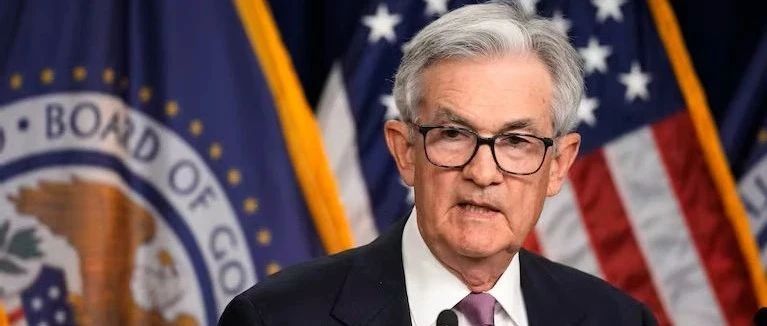
美联储:担忧通胀甚于就业
Zheng Quan Ri Bao· 2025-08-21 23:41
Group 1 - The core viewpoint of the articles indicates that the majority of Federal Reserve officials are more concerned about inflation risks than employment market issues, suggesting a hawkish policy stance [1] - The Federal Reserve maintained interest rates in July for the fifth consecutive time, with a voting outcome of 9 in favor and 2 against, marking the first instance since late 1993 where two officials opposed the rate decision [1] - The minutes reveal that most officials believe inflation risks are greater, while some see a balance between inflation and employment risks, and a minority view employment risks as more severe [1] Group 2 - Since August, expectations for a Federal Reserve rate cut have frequently adjusted, with initial concerns about high rates impacting the economy leading to increased expectations for a quick rate cut [2] - Recent inflation data, including the Producer Price Index (PPI), showed unexpected increases, leading to a tightening of rate cut expectations [2] - As of August 21, market expectations for a 25 basis point rate cut in September were at 81.2%, down from 92.1% a week prior, indicating a shift in sentiment [2]
美联储会议纪要曝光,英伟达超万亿美元一夜蒸发,特朗普又出损招?
Sou Hu Cai Jing· 2025-08-21 23:33
Group 1: Market Reaction - The release of a hawkish Federal Reserve meeting minutes triggered panic in the financial markets, leading to a loss of up to $1 trillion in market value for the S&P 500 index within four days [1] - The technology sector was particularly hard hit, with Nvidia experiencing a single-day drop of 4%, resulting in a market value loss exceeding 1.1 trillion RMB [1][5] - The Nasdaq index fell sharply for two consecutive days, while the dollar depreciated and gold surged by $30, indicating a flight to safety [3] Group 2: Federal Reserve Internal Conflict - The July meeting minutes revealed significant internal divisions within the Federal Reserve, with only two out of 19 participants supporting a rate cut, marking a rare occurrence since 1993 [2] - Most officials expressed concerns that inflation risks outweighed employment risks, particularly warning about the long-term impact of the Trump administration's tariff policies on consumer prices [2] Group 3: Technology Sector Challenges - The technology sector faced severe sell-offs, with Palantir experiencing a six-day decline and losing nearly 24% from its peak, while Intel's stock dropped by 7% due to sudden changes in chip subsidy policies [5] - A report from MIT indicated that 95% of companies' investments in artificial intelligence (AI) have not translated into actual profits, raising concerns about a potential bubble in AI stocks [5] - Howard Marks from Oaktree Capital stated that the U.S. stock market is in the early stages of a bubble, with valuations reminiscent of the 1999 tech boom [5] Group 4: Economic Indicators - The Producer Price Index (PPI) surged by 0.9% month-over-month in July, with core inflation reaching a five-month high, indicating persistent inflationary pressures [8] - The Labor Department revised down job creation figures for May and July by over 250,000, while the unemployment rate rose to 4.2% [8] - The Federal Reserve acknowledged three financial vulnerabilities: insufficient liquidity in U.S. Treasuries, unrealized losses in banks, and the threat of stablecoin expansion to monetary policy transmission [12]

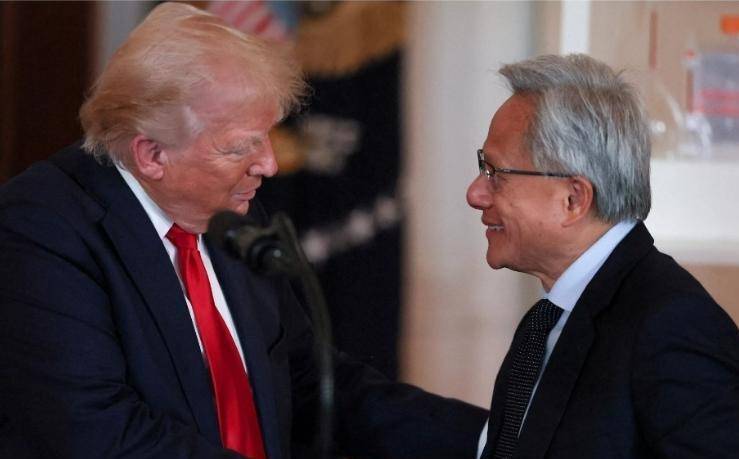
美联储鹰派决议背后:担忧通胀甚于就业 政治压力加剧困境
Sou Hu Cai Jing· 2025-08-21 23:15
Group 1 - The core viewpoint of the articles indicates that the Federal Reserve is facing significant uncertainty regarding the economic outlook, with a prevailing cautious sentiment among its members [1][2][9] - The FOMC meeting minutes from July 29-30 reveal that most officials prioritize inflation risks over employment concerns, with only two dissenting votes advocating for a rate cut [4][7] - The consumer price index (CPI) for July showed a year-on-year increase of 2.7%, while the core CPI rose to 3.1%, exceeding the Fed's 2% target, indicating persistent inflationary pressures [4][5] Group 2 - The political pressure from the White House, particularly from President Trump, is intensifying, with calls for the resignation of Fed officials who oppose his economic policies [1][9] - The Fed's decision-making environment is becoming more complex and politicized, although its independence is expected to remain intact in the short term [9][10] - Market expectations for a rate cut in September have risen significantly, with an 82% probability indicated by the CME FedWatch Tool, despite the Fed's cautious stance on inflation [6][8]

美联储重磅预告,全球市场要变天了
Sou Hu Cai Jing· 2025-08-21 13:37
Core Viewpoint - The Federal Reserve Chairman Jerome Powell is set to announce a new monetary policy framework aimed at addressing the current high inflation environment and redefining the balance between price stability and employment promotion [1][2]. Inflation and Employment Market Changes - Since 2020, the global economy has faced unprecedented shocks, leading the Federal Reserve to adopt a more accommodative monetary policy framework focused on ensuring broad and inclusive employment growth before inflation concerns [2]. - The post-pandemic economic recovery has not been smooth, resulting in the highest inflation rates in decades, which has forced the Federal Reserve to reassess its policy objectives [2]. - Currently, the inflation rate in the U.S. has reached its highest level in 40 years, significantly impacting the lives of ordinary citizens and presenting challenges for businesses [2]. Key Content of the New Framework - The new framework is expected to prioritize inflation control, indicating that the Federal Reserve will closely monitor inflation data and may implement stricter monetary policy measures if necessary [3]. - The framework will not completely abandon the "inclusive employment" concept from 2020 but will aim to promote healthy employment growth based on inflation control [3]. - The new framework may revert to a "classic inflation targeting" approach, directly focusing on a 2% inflation target, which could enhance policy transparency and predictability, thereby boosting market confidence [3]. Impact of Policy Adjustments - The announcement of the new framework is likely to have profound effects on financial markets, with a significant reduction in the likelihood of interest rate cuts in the short term, potentially affecting bond and stock market performance [4]. - The implementation of the new framework may influence the prices of safe-haven assets like gold, as high inflation typically drives demand for gold as a hedge, but successful inflation control could lead to decreased demand and lower prices [4]. - The new framework will also impact the international monetary system, as the Federal Reserve's policy moves are closely monitored by other central banks, potentially prompting them to adjust their monetary policies in response to high inflation and employment challenges [4].
美联储鹰派决议背后:担忧通胀甚于就业,政治压力加剧困境
2 1 Shi Ji Jing Ji Bao Dao· 2025-08-21 12:53
Core Viewpoint - The Federal Reserve is facing significant uncertainty regarding the U.S. economic outlook, with a prevailing cautious sentiment among its officials, particularly concerning inflation risks over employment concerns [1][6]. Economic Indicators - The U.S. Consumer Price Index (CPI) rose by 2.7% year-on-year in July, maintaining the same growth rate as June. The core CPI, excluding volatile food and energy prices, increased by 3.1%, up from 2.9% in June, significantly above the Fed's 2% target [2][4]. - The July non-farm employment data was notably weaker than expected, and previous months' data were revised downwards, which undermined the Fed's stance on not lowering interest rates [4][5]. Federal Reserve's Stance - The July FOMC meeting minutes indicated that most officials preferred to maintain the federal funds rate target range at 4.25% to 4.50%, with only two dissenting votes advocating for a rate cut [1][5]. - The Fed's focus remains on controlling inflation, with officials expressing concerns that tariff policies could lead to prolonged inflationary pressures [2][6]. Market Expectations - Market expectations for a rate cut in September have increased, with approximately 82% probability according to CME FedWatch Tool, despite a slight decline from previous levels [4][6]. - The internal division within the Fed between hawkish and dovish views is evident, with a significant number of officials remaining cautious about inflation risks [5][6]. Political Pressure - The White House, particularly President Trump, has been exerting pressure on the Fed, calling for the resignation of certain officials and pushing for a more accommodative monetary policy [1][7]. - Despite political pressures, the Fed's decision-making is expected to remain primarily data-driven, with its independence likely to endure in the short term [7].