
流动性宽松

Search documents
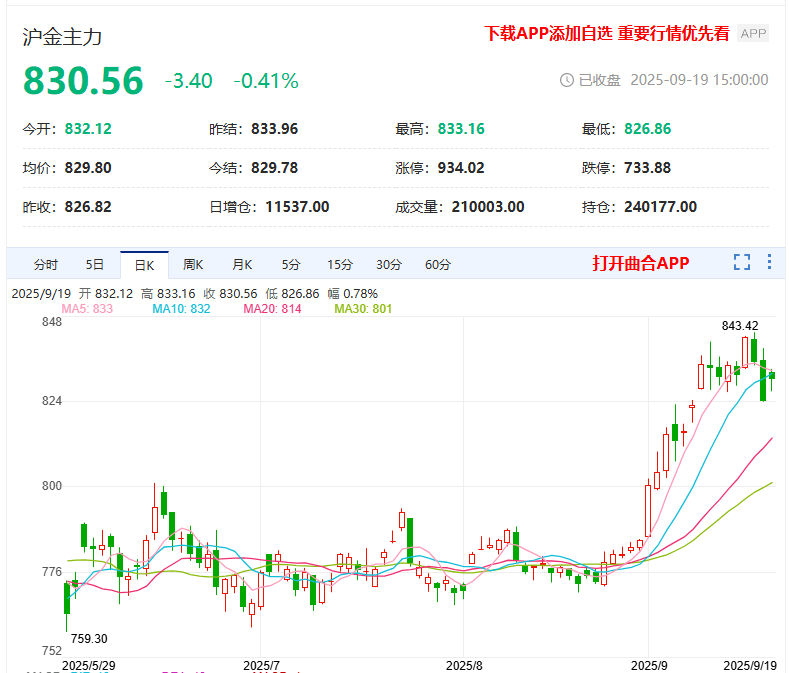
黄金短期下跌 长期仍涨
Sou Hu Cai Jing· 2025-09-19 07:56
Group 1 - The Trump administration requests the U.S. Supreme Court to allow the dismissal of Federal Reserve Governor Cook, indicating potential political influence on monetary policy [1] - Trump expresses disappointment in Putin and emphasizes the need to further lower oil prices, which may impact energy markets and geopolitical dynamics [1] Group 2 - Nvidia invests $5 billion in Intel to collaborate on developing PC and data center chips, signaling a strategic partnership in the semiconductor industry [2] - This investment highlights the competitive landscape in the chip market, where collaboration may be essential for innovation and market share [2] Group 3 - Elon Musk's "Giant Hard Plan" reveals new actions to build a computing cluster from scratch, completing in 6 months what OpenAI and Oracle took 15 months to achieve, showcasing advancements in AI and computing capabilities [3] - This rapid development could disrupt existing timelines in the tech industry and enhance competitive positioning for Musk's ventures [3] Group 4 - The U.S. continues to ease digital asset regulations, with the SEC significantly lowering the application threshold for "digital coin ETFs," which may encourage more investment in cryptocurrencies [4] - This regulatory shift could lead to increased market participation and innovation in the digital asset space [4] Group 5 - The number of initial jobless claims in the U.S. fell significantly to 231,000, a decrease of 32,000 from the previous week, marking the largest drop in nearly four years [5] - The decline in jobless claims may influence precious metals markets, as weaker employment data and expectations of liquidity easing could support gold and silver prices [5] - Despite the short-term benefits already priced in for gold, ongoing employment decline and inflationary pressures may provide continued support for precious metals [5]

美联储降息靴子落地!如何影响大类资产?资金用脚投票,坚定涌入这三大方向!
Sou Hu Cai Jing· 2025-09-18 06:04
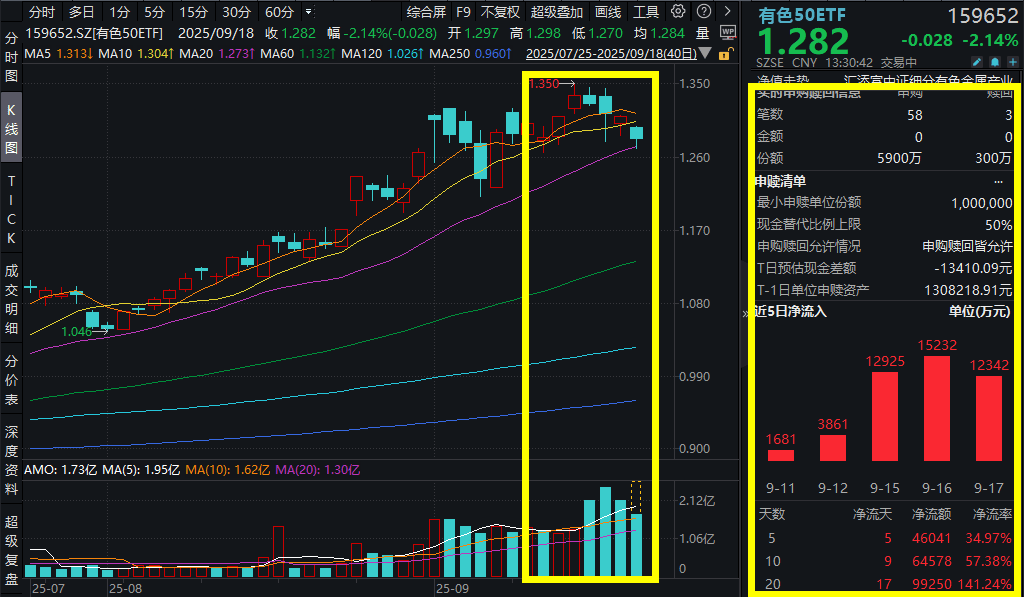
Group 1: Federal Reserve Rate Cut - The Federal Reserve has cut interest rates by 25 basis points, marking its first rate cut in nine months since December of the previous year [1] - This rate cut is viewed as a "preventive rate cut" aimed at stimulating economic activity and supporting the job market while mitigating the risk of a hard landing for the U.S. economy [1][2] - Analysts note that the Fed's decision reflects a balance between addressing employment concerns and managing inflation, with employment risks taking precedence over inflation worries [1] Group 2: Impact on Asset Classes - The rate cut is expected to lower financing costs and enhance liquidity, leading to a depreciation of the U.S. dollar, which could benefit commodities like gold and copper [1] - Emerging markets, particularly A-shares, are anticipated to strengthen as a result of the rate cut [1] - Long-term interest rates are likely to decline, benefiting growth sectors and interest-sensitive industries such as technology stocks in Hong Kong and the STAR Market [1] Group 3: Commodity Market Outlook - The rate cut is expected to improve macroeconomic growth expectations, leading to a potential rebound in industrial commodities [2][4] - Precious metals like gold are projected to experience price resilience due to their anti-inflation properties, despite a short-term price correction following the rate cut [5] - Industrial metals such as copper and aluminum are expected to show strong performance due to their financial attributes being enhanced in a depreciating dollar environment [5] Group 4: Investment Trends in the Metal Sector - The market is seeing significant inflows into the Nonferrous 50 ETF (159652), driven by expectations of a bullish trend in the nonferrous metal sector due to overseas inflation [3] - The demand for nonferrous metals is anticipated to rise as economic growth expectations improve, further pushing up prices [4] - Despite a short-term pullback in the Nonferrous 50 ETF following the rate cut, there remains strong investor confidence in the long-term value of the sector, with substantial net subscriptions recorded [5][9] Group 5: Hong Kong Market Response - The Hong Kong stock market is expected to benefit from the Fed's rate cut, with historical data showing positive short-term effects on the market following previous rate cuts [10] - Growth sectors such as technology, consumer discretionary, and pharmaceuticals are likely to see positive impacts in the short term, with potential for foreign capital inflows if synchronized monetary easing occurs [10] - The Hong Kong Technology 30 ETF (520980) has attracted significant investment, reflecting strong market interest in top technology assets amid the AI wave [11][13]
美联储降息,A股有何影响?
Sou Hu Cai Jing· 2025-09-18 04:49
Group 1 - The Federal Reserve has officially lowered the federal funds rate by 25 basis points to a target range of 4.00% to 4.25%, marking the beginning of a new rate-cutting cycle [2][3] - The U.S. stock market reacted relatively calmly to the news, with the Dow Jones rising while the Nasdaq and S&P 500 experienced declines, indicating that the news was largely anticipated by the market [2] - The Fed's forecast suggests an additional 50 basis points cut by the end of the year and further cuts of 25 basis points annually over the next two years, which is expected to boost overall market risk appetite and stock valuations [2][3] Group 2 - The Fed's rate cut may create more room for similar actions in other economies, particularly in China, where monetary policy has been relatively restrained this year [3] - A potential new round of rate cuts and reserve requirement reductions in China could lead to increased liquidity in the market, making the stock market an attractive investment destination [3] - As U.S. dollar asset yields decline due to the Fed's actions, international investors may seek higher returns in markets like A-shares, which are showing steady growth [5]
银河期货贵金属衍生品日报-20250917
Yin He Qi Huo· 2025-09-17 10:37
大宗商品研究所 贵金属研发报告 贵金属衍生品日报 2025 年 9 月 17 日 研究所副所长:车红云 期货从业证号:F03088215 投资咨询号:Z0017510 研究员:王露晨 CFA 期货从业证号:F03110758 投资咨询号:Z0021675 联系方式: 上海:021-65789219 北京:010-68569781 邮箱: wangluchen_qh@chinastock.co m.cn 贵金属衍生品日报 【市场回顾】 1.贵金属市场: 今天白天,贵金属部分多头在 FOMC 会议结果即将公布之际 获利了结,出现跳水。伦敦金当前回落至 3665 美元附近; 伦敦当前回落至 41.6 美 元附近。受外盘驱动,沪金最终收跌 0.36%,报 835.08 元/克; 沪银主力合约最终 收涨 1.77%,报 9906 元/千克。 2.美元指数: 美元指数小幅反弹,当前交投于 96.8 附近。 3.美债收益率:10 年美债收益率低位盘整,当前交投于 4.04%附近。 4.人民币汇率:人民币兑美元再度走强,当前交投于 7.1055 附近。 1 / 8 【重要资讯】 大宗商品研究所 贵金属研发报告 场博弈聚焦于交 ...
港股创新药板块延续调整,政策与出海双轮助力,关注恒生创新药ETF(520500)等产品补涨修复机遇
Xin Lang Ji Jin· 2025-09-17 06:21
近期,伴随政策持续赋能与国际化进程加速,我国创新药产业迎来高质量发展新阶段。恒生创新药ETF (520500)作为聚焦港股创新药龙头企业的投资工具之一,正获得市场广泛关注。行业基本面向好,叠 加流动性预期改善,创新药板块配置价值或凸显。 政策来源:2025/9/12,国家药监局-《关于优化创新药临床试验审评审批有关事项的公告》 风险提示:基金有风险,投资需谨慎。如需购买相关基金产品,请您关注投资者适当性管理相关规定, 提前做好风险测评,并根据您自身的风险承受能力购买与之相匹配的风险等级的基金产品。基金的过往 业绩并不预示其未来表现,基金管理人管理的其他基金的业绩并不构成基金业绩表现的保证。基金投资 需注意投资风险,请仔细阅读基金合同、基金招募说明书和产品资料概要等法律文件,了解基金的具体 情况。本基金可投资于境外证券市场,还将面临汇率风险、境外证券市场风险等特殊投资风险。指数由 恒生指数公司编制并发布,其所有权归属恒生指数公司。指数由恒生指数有限公司("恒生")编制和计 算,其所有权归属恒生。恒生将采取一切必要措施以确保指数的准确性,但不对此作任何保证,亦不因 指数的任何错误对任何人负责。 MACD金叉信号形 ...
流动性盛筵来了?南向资金强势“扫货”,年内净流入破万亿港元
Hua Xia Shi Bao· 2025-09-16 09:57
Core Viewpoint - The influx of mainland capital into the Hong Kong stock market has accelerated in 2025, with a net buying amount of 1.09 trillion HKD by September 15, surpassing the total for the entire year of 2024, indicating a significant shift in market dynamics and pricing logic towards a new era of domestic pricing in Hong Kong stocks [2][3][4]. Group 1: Capital Inflow Dynamics - As of September 15, 2025, the net buying amount of southbound funds reached 1.09 trillion HKD, exceeding the total net buying amounts from 2020 to 2024, which were 672.125 billion HKD, 454.396 billion HKD, 386.291 billion HKD, 318.842 billion HKD, and 807.869 billion HKD respectively [3]. - The continuous inflow of southbound funds is reshaping the pricing logic and ecological structure of the Hong Kong stock market, leading to a liquidity boom driven by these funds [3][4]. Group 2: Investment Focus and Trends - The primary focus of the inflow is on high-growth sectors such as innovative pharmaceuticals and technology, with significant interest in leading internet companies like Alibaba, Meituan, and Tencent [2][5]. - By September 15, 2025, southbound funds had net purchases of over 130 billion HKD in Alibaba, more than 50 billion HKD in Meituan, and approximately 25 billion HKD in Tencent, highlighting strong investor confidence in these companies [5][6]. Group 3: Market Outlook - Multiple institutions express optimism about the future of the Hong Kong stock market, suggesting that liquidity easing and improving corporate earnings will support a structural market rally, particularly in technology and finance sectors [7][8]. - The potential for a U.S. interest rate cut could further enhance the attractiveness of the Hong Kong market, allowing it to capture more international capital seeking higher-risk assets [7][8].




为什么我们把白银和钴排在前列
2025-09-15 14:57
Summary of Key Points from Conference Call Industry Overview - The current cycle for the non-ferrous metals industry is at the brink of a new upward trend, positioned at the tail end of an economic downturn. Global economic data suggests a potential bottoming out and stabilization in major economies next year, which could lead to a new liquidity easing cycle, typically resulting in commodity prices entering a trend upward within two months [2][5]. Key Insights on Cobalt and Silver - Cobalt and silver are prioritized as investment choices due to their potential for significant price increases. Cobalt, primarily sourced from the Democratic Republic of Congo (DRC), accounts for approximately 76% of global supply. Export restrictions since February 2023 are expected to tighten supply, with historical price surges exceeding 200% during similar conditions. Current cobalt prices are around 270,000 CNY, with projections to rise to 350,000 CNY or even above 400,000 CNY [6][7]. - Silver is viewed as a precious metal with considerable upside potential. The current market for silver is relatively restrained, but as the economy stabilizes and demand increases, silver is expected to show greater elasticity. The gold-silver ratio is currently around 85, with expectations to correct to below 60, indicating a potential price increase of over 50% for silver [6][8]. Supply-Side Disturbances - Supply-side disturbances have significantly impacted the non-ferrous metals market, with various restrictions leading to price increases for metals like copper, aluminum, tungsten, and rare earths. Factors include policy export controls, smelting area restrictions, and decreased logistics efficiency due to global fragmentation [3][5]. Cobalt Market Dynamics - The cobalt market is entering a phase of sustained supply-demand tension, with expectations of a continuous shortfall starting in 2025. The strategic nature of cobalt, along with its current market conditions, positions it similarly to rare earths and tungsten as a critical investment [7][10]. Silver Market Characteristics - The silver market exhibits distinct phase characteristics. During periods of economic weakness, the gold-silver ratio tends to hover around 90. However, with economic recovery, industrial demand is expected to significantly improve the ratio, leading to substantial price increases for silver [8][11]. Investment Strategies - For cobalt, focus on companies involved in copper-cobalt or nickel-copper mining, such as Luoyang Molybdenum, which has a production estimate of 110,000 to 120,000 tons for 2024. Despite potential production cuts due to quota systems, price increases will likely enhance overall performance [10]. - In the silver sector, it is recommended to target lead-zinc mining companies that report high silver yields in their annual reports, as well as lead-zinc smelting enterprises that possess significant silver refining capacity [9]. Copper Market Insights - The copper market is currently influenced by a safety incident at the Grasberg mine, which may lead to a temporary production halt. Demand remains robust, but purchasing enthusiasm declines when prices exceed 9,700 USD. The supply-demand balance is still relatively stable, making a trend upward unlikely until global economic stabilization occurs [4][12]. Aluminum Sector Highlights - The electrolytic aluminum sector is experiencing a favorable trading environment, with no new production expected from domestic power companies. This situation is likely to enhance dividend payouts from leading companies such as Zhonglv, Hongqiao, and Shenhuo Tianshan [14]. Gold Market Outlook - The short-term outlook for gold is influenced by expectations of interest rate cuts, with potential price increases contingent on economic data and the extent of rate reductions. A favorable combination of rate cuts and economic performance could significantly benefit gold prices [15].


大宗商品周报:流动性积极背景下商品短期或偏稳运行-20250915
Guo Tou Qi Huo· 2025-09-15 12:20
Report Investment Rating - The report does not provide an overall investment rating for the commodity industry. Core Viewpoint - In the context of positive liquidity, the commodity market may operate stably in the short term. Geopolitical disturbances persist, but the expectation of loose liquidity and peak demand season provides support [1]. Market Review Overall Market - Last week, the rise - fall ratio of the commodity market was basically flat compared to the previous week. The precious metals sector led the gain with 2.34%, followed by the non - ferrous metals with 0.35%. The energy - chemical, agricultural products, and black sectors declined by 1.26%, 0.65%, and 0.01% respectively [1][5]. - The top - gainers were gold, silver, and aluminum with increases of 2.28%, 2.27%, and 2.05% respectively. The top - losers were natural rubber, palm oil, and asphalt, dropping 3.09%, 2.41%, and 2.01% respectively [1][5]. - The decline of the 20 - day average volatility of the commodity market continued to narrow. Most sectors saw a decrease in volatility. The overall market scale increased, with most of the capital inflow coming from the precious metals sector, while the scale of the black and agricultural products sectors decreased slightly [1]. Sub - sectors - **Precious Metals**: The increase in weekly initial jobless claims and cooling inflation data led the market to fully price in three Fed rate cuts this year. However, the sector showed signs of fatigue after continuous rises. Geopolitical disturbances may amplify short - term fluctuations [2]. - **Non - ferrous Metals**: A weaker dollar and the traditional "Golden September and Silver October" consumption season provided support. Although the inventory inflection point was not clear, downstream consumption in the automotive and power industries was strong, and the sector may operate stably in the short term [2]. - **Black Metals**: The apparent demand and production of rebar continued to decline, and inventory continued to accumulate. Blast furnaces resumed production rapidly, and hot metal output increased significantly. However, low steel mill profits may limit further复产. The raw material market was volatile, and the cost increase supported the industry chain, but price contradictions intensified after the cost rebound [2]. - **Energy**: The IEA's September oil market report showed that the upward adjustment of the supply forecast was greater than that of the demand, increasing the market surplus. Geopolitical factors supported oil prices in the short term, but the mid - term surplus limited the geopolitical premium [2]. - **Chemical Industry**: For polyester, terminal weaving orders increased, and the textile and dyeing industry's operating rate rose slightly. However, high inventory and poor profits of polyester filaments led to slow load increases. The industry chain's valuation may recover relative to oil prices [3]. - **Agricultural Products**: The USDA's September supply - demand report was neutral to bearish. U.S. soybeans rebounded after a brief correction and may continue to be strong in the short term. Palm oil was supported by the mid - term seasonal production cut cycle, long - term biodiesel policies, and aging trees, providing a floor for the oil market [3]. Commodity Fund Overview - Most gold ETFs had a weekly return of around 2.3%. The total scale of gold ETFs increased by 1.36%, and the total scale of commodity ETFs increased by 1.41%. However, the trading volume of most gold ETFs decreased [35]. - The energy - chemical ETF had a return of - 0.42%, the soybean meal ETF had a return of 0.96%, the non - ferrous metal ETF had a return of 0.88%, and the silver fund had a return of 1.81% [35][36].
芯片相关ETF领涨 股票型ETF“吸金”
Zhong Guo Zheng Quan Bao· 2025-09-14 20:14
Group 1 - The A-share market showed a fluctuating upward trend from September 8 to September 12, with chip and semiconductor-related ETFs leading the gains, with two chip-related ETFs rising over 10% [1] - A total of 1,095 ETFs achieved positive returns during the same period, with over 80% of products showing positive returns, particularly in the chip and semiconductor sectors [1][2] - The overall net inflow of funds into the ETF market was 6.946 billion yuan, with stock-type ETFs being the main contributors to this inflow [2][3] Group 2 - Battery-related ETFs also performed well, with the lithium battery ETF rising by 17.74% since the beginning of September, while six gold stock-related ETFs saw an increase of around 14% [2] - The highest trading volumes were recorded for ETFs tracking the CSI A500, Hang Seng Technology, and Hong Kong Securities Index, with weekly trading volumes reaching 126.76 billion yuan, 91.54 billion yuan, and 79.88 billion yuan respectively [3] - The net outflow of funds was primarily seen in sci-tech related ETFs, with the Sci-Tech 50 ETF experiencing a net outflow of 4.161 billion yuan [3] Group 3 - The outlook for the A-share market remains positive, supported by loose liquidity and potential interest rate cuts from the Federal Reserve, which may lead to a revaluation of global risk assets [3][4] - The market is expected to attract more external funds due to favorable domestic policies and a continued focus on capital returns [4] - Investment opportunities are suggested in the AI industry chain and advanced manufacturing sectors, which are expected to improve fundamentally [4]
超150亿,猛加仓!
Zhong Guo Ji Jin Bao· 2025-09-12 04:32
Core Insights - On September 11, the A-share market saw a significant inflow into stock ETFs, totaling 15.611 billion yuan, as major indices rose, particularly the ChiNext Index which surged by 5.15% [1][2] Group 1: ETF Inflows - The total scale of all stock ETFs in the market reached 4.32 trillion yuan as of September 11, with a net inflow of 15.611 billion yuan on that day [2] - The Hong Kong market ETFs led the inflows, attracting 7.359 billion yuan, with innovative drug-related products seeing the most significant inflows [2] - The net inflow for broad-based ETFs was 5.396 billion yuan, with the ETF tracking the CSI A500 index receiving 2.524 billion yuan [2] Group 2: Sector Performance - The brokerage sector, referred to as the "bull market flag bearer," experienced notable gains, with several securities ETFs seeing net inflows [3] - The battery sector also received substantial inflows, with the battery ETF from GF Fund attracting 507 million yuan, making it the largest in the market with a total scale of 9.952 billion yuan [3] Group 3: Institutional Activity - E Fund's ETFs saw net inflows of 2.8 billion yuan in both the Hang Seng Technology ETF and the A500 ETF, with a total increase in scale of 22.52 billion yuan on the previous day [4] - Hua Xia Fund's ETFs, particularly the SSE 50 ETF and A500 ETF, also saw significant inflows of 1.934 billion yuan and 288 million yuan, respectively [4] Group 4: Outflows - The ETF tracking the Sci-Tech 50 index experienced the largest net outflow, totaling 2.122 billion yuan, along with other sector-specific ETFs like photovoltaic and semiconductor ETFs [6] Group 5: Market Outlook - E Fund's index research department anticipates that a loose liquidity environment will support A-share valuations, with potential benefits from a weaker dollar and ongoing domestic monetary policies [7] - The overall market trend is expected to continue upward, driven by policy support and improved market perceptions, particularly benefiting cyclical core assets like the CSI 300 and CSI A500 indices [7]