量化紧缩

Search documents
逃不掉了,38万亿债务炸雷,美联储连夜急刹车,中国成最大赢家?
Sou Hu Cai Jing· 2025-11-03 10:21
Group 1 - The total U.S. debt surpassed $38 trillion in October 2025, indicating a severe financial crisis for the U.S. economy, prompting the Federal Reserve to cut interest rates and halt quantitative tightening by the end of the year [1][10][20] - The rapid accumulation of debt, with an increase of $1 trillion in just two months, translates to a daily rise of $22 billion and $70,000 per second, highlighting unsustainable fiscal practices [2][3] - U.S. debt now accounts for 128% of GDP, with projections from the IMF suggesting it could reach 143% by 2030, raising concerns about the sustainability of government operations [5][7] Group 2 - Interest payments on the national debt are projected to reach $1.4 trillion in 2025, consuming a quarter of total federal revenue, exacerbating the fiscal situation [7][10] - The downgrade of the U.S. credit rating from Aaa to Aa1 by Moody's signifies a loss of the highest credit status, which could severely impact the country's global financing capabilities [9] - The Federal Reserve's shift from tightening to easing monetary policy reflects a recognition of the unsustainable debt levels and high interest payments, indicating a failure of previous policies [12][14] Group 3 - The U.S. debt crisis presents an opportunity for China, as foreign capital is increasingly flowing back into Chinese markets, with a net increase of $10.1 billion in stocks and funds in the first half of 2025 [15][17] - China's relatively controlled fiscal structure and independent monetary policy position it as a more stable investment destination amid U.S. financial turmoil [17][19] - The ongoing U.S. debt issues could lead to a new global financial crisis, with China potentially emerging as a safer alternative in the international financial landscape [17][20]

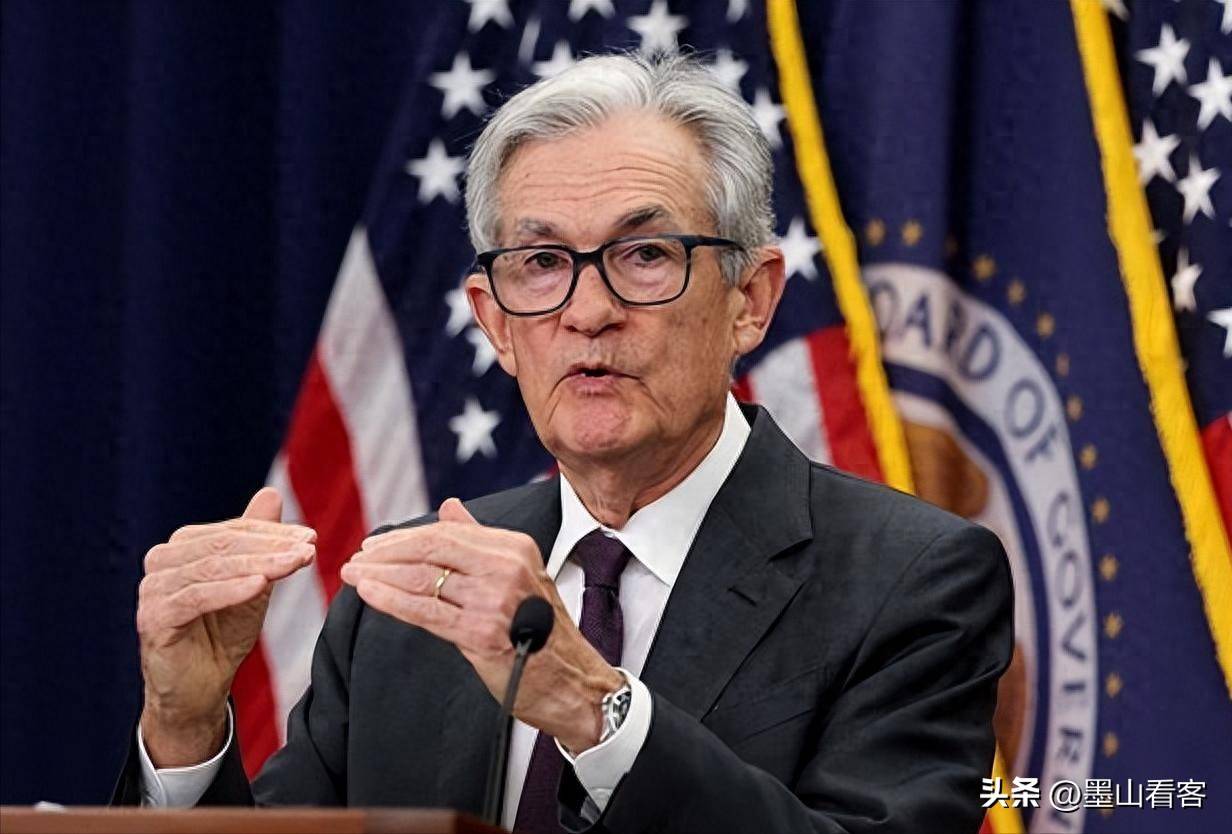
陶冬:美联储利率政策转向模糊
Di Yi Cai Jing· 2025-11-03 03:28
Group 1 - The Federal Reserve has lowered the policy interest rate to 3.75%–4.0% and will stop quantitative tightening from December 1, indicating a focus on maintaining market liquidity [1][2] - There is significant internal disagreement within the Federal Reserve regarding future interest rate policies, with some members opposing further rate cuts [2] - The U.S. economy is growing at approximately 3.9%, but inflation remains a concern, complicating the decision-making process for interest rate adjustments [2] Group 2 - Silver has decoupled from gold recently, with silver prices rising while gold continues to decline, driven by a strong dollar and reduced geopolitical risks [3][4] - Silver's dual financial and industrial attributes make it particularly valuable in the context of the green energy transition, with significant demand from the solar and electric vehicle industries [4][5] - The historical gold-to-silver ratio is currently at 82, which is still high compared to the typical range of 50–70, suggesting potential for silver to catch up, although the primary drivers for precious metal price increases are financial rather than industrial [5][6]
两部门发布《关于黄金有关税收政策的公告》:申万期货早间评论-20251103
申银万国期货研究· 2025-11-03 00:34
Core Viewpoint - The article discusses recent developments in various sectors, including tax policies on gold, manufacturing indices, and commodity price movements, indicating a mixed economic outlook and potential investment opportunities in precious metals and energy sectors [1][2][3]. Group 1: Tax Policy and Economic Indicators - The Ministry of Finance and the State Taxation Administration announced a tax policy on gold, stating that taxpayers selling standard gold outside exchanges must pay value-added tax [1]. - The manufacturing purchasing managers' index (PMI) for October is reported at 49.0%, a decrease of 0.8 percentage points from the previous month, indicating a decline in manufacturing activity [1]. - The non-manufacturing business activity index rose to 50.1%, an increase of 0.1 percentage points, suggesting slight expansion in the services sector [1]. Group 2: Commodity Market Overview - Precious metals, particularly gold and silver, have experienced a recent pullback, influenced by the Federal Reserve's interest rate decisions and geopolitical factors [2][17]. - The international energy agency reported an increase in OPEC's oil supply, with September's output from nine countries at 23.87 million barrels per day, up by 760,000 barrels from August [11]. - The domestic futures market saw a majority of commodities decline, with notable drops in soda ash and methanol, while some agricultural products like canola meal saw slight increases [1][3]. Group 3: Industry-Specific Insights - The automotive sector is witnessing significant growth in electric vehicle sales, with October retail sales of approximately 1.32 million units, marking a penetration rate of around 60% [7]. - The steel industry is facing challenges with declining profitability and production, leading to a weaker demand for coking coal [20]. - The copper market is expected to remain supported due to tight supply conditions, particularly following mining disruptions in Indonesia [18]. Group 4: Financial Market Trends - The U.S. stock indices experienced declines, with the Shanghai Composite Index falling below 4000 points, reflecting a cautious market sentiment despite positive developments in U.S.-China relations [9]. - The bond market showed slight increases, with the 10-year government bond yield dropping to 1.803%, supported by the central bank's commitment to a supportive monetary policy [10].

美联储“量化紧缩终结” 是一场静默的流动性反转
Sou Hu Cai Jing· 2025-11-02 16:33
Core Viewpoint - The Federal Reserve officially announced the end of its quantitative tightening (QT) program effective December 1, 2025, transitioning to a neutral reinvestment state, which is not considered a restart of quantitative easing (QE) but a shift under the "ample reserves framework" [1][7][17] Summary by Sections QT Process Overview - The QT policy began on June 1, 2022, amid severe inflation, with a maximum monthly reduction of $95 billion in liquidity from the financial system [2] - The QT process saw adjustments, including a reduction in the monthly cap for Treasury securities and MBS, indicating a preparation for exiting QT [2] Balance Sheet Structure - The Fed's holdings of Treasury securities decreased from $5.77 trillion at peak to $4.20 trillion, while MBS holdings fell from $2.74 trillion to $2.07 trillion [3] - Significant interruptions occurred during the banking crises in March 2023 and due to seasonal tax payments in January 2025, leading to temporary liquidity injections [3] Monetary Market Pressure Signals - Key indicators in the monetary market showed stress, including a significant drop in the Fed's overnight reverse repurchase agreement (ON RRP) balance, indicating low liquidity buffers [4] - Rising volatility in short-term financing market rates was observed, with increased spreads between effective federal funds rate and interest on excess reserves [4][5] Policy Adjustment Details - The FOMC unanimously agreed to end QT, with a focus on reinvesting all principal payments from maturing securities into short-term T-bills [7] - The Fed aims to align its balance sheet with banking system reserve needs and nominal GDP growth, indicating a dynamic approach to balance sheet management [7][16] Impact of Reinvestment on Liquidity - The end of QT allows for reinvestment of maturing securities back into the financial system, which is expected to enhance liquidity and lower long-term interest rates [8][9] - The reinvestment strategy is projected to stabilize the balance sheet while addressing the ongoing natural reduction of MBS holdings [9] Bond Market Reaction - The bond market reacted swiftly to the end of QT, with a notable decline in yields for both 10-year and 30-year Treasury securities [10] - The narrowing of swap spreads indicates a renewed interest in Treasury securities, with significant inflows into 10-year bonds following the announcement [10] Real Estate and Corporate Financing - The real estate market is expected to benefit from lower long-term interest rates, with forecasts indicating a decrease in mortgage rates [12] - Corporate financing conditions are improving, with a rise in investment-grade and high-yield bond issuance, reflecting lower borrowing costs [13] Currency and Bitcoin Trends - The dollar weakened significantly following the announcement, with a notable drop in the DXY index, indicating reduced attractiveness of the dollar [14] - Bitcoin experienced volatility post-announcement, with mixed market reactions and a shift towards a cautious outlook among investors [15] Policy Framework Adjustment - The end of QT signifies a deeper evolution in the Fed's monetary policy framework, moving towards managing short-term rates through excess reserves rather than relying on reserve scarcity [16] - Future adjustments to the balance sheet will be aligned with economic activity and reserve needs, indicating a flexible approach to monetary policy [16] 2025 Outlook - The Fed's balance sheet is expected to stabilize around $6.54 trillion until the end of 2025, with potential for net purchases of Treasury securities in 2026 [17] - Improved liquidity conditions are anticipated to positively impact various sectors, including bonds, real estate, and corporate financing [17]
凌晨狂跌,市场全线跳水,美联储意外降息刺激反弹
Sou Hu Cai Jing· 2025-11-01 17:07
Group 1 - Investors should not expect a comprehensive easing of policies in the short term and should be cautious about blindly bottom-fishing due to potential interest rate cuts [1] - Key economic indicators, particularly employment and inflation data, will directly influence the Federal Reserve's policy tolerance [1][3] - The Federal Reserve's recent actions, such as halting balance sheet reduction and the previous two interest rate cuts, are interconnected and aim to stabilize short-term market liquidity [1][7] Group 2 - Market reactions have been volatile, with initial stock market declines followed by a rapid rebound, indicating a reassessment of previous expectations regarding interest rate cuts [3] - The probability of a rate cut in December has dropped from 90% to 71%, signaling a shift in market sentiment towards uncertainty [3] - Federal Reserve Chairman Jerome Powell's remarks reflect a pragmatic approach, indicating that while monetary policy has been adjusted, caution remains paramount [5][10] Group 3 - The decision to stop balance sheet reduction is seen as a way to provide the market with breathing room, as liquidity has been tightening [7] - The Federal Reserve is transitioning from a rigid tightening approach to a more flexible risk management strategy, acknowledging the complexities of the current economic landscape [7][9] - Historical experiences suggest that the timing of policy adjustments is often more significant than the policies themselves, impacting asset valuations and market dynamics [9] Group 4 - Powell's communication aims to maintain policy continuity while allowing for flexibility in future decisions, emphasizing the importance of economic data [10] - The implications of Federal Reserve actions are significant for the general public, affecting credit costs, asset prices, and employment opportunities [12] - Investors are advised to focus on liquidity and interest rate-sensitive assets in the short term, while keeping an eye on inflation trends and technical investment opportunities in the long term [12]
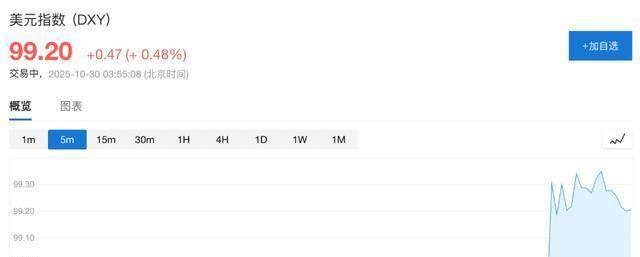
大反转!美联储紧急叫停止缩表,2.8万亿准备金要撑不住了?
Sou Hu Cai Jing· 2025-11-01 10:32
Core Viewpoint - The Federal Reserve's recent decision to lower interest rates and halt its balance sheet reduction reflects a strategic shift in response to current economic challenges, aiming to manage liquidity and debt structure effectively [1][3][23]. Monetary Policy Decisions - The Federal Reserve reduced the federal funds rate target range by 25 basis points to 3.75%-4.00%, marking the second rate cut of the year and aligning with market expectations [3][4]. - The Fed announced the complete termination of its balance sheet reduction plan starting December 1, concluding the quantitative tightening initiated in June 2022 [4][6]. Liquidity Management - The Fed will extend all maturing government bonds and reinvest the principal from mortgage-backed securities (MBS) into short-term government bonds, a move anticipated by major financial institutions [6][7]. - This strategy aims to stabilize liquidity in the banking system, as reserves are nearing critical levels, and to mitigate potential market volatility [6][7]. Economic Context - The Fed's shift to short-term government bonds is a dual strategy addressing both liquidity needs and debt cost management, as the current economic environment shows signs of strain [7][23]. - The labor market is cooling, with rising risks in employment sectors, while inflation remains slightly above the Fed's target, complicating policy decisions [8][9][23]. Market Reactions - Initial market responses included a decline in major U.S. stock indices and a rise in the dollar index, indicating concerns over the implications of a slower rate-cutting pace on economic recovery [11][12][13]. - The divergence in market sentiment reflects the uncertainty surrounding the Fed's policy direction and its impact on asset prices [14][15][23]. Global Perspective - The Fed's approach to short-term government bonds is part of a broader trend among developed economies facing similar liquidity and debt management challenges [16][18]. - Other central banks, such as the Bank of Canada and those in the Eurozone and Japan, may adopt similar policies, indicating a synchronized easing trend despite limited policy space [18][19]. Future Outlook - The Fed's future policy direction will largely depend on upcoming economic data, particularly regarding employment and inflation, with potential implications for the pace of rate cuts [25]. - The transition to short-term government bond purchases is expected to become a regular liquidity management tool, with its scale and frequency serving as key indicators for future monetary policy [25].
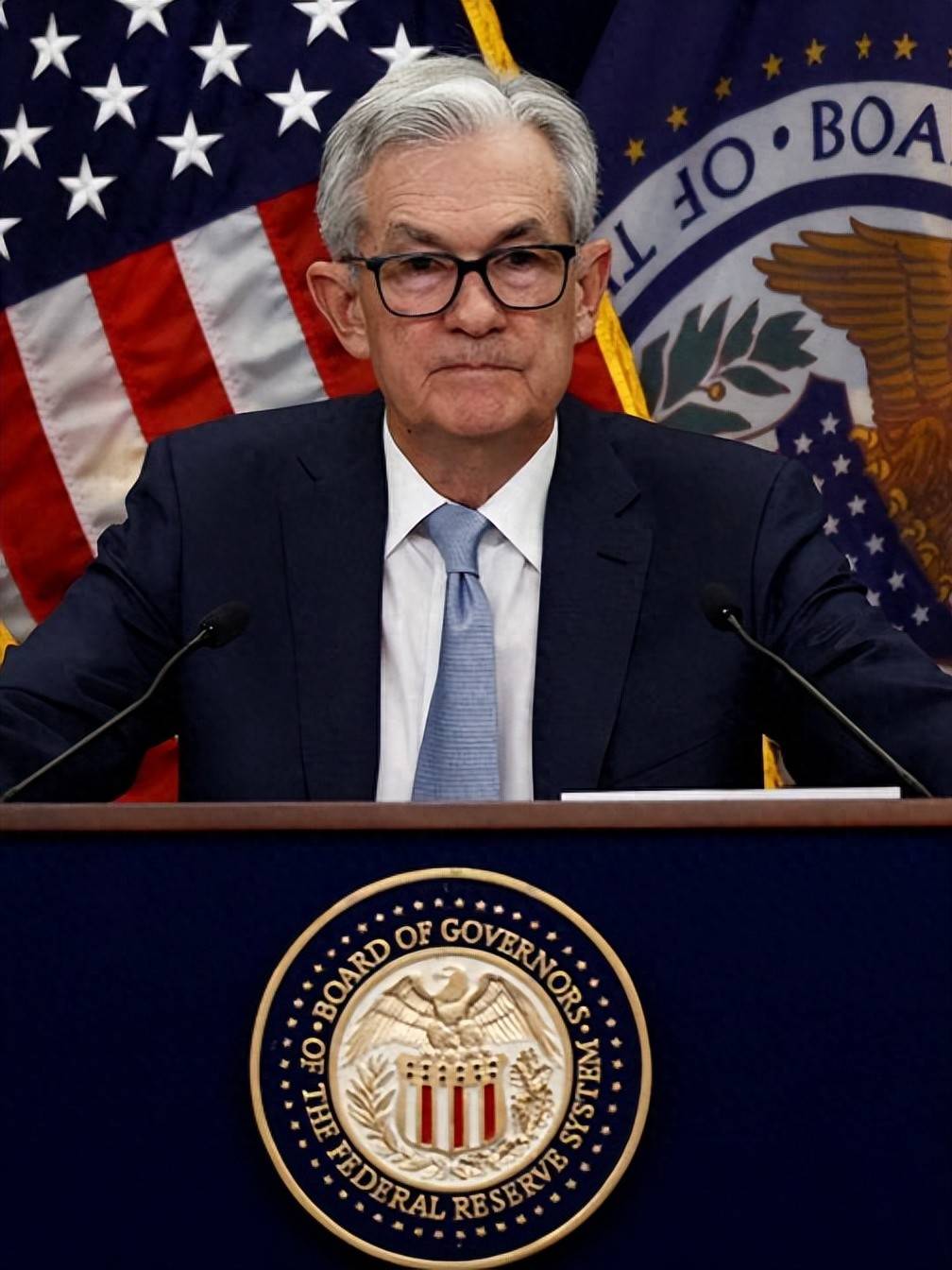
富人狂消费、穷人缩开支!美联储降息救市,却救不了贫富分化
Sou Hu Cai Jing· 2025-11-01 08:20
Group 1 - The Federal Reserve has lowered the federal funds rate by 25 basis points for the second consecutive month, bringing the target range to 3.75% to 4% [1] - The Fed announced the end of its quantitative tightening cycle, effective December 1, halting the balance sheet reduction that began in 2022 [2] - There is significant internal disagreement within the Fed regarding the appropriateness of the rate cuts, with some members advocating for more aggressive actions [4][6] Group 2 - The current economic situation in the U.S. is complex, with rising unemployment at 4.3% and inflation still above the Fed's target at 3% [6][20] - The lack of key economic data due to the government shutdown complicates decision-making for policymakers, who must rely on private sector data [8] - Market expectations for further rate cuts in December are not aligned with the Fed's cautious stance, as indicated by Chairman Powell's comments [9][11] Group 3 - The economic landscape shows a bifurcation, where high-income individuals are benefiting from stock market gains while middle and low-income groups face employment anxieties [18][20] - The S&P Case-Shiller home price index showed only a 1.5% year-over-year increase, the lowest since July 2023, indicating a cooling in the housing market [13] - The Fed's policy adjustments aim to alleviate financing costs and enhance liquidity, but the underlying issues of income disparity complicate the effectiveness of these measures [20][23]
中美贸易协定最早于下周签署?中方回应
证券时报· 2025-10-31 08:30
10月31日,外交部发言人郭嘉昆主持例行记者会。 郭嘉昆表示,中美元首在釜山会晤期间讨论了经贸关系等议题,同意加强经贸等领域的合作,中方主管部门昨 天介绍了吉隆坡经贸磋商的成果。中美经贸关系的本质是互利共赢,正如习近平主席指出,经贸应该成为中美 关系的压舱石和推进器,而不是绊脚石和冲突点。 转载与合作可联系证券时报小助理,微信ID:SecuritiesTimes 郭嘉昆指出,中方愿同美方一道,落实好两国元首重要共识,本着平等、尊重、互惠原则,通过对话协商,不 断压缩问题清单,拉长合作清单,推动中美关系健康、稳定、可持续发展,为世界注入更多的确定性和稳定 性。 路透社记者提问,美方昨天表示,中方宣布将暂停实施10月9日公布的稀土出口管制措施一年,请问这适用于 所有国家,还是仅针对美国? "具体问题建议你向中方的主管部门进行询问。"郭嘉昆说。 综合自:央视新闻、环球网、北京日报 责编:李丹 校对:吕久彪 版权声明 证券时报各平台所有原创内容,未经书面授权,任何单位及个人不得转载。我社保留追 究相关 行 为主体 法律责任的权利。 路透社记者提问,美国财长贝森特表示,中美贸易协定最早可以于下周进行签署。中方对此有何评 ...

美联储现惊天逆转!“印钞机”即将重启?
Jin Shi Shu Ju· 2025-10-31 08:24
Core Viewpoint - The Federal Reserve is expected to begin expanding its balance sheet again early next year, which may alleviate investor concerns regarding the significant borrowing needs of the U.S. economy [1] Group 1: Federal Reserve Actions - The Federal Reserve officially ended its three-year quantitative tightening program, with Chairman Powell indicating that the central bank may soon become a major buyer of U.S. Treasury bonds again [1] - Analysts predict that the Fed will start purchasing enough Treasury bonds to expand its balance sheet in the first quarter of next year, likely in January or by March at the latest [1] - Monthly net purchases of $35 billion in Treasury bonds are anticipated, which could lead to a monthly expansion of approximately $20 billion in the Fed's $6.6 trillion balance sheet [1] Group 2: Market Reactions - Market anxiety has eased as expectations grow that the Fed will end quantitative tightening, alongside signs of potential improvement in budget deficits [1] - The yield on the 10-year U.S. Treasury bond has decreased significantly from a peak of 4.8% in January to below 4.1%, driven by increasing expectations of Fed rate cuts [2] - The additional yield of 10-year U.S. Treasuries over interest rate swaps has halved since April, indicating that worst-case concerns about sovereign debt supply may have been exaggerated [2] Group 3: Yield Curve Dynamics - The easing of borrowing tensions is reflected in the flattening of the government bond yield curve, with the extra yield on 30-year Treasuries over 2-year bonds dropping from 1.3% in September to 1% [3] - Efforts by policymakers in the U.S., U.K., and Japan to shorten government bond issuance terms have also alleviated concerns about an oversupply of long-term government debt [3] Group 4: Broader Economic Context - The end of quantitative tightening by the Fed is seen as a response to signs of stress in short-term financing markets, reflecting banks' desire to hold more reserves [3] - The current situation does not indicate a return to aggressive quantitative easing, which involves purchasing large amounts of government debt to inject liquidity into the financial system [3] - Despite recent positive developments, concerns about the sustainability of U.S. fiscal deficits remain, with expectations that the debt-to-GDP ratio may exceed that of Italy later in the decade [4]
|安迪|&2025.10.31黄金原油分析:黄金震荡行情多空都有机会
Sou Hu Cai Jing· 2025-10-31 07:24
Group 1: Gold Market Analysis - The core viewpoint is that the gold market is currently supported by safe-haven demand due to ongoing risks of a U.S. government shutdown and uncertainties in fiscal and political matters, but lacks strong buying momentum to break through the $4050 resistance level [2] - Market consensus indicates that gold prices are likely to oscillate between $3900 and $4050 in the short term, with a potential breakout contingent on a sustained decline in the U.S. dollar [2][3] - Technical analysis shows that gold has established a temporary bottom around $3900, with the key resistance at $4050 determining the short-term trend direction [3] Group 2: Technical Analysis - The focus is on the critical support and resistance levels, with $4050 as the main resistance that needs to be breached for a confirmed short-term bullish trend [3] - If gold prices can stabilize above $4050, subsequent targets would be $4100 and $4150, indicating further potential for upward movement [3] - Conversely, if prices fall below $3980, it would signal a weakening of the rebound momentum, possibly leading to a retest of the $3900 support level [3] Group 3: Market Outlook - The gold market is in a sensitive phase influenced by both policy and sentiment, with a weak rebound pattern prevailing due to the interplay of the Federal Reserve's hawkish stance and easing trade relations [4] - The overall market remains in a weak rebound structure, lacking clear upward momentum [4] Group 4: Trading Strategies - The trading strategy emphasizes the importance of positioning within the current oscillating market, focusing on potential short-term rebounds [5][7] - Key trading levels include a focus on the $4025-$4028 resistance zone for short-term pullback opportunities, with a stop-loss set above $4045 [8] - Downward targets are set at the $3980-$3960 range, where a stabilization signal could prompt a shift back to long positions [9]