积极的财政政策

Search documents
中央经济工作会议召开 创金合信基金魏凤春:政策延续扩张 存量增量并重
Xin Lang Cai Jing· 2025-12-15 02:06
Core Viewpoint - The Central Economic Work Conference held on December 10-11 in Beijing emphasizes the continuation of proactive fiscal policies and moderately loose monetary policies for the upcoming year, signaling a focus on economic recovery and stability amid external uncertainties [1][6]. Fiscal Policy - The fiscal policy is expected to maintain a relatively stable total expenditure while optimizing the structure and revitalizing existing resources, utilizing special bonds and policy financing to support key areas [2][8]. - Consumption vouchers and tax incentives will be employed to stimulate resident consumption [2][8]. Monetary Policy - Interest rate cuts may still be necessary to ensure reasonable price recovery and change the persistent low inflation expectations, while also lowering financing costs for the real economy [2][8]. - The monetary policy will focus on stabilizing the exchange rate and adjusting financial regulations to restore the transmission from loose monetary policy to credit expansion [2][8]. Domestic Demand - The conference prioritizes "expanding domestic demand" as a key task, viewing it as a strategic necessity to counterbalance external uncertainties and enhance internal circulation [3][9]. - The core of expanding domestic demand lies in consumption rather than investment, requiring collaboration among enterprises, government, and residents to create a robust domestic market [3][9]. Innovation and New Growth Drivers - Future new growth drivers will focus on digital economy, artificial intelligence, advanced manufacturing, and renewable energy, among others [4][9]. - The capital market is expected to support innovation through pricing, financing, and mergers and acquisitions, facilitating the integration of technological achievements into the industry [4][9]. Reform for High-Quality Development - Key areas for reform include the implementation of the Private Economy Promotion Law, the establishment of a unified national market, and financial market reforms to enhance direct financing [5][10]. - Effective markets require a proactive government that clearly defines boundaries to prevent overreach and ensure high-quality development [5][10]. Risk Management - The approach to risk management should avoid piecemeal solutions and instead focus on comprehensive debt restructuring to create space for credit expansion [6][10]. - Strengthening accountability and recovery mechanisms in risk management is essential to balance growth and risk prevention [6][10]. International Cooperation - Areas for deepened cooperation include digital trade, green economy, and high-end manufacturing, presenting various investment opportunities [7][11]. - Investment opportunities are identified in cross-border e-commerce, renewable energy, and infrastructure projects along the Belt and Road Initiative [7][11]. Capital Market Opportunities - The development of county-level economies, green transformation, and long-term care insurance systems are expected to open up capital market opportunities in infrastructure, renewable energy, and healthcare services [8][12]. - Specific investment opportunities include supply chain services, smart logistics, and green building technologies [8][12].
钢材周报:部分钢材出口管制,期价震荡承压-20251215
Tong Guan Jin Yuan Qi Huo· 2025-12-15 02:00
钢材周报 2025 年 12 月 15 日 部分钢材出口管制 期价震荡承压 核心观点及策略 投资咨询业务资格 沪证监许可【2015】84 号 李婷 从业资格号:F0297587 投资咨询号:Z0011509 黄蕾 从业资格号:F0307990 投资咨询号:Z0011692 高慧 何天 从业资格号:F03120615 投资咨询号:Z0022965 敬请参阅最后一页免责声明 1/9 ⚫ 宏观面:中央经济工作会议2025年12月10日至11日在北 京举行,会议明确坚持稳中求进的工作总基调,要继续 实施更加积极的财政政策。要继续实施适度宽松的货币 政策。房地产作为重点风险领域,强调着力稳定房地产 市场,因城施策控增量、去库存、优供给,鼓励收购存 量商品房重点用于保障性住房等。商务部、海关总署公 布对部分钢铁产品实施出口许可证管理,自2026年1月 1日起执行。 ⚫ 基本面:上周螺纹产量179万吨,环比减少11万吨,表 需203万吨,减少14万吨,厂库141万吨,减少2万吨, 社库339万吨,减少22万吨,总库存480万吨,减少24万 吨。热卷产量309万吨,减少6万吨,厂库84万吨,增加 4万吨,社库313万吨,减少 ...
每日债市速递 | 交易盘止盈压力推动利率债收益率上行
Wind万得· 2025-12-14 22:36
1. 公开市场操作 央行公告称,12月12日以固定利率、数量招标方式开展了1205亿元7天期逆回购操作,操作利率1.40%,投标量1205亿元,中标量1205亿元。Wind数据显 示,当日1398亿元逆回购到期,据此计算,单日净回笼193亿元。当周则实现净投放47亿元。 Wind数据显示,12月15日-19日当周,央行公开市场将有6685亿元逆回购到期。此外,12月15日将有4000亿元182天期买断式逆回购到期、800亿元国库现 金定存到期。 (*数据来源:Wind-央行动态PBOC) 2. 资金面 银行间市场资金面充沛无虞,DR001加权平均利率小降并停留在1.27%附近。匿名点击(X-repo)系统上,隔夜报价在1.25%供给充足;非银机构质押信用 债融入隔夜资金报价仍在1.45%一线。 海外方面,最新美国隔夜融资担保利率为3.90%。 // 债市综述 // (IMM) (*数据来源:Wind-国际货币资金情绪指数、资金综合屏) 3. 同业存单 全国和主要股份制银行一年期同业存单最新成交在1.66%附近,较上日小幅上行。 (*数据来源:Wind-利差分析) 6. 国债期货主力合约集体下跌 (*数据来源: ...


中央财办: 明年将根据形势出台实施增量政策
Zhong Guo Zheng Quan Bao· 2025-12-14 21:05
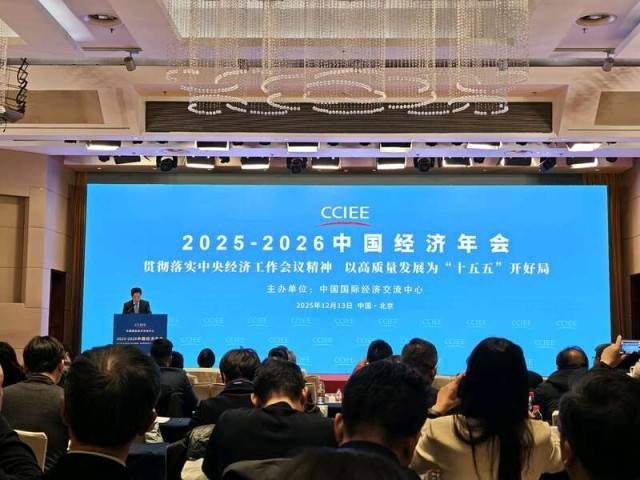
中央财办分管日常工作的副主任、中央农办主任韩文秀12月13日在中国国际经济交流中心主办的"2025- 2026中国经济年会"上表示,做好明年经济工作,要坚持稳中求进、提质增效,加大逆周期和跨周期调 节力度,切实提升宏观经济治理效能。去年9月26日中央政治局会议以来,我国先后出台实施了一系列 政策措施,明年还将根据形势变化出台实施增量政策。 对于中央经济工作会议部署的"坚持内需主导,建设强大国内市场",韩文秀表示,下一步,要深入实施 提振消费专项行动,制定实施城乡居民增收计划,继续提高城乡居民基础养老金,要以新需求引领新供 给,以新供给创造新需求。适应消费结构变化扩大优质商品和服务的供给,优化"两新"政策实施,给予 地方更多自主空间,要清理消费领域不合理的限制措施,释放服务消费的潜力。 (文章来源:中国证券报) 在货币政策方面,韩文秀表示,要继续实施适度宽松的货币政策。要灵活搭配、高效运用降准降息等多 种政策工具,保持流动性充裕,促进社会综合融资成本低位运行,使社会融资规模、货币供应量增长同 经济增长、物价总水平预期目标相匹配。要着力畅通货币政策传导机制,做好科技金融、绿色金融、普 惠金融、养老金融、数字金融五 ...
宏观和大类资产配置周报:本周沪深300指数下跌0.08%-20251214
Bank of China Securities· 2025-12-14 14:45
Macroeconomic Overview - The central economic work conference emphasized the continuation of a more proactive fiscal policy, maintaining necessary fiscal deficits, total debt scale, and expenditure levels, with expectations for fiscal spending and financing to remain strong next year [2][21][24] - The monetary policy is set to continue with moderate easing, utilizing various tools such as reserve requirement ratio cuts and interest rate reductions to promote stable economic growth and reasonable price recovery [2][21][22] Asset Allocation Recommendations - The report maintains the asset allocation order as: equities > commodities > bonds > cash, indicating a preference for equities in the current market environment [3][4] - The focus on the implementation of "incremental" policies is highlighted for equities, suggesting an overweight position [4][38] - Bonds are recommended for underweight allocation due to potential short-term impacts from the "stock-bond seesaw" effect [4][43] - Commodities are suggested for standard allocation, with attention to the progress of fiscal incremental policy implementation [4][49] Market Performance - The Shanghai Composite Index decreased by 0.08% this week, while the CSI 300 index futures fell by 0.07% [1][12] - The futures for coking coal dropped significantly by 11.72%, and iron ore main contracts fell by 3.49% [1][12] - The ten-year government bond yield decreased by 1 basis point to 1.84%, with active ten-year government bond futures rising by 0.10% [1][12][43] Financial Data Insights - In the first eleven months, RMB loans increased by 15.36 trillion yuan, and the total social financing scale increased by 33.39 trillion yuan, exceeding last year's total by 3.99 trillion yuan [24] - The CPI rose by 0.7% year-on-year in November, marking the highest increase since March 2024, while the PPI saw a year-on-year decline of 2.2% [24][25] Sector-Specific Insights - The A-share market showed mixed performance, with the ChiNext Index leading gains at 2.74%, while the Shanghai Dividend Index saw a decline of 2.63% [38] - Key sectors such as telecommunications and defense showed strong performance, while coal and oil sectors faced declines [38][39]
中央经济工作会议首提“新的认识”
Mei Ri Jing Ji Xin Wen· 2025-12-14 12:58
在具体行文中也有不少变化。例如:货币政策方面,从去年的"发挥好货币政策工具总量和结构双重功 能",调整为"把促进经济稳定增长、物价合理回升作为货币政策的重要考量";在消费能力方面,从去 年的"推动中低收入群体增收减负",转变为明确提出要"制定实施城乡居民增收计划";教育领域,新增 强调"增加普通高中学位供给";房地产领域,在控增量、去库存基础上,强调"优供给,鼓励收购存量 商品房重点用于保障性住房等";服务业方面,强调"制定服务业扩能提质行动方案"。 新的认识"新"在哪里? 与以往强调规律性认识不同,本次会议提出,"通过实践,我们对做好新形势下经济工作又有了新的认 识和体会"。 会议提及的认识"新"在哪里?对明年开展经济工作将有什么指导意义?会议强调必须充分挖掘经济潜 能,我国在哪些领域存在经济潜能? 中国建投投资研究院主任、研究员张志前在接受每经记者书面采访时表示,面对复杂的外部环境和内部 困难,在推动我国经济继续稳步发展的过程中,对这些规律有了新的认识和更加深切的体会,同时也发 现和提炼出了新的规律性东西。比如投资于物和投资于人要紧密结合,这是对投资理念、方向、重点的 提升和优化,对于实现经济质的提升和量 ...
明年经济工作如何干?韩文秀、王一鸣等最新发声
Jin Rong Shi Bao· 2025-12-14 04:22
围绕风险化解方面,韩文秀表示,今年以来风险化解取得了积极进展。地方政府隐性债务有序置换,保 交房任务全面完成。地方重要金融机构改革化险成效明显,清理拖欠企业账款扎实推进,守住了不发生 系统性风险的底线。 韩文秀谈到,本次中央经济工作会议总结了近年来的工作实践,提出了做好新形势下经济工作的规律性 认识,概括为"五个必须":必须充分挖掘经济潜能、必须坚持政策支持与改革创新并行、必须做到既放 得活又管得好、必须坚持投资于物与人紧密结合、必须苦练内功应对外部挑战。 2025年12月13日,由中国国际经济交流中心主办的"2025—2026中国经济年会"在北京召开。本届年会主 题为"贯彻落实中央经济工作会议精神,以高质量发展为'十五五'开好局"。中央财办分管日常工作的副 主任、中央农办主任韩文秀,国家发展和改革委员会副秘书长肖渭明,中国国际经济交流中心副理事长 王一鸣,国际货币基金组织原副总裁朱民等嘉宾就中央经济工作会议精神做了全面深入解读。此次年会 由中国国际经济交流中心副理事长胡晓炼主持。 韩文秀 继续实施积极的财政政策和适度宽松的货币政策 韩文秀表示,一年来,我国经济顶压前行,向新向优发展,展现出了强大的韧性和活力 ...
从政策到投资、从壮大新动能到“人工智能+”,怎么干?
Yang Shi Wang· 2025-12-14 01:50
中央经济工作会议指出,2026年继续实施更加积极的财政政策。如何理解2026年财政政策的取向? 中国财政科学研究院院长杨志勇表示,2026年继续实施更加积极的财政政策,这是基于对国内外经济形势判断所作出的选择。这也 可以看到政策是一以贯之的,是保持相当力度的。跟2026年的经济工作的目标来说是相称的,它能够支撑经济目标的实现。 中央经济工作会议指出,要继续实施更加积极的财政政策,保持必要的财政赤字、债务总规模和支出总量。专家表示,2026年的财 政政策取向与2025年保持了一致。 粤开证券首席经济学家、研究院院长罗志恒表示,从量的角度,要确保必要的财政赤字规模,新增债务总规模以及必要的财政支出 力度。通过政府的支出,比如政府采购以及基建工程项目来扩大社会的总需求,形成居民部门、企业部门的收入,推动经济运行的 循环。第二是结构的优化,要坚持将投资于物和投资于人的结合,提高居民的医疗、教育和养老,这样居民的后顾之忧得到了缓 解,进而有利于去释放潜在的消费需求。 提高财政资金使用效率 更多资金投到民生 实施更加积极的财政政策,如何确保财政资金使用更加高效,让每一分钱都花到"刀刃"上? 中央经济工作会议指出,加强财政 ...

财信研报:坚持内需主导,宏观政策更加积极有为
Sou Hu Cai Jing· 2025-12-13 13:16
children 图片说明:财信证券首席经济学家袁闯,执业资格编号:S0530520010002 三是实施适度宽松的货币政策。会议提出要实施"适度宽松的货币政策",货币政策宽松取向不变,2026年降准降息仍值得期待,但力度及节奏还需观察。会 议提出,"把促进经济稳定增长、物价合理回升作为货币政策的重要考量,灵活高效运用降准降息等多种政策工具,保持流动性充裕,畅通货币政策传导机 制"。当前,我国物价仍然处于低位、GDP平减指数持续为负,被动抬升了我国实际利率水平,抑制了居民及企业的中长期信贷需求。预计2026年货币政策 仍将继续发力,推动实际利率继续下降,进一步疏通"宽货币"向"宽信用"的传导过程;同时配合"反内卷"和扩内需的政策,推动经济稳定增长的同时,促进 物价合理回升。近期,央行行长潘功胜在人民日报撰文《构建科学稳健的货币政策体系和覆盖全面的宏观审慎管理体系》,强调"要把握好货币政策的力 度、时机和节奏,更加注重做好跨周期和逆周期调节","重点需要处理好短期与长期、稳增长与防风险、内部与外部等三方面关系"。在多重目标考量下, 2026年货币政策的适度宽松力度或不会超过2025年,但综合政策效能将进一步强化 ...
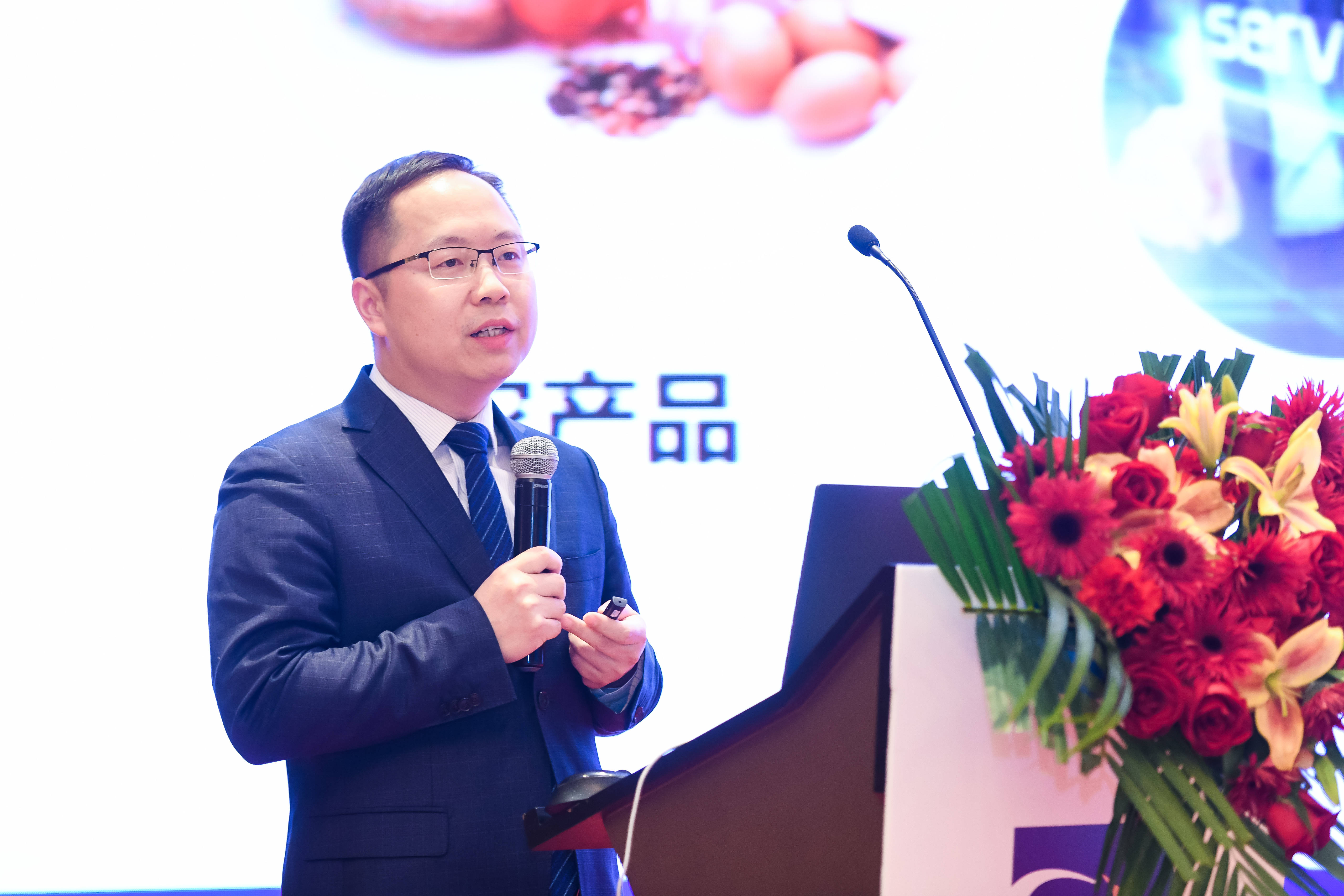
【前瞻2026】韩文秀:明年将根据形势变化出台实施增量政策
Sou Hu Cai Jing· 2025-12-13 08:48
Core Viewpoint - The Central Economic Work Conference has set the tone for China's economic work in 2026, emphasizing the need for stability while pursuing progress, improving quality and efficiency, and enhancing macroeconomic governance effectiveness [1][3]. Group 1: Fiscal Policy - The government will continue to implement a more proactive fiscal policy, maintaining necessary fiscal deficits, total debt scale, and overall expenditure to ensure fiscal sustainability while addressing current needs and future risks [3]. - There is a recognition of fiscal difficulties in some local governments, prompting the need to establish mechanisms for increasing revenue and reducing expenditure to enhance local government financial capacity [3]. - The focus will be on optimizing expenditure structure, ensuring financial support for major national strategies, and directing more resources towards human investment and improving people's livelihoods [3]. Group 2: Policy Implementation - The government aims to improve the efficiency of fund utilization, pushing for actual expenditures and tangible work outputs, while adhering to strict financial discipline [3]. - Following a series of policy measures introduced since September 26, 2022, the government plans to implement additional incremental policies in response to changing circumstances in the coming year [3]. - There is an emphasis on the integrated effect of both existing and new policies to promote economic stability and improvement, alongside the importance of managing market expectations to boost social confidence [3].