性价比

Search documents
14万的「平价迈巴赫」,卖爆了
3 6 Ke· 2025-07-21 09:35
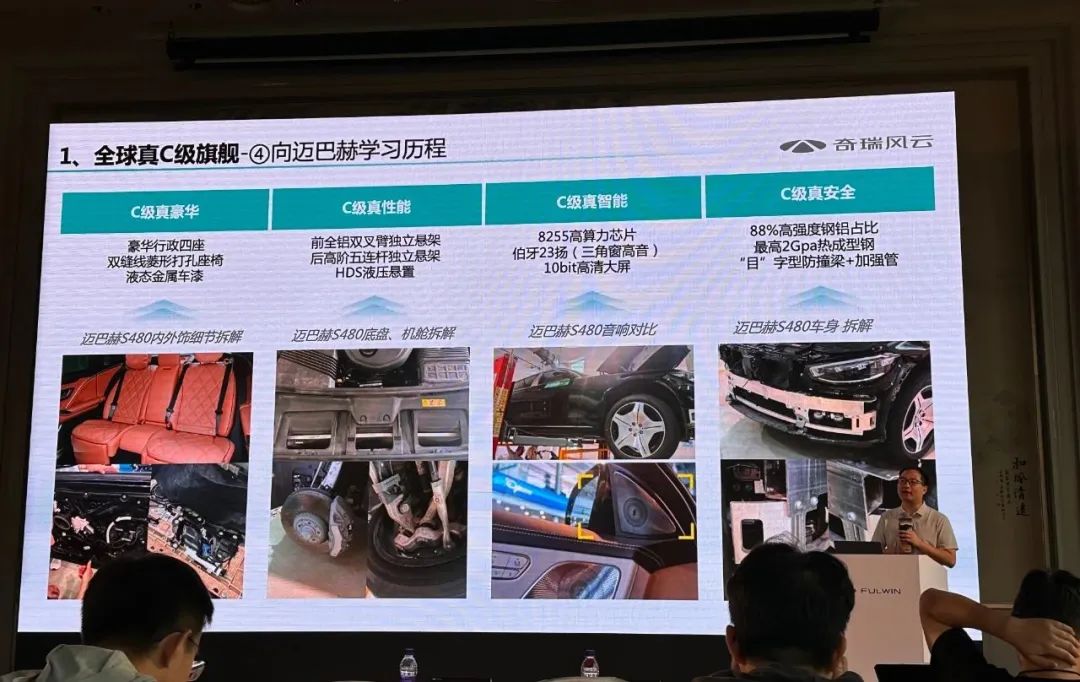
Group 1 - The automotive industry is experiencing a trend where larger vehicles are being offered at lower prices, making previously premium models more accessible to consumers [1][15][17] - The Chery Fengyun A9L, priced between 139,900 and 197,900 yuan, has gained significant traction, with over 50,000 orders placed within 24 hours of its launch [2][4][12] - The A9L is marketed as a "C-class flagship" vehicle, featuring luxury configurations typically found in higher-end models, which has attracted consumers looking for value [8][9][14] Group 2 - The competitive landscape is shifting, with domestic brands like Chery and Geely introducing models that challenge traditional luxury brands by offering similar features at lower prices [18][19] - The success of the A9L is attributed to its high cost-performance ratio, appealing to consumers who prioritize value for money in their vehicle purchases [6][7][22] - Other brands, such as NIO and Leap Motor, are also adopting similar strategies, focusing on affordability and spaciousness to capture market share [21][22]

ALDI奥乐齐2024实现大幅增长 未来空间如何?
Zhong Guo Jing Ying Bao· 2025-07-20 08:48
Core Insights - ALDI has achieved significant growth in the Chinese market, with a sales scale of 2 billion yuan in 2024, doubling from 1 billion yuan in 2023, and a store count increase from 50 to 55 [1][2] - The company's strategy focuses on high efficiency, streamlined operations, and a strong private label approach, with approximately 90% of its products being private labels [1][3] - ALDI's entry into the Jiangsu market marks its expansion beyond Shanghai, leveraging its understanding of local consumer behavior and government support [4] Sales Performance - ALDI's sales in 2024 reached 2 billion yuan, representing a 100% year-on-year growth, while the average annual sales per store is approximately 36.36 million yuan [1][2] - The company has maintained a high sales efficiency with smaller store sizes, typically ranging from 200 to 600 square meters [2] Product Strategy - ALDI's product offerings emphasize high frequency, essential, and health-oriented items, with a focus on high cost-performance [2] - The launch of the "Super Value" series in late 2023 has been successful, with products like 9.9 yuan liquor gaining popularity [2] Supply Chain Management - ALDI has developed 13 private label brands and sources over 80% of its products from local suppliers, optimizing its supply chain for cost efficiency [3] - The company employs a dual supply chain strategy, combining local and global sourcing to enhance operational efficiency [3] Market Expansion - ALDI has begun expanding into Jiangsu province, with plans to replicate its successful Shanghai model [4] - The company has opened stores in Suzhou, Wuxi, and Kunshan, with a total of 76 stores nationwide as of July 2025 [4] Challenges and Future Outlook - The expansion into Jiangsu presents both opportunities and challenges, including adapting to regional consumer differences and enhancing supply chain efficiency [4] - ALDI faces competition in the rapidly changing Chinese retail landscape, necessitating a focus on digital transformation and consumer insights [4]
老铺黄金SG新店转化率95%+,解禁期后周跌20%,黄金坑可上车
贝塔投资智库· 2025-07-18 04:02
Brand Positioning - The company positions itself as a high-end Chinese gold brand, aiming to compete with international luxury brands, often referred to as the "Hermès of gold" [1] - The company employs a daily purchase limit per person to prevent scalping and artificially create scarcity, similar to luxury brands like Hermès and Chanel [1] Customer Segmentation - The "one percenter" group, representing the top 1% of customers, contributes significantly to revenue, with over 80,000 loyal members as of the end of 2023 [3] - Members spending over 1 million RMB annually account for 0.1% of the total but contribute 15.9% of revenue, while those spending less than 5,000 RMB contribute 39.6% [3][4] Pricing Model - The company uses a fixed pricing model based on style and craftsmanship complexity, minimizing daily gold price fluctuations and reducing the emphasis on weight [5] Channel Strategy - The company operates a dual-channel model with only 40 physical stores in China and one in Singapore, focusing on high-end locations [6][7] Performance Metrics - In 2024, the company reported revenue of 8.506 billion RMB, a 167.5% increase year-on-year, with a gross profit of 3.501 billion RMB, up 162.9% [8] - Offline store revenue accounted for 87.6% of total revenue, while online sales reached 1.055 billion RMB, growing 192.2% [8] Growth Strategy - The company plans to open 9 new stores in 2025, exceeding its original target of 6-8, with successful openings in Singapore indicating strong overseas expansion [15] - The launch of new products, such as the "Seven Sons Enamel Gold Gourd," has generated significant sales, with 34 million RMB in GMV within 17 days [16] Market Sentiment - The stock experienced a significant drop following a lock-up period expiration, but historical trends suggest potential for recovery [10][12] - The company is expected to report strong earnings growth in the first half of 2025, with projections indicating a 268% increase in sales and a 284% increase in net profit [23] Gold Market Outlook - The company anticipates a rise in gold prices in the second half of 2025, supported by central bank purchases and geopolitical risks [24]

辣妹风坑苦了优衣库
3 6 Ke· 2025-07-17 04:04
Core Viewpoint - Uniqlo is experiencing a decline in its Chinese market, which is the only market globally where it has seen a drop in performance, leading to a decrease in both revenue and profit [1][9]. Group 1: Consumer Sentiment - Many loyal customers feel alienated by Uniqlo's shift towards a "spicy girl" style, which features tighter and shorter clothing, making it less accessible for average consumers [2][3]. - Consumers have expressed frustration over the sizing, with reports that women's S sizes are smaller than children's sizes, leading to a perception that Uniqlo has abandoned its core customer base [3][4]. - The increase in prices and perceived decrease in value has led to a significant drop in purchase frequency among former loyal customers [4][6]. Group 2: Pricing and Quality Issues - Uniqlo has been criticized for increasing prices while the quality of its products has reportedly declined, with some consumers noting that items shrink or lose shape after washing [8][15]. - The price-to-cost ratio for Uniqlo's products has shifted from 2.5-3 times to over 4 times, indicating a significant markup that is not aligned with consumer expectations [6][14]. - A survey indicated that nearly half of respondents cited "high prices" as a reason for not purchasing Uniqlo products, with others pointing to quality issues and limited styles [7]. Group 3: Market Performance - Uniqlo's parent company, Fast Retailing, reported a 5% decline in revenue and a 3% decline in operating profit in the Chinese market, contrasting with growth in other regions [9][12]. - The company's attempts to pivot towards trendy styles and smaller sizes have resulted in short-term revenue increases but have alienated long-term customers [12][18]. - Fast Retailing has acknowledged the impact of competition from lower-priced alternatives, which has contributed to Uniqlo's declining market share in China [9][14]. Group 4: Strategic Shifts - Uniqlo is attempting to reposition itself by focusing on brand storytelling and enhancing the shopping experience through flagship stores and localized product offerings [17][18]. - The company is moving away from its traditional efficiency-driven model to a more experience-oriented approach, aiming to create a lifestyle brand rather than just a clothing retailer [18][19]. - Despite these efforts, analysts suggest that the long-term effectiveness of these strategies remains uncertain, as the brand's core identity may be compromised [13][14].

食品饮料行业主题报告
2025-07-16 06:13
Summary of Conference Call Notes Industry Overview - The report focuses on the food and beverage industry, analyzing new consumer demands, products, and channels [1][2][3]. Key Points and Arguments New Consumer Demands - The emerging consumer base primarily consists of Generation Z (post-1995), characterized by a heightened self-awareness and faster development compared to previous generations [1]. - Government policies aimed at boosting consumption have been introduced, including the "Special Action Plan to Boost Consumption" and "Consumer Service System Benefit Action 2025" [2]. - Consumer behavior is diversifying, with Generation Z and affluent groups showing more optimistic consumption attitudes, while middle-class and rural older consumers exhibit weaker consumption willingness [3]. Changes in Consumption Patterns - There is a notable shift towards value-for-money products, with consumers increasingly prioritizing cost-effectiveness [4]. - The market has identified four potential growth categories: education, food and beverages, health products, and travel, while three risk categories include home appliances, tobacco, and certain consumables [3]. - The health consciousness among consumers is rising, leading to increased demand for health-related products, with the health food market projected to reach 836.2 billion by 2027, reflecting a 42% growth from 2022 [5]. Innovations in Products and Channels - Companies are innovating to meet health demands, introducing products like konjac, seaweed, and quail eggs [6]. - The focus on cost-effectiveness has led to supply chain optimization, reducing intermediaries to lower prices for consumers [7]. - The beverage market is witnessing significant growth in sugar-free teas and plant-based drinks, with growth rates of 19% and 32% respectively [8]. New Sales Channels - The rise of temporary retail channels has transformed the market, with the temporary retail industry expected to grow from 211 billion in 2019 to 1.5 trillion by 2027 [12]. - Membership warehouse stores are gaining traction, with the market size increasing from 20 billion in 2012 to 36.4 billion in 2023 [14]. - Online sales are rapidly growing, with a 56% year-on-year increase in online sales across nine categories, surpassing 120 billion in 2023 [18]. Recommendations and Risks - The report suggests focusing on new products, channels, and consumer demands as key investment themes, maintaining a strong rating for the food and beverage industry [20]. - Specific recommendations include companies like Three Squirrels, Yili, and Qingdao Beer, while highlighting the potential for profitability recovery in dairy and seasoning sectors [21][22]. - Risks include raw material price fluctuations and intensified industry competition [23]. Additional Important Insights - The emotional value of consumption is increasing, with service-related spending rising from 43% in 2020 to 46% in 2024 [5]. - The shift in consumer purchasing habits is leading to a more significant online presence for traditional products, including liquor, which is becoming a focus for major brands [17].





【数字营销】每个品牌都在强调的“情绪价值”,到底是什么?
Sou Hu Cai Jing· 2025-07-15 04:30
Core Insights - The article discusses the evolving consumer behavior of Generation Z, emphasizing the importance of "emotional value" in their purchasing decisions, which can lead to profitable business opportunities. Group 1: Emotional Value in Consumption - The concept of "emotional value" is becoming increasingly significant across various product categories, including collectibles and everyday items, as consumers seek deeper connections with their purchases [4]. - Consumers exhibit a duality in their spending habits, balancing rational choices with a willingness to pay premiums for items that resonate with their personal preferences, reflecting a regained sense of control over their consumption [5][8]. - The rise of "spiritual consumption" is noted, where young consumers use specific purchases to connect with like-minded individuals rather than to showcase success through expensive items [9]. Group 2: Consumer Behavior Trends - The report highlights that nearly 30% of young consumers engage in spending for emotional healing, indicating a preference for experiences and products that enhance their well-being [23]. - Nostalgia is identified as a powerful emotional driver, with trends showing a resurgence of interest in classic media and products, providing comfort during uncertain times [24]. - The article also points out the significance of "rituals" in consumer behavior, as young people seek small acts that provide a sense of security amidst societal pressures [19].

上半年二手房主力买家普遍消费降级
3 6 Ke· 2025-07-15 02:02
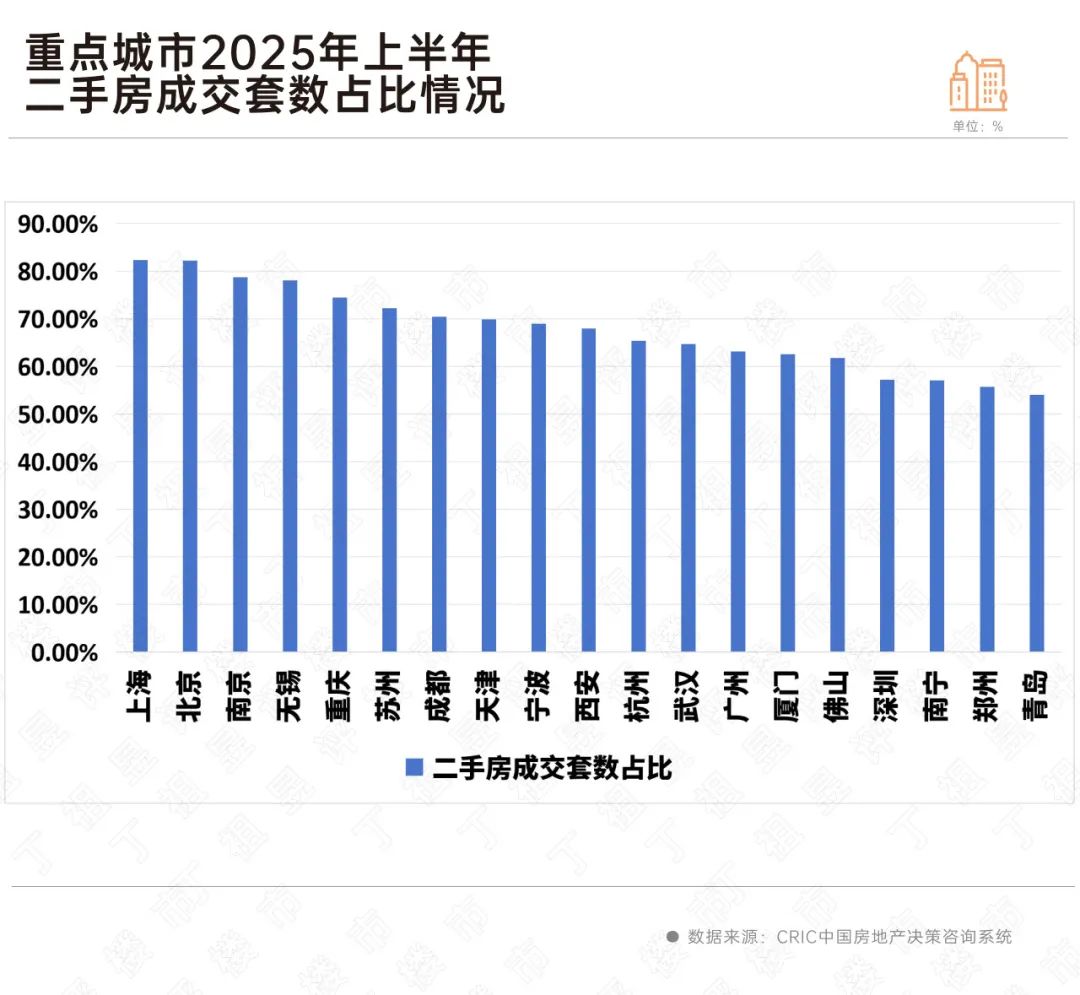
房地产市场呈现出新的特点。 近日,住建部在广东、浙江两省调研时表示,上半年全国新房和二手房交易总量同比增长,二手房交易占比逐步提高,多个省份二手房交易超过新房。 但进一步细分会发现一些微妙的变化,总价1000万元以上各价格段二手高端住宅成交增速基本呈现普涨态势,且140平米以上大面积段成交占比持增。 上半年重点城市有六成 二手房成交占比提升 今年上半年楼市正在向二手房市场倾斜。 从具体城市的角度来看,19个城市中有12个城市二手房成交占比较去年同期有所上涨,比例超过六成。西安、杭州和佛山二手房成交占比较去年均提升5 个百分点以上。 不过也有例外。武汉、广州、佛山、深圳、南宁和郑州这些城市二手房成交占比较去年同期均有所下降。新房市场正以较强的产品力抢占市场份额,以广 州为例,上半年二手房成交了5.6万套,新房成交了3.3万套,二手房市场份额较去年上半年减少0.52个百分点,这意味着选择新房的购房者比重在悄然上 涨。 上半年二手房成交占比最高的是上海,比重达到了82.33%,较去年同期上涨0.58个百分点。北京次之,二手房成交占比也达到了82.18%,与上海不同的 是,北京二手房成交占比较去年同期有所下降。 上海 ...
拼多多100w+爆款,揭开了行业的价格迷雾
阿尔法工场研究院· 2025-07-07 15:04
Core Viewpoint - The article argues that consumer downgrade is a myth, while information upgrade is the reality, highlighting how Pinduoduo exposes the true prices of products [1] Group 1: Cost and Pricing Insights - A sunscreen jacket priced at 299 yuan has a production cost of only about 40 yuan, with materials and labor costs detailed [2] - Pinduoduo has seen explosive sales of affordable sunscreen jackets, with sales figures reaching over 100,000 units, indicating a shift in consumer behavior towards value-based purchasing [3][10] - The cost of luxury goods, such as a 10,000 yuan handbag, can be as low as 100-200 yuan, revealing significant brand markups [6] Group 2: Changing Consumer Behavior - Consumers are increasingly moving away from the Veblen effect, focusing on cost-effectiveness rather than brand prestige, even among high-net-worth individuals [7] - The rise of Pinduoduo has led to a greater awareness among Chinese consumers of the strength and stability of the domestic manufacturing system [8] Group 3: Supply Chain and Business Model - Pinduoduo's model emphasizes direct manufacturer-to-consumer sales, eliminating middlemen and reducing marketing costs, which allows for lower prices and higher sales volumes [22][23] - The platform's low commission rates encourage merchants to offer quality products without compromising on materials and craftsmanship [23] - Pinduoduo's "hundred billion subsidy" initiative aims to support merchants and enhance local industry digital transformation, with a commitment to invest over 100 billion yuan in the next three years [28][31] Group 4: Industry Transformation - Pinduoduo is reshaping the domestic consumption market by integrating local manufacturing into the supply chain, creating jobs and revitalizing local economies [32][34] - The platform focuses on product value and real pricing rather than brand storytelling, positioning itself as an organizer of the supply chain [33] - As a result, consumers are discovering high-quality, affordable products on Pinduoduo, while manufacturers are realizing that success comes from genuine product quality rather than marketing [35][36]

雷军造车生死局:小米的300天"极限竞速"
Sou Hu Cai Jing· 2025-07-07 01:32
Group 1 - The core point of the article highlights the challenges faced by Xiaomi in the automotive sector, particularly in balancing production efficiency with quality and delivery issues [1][2][4] - Xiaomi's factory in Beijing operates at a remarkable pace of 76 seconds per vehicle, outperforming competitors like Tesla's Model 3 at 90 seconds and the industry average of 120 seconds [1] - Despite high production speed, Xiaomi's SU7 model faces significant delivery backlogs, with 150,000 units unfulfilled, indicating underlying operational challenges [2] Group 2 - The company has ambitious production goals, aiming for a monthly output of 8,000 units by August 2025, with a target annual capacity of 150,000 vehicles by the end of the year [2] - Xiaomi's aggressive cost-cutting measures include prepaying for battery supplies to reduce costs, but this has led to quality issues, with 32% of early SU7 owners reporting complaints about vehicle noise [2][3] - The company is also facing legal challenges, with a patent dispute initiated by Li Auto over alleged infringement, highlighting the competitive landscape in the electric vehicle market [3] Group 3 - Xiaomi's strategy of rapid production and low pricing has resulted in a significant reduction in hardware profit margins, with the SU7's gross margin dropping to 1% [3] - The company is experiencing a trust crisis due to quality concerns, including a fatal accident linked to delayed automatic emergency braking (AEB) response times [3][4] - The upcoming performance of the second-phase factory in Q3 2025 will be critical for Xiaomi's automotive business, as success could lead to breakeven, while failure may jeopardize consumer confidence and future orders [4]

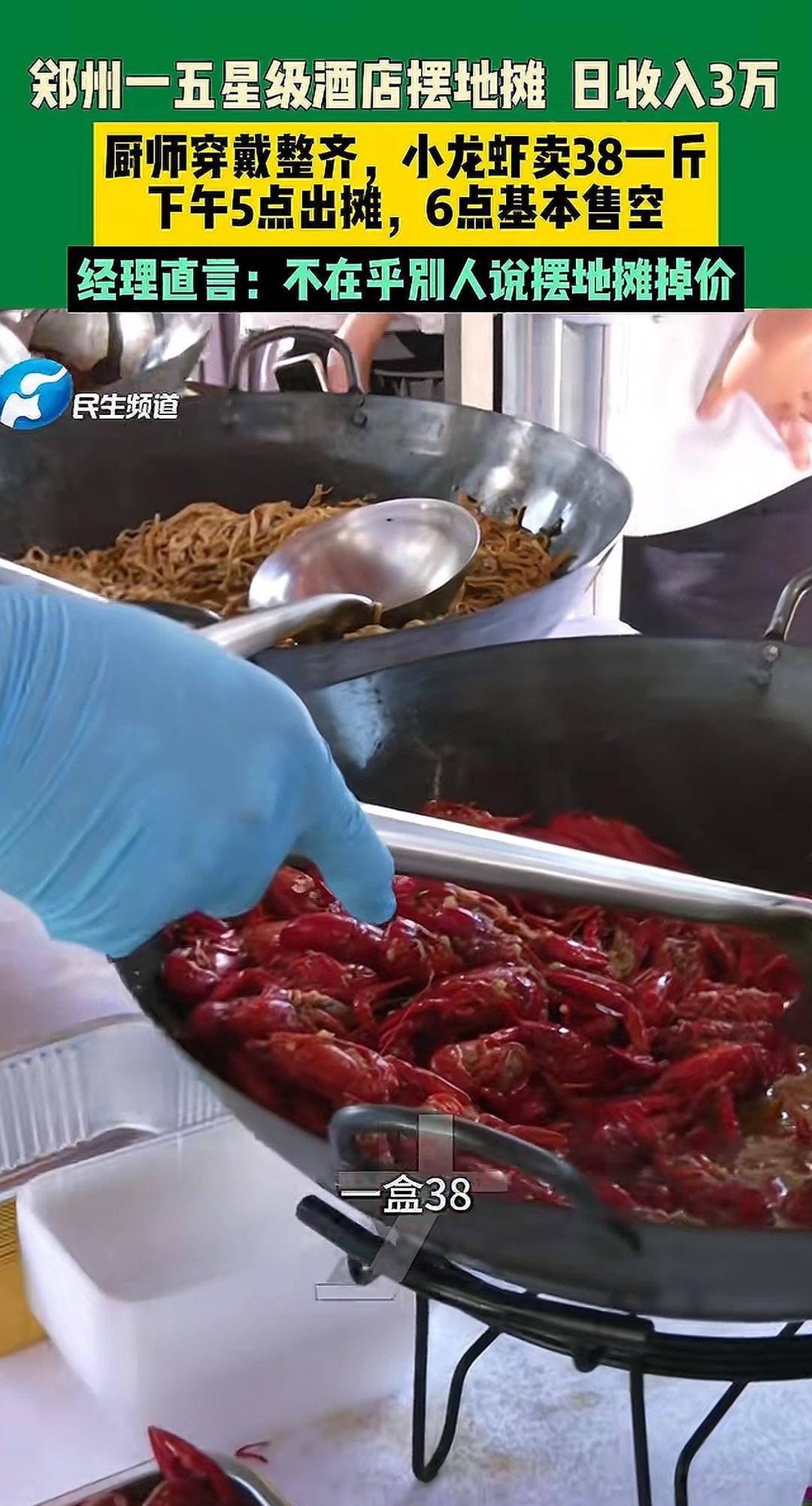
快评丨五星级酒店摆地摊日入3万,“性价比”与“心价比”消费者都要
Sou Hu Cai Jing· 2025-07-06 08:38
Core Viewpoint - The current market is undergoing a reconstruction of diverse values, with "cost-performance" and "emotional value" becoming the dual engines driving consumer choices [1][5]. Group 1: Market Trends - Consumers are increasingly weighing the value of products, such as whether a serving of crayfish is worth the price, while also willing to pay a premium for the emotional satisfaction provided by high-end dining experiences [1][5]. - The online food delivery market in China is projected to reach a scale of 1.6357 trillion yuan in 2024, indicating a significant shift from offline to online consumption [5]. Group 2: Industry Practices - The phenomenon of luxury hotels setting up street stalls is not entirely new, as high-end establishments have previously experimented with affordable offerings, such as 75 yuan hamburger sets and various low-cost meal options [4][6]. - The emergence of luxury hotels engaging in street food sales reflects a deeper market differentiation and self-regulation, as these establishments adapt to changing consumer demands and explore new revenue streams [4][6]. Group 3: Consumer Behavior - The consumer logic surrounding street food has been restructured, with patrons queuing for 38 yuan crayfish from a five-star hotel, valuing the visible craftsmanship and quality over mere status [5][6]. - The market transformation is not a linear process but rather seeks new life through differentiation, suggesting that when dining establishments align quality with public demand, they can find sustainable paths even amid change [6].