新消费

Search documents
泡泡玛特-老铺黄金的争议点与解决方向
2025-12-31 16:02
Summary of Conference Call Records Companies Involved - Pop Mart - Laopu Gold Core Insights and Arguments - Both Pop Mart and Laopu Gold utilize consumer-driven marketing for brand promotion, focusing on aesthetic superiority rather than cost-effectiveness to attract consumers, creating a unique "breaking the circle effect" [1][2] - For the second and third quarters of 2025, both companies expect significant profit growth to approximately 13 billion, driven by increased confidence from rising stock prices. However, recent stock price declines have raised doubts about the 30% growth forecast for 2026 [1][2] - There is a notable divergence in market expectations regarding the 30% growth forecast for 2026. While overseas markets continue to show high growth (Pop Mart over 100%, Laopu Gold 150-200% after price increases), the growth rate has declined compared to earlier in the year, raising concerns about sustainability [1][4] - The inability to predict future performance through traditional store-opening methods adds significant uncertainty to the future performance of both companies. There is intense debate between bullish and bearish perspectives regarding their business models and the decline in overseas growth [1][4] Important but Possibly Overlooked Content - Investor confidence is primarily influenced by stock performance and specific sales data. Sales data from January and February 2026, expected in March-April, will provide trend guidance. An increase in stock prices could also enhance market confidence, but the long-term growth potential still requires validation [5] - Pop Mart focuses on building intellectual property (IP) as its core competitive advantage, while Laopu Gold is the world's first jewelry brand primarily made of gold. Both companies have distinct characteristics and have achieved some success overseas, supported by a loyal fan base [3][5] - Investors should recognize the value of these companies and understand their development direction aligns with national policies promoting consumption. Despite short-term uncertainties, there is potential for significant growth if key data points, such as sales figures and stock trends, are monitored [7][6]

十年一觉新消费:从病痛到醒悟,一个创业者的生命课
新消费智库· 2025-12-31 13:03
Group 1 - The article reflects on the past ten years of the "New Consumption Think Tank," emphasizing that the initial passion for the project has evolved into a deeper understanding of its significance [2][4][5] - The author highlights that surviving without debt is a significant achievement in entrepreneurship, suggesting that longevity and self-sufficiency are more important than grand ambitions [7][8][9] - The narrative critiques the glorification of entrepreneurship, arguing that the journey itself holds more value than the end results, and that true wealth comes from daily experiences [10][14][15] Group 2 - The article posits that happiness is derived from the ability to be present and engaged in daily life, rather than from material wealth [17][18] - It discusses the importance of focusing on personal growth and self-acceptance, rather than seeking external validation or societal approval [25][26][27] - The author emphasizes the need for clarity in direction after reconciling with oneself, shifting focus from acquiring to contributing [29][30] Group 3 - The article mentions health challenges faced by the author, which served as a wake-up call to appreciate the fleeting nature of time and the importance of living meaningfully [31][33][34] - It suggests that true fulfillment comes from internal alignment and the pursuit of personal passions, rather than conforming to external expectations [38][40] - The narrative concludes with a commitment to a future focused on personal values and helping others, rather than chasing conventional success [49][51]



2026年消费的风往哪吹?机构热议估值修复与三大长期赛道
2 1 Shi Ji Jing Ji Bao Dao· 2025-12-31 12:46
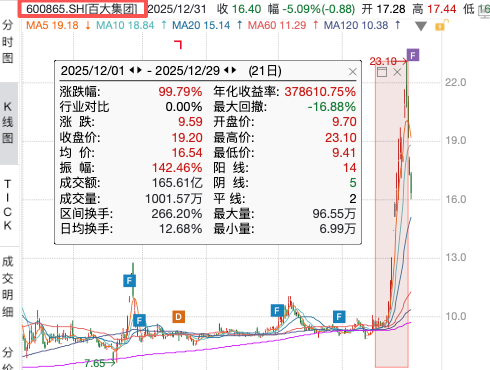
Group 1 - A clear policy "warm wind" is blowing towards the consumption sector, with the national financial work conference emphasizing "greatly boosting consumption" as a key task for the coming year [1] - The first batch of 625 billion yuan for the 2026 consumption goods replacement fund plan has been quickly allocated, reflecting a coherent determination from central to local levels to stimulate domestic demand [1] - Recent market reactions show significant inflows into cyclical and consumer sectors, with trading heat in sectors like retail and consumer services exceeding the 80th percentile [1][2] Group 2 - Several consumer retail stocks have experienced sharp price increases, with Baida Group's stock price doubling in the past month and other companies like Shanghai Jiubai and Lihua shares also seeing substantial gains [4][5] - Despite the market heat driven by policies and funds, many public funds have shown poor performance, with few of the leading stocks being heavily held by institutions [5][6] - The divergence between market performance and institutional holdings indicates a profound shift in investment logic, with institutions reallocating from traditional consumption to sectors like pharmaceuticals and technology [6] Group 3 - The consumption sector's valuation has reached historical lows, creating a foundation for a potential recovery [7][8] - Analysts suggest that the current valuation levels in the consumption industry are attractive compared to historical and international benchmarks, with a focus on identifying companies that can adapt to changing market conditions [8][9] - The dividend yield of the main consumption index has reached 3.89%, indicating a potential for increased market attention on traditional consumption sectors benefiting from domestic consumption policies [9] Group 4 - There is significant internal differentiation within the consumption sector, with some new consumption stocks showing promise while traditional sectors like liquor and white goods remain weak [10][11] - Marginal improvements in the fundamentals of the consumption sector have been observed, with certain industries like real estate-related sectors showing signs of stabilization and profit recovery [11] Group 5 - Long-term investment logic is being restructured, focusing on overseas expansion, new consumption models, and evolving consumer demands [12][13] - The "outbound strategy" is highlighted as a key growth area, with companies that can leverage their domestic competitive advantages in international markets expected to perform well [13][14] - The changing consumer landscape, driven by a new generation of middle-class consumers, is influencing consumption patterns and investment priorities [15] Group 6 - Looking ahead to 2026, there is a structural optimism regarding the consumption sector, with expectations of a return to balanced growth as the real estate cycle stabilizes [16] - Key areas of focus for future investment include overseas expansion, innovative pharmaceuticals, and gaming sectors, with traditional consumer sectors also expected to see growth [16][17] - The long-term value of consumption remains, but the investment approach has evolved, emphasizing the need to align with emerging trends and structural changes in the market [18]
私募信托产品榜揭晓!复胜领衔主观,幻方领衔量化!景林、高毅、淡水泉上榜!
私募排排网· 2025-12-31 03:34
本文首发于公众号"私募排排网"。 (点击↑↑ 上图查看详情 ) 私募基金管理人除了可以自主发行基金产品外,还可通过与其他持牌金融机构合作的方式提供资产管理服务。比较典型的方式就是由证券公司、 基金管理公司、期货公司及前述机构依法设立的从事私募资产管理业务的子公司以非公开的形式募集资金或者接受财产委托,设立私募资产管理 计划,或由信托公司发行信托计划,私募基金管理人则接受聘请,作为产品的投资顾问,为其提供专业的投资策略建议和研究支持。 信托方面来看,IFinD数据显示, 截至12月24日,183家证券类私募旗下有业绩显示的信托产品共1926只,今年来收益均值高达19.40% ;其中 股票策略信托产品占比最多,共1137只,今年来收益均值为21.10%。 私募管理人担任信托产品投资顾问,不仅是业务拓展的机遇,更是整体投资研究能力、市场分析能力和资产配置能力的重要体现。 为此,本文 按不同规模私募, 分别梳理出今年来业绩前十的股票策略信托产品, 供投资者参考。 (同一私募管理的相同策略,仅选取收益最高的产品参与 排名) 01 位居第2、第3的分别是: 淡水泉担任投资顾问的"平安信托-淡水泉成长三期",今年来实现收益 ...
2026年新年献词:不确定的年代,做确定的你
Bei Jing Shang Bao· 2025-12-30 15:57
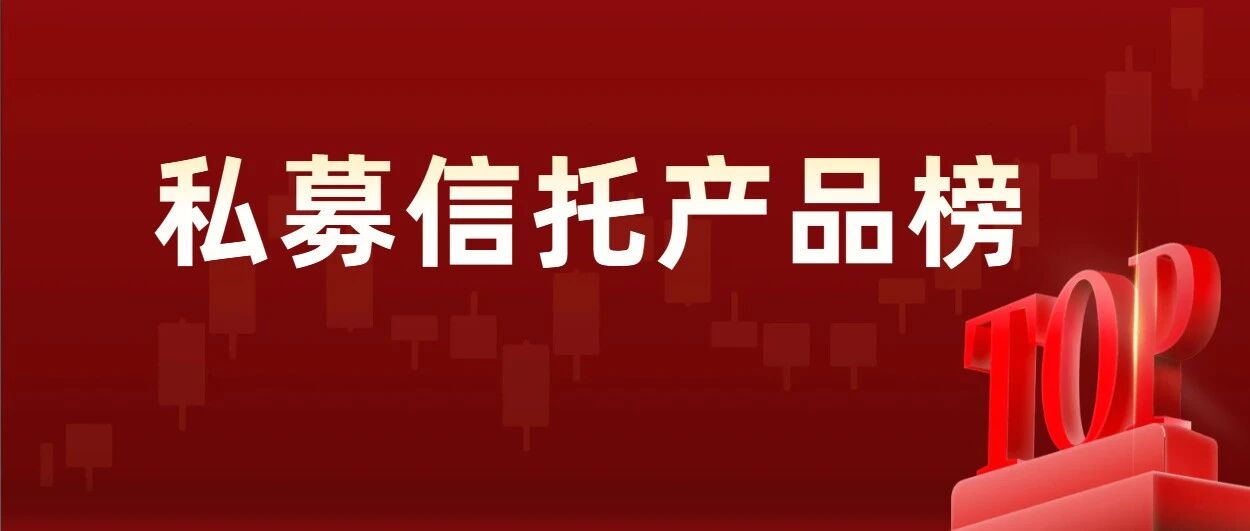
Core Viewpoint - The year 2025 is positioned as a pivotal moment in history, marked by significant developments in technology, economy, and societal changes, particularly in the realms of hard technology and new consumption [1][4][9]. Group 1: Economic and Technological Landscape - The economic future is closely tied to advancements in technology, with a focus on hard technology and new consumption as key coordinates for development in 2025 [4][6]. - China is facing unprecedented challenges and opportunities as it attempts to integrate industrialization, information technology, intelligence, and urbanization [4]. - The capital market is witnessing a surge in hard technology investments, particularly in areas like chips and innovative pharmaceuticals, which are crucial for narrowing the technological gap [4][6]. Group 2: New Consumption Trends - New consumption is evolving beyond mere material goods to encompass cultural and service-oriented aspects, indicating a shift in consumer behavior and preferences [6]. - Emotional and trendy consumption is rapidly gaining traction, reflecting a societal shift where consumers are increasingly valuing experiences and emotional connections over traditional goods [4][6]. - The service industry is identified as a fertile ground for the emergence of new consumption giants, highlighting the need for innovation in service delivery [6]. Group 3: Societal Implications - The relationship between national developments and individual experiences is emphasized, suggesting that the fate of the country is intertwined with the actions and aspirations of its citizens [3][9]. - The narrative of personal agency is reinforced, indicating that individuals have the potential to shape their futures amidst the uncertainties of a rapidly changing world [10]. - The importance of continuous innovation in systems, technology, and business practices is underscored as essential for meeting new demands and creating new supply [6].
泡泡玛特热潮遇冷:黄牛停止囤货,Labubu溢价神话正在破灭
华尔街见闻· 2025-12-30 12:45
Core Viewpoint - The "Labubu economy" is facing significant challenges as the secondary market's premium ability declines, leading to a loss of appeal for Pop Mart in the capital market [1] Group 1: Market Performance and Investor Sentiment - Investors are reassessing whether Pop Mart can maintain its high growth narrative and if its core IP is merely a fleeting trend [2] - Reports of weakened demand from scalpers have caused Pop Mart's stock to drop by 6.2%, marking its largest decline in three weeks and making it one of the worst performers in the MSCI Asia Pacific Index [2] - Since peaking in August, Pop Mart's stock has fallen approximately 44%, resulting in a market value loss of over $25 billion [5] Group 2: Secondary Market Dynamics - The sell-off was triggered by reports of significant price volatility in the secondary market, indicating weak demand and causing some scalpers to halt their stockpiling activities [4] - Data from the resale platform Qianshao shows that the average price of the mini Labubu set has fallen below the official retail price, with the "Sit Down" series dropping from nearly $400 to about $110 [8] Group 3: Growth Concerns and Market Expansion - Pop Mart's revenue growth in North America has slowed to 424%, halving compared to the previous quarter [10] - Despite aggressive marketing efforts, disappointing performance during the U.S. Black Friday and cooling resale demand have raised concerns about Pop Mart's long-term viability as a brand comparable to Disney or Sanrio [11] Group 4: Valuation and Diversification Efforts - Some institutional investors are adopting a wait-and-see approach due to negative market sentiment and uncertainties regarding future earnings per share [14] - Pop Mart is attempting to mitigate risks associated with reliance on a single IP by investing in other IPs and expanding into the entertainment sector, including theme parks and film development [15]
史杰君:“浮躁”二十年,我才读懂制造业的“土” | 我们的四分之一世纪
经济观察报· 2025-12-30 11:00
Core Viewpoint - The article reflects on the journey of the Chinese manufacturing industry over the past 20 years, emphasizing the need for a return to authenticity and sustainable practices in the face of past impulsiveness and rapid growth [2][6]. Group 1: Industry Development - The term "impulsiveness" is used to describe the rapid development of the Chinese manufacturing industry, which has been characterized by a rush to seize opportunities since China's entry into the WTO in 2001 [3][5]. - The author highlights the significant investments made during peak years, such as over 200 million yuan spent on advertising in 2018, despite the company's total revenue being only around 300 million yuan [4][6]. - The narrative illustrates how many entrepreneurs, including the subject, were initially successful in capitalizing on the era's opportunities but later faced challenges due to market volatility and impulsive decisions [5][10]. Group 2: Personal Journey and Lessons - The subject, a veteran in the manufacturing sector, experienced a significant downturn in 2009, with production dropping by 98% due to the global financial crisis, which served as a wake-up call about the importance of understanding market dynamics [11][13]. - The transition from a focus on B2B production to branding and direct consumer engagement was marked by a realization that true value creation requires a long-term commitment to quality and customer relationships [6][20]. - The subject emphasizes the importance of maintaining a focus on core competencies and the need for genuine innovation and management practices to ensure long-term survival in the manufacturing sector [20][21]. Group 3: Future Outlook - The article concludes with a reflection on the current state of the manufacturing industry, noting that despite rapid growth, there remains a lack of strong organizational and branding capabilities among Chinese manufacturers [21][22]. - The subject advocates for a cautious and thoughtful approach to business, emphasizing the need to understand the historical context of the industry to navigate future challenges effectively [21][22].

港股IPO登顶全球
2 1 Shi Ji Jing Ji Bao Dao· 2025-12-30 00:31
Core Viewpoint - In 2025, the Hong Kong Stock Exchange (HKEX) is expected to lead the global IPO market with a projected fundraising total exceeding HKD 280 billion, marking a significant return to prominence after several years [1][2]. Group 1: IPO Market Dynamics - The HKEX is anticipated to host 117 new listings in 2025, averaging a new listing every two trading days [1]. - Major IPO projects are significantly contributing to the overall fundraising scale, with the top ten IPOs expected to account for a substantial portion of the total [3][4]. - Six of the top ten IPOs are "A+H" listed companies, collectively raising HKD 1,033.20 million, which represents 36.12% of the total IPO fundraising for the year [4]. Group 2: A-Share Influence - The "A-share" influence is increasing, with 19 A-share companies successfully listing in Hong Kong, raising a total of HKD 1,399.93 million, nearly half of the total new fundraising [6]. - The "A+H" listing model is becoming a preferred choice for many companies, driven by various strategic needs such as international expansion and risk diversification [6][8]. Group 3: Policy Support - Continuous policy support is fueling the IPO trend, including measures from the China Securities Regulatory Commission to encourage leading companies to list in Hong Kong [7][8]. - Recent optimizations to HKEX listing rules have made it easier for companies to meet public shareholding requirements, further lowering the barriers for listing [8]. Group 4: New Economic Forces - The IPO market is witnessing a strong emergence of "new economy" companies, particularly in sectors like AI and robotics, with six companies set to list simultaneously [10]. - The hard technology sector is a key driver, with significant representation in the IPO pipeline, including 20 companies in pharmaceuticals and 19 in software services [11]. Group 5: Consumer Brands - The "new consumption" sector is also thriving, with 19 companies from various consumer industries listing in 2025, many of which had previously attempted to list in the A-share market [13][14]. - High demand for these consumer brands is evident, with many experiencing subscription rates exceeding 100 times, indicating strong investor interest [13][14]. Group 6: Market Performance and Future Outlook - The IPO market is showing a notable improvement in profitability, with a record low IPO failure rate of 28.83% and significant first-day price increases for many new listings [16]. - Despite some recent volatility, forecasts for 2026 remain optimistic, with expectations of around 160 new listings and fundraising of at least HKD 300 billion [18]. - Long-term prospects suggest that the HKEX could solidify its role as a global pricing hub for Chinese assets, contingent on maintaining high-quality listings and robust capital flows [19].






从“面条大王”到构建主食生态 克明食品向“新消费”突围
Shang Hai Zheng Quan Bao· 2025-12-29 19:06
Core Viewpoint - The company is transforming from a traditional noodle manufacturer to a provider of staple food solutions aimed at younger consumers, utilizing mobile food trucks to enhance consumer engagement and feedback [1][2]. Group 1: Company Strategy - The company plans to launch mobile food trucks in multiple cities by 2025 to shorten the connection between products and consumers, adapting to the preferences of the younger generation [1][2]. - The strategy is based on the observation that the number of noodle shops in China is expected to exceed 660,000 by March 2025, with a market size projected to surpass 160 billion yuan, growing at 8% year-on-year [2]. - The company aims to transform traditional noodle products into experiential and shareable items, aligning with the emotional and social consumption trends of younger consumers [2][3]. Group 2: Cultural and Emotional Connection - The company emphasizes the cultural attributes of its products, aiming to balance industrial efficiency with human touch, and leveraging cultural narratives such as traditional noodle-making techniques and seasonal eating habits [3]. - The competition in the food industry is shifting towards the ability to connect values and emotions with consumers, highlighting the importance of cultural storytelling in product offerings [3]. Group 3: Product Innovation and Quality - The company processes 3,000 tons of wheat daily in its factories, maintaining high production efficiency while also exploring traditional methods for new product lines [4][5]. - The introduction of AI in production aims to enhance quality control and product consistency, reflecting the company's commitment to innovation and adaptation to market demands [5]. - The company is expanding its product range to include healthier options and is focusing on B2B markets by providing customized semi-finished products and solutions [5][6]. Group 4: Market Positioning - The company is transitioning from being a "noodle supplier" to a "staple food solution provider," aligning with the current trends in the food industry towards integration of dining and retail [6]. - The transformation reflects a proactive response to new consumer trends and serves as a model for traditional manufacturers seeking growth in a saturated market [6].

专访斛妈妈创始人张曙华:从投行精英到深山“种草人”,她为何在“水最深”的行业里死磕十几年?
新消费智库· 2025-12-29 13:01
Core Viewpoint - The article discusses the transformation of the ancient herb Dendrobium, known as "Chinese fairy grass," into a modern health product through innovative branding and supply chain management, highlighting the challenges of building consumer trust in a fragmented market [2][3]. Group 1: Industry Challenges - The Dendrobium industry faces a significant trust crisis, with consumers unable to distinguish between high-quality and low-quality products due to a lack of understanding and transparency [11][12]. - The market is flooded with various types of Dendrobium, leading to confusion among consumers regarding authenticity and quality, as prices range dramatically from 9 yuan to over 10,000 yuan per kilogram [11][12]. Group 2: Product Innovation - The introduction of "Huangshan Dendrobium Powder" represents a shift towards "light health," making the product more accessible and convenient for modern consumers, akin to instant coffee [19][20]. - The product utilizes freeze-drying technology to create a powder that dissolves in water within five seconds, significantly lowering the barrier to entry for consumers who may be intimidated by traditional preparation methods [17][19]. Group 3: Branding and Communication Strategies - The founder's personal brand and storytelling have become crucial in establishing trust with consumers, as authenticity resonates more than traditional advertising [22][23]. - A unique "influencer + brand assistant" model was developed to educate consumers about the product's benefits, addressing the hidden needs of potential buyers [23][24]. - The communication strategy includes relatable metaphors and scenarios to explain complex health concepts in simple terms, enhancing consumer understanding and engagement [24][26]. Group 4: Target Demographics - The primary consumer base identified is middle-aged women aged 35-55, who are increasingly focused on self-care and wellness, aligning with the brand's messaging of "treating oneself well" [27][28]. - The product serves not only functional health benefits but also emotional satisfaction, creating a ritual of self-care for consumers [27][28]. Group 5: Long-term Vision - The company emphasizes a philosophy of "slow is fast," focusing on sustainable growth and building a trustworthy brand over time rather than pursuing aggressive, short-term profit strategies [29][30]. - The ultimate goal is to create a brand synonymous with trust in a market characterized by misinformation, ensuring that consumers feel secure in their purchasing decisions [30].