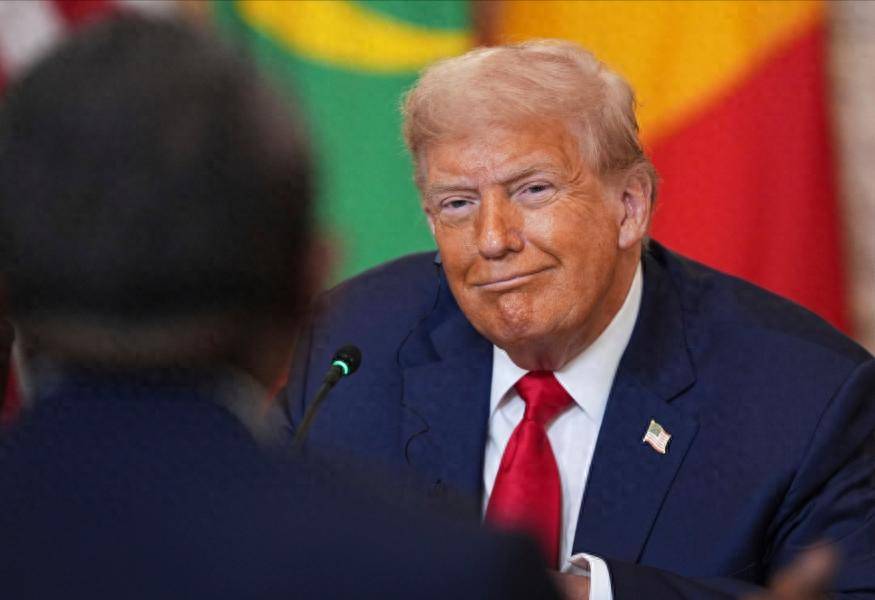
制造业回流

Search documents
好!加拿大对华钢铁产品加税25%,中方转手将订单给了澳大利亚
Sou Hu Cai Jing· 2025-07-22 18:05
Group 1 - Canada has announced an expansion of steel import tariffs, effective from August 1, to address U.S. steel tariffs and global overcapacity, while excluding the U.S. from these tariffs [1][3] - The new tariffs include a 25% additional tax on steel products containing Chinese melted and cast steel, indicating Canada's alignment with U.S. trade policies against China [3][5] - Canada's actions are seen as an attempt to appease the U.S. and support the return of American manufacturing, despite the negative impact on its own steel industry [3][5] Group 2 - The recent tariff measures raise questions about Canada's commitment to constructive dialogue with China, as expressed by Canadian Foreign Minister Anand at the ASEAN meeting [6] - China has significant trade relations with Canada, particularly in canola, with annual trade worth approximately $2 billion, and Canada has been a major supplier of canola to China [8] - The potential shift of canola trade to Australia, following recent agreements, could negatively impact Canada's agricultural exports to China [8][11]


美国财长贝森特:关税正在将制造业带回美国。特朗普曾要求工厂许可在一个月内办结。将在几天内宣布一系列贸易协议。许多协议包括对美国的实质性投资。
news flash· 2025-07-22 11:47
将在几天内宣布一系列贸易协议。 许多协议包括对美国的实质性投资。 特朗普曾要求工厂许可在一个月内办结。 美国财长贝森特:关税正在将制造业带回美国。 ...
美国财长贝森特:关税正在促使制造业回流美国。
news flash· 2025-07-22 11:42
Core Viewpoint - U.S. Treasury Secretary Janet Yellen stated that tariffs are encouraging the return of manufacturing to the United States [1] Group 1 - Tariffs are seen as a significant factor in reshoring manufacturing jobs back to the U.S. [1] - The policy is aimed at reducing reliance on foreign supply chains and boosting domestic production [1] - The government is focusing on creating a more resilient economy through these measures [1]
特朗普通告150国接战,中国也被美国盯上了,对华关税将飙到160%
Sou Hu Cai Jing· 2025-07-22 04:04
Group 1 - The U.S. plans to impose a preliminary anti-dumping duty of 93.5% on imports of anode-grade graphite from China, with a final decision expected by December 5 [1][3] - The effective tariff on Chinese graphite could reach 160% when combined with previous countervailing duties, raising concerns about the impact on electric vehicle (EV) battery costs [3][4] - The U.S. domestic graphite industry has been struggling to meet the growing demand for EVs, with major companies like Tesla and Panasonic opposing the tariffs due to potential cost increases [3][4] Group 2 - The imposition of a 160% tariff could increase the cost of EV batteries by approximately $7 per kilowatt-hour, significantly affecting the pricing of electric vehicles [4] - The U.S. government aims to encourage domestic supply chains through high tariffs, but industry experts believe this strategy may not succeed due to the technological gap and concentration of graphite resources in China [6][7] - The ongoing tariff dispute reflects a shift in U.S. trade strategy, extending from high-tech sectors to basic raw materials, with potential implications for the U.S. manufacturing sector [7][9] Group 3 - In 2023, the value of graphite products imported from China to the U.S. was approximately $347.1 million, indicating a significant financial impact on Chinese exporters if tariffs are implemented [6] - The U.S. has previously issued tariff notices to over 20 countries, but has strategically chosen not to impose similar tariffs on China, highlighting the complexities of U.S.-China trade relations [9] - China's response emphasizes mutual benefits in trade and a commitment to maintaining stable economic relations, reflecting confidence in its industrial advantages [9]
中方批准日方请求,特朗普这一局要输了,日本对美还留有大招
Sou Hu Cai Jing· 2025-07-21 07:12
Core Viewpoint - Trump's unilateral tariff strategy is facing significant challenges, particularly with Japan's response and China's support for Japan, which disrupts Trump's plans and highlights the growing economic cooperation between China and Japan [2][16]. Group 1: Japan's Economic Response - Japan has received support from China, leading to increased market access for Japanese products, particularly in agriculture and high-end manufacturing, with a projected 40% increase in rice exports to China by 2025 [2]. - Japanese companies are establishing production facilities in China to avoid U.S. tariffs, such as Toyota's new electric vehicle plant in Shanghai, allowing them to benefit from China's supply chain while circumventing U.S. tariffs [2][3]. - Direct investment from Japan to China increased by 18% in Q1 2025, with 70% focused on new energy and digital economy sectors, indicating a strategic shift in Japan's economic focus [3]. Group 2: Supply Chain and Legal Strategies - Japan is restructuring its supply chains to reduce reliance on the U.S., with plans to move 30% of critical component production to China and Southeast Asia by the end of 2025 [3][4]. - Japan has taken legal action against U.S. tariffs by filing complaints with the WTO, indicating a willingness to challenge U.S. trade policies on an international level [4]. - Japan's antitrust actions against Google signal a broader strategy to assert its economic interests against U.S. tech giants [4]. Group 3: Financial Measures - Japan's recent sale of $50 billion in U.S. Treasury bonds is seen as a silent protest against U.S. tariffs, reflecting a strategic move to diversify its foreign reserves [6]. - Discussions between the Bank of Japan and the People's Bank of China to expand currency swap agreements aim to reduce the dominance of the U.S. dollar in regional trade [6]. Group 4: Impact on U.S. Economy - U.S. companies are feeling the pressure from tariffs, with American Aluminum reporting a $115 million increase in costs due to tariffs, leading to production line shifts to Mexico [10]. - The overall cost of raw materials in the U.S. manufacturing and construction sectors has risen by 12% year-on-year, contributing to inflation and consumer dissatisfaction [10][11]. - A coalition of over 1,000 U.S. businesses has petitioned the government to halt tariff increases, warning of potential job losses amounting to 2 million [11]. Group 5: Geopolitical Implications - The postponement of U.S.-Japan security talks due to Japan's demands for renegotiation of military cost-sharing reflects growing tensions in the U.S.-Japan alliance [12]. - Japan's agricultural cooperation with China, including a soybean production agreement, further isolates the U.S. in the agricultural sector [12][14]. - The economic collaboration between China and Japan is reshaping the regional economic landscape, challenging U.S. unilateralism and fostering a new trend of economic integration in the Asia-Pacific [16].
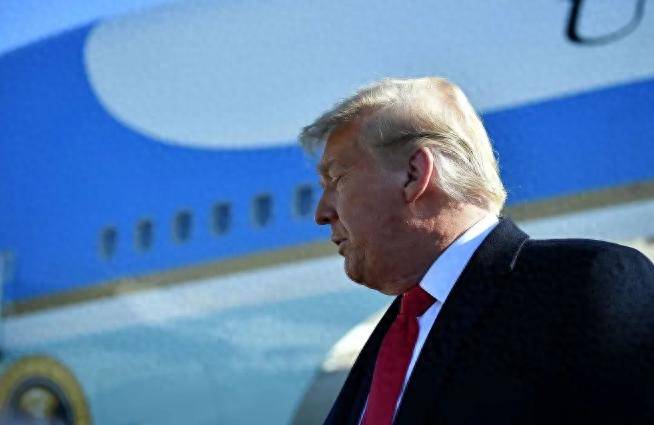
三重优势持续释放 筑牢中国供应链对美企“磁吸力”
Zhong Guo Xin Wen Wang· 2025-07-20 14:56
Core Insights - Despite rising policy uncertainties, American companies are increasingly valuing the Chinese supply chain, as evidenced by a 15% year-on-year increase in U.S. exhibitors at the China International Supply Chain Promotion Expo, with 60% being Fortune 500 companies [1][2] - The U.S.-China Business Council's 2025 report indicates that losing access to the Chinese market would significantly weaken the global competitiveness of American firms [1] - The Chinese supply chain offers unparalleled advantages, including a complete industrial chain, cost-effectiveness, and a unique innovation ecosystem that integrates advanced technologies [2] Group 1: Supply Chain Advantages - China possesses a leading global industrial chain advantage, allowing for production processes that would require multiple countries in other regions [1] - The cost-effectiveness of the Chinese supply chain is not only about pricing but also about time and operational efficiency, even when tariffs are considered [1][2] Group 2: Deepening U.S.-China Cooperation - The deep interdependence between American companies and the Chinese supply chain is evident across various industries, with over 80% of Apple's major suppliers located in China and significant local operations by companies like Cargill and Tesla [2] - A recent survey by the American Chamber of Commerce indicates that most U.S. companies prefer to enhance local operations rather than withdraw from China in response to challenges [2][3] Group 3: Business Communication and Collaboration - Current communication between U.S. and Chinese business sectors is smooth, with a shared willingness to strengthen supply chain cooperation [3] - American companies remain committed to their strategic considerations in China, seeking deeper collaboration to stabilize economic relations and ensure the continuity of global supply chains [3]


最高40%!特朗普公布加税名单,五国被征高税,拒绝牺牲中国利益换美国让步!越南被摆了一道?
Sou Hu Cai Jing· 2025-07-19 11:58
Core Points - The article discusses Trump's announcement of imposing tariffs ranging from 25% to 40% on products imported from 14 countries starting August 1, 2025, with Southeast Asia being significantly affected [1][3] - The tariffs aim to encourage companies to relocate production to the U.S., thereby disrupting China's supply chain in Southeast Asia [1][6] - Countries like Cambodia, Thailand, Laos, Myanmar, and Indonesia face particularly high tariffs, with rates exceeding 35% for some [1][3] Group 1: Tariff Impact on Southeast Asia - Southeast Asian countries are major recipients of Chinese industrial transfers, with industries such as semiconductor packaging in Malaysia and automotive parts in Thailand being highlighted [1][3] - The tariffs are seen as a strategy to force these countries to shift production to the U.S., which could lead to factory closures and supply chain disruptions if they do not comply [1][6] - Vietnam's economy is heavily reliant on Chinese imports, making it vulnerable to the proposed tariffs, which could severely impact its manufacturing sector [6][9] Group 2: Reactions from Affected Countries - Countries like Cambodia, Thailand, Laos, Myanmar, and Indonesia are perceived to be resisting U.S. pressure to sacrifice their economic ties with China [6][9] - Malaysia and Thailand have initiated measures to limit U.S. technology imports, indicating a preference for maintaining ties with China over complying with U.S. demands [6][9] - The article suggests that the U.S. strategy of using tariffs to isolate China may backfire, as Southeast Asian nations are increasingly moving towards "de-dollarization" and building independent supply chains [6][9] Group 3: U.S. Strategic Dilemma - The U.S. is hesitant to impose tariffs on China directly, indicating a strategic contradiction in its approach to trade [7][9] - The article highlights the complexity of Vietnam's position, as it seeks to balance relations between the U.S. and China while facing economic pressures from both sides [9] - The ongoing tariff conflict raises uncertainties about the future of international trade dynamics, as countries navigate their own interests amidst U.S. unilateral actions [9]
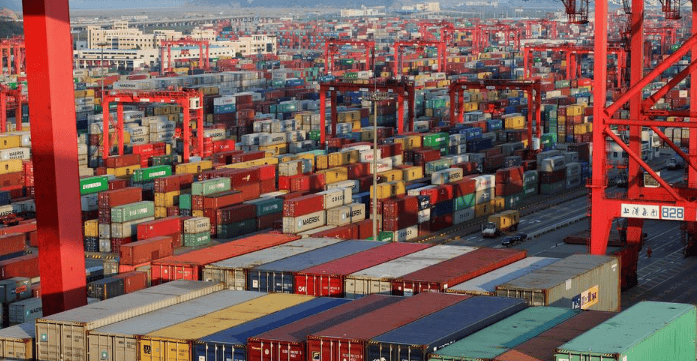
美国的九大关税
Hu Xiu· 2025-07-19 02:31
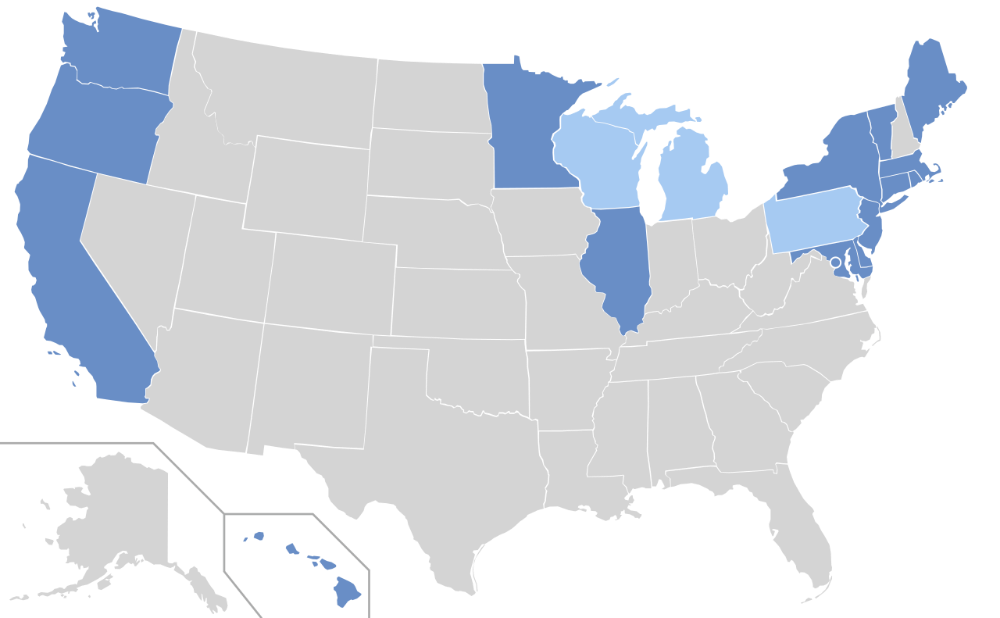
Core Viewpoint - The article discusses the impact of Trump's tariffs, particularly the nine industry-specific tariffs based on national security concerns, which are more stringent than reciprocal tariffs based on trade deficits [1][3]. Group 1: Steel and Aluminum - Trump announced a 25% tariff on steel and a 10% tariff on aluminum in 2018, which were later reinstated and increased to 50% in 2025 [4][6][7]. - The tariffs primarily target Canada, which accounts for over 20% of U.S. steel imports and nearly half of aluminum imports, followed by the EU and Japan [9]. - The tariffs have significant political implications, especially in key swing states like Wisconsin, Michigan, and Pennsylvania, which are crucial for elections [13][14][15]. Group 2: Copper - A 50% tariff on copper was announced, affecting various copper products, with the U.S. relying on imports for about half of its copper needs [16][17]. - Chile is a major copper supplier, contributing to a quarter of global supply, while China and other Asian countries hold significant copper reserves [18][19]. Group 3: Automotive and Parts - A 25% tariff on imported cars and parts was implemented, impacting a market where the U.S. imports over $300 billion worth of vehicles annually [22][23]. - The primary countries affected include Mexico, Japan, South Korea, Germany, Canada, and the UK, with Mexico being the most impacted [24][25]. - The tariffs are expected to influence U.S. automakers significantly, as they rely heavily on imported parts, with nearly 60% of parts being imported [25][32]. Group 4: Commercial Aircraft and Jet Engines - The U.S. imports more commercial aircraft and jet engines than it exports, with a trade deficit of $33 billion in 2024 [40]. - Nearly 50% of these imports come from the EU, with significant contributions from Canada and the UK [41]. Group 5: Wood Products - The U.S. is investigating tariffs on imported wood products, citing national security concerns due to military construction needs [43][45]. Group 6: Pharmaceuticals - The U.S. imports about 80% of its generic drugs and half of its brand-name drugs, with significant imports from Ireland and China [46][48]. - The U.S. has raised concerns about trade imbalances with Ireland, where many pharmaceutical companies have established operations [48]. Group 7: Semiconductors - The semiconductor industry is under scrutiny for potential tariffs, as the U.S. imports $200 billion more in semiconductors than it exports [51]. - Major suppliers include mainland China, Taiwan, and Mexico, with a significant reliance on foreign production [52]. Group 8: Critical Minerals - The U.S. is heavily reliant on imports for critical minerals, with 12 out of 50 minerals fully imported and 28 more than half imported [53][54]. - South Africa and Canada are the largest suppliers, while China dominates the rare earth imports [55]. Group 9: Manufacturing Employment - The article notes a decline in U.S. manufacturing jobs from 17 million to 13 million over the past 30 years, with tariffs aimed at bringing jobs back to the U.S. [58]. - The transition of supply chains is complex and varies by industry, with manufacturing sectors like automotive facing longer timelines for relocation [59][60].
贵金属有色金属产业日报-20250718
Dong Ya Qi Huo· 2025-07-18 12:56
Group 1: Report Investment Rating - No investment rating provided in the report Group 2: Core Views - The gold futures market shows a multi - empty game. Strong US retail data and high Fed rate - cut expectations support the gold price, while a strong dollar and tariff policy uncertainty limit its increase. The gold price remains in a high - level oscillation [3]. - Trump's tariff on copper has both explicit and implicit purposes. In the short term, copper prices may continue to oscillate [14]. - Aluminum prices are affected by macro factors. They may adjust in the short term and are expected to be weak in the long term. Alumina may maintain a high - level oscillation, and casting aluminum alloy has limited upward space [33][34]. - Zinc supply is transitioning from tight to surplus, and demand is weak. Short - term focus is on macro data and supply disturbances [62]. - Nickel prices may be boosted by factors such as nickel - iron price adjustments and potential formula revisions in Indonesia. Stainless steel and nickel salt have certain trends [75]. - Tin prices are in an oscillating trend. Considering the upcoming outflow of Burmese ore and weak downstream demand, the upward pressure on tin prices is greater than the downward support [92]. - The lithium carbonate market is expected to oscillate. The cost is supported, but the downstream demand is weak [107]. - The industrial silicon market may be in a short - term oscillating and strengthening pattern, with high inventory limiting the upward space [116]. Group 3: Summary by Metals Gold - The fundamentals of SHFE gold futures present a multi - empty game. Strong US retail data and high Fed rate - cut expectations support the gold price, while a strong dollar and tariff policy uncertainty limit its increase. The market is short - term focused on US consumer confidence and inflation expectation data [3]. - Various data charts show the trends of SHFE and COMEX gold prices, gold - dollar index, gold - US Treasury real interest rate, etc. [4][8] Copper - Trump's tariff on copper has explicit and implicit purposes. The short - term copper price may oscillate. The closing price last week can be used as a short - term reference [14]. - The latest prices of SHFE copper futures show different changes. The spot prices of different copper sources also have various fluctuations, and the import profit and loss, processing fees, etc. are also presented [15][22][26] Aluminum - Aluminum supply is approaching the industry limit, demand is in the off - season, and macro - level tariff policies and Fed policy uncertainties affect prices. In the short term, it may adjust, and in the long term, it is expected to be weak [33]. - Alumina supply is expected to be in surplus, and it may maintain a high - level oscillation. Casting aluminum alloy has cost support but weak demand [34]. - The latest prices of SHFE aluminum futures and related spreads are provided, along with spot prices and basis data [35][42][45] Zinc - Zinc supply is transitioning from tight to surplus, and demand is weak in the off - season. The market is short - term focused on macro data and supply disturbances [62]. - The latest prices of SHFE zinc futures and LME zinc, along with spot prices and spreads, are presented [63][68] Nickel - The second - phase nickel ore benchmark price in July decreased slightly. Nickel - iron prices rose slightly, and factors such as Indonesian policy adjustments may boost nickel prices [75]. - The latest prices of SHFE nickel futures and related data on stainless steel futures are provided, along with information on nickel ore prices, inventory, and downstream profits [76][82][86] Tin - Tin prices are in an oscillating trend. Considering the upcoming outflow of Burmese ore and weak downstream demand, the upward pressure on tin prices is greater than the downward support [92]. - The latest prices of SHFE tin futures and spot prices are presented, along with inventory data [93][97][100] Lithium Carbonate - The lithium carbonate market is expected to oscillate. The cost is supported, but the downstream demand is weak. Attention should be paid to the warehouse receipt situation [107]. - The latest prices of lithium carbonate futures and spot prices of various lithium products are provided, along with inventory data [108][111][114] Industrial Silicon - The industrial silicon market may be in a short - term oscillating and strengthening pattern, with high inventory limiting the upward space. Attention should be paid to the warehouse receipt changes [116]. - The latest spot prices of industrial silicon in different regions and futures prices are provided, along with data on related products in the silicon industry chain [117][120][128]
特朗普的政策奏效了?中国造船业订单量减少,韩国捡漏成大赢家
Sou Hu Cai Jing· 2025-07-16 03:57
Group 1 - The core point of the article highlights the unintended consequences of Trump's policies on the global shipbuilding industry, particularly how they have benefited South Korea while not significantly aiding the U.S. shipbuilding sector [1][3][9] - Trump's initial proposal to impose high "port fees" on ships built or owned by Chinese companies led to a cautious approach from international shipowners, resulting in a shift of orders from China to South Korea, increasing South Korea's market share from 14% to 30% [1][3] - The U.S. shipbuilding industry, having long been in decline, lacks the capacity and technology to handle large-scale orders, which has allowed South Korea's established shipbuilders to thrive [3][5] Group 2 - The South Korean government has proactively supported its shipbuilding industry by expanding financial assistance, including low-interest loans and export credit guarantees, while also advancing research in eco-friendly ship technologies [5] - In response to reduced orders, Chinese shipbuilders are diversifying their focus towards military and high-end specialty vessels, as well as expanding into emerging markets in Southeast Asia and Africa through initiatives like the Belt and Road [5][7] - The ongoing competition is evolving into a technological race, with China pushing for advancements in green and smart shipbuilding technologies, while South Korea consolidates its position with its existing advantages [7][9]