产能出清

Search documents
行业景气观察:6月CPI同比转正,挖机、装载机销量同比增幅扩大
CMS· 2025-07-09 13:32
Core Insights - The June CPI turned positive year-on-year at 0.1%, indicating a recovery in consumer prices, while the PPI continued to face downward pressure at -3.6% year-on-year, reflecting ongoing challenges in the manufacturing sector [13][24]. - The report highlights a significant increase in sales of excavators and loaders, with year-on-year growth expanding, indicating a recovery in the engineering machinery sector [1][24]. - The semiconductor industry showed a positive trend with global semiconductor sales increasing year-on-year, despite a decline in smartphone shipments [3][32]. Industry Overview Consumer Demand - The CPI improvement was driven by rising prices in fresh fruits and vegetables, with fresh fruit prices increasing by 6.1% year-on-year, and fresh vegetable price declines narrowing significantly [15][24]. - Household appliances saw a positive CPI growth of 1.0%, supported by ongoing consumer promotion policies [16][24]. - The demand for gold jewelry remained strong, with prices for 925 silver and foot gold increasing by 18.0% and 37.8% year-on-year, respectively [16][24]. Resource Products - Coal prices have risen, with significant increases in the prices of Qinhuangdao mixed coal and Shanxi coking coal, indicating a tightening supply [25]. - The report noted a mixed performance in the steel sector, with construction steel transaction volumes increasing while prices for some steel products remained under pressure [25]. Information Technology - The Philadelphia Semiconductor Index rose by 2.43% week-on-week, while the Taiwan Semiconductor Index declined, indicating a divergence in regional semiconductor performance [26]. - Prices for DDR4 and DDR5 DRAM memory showed a downward trend, with 8GB DDR4 prices decreasing by 1.15% to $5.00 [29][31]. - The smartphone market faced challenges, with May shipments declining by 21.20% year-on-year, reflecting a broader trend of reduced consumer electronics demand [32]. Midstream Manufacturing - The report highlighted an increase in the sales of various types of excavators and loaders, with year-on-year growth expanding, suggesting a recovery in the construction and engineering machinery sectors [1][24]. - The report also noted a decline in prices for certain components in the photovoltaic industry, indicating ongoing price adjustments in the renewable energy sector [25]. Financial and Real Estate - The real estate market showed signs of weakness, with a decline in land transaction premium rates and a decrease in the area of commercial housing sold [25]. - The report indicated a net withdrawal in the money market, with a decrease in A-share turnover rates and daily transaction volumes [25].
光大期货工业硅日报-20250709
Guang Da Qi Huo· 2025-07-09 06:30
Group 1: Report Industry Investment Rating - No relevant content provided Group 2: Core Viewpoints of the Report - On July 8th, polysilicon hit the daily limit again due to multiple news. The main contract 2508 closed at 38,385 yuan/ton, with an intraday increase of 7%. The SMM N-type polysilicon price rose to 39,000 yuan/ton. The spot price shifted from a discount to a premium of 615 yuan/ton compared to the main contract. Industrial silicon showed a slightly stronger trend, with the main contract 2509 closing at 8,215 yuan/ton, an intraday increase of 2.8%. The spot premium narrowed to 215 yuan/ton. There are expectations of anti-involution production cuts in the polysilicon industry, and the trading logic is in a period of policy regulation and news fermentation. The market has strong support, and short-selling is not advisable. One can choose to wait and see or take a small long position. Industrial silicon follows the rise of polysilicon in the short term, but the decline in warehouse receipts and the accumulation of social inventory limit the upside. A high-selling strategy is recommended. Attention should be paid to the implementation of production cuts for both types of silicon and the opportunity to go long on polysilicon and short on industrial silicon after the PS/SI price ratio rebounds [2] Group 3: Summary by Relevant Catalogs 1. Research Viewpoints - Polysilicon is affected by multiple news, hitting the daily limit again. Industrial silicon shows a slightly stronger trend. There are expectations of anti-involution production cuts in the polysilicon industry, and the trading logic is in a period of policy regulation and news fermentation. Industrial silicon follows the rise of polysilicon in the short term, but the decline in warehouse receipts and the accumulation of social inventory limit the upside [2] 2. Daily Data Monitoring - **Industrial Silicon**: The futures settlement price of the main contract increased from 7,990 yuan/ton on July 7th to 8,195 yuan/ton on July 8th. The spot price of most grades remained stable, and the spot premium decreased from 240 yuan/ton to 215 yuan/ton [4] - **Polysilicon**: The futures settlement price of the main contract increased from 36,515 yuan/ton on July 7th to 38,385 yuan/ton on July 8th. The N-type polysilicon price rose from 36,000 yuan/ton to 39,000 yuan/ton, and the spot price shifted from a discount to a premium of 615 yuan/ton [4] - **Organic Silicon**: The DMC price in the East China market remained stable at 10,800 yuan/ton. Data for other products were incomplete [4] - **Downstream Products**: The prices of silicon wafers, battery cells, and components remained unchanged [4] 3. Chart Analysis 3.1 Industrial Silicon and Cost-side Prices - Charts show the prices of different grades of industrial silicon, grade spreads, regional spreads, electricity prices, silica prices, and refined coal prices [5][7][10] 3.2 Downstream Product Prices - Charts display the prices of DMC, organic silicon products, polysilicon, silicon wafers, battery cells, and components [13][16][18] 3.3 Inventory - Charts present the inventory of industrial silicon futures, factory warehouses, weekly industry inventory, and changes in weekly inventory, as well as the weekly inventory of DMC and polysilicon [21][22][24] 3.4 Cost and Profit - Charts show the average cost and profit levels in major production areas, the weekly cost and profit of industrial silicon, the profit of the aluminum alloy processing industry, and the cost and profit of DMC and polysilicon [27][29][32] Group 4: Team Introduction - The non-ferrous metals team at Everbright Futures Research Institute includes Zhan Dapeng, Wang Heng, and Zhu Xi. Zhan Dapeng has over a decade of commodity research experience and has won multiple industry awards. Wang Heng focuses on aluminum and silicon research, and Zhu Xi focuses on lithium and nickel research [35][36]
电力设备新能源行业观察:亿纬锂能加速海外布局;光伏“反内卷”进入政策执行期
Sou Hu Cai Jing· 2025-07-09 04:49
Group 1: Industry Overview - The "anti-involution" signal from policy levels is driving structural adjustments in the power equipment and new energy sectors, indicating a shift from disorderly competition to high-quality development [1] - The photovoltaic industry is experiencing accelerated elimination of backward production capacity under policy guidance, with signs of price stabilization in silicon materials and glass [1] Group 2: EVE Energy's Global Expansion - EVE Energy has submitted an IPO application to the Hong Kong Stock Exchange, aiming to raise funds for a 30GWh power battery factory in Hungary and a 38GWh energy storage battery project in Malaysia, marking a critical phase in its global layout [1] - The Hungary project targets local demand from European automakers, focusing on the production of 46 series cylindrical batteries, while the Malaysia project aims at the Southeast Asian energy storage market [1] Group 3: Competitive Landscape and Financial Challenges - The shift in industry competition logic is evident as domestic lithium battery capacity faces significant overcapacity pressure, while policies in Europe and the U.S. favor localized supply, creating new opportunities [2] - EVE Energy's "China manufacturing + overseas base" model helps avoid trade barriers and shortens the distance to core customers, but the projected 2027 production timeline for the Hungary project coincides with competitors like CATL and Sunwoda, indicating potential market competition intensity [2] - As of March 2025, EVE Energy has cash reserves of 13.435 billion yuan, but the total investment demand for overseas projects far exceeds current reserves, with a debt-to-asset ratio rising to 62% [2] - The energy storage business's strategy of "exchanging price for volume" has led to a continuous decline in gross margins, with the average price of energy storage batteries expected to drop by 33% year-on-year in 2024 [2] Group 4: Photovoltaic Industry Dynamics - The photovoltaic industry's "anti-involution" actions are transitioning from initiatives to tangible implementations, with major domestic photovoltaic glass companies collectively announcing a 30% production cut, expected to reduce July output to 45GW, which has led to a rebound in glass prices [3] - The central financial committee has mandated the rectification of low-price disorderly competition, indicating that supply-side reforms in the photovoltaic sector have entered an execution phase [3] - The silicon material segment is becoming a focal point for capacity consolidation, with recent rumors of "silicon material storage" leading to price recovery, as the average transaction price for multi-crystalline silicon N-type materials has risen to 34,700 yuan/ton, a 0.87% increase [3] - The new photovoltaic manufacturing industry standards raise the threshold for new capacity, further curbing inefficient expansion [3] - The competitive focus is shifting from price to technological differentiation, with advancements in large-size N-type cells and perovskite tandem technologies accelerating, allowing leading firms to achieve cost reductions and efficiency improvements [3] - The primary contradiction in the photovoltaic sector has shifted from insufficient demand to oversupply, with the potential for marginal improvements as policies and corporate actions drive capacity elimination [3]

光伏ETF领涨,机构称行业有望迎来拐点丨ETF基金日报
2 1 Shi Ji Jing Ji Bao Dao· 2025-07-09 02:44
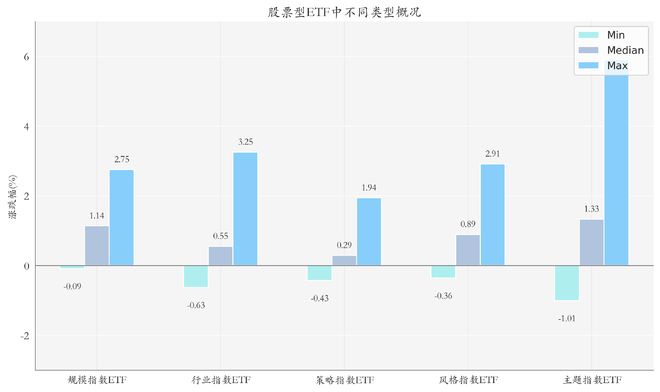
Market Overview - The Shanghai Composite Index rose by 0.7% to close at 3497.48 points, with a daily high of 3499.89 points [1] - The Shenzhen Component Index increased by 1.47% to 10588.39 points, reaching a peak of 10593.84 points [1] - The ChiNext Index saw a rise of 2.39%, closing at 2181.08 points, with a maximum of 2183.06 points [1] ETF Market Performance - The median return of stock ETFs was 1.08%, with the highest return from the China Asset Management ChiNext 50 ETF at 2.75% [2] - The Southern CSI New Energy ETF led the industry index ETFs with a return of 3.25% [2] - The top-performing thematic ETF was the China Tai CSCI Photovoltaic Industry ETF, achieving a return of 5.9% [2] ETF Gains and Losses - The top three ETFs by gain were: - Guotai CSI Photovoltaic Industry ETF (5.9%) - E Fund CSI Photovoltaic Industry ETF (5.57%) -浦银安盛中证光伏产业ETF (5.57%) [4][5] - The largest losses were seen in: - Taikang National Public Health and Medical Health ETF (-1.01%) - Fuguo CSI Green Power ETF (-0.63%) - E Fund CSI Green Power ETF (-0.55%) [4][5] ETF Fund Flows - The top three ETFs by inflow were: - Southern CSI 1000 ETF (¥778 million) - Huaxia SSE 50 ETF (¥696 million) - Huatai-PB CSI 300 ETF (¥538 million) [6][7] - The largest outflows were from: - Huatai-PB CSI A500 ETF (¥406 million) - Huaxia SSE Sci-Tech 50 ETF (¥351 million) - Huaxia CSI Animation Game ETF (¥237 million) [6][7] Financing and Margin Trading - The highest financing buy amounts were: - Huaxia SSE Sci-Tech 50 ETF (¥514 million) - E Fund ChiNext ETF (¥340 million) - Huatai-PB CSI 300 ETF (¥249 million) [8][9] - The largest margin sell amounts were: - Huatai-PB CSI 300 ETF (¥25.7 million) - Southern CSI 500 ETF (¥15.7 million) - Huaxia SSE 50 ETF (¥15.4 million) [8][9] Industry Insights - The photovoltaic industry is expected to reach a turning point, with signals indicating a shift away from internal competition, potentially accelerating supply-side capacity clearance and driving new technology breakthroughs [10] - Focus areas include "capacity clearance" and "new technology iteration," with recommendations to monitor leading companies in sectors like polysilicon and photovoltaic glass, as well as advancements in BC batteries and perovskite battery commercial applications [10]

玻璃:现宏观氛围转暖 盘面整体表现偏强
Jin Tou Wang· 2025-07-09 02:08
Market Overview - The average transaction price of glass in Shahe is around 1100 yuan per ton [1] Supply and Demand - As of July 3, 2025, the daily production of float glass in China is 157,800 tons, an increase of 0.64% compared to June 26 [2] - For the week of June 27 to July 3, 2025, the total production of float glass is 1,103,400 tons, showing a week-on-week increase of 1.15% but a year-on-year decrease of 7.46% [2] - The total inventory of sample enterprises for float glass is 69.085 million heavy boxes, a decrease of 131,000 heavy boxes week-on-week, which is a 0.19% decline, but a year-on-year increase of 10.57% [2] - The inventory days are at 29.9 days, a decrease of 0.6 days from the previous period [2] Analysis - Recent policy disturbances have led to market expectations of production cuts, resulting in a significant rebound in the market [3] - Improved market sentiment has positively impacted the spot market, alongside strong production and sales driven by early-month credit [3] - However, during the summer rainy season, demand from deep processing is weak, and the operating rate remains low, indicating pressure on the glass demand side [3] - Long-term, the industry needs capacity clearance to address the surplus situation, and more cold repairs are awaited to potentially bring about a real market reversal [3] - Following the recent rebound, the market perceives limited bullish factors, leading to a renewed weakness and an expectation of a narrow fluctuation pattern, suggesting a wait-and-see approach [3]
连跌4-5年,白酒、光伏行业何时迎来反转?
雪球· 2025-07-08 08:58
Core Viewpoint - The article discusses the significant downturns in the liquor and photovoltaic industries, highlighting the challenges faced by both sectors and the potential conditions for recovery. Liquor Industry - The liquor industry is currently facing three major challenges: weak consumer demand, high inventory levels, and price inversion [9][10]. - Consumer demand is declining, with a shift towards mid-to-low-end products and a weakened correlation with the real estate sector, impacting traditional consumption scenarios [10][11]. - High inventory levels are a result of manufacturers pushing products onto distributors during the pandemic, leading to a "dam" effect where excess stock remains unsold [12][14]. - The valuation bubble that existed during the liquidity peak of 2020-2021 has burst, with the China Liquor Index's PE-TTM ratio previously exceeding 70 times, now facing significant earnings growth declines [15][16]. - Recovery in the liquor sector depends on economic recovery, inventory normalization, and strategic adjustments by companies to target new consumer segments [21][23]. Photovoltaic Industry - The photovoltaic industry is experiencing a supply-demand imbalance, leading to widespread losses across the sector [17]. - Rapid capacity expansion from 2020 to 2022 has resulted in overproduction, with projected capacities far exceeding demand, leading to price crashes across the supply chain [17][18]. - Technological iterations, particularly the shift from PERC to N-type technologies, are intensifying competition and causing old production lines to become obsolete [18]. - The industry faces significant geopolitical risks, including trade barriers and instability in energy policies due to ongoing global conflicts [19][20]. - Conditions for recovery in the photovoltaic sector are clearer, with expectations for capacity reduction and stabilization of prices by 2025, alongside potential technological advancements [25][26]. Market Divergence and Potential Risks - Optimistic views suggest that the worst may be over for both industries, with opportunities emerging as pessimistic expectations are priced in [27][32]. - Cautious perspectives highlight the lack of substantial improvement in fundamentals, warning against premature investments [28][33]. - Key risks include macroeconomic uncertainties, slow capacity clearance, deteriorating overseas markets, and uncertainties in technological advancements [34][35][36][37]. Long-term Outlook - Both industries are undergoing painful adjustments as they transition towards higher quality development, with the liquor sector focusing on brand enhancement and the photovoltaic sector on technological leadership [38][39].

产能出清加速,锂价弱势震荡
Tong Guan Jin Yuan Qi Huo· 2025-07-07 05:51
Report Industry Investment Rating No relevant content provided. Core Views - In the first half of the year, lithium carbonate prices rebounded at the beginning of the year due to pre - holiday restocking by downstream players. After the holiday, new - energy vehicle terminal sales declined, lithium salt production climbed rapidly, inventory accumulated, and prices dropped. In June, production contracted, material factories restocked, and policies released positive expectations, leading to a price rebound [3]. - In the second half of the year, the fundamental situation of supply - demand weakness remains unchanged, and prices are expected to continue to decline under the logic of oversupply. However, the advantage of hedging for lithium salt plants disappears, the pace of upstream capacity clearance is expected to accelerate, and there may be frequent disruptions on the supply side. The domestic macro - environment has not improved significantly, and the resilience of power terminal consumption is questionable. The heat of the energy - storage market may continue in the third quarter, and the "rush - to - export" trend depends on foreign trade policy risks. Overall, prices may continue to decline, but the downward path may not be smooth [3]. Summary by Directory 1. Market Review - In the first half of the year, lithium carbonate prices fluctuated downward based on fundamental logic, with staged rebounds driven by market expectations of marginal fundamental corrections. By May 31, the maximum decline of the 09 contract in the first half of the year was about 25.26% [8]. - Before the Spring Festival, pre - holiday restocking pushed up prices. After the holiday, weak terminal consumption and increased production led to price drops. In March, trade barriers intensified the decline. In May, trade negotiations led to a small rebound, followed by another decline. In June, factors such as factory shutdowns, restocking by downstream players, and short - term profit - taking by short - sellers led to a price rebound [9]. 2. Fundamental Analysis 2.1 Cost Center Moves Down, Lithium Resource Exploration at Home and Abroad Accelerates - Lithium prices and associated ore prices declined, with different rates. Imported lithium spodumene concentrate prices fell from $747/ton at the beginning of the year to $644/ton on June 30, a decline of about 13.79%. Lithium mica prices declined more slowly, from 1,310 yuan/ton to 1,260 yuan/ton, a decline of about 3.82% [11]. - Lithium ore imports remained high, and import channels became more diversified. From January to May, the total import volume of lithium concentrate was 291.94 tons, with an increasing trend. Australia was still the main source, accounting for about 53.1%, while African imports increased, accounting for about 36.57% [12]. - Australian mines have abundant resources, but the incremental expectation is slowing. In the first quarter of 2025, the total production of lithium concentrate was about 800,000 tons, a year - on - year increase of about 6.98%. The weighted average cost decreased from $399.41/ton in Q4 2024 to $359.66/ton [13]. - African mines have limited incremental production this year but strong potential in the long term. Some mines are already at full - capacity production, and some new projects are in the process of ramping up production [14]. - Domestic resources are on the verge of development. Some domestic mines have started production or obtained mining licenses, and technological innovation has reduced the cost of extracting lithium from mica [14]. 2.2 Capacity Growth Slows, Supply Clearance Expected to Accelerate - Lithium salt capacity growth slowed down. From the beginning of the year to May, capacity increased from 1.963 million tons to 2.1486 million tons, an increase of about 9.45%, much lower than the 19.22% growth rate in the second half of 2024. Some projects have stopped construction [17]. - By June 27, the total production of lithium carbonate was about 409,300 tons. Production in Jiangxi and Hunan, mainly from mica - based lithium extraction, increased significantly, while production in Sichuan, mainly from spodumene - based extraction, was relatively stable. Salt - lake lithium extraction in Qinghai and Xinjiang also increased [17]. - From January to May 2025, lithium carbonate imports were 100,100 tons, a year - on - year increase of about 15.32%. Chile was the main source, accounting for about 66.52%. Some overseas salt - lake projects are ramping up production, and the proportion of low - cost lithium salt is expected to increase [20]. - Some domestic companies have capacity expansion or new - project plans. In the future, the clearance of high - cost capacity is expected to accelerate, but supply disruptions may occur frequently [21]. 2.3 Positive Electrode Material Market Expected to be Stable - **Lithium Iron Phosphate**: Prices declined. Power - type lithium iron phosphate prices dropped from 35,500 yuan/ton at the beginning of the year to 32,300 yuan/ton on June 30, a decline of about 9.01%. Energy - storage type prices dropped from 33,250 yuan/ton to 31,100 yuan/ton, a decline of about 6.46%. Capacity growth slowed down, but production and operating rates increased slightly. New capacity is shifting towards high - compaction products [28]. - **Ternary Cathode Materials**: Prices fluctuated. The price of 5 - series ternary materials increased from 130,100 yuan/ton at the beginning of the year to 138,400 yuan/ton on June 30, an increase of about 6.38%. The price of 8 - series materials increased slightly by about 0.14%. The increase in cobalt prices drove up the cost. Capacity growth was slightly positive, and production and operating rates were higher than last year. New capacity is moving towards high - nickel ternary materials [29][30]. 2.4 Terminal Consumption Resilience Questionable, Policies Force Car Manufacturers to Reduce Production Schedules - **Domestic Market**: From January to May, new - energy vehicle production was about 5.701 million vehicles, a year - on - year increase of about 45%, and sales were about 5.606 million vehicles, a year - on - year increase of about 44%. New - replacement subsidies drove consumption, accounting for about 30.49% of total sales in the first half of the year. However, if subsidies are excluded, 2025 consumption is similar to 2024. In the future, consumer willingness may be limited, and policies may pressure car manufacturers' cash flows and production schedules [32][33]. - **Overseas Market**: In Europe, from January to April, new - energy vehicle sales were about 1.1312 million vehicles, a year - on - year increase of about 23.32%. In the US, from January to May, sales were about 647,900 vehicles, a year - on - year increase of about 8.87%, and the market penetration rate declined. In the future, European carbon - emission policies may slow down the electrification process, and US tax - incentive policies may change [34]. 2.5 Warehouse Receipt Inventory May Be a Drag, No Industry - Driven De - stocking Expected - In the first half of the year, lithium carbonate inventory increased from 61,623 tons at the beginning of the year to 110,305 tons on June 27. Market inventory increased more significantly than factory inventory, indicating increased hedging demand during price declines. In the second half of the year, supply - demand growth is expected to slow down, and the decline in warehouse receipts may reduce inventory, but there is no expectation of industry - driven de - stocking [38]. 3. Conclusion - **Cost and Supply**: Lithium ore resources are abundant, and low - cost Australian mines have an advantage. Overseas and domestic exploration is progressing well. Supply oversupply is expected to continue, but capacity clearance may accelerate, and supply disruptions may occur frequently [41]. - **Consumption**: The resilience of power - terminal consumption is questionable, and the impact of growth - stabilization policies needs to be observed. The energy - storage market may remain hot in the third quarter, and the "rush - to - export" trend depends on foreign trade policies. Overall, prices are expected to decline under the logic of oversupply, but the downward path may not be smooth [41].
锂:资源端加速出清,关注锂板块底部布局机会
GOLDEN SUN SECURITIES· 2025-07-06 10:58
Investment Rating - The report maintains an "Accumulate" rating for the lithium sector, indicating a positive outlook for investment opportunities in this industry [6]. Core Insights - The lithium price has shown continuous growth, rising from 59,000 CNY/ton to 64,000 CNY/ton, marking an increase of 8.1% since June 23 [10]. - Supply-side signals indicate a reduction in output from Australian mines, suggesting that the industry is in the later stages of capacity clearance [2]. - Demand remains robust, with significant growth in the lithium battery production and electric vehicle sales, supporting a favorable price transmission for lithium [3]. Supply Summary - Australian lithium mines are signaling reduced output, with production expected to remain flat at 740,000 tons in Q1 2025, down 17% from the previous quarter [2]. - The current pricing has reached a sensitive cost level for Australian producers, leading to operational adjustments and cost-cutting measures [2]. - The low lithium prices have resulted in a squeeze on capital expenditures, potentially leading to a slowdown in supply growth in the future [2]. Demand Summary - The lithium battery industry is experiencing high growth, with domestic battery production reaching 801 GWh in the first half of 2025, a 52% year-on-year increase [26]. - Electric vehicle sales in China reached 5.42 million units in the first half of 2025, reflecting a 32% increase compared to the previous year [26]. - The competitive landscape in the electric vehicle sector is prompting manufacturers to initiate a "de-involution" process to stabilize pricing and improve profitability across the supply chain [27]. Investment Recommendations - The report suggests that companies with low-cost resource supply and diversified non-lithium operations will have a competitive advantage in the current market [4]. - Recommended stocks include Zhongkuang Resources, Yongxing Materials, Salt Lake Co., Tianqi Lithium, and Ganfeng Lithium, which are expected to navigate the industry downturn effectively [4].




光伏,活在产能出清的恐惧中
投中网· 2025-07-05 06:33
Core Viewpoint - The photovoltaic industry is experiencing severe challenges, with many companies facing bankruptcy and an oversupply of production capacity, leading to continuous price declines and financial losses across the sector [4][5][6][8]. Group 1: Industry Status - As of 2024, at least 70 photovoltaic companies have filed for bankruptcy, primarily affecting small and medium-sized enterprises, with 40% of these bankruptcies occurring in the battery and module segments [8]. - The "installation rush" in the first half of the year led to a record high of 198 GW of new installations from January to May, yet prices across the photovoltaic supply chain continue to decline [6][9]. - The industry is in a prolonged "hell" phase, with companies bleeding cash while waiting for a balance between supply and demand [6][12]. Group 2: Financial Performance - In 2024, 40% of the 138 listed photovoltaic companies reported losses, with the top 10 loss-making companies collectively losing over 53 billion yuan [19][21]. - Major companies like Longi Green Energy and JinkoSolar reported significant losses in the first quarter of 2025, with combined losses nearing 8.4 billion yuan [20][21]. Group 3: Capacity and Market Dynamics - As of the end of 2024, the production capacity for key segments in the photovoltaic supply chain is significantly higher than the projected global installation capacity, indicating a severe oversupply [15]. - The expansion of production capacity has not ceased, with numerous projects initiated in 2024, leading to further potential oversupply issues [15][16]. - The presence of state-owned enterprises acquiring struggling companies has hindered the necessary market corrections, allowing many non-competitive firms to remain operational [16][17]. Group 4: Future Outlook and Recommendations - Industry experts suggest that without strong regulatory measures, the current cycle of overcapacity and price wars will continue, potentially leading to the exit of major players [21][22]. - Proposed solutions include market-driven mergers and acquisitions, technological elimination mechanisms, and policy enforcement to manage capacity effectively [22].




锂电首份半年度预告出炉!
起点锂电· 2025-07-04 10:33
Core Viewpoint - The article discusses the challenges faced by the lithium battery electrolyte industry, particularly focusing on the financial performance of Shida Shenghua, which is experiencing significant losses due to market conditions and operational issues [1][4][5]. Group 1: Company Performance - Shida Shenghua expects a net loss of 52 million to 60 million yuan for the first half of 2025, a decrease of 90.06 million to 98.06 million yuan compared to the same period last year, representing a year-on-year decline of 236.64% to 257.66% [1][3]. - The company has seen a continuous decline in net profit over the past three years, with year-on-year decreases of 24.42%, 97.90%, and 12.32% from 2022 to 2024, with 2024's net profit only being 18.44% of 2022's [4][5]. Group 2: Market Conditions - The electrolyte market has been facing a downturn, with average sales prices for ternary electrolytes dropping from 30,000 yuan per ton at the beginning of 2024 to a low of 23,000 yuan per ton, and lithium iron phosphate electrolytes from 22,000 yuan per ton to 20,000 yuan per ton [4]. - The average price of various electrolytes is currently below 20,000 yuan per ton, marking a low point for the past three years [4]. Group 3: Operational Challenges - Shida Shenghua's production facilities in Wuhan are still in the customer introduction phase, leading to lower output and higher fixed costs, which have negatively impacted the company's net profit [3][7]. - The company has a total production capacity of 300,000 tons of electrolytes in Dongying and 200,000 tons in Wuhan, with the Dongying facility operating stably while the Wuhan facility is expected to start production in mid-2024 [7]. Group 4: Strategic Partnerships - Shida Shenghua has signed a strategic cooperation framework agreement with CATL, expecting to supply 100,000 tons of electrolytes, which could positively impact the company's performance if fully executed [7][8]. Group 5: Industry Outlook - The electrolyte sector is anticipated to enter a critical phase of capacity clearing between 2025 and 2027, with an expected improvement in supply-demand dynamics as outdated capacities exit the market [8]. - Companies in the sector need to manage costs effectively and innovate product technologies to maintain competitiveness during market fluctuations [8].