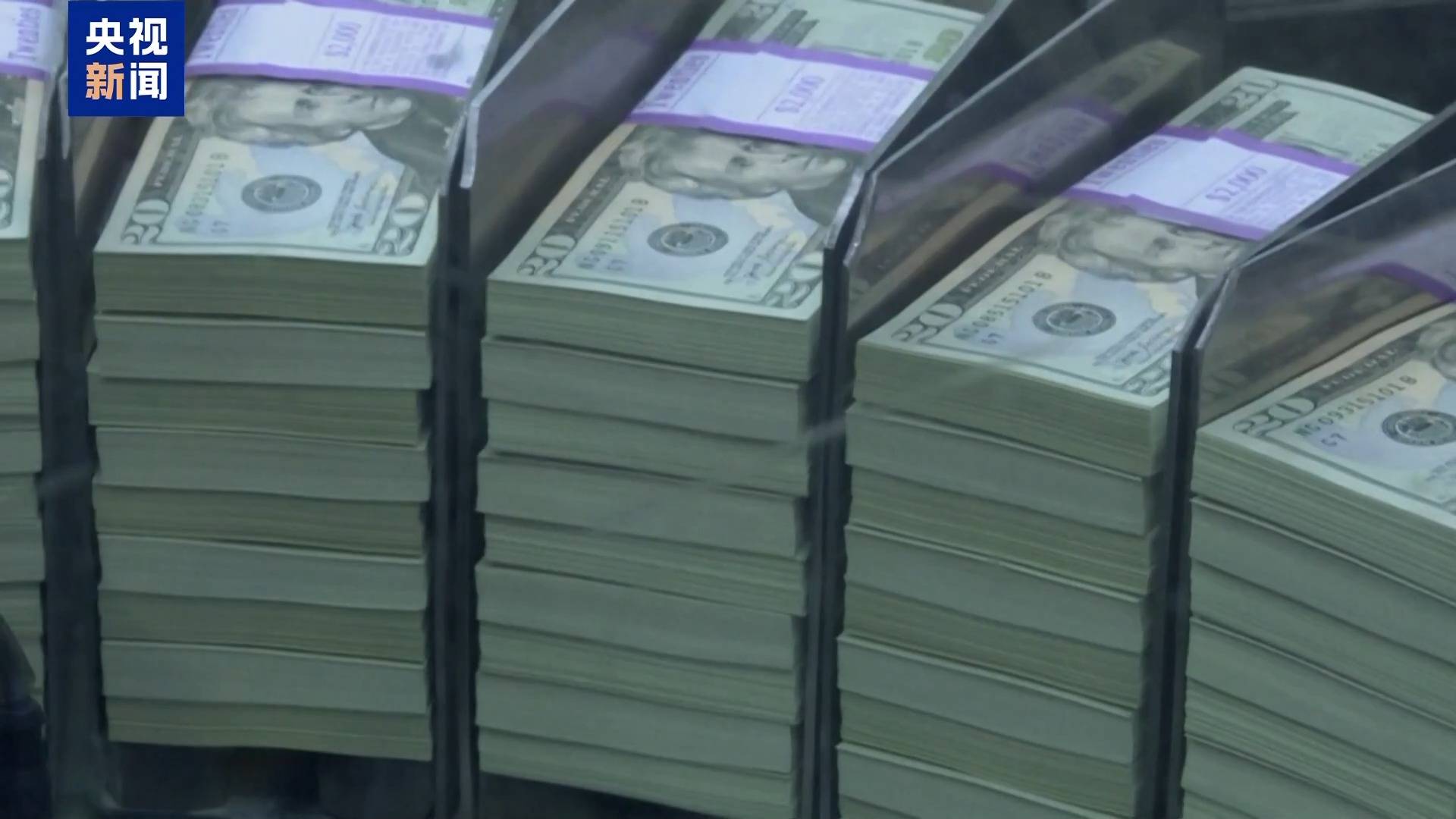
美元贬值

Search documents
景顺:料美联储12月再降息一次 持续看好黄金
Zhi Tong Cai Jing· 2025-10-30 08:35
Group 1 - The Federal Open Market Committee (FOMC) decided to lower the target range for the policy interest rate by 25 basis points to 3.75% to 4% during the October meeting, aligning with market expectations, but the decision was not unanimous [1] - The bank anticipates a rate cut in December due to the slowing U.S. economy and rising unemployment, but believes that market expectations for consecutive rate cuts may be overly extreme [1] - The bank projects that the policy interest rate may reach 3% to 3.25% by the end of 2026, emphasizing that the timing of rate cuts is less important than the overall trend [1] Group 2 - The decline in the U.S. dollar, coupled with better economic performance outside the U.S., may support emerging market equities and bonds, which remain more attractive compared to U.S. assets [2] - The bank maintains a positive outlook on gold due to ongoing central bank and retail buying, but anticipates limited price increases for gold next year due to reduced geopolitical risks and stable inflation outlook [2]
活在供给危机中的有色
远川投资评论· 2025-10-28 07:05
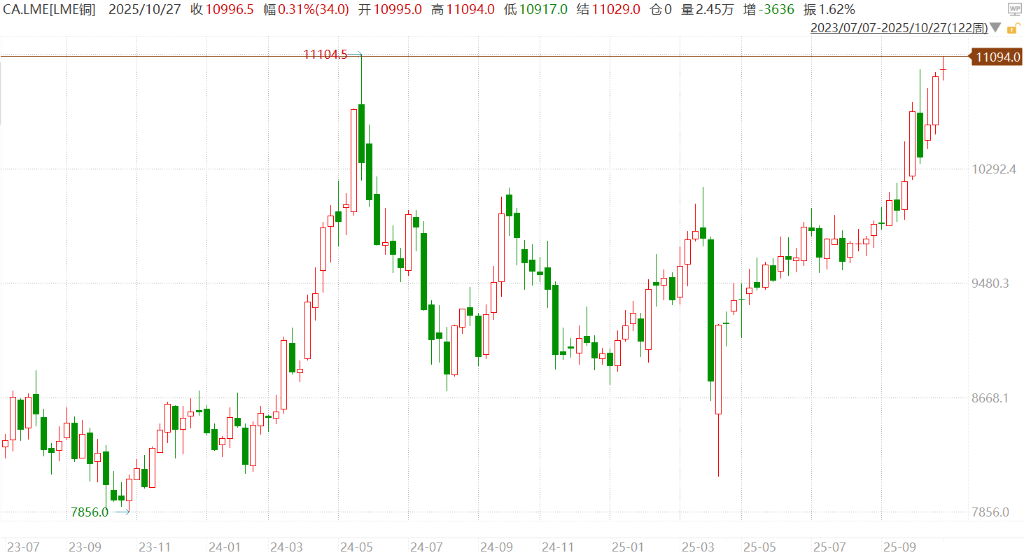
Group 1 - The article highlights a significant shift in the global copper supply, with estimates indicating a transition from a surplus of 105,000 tons to a shortage of 55,000 tons due to various mining disruptions [2] - Major copper mines, including Kamoa-Kakula and El Teniente, faced operational halts due to seismic activities, while the Grasberg mine in Indonesia experienced a landslide, exacerbating supply issues [2] - As a result of the reduced supply, copper prices have surged, with LME copper prices increasing by over 20% year-to-date, approaching historical highs [2] Group 2 - The article discusses the performance of the non-ferrous metal ETF (516650), which tracks various metals including gold, copper, aluminum, and lithium, achieving a year-to-date increase of 73.85% [3] - The historical context of the 1970s is referenced to explain the current surge in metal prices, drawing parallels between past inflationary pressures and today's economic environment [6] - The article notes that during the 1970s, significant geopolitical events led to supply crises, resulting in dramatic price increases for various commodities, including copper, which rose by 68% during that period [8][9] Group 3 - The article emphasizes that the current price increases in metals are primarily driven by supply-side crises rather than explosive demand growth, with the ongoing U.S. debt crisis and dollar depreciation acting as catalysts [10][12] - The discussion includes the impact of U.S. government debt, which has escalated from $23.7 trillion in early 2020 to $38 trillion, raising concerns about the stability of the dollar and increasing interest in commodity holdings [12] - The article also highlights the significant rise in cobalt prices, which surged by 155.35% due to export restrictions from the Democratic Republic of Congo, the largest cobalt producer [13] Group 4 - The article concludes that the current environment of liquidity expansion in the U.S. suggests that commodities will serve as a hedge against currency devaluation, similar to the dynamics observed in the 1970s [15] - It suggests that the ongoing supply-demand mismatch in resource commodities, particularly gold, is likely to persist until a global order reconstruction is fully realized [16] - The article points out that the rising prices of commodities will benefit related listed companies, with the gold stock ETF (159562) reporting a revenue increase of 3.28% and a net profit growth of 33.84% in the first half of the year [19]


铜价逼近历史高点,贸易缓和叠加供应受阻推升行情
Hua Er Jie Jian Wen· 2025-10-27 20:36
Group 1 - The core viewpoint of the articles highlights that global trade easing has injected new momentum into copper prices, with significant price increases observed due to supply disruptions and a weakening dollar [1][3][4] - Recent supply chain disruptions from major mining incidents in South America and Indonesia have heightened market concerns regarding future copper supply, leading to a price increase of 1.2% to $11,094 per ton, just shy of the historical high [1][2][5] - Long-term demand for copper is projected to grow by approximately 70% by 2050, driven by its essential role in electrical applications, which supports the structural factors underpinning copper prices [3][5] Group 2 - The decline of the US dollar, which has fallen nearly 9% since January 2025, has created a favorable environment for rising copper prices, making dollar-denominated commodities more attractive to buyers holding other currencies [4][7] - The market anticipates that potential interest rate cuts by the Federal Reserve could stimulate economic growth, further boosting the raw materials market [7]
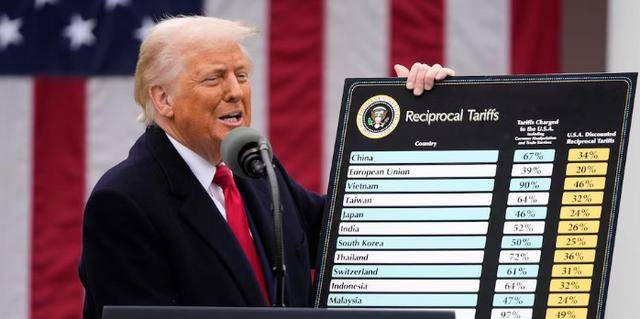
关税炸出富豪焦虑!担心美元贬值,狂囤现金,美股创新高也不进场
Sou Hu Cai Jing· 2025-10-27 13:59
Core Insights - Family offices are shifting their investment strategies significantly due to the market turmoil caused by U.S. tariffs, leading to increased concerns over dollar depreciation and lowered return expectations [1][5]. Investment Strategy Changes - A survey of 141 North American family offices revealed that 52% of respondents believe cash and liquid assets will yield the best returns in the next 12 months, a stark contrast to the previous year's preference for growth stocks and defense industries [3]. - The focus has shifted from portfolio diversification in 2024 to enhancing liquidity, driven by market volatility and geopolitical tensions [5]. Concerns Over Dollar Depreciation - A significant 52% of respondents identified dollar depreciation as a major market risk, with the dollar having declined nearly 9% since the beginning of the year [6][8]. - The weakening dollar not only erodes the actual value of dollar-denominated assets but also impacts currency returns on cross-border investments, complicating global asset allocation for family offices [8]. Private Equity and Venture Capital Challenges - Family offices are experiencing a slowdown in exits from private equity and venture capital investments, with nearly a quarter of respondents indicating that private equity funds are not meeting their 2025 return expectations [10][11]. - The performance of venture capital has been particularly poor, with 33% of respondents expressing dissatisfaction with returns, especially in certain popular sectors that have seen a market correction [11][13]. Long-term Investment Perspective - Family offices prioritize long-term wealth preservation and growth, often with investment horizons extending up to 100 years, which allows them to navigate short-term market fluctuations [13][15]. - Despite current declines in return expectations, the long-term strategic positioning and timing capabilities of family offices may yield substantial returns during market adjustments, highlighting the value of quality assets [15].
金价暴涨又回跌!2025英国散户成主力,散户接盘还是机构收割?
Sou Hu Cai Jing· 2025-10-27 05:20
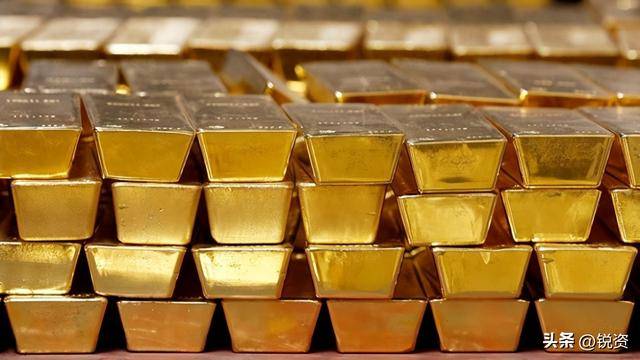
Core Insights - The surge in gold prices in 2025, with a year-to-date increase of 66%, has led to a significant influx of retail investors, causing the UK Royal Mint's website to crash due to overwhelming traffic [1][3] - The demand for gold has been characterized by irrational behavior, with retail and institutional investors driving the buy-sell ratio to 10:1, far exceeding the normal 3:1 ratio [3][10] - Central banks, particularly the People's Bank of China, have been strategically increasing their gold reserves, contributing to market stability [4] Market Dynamics - The Federal Reserve's dovish signals and expectations of interest rate cuts have lowered the holding costs of gold, further driving investment towards it as a safe haven [6][8] - The recent geopolitical tensions and economic uncertainties have reinforced gold's appeal, although the price surge is also attributed to a self-reinforcing cycle of buying behavior [8][10] - The rapid price increase has led to a technical correction, with profit-taking observed as gold approached its peak, indicating a potential for volatility in the market [8][12] Investor Behavior - The current gold market frenzy reflects a collective anxiety in response to global economic uncertainties, with both central banks and retail investors seeking a "safe anchor" [10][12] - The phenomenon of retail investors overwhelming the Royal Mint's website highlights the risks of herd behavior in investment decisions, particularly in the context of information asymmetry [10][12] - The volatility in gold prices serves as a reminder that supply and demand fundamentally dictate market behavior, and that rational assessment of risk is crucial for investors [12]
主动量化周报:港股或已进入击球区-20251026
ZHESHANG SECURITIES· 2025-10-26 12:35
- The report constructs a "Hot Money Activity Indicator" based on the data from the Dragon and Tiger List, which shows the participation enthusiasm of hot money traders. The indicator has been marginally rising but the slope of the rise has been slowing down, indicating that the enthusiasm of hot money traders is peaking[12] - The "Retail Investor Activity Indicator" constructed in the report shows that since September 11, the activity of retail investors has been fluctuating and has not significantly increased even when the Shanghai Composite Index reached a new high for the year on October 25[12] - The report suggests that the recent marginal cooling of both hot money and retail investor sentiment can be verified by the continuous shrinkage of market turnover[12] - The "Insider Trader Activity Indicator" constructed in the report shows that the activity of insider traders is in sync with the market trend, with the equity market rising and the indicator maintaining a warming trend[15] - The report uses the "Price Segmentation System" to analyze the Shanghai Composite Index, showing that the daily line of the index maintains a marginal upward trend, and the weekly line is basically coincident with the daily line[14] - The "Hot Money Activity Indicator" value as of October 24 is close to leveling off[12] - The "Retail Investor Activity Indicator" has been fluctuating since September 11[12] - The "Insider Trader Activity Indicator" shows a warming trend in sync with the market[15] - The "Price Segmentation System" shows a +2.88% range fluctuation for the Shanghai Composite Index from October 20 to October 24[14]
Direxion's FAS, FAZ ETFs Rise To The Forefront Amid Monetary Policy Shift
Benzinga· 2025-10-23 16:52
Monetary Policy Impact - The Federal Reserve cut its benchmark interest rate by 25 basis points, ending a nine-month policy pause, which may have significant implications for financial enterprises [1] - A dovish monetary policy could lead to net interest margin compression for finance-related industries, potentially reducing net interest income for banks [4] Market Reactions - The Financial Select Sector Index has slipped more than 2% in the trailing month and is up only 9% year-to-date, underperforming the S&P 500 [5] - An accommodating monetary policy could be bullish for certain growth sectors, potentially boosting the fiscal performance of various financial institutions [6] Gold Market Outlook - Gold prices have surged due to safe-haven demand, with experts predicting prices could reach $5,000 by next year and possibly $10,000 by 2030 [2] - Economist Peter Schiff has a more bullish target of $20,000 for gold, driven by expectations of a declining U.S. dollar [3] ETF Performance - The Direxion Daily Financial Bull 3x Shares (FAS) ETF has gained nearly 10% since the start of the year and 44% in the trailing six months [10] - Conversely, the Direxion Daily Financial Bear 3x Shares (FAZ) ETF has declined by approximately 33% year-to-date and 36% in the past six months [12] Technical Analysis - The FAS ETF is facing heavy resistance, currently positioned just above the 200-day moving average but below the 50-day moving average, indicating a need for bulls to regain control [13] - The FAZ ETF has shown signs of life recently, with price action above its 50-day moving average and rising volume [16]

深夜,暴跌!黄金急速跳水,发生了什么?
Zheng Quan Shi Bao Wang· 2025-10-21 15:00
Core Viewpoint - The recent sharp decline in gold and silver prices is attributed to profit-taking, easing global trade tensions, and a stronger US dollar, which has made precious metals more expensive for buyers [1][2][3] Price Movements - On October 16, gold prices surged nearly 3% to over $4300 per ounce, while silver rose over 2% to above $54 per ounce, both reaching historical highs [2] - On October 21, gold prices fell over 5%, dropping below $4130 per ounce, and silver prices fell nearly 8%, dropping below $49 per ounce [1][2] - As of October 21, gold was reported at $4124 per ounce, down 5.30%, and silver at $48.33 per ounce, down 7.74% [2] Market Analysis - Analysts suggest that the recent price drop is due to profit-taking and a reduction in safe-haven demand as trade tensions ease and the US government shutdown appears to be resolving [2][3] - The cumulative increase in gold prices since the beginning of the year is over 57%, while silver has increased over 67% [3] Future Outlook - Analysts from WisdomTree and UBS believe that while gold prices may continue to rise, the current pace is aggressive, leading to potential pullbacks [4] - HSBC forecasts that gold's upward momentum could last until 2026, driven by strong central bank purchases and ongoing fiscal concerns in the US, with a target price of $5000 per ounce [5] - Long-term bullish sentiment on gold remains intact, with concerns over US debt sustainability and the weakening of the dollar being key factors [5][6]
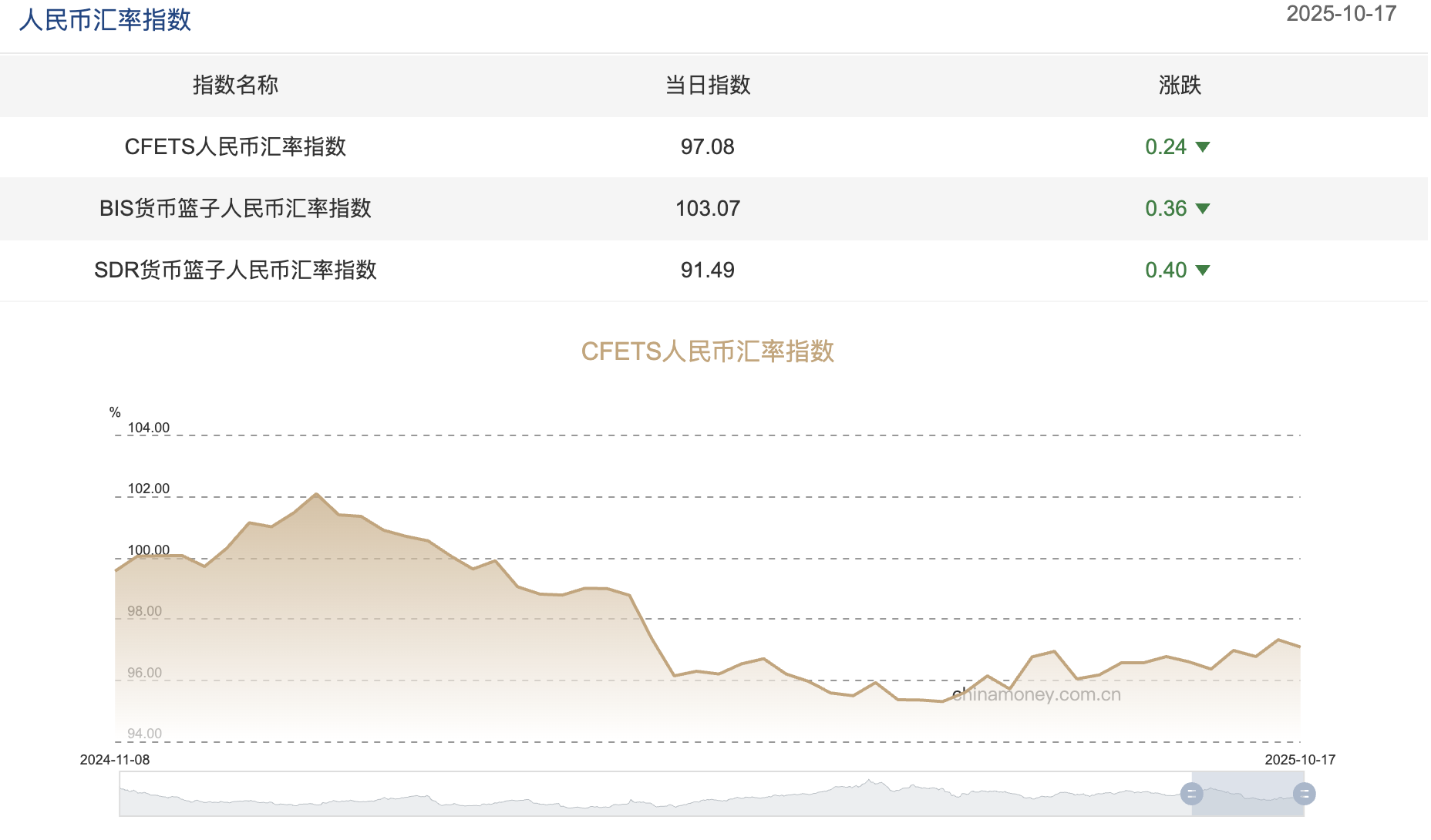
三大人民币汇率指数下行,CFETS指数按周跌0.24
Xin Hua Cai Jing· 2025-10-20 04:36
Core Points - The three major RMB exchange rate indices all declined in the week of October 17, with the CFETS index at 97.08, down 0.24% week-on-week, the BIS index at 103.07, down 0.36%, and the SDR index at 91.49, down 0.40% [1][2] Exchange Rate Trends - The US dollar index weakened overall last week, closing at 98.55, down 0.27% for the week. This weakness supported non-USD currencies, with the euro, pound, and yen all appreciating against the dollar [5] - The RMB against the USD middle rate was reported at 7.0949, with a weekly increase of 186 basis points. The onshore RMB closed at 7.1277, up 83 basis points, while the offshore RMB closed at 7.1269, down 37 basis points [5] - Year-to-date, the RMB middle rate has appreciated over 900 points, with the onshore and offshore RMB appreciating 2.40% and over 2.8% respectively [5] Factors Influencing RMB Appreciation - Analysts attribute the recent RMB appreciation to both internal and external factors. External factors include the impact of the US government shutdown on economic data, increasing uncertainty in financial markets, and accelerated capital flow from the US to non-USD countries [6] - Internal factors include the release of consumer potential, industrial structure upgrades, and continuous optimization of market competition, which provide fundamental support for the RMB exchange rate [6] - The core driver of RMB appreciation is the easing of the Federal Reserve's monetary policy, which influences the RMB through direct effects on the dollar's exchange rate and interest rates [6] Economic Indicators - In September, the consumer market remained stable, with the CPI rising 0.1% month-on-month and falling 0.3% year-on-year. The core CPI rose 1.0% year-on-year, marking the fifth consecutive month of expansion [8] - China's foreign trade continued to show a steady upward trend, with total goods trade value reaching 33.61 trillion yuan in the first three quarters, a year-on-year increase of 4% [8] - The broad money supply (M2) was 335.38 trillion yuan at the end of September, growing 8.4% year-on-year, while the narrow money supply (M1) was 113.15 trillion yuan, up 7.2% year-on-year [9]
国际金价再创历史新高 专家解读背后三大动因
Sou Hu Cai Jing· 2025-10-17 22:10
Core Viewpoint - International gold prices have surged, with futures reaching a historic high of $4,392 per ounce, driven by central bank purchases, expectations of U.S. interest rate cuts, and geopolitical tensions [1][2][4]. Group 1: Factors Driving Gold Prices - Continuous global central bank gold purchases have significantly increased demand, creating a market environment where central banks act as a "buying floor" [1]. - The expectation of U.S. Federal Reserve interest rate cuts has strengthened, with over 97% probability for the next two cuts, reducing the opportunity cost of holding gold [1]. - The U.S. government shutdown has weakened the dollar's fundamentals, making gold more attractive to holders of other currencies as the dollar depreciates [4]. Group 2: Geopolitical and Market Dynamics - Rising geopolitical risks, particularly in the Middle East, have heightened market uncertainty, increasing demand for gold as a safe-haven asset [6]. - Institutional investors are increasingly accumulating gold, with significant inflows into gold ETFs, reflecting declining confidence in traditional financial assets [6]. Group 3: Impact on Financial Markets - The rise in gold prices is putting pressure on traditional asset prices, leading to a dual decline in both stock and bond markets, indicating market concerns about economic prospects [8]. - The trend of "de-dollarization" is accelerating, with gold reserves in foreign exchange reserves increasing over the past 15 years, challenging the dollar's status as the primary reserve currency [8]. - The volatility in financial markets is expected to increase, complicating central banks' decisions between interest rate cuts and inflation control, as rising gold prices may exacerbate global inflationary pressures [9].