下沉市场

Search documents
区域赛事吸睛又吸金 “苏超”赞助商已增至27家
Zheng Quan Ri Bao· 2025-07-09 16:13
Core Insights - The Jiangsu Provincial Urban Football League (referred to as "Su Super") is transitioning from a niche event to a significant commercial opportunity, with the number of sponsors increasing from 6 to 27 by July [1] - The surge in commercial value is attributed to two main trends: the re-evaluation of regional consumer markets and the strategic upgrade of sports marketing [1] - Regional sports events are becoming crucial for tapping into lower-tier markets, especially as consumption upgrades in third and fourth-tier cities and the Z generation's regional identity strengthens [1] Company Strategies - Alibaba's subsidiaries, including Taobao Flash Sale, Alipay, Huabei, and Yu'ebao, have sponsored various teams, while JD.com has signed a strategic partnership with Jiangsu Sports Industry Group and sponsored additional teams [2] - JD.com is implementing promotional activities post-match, such as special product discounts and instant consumption loops, while Meituan focuses on high-frequency consumption by promoting local services [2] - Despite differing marketing strategies, the primary goal for these e-commerce giants is to capture regional consumer mindshare and build long-term competitive advantages [2] Industry Trends - The evolution of "Su Super" highlights a new trend where regional sports events are becoming key tools for brands to compete in lower-tier markets, leveraging low costs, high conversion rates, and strong emotional connections [2] - The competition among brands in this "football traffic battle" emphasizes the importance of creativity, subsidies, and a deep understanding of regional consumer potential and user needs [2]


白牌才是县城的“救世主”
3 6 Ke· 2025-07-09 10:14
Core Viewpoint - The rise of "white label" products in county markets is significant, as they fill the gap left by major brands and cater to local consumer preferences for affordability and practicality [2][8][17]. Group 1: White Label Products in County Markets - White label products are favored in county markets due to their low prices and high cost-performance ratio, making them more appealing than branded products [2][10][17]. - Local consumers often prioritize practicality over brand recognition, leading to a strong acceptance of white label goods [8][9][10]. - White label products, often produced through OEM or ODM models, have gained consumer trust over time due to their affordability and quality [2][10][18]. Group 2: Challenges for Major Brands - Major international and domestic brands struggle to penetrate county markets due to low brand awareness and limited consumer spending power [8][9][18]. - The reliance on standardized distribution channels by major brands contrasts with the flexible, local-focused distribution of white label products, which allows them to thrive in these markets [11][14][18]. - The high costs associated with establishing brand stores in county areas deter many retailers, leading to a preference for white label products [16][18]. Group 3: Economic Impact and Future Outlook - White label products have become a crucial support for the county economy, meeting the needs of low-income consumers and pushing traditional brands to reconsider their market strategies [18][19]. - Despite their current dominance, white label products face challenges such as quality inconsistency and competition from emerging e-commerce platforms [20][22]. - The future of white label products may depend on their ability to enhance quality and brand recognition while navigating the evolving market landscape [22].

新股前瞻|海拍客:十年下沉市场深耕,能破业绩亏损“围城”?
智通财经网· 2025-07-09 07:01
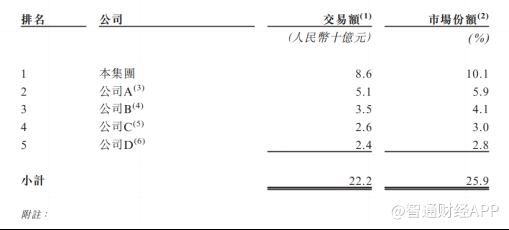
Core Viewpoint - Yangtuo Technology Inc. (referred to as "Haipai Ke") is officially entering the Hong Kong stock market, focusing on the family care and nutrition products sector, aiming to optimize consumer experience and drive consumption upgrades in lower-tier markets [1][16]. Company Overview - Established in 2015, Haipai Ke integrates the supply chain for family care and nutrition products, providing a comprehensive service platform for enterprise clients [1]. - The company is projected to become the largest trading and service platform in China's lower-tier market for family care and nutrition products, with a market share of 10.1% by 2024 [1][2]. Business Model - Haipai Ke operates a light-asset model, connecting over 4,200 suppliers with approximately 290,000 registered buyers across 31 provinces and regions in China [3]. - The revenue structure consists of two main segments: self-operated business (77.7% of revenue in 2024) and digital platform business (22.2% of revenue in 2024) [3]. Financial Performance - Revenue figures for Haipai Ke from 2022 to 2024 are projected at 895 million, 1.067 billion, and 1.032 billion RMB respectively, indicating a short-term growth bottleneck [6][7]. - The company experienced a shift from profit in 2022 (1.012 million RMB) to losses in 2023 (56.54 million RMB) and further losses in 2024 (78.83 million RMB) [8][9]. Profitability Challenges - The gross margin has been declining, with rates of 43.9%, 37.6%, and 32.5% from 2022 to 2024, primarily due to the lower margins associated with self-operated business [8][9]. - The self-operated business's revenue share increased significantly, but its gross margin remains low, with the basic self-operated business gross margin at only 7.4% in 2024 [8][9]. Market Outlook - The family care and nutrition products market in lower-tier cities is expected to grow, with a projected market size increase from 673 billion RMB in 2019 to 857 billion RMB in 2024, reflecting a compound annual growth rate (CAGR) of 4.9% [14]. - By 2029, the market size is anticipated to reach 1,258 billion RMB, with a CAGR of 8% from 2024 to 2029 [14]. Strategic Initiatives - To address operational pressures, Haipai Ke is focusing on reducing marketing investments in non-core sales channels and optimizing its inventory mix [13]. - The company has developed 92 proprietary brands and established partnerships with 153 manufacturers, with proprietary brand business gross margins reaching 36.5% in 2024 [13]. Future Prospects - The upcoming IPO is seen as a critical opportunity for Haipai Ke to alleviate financial difficulties and optimize its business structure [16]. - Long-term success will depend on balancing business scale with profitability, optimizing the asset-liability structure, and enhancing supply chain efficiency [17].
中银晨会聚焦-20250709
Bank of China Securities· 2025-07-09 01:36
Core Insights - The report highlights the strong growth potential of Tongcheng Travel, a leading OTA in China's lower-tier markets, benefiting from the tourism boom and support from major shareholders Tencent and Ctrip [3][6][8] - In 2024, Tongcheng Travel is projected to achieve revenue of CNY 17.34 billion, a year-on-year increase of 45.8%, and an adjusted net profit of CNY 2.79 billion, up 26.7% year-on-year [6] Company Overview - Tongcheng Travel is formed from the merger of Tongcheng and eLong, positioning itself as a top three player in the OTA industry, providing comprehensive travel services including transportation and accommodation bookings [6][8] - The company has a significant user base from non-first-tier cities, allowing it to capitalize on the growth in lower-tier markets [8] Industry Analysis - The online travel market is expected to exceed CNY 1 trillion in 2024, driven by high demand in the cultural tourism sector and low penetration rates in lower-tier cities [7] - The current market structure is characterized by a dominant player (Ctrip) and several strong competitors (Tongcheng, Meituan, Feizhu), with a focus on differentiated competition [7] - The bargaining power in the transportation sector is low due to high supplier concentration, while the accommodation sector has a higher bargaining power with lower supplier concentration [7]




【新华财经调查】下沉市场之争:县域需求撑起新能源汽车“第二曲线”
Xin Hua Cai Jing· 2025-07-08 12:50
Core Insights - The 2025 New Energy Vehicle (NEV) rural promotion initiative has gained momentum, indicating that county-level markets are becoming crucial for NEV sales growth and ecosystem restructuring [1][2][4] Policy and Market Response - The initiative aims to promote NEVs in underdeveloped counties with low market penetration, supported by local governments offering subsidies and organizing promotional events [2][3] - Multiple provinces, including Jiangsu, Hainan, and Anhui, have actively engaged in the initiative, with over 200 counties targeted for NEV promotion [2][3] Marketing Strategies - Companies are adopting localized marketing strategies, integrating online and offline channels to reach rural consumers effectively [3][4] - Major automakers are participating enthusiastically, with 124 models selected for the initiative, reflecting a strong commitment to tapping into rural markets [4][5] Competitive Landscape - Automakers like Wuling and BYD are offering substantial discounts and incentives to attract rural buyers, with Wuling providing up to 10,888 yuan in total benefits [5][6] - The competition is intensifying as companies focus on building a comprehensive ecosystem that includes product offerings, infrastructure, and services tailored to rural needs [6][8] Market Potential and Challenges - The rural NEV market is expected to grow significantly, with projections indicating that by 2027, NEV sales in small cities and counties could account for over 45% of total sales [7][8] - Companies face challenges in adapting strategies that worked in urban markets to the unique characteristics of rural consumers, necessitating a focus on product design and service networks [7][9]
同程旅行(00780):下沉市场OTA龙头,拥抱大众旅游时代红利
Bank of China Securities· 2025-07-08 06:52
Investment Rating - The report assigns a "Buy" rating to the company, with an initial coverage date of July 8, 2025 [1][4]. Core Insights - The company is positioned as a leading player in the domestic OTA market, particularly benefiting from the growth in lower-tier markets and the overall tourism boom. It is backed by major shareholders Tencent and Trip.com, which provide significant advantages in customer acquisition and supply chain resources [4][6][9]. Summary by Sections Company Overview - The company, formed from the merger of Tongcheng and eLong, is a top-tier one-stop travel service platform in China, successfully ranking among the top three in the OTA industry [17]. Shareholding Structure - The company has a concentrated shareholding structure, with major shareholders Tencent and Trip.com holding 24.07% and 20.46% respectively, facilitating deep collaboration in business operations [18][21]. Business Breakdown - The core OTA business includes transportation and accommodation bookings, contributing approximately 50% and 30% of revenue respectively. The company is expanding into hotel management and vacation services, enhancing its competitive edge [23]. Financial Performance - The company has shown strong recovery post-pandemic, with revenues of RMB 11.896 billion in 2023 and projected growth to RMB 19.624 billion by 2025, reflecting a growth rate of 80.7% and 45.8% respectively [8][31]. Adjusted net profit is expected to reach RMB 27.07 billion in 2025 [6]. OTA Industry Insights - The online travel market in China is projected to exceed RMB 1 trillion in 2024, with a significant increase in online transaction rates, indicating a robust recovery and growth potential in the sector [39][46]. Competitive Landscape - The OTA market is characterized by a high concentration of major players, with Trip.com leading the market share. The competitive dynamics are stable, with companies leveraging unique strengths to capture different market segments [49][52]. Pricing Power - The pricing power of the company is influenced by the concentration of upstream resources, particularly in transportation and accommodation sectors, which affects commission rates and overall profitability [56][59].
海拍客港股IPO困局:从百万微利坠入年亏0.8亿、负债净额高达20亿元 十年经验壁垒或正瓦解
Xin Lang Zheng Quan· 2025-07-04 07:07
Core Viewpoint - Haipai Ke, a leader in the maternal and infant market, is attempting to go public amid a challenging capital environment, revealing structural concerns beneath its market dominance and financial struggles [1] Financial Imbalance: Dual Strangulation of Growth and Debt - Haipai Ke's financial statements reflect a contradiction: while claiming to dominate the low-tier market, it faces a stark reality of sluggish revenue growth [2] - Profit cliff and gross margin collapse: Profits for 2022, 2023, and 2024 were 1 million, -56.54 million, and -78.83 million respectively, showcasing a dramatic decline from a small profit to a near 80 million loss [2] - A significant drop in gross margin by 11.4 percentage points over two years indicates that the "low-margin, high-volume" strategy in the low-tier market has failed due to competition from major e-commerce platforms [2] - The company is trapped in a capital cage with a net debt of 2 billion, necessitating continuous funding to maintain market share while struggling with low-margin operations [2] Industry Issues: The Curse of "Economies of Scale" - The financial structure of Haipai Ke reflects a common industry problem, where the maternal and infant vertical market struggles under pressure from larger competitors [3] Model Paradox: The "False Moat" of the Low-Tier Market - Haipai Ke's self-proclaimed "fortress" in the low-tier market is showing cracks due to consumption downgrade and competition from giants [4] - The shift to self-owned brands and operations has led to increased inventory pressure and cash flow consumption, while low-tier consumers show limited acceptance of high-priced maternal and infant brands [4] - The once blue ocean of the low-tier market has turned into a red sea, with major players like JD and Alibaba aggressively competing, undermining Haipai Ke's loose network of 290,000 registered buyers [4] - The declining birth rate over the past decade has shifted the competition from incremental growth to a battle for existing market share, making further expansion risky [4] Conclusion: Survival Game in a Tight Spot - Haipai Ke's IPO represents a race against time to secure capital for restructuring its business model, but without addressing the mismatch between low-tier consumer power and high growth expectations, the company faces long-term trust issues in the capital market [6] - The essence of business returns to the ability to generate profits in the low-tier market, determining who truly deserves the title of "king of the low-tier" [6]
29万小镇母婴店托举之下 海拍客“背债”闯关港交所
Hua Er Jie Jian Wen· 2025-07-02 20:15
Core Viewpoint - Yangtuo Technology Inc. (海拍客) has submitted an IPO application to the Hong Kong Stock Exchange, aiming to leverage its position as a leading B2B e-commerce platform in the maternal and infant care sector, despite facing significant challenges in recent years [1][8]. Group 1: Company Overview - Yangtuo Technology Inc. was established in 2015 and has quickly become the largest B2B e-commerce platform in China's low-tier market for family care and nutrition products, with a total transaction volume of 11 billion yuan in 2024, capturing a market share of 10.1% [1]. - The company has completed six rounds of financing, with notable investors including Shunwei Capital, Fosun International, and Hillhouse Capital [1]. - The platform's transaction volume surged from 5 billion yuan in 2017 to 15 billion yuan in 2019 [3]. Group 2: Financial Challenges - In 2024 and 2025, the company faced financial strain due to unmet performance targets with investors, leading to share buybacks costing 11 million USD and 24 million USD, respectively, along with the issuance of 158 million USD in promissory notes [5]. - The company has a significant financial burden, with convertible redeemable preferred shares valued at 2.4 billion yuan, contributing to a net debt of 2 billion yuan [6]. - The adjusted net profit for the company was reported at 19.3 million yuan and 25.8 million yuan, excluding the impact of preferred shares [7]. Group 3: Market Dynamics - The maternal and infant care market is experiencing a decline in birth rates, with the number of newborns in China dropping from 14.7 million in 2019 to 9 million in 2023, leading to intensified competition [22]. - The company's revenue in 2024 was 1.023 billion yuan, reflecting a year-on-year decline of 3.3% [20]. - The number of registered buyers increased from 240,000 to 290,000 over three years, but the actual transaction buyers remained stagnant at around 170,000 [21]. Group 4: Strategic Shifts - In response to market challenges, the company is shifting its focus from rapid expansion to improving profitability, with self-operated business transactions exceeding 700 million yuan in 2024, contributing 56% to overall revenue [25]. - The company is also exploring private label products, with its children's food brand "Meow Little Hero" achieving significant market penetration [27]. - Future strategies include expanding into Southeast Asia and seeking acquisition opportunities within the industry [34].
今年大家都觉得日子难过,下半年该如何自救?
创业家· 2025-07-02 09:59
Core Insights - The article discusses the challenges faced by the Chinese economy and draws parallels with Japan's "lost thirty years," highlighting the emergence of successful consumer brands despite economic difficulties [4][5][6]. Group 1: Economic Context - The article emphasizes the long-term economic struggles in Japan, where wages stagnated for over two decades and the population aged significantly [4]. - It notes that despite these challenges, Japan produced several successful consumer brands such as Uniqlo, 7-Eleven, and Meiji Foods, indicating resilience in the consumer market [5]. Group 2: Consumer Behavior Shifts - The article points out a shift in consumer behavior in Japan from luxury goods to value-oriented products, exemplified by the rise of Uniqlo and the dominance of low-cost home goods retailer Nitori over IKEA [6]. - This shift suggests that Chinese companies should focus on understanding and adapting to changing consumer preferences during economic cycles [6]. Group 3: Investment Opportunities - The article identifies two structural opportunities in the Chinese consumer market: the emergence of new national brands and the development of new nationwide chains [18]. - It highlights the success of companies backed by Qicheng Capital, which has invested in over 20 consumer brands since its inception, with several achieving significant revenue milestones [15][16]. Group 4: Historical Context of Investment - The article reflects on the early days of JD.com, noting its growth from a small business to a major player in the retail sector, with revenue increasing 16 times since its IPO [11]. - It discusses the transformation of China's logistics and infrastructure, which has enabled new entrepreneurs to leverage these advancements for e-commerce growth [13]. Group 5: Future Outlook - The article expresses optimism about the potential for new business opportunities in the current economic climate, suggesting that there are still structural opportunities for growth [17]. - It encourages engagement in learning from successful consumer giants through specialized courses, indicating a proactive approach to navigating the market [19][20].

海拍客冲刺港股 20亿负债下如何破局
Bei Jing Shang Bao· 2025-07-01 13:35
Core Viewpoint - The company HaiPaike is facing significant challenges in its path to IPO, despite leading the market with a 10.1% share in the lower-tier market, as it struggles with increasing losses and high debt levels [1][3][5]. Financial Performance - HaiPaike's projected revenue for 2024 is 1.032 billion yuan, but it is expected to incur a net loss of 78.83 million yuan, with total liabilities reaching 2 billion yuan [1][5]. - Revenue figures from 2022 to 2024 show a slight increase from 895 million yuan to 1.032 billion yuan, while gross margin has declined from 43.9% to 32.5% during the same period [4][5]. Business Model and Strategy - The company operates on a "platform + self-operated" dual-track model, which has led to increased market share but also heightened inventory management and cash flow pressures [1][8]. - HaiPaike has developed 92 proprietary brands and has partnered with 153 manufacturers, with over 38,000 paying buyers for its private label products [3][4]. Market Position and Competition - HaiPaike holds the leading position in the lower-tier market for family care and nutrition products, with a transaction volume of 8.6 billion yuan in 2024 [4][7]. - The competitive landscape is intensifying, with major players like JD and Alibaba aggressively targeting the lower-tier market, which poses a threat to HaiPaike's market share [7][8]. Industry Challenges - The vertical e-commerce sector, particularly in the mother and baby segment, is experiencing significant challenges, including increased competition and high customer acquisition costs [6][8]. - The overall market for mother and baby products in China is projected to grow to 5 trillion yuan by 2025, but the competition from comprehensive e-commerce platforms is fierce [7][9].