
双循环战略

Search documents
美国谈中美战争:发动闪电战将获得胜利,拖延则无一丝胜利可能
Sou Hu Cai Jing· 2025-12-19 08:09
Group 1 - The core argument of the articles revolves around the implications of the U.S.-China trade tensions and military strategies, highlighting the ineffectiveness of U.S. tariffs and the rising economic resilience of China [1][8] - The U.S. imposed tariffs as high as 125% on Chinese goods, which led to significant domestic inflation and a loss of nearly $6.5 trillion in market value within two days [1] - China's internal demand contribution to economic growth has increased to 60.5%, reducing its reliance on U.S. exports to 14.7% by 2024, showcasing a strategic shift towards self-sufficiency [1] Group 2 - The U.S. military's strategy of a rapid victory in potential conflicts with China is challenged by geographical and logistical disadvantages, as U.S. forces require longer deployment times compared to China's rapid mobilization capabilities [3][4] - The reliance on allies such as Japan, South Korea, and Australia for military support is complicated by their economic dependencies on China, making full-scale confrontation difficult [4][6] - The potential for nuclear deterrence limits the U.S.'s options for engaging in a full-scale war with China, necessitating a focus on conventional warfare strategies [4][8] Group 3 - The U.S. military is adjusting its training to enhance joint operational capabilities in response to the complexities of potential conflicts with China, although current integration remains a challenge [6] - Historical precedents of U.S. military engagements suggest a pattern of overestimating the feasibility of quick victories, which could lead to prolonged conflicts [8] - China's advancements in military technology and its established anti-access/area denial (A2/AD) capabilities pose significant challenges to U.S. naval power in the Asia-Pacific region [8]


“十五五”首席观察|专访管涛:防范人民币汇率双向超调
Bei Jing Shang Bao· 2025-12-17 03:58
2025年,站在"十四五"收官与"十五五"规划谋篇的历史衔接点上,宏观经济环境交织着机遇与挑战。 这一年,中国金融市场在内外变局中走出独特节奏,核心领域表现亮点与韧性并存。货币政策延续"适度宽松"基调,保持"灵活高效";人民币汇 率逆势走强,全年在多重因素支撑下稳步回升,双向波动的弹性特征愈发明显;黄金成为全球资产配置的"避风港",国际金价屡创新高,中国人 民银行连续增持黄金…… 2025年的经济表现与政策选择,更为2026年启幕的"十五五"埋下关键伏笔:货币政策如何在"以我为主"与外部周期趋同中预留发力空间?稳汇率 面临哪些挑战?支撑黄金长期走势的核心是什么?"双循环"战略又该如何适配全球贸易格局重构? 这些贯穿短期调控与长期布局的核心命题,既是2025年衔接期必须破解的现实难题,也是理解"十五五"经济脉络的关键切口。围绕上述问题,中 银证券全球首席经济学家管涛近日接受了北京商报记者专访。 管涛认为,2026年我国货币政策仍将坚持"以我为主",在需兼顾总量调节与结构性工具优化创新的同时,各项政策工具将持续发力,资本市场有 望迎来政策支持。防范汇率超调将是2026年宏观调控重点之一,人民币汇率延续双向波动态势 ...
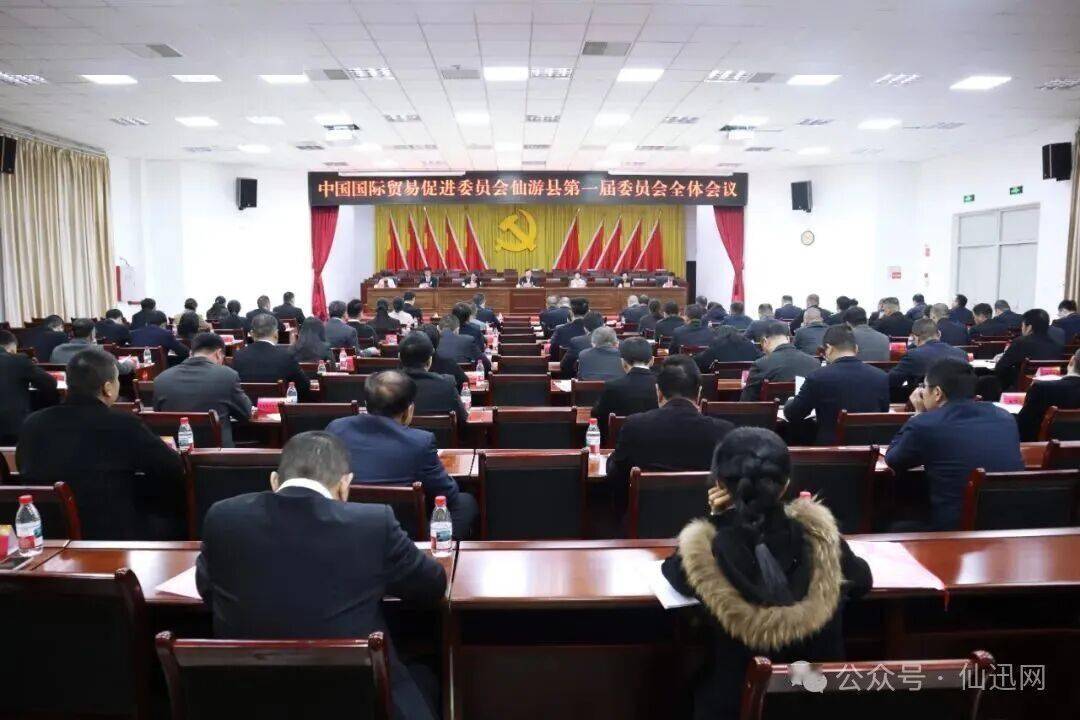
中国国际贸易促进委员会仙游县第一届委员会全体会议召开
Sou Hu Cai Jing· 2025-12-16 23:35
Core Viewpoint - The first committee meeting of the Xianyou County Council for the Promotion of International Trade was held, focusing on enhancing trade development and aligning with national policies to boost economic growth [1][3][5]. Group 1: Meeting Highlights - The meeting included a report on the preparatory work for the first committee meeting and the approval of the election method for the committee [3][5]. - Li Ang was elected as the president of the Xianyou County Council for the Promotion of International Trade, and Zheng Yan was elected as the executive vice president [5]. Group 2: Political and Strategic Emphasis - Emphasis was placed on political awareness and the need to align trade promotion efforts with the directives from the 20th Central Committee, ensuring the trade promotion work progresses in the right direction [7]. - The importance of enhancing service capabilities and contributing to the county's economic development was highlighted, with a focus on trade as a key driver [9]. Group 3: Action Plans and Goals - The council aims to strengthen the industrial foundation of trade, promote exports, and attract investments by leveraging international platforms and networks [9][10]. - There is a commitment to improve service quality for businesses, ensuring that policies benefit enterprises directly and enhancing participation in international trade [9][12]. Group 4: Organizational Development - The need for a robust organizational structure and a professional team was emphasized, aiming to attract talent and improve the effectiveness of trade promotion efforts [10][12]. - The council plans to strengthen its connections with various economic groups and enhance its service coordination capabilities to better serve both the government and enterprises [12].
坚定不移贯彻落实中央经济工作会议精神 以高质量发展为服务中国式现代化贡献更多期货力量
Xin Lang Cai Jing· 2025-12-11 13:48
文:中信期货有限公司董事长 窦长宏 中央经济工作会议12月10日至11日在北京举行。会议为新形势下经济工作制定了蓝图,凝聚了共识,也 为期货行业的高质量发展指明了方向。会议指出要持续扩大内需、优化供给,做优增量、盘活存量,因 地制宜发展新质生产力,纵深推进全国统一大市场建设。期货行业深刻领悟会议精神,自觉将行业发展 融入国家大局,牢牢把握金融工作的政治性、人民性,以服务实体经济为根本宗旨,充分发挥风险管理 专业优势。作为市场重要参与者,中信期货积极践行使命担当,将政策导向转化为发展动能,以实际行 动将国家战略蓝图转化为高质量发展的生动实践。 责任编辑:李铁民 文:中信期货有限公司董事长 窦长宏 中央经济工作会议12月10日至11日在北京举行。会议为新形势下经济工作制定了蓝图,凝聚了共识,也 为期货行业的高质量发展指明了方向。会议指出要持续扩大内需、优化供给,做优增量、盘活存量,因 地制宜发展新质生产力,纵深推进全国统一大市场建设。期货行业深刻领悟会议精神,自觉将行业发展 融入国家大局,牢牢把握金融工作的政治性、人民性,以服务实体经济为根本宗旨,充分发挥风险管理 专业优势。作为市场重要参与者,中信期货积极践行使 ...

中国市场大洗牌!看似外资不断撤离,其实背后国家有更大布局
Sou Hu Cai Jing· 2025-12-05 14:46
Core Viewpoint - The narrative of foreign capital collectively withdrawing from China is misleading, as official data reveals a more nuanced situation with structural differentiation in foreign investment trends [1][3]. Investment Trends - From January to October 2025, the actual use of foreign capital in China amounted to 621.93 billion RMB, a year-on-year decrease of 10.3%, while the number of newly established foreign-invested enterprises reached 53,782, marking a 14.7% increase [3]. - The decline in foreign investment is primarily attributed to the phased exit of foreign capital from traditional manufacturing sectors, particularly labor-intensive industries like textiles and electronics, which are relocating production lines to Southeast Asia due to rising costs and capacity optimization [6]. Sector Analysis - High-tech industries have become the main attraction for foreign investment, with actual foreign capital usage in this sector reaching 192.52 billion RMB from January to October 2025. Notable growth was seen in e-commerce services (173.1%), medical instruments (41.4%), and aerospace manufacturing (40.6%) [9]. - Major projects like ExxonMobil's ethylene project in Huizhou, which utilizes green technology to reduce nitrogen oxide emissions by 50%, exemplify the shift towards high-value chemical production [9][14]. Regional Development - The regional coordination development strategy has expanded the layout space for foreign investment, with platforms like the Yangtze River Delta attracting comprehensive industrial parks, while central and western regions leverage resource advantages for new energy and materials projects [18]. Long-term Confidence - The phenomenon of "profit reinvestment" among foreign companies highlights their long-term confidence in the Chinese market, as seen with companies like Germany's Fawork and Sweden's Alfa Laval, which have significantly increased their investments in China [20]. Policy Environment - China's continuous optimization of the institutional environment and long-term strategic layout has facilitated foreign investment, with reduced entry barriers and enhanced intellectual property protection leading to a 18% year-on-year increase in patent applications by foreign enterprises [22][24]. Global Context - In the context of a declining global FDI environment, with a 58% drop in European FDI, China's adjustments in foreign investment align with international investment trends, solidifying its position as a global investment hub [28]. Conclusion - The ongoing investment in high-end manufacturing, green energy, and digital economy sectors by foreign capital indicates a sustained integration into China's industrial system, supporting the dual circulation strategy and achieving mutual benefits for foreign investment and national development [31].
二论学习贯彻省委八届八次全会精神
Hai Nan Ri Bao· 2025-12-03 02:42
Core Viewpoint - The article emphasizes the importance of high-standard construction of Hainan Free Trade Port as a strategic decision by the central government to enhance China's economic development and international competitiveness [1][5]. Group 1: Strategic Planning - The Hainan Free Trade Port is positioned as a key initiative in China's 14th Five-Year Plan, aimed at fostering high-quality economic and social development [1]. - The central government expects Hainan to play a significant role in the new development pattern, contributing to national strategies and global economic integration [1][5]. Group 2: Policy Framework - A stable, transparent, and systematic policy environment is essential for Hainan to leverage its unique advantages and lead in high-level opening-up [2]. - The focus is on optimizing the policy system characterized by "zero tariffs, low tax rates, and simplified tax systems" to enhance trade and investment facilitation [2]. Group 3: International Standards and Trade Rules - Hainan aims to align with high-standard international trade rules, such as RCEP and CPTPP, to enhance its global competitiveness [3]. - The province will also work on expanding its open policies to key trading partners and improving regulatory coherence with international standards [3]. Group 4: Market Connectivity - Hainan's geographical position allows it to serve as a crucial link between domestic and international markets, particularly with Southeast Asia [4]. - The upcoming full island closure will provide Hainan with broader opportunities for development and international engagement [4]. Group 5: Contribution to National Development - The construction of the Hainan Free Trade Port is seen as a vital part of China's broader economic strategy, aiming to integrate domestic and international markets effectively [5]. - The province is expected to contribute significantly to the national development framework by enhancing its role in global supply chains and resource allocation [5].
建发股份(600153):2025 年三季报点评:首次覆盖:供应链韧性增长,关注联发集团利润拐点
Haitong Securities International· 2025-11-14 11:43
Investment Rating - The report assigns an "Outperform" rating to the company, with a target price of RMB 12.28 based on a 12x PE for 2025 [4][15]. Core Insights - The overall performance of the company has been dragged down by Lianfa Group and Red Star Macalline Group Corporation, with a slight revenue decrease of 0.63% year-on-year in the first three quarters of 2025, totaling RMB 4989.83 billion. The net profit attributable to shareholders was RMB 1.15 billion, down 44.19% year-on-year [4][16]. - The supply chain business has shown resilience, contributing RMB 2.34 billion in net profit attributable to shareholders, up 4.21% year-on-year, with significant growth in overseas business [17]. - The real estate sector has experienced mixed performance, with a net loss attributable to shareholders of RMB 226 million, although contract sales for C&D Real Estate increased by 12.6% year-on-year [18]. Financial Summary - Total revenue for 2023 is projected at RMB 763.68 billion, with a decline of 8.3% year-on-year. The net profit attributable to shareholders is expected to be RMB 13.10 billion, reflecting a significant increase of 108.8% year-on-year [3][5]. - The company forecasts EPS of RMB 1.02 for 2025, with a gradual increase to RMB 1.33 by 2027 [4][15]. - The net cash flow from operating activities turned positive to RMB 6.69 billion from a negative RMB 14.11 billion in 2024, primarily due to increased supply chain bill settlements and real estate sales [16].

推动大宗商品跨境电商迈向全球资源配置枢纽
Qi Huo Ri Bao Wang· 2025-11-14 01:17
Core Insights - The recent proposal from the Central Committee emphasizes support for the development of new business models such as cross-border e-commerce, injecting new momentum into the transformation and upgrading of bulk commodity cross-border e-commerce [2] - The development path for bulk commodity cross-border e-commerce during the 14th Five-Year Plan period needs to align with the dual goals of "high-quality development" and "high-level security" [2] Policy Positioning - Bulk commodities are essential for industrial production, and their cross-border circulation efficiency directly impacts the stability of the industrial chain and national economic security [3] - The proposal marks a shift in the role of bulk commodity cross-border e-commerce from a digital supplement to traditional trade to a "strategic infrastructure" within the national trade promotion system [3] Theoretical Foundations - The integration of "factor market-oriented allocation reform" and "high-level opening-up" is crucial for this transition [4] - Cross-border e-commerce platforms can leverage digital technologies like blockchain and smart contracts to overcome traditional trade barriers, enhancing the efficiency of global resource matching [4] Industry Integration - The proposal links the cultivation of emerging industries with the promotion of cross-border e-commerce, supporting innovation in product categories and value chain elevation [5] - The emphasis on "internal and external trade integration" aims to unify quality certification, logistics fulfillment, and credit evaluation systems, enhancing the global competitiveness of Chinese bulk commodity enterprises [5] Global Value Chain Reconstruction - The core competitiveness of bulk commodity cross-border e-commerce will shift from relying on "traffic dividends" to a "data-driven efficiency revolution" during the 14th Five-Year Plan period [8] - The integration of technologies such as blockchain, artificial intelligence, and digital twins will address traditional trade pain points, enhancing decision-making and operational efficiency [8][9] Conclusion - The development logic of bulk commodity cross-border e-commerce has evolved beyond traditional trade, deeply integrating with national modernization strategies, the dual circulation model, and digital China initiatives [10] - The elevation of policy positioning, deepening industry integration, and reconstruction of the global value chain will collectively drive the industry from a "scale-oriented" to a "value-oriented" approach, ultimately becoming a strategic pillar for ensuring supply chain security and enhancing global resource allocation capabilities [10]

国元国际:维持申洲国际“买入”评级 目标价升至91.9港元
Zhi Tong Cai Jing· 2025-11-13 09:00
Core Viewpoint - Guoyuan International maintains a "Buy" rating for Shenzhou International (02313) and raises the target price to HKD 91.9, citing a reduction in valuation suppression factors such as tariff uncertainties and weak major clients, with the company's "dual circulation" strategy proving successful [1] Group 1: Financial Performance - In H1 2025, the company's revenue reached CNY 14.97 billion, representing a growth of 15.3%, with a gross margin of 27.1%, down by 1.9 percentage points [2] - The net profit attributable to the parent company was CNY 3.18 billion, an increase of 8.4%, with a net profit margin of 21.2%, down by 1.4 percentage points [2] - The first major client (leisure) contributed a revenue increase of 27%, while the third major client (sports) saw a revenue increase of 28% [2] Group 2: Market Dynamics - Following the implementation of tariffs, the company's Southeast Asia capacity layout benefits from the accelerated transfer of the textile industry chain, with tariff levels in Vietnam and Cambodia set at 20% and 19%, respectively [3] - The company experienced faster revenue growth from its four major clients compared to its overall growth, indicating an increase in penetration rates [3] Group 3: Competitive Positioning - The increase in customer penetration rates reflects the company's alignment with brand clients' current supply chain risk preferences, showcasing its strong manufacturing and responsiveness as a leading producer [4] - The company expanded its product offerings, including new items like football jerseys for its second-largest sports client, which is expected to enhance future revenue and maintain gross margin advantages [4]
坚定“All in 中国” 毕盛投资创立30周年 继续看多、做多中国
Zhong Guo Zheng Quan Bao· 2025-11-09 22:16
Core Insights - APS Investment celebrated its 30th anniversary, emphasizing its commitment to long-term investment in Chinese assets and the importance of the Chinese market as a core focus for growth [1][4]. Group 1: Company Overview - APS Investment has grown alongside the Chinese economy, with its founder highlighting a 25-fold increase in China's GDP over the past 30 years [4]. - The company has been operating in China for 23 years, establishing a strong local presence and gaining valuable insights [5]. - APS Investment's unique "4 Alpha Perspective" investment framework categorizes stocks into four types based on Alpha attributes, enhancing its investment strategy [6]. Group 2: Strategic Focus - The firm has made significant strategic decisions, such as obtaining a WOFE PFM license in 2018 and refocusing resources entirely on the Chinese market in 2020 [4]. - APS aims to serve as a bridge between Chinese and global capital markets, providing insights and support for both international and domestic investors [7]. Group 3: Market Trends and Opportunities - Experts at the summit discussed the vast development prospects in China, particularly in the context of macroeconomic changes and technological innovations [2]. - The discussion highlighted the role of artificial intelligence in creating opportunities for innovation and addressing future labor shortages [3]. Group 4: Performance and Future Outlook - APS Investment manages over 18 billion RMB in Chinese stock funds, demonstrating its ability to capture excess returns in the market [7]. - The company is positioned to deepen its strategic role in the Chinese market, aiming to enhance its contributions to both local and global investment landscapes [7].