双轮驱动

Search documents
观想科技拟收购 锦州辽晶电子100%股份
Zheng Quan Shi Bao· 2026-01-06 18:15
Group 1 - The core point of the news is that Guanshang Technology plans to acquire 100% of Liao Jing Electronics through a combination of issuing shares and cash payments, marking a significant asset restructuring [1] - The acquisition framework has been preliminarily established, with major shareholders holding 67.69% of Liao Jing Electronics signing a framework agreement [1] - The specific valuation and transaction price for Liao Jing Electronics have not yet been determined as the auditing and evaluation work is still ongoing [1] Group 2 - Guanshang Technology has developed a strategic focus on "dual-use military and civilian applications" and has built four technological pillars centered on autonomous controllable information technology, AI empowerment systems, digital twin technology, and flexible intelligent equipment [2] - Liao Jing Electronics has accumulated deep technology in high-reliability semiconductor discrete devices and integrated circuits, which can support the hardware implementation of AI algorithms [2] - Guanshang Technology's financial performance has been under pressure, with a reported revenue of 65.36 million yuan for the first three quarters of 2025, a year-on-year increase of 4.86%, but a significant decline in net profit by 86.14% [2]

制造业要有“定力” 能看清长远浪潮
Zhong Guo Zheng Quan Bao· 2026-01-05 20:05
Core Insights - The article discusses how Junsheng Electronics leverages capital and strategic planning to achieve high-quality development and competitive advantages in the global automotive parts industry amid the trends of electrification and smart technology [1] Mergers and Acquisitions - Junsheng Electronics' growth over the past two decades is closely linked to a series of key international acquisitions, including the purchase of German company Preh and American KSS, marking a significant transition from a local to a global player [1][2] - The company emphasizes a "dual-wheel drive" strategy, focusing on manufacturing as the main driver and capital markets as a supplementary force, which has embedded global integration and resource allocation capabilities into its operations [1] Financial Performance - In the first three quarters of 2025, Junsheng Electronics reported a revenue of 45.844 billion yuan, a year-on-year increase of 11.45%, and a net profit of 1.12 billion yuan, up 18.98% [2] - The overall gross margin improved to 18.3%, with the third quarter achieving a gross margin of 18.6%, the highest in nearly three years, attributed to deep integration and synergy from global acquisitions [2] Competitive Positioning - Junsheng Electronics is now the second-largest automotive safety system supplier globally, with strong competitiveness in smart driving, smart cockpit, and new energy management [3] - The company’s core competitiveness stems from its precise judgment of industry trends and timely acquisitions, which have strengthened its product lines and technological advantages [3] Future Investments - The company is focusing on emerging robotics business, which, despite its current low revenue contribution, is seen as a significant growth area following smart connectivity and autonomous driving [4] - Junsheng Electronics has been proactive in the robotics sector, leveraging its existing technology in automotive electronics and safety to develop humanoid robots [4][5] R&D and Innovation - The company has invested heavily in R&D, with expenditures reaching 2.558 billion yuan in the first three quarters of 2025, aimed at driving innovation across various sectors, including robotics [5] - Junsheng Electronics aims to address the "last mile" problem in industrial robotics, enhancing efficiency and flexibility in manufacturing environments [5] Regional Advantages - The company acknowledges the supportive business environment in Ningbo, which fosters high-end manufacturing and innovation, and emphasizes the need for better talent attraction and retention policies [6] - The unique characteristics of Ningbo's industrial ecosystem contribute to the company's operational success and strategic growth [6] Strategic Vision - Junsheng Electronics maintains a forward-looking approach, continuously adapting to industry changes and emphasizing the importance of innovation and long-term planning [7] - The company’s journey from a local supplier to a global player serves as a case study for the evolution of Chinese manufacturing in the context of globalization and technological advancement [7]

盒马CEO发布内部信,2025年营收同比增速超40%
3 6 Ke· 2026-01-01 03:12
Core Insights - Hema has reported a revenue growth of over 40% year-on-year for the fiscal year 2025, marking a significant achievement in its first year of implementing the "dual-wheel drive" strategy [2][5] - The company achieved adjusted EBITA profitability for the first time in fiscal year 2025, with monthly profitability throughout the year [2][5] - Hema's GMV reached 75 billion yuan in the fiscal year 2025, indicating strong market performance [2] Business Strategy - Hema is focusing on two core business models: Hema Fresh and Super Hema NB, aiming to leverage their complementary advantages [2][5] - In 2025, Hema Fresh expanded into 40 new cities, while Super Hema NB opened over 200 new stores, reflecting a strategic push for growth [5][7] - The expansion into non-first-tier cities is a response to structural changes in the Chinese economy, with emerging cities becoming increasingly important for growth [5][7] Product Development - Hema emphasizes product strength as its core competitive advantage, developing a range of proprietary brands and innovative products [8][9] - The company is actively exploring new consumer trends, particularly in the health sector, by launching health-focused products and collaborating with established brands [9][10] - Hema has established a robust supply chain network, including eight supply chain centers and over 300 direct sourcing bases, enhancing its ability to deliver fresh products efficiently [9][10]


盒马CEO发布内部信,2025年营收同比增速超40%
36氪未来消费· 2026-01-01 02:59
Core Insights - The article highlights the impressive performance of Hema Fresh, achieving over 40% year-on-year revenue growth in 2025 and entering 40 new cities with over 200 new stores opened for its Super Box brand [5][12][27] - Hema Fresh has successfully implemented a "dual-wheel drive" strategy focusing on two core business models: Hema Fresh and Super Box, aiming to enhance operational efficiency and market reach [7][12][25] Business Expansion - In 2025, Hema Fresh expanded into 40 new cities, including key locations such as Tianjin, Shijiazhuang, and Yibin, with reports indicating that new stores are experiencing high customer demand [12][15] - The Super Box brand, which targets community-based services, is also in a rapid expansion phase, with plans to open 20 new stores monthly and a recent entry into Guangdong province [17][16] Financial Performance - Hema Fresh achieved its first full-year adjusted EBITA profitability in the 2025 fiscal year, with a gross merchandise volume (GMV) reaching 75 billion yuan [6][5] - The company has built a robust supply chain network with over 300 direct sourcing bases and 8 logistics centers, enabling efficient product delivery across regions [23] Product Strategy - Hema Fresh emphasizes product innovation and quality, with 80% of new product development focused on core consumer needs, including health-oriented products and unique offerings in categories like baking [19][22] - The company is adapting to new consumer trends, such as emotional consumption, by increasing the variety of products like aromatherapy gift boxes and fresh flowers [24] Organizational Development - Hema Fresh has committed to enhancing organizational efficiency by streamlining processes and empowering frontline employees, with a focus on internal promotions for store managers [28][27] - The company aims to maintain a strong cultural foundation centered on confidence, openness, professionalism, and pragmatism to navigate future challenges [28]
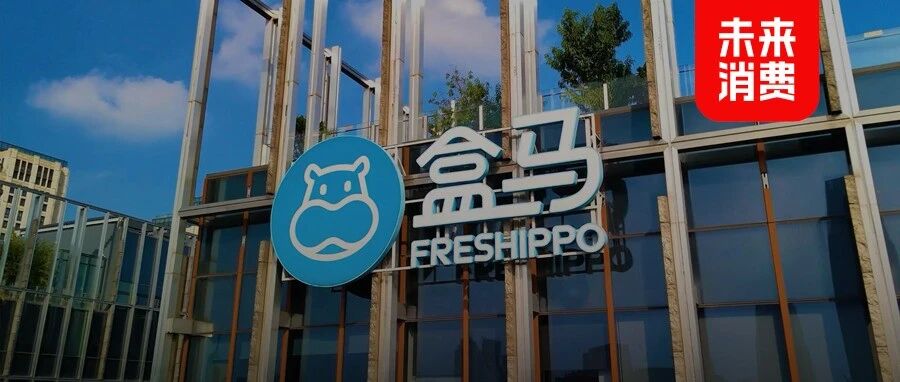
从“年度创新力奖”看云顶新耀(01952.HK):以“双轮驱动”构建可持续创新体系
Ge Long Hui· 2025-12-31 06:10
Core Insights - CloudTop Innovations (01952.HK) received the "Annual Innovation Award" at the "Technology Empowerment · Capital Breakthrough" conference, highlighting a shift in the Chinese innovative pharmaceutical industry towards valuing sustainable value creation over merely chasing "star pipelines" [1] - The Chinese biopharmaceutical industry is transitioning from a phase of rapid growth focused on scale to a high-quality development phase emphasizing technological depth and commercial efficiency [1] - Capital is increasingly focused on companies that can integrate cutting-edge research with mature commercialization systems, establishing new benchmarks in the market [1] Company Strategy - CloudTop's "2030 Development Strategy" is centered on a dual-engine model of "Business Development (BD) cooperation + independent R&D," supported by its unique A2MS (Access, Medical, Market, Sales) commercialization platform [3][7] - The A2MS platform serves as the "value conversion hub" of the company's strategy, addressing core challenges in the commercialization of innovative drugs by streamlining the entire process from insurance access to patient management [3] Product Commercialization - The commercialization of the core product, NAI-Fu-Kang®, is a benchmark in the industry, achieving over 1 billion RMB in sales within its first commercial year, marking a significant milestone for chronic disease medications in China [4] - The company has also seen steady growth in sales for its antibiotic product, Yi-Jia®, with a 6% year-on-year increase in revenue for the first half of 2025, and a 37% increase in sales through targeted core hospitals [5] Future Outlook - CloudTop aims to expand its product portfolio to over 20 commercialized products by 2030, with projected revenues exceeding 15 billion RMB [8] - The company is also advancing its global strategy, focusing on a dual-engine growth model of "overseas licensing + commercialization" to accelerate internationalization [8] Market Recognition - The company's strategic direction has garnered confidence from both internal management and capital markets, with key executives increasing their shareholdings, signaling strong belief in the company's long-term value [9] - Investment firms have positively evaluated the company's growth logic, recognizing its integrated mRNA platform as a potential driver for transitioning from a commercialization entity to a technology-driven innovative enterprise [9] Industry Context - CloudTop's trajectory reflects a broader transformation in the Chinese innovative pharmaceutical landscape, emphasizing the importance of systematic platform capabilities that can continuously foster innovation and bring scientific breakthroughs to market [11] - The competitive landscape is shifting from broad strategic layouts to a focus on the depth of systemic capabilities, with companies like CloudTop positioned to lead and shape the next generation of treatment standards [11]
瑞博生物-B(6938.HK)开启招股:手握“三重验证”小核酸龙头,稀缺性价值迎来重估时刻
Ge Long Hui· 2025-12-31 02:27
Core Viewpoint - The launch of Rebio Biotech on the Hong Kong Stock Exchange marks a significant entry into the Chinese innovative drug industry, particularly in the small RNA field, with a share price set at HKD 57.97 and a listing date of January 9, 2026. The company has attracted notable institutional investors, indicating strong market interest [1][2]. Group 1: Industry Context - The global pharmaceutical innovation is transitioning into the "nucleic acid era," with small RNA drugs emerging as a disruptive treatment paradigm, following small molecules and antibody drugs [1]. - The industry is at a critical turning point, moving from "scientific breakthroughs" to "commercial realization," particularly in the siRNA sector [3]. Group 2: Company Positioning - Rebio Biotech is one of the few companies globally with comprehensive self-research capabilities in small RNA drugs, covering the entire process from target discovery to clinical development [1]. - The company has established a fully autonomous research and production platform, positioning itself to compete internationally and define new treatment standards [1][6]. Group 3: Product Pipeline and Validation - The company’s core products, RBD4059 and RBD5044, are strategically positioned in validated therapeutic areas, reducing development risks and enhancing commercial prospects [10][11]. - RBD4059 targets coagulation factor XI (FXI) and aims to transform anticoagulation therapy, while RBD5044 targets APOC3 for treating hypertriglyceridemia, benefiting from established regulatory pathways [10][11]. Group 4: Technological and Operational Strengths - Rebio's proprietary delivery systems, such as RiboGalSTAR™, have been clinically validated, providing a competitive edge and expanding the application of siRNA therapies beyond liver diseases [9]. - The company has established a clinical trial base in Sweden, ensuring compliance with international standards and facilitating entry into major markets [13]. Group 5: Financial Performance and Growth Potential - The company reported a revenue of CNY 104 million in the first half of 2025, a year-on-year increase of 56.57%, with a reduction in losses by 30.94%, indicating accelerating commercialization capabilities [6]. - The upcoming IPO funding will primarily support global clinical research for core products and enhance technology platform development, facilitating the transition from clinical to commercial stages [18][20]. Group 6: Strategic Collaborations - Rebio has secured strategic partnerships with leading pharmaceutical companies, which not only provide funding but also validate its technological capabilities [14]. - The company retains rights to overseas markets in its licensing agreements, highlighting its focus on global value realization [14]. Group 7: Future Outlook - The dual strategy of advancing proprietary products and engaging in platform licensing is expected to create a sustainable revenue model, enhancing financial stability and supporting ongoing research [17][18]. - Rebio Biotech is positioned for a systematic value reassessment as it combines technology, product pipeline, and international operational capabilities, making it a unique player in the biotechnology sector [20].

保险业确立数字金融“双轮驱动”新航标
Jin Rong Shi Bao· 2025-12-31 01:54
Core Viewpoint - The implementation plan for high-quality development of digital finance in the banking and insurance sectors emphasizes a dual-driven approach of digital technology and data elements, aiming to enhance the integration of the insurance industry into the real economy and national strategies [1][2]. Group 1: Digital Financial Development Goals - The plan outlines major goals for the insurance industry's digital financial development over the next five years, focusing on significant progress in digital transformation and the enhancement of capabilities driven by digital technology and data elements [2]. - It encourages the exploration of innovative applications of digital technology and data elements, aiming to improve financial service quality in key areas such as technology, green finance, inclusive finance, and elderly care [2]. Group 2: Organizational Structure and Governance - The plan prioritizes establishing a robust governance mechanism for digital finance, requiring insurance institutions to strengthen top-level design and build a digital operation system [3]. - It mandates the formation of leadership groups or committees responsible for digital finance, emphasizing the need for unified metrics that align digitalization with business growth and service quality [3]. Group 3: Risk Management and Service Integration - The plan identifies eight key areas for digital financial empowerment, highlighting the evolution of insurance from post-event compensation to risk reduction and insurance protection [4][5]. - It proposes the development of insurance products that provide risk coverage for technology enterprises, focusing on network security and data asset risks, thereby opening new opportunities for the insurance sector [4]. Group 4: Enhancing Financial Services - The plan calls for the development of personalized digital financial products to improve financial services in healthcare and elderly care, while addressing the digital divide [6]. - It emphasizes the importance of data collaboration between insurance institutions and healthcare providers to enhance consumer experience and compliance with data protection regulations [6]. Group 5: Support for Rural Revitalization - The plan encourages the use of IoT and AI technologies to broaden the scope of agricultural insurance products, enhancing efficiency in loss assessment and reducing moral hazard [6]. - It aims to integrate remote sensing and mobile internet data into agricultural insurance, thereby improving the overall risk management capabilities of the insurance industry [6].
上峰水泥(000672):“建材材料”与“新经济投资”双轮驱动,持续发展值得期待
Dongguan Securities· 2025-12-29 12:15
Investment Rating - The report assigns an "Accumulate" rating for the first time [2]. Core Insights - The company is driven by dual engines of "building materials" and "new economic investments," indicating a promising future [4][36]. - The cement business remains robust, with industry-leading profitability metrics, providing a solid performance foundation [4][13]. - The company has entered a harvest phase for its equity investments, particularly in semiconductor, new energy, and new materials sectors, which are expected to mitigate cyclical risks and foster new growth engines [30][36]. - The company has shown a significant recovery in performance, with net profit for the first three quarters of 2025 reaching 5.51 billion, a year-on-year increase of 45.9% [37]. - The company maintains a generous dividend policy, with a commitment to distribute at least 35% of net profit as cash dividends, translating to a dividend yield of approximately 3.47% based on current market capitalization [42]. Summary by Sections Company Overview - Gansu Shafeng Cement Co., Ltd. primarily engages in the production and sale of cement and related building materials, with a focus on optimizing resources and expanding into related industries [11]. Cement Business Stability and Profitability - The traditional cement business, despite facing industry cycles, has maintained high gross margins and return on equity (ROE), positioning the company favorably within the industry [4][13]. - In 2024, cement and related materials accounted for 96.72% of total revenue, with cement alone contributing 70.55% [13]. Equity Investment Harvest Phase - The company has strategically invested over 1.7 billion in key technology sectors, with equity investments contributing approximately 31% to net profit in the first three quarters of 2025 [30][36]. Performance Recovery - The company reported a net profit of 5.51 billion for the first three quarters of 2025, marking a significant recovery from previous years [37]. Generous Dividend Policy - The company has a history of consistent dividend payouts, with a planned minimum cash dividend of 4 billion annually for 2025-2026, reflecting a strong commitment to shareholder returns [42]. Investment Outlook - The report forecasts earnings per share (EPS) of 0.72, 0.87, and 0.92 for 2025, 2026, and 2027 respectively, indicating a positive growth trajectory [43].

上峰水泥(000672):“建材材料”与“新经济投资”双轮驱动,持续发展
Dongguan Securities· 2025-12-29 11:13
Investment Rating - The report assigns an "Accumulate" rating for the company for the first time [2]. Core Viewpoints - The company is driven by dual engines of "building materials" and "new economy investments," showing promising growth potential [4][36]. - The cement business remains robust with industry-leading profitability, supported by optimized regional layouts and refined operations [4][13]. - The company has entered a harvest period for equity investments, particularly in semiconductor, new energy, and new materials sectors, which are expected to mitigate cyclical risks of the main business [4][30]. - The company has a strong commitment to dividends, with a planned cash dividend of no less than 35% of net profit for 2025-2026, translating to a dividend yield of approximately 3.47% based on current market capitalization [4][42]. Summary by Sections Company Overview - Gansu Shangfeng Cement Co., Ltd. primarily engages in the production and sale of cement and related building materials, with a focus on optimizing resources and expanding into new economic sectors [11]. Cement Business Stability and Profitability - The cement business accounts for 96.72% of revenue, with cement sales contributing 70.55% and clinker sales 16.88% [13]. - The company maintains a leading position in key profitability metrics such as gross margin and return on equity (ROE) [23][29]. - Despite a decline in cement production and sales, the company achieved a net profit of 5.51 billion and a net profit attributable to shareholders of 5.28 billion for the first three quarters of 2025, reflecting year-on-year increases of 45.9% and 30.56% respectively [4][37]. Equity Investment Harvest Period - The company has invested over 1.7 billion in equity investments, contributing approximately 31% to net profit in the first three quarters of 2025 [30][35]. - The strategic focus on sectors supported by national policies is expected to create new growth engines [30]. Performance Recovery - The company reported a total revenue of 54.48 billion for 2024, a decrease of 14.83% year-on-year, but the decline has narrowed in 2025 [37]. - The operating cash flow reached 7.55 billion, indicating a 2.34% year-on-year increase, with a low debt ratio of 42.65% [38]. Generous Dividends and Investor Returns - The company has consistently returned value to shareholders, with a dividend payout ratio of 95.73% in 2024 [42]. - Future dividend plans include a minimum of 4 billion in cash dividends annually, reinforcing the company's commitment to shareholder returns [42]. Summary and Investment Recommendations - The company is well-positioned for sustainable growth, with a strong foundation in its cement business and promising prospects in new economic sectors [43]. - Earnings per share (EPS) are projected to be 0.72, 0.87, and 0.92 for 2025-2027, with corresponding price-to-earnings (PE) ratios of 16.56, 13.8, and 13 [43].
专访邢自强:从投资于物到投资于人,持续撬动消费市场
2 1 Shi Ji Jing Ji Bao Dao· 2025-12-25 12:03
Core Insights - The future of China's economy relies on achieving a dual focus on "starry skies and vast seas" innovation and "daily necessities" improvement in living standards, emphasizing the need for a balanced approach to technological advancement and social welfare [1][2][3] Group 1: Economic Strategy - The strategy involves leveraging China's existing advantages in industrial chains, engineer dividends, and a large-scale market to foster innovation in cutting-edge technologies like 6G, quantum technology, and biomanufacturing [2][5] - The "dual-wheel drive" approach necessitates simultaneous progress in technological innovation and enhancing living standards to solidify the economic foundation [2][3] Group 2: Capital Market Role - The capital market must support both innovation and living standards by enhancing residents' consumption capacity and promoting a sustainable innovation ecosystem [6] - A robust capital market can help alleviate the low-price cycle by providing a stable return on investment, thus encouraging consumer spending [6][8] Group 3: Market Confidence Recovery - Since September 2024, market confidence has been restored due to a threefold awakening in policy, enterprise resilience, and funding dynamics [7][8] - Policy reforms aimed at addressing the low-price cycle have signaled a commitment to development alongside security, fostering a healthier market environment [7] Group 4: Structural Reforms - Key reforms during the "14th Five-Year Plan" include enhancing the national unified market and substantial social security reforms to improve consumer spending and reduce preventive savings [9][11] - The goal is to increase the share of resident consumption in GDP from under 40% to around 45% by 2030, creating a $10 trillion consumption market [9][12] Group 5: Fiscal Transformation - The shift from "investment in material" to "investment in people" is crucial for addressing structural issues of high savings and low consumption [11][13] - Strategies include increasing the proportion of state-owned capital allocated to social security funds and adjusting fiscal spending towards social services [13][14] Group 6: Real Estate Market Stabilization - To stabilize the real estate market, strategies include inventory reduction through government purchases of unsold properties and supporting key real estate firms facing difficulties [15][16] - Implementing interest subsidies on mortgage loans can significantly ease the financial burden on homebuyers, thereby boosting consumer confidence [16]