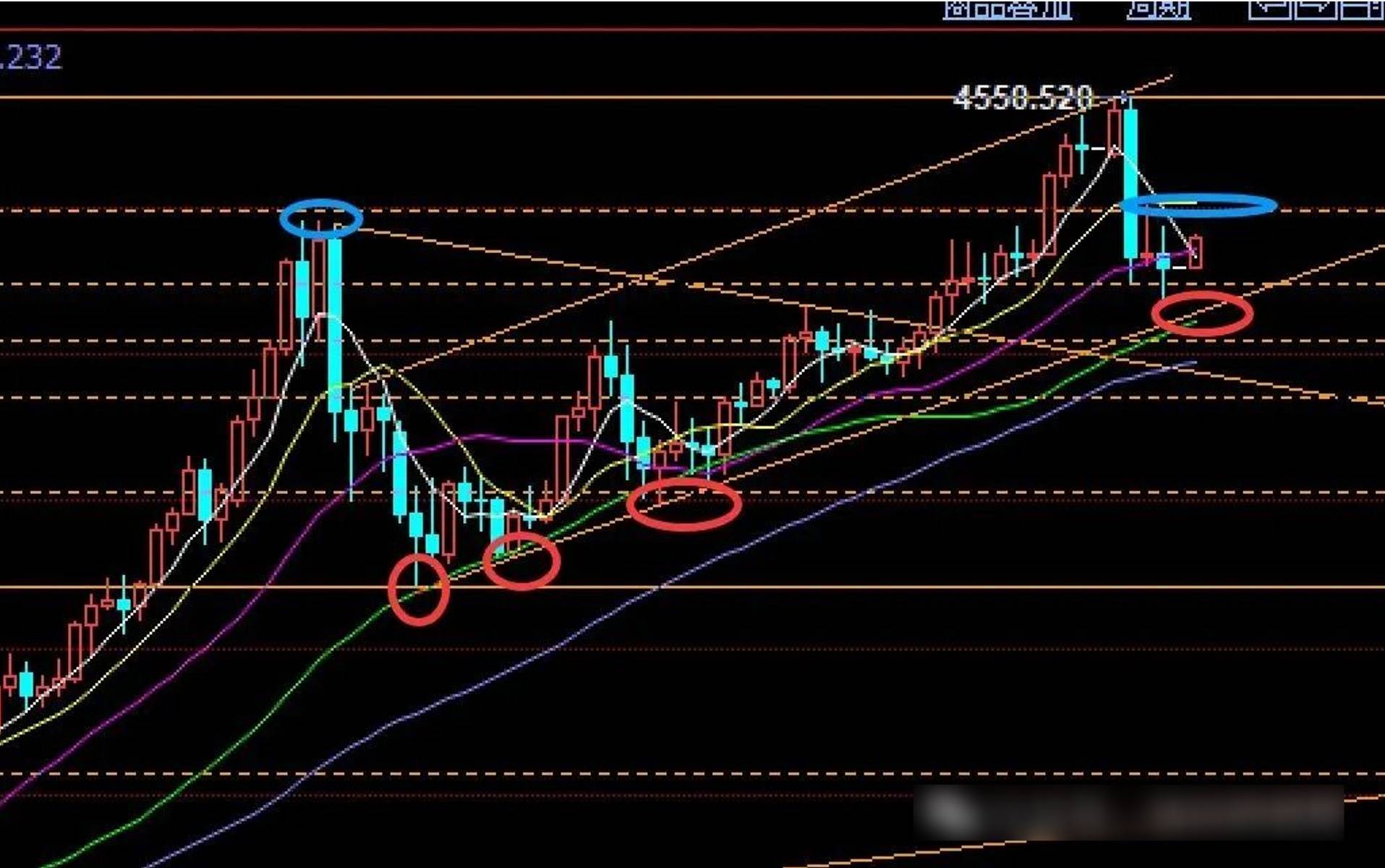
多空博弈

Search documents
铂钯:降波后的再择向
Guo Tou Qi Huo· 2026-01-23 10:58
Report Summary 1. Report Industry Investment Rating No information provided. 2. Core View of the Report - After the volatility adjustment of platinum and palladium futures on the Guangzhou Futures Exchange at the end of December, the price directions became clear again. Their upward drivers mainly come from the macro - level, with the weakening of the US dollar index and the market's bet on the decline of the US national fortune [1]. - In 2026, the fundamental outlook for platinum is stronger than that for palladium. The supply fluctuations of both are limited, and the comparison of their fundamentals is mainly from the consumption side. Palladium's consumption growth is expected to be insufficient due to the substitution of new - energy vehicles for traditional fuel - powered vehicles, while platinum has diversified consumption structures and increasing investment demand [2]. - Before the market liquidity tightens significantly, the main investment direction for platinum and palladium is to buy on dips. Given the stronger fundamentals of platinum, some investors prefer the cross - variety arbitrage of going long on platinum and short on palladium. Currently, the price spread between them is large enough to stimulate the substitution of platinum by palladium in the automotive and supply fields, and attention should be paid to the potential price increase of palladium and the timing of taking profits for the long - platinum - short - palladium strategy [3]. 3. Summary by Relevant Content Market Performance - Since the volatility adjustment of platinum and palladium futures on the Guangzhou Futures Exchange at the end of December, the price fluctuations have narrowed, showing a triangular consolidation pattern. Platinum prices converged to around 615 yuan/gram, and palladium prices to around 480 yuan/gram. Recently, platinum prices have risen by nearly 9%, and some palladium contracts have increased by over 3% [1]. Macro - level Drivers - Although the US no longer imposes additional tariffs on key resources, which eases the structural contradictions of platinum and palladium, after the US's actions such as the arrest of Maduro and Trump's mention of forcefully annexing Greenland, the US - EU relationship has deteriorated. The European countries are selling US Treasury bonds, leading to a weakening of the US dollar index. The market's bet on the decline of the US national fortune may further increase, and the balance between "money" and "goods" is tilting towards "goods", giving more premium space to platinum and palladium [1]. Fundamental Analysis - **Supply Side**: The supply structures of platinum and palladium are quite different, but their supply fluctuations are relatively limited. High prices have stimulated the production enthusiasm of mines, and the impact of Western sanctions on Russian palladium exports to China is minimal [2]. - **Demand Side**: Over 80% of palladium's end - consumption is for automobile exhaust catalysts. With the accelerated substitution of new - energy vehicles for traditional fuel - powered vehicles, its consumption growth is expected to be insufficient, and the supply - demand gap will significantly narrow in 2026. Platinum has a more diversified consumption structure. Automobile exhaust catalysts account for only 40% of its consumption, and investment and jewelry demand account for 30%. With the rise in platinum prices, investment demand is increasing, and the prospects of commercial aerospace and large - scale application of hydrogen energy also bring good consumption expectations. In 2026, the supply - demand gap may further widen [2]. Investment Strategy - Before the market liquidity tightens significantly, the main strategy for platinum and palladium is to buy on dips. Some investors prefer the cross - variety arbitrage of going long on platinum and short on palladium. As of January 23, the price spread between platinum and palladium has reached 185 yuan/gram, which is large enough to stimulate the substitution of platinum by palladium in relevant fields. Attention should be paid to the potential price increase of palladium and the timing of taking profits for the long - platinum - short - palladium strategy [3].
有色日报:有色震荡走强-20260123
Bao Cheng Qi Huo· 2026-01-23 10:33
Report Overview - Report Type: Futures Research Report [2] - Report Date: January 23, 2026 [4] - Report Industry: Non-ferrous Metals [2] Industry Investment Rating - Not mentioned in the report Core Views - **Copper**: This week, Shanghai copper fluctuated weakly around the 100,000 level, with a significantly narrower amplitude than last week. It repeatedly fell below the 100,000 mark during the week and then stabilized and rebounded, with a slight increase in open interest. At the macro level, market risk appetite rebounded with the reversal of the Greenland event, and the US dollar index was weakly running. At the industrial level, as the copper price dropped to the 100,000 mark, the restocking willingness of some downstream industries increased. On Thursday, the electrolytic copper inventory decreased slightly, the monthly spread rebounded slightly, and the import loss also narrowed, reflecting the increasing domestic industrial support. Continuously monitor the long-short game at the 100,000 mark [6]. - **Aluminum**: This week, the aluminum price fluctuated around the 24,000 level, with a slight increase in open interest. At the macro level, the Greenland issue reversed, and US President Trump postponed tariffs, leading to a rebound in market risk appetite. At the industrial level, the electrolytic aluminum inventory increased slightly, and the downstream remained in a wait-and-see mood. Continuously monitor the long-short game at the 24,000 mark [7]. - **Nickel**: This week, the nickel price fluctuated above the 140,000 level, repeatedly falling below the 140,000 mark during the session and then bottoming out and rebounding. At the macro level, the market atmosphere warmed up during the week, and the non-ferrous metal sector stabilized as a whole. Recently, after the nickel price digested the supply disturbance in Indonesia, the intraday amplitude narrowed, the short-term strong industrial expectation drive declined, and the weak reality pattern remained unchanged. Technically, continuously monitor the support at the 140,000 mark [8]. Industry Dynamics Copper - Lundin Mining Corporation achieved its production targets for various metals on a consolidated basis for the third consecutive year in 2025. In 2025, its copper production was 331,232 tons, gold production was 141,859 ounces, and nickel production at the Eagle mine was 9,907 tons. In Q4 2025, the company's copper production exceeded 87,000 tons and gold production exceeded 34,000 ounces. The Caserones mine achieved its highest quarterly copper production since acquisition in Q4, reaching 39,612 tons, mainly due to increased ore grade and cathode copper production. Looking ahead, Lundin expects its consolidated copper production to be 310,000 - 335,000 tons in 2026, 315,000 - 340,000 tons in 2027, and 290,000 - 315,000 tons in 2028. The cash cost guidance for 2026 is $1.90 - $2.10 per pound. The expected maintenance capital expenditure in 2026 is $550 million, expansion capital expenditure is about $445 million, and exploration expenditure is expected to be $53 million, mainly for in-mine and near-mine exploration [10]. - The operating rate of domestic scrap anode copper enterprises declined. This week, the operating rate of SMM scrap anode plate enterprises was 72.17%, a 3.73 percentage point decrease from the previous week. It is expected to decline by 0.83 percentage points to 71.34% next week [11]. - On January 22, Mysteel's electrolytic copper social inventory was 335,200 tons, a decrease of 2,800 tons from the 19th [12]. Aluminum - On January 22, the SHFE aluminum futures warehouse receipts were 138,856 tons, an increase of 101 tons from the previous trading day. In the past week, the SHFE aluminum futures warehouse receipts increased by 773 tons, a growth rate of 0.56%. In the past month, they increased by 62,767 tons, a growth rate of 82.49% [13]. - On January 22, Mysteeel's electrolytic aluminum social inventory was 768,000 tons, an increase of 4,000 tons from the 19th [13]. Related Charts Copper - Copper basis, Shanghai electrolytic copper social inventory, LME copper cancelled warrant ratio, global copper exchange inventory (SHFE + LME + COMEX), SHFE warehouse receipt inventory, monthly spread of Shanghai copper, SHFE inventory, and inventory warehouse receipts are presented in the report [14][16][17] Aluminum - Aluminum basis, electrolytic aluminum domestic social inventory, Shanghai-London ratio, aluminum monthly spread, electrolytic aluminum overseas exchange inventory (LME + COMEX), and aluminum bar inventory are presented in the report [25][27][29] Nickel - Nickel basis, LME inventory, LME nickel trend, nickel monthly spread, SHFE inventory, and nickel ore port inventory are presented in the report [37][39][41]
短期多空博弈下 预计甲醇期货盘面维持底部震荡
Jin Tou Wang· 2026-01-19 08:01
Core Viewpoint - Methanol futures are experiencing weak fluctuations, with the main contract dropping to 2211.00 yuan, a decrease of 1.60% [1] Group 1: Supply and Demand Analysis - On the supply side, domestic maintenance operations are stable, keeping supply at high levels, while Iranian supply remains low [1] - Demand is affected by reduced operating rates at MTO facilities in Zhejiang, with load dropping below 70% in East China, and attention is on the restart plan for Ningbo Fude [1] - January imports have significantly decreased, but MTO facility loads have also declined, leading to continued pressure on port inventory [1] Group 2: Market Outlook - Everbright Futures expects methanol to maintain bottom oscillation due to the current supply-demand dynamics and geopolitical situation [1] - Yide Futures suggests that methanol may continue to operate within a range, with slight decreases in domestic operations and some facilities temporarily halted [1] - The future outlook remains uncertain, with potential impacts from Iranian geopolitical issues and inventory changes, indicating a possible continuation of range-bound trading [1]
宝城期货股指期货早报-20260119
Bao Cheng Qi Huo· 2026-01-19 01:57
1. Report Industry Investment Rating - No information provided 2. Core Viewpoints of the Report - The short - term view of IH2603 is "oscillation", the medium - term view is "oscillation", the intraday view is "slightly strong", and the overall view is "oscillating and slightly strong" due to unchanged policy利好 expectations and capital inflow trends [1]. - For IF, IH, IC, and IM, the intraday view is "slightly strong", the medium - term view is "oscillation", and the overall view is "oscillating and slightly strong". The stock market's optimism has cooled, and there is a need for shock consolidation after a sharp rebound. In the long - term, the main logic of the upward movement of stock indices remains unchanged, and it is expected that the stock indices will continue to oscillate and consolidate in the short term [5]. 3. Summary by Relevant Catalogs 3.1 Variety Viewpoint Reference - Financial Futures Stock Index Sector - For IH2603, short - term: oscillation; medium - term: oscillation; intraday: slightly strong; overall view: oscillating and slightly strong; core logic: unchanged policy利好 expectations and capital inflow trends [1]. 3.2 Main Variety Price Market Driving Logic - Financial Futures Stock Index Sector - Variety: IF, IH, IC, IM. Intraday view: slightly strong; medium - term view: oscillation; reference view: oscillating and slightly strong. The total market turnover was 3054.7 billion yuan, an increase of 116.3 billion yuan from the previous day. The stock market turnover dropped to around 3 trillion yuan, indicating a cooling of optimism. After a sharp rebound, there is a need for shock consolidation. In the long - term, the main logic of the upward movement of stock indices remains unchanged [5].
多空博弈白热化的泡泡玛特
雪球· 2026-01-18 05:41
Group 1 - The core viewpoint of the article is that the stock price of Pop Mart has become disconnected from its fundamentals, primarily driven by market sentiment and short-selling activities [9][10] - The article discusses the current state of the long and short positions in Pop Mart, indicating that short-selling orders account for 40%-50% of daily sell volumes, with significant short-selling activity observed recently [9][11] - The article highlights the liquidity risks faced by short-sellers, noting that approximately 48.95% of shares are held by core management and cannot be borrowed for short-selling, while the remaining shares available for shorting are limited [11][12] Group 2 - Short-sellers are facing increasing costs due to interest on borrowed shares, which can range from 5%-8% in Hong Kong, and the longer they hold their positions, the higher their costs become [12][13] - The upcoming earnings report poses a risk for both long and short positions, as any positive surprises could lead to a valuation recovery for Pop Mart [13][14] - The article mentions that Pop Mart has maintained a stable dividend payout ratio of around 35% over the past two years, which could increase the holding costs for short-sellers if dividends are declared [14][15] Group 3 - The current market situation is described as awkward for both long and short positions, with both sides experiencing discomfort due to the ongoing volatility [16][17] - The article suggests that if short-sellers begin to cover their positions, it could lead to significant market movements, as the current short interest represents about 7.5% of the total shares outstanding [15][18] - The sentiment among retail investors is particularly highlighted, as many are experiencing emotional distress due to the prolonged downturn in Pop Mart's stock price [18][19] Group 4 - The article provides subjective judgments on the future of Pop Mart, suggesting that the stock price is currently priced for a significant decline in future earnings, which may not materialize [20] - There is potential for improvement in net profit margins as the company has been gradually increasing the prices of its products, indicating a possible rise in profitability [21] - The impact of recent NGO reports on labor practices is discussed, suggesting that while it may have triggered market reactions, the legal context for employing younger workers is not as restrictive as perceived [22][23]


烧碱数据日报-20260116
Guo Mao Qi Huo· 2026-01-16 03:31
1. Report Industry Investment Rating - Not provided in the given content 2. Core Viewpoints of the Report - The trading atmosphere in the domestic liquid caustic soda market is dull today. The prices of 32% liquid caustic soda in Shandong and Hebei regions have decreased, the price of 48% liquid caustic soda in Jiangsu region has decreased, and the price of 32% liquid caustic soda in Inner Mongolia region has increased. The enthusiasm of downstream buyers in Shandong region is low, and recently some warehouse receipt goods have entered the market, impacting the market price. The market price of 32% liquid caustic soda has decreased, the trading of 50% liquid caustic soda is stable, and the price remains unchanged. The mainstream transaction price of 32% ion - membrane caustic soda in Shandong region today is 650 - 760 yuan/ton. The purchase price of liquid caustic soda by a large local downstream alumina factory is 645 yuan/ton, and the mainstream transaction price of 50% ion - membrane caustic soda in Shandong region is 1050 - 1210 yuan/ton, a decline from the previous working day's average price. The game between long and short positions is fierce, and it is recommended to stay on the sidelines [1] 3. Summary According to the Catalog 3.1 Price Changes of Raw Materials and Products - **Raw Salt**: The prices in Shandong, Jiangsu, and Northwest remain unchanged at 240, 260, and 180 respectively [1] - **Calcium Carbide**: The prices in Shandong and Inner Mongolia remain unchanged at 250 and 3415 respectively [1] - **Liquid Chlorine**: The price in Shandong increases by 50 from 200 to 250, while the prices in Jiangsu and Northwest remain unchanged at 250 and - 100 respectively [1] - **32% Liquid Caustic Soda**: The prices in Shandong, Jiangsu, and Guangdong remain unchanged at 2156, 2438, and 1075 respectively [1] - **50% Liquid Caustic Soda**: The prices in Shandong, Jiangsu, and Guangdong remain unchanged at 2160, 1280, and 1300 respectively [1] - **Caustic Soda Flakes**: The prices in Shandong, Inner Mongolia, Guangdong, and Southwest remain unchanged at 3050, 2700, 2750, and 3375 respectively [1] - **PVC**: The price in Shandong remains unchanged at 3450 [1] 3.2 Futures and Basis - **Futures Main Contract**: The closing price in Inner Mongolia changes from 5550,2093 to 5550,2057, with a change of 0, - 36 [1] - **Basis**: The basis in Shandong increases by 38 from - 62 to - 24, and the basis in Jiangsu increases by 49 from 258 to 307 [1] 3.3 Price Differences and Profits - **Price Difference between 50% Caustic Soda and 32% Caustic Soda**: The price difference in Shandong remains unchanged at 4 [1] - **Price Difference between Caustic Soda Flakes and 50% Caustic Soda**: The price difference in Guangdong decreases by 31 from 48 to 16 [1] - **Regional Price Difference of 50% Caustic Soda**: The price difference between the east and Shandong remains unchanged at 515 [1] - **Regional Price Difference of Caustic Soda Flakes**: The price differences between Southwest and Inner Mongolia, and between Southwest and Shandong remain unchanged at 250 and 700 respectively [1] - **Chlor - alkali Profit**: The profit in Shandong increases by 1 from - 15 to - 14, and the profit in the Northwest decreases by 31 from 349 to 318 [1] 3.4 Electricity Price - The electricity prices in Shandong and Inner Mongolia remain unchanged at 0.63 and 0.44 respectively [1]
过山车都没这么刺激!金价银价突然大幅波动,背后这3大黑手藏不住了!
Sou Hu Cai Jing· 2026-01-11 17:31
Core Viewpoint - The recent volatility in gold and silver prices is attributed to a significant battle between bullish and bearish forces, influenced by various factors including economic data and geopolitical tensions [2][3]. Group 1: Market Volatility - Gold and silver prices have experienced unprecedented fluctuations, with daily trading ranges exceeding historical warning levels since January 2026 [3]. - The market's erratic behavior has left many short-term investors confused and unable to comprehend the rapid price changes [3]. Group 2: Key Drivers of Price Movements - **Driver One: Federal Reserve's Influence** The mixed economic data from the U.S. has created a divide in market expectations regarding the Federal Reserve's interest rate decisions, leading to price fluctuations in gold and silver based on economic indicators [4]. - **Driver Two: Geopolitical Tensions** Escalating tensions in certain regions, particularly in the Middle East and Eastern Europe, have heightened risk aversion, prompting investors to flock to precious metals as a safe haven [4]. - **Driver Three: Central Bank Activities** Central banks, especially in emerging markets, have shown a long-term bullish outlook on gold but have recently engaged in tactical adjustments, reducing purchases at high prices, which has triggered panic selling in the market [4]. Group 3: Investment Strategies - Experts advise against impulsive trading in the current high-volatility environment, emphasizing the importance of maintaining a level-headed approach [5]. - For those with immediate needs, such as purchasing jewelry, the current price fluctuations may not significantly impact their decisions [6]. - Investors are encouraged to consider gradual accumulation strategies or focus on gold ETFs, avoiding leveraged bets on single-direction market movements [7].
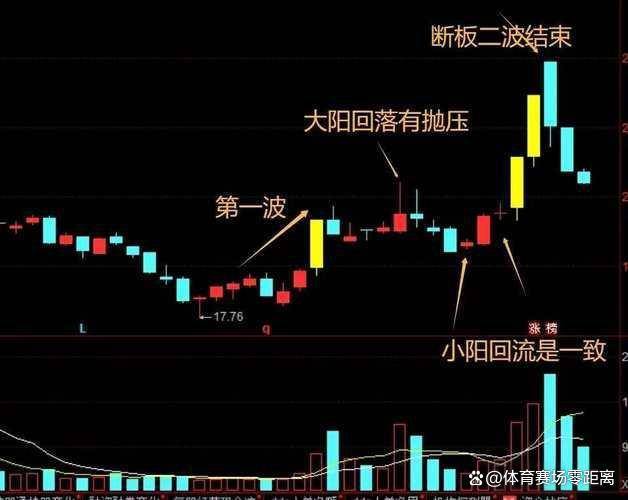
天然橡胶:短时多空博弈仍存 关注海外产区原料情况
Jin Tou Wang· 2026-01-06 02:04
Group 1: Raw Materials and Spot Prices - As of January 5, cup rubber is priced at 51.75 Thai Baht/kg (+2.26), and latex at 54.70 Thai Baht/kg (+0.50) [1] - Hainan private rubber is at 15,000 Yuan/ton, Qingdao bonded zone Thai standard at 1,890 USD/ton (+20), and Thai mixed rubber at 14,850 Yuan/ton (+150) [1] Group 2: Tire Production Rates and Inventory - As of December 25, the capacity utilization rate for China's semi-steel tire sample enterprises is 70.36%, up 0.35 percentage points month-on-month, but down 8.37 percentage points year-on-year [1] - The capacity utilization rate for China's all-steel tire sample enterprises is 61.69%, down 1.92 percentage points month-on-month, but up 1.72 percentage points year-on-year [1] - The average inventory turnover days for semi-steel tire sample enterprises is 46.86 days, up 0.38 days month-on-month and up 5.64 days year-on-year; for all-steel tire sample enterprises, it is 43.78 days, up 1.87 days month-on-month and down 0.41 days year-on-year [1] Group 3: Export Data and Market Dynamics - In the first 11 months of 2025, Thailand's natural rubber exports (excluding compound rubber) totaled 2.419 million tons, a year-on-year decrease of 7% [2] - The total export of standard rubber was 1.338 million tons, down 18% year-on-year; however, the export of smoked sheet rubber increased by 24% to 392,000 tons, and latex exports rose by 8% to 673,000 tons [2] - Exports to China amounted to 945,000 tons, a year-on-year increase of 14%, with smoked sheet rubber exports to China surging by 248% [2] - Overall, Thailand's total natural and mixed rubber exports reached 4 million tons, a year-on-year increase of 4.6%, with exports to China at 2.518 million tons, up 24% [2] Group 4: Market Outlook - Supply-side improvements in overseas major producing areas are expected to pressure raw material prices, while factory restocking demand supports limited downside [2] - Post-holiday downstream replenishment is cautious, leading to weak purchasing sentiment for Thai mixed rubber, with significant inventory accumulation in Tianjin [2] - The market for natural rubber is characterized by ongoing competition between bullish and bearish sentiments, with previous short positions recommended to be maintained [2]
PTA:南美某国受袭PTA行情高开低走?
Jin Rong Jie· 2026-01-05 03:31
Core Viewpoint - The recent geopolitical tensions in a South American country have created short-term support for the oil market, indirectly benefiting PTA, but the onset of the demand off-season and maintenance in downstream polyester factories may lead to a mixed market outlook for PTA, potentially resulting in a high opening followed by a decline [1][2][7]. Geopolitical Impact - On January 3, the U.S. initiated an attack in a South American country, capturing its leader, which raised concerns about potential impacts on the country's oil production and exports, providing short-term support for oil prices and possibly boosting PTA prices [2][3]. - The oil exports from the South American country are currently paralyzed, significantly affecting its logistics system, which is expected to support the PTA market from the supply side [3]. Cost and Supply Dynamics - The geopolitical issues are expected to create upward pressure on costs, as the South American country's oil production is primarily high-sulfur heavy oil, which has higher extraction, transportation, and processing costs compared to light crude oil [3]. - China's imports of oil from the South American country account for about 7%, and any disruption in logistics may impact these imports, positively affecting market sentiment towards PTA [3]. Demand Seasonality - The demand off-season is approaching, with historical data indicating a 9 percentage point decrease in operating rates for downstream polyester factories during January and February, which is bearish for the PTA market [5]. - By mid-January, polyester production is expected to decline to around 6.5 million tons, a decrease of 490,000 tons compared to December 2025, due to maintenance schedules for polyester plants [5]. Market Outlook - The PTA market is anticipated to experience a tug-of-war between cost support from geopolitical issues and declining demand, with short-term price fluctuations expected to range between 5,100 and 5,250 yuan per ton [7]. - While the geopolitical situation may provide temporary market support, the high costs associated with high-sulfur heavy oil and the anticipated decline in PTA demand are likely to offset the initial positive effects of rising oil prices [7].
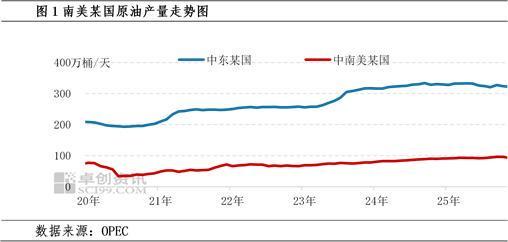
黄金暴跌后洗盘,4300支撑强大,白银70多空关键!
Sou Hu Cai Jing· 2026-01-02 03:57
Group 1: Gold Market Analysis - Gold prices experienced a significant drop of nearly $250, approaching the $4300 mark, before rebounding to around $4400, indicating volatility in the market [1][3] - The key resistance level for gold is identified at $4400, with a potential upward movement towards $4550 if this level is surpassed; however, the $4300 level remains critical for support [3] - Short-term trading strategies suggest selling near the $4400 resistance and buying near the $4300 support, with a focus on maintaining positions until key trend support levels are tested [3] Group 2: Silver Market Analysis - Silver prices saw a dramatic decline, with a drop of over $13 on a single day, followed by a brief rebound of more than 10% before facing downward pressure again [3][5] - The critical support level for silver is set at $70, with resistance levels adjusted to the $74-$74.5 range; the market is expected to remain volatile due to its smaller trading volume [5] - Long-term strategies suggest positioning around the 0.618 and 0.5 Fibonacci retracement levels, while short-term trading should focus on resistance levels without chasing the market [5] Group 3: Platinum and Palladium Market Analysis - Both platinum and palladium are currently in a weak and volatile state, primarily driven by speculative trading, making them less predictable for short-term participation [5] - For medium-term strategies, platinum is suggested to be accumulated around the $1700 level, while palladium should be considered for accumulation below $1300 [5]