悦己型消费

Search documents
视频丨时尚感、科技范儿!银发一族生活愈发“有滋有味”
Yang Shi Xin Wen Ke Hu Duan· 2025-11-14 07:26
Core Insights - The consumption philosophy of the elderly is shifting from "cost-effectiveness" to "intelligent products" [10] Group 1: Elderly Consumer Trends - Elderly individuals are increasingly adopting fashionable and technological lifestyles, as evidenced by the popularity of products like exoskeletons and smart health devices [3][10] - Sales of elderly-friendly products have seen significant growth, with categories like mobility aids and hearing devices nearing a scale of 20 billion [10] - The elderly market is projected to grow significantly, with the silver economy expected to reach 30 trillion by 2035, accounting for 10% of GDP [19] Group 2: Innovative Products and Technologies - New technologies are being developed for elderly care, such as AI-driven exoskeletons that provide tailored support for mobility [11][14] - Smart health products, including sleep monitoring rings and non-invasive blood glucose monitors, have seen sales increase by over 200% year-on-year [10] - Innovative products like smart diapers that enhance comfort and dignity for the elderly have gained market traction [13] Group 3: Lifestyle and Leisure Activities - The elderly are engaging in diverse leisure activities, including music, photography, and travel, reflecting a trend towards "self-fulfilling consumption" [20][33] - The market for elderly cultural and entertainment services has grown, with sales in related sectors increasing by over 20% [33] - Elderly individuals are actively participating in community activities, such as forming bands and taking photography classes, showcasing their vibrant lifestyles [22][29] Group 4: Service Supply and Innovation - The service supply for the elderly is rapidly evolving, with a focus on personalized and immersive experiences, including online courses and themed community spaces [34][36] - New initiatives like "silver consultants" are being introduced to assist elderly individuals with practical needs, enhancing their quality of life [42] - The demand for customized services, such as meal assistance and medical support, is driving innovation in the elderly care sector [42]


“科技范儿”“悦己型”……银发消费花式“上新”潜能迸发 服务供给加速升级
Yang Shi Wang· 2025-11-14 04:38
Core Viewpoint - The consumption concept of the elderly is shifting from "cost-effectiveness" to "intelligent" products, indicating a growing demand for smart and comfortable living solutions tailored for seniors [1][7][20]. Group 1: Market Trends - The sales of elderly-friendly products have significantly increased, with categories like mobility aids and hearing aids nearing a market size of 20 billion [5]. - In the first ten months of the year, innovative smart health products such as sleep monitoring rings and AI hearing aids saw transaction volume growth exceeding 7.6 times and transaction value growth over 200% [7]. - The silver economy in China is currently valued at approximately 7 trillion, accounting for about 6% of the GDP, and is projected to reach 30 trillion by 2035, representing 10% of the GDP [12]. Group 2: Product Innovations - New technologies are being developed for exoskeletons to provide better support for seniors with joint issues, with advancements in response times approaching 0.1 seconds [9]. - The introduction of smart products like sensing and communicating adult diapers has gained significant market attention [9][11]. Group 3: Consumer Behavior - The elderly are increasingly engaging in "self-pleasing consumption," investing in hobbies and activities such as music, photography, and travel, reflecting a vibrant retirement lifestyle [13][20]. - Sales in cultural entertainment, tourism services, and health services for the elderly have seen year-on-year increases of 20.7%, 26.2%, and 23.9% respectively [20]. Group 4: Service Supply Upgrades - The service supply for the elderly is rapidly innovating, with a rise in customized online courses and immersive offline experiences, enhancing the overall service ecosystem [21][23]. - The establishment of "silver consultants" has effectively addressed the urgent needs of the elderly, such as home modifications for better accessibility [27].

视频丨老年人“买买买”,有哪些新趋势?
Yang Shi Xin Wen Ke Hu Duan· 2025-10-29 12:07
Core Insights - The "silver economy" is rapidly growing in China, driven by an increasing elderly population with strong purchasing power [2][3][4] - By the end of 2024, the elderly population aged 60 and above is expected to exceed 310 million, accounting for 22% of the total population [2] - The silver economy is projected to reach 30 trillion yuan by 2035, representing 10% of the GDP [3] Group 1: Consumption Trends - "Self-indulgent consumption" is emerging as a new market driver, with retirement clubs gaining popularity among seniors [3][4] - The elderly are increasingly willing to pay for social activities and learning experiences, with a notable rise in silver tourism, which now accounts for over 20% of total tourism in China [4][5] - Revenue from elderly tourism services, health services, and cultural activities has seen significant growth, with increases of 26.2%, 23.9%, and 20.7% respectively in the first half of the year [5][12] Group 2: New Business Models - The shift in elderly needs is prompting innovation in commercial spaces, with shopping malls adapting to provide social and learning opportunities for seniors [8][9] - A notable example includes a shopping mall in Chongqing that transformed into a "silver-themed store," resulting in a 307% increase in sales on opening day [8] - The demand for travel and leisure among seniors is leading to the establishment of numerous travel and wellness centers, significantly boosting local economies [9][10] Group 3: Product Innovation - There is a growing market for products specifically designed for the elderly, such as larger chess pieces and modified toys that cater to their needs [10][11] - The integration of technology into elderly care is increasing, with smart devices and robots becoming commonplace in daily life, enhancing convenience and engagement for seniors [11][12] - Sales of smart elderly care technologies and wearable devices have seen year-on-year growth of 33.7% and 32.6% respectively [12]

从“鸡排哥”爆红探秘企业经营智慧:6元鸡排如何炸出千万流量?
Sou Hu Cai Jing· 2025-10-14 02:31
Core Insights - The recent success of a chicken stall in Jingdezhen, Jiangxi, reflects a shift towards consumer sentiment valuing "small spending for happiness," indicating the rise of self-satisfying consumption [1] - The chicken stall operator, known as "Chicken Brother," exemplifies long-term commitment and resilience in business, focusing on a single product for over a decade [4] Group 1: Long-term Commitment - The operator has consistently focused on the chicken fillet niche, demonstrating resilience and a commitment to quality over time [4] - Businesses should reflect on their chosen paths and maintain focus on their core competencies, especially in challenging environments [4] Group 2: Customer-Centric Approach - The operator prioritizes core customers, ensuring high-quality service and product integrity, which fosters a deep emotional connection with consumers [5][6] - The commitment to quality and service is evident in the meticulous preparation process, addressing public concerns about food safety [5] Group 3: Staying True to Values - The operator refuses to engage in live streaming or influencer marketing, emphasizing a focus on local customers and maintaining the original spirit of the stall [8] - The price of the chicken fillet has remained unchanged at 6 yuan, reflecting a principled approach to business and resisting opportunistic pricing [10]

账单里的新风向
Ren Min Wang· 2025-10-07 01:00
Core Insights - The article discusses the financial habits and consumption behaviors of newly promoted military personnel, emphasizing the need for rational and sustainable spending practices [1][2][4] Group 1: Consumption Behavior - Newly promoted soldiers express diverse spending intentions, including purchasing luxury items and supporting family, highlighting a shift in financial responsibility [1] - A survey indicates that approximately 80% of soldiers wish to use their salaries to "improve life and develop hobbies," while over 60% have experienced impulse buying [1][2] - The younger generation of soldiers is characterized by a desire for quality and experiences, but they also face challenges with impulsive and symbolic consumption [1][2] Group 2: Financial Education Initiatives - The military base has initiated a "My Consumption Plan" sharing session where experienced personnel share their financial management experiences, emphasizing the importance of responsible spending [2] - A series of educational programs have been established, including a "Three Questions" guideline to help soldiers evaluate their spending decisions [3] - Collaboration with family members is encouraged to help soldiers create reasonable savings and spending plans, enhancing overall financial literacy [3][4] Group 3: Financial Awareness and Planning - The base has invited banking professionals to educate soldiers on savings, insurance, and identifying consumption traps, thereby increasing their risk awareness [4] - There is a noticeable shift in soldiers' attitudes towards spending, with fewer complaints about insufficient funds and more discussions about cost-effectiveness and monthly budgeting [4] - The ultimate goal is to cultivate a sense of responsibility among soldiers towards their families, the military, and themselves through effective financial guidance [4]
越来越多的商场闭店?大家真不爱逛商场了吗?
Sou Hu Cai Jing· 2025-09-15 00:56
Group 1 - The phenomenon of increasing mall closures is notable, particularly in first-tier cities where high-end malls are shutting down or transferring ownership, indicating significant operational pressures despite strong consumer spending power [3][5][11] - Major malls in Shanghai, such as Pacific Department Store and Meilong Town Isetan, have closed after decades of operation, while Beijing's SKP, a flagship high-end mall, has undergone ownership changes, reflecting broader market challenges [3][5] - National retail sales are projected to grow by 3.5% in 2024, but cities like Shanghai and Beijing are experiencing declines of 3.1% and 2.7% respectively, highlighting a concerning trend in consumer spending [3] Group 2 - The rapid rise of e-commerce has fundamentally altered the traditional mall business model, shifting focus from product sales to experiential and lifestyle spaces, as consumers increasingly prefer online shopping for its convenience and cost-effectiveness [7][10] - Consumers are becoming more rational in their purchasing decisions, prioritizing practicality and value over brand prestige, which has led to a decline in traditional mall traffic as they seek better price-performance ratios [8][10] - There is a notable shift in consumer preferences towards service-oriented and self-indulgent experiences, with increased interest in travel, outdoor activities, and cultural experiences, further diminishing the appeal of conventional shopping malls [10][11] Group 3 - The closures of malls do not indicate a lack of consumer interest in shopping but rather a transformation in how and why consumers choose to shop, necessitating a reimagining of commercial spaces to meet diverse consumer needs [11]
解构单身经济Vol.1:一人户消费大盘点
凯度消费者指数· 2025-07-31 03:53
Core Insights - The article highlights the transformation of family structures in China, with a notable shift towards smaller households, particularly single-person households, which has given rise to the "single economy" as a significant market variable for brands and retailers [1]. Consumer Behavior Trends - The Worldpanel Consumer Index indicates that single-person households exhibit high-frequency purchasing behavior across major categories, particularly in food, beverages, household cleaning, and personal care, reflecting their fragmented and scattered consumption needs [4][6]. - The purchasing frequency for food has increased by 6.2%, while the average purchase price has decreased by 4.0%, indicating a trend towards rational consumption and a preference for cost-effective products among single-person households [5]. Product Preferences - Single-person households prioritize product cost-performance ratio and exhibit a preference for functional and lifestyle products, such as functional beverages, scented items, and pet food, which enhance their quality of life and emotional well-being [10][12]. - The consumption of functional products is notably higher among single-person households, as they seek convenience and immediate satisfaction in their fast-paced lifestyles [10]. Channel Preferences - Online channels are the primary platform for single-person households to purchase fast-moving consumer goods, with platforms like Douyin (TikTok) gaining traction for their efficient marketing and quick purchasing capabilities [12][14]. - Different channels serve distinct roles: e-commerce platforms cater to quality lifestyle products, while convenience stores fulfill immediate consumption needs, creating a complementary ecosystem for single-person household consumption [14]. Age Group Insights - The article suggests that there are clear differences in consumption behavior among single-person households based on age groups, with younger individuals focusing on cost-saving, middle-aged consumers emphasizing frequency, and older individuals demonstrating stability in their purchasing habits [16].
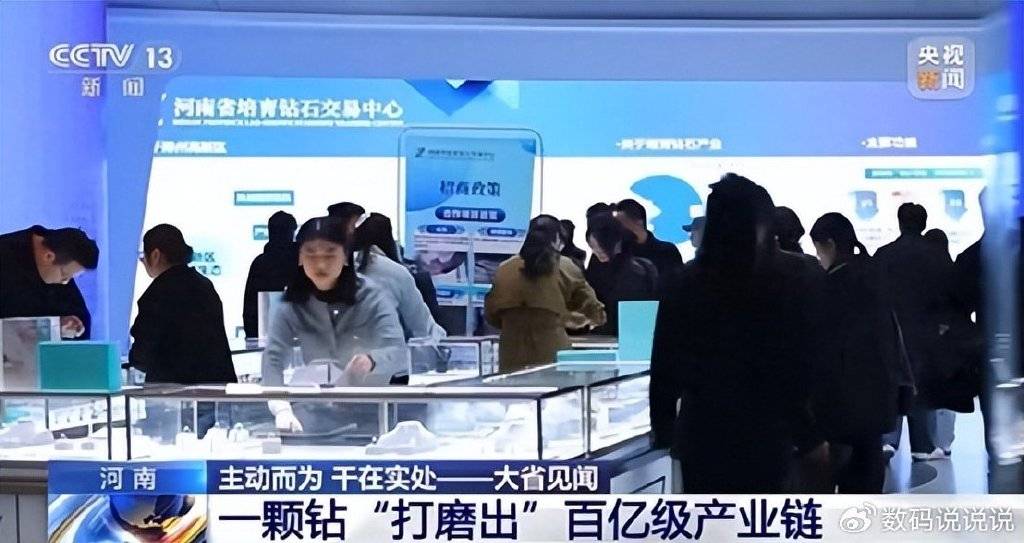
撕碎百年天价谎言?中国真钻爆火,欧美珠宝商急坏了:抢我们生意
Sou Hu Cai Jing· 2025-07-22 10:05
Core Insights - The article highlights the transformation of a traditional agricultural county, Zhecheng, into a modern manufacturing hub for lab-grown diamonds, with an annual production exceeding 6 million carats, impacting the global jewelry industry [1][4] - The shift in consumer preferences towards lab-grown diamonds is driven by a balance of aesthetic value and cost-effectiveness, particularly among younger consumers who seek diverse options beyond luxury symbolism [1][4] - The emergence of lab-grown diamonds is reshaping the market dynamics, evidenced by a 25% quarterly drop in De Beers' raw diamond prices and the bankruptcy filing of I DO, indicating a challenge to traditional jewelers' pricing power [2][4] Industry Overview - China is the leading producer of lab-grown diamonds, with an estimated production of 22 million carats in 2024, representing a 144.44% increase from the previous year and accounting for 63% of global output [4] - The Central Plains region, particularly Henan, dominates the domestic market with an 80% share, creating a "Central Plains Diamond Belt" that exerts pressure on traditional jewelry giants [4] - Local brands like "Zheguang" have successfully penetrated the market, achieving sales of several million yuan within three months of entering e-commerce platforms, with over 90% of buyers having prior experience with gemstone-grade diamonds [4][6] Consumer Trends - A significant portion of the consumer base, 62%, engages in "self-gratifying consumption," indicating a shift in how younger demographics perceive jewelry value [4][6] - The trend of customized large carat diamonds is gaining traction, with consumers willing to pay extra for bespoke services, as they can obtain larger carat sizes at a fraction of the cost of natural diamonds [6] - Despite the positive outlook for lab-grown diamonds, 38% of consumers still hold reservations about their quality and the perceived scarcity of natural diamonds, highlighting the need for increased consumer education [8]
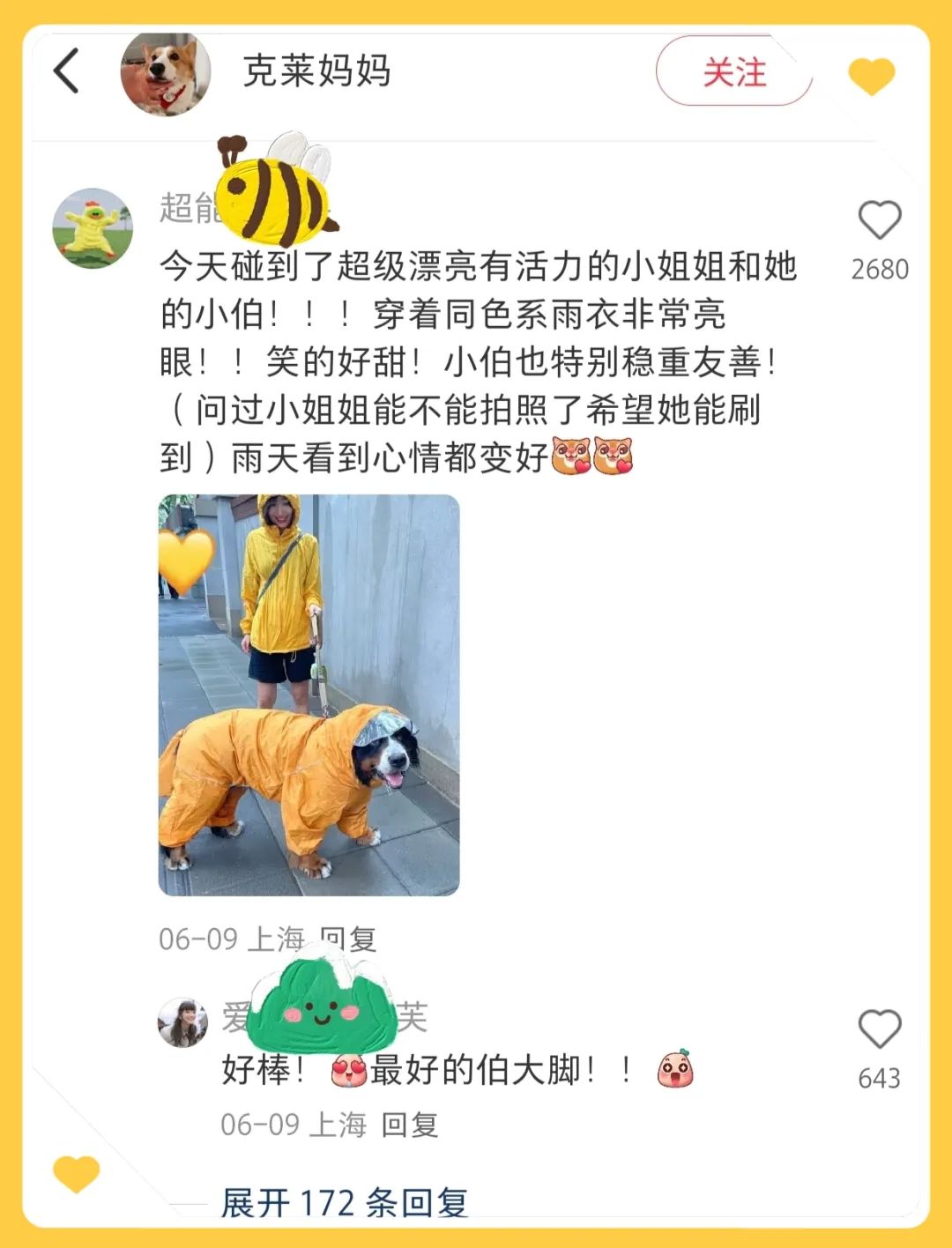
小狗雨衣,江浙沪梅雨季的硬通货
3 6 Ke· 2025-06-27 06:11
Group 1 - The article highlights the growing trend of pet apparel, particularly dog raincoats, during the rainy season in Shanghai, driven by consumer demand and emotional attachment to pets [1][3][6] - Sales data indicates that dog raincoats priced under 10 yuan have seen sales between 10,000 to 30,000 units, while those in the 30 to 50 yuan range have surged from 30,000 to 70,000 units, reflecting a strong market for quality pet products [3][4] - The pet economy in China is experiencing rapid growth, with a compound annual growth rate of 25.4%, increasing from 97.8 billion yuan in 2015 to an estimated 592.8 billion yuan in 2023, and projected to exceed 2 trillion yuan by 2030 [6][8] Group 2 - The article discusses the long-tail effect of seasonal pet products, noting that after the rainy season, demand for sun-protective pet clothing is expected to rise, with prices for some items reaching over 500 yuan [8] - Emotional spending on pets is a key driver of the pet economy, as more people view their pets as family members, leading to increased spending on various pet-related products and services [6][8] - The article mentions the rise of innovative pet products, such as automatic cat toys and pet language translators, which have seen significant sales growth, indicating a broader trend in the pet industry towards high-tech and premium offerings [6][8]
【转|太平洋食饮-消费深度】拥抱新消费的浪潮
远峰电子· 2025-06-18 11:46
Core Insights - The article emphasizes the importance of boosting domestic demand as a long-term strategy for economic growth, especially in light of reduced export contributions due to trade tensions [2][4] - It highlights the ongoing consumer policy initiatives aimed at stimulating spending and increasing household income, which are expected to positively impact consumption ratios in the coming years [4][6] - The article draws parallels between the current economic situation in China and Japan's economic history, particularly the similarities in aging populations and real estate market challenges [8][12] Group 1: Domestic Demand and Consumption - Domestic demand is becoming the main driver of economic growth as export contributions decline, with household consumption currently accounting for 38-40% of GDP, significantly lower than in developed countries [2][4] - Recent consumer policies, including subsidies and consumption vouchers, are expected to enhance household income and stimulate spending, with a projected increase in consumer spending in 2025 [4][6] - The first quarter of 2025 showed a 4.6% year-on-year increase in retail sales, indicating a stable upward trend in consumption [4] Group 2: Economic Comparisons with Japan - The article compares China's current economic conditions to Japan's in the late 1990s, noting similar GDP per capita levels and aging demographics [8][12] - Both countries have experienced real estate market downturns, with China implementing policies to stabilize housing prices and Japan facing a prolonged economic slump after its real estate bubble burst [8][12] - The analysis suggests that understanding Japan's economic history could provide valuable insights for China's future economic strategies [8][12] Group 3: Consumer Behavior Trends - There is a noticeable shift in consumer preferences towards value-oriented and health-conscious products, with brands like Sam's Club and Dazhong increasingly appealing to consumers seeking quality at competitive prices [34][39] - The rise of discount retailers and the focus on high-cost performance products reflect a broader trend of rational consumption among consumers, particularly in the context of economic uncertainty [19][25] - The article highlights the growing importance of local brands and products that cater to domestic tastes, as consumers show a preference for homegrown options over foreign imports [31][20]