风险分散

Search documents
金价新高,想买又不敢配买?到底要怎么买才好!
雪球· 2025-12-27 13:01
Core Viewpoint - Recently, gold has regained significant attention in the market, with domestic gold prices surpassing 1400 RMB per gram and spot gold exceeding 1000 RMB per gram, while New York spot gold prices have reached 4400 USD per ounce, continuously breaking historical records. This situation has led to a divide in investor sentiment, oscillating between the anxiety of missing out and the caution of high-level risks. The central question remains: how should gold be allocated in investment portfolios? [4] Group 1: Pricing of Gold - Gold is fundamentally a wealth storage tool rather than a traditional income-generating asset, relying on repricing processes under different macroeconomic conditions [6] - The long-term pricing of gold is influenced by three main factors: 1. Changes in the monetary system and credit environment, where doubts about fiat currency stability can lead to a reevaluation of gold [7] 2. Changes in real interest rates, as gold does not yield interest, making it less attractive in high real interest environments [8] 3. Changes in overall risk appetite, where geopolitical conflicts and economic uncertainties can increase demand for gold as a safe haven [9][10] Group 2: Volatility and Holding Experience of Gold - Many investors perceive gold as stable and resilient, but historical data shows that gold's price volatility is significant, often characterized by concentrated price increases followed by prolonged periods of stagnation or decline [12] - For instance, from 2011 to 2015, gold prices fell from nearly 1900 USD per ounce to around 1050 USD per ounce, marking a maximum decline of nearly 45% over several years [12] - Gold does not generate cash flow, making it challenging for investors to receive positive feedback during price stagnation or decline, which can lead to a depletion of patience and confidence [12][13] Group 3: Positioning and Strategy for Gold Allocation - In investment portfolios, gold should be viewed as a stabilizing asset rather than a high-return investment, serving to hedge against extreme macroeconomic risks [16] - A crucial operational principle is to maintain psychological emphasis while exercising restraint in execution, as over-allocation can lead to increased volatility [16] - For most investors, a gold allocation of 5% to 10% of total assets is recommended to effectively diversify risk, with the World Gold Council suggesting starting with a minimal allocation of 2% to 3% [18] - Gold funds provide a standardized and liquid way to incorporate gold into portfolios, facilitating easier management and rebalancing with other assets [19]


私募FOF:四大优势助力破解投资中的“优中选优”难题!
Sou Hu Cai Jing· 2025-12-25 03:48
Core Insights - Private Fund of Funds (FOF) has emerged as a crucial solution for high-net-worth individuals and institutional investors in asset allocation within the asset management industry, addressing the challenge of selecting and managing diverse private fund products [1] Group 1: Risk Diversification - The primary advantage of private FOF lies in its robust risk diversification capabilities, allowing fund managers to construct portfolios by selecting high-quality private products across various strategies and asset classes [2] - FOF employs a dual diversification model, combining strategy and asset class diversification to mitigate volatility risks associated with individual products or strategies [2] Group 2: Professional Selection - Private FOF excels in its specialized fund selection ability, providing a "private research team" for investors who may lack the expertise or time to identify valuable funds from a vast market [3] - The management teams of FOFs utilize comprehensive due diligence systems and long-term performance tracking to evaluate fund managers across multiple dimensions, ensuring informed investment decisions [3] Group 3: Dynamic Adjustment - FOFs possess proactive asset allocation capabilities, enabling them to adjust strategy and management weights based on macroeconomic cycles, policy environments, and market valuations [4] - This tactical adjustment ability allows FOFs to navigate market cycles effectively, aiming to reduce overall portfolio volatility [4] Group 4: Liquidity Management - FOFs address liquidity challenges posed by private funds with long lock-up periods and low redemption frequencies through strategic product structuring [5] - By maintaining a certain proportion of cash or highly liquid assets, FOFs can meet daily redemption demands while negotiating special liquidity arrangements with underlying fund managers [5] - Overall, private FOFs represent a sophisticated asset allocation solution, offering multiple advantages to investors seeking wealth preservation and growth in a complex capital market [5]
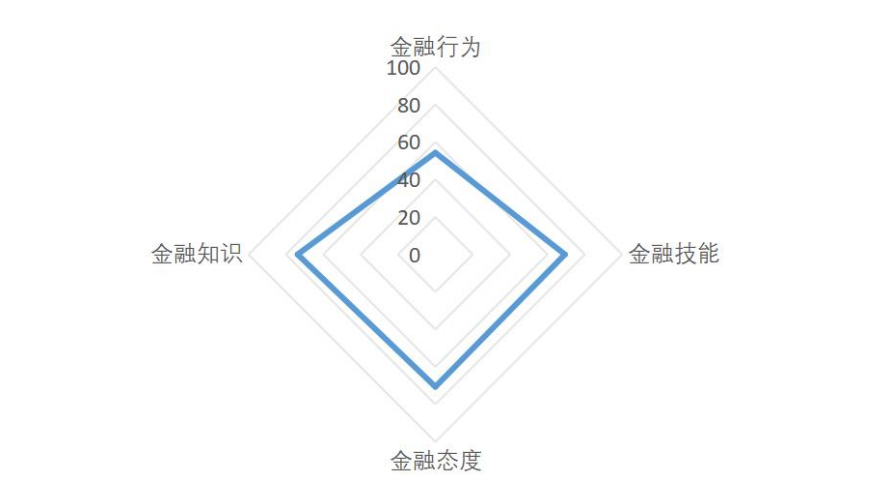
金融监管总局报告显示:消费者持有这类金融资产最多→
Jin Rong Shi Bao· 2025-12-23 04:40
Core Insights - The Consumer Financial Literacy Index for 2025 is reported to be 67.61, indicating a moderate level of financial literacy among consumers in China [1][3]. Consumer Financial Skills - The average score for financial skills is 69.30, suggesting that consumers generally handle basic financial matters well but need to learn new skills to adapt to a more digital and complex financial environment [4]. - A significant portion of consumers, 36.38%, ignore high-yield financial products, while 37.58% check if the company or product is regulated [4]. Consumer Awareness of Financial Products - 59.08% of consumers understand that bank wealth management products are not guaranteed to be principal-protected and may incur losses, yet 29.59% mistakenly believe these products are guaranteed [6]. - 69.22% of consumers report overall profitability from their investments in bank wealth management products [26]. Consumer Financial Behavior - 57.03% of consumers have surplus income after expenses, while only 6.83% report that their income does not cover their expenses [9]. - The average score for financial behavior is 54.28, indicating a need for improvement in the diversification of financial tools and asset allocation strategies [20]. - 85.73% of consumers have used mobile payments, and 59.97% have engaged in saving behaviors, reflecting a healthy debt level among consumers [20]. Consumer Financial Knowledge - The average score for financial knowledge is 76.25, showing that consumers have a good grasp of basic financial concepts but struggle with more complex topics [27]. - 69.39% of consumers recognize the principle that higher returns often come with higher risks, and nearly 40% understand the importance of diversification in investment [30]. Consumer Attitudes Towards Financial Products - 79.97% of consumers are aware of their credit status, with 56.47% having checked their credit reports [19]. - 76.92% understand that a poor credit record can affect loan applications, but only 46.47% know the duration for which negative records are kept [35]. Demographic Insights - Financial literacy scores are highest among the 30-39 age group at 70.11, with scores decreasing in older age brackets [37]. - Higher income groups (annual income above 240,000 yuan) have a financial literacy score of 73.01, while those earning below 24,000 yuan score the lowest at 58.93 [37]. - Urban consumers score higher in financial literacy (69.92) compared to rural consumers (63.23) [37].
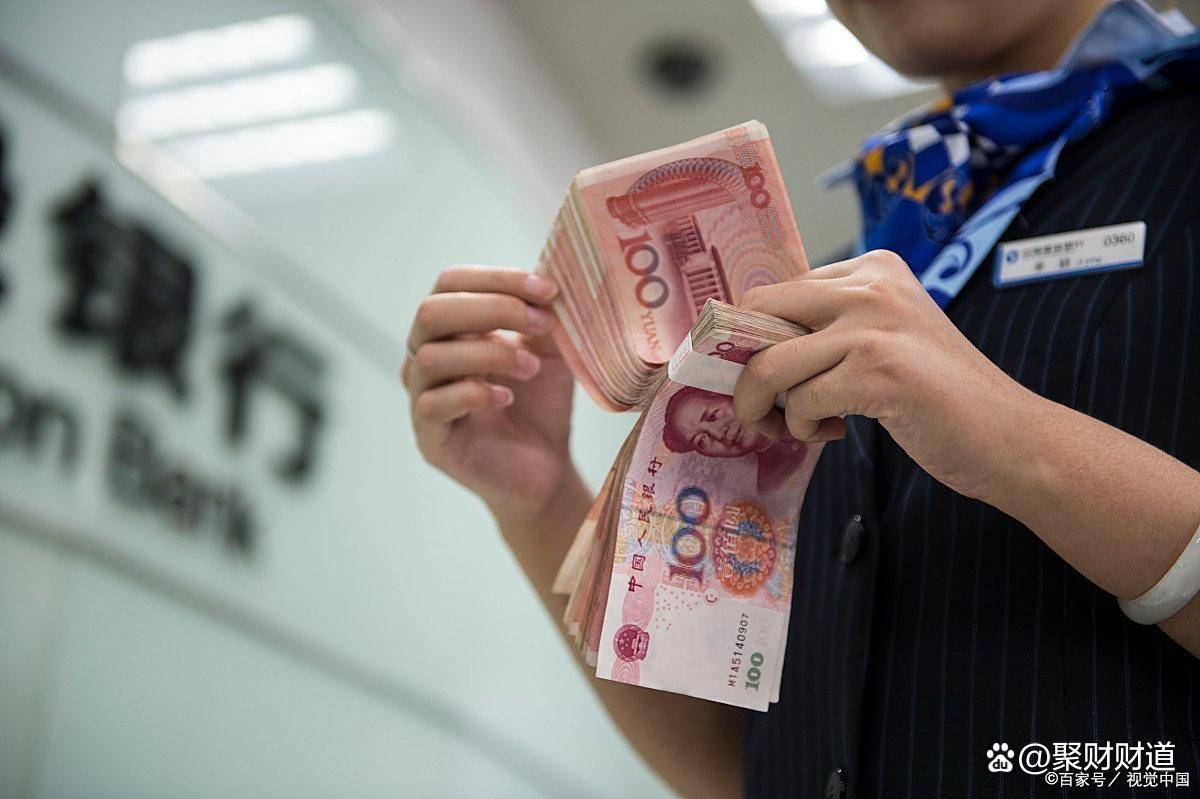
2家银行已倒闭,存款取不出来?建议储户了解这3点,存款更放心
Sou Hu Cai Jing· 2025-12-21 03:58
Core Viewpoint - The perception of banks as completely safe institutions is challenged by the reality of potential risks, including bankruptcy, which can affect depositors' access to their funds [1][3][5] Group 1: Importance of Product Selection - Choosing the right financial products is crucial for ensuring fund safety, with traditional savings accounts being the only options that truly meet the definition of "relative safety" [1][5] - Other products like funds and wealth management services carry varying degrees of risk, and depositors must understand that they bear the risk of loss in these cases [1] Group 2: Deposit Amount Management - The People's Bank of China stipulates a maximum compensation of 500,000 RMB under the Deposit Insurance Regulations, meaning any amount above this in a single bank is not fully protected [3] - To mitigate risk, it is advisable for depositors to spread their funds across multiple banks, keeping each deposit within the 500,000 RMB limit [3] Group 3: Importance of Paper Documentation - Despite the convenience of digital records, obtaining paper receipts for transactions is essential as they provide clear evidence of product types and agreed returns, serving as a safeguard for future claims [5] - A tangible document is more reliable than electronic records, ensuring that depositors have proof of their investments and rights [5]
湘财证券晨会纪要-20251218
Xiangcai Securities· 2025-12-18 00:50
Financial Engineering - The report emphasizes a risk-based asset allocation strategy, contrasting it with traditional methods that focus on expected returns. This approach quantifies the investor's risk tolerance and sets a clear risk budget, aiming for a diversified risk contribution from various assets to achieve better risk-adjusted returns over the long term [2][3]. Risk Parity Model - The risk parity model is highlighted as a key strategy, optimizing asset contributions to total portfolio risk equally, thus avoiding the dominance of equities in traditional stock-bond portfolios. Backtesting results show an annualized return of 6.1% with a maximum drawdown of 3.4% and a Sharpe ratio of 3.62, indicating strong robustness [3][4]. Asset Allocation Insights - The report notes a persistent higher allocation to corporate bonds over government bonds since 2017, attributed to increased interest rate volatility in government bonds post "financial deleveraging" in China. This reflects the model's disciplined dynamic adjustment to real market risk structures [3][4]. Enhanced Strategy for Returns - A target volatility strategy is proposed, which dynamically adjusts portfolio leverage to maintain a preset volatility level. This strategy shows high sensitivity to financing costs of leveraged funds and is practical for investors with flexible capital. It aims for a higher Sharpe ratio by setting a target slightly above the full allocation portfolio volatility [5]. - Additionally, a risk budgeting strategy based on Sharpe squared is introduced, focusing on efficient risk allocation to assets with historically higher Sharpe ratios. While it achieves similar absolute returns to risk parity, it offers lower volatility and the highest Sharpe ratio among strategies, though it is dependent on the continuation of historical patterns [5].
黄金上涨,白银调整!机构怎么看?
证券时报· 2025-12-14 03:23
Core Viewpoint - Precious metals have shown remarkable performance in the asset class this year, with gold prices rising by 60% and silver prices more than doubling [1]. Group 1: Precious Metal Performance - As of December 12, gold prices approached previous highs, with London gold rising by 0.47% to $4299.29 per ounce, marking a year-to-date increase of 63.83%. In contrast, silver prices fell by 2.5% to $61.92 per ounce, with a year-to-date increase of 114.35% [3][4]. - The London silver market experienced a significant drop, with intraday declines exceeding 3%, and COMEX silver futures closing down by 3.88% [4]. Group 2: Institutional Outlook on Gold and Silver - Institutions continue to favor gold, with Goldman Sachs predicting a price of $4900 per ounce by the end of 2026, driven by increased demand for gold as a risk diversification tool amid global economic uncertainties [7][8]. - Carsten Menke from Swiss Bank highlighted two factors that could trigger a renewed surge in silver prices: its inclusion in the U.S. critical minerals list and rising market expectations for a Federal Reserve rate cut. However, he expressed caution regarding the sustainability of silver's price increase [6][7]. Group 3: Market Dynamics and Future Projections - The investment demand for gold is expected to remain robust against the backdrop of slowing U.S. economic growth, declining interest rates, and a weakening dollar, although gold's recent performance has lagged behind silver [7]. - The World Gold Council anticipates that ongoing geopolitical and economic uncertainties will continue to influence the gold market, with potential for gold prices to fluctuate within a range unless significant economic changes occur [8].

黄金上涨,白银调整!机构怎么看?
券商中国· 2025-12-13 23:30
Core Viewpoint - Precious metals have shown remarkable performance in the asset class this year, with gold prices rising by 60% and silver prices more than doubling [1] Group 1: Precious Metals Performance - As of December 12, gold prices approached previous highs, with London gold rising by 0.47% to $4299.29 per ounce, and year-to-date gains reaching 63.83% [2][3] - In contrast, silver prices experienced a significant drop, closing down 2.5% at $61.92 per ounce, with a year-to-date increase of 114.35% [2][3] Group 2: Institutional Outlook on Gold and Silver - Institutions remain more optimistic about gold compared to silver, with Goldman Sachs predicting gold prices could reach $4900 per ounce by the end of 2026, driven by increased demand for risk diversification amid economic uncertainties [5] - The World Gold Council anticipates that ongoing geopolitical and economic uncertainties will continue to influence the gold market, with potential for gold prices to rise if economic growth slows and interest rates decline [6] Group 3: Factors Influencing Silver Prices - Carsten Menke from Swiss Bank highlighted two triggers for silver's price movements: its inclusion in the U.S. critical minerals list and rising market expectations for a Federal Reserve rate cut, which could boost bullish sentiment [4] - Despite the positive fundamentals for silver, the price reaction appears excessive, leading to a tactical downgrade of silver's outlook to neutral while maintaining a constructive view on gold [4]

美媒质疑:美国经济,多次降息难救市,中国连续13月买黄金稳财富
Sou Hu Cai Jing· 2025-12-11 04:45
美国这艘巨轮,真的有救吗?最近彭博的一篇文章把话说得明白,意思是即便美联储又降一次息,也未 必能把美国经济从泥潭里拉起来,而中国央行在这个时候第十三次买金,像是在对未来下注,这事儿值 得我们好好看一看。 从美债收益率曲线的扭曲,到各国央行买金的连绵,这看起来像避险,但本质上是去中心化的布局,黄 金不指向某国货币,它指向的是数千年的集体记忆——最纯粹的财富载体,这种记忆,比短期利率预期 更沉重,也更难撼动。 市场用卖美债来"教育"美联储,推高收益率,这不是偶然,这是信任投票,大家在投票,投给了怀疑, 投给了不确定;华尔街不再像以前那样信任白宫和美联储能够稳住通胀,这种怀疑,一旦形成,连降息 这张老牌王牌也可能变成安全牌失灵的证明。 就在这时,中国央行在十一月再度增持黄金,这是第十三次增持,金库里已经有7412万盎司,实打实多 了3万盎司,这动作有它的逻辑,不是儿戏;央行买金,往往意味着在减持另一样东西——美债,别把 这当成小动作,这是对美元体系信任逐步折价的信号。 为什么要买黄金?因为黄金是非信用资产,不依赖任何国家的承诺,它的价值不需要别人的签字,它是 最原始也最老练的"压舱石",在全球信用体系出现裂缝时,各 ...

每日机构分析:12月2日
Xin Hua Cai Jing· 2025-12-02 10:51
·星展银行预计,新加坡2026年平均核心通胀率为1.0%,整体通胀率为1.2%,虽从2025年周期性低点回 升,但仍处于温和可控区间。2025年新加坡通胀已显著降温,主因进口及国内成本增长持续疲软。展望 2026年,尽管全球价格下行势头减弱,但企业向消费者转嫁成本的能力有限,通胀失控风险较低。 ·华侨银行策略师表示,日本央行行长植田和男12月1日的讲话释放明确信号,似为12月或1月加息做铺 垫,市场加息预期显著升温。即便日本央行在12月加息,其后续是否再度长期按兵不动仍是关键问题。 日元要实现持续性复苏,还需更强政策指引、财政审慎姿态及美元整体走弱配合。 ·三菱日联金融集团(MUFG)分析师指出,尽管印度央行可能加大外汇市场干预力度以支撑卢比,但 受经常账户赤字扩大和外资疲软影响,卢比仍将承压。随着进口攀升与资本外流持续,美元兑印度卢比 将在2026年升破90,并在同年第三季度触及90.80,创历史新低。受强劲GDP数据、财政整顿放缓及资 本外流影响,市场对印度央行近期降息的预期减弱。 ·野村证券指出,泰国南部宋卡府和洛坤府严重洪灾将主要加剧增长担忧,而非推升通胀。两地GDP合 计占全国2.6%,灾情恐重创本 ...
香港宏福苑火灾直保再保联手理赔,巨额赔付或倒逼风控升级
Bei Jing Shang Bao· 2025-11-30 12:26
Core Viewpoint - The recent fire incident at Hong Kong's Tai Po Hong Fuk Court has raised significant concerns regarding the insurance industry's capacity to handle large claims, particularly with a total insured amount of HKD 2 billion for property insurance and additional coverage types [1][3][5]. Insurance Coverage and Claims - The core insurer for the affected community is China Taiping Insurance (Hong Kong), which has provided multiple insurance products including property insurance, public liability insurance, and home insurance for residents [3][4]. - The total premium for the four types of insurance coverage is HKD 337,700 for two years, with the property insurance alone having a coverage limit of HKD 2 billion [3]. Regulatory Response - The Hong Kong Insurance Authority has established a dedicated task force to ensure that insurance companies allocate sufficient resources for handling inquiries and claims related to the fire incident [4]. - The National Financial Regulatory Administration has issued guidelines emphasizing the principles of "paying what is due, paying quickly, and reasonable prepayment" to streamline claims processing for affected residents [4]. Reinsurance Arrangements - At least three reinsurance companies are involved in providing reinsurance coverage for the affected policies, including China Re and Qianhai Re [5][6]. - The reinsurance mechanism allows primary insurers to transfer part of their risk to other insurers, thereby enhancing financial stability and capacity to handle large claims [5][8]. Risk Management and Future Implications - The incident is expected to lead to an increase in reinsurance premiums and tighter underwriting conditions for residential fire insurance in Hong Kong, particularly for older buildings [15][16]. - Insurers may implement stricter risk management practices, such as enhanced fire safety inspections and pre-insurance assessments, to mitigate future risks associated with older residential properties [16].