
固定资产投资

Search documents
国泰海通|海外策略:一页纸精读行业比较数据:9月
国泰海通证券研究· 2025-09-25 12:07
Investment Chain - Prices of copper, aluminum, zinc, lead, gold, and silver have risen since September 2025. Fixed asset investment growth rate has decreased to 0.50%, with real estate development investment declining by 12.90% and manufacturing fixed asset investment growth at 5.10% [1] - Infrastructure investment growth rate has also decreased to 5.42%. Prices of tin and nickel have fallen, while the price of thermal coal has slightly increased to 676 RMB per ton [1] Consumption Chain - In August 2025, automobile sales growth rate increased to 16.44%, while home appliance retail sales growth rate decreased to 19.90%. The nominal growth rate of social consumption fell to 3.40% [2] - The cumulative nominal growth rate has decreased by 4.60%, and the sales area of commercial housing has seen a decline of 5.44% [2] Export Chain - In August 2025, export growth rate to the US decreased, while it increased for the EU, Japan, and ASEAN. The overall export growth rate rose to 25.52% [3] - Exports of furniture, refined oil, coke, ships, plastics, and auto parts have seen an increase, while agricultural products, toys, lighting, coal, steel, and aluminum exports have decreased [3] Price Chain - Oil prices have risen to 63.41 USD per barrel as of September 23, 2025. Prices for PVC have increased to 4695 RMB per ton, while prices for MDI have decreased [4] - Pork prices have dropped to 13.71 RMB per kilogram, and the price of domestic urea has also decreased compared to July 2025 [4]


工业房地产投资反弹,今年1-8月广州投资增速显著领先全省
Nan Fang Du Shi Bao· 2025-09-25 08:43
Group 1 - Guangzhou's fixed asset investment recorded a year-on-year growth of 0.3% from January to August, significantly outperforming the provincial decline of 12.4% and aligning closely with the national growth of 0.5% [2] - Industrial investment in Guangzhou grew by 10.1% during the same period, with industrial technological transformation investment accelerating by 16.0% and automotive manufacturing investment increasing by 14.1%, particularly in the auto parts sector which saw a 39.4% rise [2] - Real estate development investment increased by 3.9%, driven by urban village renovation projects, while equipment and tool purchases grew by 12.0% due to large-scale equipment renewal policies [2] Group 2 - The automotive industry remains under pressure, with the industrial added value of the automotive manufacturing sector declining by 5.3%, although the decline has narrowed compared to previous months, and new energy vehicle production increased by 14.3% [2] - In terms of new economic drivers, the electrical machinery and equipment manufacturing sector grew by 10.4%, while specialized equipment manufacturing rose by 5.8%. The electronic components sector saw industrial added value growth of 17.4% [3] - The production of liquid crystal display modules and integrated circuits surged by 1.4 times and 14.7%, respectively, while the aerospace manufacturing and repair sectors experienced industrial added value growth of 20.1% and 18.0% [3]

中美欧二季度GDP出炉:美国7.18万亿,欧盟4.92万亿,中国呢?
Sou Hu Cai Jing· 2025-09-25 00:12
Group 1: Economic Overview - The latest GDP data for Q2 2025 shows significant economic performance among the world's major economies: the US, EU, and China [1][2][4] - GDP is a crucial indicator of economic health, reflecting the total market value of all final products and services produced in a region [1] Group 2: United States Economic Performance - In Q2 2025, the US GDP reached $7.18 trillion, with a quarter-on-quarter growth of 2.7%, up from 2.3% in Q1 [2][4] - The growth was primarily driven by a 3.1% increase in personal consumption expenditures and a 5.2% rise in business investment [4] - Challenges include inflation remaining above the Federal Reserve's 2% target, with a CPI increase of 2.7% year-on-year in June 2025, and a 1.2% decline in residential investment due to high mortgage costs [4] Group 3: European Union Economic Performance - The EU's GDP for Q2 2025 was approximately €4.92 trillion (about $5.38 trillion), with a quarter-on-quarter growth of 0.3% and a year-on-year growth of 1.2% [4][5] - Economic growth varied among member states, with Germany's GDP growing only 0.1%, while Spain showed stronger growth at 0.6% [5] - The European Central Bank has lowered interest rates to support economic activity, indicating a cautious recovery [5] Group 4: China's Economic Performance - China's GDP for Q2 2025 was ¥33.81 trillion (approximately $4.66 trillion), with a year-on-year growth of 5.3%, up from 5.0% in Q1 [6] - Key growth drivers included a 4.8% increase in retail sales, stable industrial production growth of 5.7%, and a 5.6% increase in the service sector [6] - Challenges include a 10.1% decline in real estate investment and ongoing employment pressures, with an urban unemployment rate of 5.0% [6] Group 5: Comparative Analysis - The absolute GDP figures show the US as the largest economy at $7.18 trillion, followed by the EU at $5.38 trillion and China at $4.66 trillion [7] - In terms of growth rates, China's 5.3% year-on-year growth outpaces the US's 2.7% and the EU's 1.2% [9] - Each economy faces unique challenges: the US contends with inflation and a weak housing market, the EU grapples with structural reforms and geopolitical risks, while China deals with real estate adjustments and employment issues [9]
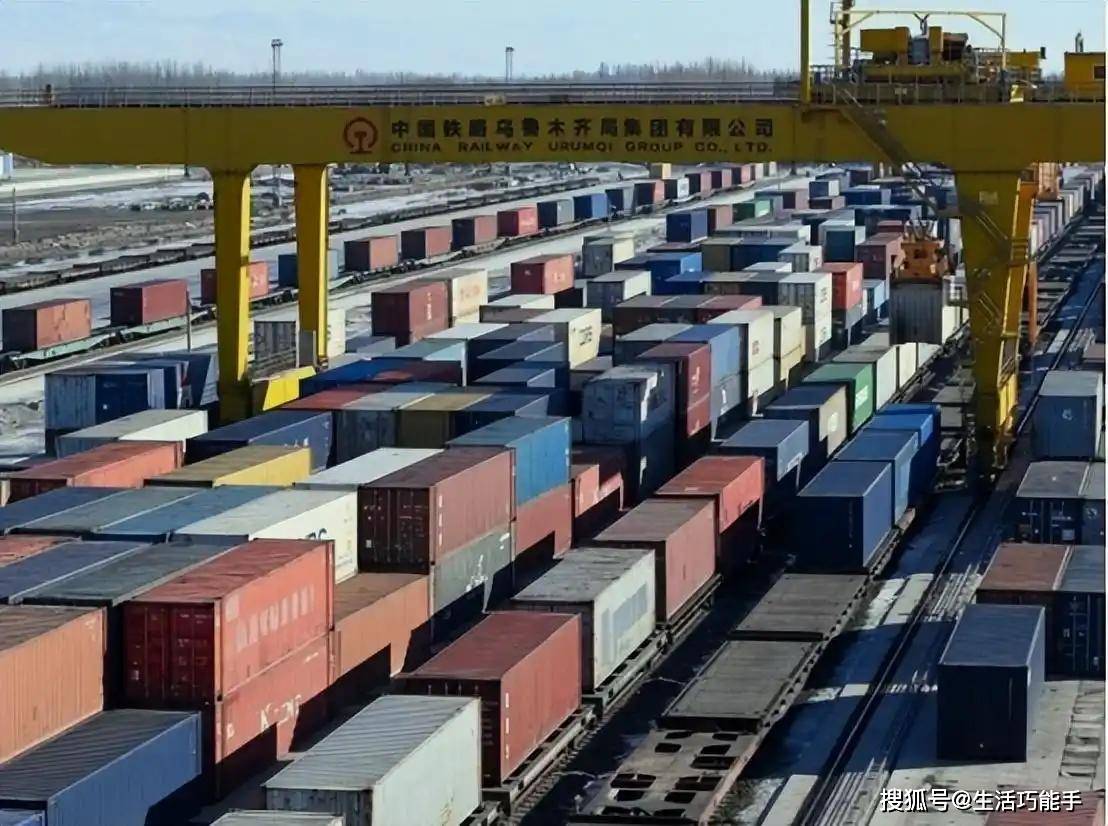
1至8月成都规上工业增加值同比增长7.8%
Xin Hua Cai Jing· 2025-09-22 09:28
Economic Growth - Chengdu's industrial added value increased by 7.8% year-on-year from January to August [1] - The product sales rate of industrial enterprises above designated size in Chengdu was 96.4% during the first eight months [1] Industrial Performance - State-owned enterprises' added value grew by 5.0%, while private enterprises saw an increase of 11.1% [1] - Out of 37 major industries, 23 experienced growth in added value [1] - The automotive manufacturing industry grew by 20.9%, computer, communication, and other electronic equipment manufacturing increased by 15.8%, and electrical machinery and equipment manufacturing rose by 10.2% [1] Key Industrial Products - Production of new energy vehicles surged by 283.3%, smartwatches increased by 91.6%, and lithium-ion batteries grew by 38.6% [1] Fixed Asset Investment - Fixed asset investment in Chengdu (excluding rural households) increased by 3.3% year-on-year from January to August, with private investment growing by 6.6% [1] - Investment in the primary industry rose by 19.0%, while the secondary industry saw a growth of 21.3%, with industrial investment increasing by 21.7% [1] Consumer Market - Chengdu's total retail sales of consumer goods reached 739.28 billion yuan, a year-on-year increase of 6.2% [2] - Restaurant income was 90.42 billion yuan, growing by 4.9%, while commodity retail reached 648.86 billion yuan, increasing by 6.4% [2] - Notable growth in hot products included gold and silver jewelry at 42.9%, home appliances and audio-visual equipment at 23.7%, and sports and entertainment products at 25.9% [2] Foreign Trade - Chengdu's foreign trade import and export totaled 566.98 billion yuan, a year-on-year increase of 4.9% [2] - Exports amounted to 328.86 billion yuan, growing by 10.6%, while imports reached 238.12 billion yuan [2]
前8月广东太阳能电池增长21.9%
Shang Hai Zheng Quan Bao· 2025-09-22 08:37
Economic Overview - In the first eight months, Guangdong's industrial added value increased by 2.2% year-on-year, with mining growing by 0.5%, manufacturing by 2.6%, and the electricity, heat, gas, and water production and supply sector declining by 1.8% [1] - The computer, communication, and other electronic equipment manufacturing sector saw a growth of 7%, electrical machinery and equipment manufacturing grew by 6.5%, and automobile manufacturing increased by 8.3% [1] Product Performance - The robotics and drone industries showed strong growth, with industrial robots, service robots, and civilian drones' production increasing by 32.1%, 17.3%, and 54.7% respectively [1] - Clean energy products also performed well, with wind turbine units, solar cells (photovoltaic cells), and new energy vehicles' production increasing by 43.3%, 81.5%, and 21.9% respectively [1] Fixed Asset Investment - Fixed asset investment in Guangdong decreased by 12.4% year-on-year in the first eight months, but investment in equipment and tools increased by 0.8% due to large-scale equipment renewal policies [2] - Investment in the livelihood sector saw significant growth, with railway transportation investment up by 9.7%, water transportation by 46.1%, air transportation by 37.2%, and electricity and heat production and supply by 13.2% [2] - Industrial investment accounted for 37.8% of total investment, with industrial technological transformation investment growing by 0.4%, representing 35.5% of industrial investment, an increase of 3.7 percentage points compared to the same period last year [2] Real Estate Market - Real estate development investment declined by 19%, and the sales area of commercial housing decreased by 11.7%, narrowing by 16.8 and 10.1 percentage points compared to the same period last year and the entire previous year respectively [2] Economic Outlook - The Guangdong Provincial Bureau of Statistics indicated that while macro policies are working together to stabilize the economy, the external environment remains complex and severe, and domestic effective demand is still insufficient, necessitating continued efforts to consolidate and enhance the economic recovery [2]

前8月江苏省固定资产投资同比下降
Guo Ji Jin Rong Bao· 2025-09-22 04:37
Group 1: Fixed Asset Investment in Jiangsu - Fixed asset investment in Jiangsu province decreased by 7.8% year-on-year from January to August [1] - Infrastructure investment showed growth, increasing by 2.5% year-on-year, contributing 0.4 percentage points to overall investment growth [1] - Large-scale infrastructure projects (over 1 billion) saw a 6.5% increase in investment, driving infrastructure growth by 3.9 percentage points [1] Group 2: Sector Performance - The electricity, heat production, and supply sector grew by 34.2%, while railway transportation and water transportation sectors increased by 17.4% and 19.3%, respectively [1] - The manufacturing sector faced challenges, with investment declining by 4.3% year-on-year, although 14 out of 31 major industries experienced growth [1] - Notable growth in automotive manufacturing (13.5%), textile industry (29.7%), and rubber and plastic products (3.9%) [1] Group 3: Real Estate Market - Real estate development investment in Jiangsu decreased by 18.2% year-on-year from January to August [1] - The sales area of commercial housing also fell by 7.6% year-on-year, with the decline accelerating by 2.4 percentage points compared to the previous month [1] Group 4: Equipment Investment and Consumer Spending - Investment in equipment and tools increased by 4.1% year-on-year, accounting for 19.3% of total investment, up by 0.5 percentage points from the previous month [2] - The retail sales of social consumer goods grew by 4.1% year-on-year, with significant growth in the wholesale and retail sector (33.4%) and information technology services (43.8%) [2] - In August, retail sales of major goods under the "old for new" policy increased by 2.2%, contributing 0.9 percentage points to overall retail growth [2]
1—8月成都规模以上工业增加值同比增长7.8%
Zheng Quan Shi Bao Wang· 2025-09-22 02:04
人民财讯9月22日电,据成都发布,2025年1—8月成都经济运行数据出炉。1—8月,全市规模以上工业 增加值同比增长7.8%,其中民营企业增长11.1%。全市固定资产投资(不含农户)同比增长3.3%,其中民 间投资增长6.6%。全市社会消费品零售总额同比增长6.2%。 ...
固定资产投资走弱,基建投资承压:——申万宏源建筑周报(20250915-20250919)-20250921
Shenwan Hongyuan Securities· 2025-09-21 05:49
Investment Rating - The industry investment rating is "Overweight" indicating a positive outlook compared to the overall market performance [22]. Core Insights - The construction industry is experiencing weak fixed asset investment, with infrastructure investment under pressure. However, regional investments may gain elasticity as national strategic layouts deepen [1][12]. - The overall fixed asset investment in China from January to August 2025 showed a year-on-year increase of 0.5%, while infrastructure investment (including all categories) rose by 5.4% [9][10]. - The report highlights significant stock performance, with the infrastructure private sector showing the highest weekly increase of 6.19% and annual growth of 53.51% [5][6]. Summary by Sections 1. Market Performance - The construction sector's weekly increase was 0.44%, outperforming the Shanghai Composite Index which decreased by 1.30% [3][4]. - The top three sub-sectors for weekly performance were private infrastructure (+6.19%), state-owned infrastructure (+1.17%), and professional engineering (+0.16%) [5][6]. 2. Industry Changes - National statistics indicate that from January to August 2025, fixed asset investment increased by 0.5% year-on-year, manufacturing investment rose by 5.1%, and infrastructure investment (excluding electricity) grew by 2.0% [9][10]. - Real estate investment saw a significant decline of 12.9% year-on-year during the same period [9][10]. 3. Key Company Developments - Notable contracts include a feasibility study for the Ho Chi Minh City urban rail project valued at 0.46 billion yuan, and a mining engineering project contract worth 5.04 billion yuan signed by Beixin Road and Bridge [12][13]. - The report also mentions significant stock movements, with Shanghai Construction and Time Space Technology showing substantial weekly gains of 31.7% and 29.14%, respectively [9][10]. 4. Profit Forecasts and Valuation Levels - The report provides a detailed valuation table for key companies in the construction sector, indicating projected earnings per share (EPS) and price-to-earnings (PE) ratios for 2024 to 2026 [17][18].
经观月度观察|经济继续修复筑底 消费和投资仍需加力
Jing Ji Guan Cha Bao· 2025-09-19 16:34
Economic Overview - The economy is in a critical phase of bottoming out and recovery, with some indicators showing marginal improvement, but overall challenges remain [1] - Consumer internal momentum is weak, and housing prices are expected to face significant downward pressure in the fourth quarter [1] - Industrial upstream pressures need policy adjustments, with corporate profitability and fiscal efforts being key to improving financial data [1] CPI Analysis - August CPI year-on-year growth decreased to -0.4%, down from 0%, with a month-on-month change remaining flat [2] - Pork prices fell by 0.5% month-on-month, while egg prices increased by 1.5%, indicating supply pressures and cautious market sentiment [2] - Future CPI trends will depend on pork price stability, overall food price stability, excess supply versus weak demand, and the internal momentum of consumption [2] PPI Insights - August PPI year-on-year growth improved to -2.9% from -3.6%, marking the highest level since May [3] - The PPI's month-on-month growth remained flat, ending an eight-month decline, influenced by improved supply-demand relationships and policy measures [3] - Expectations for PPI suggest a narrowing decline to -2.6% in October, with potential recovery in the fourth quarter [3] PMI Developments - August manufacturing PMI rose to 49.4%, indicating some recovery in supply and demand [4][5] - New orders and export orders showed slight increases, but overall demand recovery remains weak [5] - Production activities have expanded for four consecutive months, with positive business expectations [5] Fixed Asset Investment - Fixed asset investment growth slowed to 0.5% year-on-year, down from 1.6% [6] - Real estate investment continues to decline, with signs of improvement in new home sales [6] - Manufacturing investment is constrained by tariff disruptions and internal competition policies, leading to a continued slowdown [6] Credit Market Dynamics - New credit issuance in August was 590 billion yuan, a significant increase from the previous month [7] - Corporate loans showed a mixed trend, with short-term loans increasing while household credit remained weak [7] - The overall financial data reflects a pattern of government debt supply and insufficient credit demand, with corporate profitability and fiscal efforts being crucial for improvement [7] M2 Growth - M2 growth remained steady at 8.8% year-on-year, with a slight decrease in the M2-M1 spread [8] - Government debt financing has supported M2 and social financing growth, but a slowdown in government debt issuance may impact future growth [8] - Attention is needed on fiscal financing rhythms and economic financing demand changes in the fourth quarter [8]
股指黄金周度报告-20250919
Xin Ji Yuan Qi Huo· 2025-09-19 11:19
1. Report Industry Investment Rating - Not provided 2. Core Viewpoints of the Report - In the short - term, due to repeated digestion of domestic policy benefits and unimproved corporate profits, the stock index may face callback risks; after the Fed's September rate cut, the expectation of three rate cuts this year has been digested, and gold may enter a phase - based adjustment after a rapid rise. In the medium - to long - term, the stock index's valuation is dragged down by the decline in corporate profit growth, and it will maintain a wide - range oscillation; gold may face a deep adjustment due to the fading of uncertainties and fully digested rate - cut expectations [39] 3. Summary by Relevant Catalogs 3.1 Domestic and Foreign Macroeconomic Data - From January to August this year, the growth rate of fixed - asset investment continued to decline, industrial production decreased but remained at a high level, and the consumption growth rate slowed down marginally, indicating a weak foundation for China's economic recovery, with prominent characteristics of strong production but weak demand and strong service industry but weak manufacturing [4][39] 3.2 Stock Index Fundamental Data - The year - on - year growth rate of M1 continued to rise, and the gap with M2 further narrowed, reflecting increased fiscal spending and a transfer of government deposits to enterprises and residents. The A - share market was active with abundant liquidity [15] - The margin trading balance in the Shanghai and Shenzhen stock markets approached 2.4 trillion yuan, hitting a new high. The central bank conducted 1.8268 trillion yuan of 7 - day reverse repurchase operations this week, achieving a net injection of 562.3 billion yuan [18] 3.3 Gold Fundamental Data - The University of Michigan's consumer confidence index in the US dropped from 58.2 to 55.4 in September, hitting a new low since June. The one - year inflation expectation was 4.8%, down 0.1 percentage point from last month, indicating negative impacts of US tariff policies, a slowdown in labor demand, and suppressed consumer confidence and spending [26] - The warehouse receipts and inventory of Shanghai gold futures continued to soar, reflecting increased demand for physical gold delivery and high market bullish sentiment [37] 3.4 Strategy Recommendation - Short - term: Be cautious of the callback risk of the stock index; gold may enter a phase - based adjustment. Medium - to long - term: The stock index will maintain a wide - range oscillation; gold may face a deep adjustment [39]