
算力

Search documents
全民Agent时代,算力价值凸显
GOLDEN SUN SECURITIES· 2026-02-01 08:58
Investment Rating - The report maintains a "Buy" rating for key companies in the sector, including Zhongji Xuchuang, Xinyi Sheng, and Tianfu Communication, among others [11]. Core Insights - The transition to the "Agent" era is accelerating, with AI agents like Clawdbot and Claude Excel evolving from simple conversational tools to essential productivity tools, significantly increasing demand for cloud computing resources [1][20]. - The AI application landscape is fundamentally shifting from simple interactions to deep integration into work processes, marking a new paradigm where AI becomes a core executor in workflows [2][21]. - The emergence of AI agents is driving a qualitative change in underlying computing power demand, as these agents transition from auxiliary tools to autonomous entities [3][22]. - The competition for computing power is intensifying, with rising cloud service prices and continuous growth in capital expenditures (capex) from cloud providers, highlighting the increasing importance of scarce computing resources [4][23]. Summary by Sections Investment Strategy - The report suggests focusing on the computing power sector, particularly in optical communications, with recommended companies including Zhongji Xuchuang, Xinyi Sheng, and Tianfu Communication [14]. - It also highlights the importance of liquid cooling and edge computing platforms, recommending companies like Yingweike and Meige Intelligent [14]. Market Review - The communication sector has seen an increase, with optical communications performing particularly well, as evidenced by significant stock price increases for companies like Tianfu Communication and Zhongji Xuchuang [16][17]. Computing Power Demand - The report emphasizes that the new operational modes of AI agents lead to a dramatic increase in token consumption, necessitating high concurrency and continuous online capabilities from computing services [5][25]. - Major cloud providers like Google Cloud and Amazon AWS have announced price increases for their services, indicating a shift from a long-term trend of decreasing prices [10][23]. Key Companies and Performance - Zhongji Xuchuang and Xinyi Sheng have shown strong growth, with Zhongji Xuchuang maintaining its leading position in the industry [25]. - The report recommends monitoring the performance of companies involved in the computing power supply chain, including those in optical modules and liquid cooling sectors [25].


中际旭创:预计2025年实现归母净利润98亿元至118亿元 同比增长89.50%至128.17%
Zhong Zheng Wang· 2026-02-01 07:32
中际旭创在此前接受调研时表示,从产品角度来看,2025年一季度起800G订单需求持续释放,三季度 重点客户开始部署1.6T并持续增加订单,预计2026年-2027年其他重点客户也将大规模部署1.6T。随着 算力和AI数据中心硬件需求的增长,行业需求呈现高景气度,2026年大客户需求指引明确,公司将全 力准备、把握产业机会,推动营收与利润规模再上台阶。 同时,中际旭创在报告期内确认投资收益及公允价值变动损益,带来归母净利润增加约2.96亿元,其中 约4800万元投资收益计入非经常性损益事项。 中证报中证网讯(记者孟培嘉)中际旭创(300308)1月30日晚披露的2025年度业绩预告显示,公司2025 年预计实现归母净利润98亿元至118亿元,同比增长89.50%至128.17%;扣非净利润预计为97亿元至117 亿元,同比增长91.38%至130.84%;扣除股权激励费用前,光模块业务实现合并净利润约108亿元至131 亿元,同比增长90.81%至131.44%。 对于业绩变动原因,中际旭创表示,报告期内,受益于终端客户对算力基础设施的强劲投入,公司产品 出货较快增长,其中高速光模块占比持续提高,且随着产品方案 ...
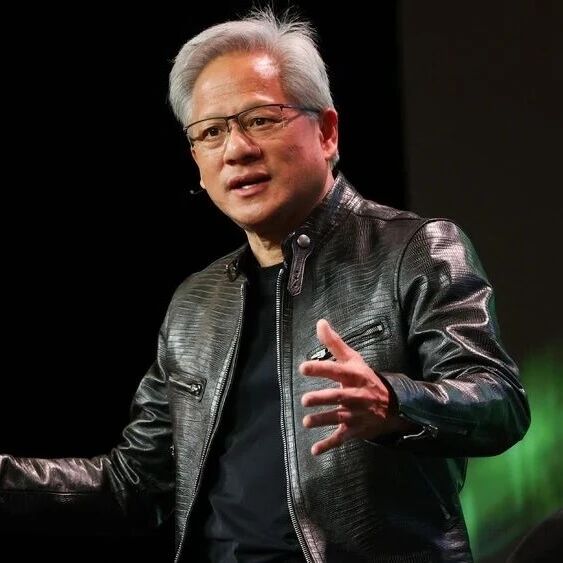
黄仁勋反悔,不投千亿美元给OpenAI了?
虎嗅APP· 2026-02-01 03:34
Core Viewpoint - The collaboration between Nvidia and OpenAI, initially announced as a $100 billion partnership, is now stalled, revealing significant differences in risk assessment and business strategy between the two companies [4][5][7]. Group 1: Partnership Background - Nvidia and OpenAI announced a partnership in September last year, with Nvidia committing up to $100 billion to support OpenAI in building a data center with at least 10 gigawatts of computing power [5][9]. - The initial announcement led to a surge in Nvidia's stock price, with its market value approaching $4.5 trillion [9]. - However, negotiations have not progressed, and internal doubts at Nvidia regarding the scale and risks of the investment have emerged [10][12]. Group 2: Reasons for Nvidia's Hesitation - OpenAI has been aggressively seeking computing power for its next-generation models and a potential IPO by the end of 2026, but the stalled agreement poses a direct setback to these efforts [14]. - Increased competition from Google's Gemini and Anthropic's Claude series has raised concerns about OpenAI's market position, prompting Nvidia to reconsider its investment strategy [14][15]. - Nvidia's shift from a $100 billion commitment to a potential equity investment reflects a desire to maintain influence while managing risk [15]. Group 3: Industry Implications - The stagnation of this deal indicates a shift in the AI industry from rapid expansion to a more cautious and calculated approach [17][24]. - There is growing skepticism about the effectiveness of massive investments in computing power, with questions about the actual returns and commercial viability of such commitments [18][22]. - The trend of diversifying investments and risk management is accelerating, as companies like Nvidia invest in multiple AI players while OpenAI seeks funding from various sources [21][23].


外媒惊叹:这方面,中国4年“增出一个美国”!
Xin Lang Cai Jing· 2026-01-31 17:26
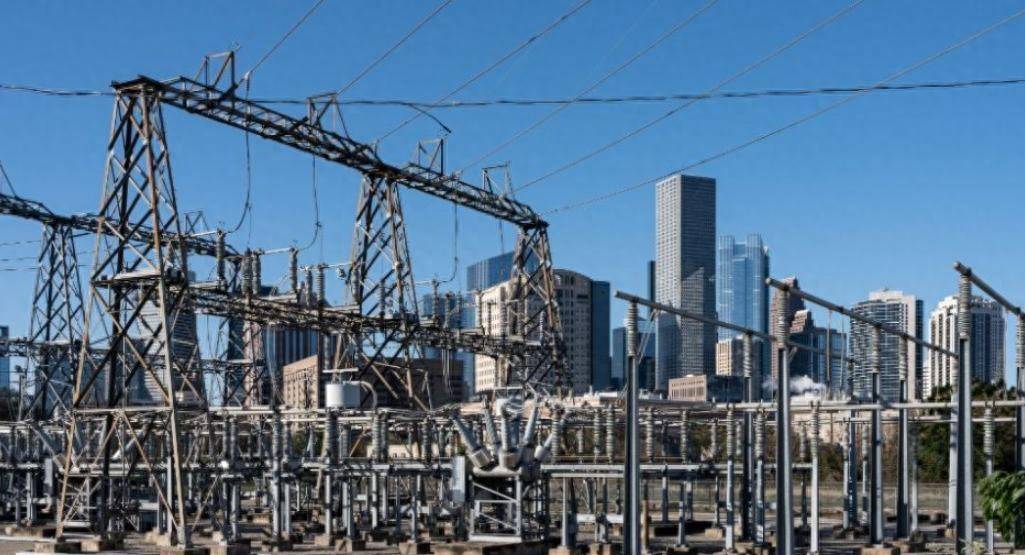
Core Insights - China's electricity consumption is projected to exceed 10 trillion kilowatt-hours by 2025, which is more than double that of the United States and greater than the total consumption of the EU, Russia, India, and Japan combined [1] Group 1: Power Generation Capacity - By the end of 2025, China's total installed power generation capacity is expected to reach 3.89 billion kilowatts, with an annual increase of 543 million kilowatts in 2025 alone [1] - The new installed capacity of 543 million kilowatts in 2025 surpasses India's total installed capacity as of the end of 2024, and also exceeds the cumulative capacities of Germany and Japan during the same period [1] - From 2022 to 2025, China is projected to add a total of 1.515 billion kilowatts of new power generation capacity, which is greater than the total installed capacity of the United States by the end of 2024 [1] Group 2: Renewable Energy Focus - A significant portion of the new installed capacity in recent years has come from renewable energy sources such as solar and wind power, indicating a strong shift towards green energy [1] Group 3: Implications for Technology - The rapid development of China's electricity infrastructure is seen as a critical factor in supporting advancements in artificial intelligence, emphasizing the relationship between computing power and electricity supply [1]
中信证券:预判算力需求仍有望进一步上行
Jin Rong Jie· 2026-01-31 04:52
Core Viewpoint - The report from CITIC Securities highlights a strong demand for inference and training computing power overseas, leading to price increases from both Amazon Cloud and Google Cloud [1] Group 1: Inference Demand - The launch of Agent products like MoltBot and Claude Code has significantly increased the demand for cloud computing resources [1] - Token call volume has been experiencing rapid growth for 2-3 consecutive weeks since early 2026 [1] Group 2: Training Demand - Models such as Grok-5 and Veo4 are continuously iterating, with the industry exploring scaling limits to support training computing power demand [1] Group 3: Future Outlook - Although large-scale commercialization of AI applications remains uncertain, the next 3-6 months are expected to see intensified AI application deployment on the inference side, coupled with ongoing model iterations on the training side [1] - CITIC Securities predicts that computing power demand is likely to rise further, and confirmation of this demand during the U.S. earnings season could alleviate previous concerns about a "computing power bubble" affecting sentiment and valuations in the sector [1] - The computing power industry chain may enter a new phase of growth [1]

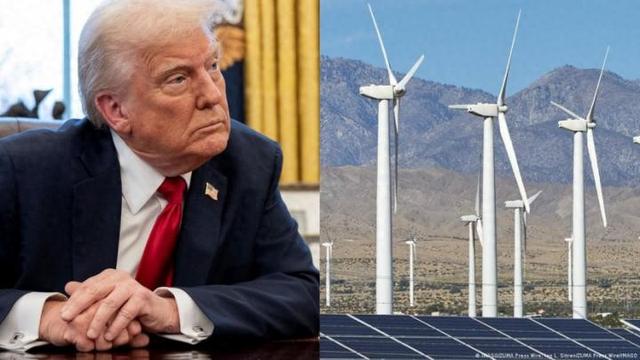
心智观察所:当特朗普质疑中国风电时,我们在谈论什么
Guan Cha Zhe Wang· 2026-01-31 01:15
Core Argument - The article discusses the irony in Trump's statement about China's wind power infrastructure, highlighting China's significant advancements in wind energy while questioning the U.S.'s lag in energy transition and infrastructure development [1][3][18]. Summary by Sections Wind Power Capacity and Projects - As of November 2025, China's wind power installed capacity exceeds 600 GW, maintaining the world's largest wind power capacity for 15 consecutive years, equivalent to about 600 nuclear power plants [3]. - Major projects include the 1,000 MW Inner Mongolia Energy Xisu Wind Storage Project and the 850 MW Jiangsu Dafeng Offshore Wind Power Project, showcasing China's rapid development in wind energy infrastructure [4][5]. Investment and Infrastructure Development - China's wind power projects integrate various technologies, including energy storage and smart grids, reflecting a systematic approach to energy transition [6]. - The investment model in China involves a mix of government guidance, state-owned enterprises, and private sector participation, allowing for long-term investments in large-scale projects [6][11]. Political and Regulatory Challenges in the U.S. - The U.S. faces political polarization affecting energy policy, with significant differences between the Democratic and Republican parties regarding renewable energy [7]. - The federal structure in the U.S. complicates large infrastructure projects due to varying regulations across states, leading to delays and increased costs [8]. Geographical and Economic Factors - China's geographical diversity allows for optimal wind energy resource utilization, particularly in coastal regions, while the U.S. faces challenges in transmitting wind energy from central plains to coastal population centers [8][10]. - The U.S. capital market prioritizes short-term returns, making it less attractive for long-term investments in wind energy projects compared to China's financial system [10][11]. Social Consensus and Public Support - In China, there is a strong societal consensus on energy transition and green development, while in the U.S., debates on climate change hinder public support for renewable energy projects [12]. - Local opposition to wind projects in the U.S. often arises from concerns about aesthetics and noise, further delaying project implementation [12]. Future Implications and Strategic Importance - The article emphasizes that the competition for clean energy infrastructure is not just an environmental issue but a strategic one, as energy is crucial for future economic competitiveness, particularly in AI and data processing [13][14][18]. - China's investments in wind and solar energy are seen as foundational for future digital economies, while the U.S. risks falling behind if it cannot address its infrastructure and policy challenges [15][18].
知情人士:英伟达与OpenAI百亿美元巨额合作协议搁置
Jin Rong Jie· 2026-01-31 00:50
知情人士透露,英伟达拟向OpenAI投资至多1000亿美元的合作协议陷入停滞,因英伟达内部部分人士 质疑该交易。去年9月双方官宣合作并签谅解备忘录,英伟达将为其搭建10吉瓦 算力并投资,OpenAI承 诺租赁其芯片,当时预计数周完成谈判,如今却无实质进展。目前双方正磋商英伟达对OpenAI本轮融 资的数百亿美元股权投资,黄仁勋称协议无约束力,双方均表态期待继续携手。(智通财经) ...
算力缺口重塑电力红利 AIDC供应商集体奔赴“A+H”双通道
2 1 Shi Ji Jing Ji Bao Dao· 2026-01-30 23:39
Core Insights - The rise of Artificial Intelligence Data Centers (AIDC) has transformed electricity from a marginal cost to a core resource, driving companies to seek dual financing platforms in the capital market [1][4] - Companies like Jinpan Technology and Deye Co., Ltd. are moving towards internationalization through IPOs in Hong Kong, reflecting a shift in capital strategy from "selling computing power" to "controlling energy" [2][3] - The demand for high-efficiency power distribution and solid-state transformers (SST) is increasing, with Jinpan Technology reporting a 603.68% year-on-year growth in data center orders for 2024 [3][5] Industry Dynamics - The AIDC industry is undergoing a systemic reconstruction, moving from a focus on "computing power chips" to "full-link infrastructure," with significant advancements in high-voltage direct current (HVDC) technology [5][9] - The Chinese power consumption is projected to exceed 10 trillion kilowatt-hours by 2025, indicating a doubling in ten years, which is more than twice that of the United States [5][6] - The liquid cooling revolution is becoming a critical component in data centers, with significant cost increases for cooling solutions, highlighting the rising demand for efficient thermal management [6][8] Capital Market Trends - The collective move of companies to list in Hong Kong is not merely for financing but aims to establish a strategic loop for global supply chain anchoring and liquidity premium [4][8] - The integration of AI infrastructure with industrial applications is emphasized in recent government policies, indicating a shift towards a more collaborative and efficient AI ecosystem [7][8] - The capital expenditure of major North American AI companies is expected to rise significantly, with projections showing an increase from $24.1 billion in Q2 2023 to $76 billion by Q3 2025 [8][9] Future Outlook - The AIDC industry is anticipated to experience significant changes by 2026, with expectations of breakthroughs in computing power, models, and applications [9] - Companies that can effectively address "energy anxiety" will gain a competitive edge in redefining industry dynamics [9]


日欧俄印全碾压!西方没想到,中国工业血液井喷,提前包圆AI战场
Sou Hu Cai Jing· 2026-01-30 15:33
Core Viewpoint - China's total electricity consumption has surpassed 10 trillion kilowatt-hours, symbolizing a significant achievement in its industrial development and energy strategy [1][3][5]. Group 1: Energy Consumption and Industrial Growth - The 10 trillion kilowatt-hours of electricity consumed is equivalent to the total annual electricity usage of Japan, the EU, Russia, and India combined, highlighting China's industrial strength [5][10]. - Electricity is described as the lifeblood of modern industry, essential for sustaining manufacturing capabilities [5][10]. - China's industrial electricity price averages around 0.5 RMB per kilowatt-hour, with prices in renewable energy-rich regions dropping to as low as 0.15 RMB, providing a significant cost advantage in global markets [12][14]. Group 2: Energy Strategy and Technological Advancements - China has adopted a diversified energy strategy, utilizing traditional coal power alongside renewable sources like solar, hydro, and wind energy, contrasting with Western countries that are reducing traditional energy sources [7][10]. - China leads globally in the construction of energy projects and is advancing in fourth-generation nuclear power technology, such as thorium molten salt reactors, which have vast theoretical fuel reserves [8][10]. - The country has developed critical technologies like ultra-high voltage transmission, enabling efficient long-distance electricity transport from energy-rich areas to urban centers [16][19]. Group 3: Historical Context and Future Outlook - Historically, China faced severe electricity shortages, with past experiences of power rationing and reliance on imported technology for major power projects [21][23][25]. - The narrative emphasizes a spirit of self-reliance and innovation, tracing back to historical challenges during wartime when alternative energy solutions were developed [27][29]. - The transformation from energy scarcity to becoming a powerhouse of electricity generation reflects a broader narrative of resilience and determination in China's industrial journey [35].
A股晚间热点 | 证监会重磅连发!巩固资本市场稳中向好势头 拟扩大战略投资者类型
智通财经网· 2026-01-30 14:23
Group 1: Capital Market Developments - The China Securities Regulatory Commission (CSRC) aims to consolidate the stable and positive momentum of the capital market, focusing on deepening comprehensive reforms in investment and financing, enhancing institutional inclusiveness and adaptability, and expediting the reform of the ChiNext board [1] - The CSRC is soliciting opinions on expanding the types of strategic investors, including national social security funds and enterprise pension funds, with a minimum shareholding requirement of 5% for strategic investors [2] Group 2: Precious Metals Market - Gold and silver prices experienced significant declines, attributed to profit-taking by investors after record increases and a rebound in the US dollar, alongside news of Kevin Warsh potentially being nominated as the next Federal Reserve Chairman, which negatively impacted precious metal prices [3] Group 3: Energy Sector Updates - The National Development and Reform Commission and the National Energy Administration announced a notification to improve the capacity price mechanism for power generation, increasing the proportion of fixed cost recovery for coal power units to no less than 50% [4] Group 4: U.S. Federal Reserve Leadership - President Trump nominated Kevin Warsh, a former Federal Reserve governor known for his hawkish stance on monetary policy, as the next Federal Reserve Chairman, pending Senate approval [5] Group 5: Financial Sector Adjustments - Industrial and Commercial Bank of China and China Construction Bank announced adjustments to their personal gold accumulation business rules, while several resource-related LOFs are limiting large subscriptions and investments [7] Group 6: Fiscal Policy Insights - The Ministry of Finance projected that the securities transaction stamp duty will reach 203.5 billion yuan by 2025, an increase of 57.8%, and reported that over 30 million infants have received childcare subsidies [8] Group 7: Corporate Announcements - Tianhao Energy plans to repurchase company shares worth between 100 million to 150 million yuan, while several companies have secured significant contracts, including Haige Communication with approximately 335 million yuan in contracts [18]
