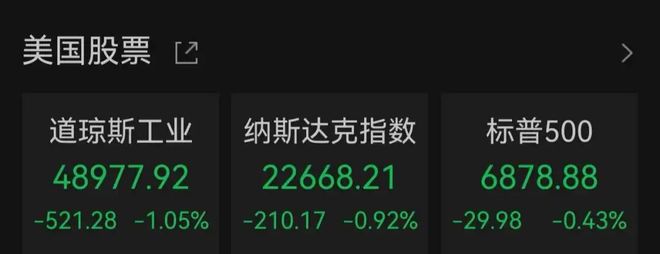
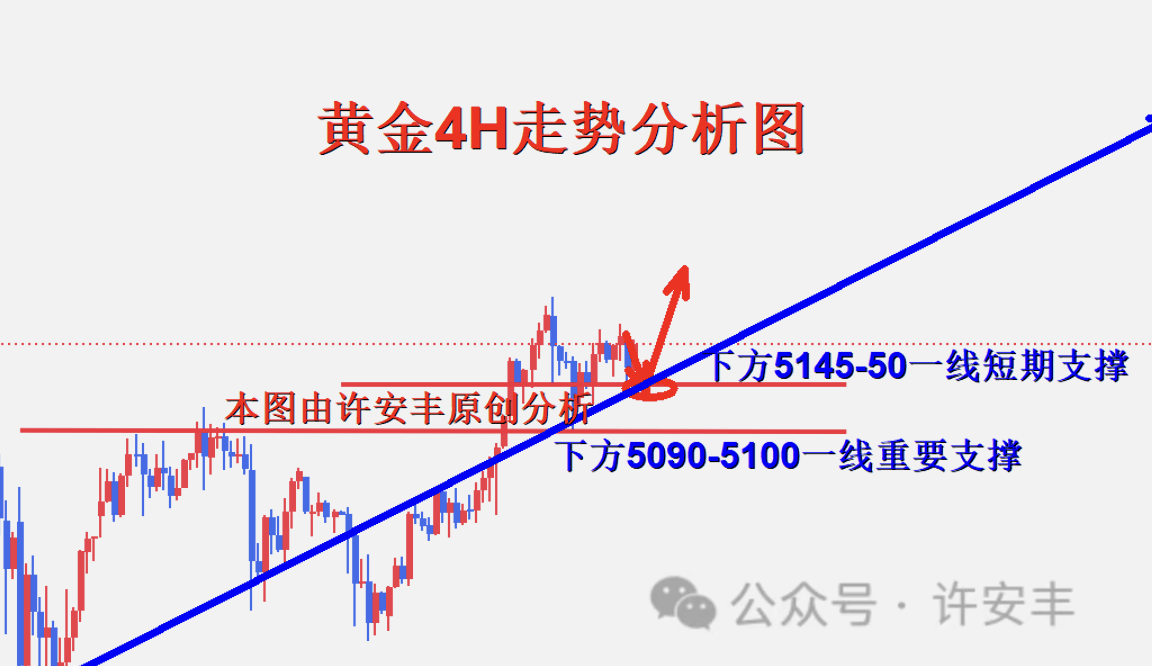
地缘风险
Search documents
中字头军工股普跌,国防军工ETF回调逾1%触及半年线,场内溢价再起!资金连续6日净申购!
Xin Lang Ji Jin· 2025-11-18 02:11
Core Viewpoint - The defense and military industry sector is experiencing a significant pullback, with the popular defense ETF (512810) declining over 1% and hitting a six-month low, while major military stocks are also seeing declines [1][2]. Group 1: Market Performance - The defense military ETF (512810) has seen a decline of 1.60%, trading at 0.676, with a drop of 0.011 [2]. - Major military stocks such as AVIC Shenyang Aircraft Corporation and China Shipbuilding Industry Corporation have dropped nearly 3% and over 1% respectively [1]. Group 2: Investment Opportunities - The ETF has attracted over 100 million yuan in net subscriptions over the past six trading days, indicating active interest from investors [1]. - Analysts suggest that the fourth quarter may see the gradual realization of "14th Five-Year Plan" related orders, coupled with military trade catalysts, which could lead to a resurgence in the defense and military market [1]. - The defense industry is expected to benefit from geopolitical risks, technological advancements, and policy support, with potential for high-end weapon exports and a revaluation of core asset values [1]. Group 3: Strategic Insights - CITIC Securities' report indicates a shift in China's defense industry from "cyclical growth" to "comprehensive growth," driven by domestic demand, foreign trade expansion, and civilian contributions [3]. - The defense ETF (512810) is highlighted as an efficient tool for investing in core defense assets, covering various hot themes such as commercial aerospace, low-altitude economy, and military AI [3].
帮主郑重:大宗商品集体回调?20年财经老兵扒透底层逻辑
Sou Hu Cai Jing· 2025-11-18 00:12
聊到这儿,给咱中长线投资者说句实在的策略:咱不做短线投机,别被一天的涨跌牵着鼻子走。油价要看OPEC+增产和地缘风险的博弈,金价等美联储 12月会议的明确信号,基本金属重点盯下游需求复苏的动静。中长线赚钱的关键,是抓准核心矛盾,等确定性机会,而不是在消息面里追涨杀跌。 好了,今天就跟大家唠到这儿,20年跟盘的经验,只跟大家说实在的逻辑、靠谱的判断。觉得帮主说的有用,就多关注转发,后续大宗商品有新动向, 我第一时间跟大家同步!要不要我帮你整理一份本次大宗商品核心影响因素的精简笔记,方便你随时查看?收起 再说说金价,这两天跌得让不少人纳闷。核心原因特简单,之前大家都笃定美联储12月会降息,黄金不生息,降息预期一强它就涨;可现在美联储官员 开始喊"通胀可能停滞",降息的事儿突然变得不确定了,预期一降温,金价自然就回调了。不过帮主得提醒一句,咱中长线看,金价的核心还是跟着美联 储政策走,短期的情绪波动别太当真。 还有伦铜这些基本金属,为啥也跟着跌?说白了就是美元走强了,近两周美元指数涨得挺猛,以美元计价的大宗商品,美元一涨吸引力就降,这是老祖 宗传下来的规律。但大家别慌,基本金属长期看的是全球经济复苏的需求,短期跟着 ...
国投期货综合晨报-20251117
Guo Tou Qi Huo· 2025-11-17 10:00
Report Date - The report is dated November 17, 2025 [1] Energy Crude Oil - International oil prices fluctuated last week, with the Brent 01 contract rising 0.93%. Geopolitical risks around Russia and Venezuela supported oil prices, but the Russian Black Sea port resumed loading on Sunday. Supply-demand pressure in the crude oil market is expected to increase in Q4 and Q1 next year, and there is still a downside risk for oil prices in the medium term. Short-term attention should be paid to the impact of Russia's sanctions on two types of oil exports after November 21 and the release of Venezuelan risks [2] Fuel Oil & Low-Sulfur Fuel Oil - The absolute price of fuel oil is still suppressed by the cost side. High-sulfur fuel oil is supported by a marginal decline in Russian exports due to sanctions and facility attacks in the short term, but its exports are expected to increase further as the Middle East increases production and the power generation peak season ends, and the medium-term supply pattern may become more relaxed. Low-sulfur fuel oil has seen some improvement in its fundamentals compared to the previous period, as unstable overseas refinery operations have relieved some supply pressure, and the strengthening of gasoline and diesel cracking provides support from the conversion logic, combined with the peak demand season for marine fuel in Q4 and the easing of Sino-US trade relations [20] LPG - Import resources are in short supply. The improved profitability of butane dehydrogenation plants has boosted the enthusiasm of downstream chemical enterprises to start production, and the significant cooling in many places has improved the demand for the combustion end. The storage rates of refineries and ports have decreased. LPG is expected to show a slightly stronger and fluctuating trend under the tightening of supply and demand [22] Urea - The new plant of Xinjiang Zhongneng has successfully produced products, and the daily output of urea continues to increase. The start of production of industrial compound fertilizers has increased recently, and the reserve demand has followed up at low prices, resulting in a reduction in inventory for production enterprises. The impact of export sentiment is greater than the actual situation, and the short-term market is expected to continue to fluctuate within a range, with the price center possibly moving slightly upward [23] Methanol - The volume of imported methanol arriving at ports continues to be high, and port inventories continue to accumulate. Overseas plants are operating at a high level, and there is an abundant supply of in-transit goods. The demand from traditional downstream industries remains weak, and there are expectations of shutdown and maintenance for several coastal MTO plants. Methanol may continue to be under pressure in the short term. Attention should be paid to the support at the integer mark, and the market is likely to rebound in response to positive news. Monitor the shutdown time of overseas plants and changes in port inventories [24] Pure Benzene - The overseas gasoline market is strong, and the market is mainly trading on the tight supply of US pure benzene and overseas blending oil demand. The outflow of Asian pure benzene and toluene has increased. The absolute price of pure benzene is low, and the profitability is poor, but the inventory pressure is not significant, and the price has elasticity. The price rebounded last week. However, the profitability of downstream industries is generally weak, and overseas demand may be volatile, so caution is needed when evaluating the height of the rebound [25] Polypropylene, Plastic & Propylene - The overall supply in the propylene market is abundant. Production enterprises have a certain intention to stabilize the market, but the overall trading volume is average, and a small number of offers have seen narrow discounts. Downstream factories are mainly waiting and watching based on rigid demand, and their purchasing mentality is cautious. However, the gradual resumption of previously shut-down butanol and octanol plants provides some support for propylene demand. In the case of polyethylene, there are no new shutdowns in domestic petrochemical plants, and most are operating normally, resulting in a stable supply of domestic products. The orders of packaging film factories have decreased, and the demand is average, with a weakened willingness to replenish stocks. The operation rate of greenhouse film factories has declined, and new orders are limited, leading to a gradual weakening of demand and a reduction in raw material purchases. For polypropylene, the previously shut-down plants have gradually restarted, increasing the supply pressure slightly. Downstream industries continue to purchase based on rigid demand, and the market trading is average, with a supply-demand imbalance still existing. Although the cost side provides stronger support, the market price is still difficult to achieve continuous growth [27] PVC & Caustic Soda - PVC shows a fluctuating trend The cancellation of India's BIS certification slightly exceeded market expectations, but the overall impact is not significant. Attention should be paid to whether India's anti-dumping policy will be implemented. The price of calcium carbide is temporarily stable, and the integrated gross profit of Shandong caustic soda and PVC is slightly in the red, providing some cost support. Upstream plants are undergoing maintenance, resulting in a slight decline in industry inventories. Domestic demand is insufficient, and exports are affected by India's anti-dumping tax, leading to a wait-and-see attitude in the market. With high supply and weak demand, PVC is expected to fluctuate within a narrow range. Caustic soda also shows a fluctuating trend. The upstream cost has increased, and the price of caustic soda has weakened, resulting in a decline in the integrated profit of chlor-alkali. Inventories have decreased month-on-month but still face significant year-on-year pressure. The profitability of alumina has been compressed, and some enterprises are in the red, with a possibility of production cuts in the future. Currently, the raw material inventory is high, and downstream enterprises have a weak willingness to replenish stocks. With high supply and insufficient demand, caustic soda is operating weakly. Attention should be paid to changes in profitability in the future [28] PX & PTA - Affected by the tight supply of overseas aromatics, the price of PX has rebounded, driving up the price of PTA. The demand for terminal cold-proof fabrics is good, but the overall market atmosphere has cooled down. The profitability of PTA is poor, and there are still expectations of industry-wide production cuts. Recently, some plants have reduced their operating loads. The operating rate of PX plants is high, and there are also plans for plant maintenance in the future. The strong gasoline crack spread overseas and the tight supply of US aromatics have once again boosted the Asian aromatics market. However, considering the expected weakening of chemical demand and the uncertainty of the sustainability of overseas demand, a cautious bullish attitude is recommended [29] Ethylene Glycol - The weekly output of ethylene glycol increased slightly month-on-month, with integrated plants increasing their operating rates and syngas-based plants reducing theirs. The port inventory increased significantly on Monday according to Longzhong data. The start-up of new production capacity and the restart of old plants have increased the supply pressure significantly. In the short term, the increase in supply has been slightly alleviated by the increase in shutdowns of syngas-based plants. In the medium term, demand is expected to weaken, and a bearish outlook is maintained. The strategy of reverse arbitrage on the monthly spread is recommended. Continue to monitor the dynamics of plants after the decline in profitability of syngas-based plants [30] Short Fiber & Bottle Chip - There is no pressure from new production capacity for short fiber, and plants are operating at a high load. The spot market situation is good, but there are expectations of weakening demand, which may put pressure on processing margins. The absolute price fluctuates with the raw material price. As the weather gets colder, the demand for bottle chips has weakened, putting pressure on processing margins. The operating rate of plants has increased slightly, and overcapacity is a long-term pressure. The price is mainly driven by costs [31] Glass - The price of glass decreased with an increase in positions. The high inventory in the middle stream is still having a negative impact, and the spot price is showing a downward trend, with inventory accumulating this week. The increase in coal prices has raised costs and reduced profits. Four production lines in Shahe have stopped production, reducing the daily melting capacity. Processing orders have improved month-on-month but are still insufficient year-on-year. The high inventory in the middle stream persists, and the weak market reality continues. The futures price has limited upward momentum, and there is significant competition between bulls and bears in the short term. It is recommended to adopt a wait-and-see approach [32] 20 Rubber, Natural Rubber & Butadiene Rubber - The price of international crude oil futures has increased, while the price of raw materials in the Thai market has remained stable with a slight decline. Currently, the global supply of natural rubber is at a high level, but the production in Yunnan, China, has entered a declining period. Last week, the operating rate of domestic butadiene rubber plants continued to increase slowly, while the operating rate of upstream butadiene plants continued to increase significantly. Last week, the operating rate of domestic all-steel radial tire plants decreased slightly, while that of semi-steel radial tire plants increased slightly. The inventory of finished products of Shandong tire enterprises continued to increase. According to Longzhong data, the total inventory of natural rubber in Qingdao increased to 44.95 million tons last week, and according to Zhuochuang data, the social inventory of Chinese butadiene rubber continued to increase to 1.59 million tons, while the inventory of Chinese butadiene at ports continued to decline to 2.9 million tons. Overall, demand is slowly weakening, the supply of natural rubber is decreasing, the supply of synthetic rubber is increasing, rubber inventories are increasing, and cost support is stable. Market sentiment is cautious. The strategy is to expect a rebound for RU and BR after an oversold situation, adopt a wait-and-see approach for NR, and pay attention to cross-variety arbitrage opportunities such as NR and BR [33] Soda Ash - Soda ash shows a fluctuating trend. The market for light soda ash is performing well, and industry inventories are fluctuating within a narrow range. Costs have increased, and both ammonia-soda and combined-soda plants are slightly in the red. Some soda ash plants have undergone maintenance, resulting in a month-on-month decline in production. The ignition and cold repair of photovoltaic glass coexist, and the overall production capacity has not changed significantly. Four production lines of float glass have recently stopped production. Attention should be paid to the cost-driven factor. If costs decrease, the price may fluctuate in the short term. In the long term, under the high-pressure supply pattern, there will still be a situation of oversupply [34] Metals Precious Metals - International gold and silver prices dropped significantly on Friday. With the end of the longest government shutdown in US history, the market is waiting for economic data to further assess the economic and monetary policy outlook. The hawkish statements of Fed officials have suppressed expectations of interest rate cuts. Precious metals are forming a high-level consolidation platform, patiently waiting for new drivers and directional guidance from the technical side [3] Copper - The copper price first declined and then rebounded during the night session on Friday. Attention should be paid to the performance of short-term moving averages and the movement of funds. Last week, the domestic and international copper prices encountered resistance at $88,000 and $110,000 respectively. The main trading theme in the market is not clear. The market is waiting for US economic indicators and paying attention to the strength of domestic demand. The price of domestic spot copper is reported at 87,210 yuan, with a premium of 50 yuan in Shanghai and flat in Guangdong. Short-term high-level short positions can be traded with a stop-loss at 88,000 yuan. The copper price is currently in a consolidation phase [4] Aluminum - The price of Shanghai aluminum declined on Friday. Although there are potential stories in the long-term supply and demand of the aluminum market, the short-term fundamentals are stable, and the inventory and spot performance are neutral. After the position in Shanghai aluminum increased to 800,000 lots, it decreased for two consecutive days. The overall linkage among non-ferrous metals is strong, and the slightly stronger and fluctuating trend has not been broken. Attention should be paid to the movement of funds [5] Cast Aluminum Alloy - The spot price of Baotai ADC12 decreased by 100 yuan to 21,000 yuan on Friday. The supply of scrap aluminum is tight, and the adjustment of the tax rate policy is still unclear. Both the industry inventory and the exchange warehouse receipts are at a high level. Cast aluminum alloy continues to fluctuate with the aluminum price, and there is no obvious driving force for the price difference [6] Alumina - The operating production capacity of alumina is at a historical high, and both the industry inventory and the exchange warehouse receipts continue to increase. The pattern of oversupply is difficult to change. There is a certain degree of reluctance to sell in the spot market, and the decline of the index has slowed down and is gradually approaching the cash loss in Shanxi and Henan. However, the price of ore has become more flexible, and there is a small amount of room for cost reduction. Before large-scale production cuts are implemented, alumina is expected to operate weakly with limited room for rebound [7] Zinc - Fed officials have made hawkish statements, leading to a widespread decline in the overseas equity market. Long positions in the non-ferrous metals sector have accelerated their exit. The price of Shanghai zinc has retraced to the 5-day moving average, erasing all the gains since November and failing to effectively break through the upper limit of the bottom consolidation range. The LME zinc inventory has continued to increase slightly, and the SMM zinc social inventory has decreased to 159,600 tons. The divergence in inventory trends between the domestic and international markets has been temporarily corrected, and there is limited room for further expansion of the price difference between the domestic and international markets. The TC of both domestic and overseas mines has decreased simultaneously, and the zinc price has declined significantly, putting pressure on the profits of domestic smelters. Production cuts by some smelters have gradually been implemented. The support level for the rebound of Shanghai zinc is currently seen at the 20-day moving average [8] Lead - The price of lead is relatively high, and downstream procurement has significantly weakened. Smelters are actively resuming production, leading to a weakening of the fundamentals. Long funds have taken profits at high prices, and the net outflow of funds from the weighted Shanghai lead contract exceeded 100 million yuan during the day. Shanghai lead felt significant pressure near the previous high of 17,800 yuan/ton. The upcoming launch of energy storage orders and new national standard electric vehicles, along with the reduction in the tax exemption for new energy vehicles next year, have temporarily improved the consumption expectation of lead. However, as the weather gets colder, the orders of some battery enterprises have weakened, and the operating rate has declined, providing insufficient support for the high lead price. The supply of scrap batteries and lead concentrates remains tight. Considering the cost support, Shanghai lead is expected to fluctuate within the range of 17,300 - 17,500 yuan/ton [9] Tin - The price fluctuation of Shanghai tin increased during the night session on Friday. After the main contract rebounded from the MA10 moving average and 288,000 yuan, it recovered the decline and fluctuated above 290,000 yuan. The social inventory of tin according to Steel Union increased by 646 tons to 7,934 tons last week, and the SMM social inventory increased by 410 tons to 7,443 tons. The tin market still needs to pay attention to changes in domestic funds. The uncertainty of the resumption rhythm of Dibang and the efficiency of the capacity rectification of Indonesia's天马 has led the market to focus on the tight supply situation last week. Wait for today's social inventory data. Long-term high-level short positions can be held with a stop-loss at 295,000 yuan [10] Iron Ore - The futures price of iron ore rebounded slightly last week. On the supply side, the global shipment volume is slightly stronger than the same period last year. The Simandou iron ore mine has officially started production, but the short-term production capacity that can be released is limited. The volume of iron ore arriving at domestic ports is at a high level for the same period, and the port inventory continues to show an increasing trend. There are some structural changes in the inventory of Australian iron ore. On the demand side, the demand for steel in the off-season has declined, and the loss situation of steel mills has worsened. Although the iron ore production rebounded last week, there is still room for production cuts in the future. At the macro level, many important events have been implemented and priced in, and the short-term impact on the futures price is weakening. The market has started to price in the reality of a marginal loosening of the iron ore supply-demand situation. It is expected that the price of iron ore will fluctuate [14] Coke - The price fluctuated during the day. The fourth round of price increases for coking coal was fully implemented this week. The profitability of coking enterprises is still average, and the daily production has decreased slightly. The coke inventory has decreased slightly. Currently, downstream enterprises are purchasing on a small scale based on demand, resulting in a slight reduction in inventory. The purchasing willingness of traders is average. Overall, the supply of carbon elements is abundant. The iron ore production has returned to a high level, and the demand for raw materials remains resilient. The profit level of the steel industry is average, and there is a strong intention to suppress raw material prices. The futures price of coke is at a premium, and the price is expected to fluctuate [15] Coking Coal - The price fluctuated during the day. The production of coking coal mines increased slightly. The spot auction transactions were normal, and the transaction prices showed a mixed trend. The terminal inventory increased slightly. The total inventory of coking coal increased slightly month-on-month, and the inventory at the production end increased slightly. Safety inspections have been carried out in major coal-producing regions. Attention should be paid to the relevant impacts. Overall, the supply of carbon elements is abundant. The iron ore production has returned to a high level, and the demand for raw materials remains resilient. The profit level of the steel industry is average, and there is a strong intention to suppress raw material prices. The futures price of coke is at a premium, and the futures price of coking coal is at a discount to the Mongolian coal price. The market has certain expectations for the safety production assessment in major coking coal-producing regions. The price is expected to fluctuate [1
短期金价震荡难改,长期逻辑变了吗?
Sou Hu Cai Jing· 2025-11-17 08:58
Core Viewpoint - The gold market is experiencing a "first decline then stabilization" trend, influenced primarily by Federal Reserve policy expectations, with short-term price fluctuations expected but long-term support remaining strong due to central bank purchases and geopolitical risks [1][2]. Group 1: Current Market Situation - International gold prices opened lower at $4049.64 per ounce and have since recovered to $4078.59 per ounce, reflecting a decrease of 0.92% from the previous day [1]. - Domestic gold T+D reported at 925.59 yuan per gram, down 29.12 yuan, a decline exceeding 3%, while the Shanghai gold main contract fell by 3.27% to 927.78 yuan per gram [1]. Group 2: Influencing Factors - The primary reason for gold price fluctuations is the impact of Federal Reserve policy expectations, with recent hawkish statements from several officials leading to a drop in December rate cut expectations to around 41% [1]. - High interest rates or low expectations for rate cuts increase the "opportunity cost" of holding gold, making it less attractive to investors [1]. Group 3: Long-term Outlook - Despite short-term declines, the long-term logic supporting gold prices remains intact, particularly due to ongoing purchases by global central banks, especially in emerging markets like China and India [1]. - Geopolitical risks in regions such as the Middle East and Ukraine may trigger a flight to safety, potentially causing a rebound in gold prices [1]. - The RSI indicator for London gold is nearing the "oversold" zone, suggesting that some investors may begin to enter the market for bottom-fishing [1]. Group 4: Future Price Movements - In the short term, gold prices are likely to remain volatile, with key economic data releases in the coming weeks expected to influence market expectations regarding Federal Reserve interest rate decisions [2]. - The upcoming December FOMC meeting will be crucial, as discussions on inflation and interest rates will directly impact the medium-term trajectory of gold prices [2].
黄金直线跳水!国内金饰价格已三连跌
Mei Ri Jing Ji Xin Wen· 2025-11-17 07:25
Price Trends - Domestic gold jewelry prices have experienced a three-day decline starting from the 14th, with Lao Miao gold jewelry priced at 1289 yuan/gram, down 36 yuan/gram from the 13th; Lao Feng Xiang gold jewelry at 1293 yuan/gram, down 32 yuan/gram; and Chow Tai Fook and Chow Sang Sang both at 1305 yuan/gram, down 28 yuan and 23 yuan respectively from their high points on the 14th [2][3] Bank Adjustments - Several banks, including China CITIC Bank and China Construction Bank, have raised the minimum investment amount for gold accumulation products, with CITIC Bank increasing the minimum from 1000 yuan to 1500 yuan effective November 15, 2025 [3][4] - Some banks have shifted their gold accumulation model from fixed amounts to variable amounts based on gold price fluctuations [5] Market Analysis - International gold prices have shown significant pullbacks after reaching recent highs, attributed to the temporary easing of U.S. government shutdown risks and a decrease in safe-haven demand [5] - Analysts suggest that macroeconomic and geopolitical factors affecting gold prices remain complex, with ongoing U.S. fiscal deficits and high geopolitical risks in regions like the Middle East [5] - Despite short-term volatility, many institutions maintain a long-term bullish outlook on gold, with UBS strategists predicting gold could reach 5000 USD/ounce between 2026 and 2027 [5] Future Scenarios - Citigroup has outlined multiple scenarios for gold prices, including a bullish scenario where gold could reach 6000 USD/ounce by the end of 2027 if there is a significant reallocation of global wealth [6] - Citigroup's base case anticipates a price drop to 3650 USD/ounce in 2026 due to an improving U.S. economic environment, while a bearish scenario could see prices fall to around 3000 USD/ounce if geopolitical tensions and fiscal concerns ease significantly [6]
综合晨报-20251117
Guo Tou Qi Huo· 2025-11-17 06:41
Industry Investment Ratings No investment ratings are provided in the report. Core Views - The report analyzes the market trends of various commodities and financial products, including energy, metals, agricultural products, and financial derivatives. It points out that most commodities are in a state of price fluctuation and supply - demand adjustment, with many facing uncertain factors such as geopolitical risks, policy changes, and seasonal demand variations. Commodity Summaries Energy - **Crude Oil**: International oil prices fluctuated last week. Geopolitical risks around Russia and Venezuela supported prices, but the Russian port's resumption of loading reduced the impact. There is a risk of price decline in the medium - term due to increasing supply - demand pressure in Q4 and Q1 next year. Attention should be paid to the impact of Russian oil sanctions and the release of Venezuelan risks [2]. - **Fuel Oil & Low - Sulfur Fuel Oil**: The absolute price of fuel oil is still suppressed by the cost side. High - sulfur fuel oil is supported by short - term export decline but may face a more relaxed supply pattern in the medium - term. Low - sulfur fuel oil's fundamentals have improved due to factors such as unstable overseas refinery operations and strong demand in the fourth - quarter shipping season [20]. - **Asphalt**: The poor shipment volume has falsified the "14th Five - Year Plan" end - of - year rush - work demand expectation, and the demand is weaker than last year. The inventory de - stocking is slowing down, and the fundamentals are bearish in the long - term [21]. - **Liquefied Petroleum Gas (LPG)**: Import supply is tight. The improvement of butane dehydrogenation device profitability and cold weather have increased demand, leading to a decline in refinery and port storage rates. LPG is expected to be in a slightly strong upward trend [22]. Metals - **Precious Metals**: International gold and silver prices dropped significantly on Friday. After the end of the US government shutdown, the market is waiting for economic data. Fed officials' hawkish remarks have suppressed the expectation of interest rate cuts. Precious metals are in a high - level oscillation platform, waiting for new drivers [3]. - **Base Metals** - **Copper**: Copper prices first declined and then rose on the night of last Friday. The market trading theme is unclear, waiting for US economic indicators and domestic demand. Short - term high - position short orders can be traded near 88,000 yuan, and copper prices are in a state of oscillation [4]. - **Aluminum**: Shanghai aluminum prices dropped on Friday. The long - term supply - demand situation has potential, but the short - term fundamentals are stable. The oscillation - upward trend has not been broken, and attention should be paid to capital movements [5]. - **Zinc**: Fed officials' hawkish remarks led to a decline in the equity market and a large - scale exit of long - position funds in the non - ferrous sector. LME zinc inventory is rising slightly, and domestic refinery profits are under pressure. The support for the decline of Shanghai zinc is seen at the 20 - day moving average [8]. - **Lead**: High lead prices have weakened downstream procurement, and refineries are resuming production. Although there are short - term factors to stimulate consumption, the support for high prices is insufficient. Considering cost support, Shanghai lead is expected to oscillate in the range of 17,300 - 17,500 yuan/ton [9]. - **Tin**: The amplitude of Shanghai tin increased on the night of last Friday. The inventory of tin has increased. The market is waiting for the inventory data. Long - term high - position short orders can be held near 295,000 yuan [10]. - **Manganese Silicon**: The tender price of a large northern steel mill is stable. Iron - water production has rebounded, and the output of manganese silicon has slightly decreased. The price has strong bottom support [17]. - **Silicon Iron**: The tender price of a large northern steel mill has increased slightly. Demand has resilience, and supply is at a high level. Due to the increase in cost, the price is expected to be more likely to rise [18]. - **Other Metals - Related Products** - **Cast Aluminum Alloy**: The spot price of Baotai ADC12 decreased by 100 yuan to 21,000 yuan on Friday. The supply of scrap aluminum is tight, and the tax policy adjustment is unclear. It continues to fluctuate with aluminum prices [6]. - **Alumina**: The operating capacity is at a historical high, and the supply surplus pattern is difficult to change. The price is mainly in a weak operation with limited rebound space [7]. Chemicals - **Polysilicon**: Photovoltaic terminal demand is weak. Both upstream and downstream reduced production in November, and the actual improvement in supply - demand is limited. The price will continue to oscillate in the short - term [11]. - **Industrial Silicon**: The supply in the southwest is significantly reduced during the dry season, but the expected production reduction of organic silicon monomer enterprises may drag down demand. The price is under pressure at a high level and will continue to oscillate [12]. - **Benzene and Its Derivatives** - **Pure Benzene**: The overseas gasoline market is strong, and the price has rebounded, but the downstream profit is weak, and the sustainability of overseas demand is uncertain [25]. - **Styrene**: The supply - demand is in a tight balance, with only a small expected increase in domestic supply and a weakened import increase expectation. The demand is stable [26]. - **Polyolefins** - **Polypropylene, Plastic, and Propylene**: The supply of propylene is loose, and the demand is supported to some extent. The supply of polyethylene is stable, and the demand is weakening. The supply pressure of polypropylene is slightly increasing, and the market price is difficult to rise continuously [27]. - **PVC and Caustic Soda** - **PVC**: The cancellation of India's BIS certification has little impact. The cost has some support, and the inventory has decreased slightly. The supply is high, and the demand is weak, so it is expected to oscillate narrowly [28]. - **Caustic Soda**: The upstream cost has increased, and the price has weakened. The inventory pressure is still large, and the demand is insufficient, so it is in a weak operation [28]. - **PX and PTA**: Affected by the tight overseas aromatics market, the prices of PX and PTA have rebounded. There is still an expectation of industry production reduction, and the overseas demand sustainability needs to be observed [29]. - **Ethylene Glycol**: The weekly output has slightly increased, and the port inventory has increased significantly. The supply pressure is large, and the demand is expected to weaken in the medium - term, so a short - selling strategy is recommended [30]. - **Short - Fiber and Bottle - Chip**: Short - fiber has no new investment pressure, but the demand is expected to weaken. The demand for bottle - chip has decreased with the cooling weather, and the long - term pressure is over - capacity [31]. Agricultural Products - **Soybeans and Related Products** - **Soybeans and Soybean Meal**: The USDA report has a limited impact on the market. Domestic soybean supply is sufficient, and the inventory is at a relatively high level. The planting progress of new - season soybeans in South America is slow, and attention should be paid to the impact of La Niña. The domestic soybean meal will follow the short - term decline of US soybeans [35]. - **Soybean Oil and Palm Oil**: The USDA report has led to a decline in US soybean prices. The domestic price difference between soybean oil and palm oil has changed, and attention should be paid to the supply - demand of palm oil [36]. - **Rapeseed Meal and Rapeseed Oil**: The USDA report is bearish for domestic rapeseed products. The inventory of rapeseed oil has decreased, and attention should be paid to the arrival of Australian rapeseed and the production and export of Canadian rapeseed [37]. - **Domestic Soybeans**: The price of domestic soybeans is strong, and the difference with imported soybeans has widened. Attention should be paid to the performance of the domestic soybean spot market [38]. - **Corn**: The USDA report is slightly bearish. Domestic corn imports are expected to continue, and the new - grain supply peak in the Northeast has not passed. The futures price is expected to decline [39]. - **Livestock and Poultry Products** - **Pigs**: The futures price of pigs shows a pattern of near - term weakness and long - term strength. The spot price has slightly decreased. In the long - term, there is a high probability of a second bottom - probing next year [40]. - **Eggs**: The futures price has dropped rapidly. The trading logic has switched to the high - supply and low - demand situation, and short positions can be held [41]. - **Cotton**: The USDA report is bearish for US cotton. The domestic cotton purchase is almost over, and the new - cotton listing brings pressure. It is recommended to wait and see or conduct short - term operations [42]. - **Sugar**: The international sugar supply is sufficient, and the domestic market focuses on the new - season production estimate. The production expectation of Guangxi is relatively good [43]. - **Apples**: The futures price is oscillating at a high level. The short - term price is strong, but there may be inventory pressure in the long - term [44]. - **Wood**: The futures price is oscillating. The low inventory supports the price, and it is recommended to wait and see [45]. - **Paper Pulp**: The price has risen continuously, and the inventory has increased. The valuation is low, and there is an expectation of improvement in the long - term. The short - term upward space may be limited, and long positions should be held carefully [46]. Financial Derivatives - **Container Shipping Index (European Line)**: The 12 - contract is expected to oscillate, and the 02 - contract is expected to reflect the pre - Spring Festival freight peak. Attention should be paid to the end - of - month fixed - cargo situation and supply - side changes [19]. - **Stock Index**: The Shanghai Composite Index has fluctuated, and the futures index has declined. The economic data has slowed down, and the overseas situation has increased market uncertainty. The technology and advanced manufacturing sectors are still the mid - term focus, and attention should be paid to the style rotation of consumption and cyclical sectors [47]. - **Treasury Bonds**: The futures price of treasury bonds is in a narrow - range oscillation. The market's reaction to economic data is flat. The structural differentiation continues, and changes in market risk preference may bring new opportunities [48].
黄金站历史高位吵翻了!看多喊冲2600、看空喊跌2200,谁靠谱?
Sou Hu Cai Jing· 2025-11-17 06:09
前言 最近刷财经新闻的朋友,估计都被黄金"秀"到了! 一路蹭蹭往上涨,还屡次刷新历史高点,关键它不是那种几天就凉的短线暴涨,而是稳稳站在高位。 有人纳闷,这金疙瘩咋突然就成了香饽饽? 其实真不是突然,是好几条硬逻辑凑一块,再加上最新的市场动态,才把金价抬到现在这位置。 咱们今天就看看这波黄金上涨到底靠啥,普通人该咋看。 利率+央行,双撑金价 说句实在话,过去两年黄金根本没这待遇。 那时候美国一个劲儿加息,真实利率飙得老高,大家拿着国债、货币基金就能躺赚无风险收益,谁还会 瞧得上不生息的黄金? 但现在风向彻底变了。 截至2025年5月,美联储点阵图明明白白显示,市场普遍预期今年会有2-3次降息。 这意味着啥?真实利率要往下走,持有黄金的"机会成本"直接降低。 以前放着钱能赚利息,现在利息少了,黄金的吸引力自然就上来了。 更关键的是,还有央行在背后"托底"。 | 排名 | 30 53 | 2025年黄金储备面 | | --- | --- | --- | | 1 | 美 国 国 | 8133.5 吨 | | 2 | 德 ■■ | 3351.5 吨 | | 3 | 意大利 | 2451.8 吨 | | 4 | 国 [ ...
国投期货能源日报-20251114
Guo Tou Qi Huo· 2025-11-14 11:28
Report Industry Investment Ratings - Crude oil: ★☆☆, indicating a bullish/ bearish bias with a driving force for price movement, but limited operability in the market [1] - Fuel oil: ★☆☆, similar to crude oil, with a bias but limited operability [1] - Low - sulfur fuel oil: ★☆☆, same as above [1] - Asphalt: ★☆☆, with a bias but limited operability [1] - Liquefied petroleum gas: ☆☆☆, suggesting a relatively balanced short - term trend with poor operability and a wait - and - see approach [1] Core Viewpoints - The global oil market will have supply surpluses of 1.84 million barrels per day and 3.31 million barrels per day this year and next year respectively, and the surplus will gradually expand quarter by quarter. There is still a downward risk in the crude oil market this year [1] - The fuel oil market is affected by geopolitical factors, and the upward drive for high - sulfur cracking is limited. The low - sulfur market has improved fundamentals [2] - The 2601 asphalt contract has some support at 3000 yuan/ton, and the fundamental bearish factors still suppress the market in the medium - to - long term [3] - The LPG market is expected to fluctuate strongly due to tightened supply - demand margins [3] Summary by Related Catalogs Crude Oil - Based on the latest adjustments of the supply - demand balance sheets by three major institutions in November, considering OPEC+ suspending production increases and strictly implementing production cut compensation in the first quarter of next year, the global oil market will have supply surpluses of 1.84 million barrels per day and 3.31 million barrels per day this year and next year respectively. The supply surplus will gradually expand quarter by quarter, and the most relaxed quarter (Q1 next year) has not arrived yet. Since the fourth quarter, the inventory accumulation rate of global oil at 2.4% has exceeded that of the previous three quarters, and the supply surplus is increasingly evident in the inventory. There is still a downward risk in the crude oil market this year, and attention should be paid to the realization of geopolitical risks related to Venezuela [1] Fuel Oil & Low - Sulfur Fuel Oil - The drone attack on Russia's Novorossiysk today damaged the oil terminal facilities, driving up the prices of crude - related products, and fuel oil followed suit. In terms of fundamentals, high - sulfur fuel oil is still supported by geopolitical factors in the short term. Sanctions and attacks on Russia continue to disrupt the supply side, and the possible further sanctions on Venezuela by the US also bring uncertainties. However, the actual reduction in supply needs further observation. The demand side is at the end of the power - generation peak season, and the increase in Middle - East supply offsets the impact, and the demand for refinery feedstock is also weak, so the upward drive for high - sulfur cracking is limited. The low - sulfur market has seen a relief in supply pressure due to unstable operation of overseas refineries. The strengthening of the crack spreads of gasoline and diesel provides support from the perspective of production conversion. Coupled with the peak season of bunker fuel demand in the fourth quarter and the easing of Sino - US trade relations, the fundamentals have improved compared with the previous period [2] Asphalt - The 2601 contract has some support at 3000 yuan/ton. The worse - than - expected shipment volume not only disproves the expectation of rush - demand in the final year of the "14th Five - Year Plan" but also sends a negative signal that the demand is lower than the same period last year. The destocking of the latest commercial inventory continues to slow down, and the year - on - year increase in social inventory has widened after reaching an inflection point of being higher than the same period last year at the end of October. In the medium - to - long term, the bearish fundamentals still suppress the BU market [3] Liquefied Petroleum Gas - The international LPG market has been trending strongly recently, and the supply of imported resources is tight. The improved profitability of butane dehydrogenation plants has boosted the enthusiasm of downstream chemical enterprises to start production, and the significant cooling in many places has led to an improvement in combustion - end demand. The storage capacity utilization rates of refineries and ports have decreased. The tightening of supply - demand margins has boosted the LPG market to be regarded as fluctuating strongly [3]
地缘风险仍是潜在上行动力
Hong Yuan Qi Huo· 2025-11-14 11:13
Report Industry Investment Rating No relevant content provided. Core Viewpoints of the Report - Short - term oil prices are range - bound, and geopolitical risks remain a potential upward driving force. The downside space for crude oil is limited, with support at $55 for WTI crude oil due to US shale oil cost support, OPEC+ actively adjusting production growth rates to ease crude oil inventory accumulation pressure, and the end of the US government shutdown leading to a low risk of macro - economic recession. [1][4][74] - It is recommended to pay attention to the opportunity to go long near $55 for WTI crude oil and the opportunity to go long on option volatility brought by geopolitical situation changes. [4][74] Summary by Relevant Catalogs 1. Market Review - The oil price was range - bound this week with increased amplitude. It dropped significantly due to the bearish OPEC report during the week but then recovered some losses. As of November 13, WTI crude oil futures active contract closed at $58.60 per barrel, Brent at $63.11 per barrel, and SC crude oil futures active contract at 449.5 yuan per barrel. [9] - The monthly spread continued to decline with signs of gradual stabilization. [10] - The CFTC持仓 report was postponed. As of the week ending November 4, Brent fund net long positions were 152,761 lots, a decrease of 21,126 lots from the previous period, while diesel net long positions increased by 6,957 lots. [14] 2. Crude Oil Supply - OPEC+ production growth slowed down in October. OPEC+ crude oil production decreased by 106,000 barrels per day month - on - month in October. OPEC production increased by 33,000 barrels per day month - on - month. Saudi Arabia's production growth rate declined, and some countries like Iran and Kazakhstan had production declines. OPEC+ decided to moderately increase production by 137,000 barrels per day on November 2 and suspend production increase in Q1 2026. [20] - US crude oil daily production increased slightly. As of the week ending November 7, US crude oil daily production was 1,386,200 barrels per day, an increase of 211,000 barrels per day from the previous period. The OPEC report revised up the US crude oil production increase in 2025 to 410,000 barrels per day and kept the increase in 2026 at 100,000 barrels per day. [28] 3. Crude Oil Demand - In the US, gasoline and diesel demand rebounded, while jet fuel demand declined from its high due to the previous US government shutdown. As of the week ending November 7, gasoline demand was 9,028,000 barrels per day, an increase of 154,000 barrels per day from the previous period; diesel demand was 4,018,000 barrels per day, an increase of 308,000 barrels per day from the previous period; jet fuel demand was 1,636,000 barrels per day, a decrease of 45,000 barrels per day from the previous period. Diesel crack spread declined after rising, while gasoline crack spread was at a five - year high. US refinery estimated profit slightly declined, still at a moderately high level, and refinery utilization rate increased. [32][41][46] - In China, crude oil processing volume continued to grow. From June to October, China's crude oil processing volume increased year - on - year. In October, it was 63.43 million tons, an increase of 743,000 tons from the previous month and 3.892 million tons from the same period last year. [51] 4. Crude Oil Inventory - In the US, crude oil inventory increased significantly but remained at a low level in the past five years. As of the week ending November 7, US crude oil inventory (excluding SPR) was 427.581 million barrels, an increase of 6.413 million barrels from the previous period; SPR inventory was 410.393 million barrels, an increase of 798,000 barrels from the previous period. Gasoline and diesel continued to draw down inventory, while jet fuel inventory increased slightly. [57][63] - For OECD, the surplus pressure gradually increased. In October 2025, the global crude oil monthly supply was 108.18 million barrels per day, demand was 103.75 million barrels per day, and the supply - demand gap was 4.43 million barrels per day. OECD continued to accumulate inventory, with the inventory at the end of October at 2.903 billion barrels, an increase of 250 million barrels from the previous period. [70] 5. Summary and Outlook - The short - term oil price is range - bound, and geopolitical risks are a potential upward driving force. The downside space for crude oil is limited, with support at $55 for WTI crude oil. It is recommended to pay attention to the long - position opportunity near $55 for WTI crude oil and the long - position opportunity for option volatility due to geopolitical changes. [74]
港股收评:恒指涨0.85%科指涨0.16%!生物医药股走强百济神州涨7%,沪上阿姨涨28%协鑫科技跌7%,中国石油涨3%
Sou Hu Cai Jing· 2025-11-12 08:43
Market Overview - The Hong Kong stock market indices collectively rose, with the Hang Seng Index increasing by 0.85% to 26,922.73 points, the Hang Seng Tech Index rising by 0.16%, and the National Enterprises Index up by 0.82% [2] Biopharmaceutical Sector - The biopharmaceutical stocks strengthened, with BeiGene rising over 7%. The company reported a total revenue of 27.595 billion yuan for the first three quarters of 2025, marking a year-on-year increase of 44.2%. The net profit attributable to the parent company was 1.139 billion yuan, driven by sales growth of self-developed products and authorized products [1][2] Oil Sector - Oil stocks led the gains, with PetroChina increasing nearly 3%. Geopolitical tensions in South America, particularly regarding Venezuela, may elevate risks in the region, which could support oil prices due to OPEC+ production adjustments [3][4] New Consumption Concept Stocks - New consumption concept stocks saw some increases, with "Hushang Aiyi" rising nearly 29%. The company announced a ten-year H-share incentive plan, aiming to incentivize core talent through restricted stock [4][5] Solar Energy Sector - Solar energy stocks weakened, with GCL-Poly Energy falling over 7%. There were rumors regarding significant changes in the photovoltaic industry, which the China Photovoltaic Industry Association has refuted, emphasizing the need for careful decision-making amidst misinformation [6]