政策正常化

Search documents
日本GDP六个季度以来首次萎缩,降幅小于预期,10年期日债收益率创十七年新高
Hua Er Jie Jian Wen· 2025-11-17 03:39
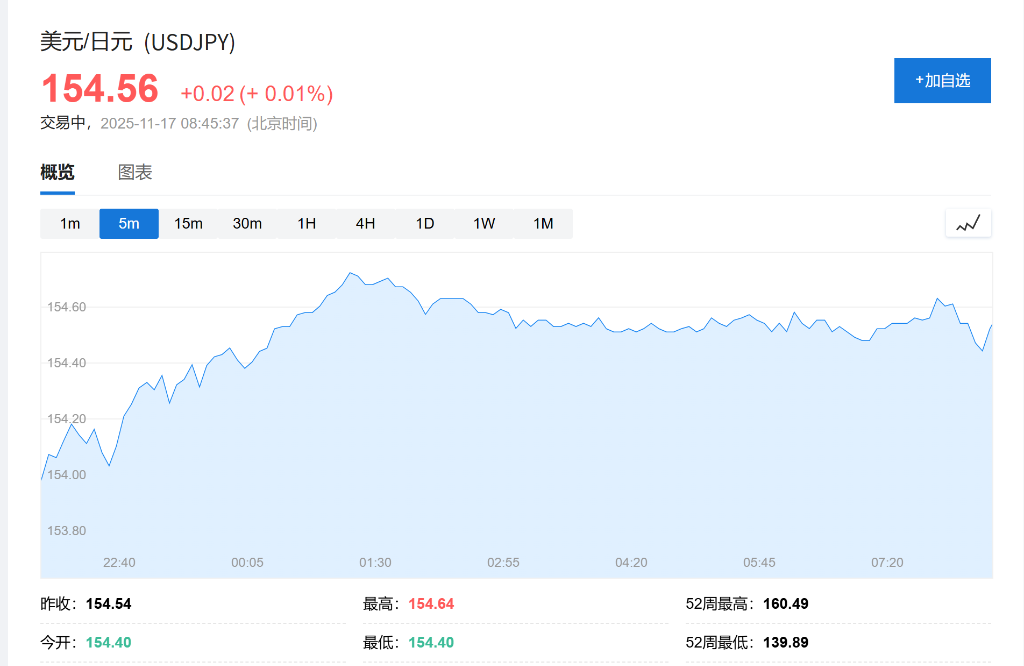
Core Insights - Japan's economy contracted in Q3 due to weak domestic demand and U.S. tariffs, but the contraction was less severe than expected, primarily supported by stable corporate capital expenditure [1][6] - The GDP shrank at an annualized rate of 1.8%, better than the anticipated 2.5% decline, contrasting with a 1.6% growth in Q2 [1] - The report highlights the fragility of Japan's economic recovery and complicates the Bank of Japan's policy path [1] Economic Performance - Q3 GDP contracted by 0.4% quarter-on-quarter, outperforming the expected decline of 0.6%, while the previous quarter saw a growth of 0.5% [1] - Private consumption, accounting for about half of the economy, stagnated, and net exports became a drag on growth due to global economic slowdown and trade tensions [1][6] Capital Expenditure - Despite overall economic headwinds, corporate investment showed resilience, with capital expenditure increasing by 1.0% quarter-on-quarter, surpassing the market consensus of 0.3% [6] - Strong corporate investment, particularly in local infrastructure, helped mitigate the impact of weak performance in other economic areas [6] Policy Implications - The economic report presents challenges for policymakers, with persistent inflation pressures indicated by a 2.8% year-on-year increase in the GDP deflator [7] - The contraction in the economy limits the Bank of Japan's ability to tighten monetary policy, leading to reduced expectations for short-term interest rate hikes [7] - Attention is shifting towards potential fiscal stimulus measures from the new Prime Minister, with reports suggesting a possible 17 trillion yen economic revitalization plan [7]

今年加息没戏?植田和男鸽派论调加剧日元崩跌
Jin Shi Shu Ju· 2025-10-30 09:03
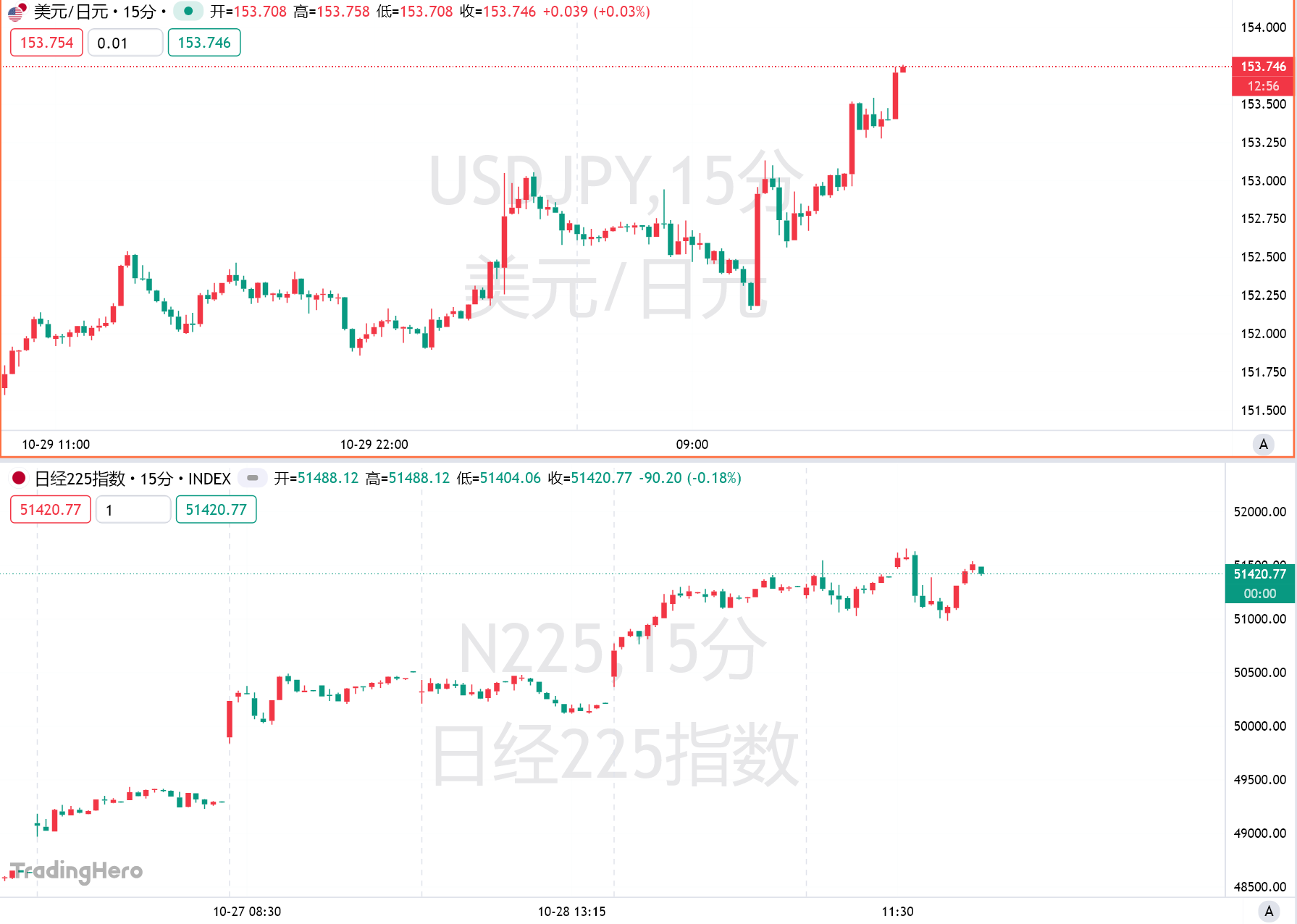
Core Viewpoint - The Bank of Japan's decision to maintain the benchmark interest rate has led to a rise in the USD/JPY exchange rate, reaching its highest level since mid-February [1] Group 1: Monetary Policy and Economic Outlook - The market perceives that interest rate hikes may be delayed until after January next year, reflecting a dovish tone in the comments made by the Bank of Japan's Governor [3] - A Bloomberg survey indicated that 90% of economists expected the Bank of Japan to keep its policy unchanged, with only two dissenters in the recent meeting [3] - The Bank of Japan raised its economic growth forecast for the current fiscal year from 0.6% to 0.7%, while projecting that the consumer price index (CPI) may slow below 2% next year [5] Group 2: Currency and Market Reactions - The Japanese yen has depreciated over 3% against the US dollar this month, underperforming all G-10 currencies, amid expectations of continued accommodative monetary policy from the Japanese government [4] - Traders are pricing in nearly a 50% chance of a rate hike in December and about 80% for January next year [5] - The yen is viewed as undervalued, and the risk of a rate hike remains due to persistent domestic inflation [6] Group 3: Government Fiscal Policy - Japan's Economic Revitalization Minister is monitoring the impact of a weaker yen on the economy, while the Governor of the Bank of Japan has indicated a willingness to continue normalizing policy if confidence in economic outlook improves [6] - Recent comments from the Japanese Prime Minister suggest a shift towards a more responsible fiscal policy, which may provide some support for Japanese bonds [6] - Any large-scale fiscal stimulus could raise concerns about bond supply and steepen the yield curve, potentially undermining the current market sentiment [7]
前日本央行行长黑田东彦:日美利差有望缩小 日元将升值至1美元兑120-130日元
Zhi Tong Cai Jing· 2025-10-30 06:49
Core Viewpoint - Former Bank of Japan Governor Haruhiko Kuroda suggests that the yen may appreciate to a level of 120-130 yen per dollar due to a narrowing interest rate differential between Japan and the U.S. [1] Group 1: Currency Outlook - Kuroda indicates that the current exchange rate of approximately 153 yen per dollar is too weak and expects it to revert to 120-130 yen [1] - He believes that the contrasting monetary policies of the Federal Reserve and the Bank of Japan will naturally reduce the interest rate differential, aiding the yen's appreciation [1] Group 2: Monetary Policy Context - The Bank of Japan's recent decision to maintain interest rates aligns with market expectations, passing with a 7-2 vote, while two members proposed a 25 basis point increase [1] - Market reaction to the decision was relatively muted, with little change in the 10-year Japanese government bond yields and a slight decline in the yen [1] Group 3: Economic Indicators - Kuroda notes that Japan has achieved its 2% inflation target, with an economic growth rate of approximately 1.5% and an unemployment rate of only 2.6% [2] - He suggests that current economic conditions are suitable for the Bank of Japan to consider further interest rate hikes [2] Group 4: Future Expectations - A majority of economists surveyed expect the Bank of Japan to raise interest rates in January next year, despite two members opposing the current decision [2] - Kuroda highlights that the Bank of Japan's recent decisions reflect a desire to observe the impact of U.S. tariffs on the Japanese economy, which has been less significant than previously anticipated [2]
【UNforex财经事件】美元回升压制金价 日元与油价分化
Sou Hu Cai Jing· 2025-10-22 10:56
Group 1 - Gold prices are under pressure after testing the $4,380 level, dropping over 4% to around $4,100, influenced by reduced safe-haven demand due to trade optimism and a rebound in the dollar, which raises the opportunity cost of holding gold [1] - Despite short-term pressure, the medium to long-term fundamentals remain supportive for gold, including central bank purchases, de-dollarization trends, structural safe-haven demand, and geopolitical uncertainties [1] - The dollar index has rebounded to the 98.8–98.9 range, driven by improved risk appetite and a slight increase in yields, with market participants reassessing interest rate cut expectations following comments from Federal Reserve officials [1] Group 2 - Recent API and EIA data indicate a larger-than-expected increase in U.S. crude oil inventories, contributing to WTI prices remaining at low levels, with short-term oil prices influenced by inventory levels, drilling counts, and geopolitical news [2] - Key variables for the week include U.S. CPI/PCE inflation data and statements from Federal Reserve officials, which could significantly impact market volatility and asset correlations [2] - The market is exhibiting a "news-driven rapid switch" characteristic, with trade optimism boosting risk appetite, a stronger yen due to economic data and rate hike expectations, and oil prices pressured by inventory and supply forecasts [2]
日本央行10月加息悬了?高市顾问给出明确答案: 12月更合适!
Jin Shi Shu Ju· 2025-10-07 06:24
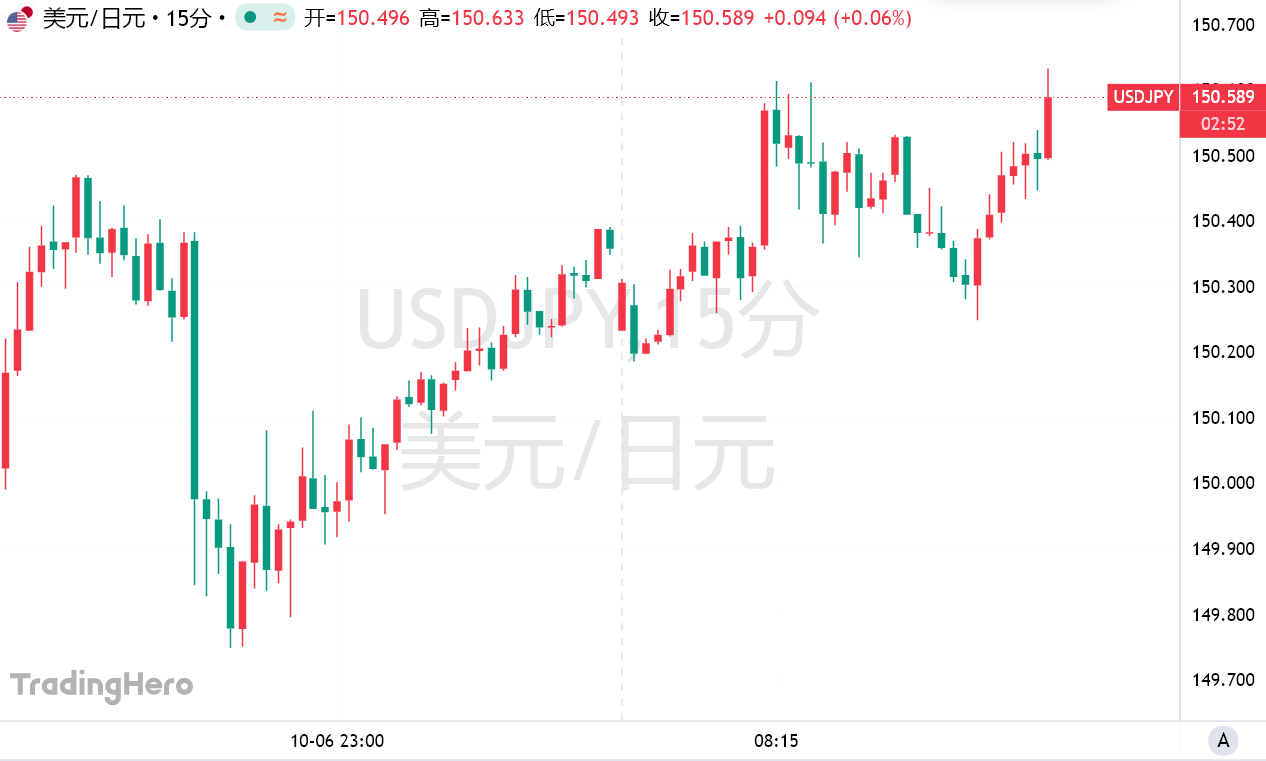
Core Viewpoint - The Bank of Japan's potential interest rate hike in October may be premature, with a suggestion from a key economic advisor to consider December instead [1][2]. Group 1: Economic Policy and Market Reactions - High-profile economic advisor Honda Yoshirou indicates that a 25 basis point hike in December is more feasible than in October, depending on the macroeconomic environment [1]. - Following the election of Sanna Takashi, the market's expectations for an October rate hike have significantly decreased, with the probability dropping from approximately 68% to below 20% [5]. - The Nikkei 225 index surged to record highs, and the USD/JPY exchange rate surpassed the critical 150 mark, reflecting market optimism about potential stimulus measures and a slower pace of rate hikes [2][5]. Group 2: Inflation and Currency Concerns - Honda warns that excessive weakness in the yen could lead to persistent inflation, suggesting that a USD/JPY rate above 150 is excessive [3]. - Despite the recent drop in rate hike expectations, Japan's inflation rate has remained above the Bank of Japan's 2% target for over three years, and the economy has shown consistent growth [5]. Group 3: Political Dynamics and Future Outlook - Takashi's victory was unexpected for some investors, and her stance on maintaining cautious monetary policy aligns with the principles of "Abenomics," which emphasizes flexible fiscal and monetary policies [2][5]. - There is speculation about revising the joint statement from 2013 that underpins the Bank of Japan's aggressive monetary easing, with Takashi considering whether the current agreement is optimal [6][7]. - The relationship between Takashi and U.S. President Trump is anticipated to be positive, potentially influencing Japan's foreign policy and economic strategies [8].
日元汇率大幅贬值!高市早苗力推“放水”政策,恐引发美国不满
Sou Hu Cai Jing· 2025-10-06 09:22
Core Viewpoint - The election of Sanna Takashi as Japan's first female president marks a significant political shift, with potential implications for the economy and financial markets [1][3]. Economic Policy - Sanna Takashi's economic stance aligns with the late former Prime Minister Shinzo Abe, promoting "Abenomics 2.0," which combines active fiscal policy with loose monetary policy [3]. - Her plan includes eliminating temporary taxes on gasoline and diesel to reduce government revenue while increasing subsidies for healthcare and small businesses, leading to a "revenue reduction and expenditure increase" fiscal expansion [3][5]. - The Bank of Japan is expected to raise interest rates twice in 2024, from -0.1% to 0.25%, and further to 0.5% in early 2025, which will increase government debt servicing costs [5]. Market Reaction - Following Takashi's election, the Nikkei index surged by 4.83%, surpassing 48,000 points, reflecting market optimism regarding liquidity expansion [7]. - Conversely, the yen depreciated by 1.83% against the dollar, breaking the 150 mark for the first time since July 31, indicating market concerns about the yen's future [7][10]. International Relations - The yen's depreciation complicates U.S.-Japan relations, as U.S. Treasury Secretary has called for yen appreciation to reduce the trade deficit, while the current situation undermines the effectiveness of U.S. tariffs on Japan [10]. - Takashi's administration may reconsider previous trade agreements, potentially leading to new negotiations or adjustments to existing tariffs, which could further strain U.S.-Japan relations [10][12]. Challenges Ahead - While "Abenomics 2.0" may provide short-term boosts to the stock market, the accumulation of debt risks, increased currency volatility, and rising trade tensions with the U.S. present significant challenges for Takashi's administration [12]. - The broader implications of her policies will influence Japan's role in the Asia-Pacific economic landscape and could have lasting effects on global economic dynamics [12].
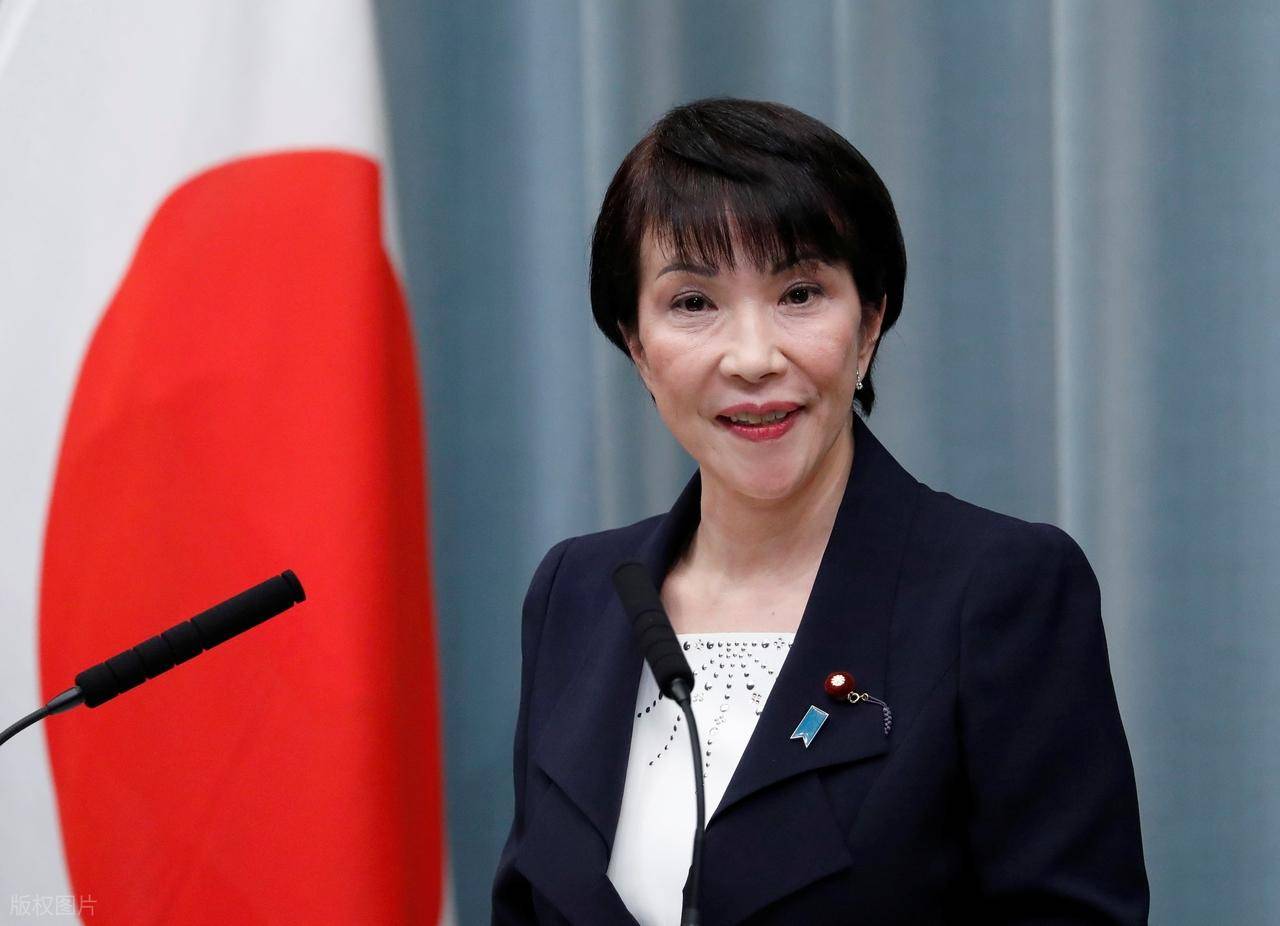
日本央行内部加息呼声渐涨 但10月非“锁定”之选
Zhi Tong Cai Jing· 2025-09-30 04:45
Core Viewpoint - The Bank of Japan retains sufficient space for potential interest rate hikes but does not explicitly indicate an action for October, with a growing number of committee members suggesting the necessity for future rate increases due to high inflation levels in Japan [1][2]. Group 1: Monetary Policy Decisions - The Bank of Japan decided to maintain the benchmark interest rate at 0.5% during the September monetary policy meeting while announcing plans to reduce holdings of exchange-traded funds (ETFs) acquired during years of large-scale stimulus [1]. - A committee member expressed that it may be time to consider another rate hike, but emphasized the need to assess more data before making a decision [1][3]. - The minutes reveal that while most committee members prefer to wait for more data, the proportion of those advocating for a rate hike is gradually increasing [1][2]. Group 2: Market Reactions and Expectations - Following the release of the minutes, the probability of a rate hike at the October 30 meeting is estimated at around 70% according to overnight swap indices, although the yen slightly depreciated against the dollar, indicating that investors did not find clear signals for an imminent rate hike [2]. - A committee member suggested that raising rates in September could surprise market participants, indicating a desire for clear policy signals before any adjustments [2][3]. - The upcoming quarterly Tankan survey is expected to show improved confidence among large manufacturing firms, which could further elevate market expectations for a rate hike if confirmed [3]. Group 3: Economic Outlook - A committee member noted that concerns regarding U.S. tariff policies and overseas risks have eased in the current economic outlook assessment by the Bank of Japan [3]. - The member indicated that it may be time to return to a stance of raising policy rates based on the current economic conditions [4].
告别宽松?日本央行官宣减持ETF 释放政策正常化强烈信号
Xin Hua Cai Jing· 2025-09-19 13:44
Core Points - The Bank of Japan (BOJ) has decided to maintain its policy interest rate at 0.5% and has initiated a historic move to start reducing its holdings of exchange-traded funds (ETFs) and Japanese real estate investment trusts (J-REITs), marking a significant step towards exiting its ultra-loose monetary policy [1][3]. Group 1: Monetary Policy Decisions - The monetary policy committee voted 7 to 2 to keep the interest rate unchanged, with two members advocating for a 25 basis point increase to 0.75%, indicating a rise in "hawkish" sentiment within the committee [2]. - The BOJ plans to reduce its ETF and J-REITs holdings by approximately 620 billion yen (around 4.2 billion USD) annually, which suggests a very gradual approach to minimize market disruption [3]. Group 2: Inflation and Economic Indicators - Japan's core Consumer Price Index (CPI) rose by 2.7% year-on-year in August, down from 3.1% in July, influenced by government subsidies that reduced energy prices [4]. - Despite the overall CPI decline, the "core-core" CPI, which excludes both fresh food and energy, increased by 3.3%, indicating persistent underlying inflation pressures [4]. Group 3: Future Outlook and Risks - BOJ Governor Ueda stated that if economic and price forecasts are met, the bank will continue to raise interest rates, emphasizing the need to monitor domestic and international economic conditions closely [5]. - Political uncertainties, including leadership changes and potential impacts from U.S. tariff policies, are considered significant factors in the BOJ's policy evaluation [6][7].
【环球财经】日本央行维持利率不变 两位委员支持加息
Xin Hua Cai Jing· 2025-09-19 08:47
Core Viewpoint - The Bank of Japan (BOJ) has decided to maintain its benchmark interest rate at 0.5%, awaiting clearer economic conditions amid ongoing economic and political uncertainties [1][2]. Group 1: Economic Conditions - The BOJ is assessing the impact of U.S. tariff policies on both domestic and international economies, which is influencing their decision-making process [1][2]. - Japan's economic growth may slow down due to trade policies affecting global growth, but a re-acceleration is anticipated [2]. - The latest data shows Japan's core Consumer Price Index (CPI) rose by 2.7% year-on-year in August, a significant drop from July but still above the BOJ's 2% target, indicating the need for vigilance regarding inflation [2]. Group 2: Policy Decisions - The BOJ's decision to keep rates unchanged was widely expected following the resignation of Prime Minister Shinto Abe, but two committee members voted in favor of a 25 basis point rate hike, signaling a potential acceleration in policy normalization [1][3]. - The BOJ has begun selling its holdings of ETFs and REITs, reflecting a hawkish stance that has strengthened the yen and affected the stock market [3][4]. - Analysts expect the BOJ to raise interest rates before January next year, with indications that the internal dynamics of the policy committee are shifting towards a faster normalization of monetary policy [4].
日本央行意外启动ETF抛售:步子很大,影响有限?
Hua Er Jie Jian Wen· 2025-09-19 06:27
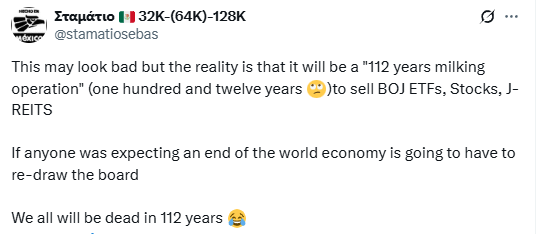
Group 1 - The Bank of Japan maintained its interest rates but unexpectedly announced the initiation of ETF sales, marking a significant step towards gradually exiting large-scale stimulus measures [1][2] - The Bank plans to sell ETFs at an annual rate of approximately 3.3 trillion yen and real estate REITs at about 5 billion yen per year, with the total ETF holdings valued at around 37 trillion yen [1][3] - Despite the large scale of the planned sales, it would take approximately 112 years to completely liquidate the ETF holdings at the current pace, indicating limited immediate market impact [1][3] Group 2 - The recent meeting signaled a clear hawkish stance from the Bank of Japan, with two dissenting votes advocating for an interest rate increase from 0.5% to 0.75%, reflecting growing internal pressure for policy normalization [2][4] - Analysts believe that while the policy shift is significant, the actual market impact is expected to be limited, with some suggesting that the clear path for ETF handling represents an important turning point [5][6] - The impact on different asset classes is anticipated to be varied, with potential structural resistance for major indices like TOPIX and Nikkei, while banks may benefit from a steeper yield curve and improved net interest margins if economic momentum remains stable [5]