
货币政策分化

Search documents
瑞郎年内跌幅超10% 弱势格局延续至2026年
Jin Tou Wang· 2025-12-31 02:33
Group 1 - The core viewpoint indicates that the USD/CHF exchange rate is expected to remain weak, with a cumulative decline of over 10% in 2025 and a potential further drop in 2026 [1] - Divergence in monetary policy is a key driver for the downward trend, with the Federal Reserve cutting rates by 75 basis points in 2025 and a 73.3% probability of an additional 50 basis points cut in 2026, while the Swiss National Bank maintains a 0% interest rate [1] - The Swiss economy shows resilience with an expected growth rate slightly below 1.5% for the year, supported by a trade agreement that significantly reduces tariffs on U.S. exports to Switzerland [1] Group 2 - The technical outlook is bearish, with the exchange rate breaking below the 0.79 support level and the 20-day moving average, indicating a bearish MACD structure [2] - Institutions have mixed short-term views, with Standard Chartered expecting a potential rebound to 0.8060, while UBS maintains a bearish outlook extending into the first half of 2026 [2] - Key short-term data to monitor includes the Federal Reserve minutes, U.S. non-farm payrolls, and Swiss CPI, while long-term focus should be on the USD/CHF interest rate differential and global risk sentiment [2]
瑞郎年末低位震荡 2026年下行趋势难改
Jin Tou Wang· 2025-12-30 02:28
Core Viewpoint - The USD/CHF exchange rate continues to weaken, with expectations for further declines in 2026 due to diverging monetary policies between the Federal Reserve and the Swiss National Bank [2][3] Group 1: Exchange Rate Performance - As of December 30, 2025, the USD/CHF is trading around 0.7895, close to a three-month low of 0.7860, with an annual decline exceeding 10% [1] - The exchange rate has shown a narrow trading range of 0.7880-0.7920 recently, with a lack of sustained momentum for recovery despite a brief technical rebound [1] Group 2: Monetary Policy Divergence - The Federal Reserve has cut interest rates by 75 basis points in 2025, bringing the federal funds rate to a range of 3.50%-3.75%, with a 73.3% probability of an additional 50 basis points cut in 2026 [2] - In contrast, the Swiss National Bank has maintained its benchmark interest rate at 0%, indicating a high threshold for returning to negative rates, despite a drop in the November CPI to the lower limit of 0% [2] Group 3: Additional Factors Influencing the Exchange Rate - The Swiss franc's safe-haven appeal has strengthened, attracting inflows even at zero interest rates amid fluctuating global risk appetite [2] - A trade agreement has significantly reduced tariffs on Swiss goods from 39% to 15%, alleviating export pressures and providing fundamental support for the Swiss franc [2] - The broader weakness of the US dollar, with a decline of approximately 9% in the dollar index, has contributed to the downward movement of the USD/CHF [2] Group 4: Inflation and Policy Challenges - The Swiss National Bank faces dual challenges of deflationary pressures and limited intervention capacity, with a CPI of 0% and a lowered inflation forecast of 0.3% for 2026 [3] - The potential for the Swiss National Bank to reintroduce negative rates is complicated by external pressures, including being labeled a "currency manipulator" by the US [3] Group 5: Market Outlook - Most international investment banks maintain a bearish outlook on the USD/CHF, with expectations of limited short-term rebounds and a long-term downward trend [3] - Key resistance levels for potential rebounds are identified at 0.8060 and 0.8200, while a "bear flag" pattern suggests a possible acceleration of declines if critical support levels are breached [3] - Investors should monitor upcoming Swiss CPI data, Federal Reserve communications, and US non-farm payroll data for potential short-term volatility, while focusing on interest rate differentials and Swiss National Bank policy signals for long-term trends [3]
澳元14个月新高 政策分化商品涨势成核心推手
Jin Tou Wang· 2025-12-30 02:25
澳大利亚国内经济韧性为鹰派政策提供底气。数据显示,10月家庭支出环比增1.3%超预期,三季度 GDP同比增长2.1%,创下2023年三季度以来最快增速,新私人需求与商业投资表现亮眼,驱动力已从 传统矿业延伸至数据中心、民用航空等新兴领域。就业市场保持稳健,11月失业率稳定在4.3%的低 位,虽就业人数小幅减少,但整体市场健康度良好。通胀黏性持续凸显成为澳联储收紧政策的重要依 据,10月整体通胀率从3.6%回升至3.8%,始终高于2%-3%的政策目标区间,12月消费者通胀预期反弹 至4.7%,进一步强化加息预期。 展望后市,澳元兑美元走势将聚焦三大核心线索。其一,澳大利亚通胀数据至关重要,1月底公布的第 四季度CPI数据若超预期走高,将为澳联储2月加息提供直接依据,进一步为澳元添能;其二,澳联储 与美联储政策动向需紧密跟踪,两者加息与降息节奏的差异将直接决定利差格局,美联储1月FOMC会 议纪要将为其政策路径提供关键线索;其三,大宗商品价格走势及中国经济复苏进度将直接关联澳大利 亚出口表现,进而影响澳元基本面支撑。技术面来看,汇价突破14个月高点后上行空间打开,关键阻力 关注0.6800整数关口,回调支撑集中在 ...
2025海外债市风云激荡:“宽松狂欢”到“分化定价”的全球变局
Sou Hu Cai Jing· 2025-12-30 00:40
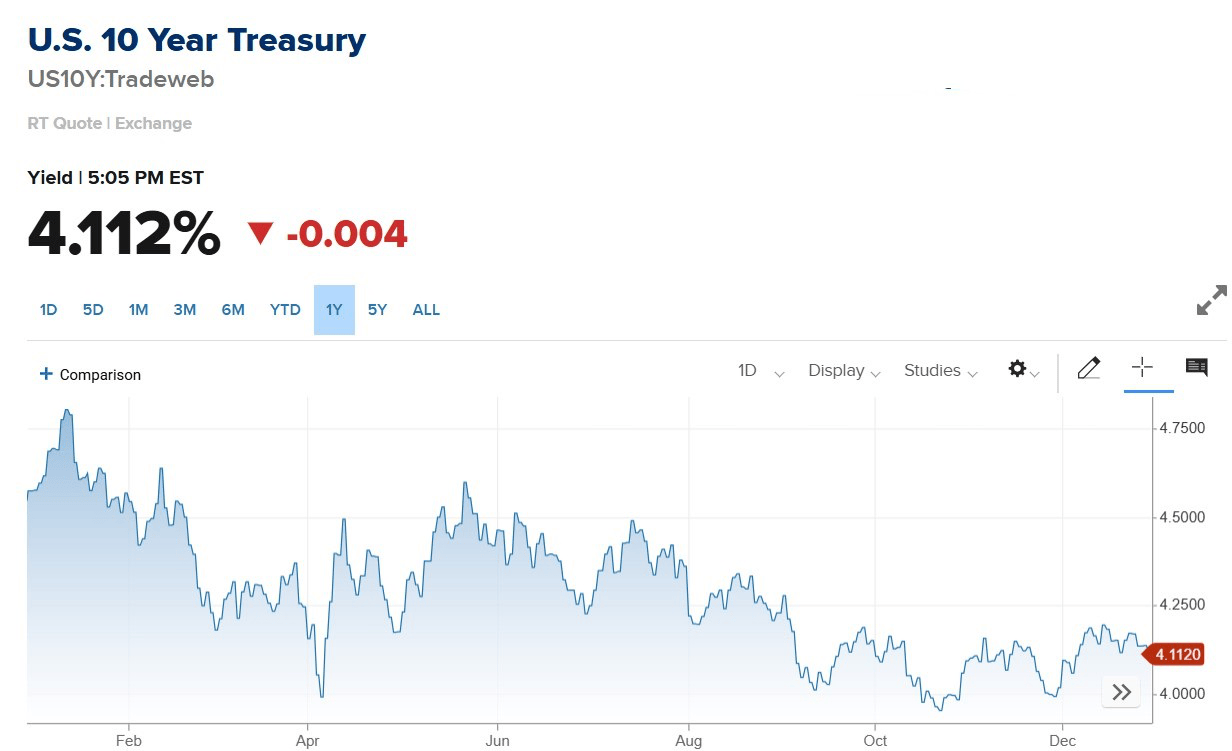
Core Viewpoint - The global bond market in 2025 experienced significant volatility as major central banks shifted from coordinated monetary policies to divergent strategies, reflecting deep concerns over fiscal sustainability and changing investor sentiment towards interest rates and country risk [1][2]. Group 1: Divergence in Monetary Policy - In 2025, major central banks exhibited the most pronounced divergence in policy since the financial crisis, which was a key driver of bond market volatility [2]. - The Federal Reserve's cautious approach led to a total rate cut of 75 basis points by year-end, influenced by cooling inflation and labor market weaknesses [2][3]. - The European Central Bank initially cut rates by 75 basis points but later paused due to inflation uncertainties and concerns over premature policy easing [3]. - The Bank of England aggressively cut rates by 150 basis points to stimulate demand amid a technical recession [2][3]. Group 2: Market Dynamics and Yield Curves - The U.S. Treasury market acted as a "magnifier" of global sentiment, with the 10-year Treasury yield fluctuating between 3.9% and 4.8% throughout the year, characterized by three distinct phases [5][8]. - The first phase saw a decline in yields driven by rate cut expectations, with the 10-year yield dropping to a low of 3.99% [8]. - The second phase was marked by fiscal concerns and inflation anxiety, leading to significant yield fluctuations, with the 10-year yield rising back to 4.6% and 4.5% during the year [8][9]. - The third phase involved a narrowing of yield fluctuations as the market awaited new directions, with the yield ending the year at approximately 4.11% [9]. Group 3: Regional Market Characteristics - The Eurozone bond market faced challenges due to high debt levels and deficit rates, leading to increased risk premiums despite inflation returning to target levels [10][13]. - German 10-year bond yields rose from 2.36% to a peak of 2.938%, reflecting a total increase of about 47 basis points over the year [13]. - The UK bond market struggled with dual pressures of recession and fiscal concerns, with yields fluctuating around 4.49% by year-end [15]. - Japan's bond market underwent a historic shift as the Bank of Japan raised rates for the first time, with the 10-year yield increasing nearly 100 basis points to over 2% [18]. Group 4: Investment Strategy Evolution - Investors shifted from simple "buy and hold" strategies to more active management and tactical adjustments, focusing on high-frequency trading based on economic data and political events [19]. - The definition of "safe assets" evolved, with increased emphasis on credit analysis and fiscal sustainability becoming critical in assessing sovereign bonds [19]. - Duration management became cautious, with many investors adopting a "barbell strategy" to balance short-term and long-term bond investments [19].

澳元政策分化 商品回暖成核心推手
Jin Tou Wang· 2025-12-26 12:49
Core Viewpoint - The Australian dollar (AUD) has strengthened significantly against the US dollar (USD), reaching a nearly 14-month high, driven by divergent monetary policies between the Reserve Bank of Australia (RBA) and the Federal Reserve (Fed) [1][2]. Group 1: Monetary Policy Divergence - The RBA has maintained its policy interest rate, emphasizing upward inflation risks and the possibility of further tightening, which has ended market expectations for rate cuts [1]. - In contrast, the Fed has implemented multiple rate cuts, maintaining a relatively low policy rate, with market expectations leaning towards continued easing in the future [2]. Group 2: Economic Indicators - Australia's economy shows resilience, with strong private demand and business investment, and inflation levels approaching the upper target range, providing a solid foundation for policy stability or tightening [1]. - The weakening of the USD, alongside structural trends, has diminished its attractiveness, indirectly supporting the AUD's rise [2]. Group 3: Commodity Prices and Trade - The AUD benefits from recovering commodity prices and improved demand from China, Australia's largest trading partner, enhancing export prospects [2]. - Prices for key Australian exports like iron ore and coal have stabilized, while precious and industrial metal prices have surged, positively impacting Australia's trade balance [2]. Group 4: Technical Analysis and Market Sentiment - Technical indicators and institutional forecasts suggest a clear upward trend for the AUD, with expectations for further gains if the current strength is maintained [3]. - Major international banks predict that the AUD will continue to rise, with an overall upward shift in its trading range [3]. Group 5: Risks and Future Outlook - Domestic consumption in Australia shows signs of weakness, with a significant drop in consumer confidence and mixed employment market signals, which may hinder economic recovery [3]. - The potential for an overly strong AUD could weaken the competitiveness of non-resource exports, while external risks such as global economic slowdown and trade tensions may lead to volatility [3]. - Investors should monitor Australian inflation data and the Fed's future rate-cutting path, as well as commodity price fluctuations and China's economic recovery, to gauge the AUD's trajectory [3].
美元疲软,贵金属大涨
Sou Hu Cai Jing· 2025-12-24 08:59
期货公司观点 广发期货: 近期贵金属板块集体大涨,国际黄金突破4500美元/盎司,国内沪金创新高,沪银暴涨,铂金、钯金暴 涨。很大一部分原因在于美元指数的疲软。 美联储降息及鸽派政策预期是驱动美元指数近期持续下跌的核心因素。2025年美联储于下半年步入降息 周期,12月10日完成年内第三次降息,将联邦基金利率区间降至3.50%-3.75%,当日美元指数即大跌 0.43%,创下近三个月最大单日跌幅。降息直接压低了美债收益率,显著削弱了美元资产的吸引力,而 美联储主席鲍威尔的表态及点阵图所释放的2026年可能继续降息的信号,进一步强化了市场的宽松预 期,促使资金加速撤离美元。此外,市场对2026年美联储领导层可能出现鸽派更迭、货币政策独立性受 政治干预的担忧,加剧了对美元长期信用的疑虑,进一步放大了美元的贬值压力。与此同时,美国经济 基本面的持续恶化构成了美元下跌的重要支撑,就业市场显著降温,11月失业率升至4.6%,创下2021 年10月以来的新高,非农新增就业人数大幅减少且前期数据下修,薪资增速同步放缓;经济增长动能明 显走弱,12月制造业PMI初值跌至五个月新低,服务业与综合PMI同步下滑,市场对美国经济衰 ...

澳储行鹰派支撑澳元上行
Jin Tou Wang· 2025-12-24 03:01
12月24日,澳元兑美元延续近期上行态势,亚洲交易时段盘中最高触及0.6713,截至发稿报0.6711,较 前一交易日上涨0.0012,日内涨幅0.1642%。年内以来,在澳储行政策立场偏鹰、美联储持续宽松的格 局下,澳元兑美元累计涨幅显著,核心驱动源于澳美货币政策分化,叠加商品价格回暖等因素共振。 澳储行的鹰派基调成为澳元走强的关键支撑。12月,澳储行如期维持政策利率在3.6%不变,行长 Bullock明确表态无需更多降息,未来可能延续观望或加息立场。这一表态显著提升市场对其明年加息 的预期,押注概率升至三成以上,推动澳债收益率走高。政策延续的背后,是澳大利亚经济的韧性与潜 在通胀压力:内需表现强于预期,虽面临productivity下滑带来的通胀隐忧,但央行强调需更长时间评估 通胀持续性,为政策稳定乃至收紧提供基础。 机构普遍看好澳元兑美元后续表现,对华态度偏向积极。华侨银行建议逢低买入澳元,并预测其2026年 或跑赢其他主要货币。从技术面来看,澳元兑美元近期站稳0.67关口后震荡上行,下方关键支撑集中在 0.6695-0.6700区间,若能守住该区间,上行趋势有望延续;上方阻力重点关注0.6750关口, ...
瑞士通缩压力瑞郎避险强化
Jin Tou Wang· 2025-12-24 03:01
Core Viewpoint - The recent weakness of the USD/CHF exchange rate is primarily driven by the divergence in monetary policies between the Federal Reserve and the Swiss National Bank, alongside Switzerland's deflationary pressures and the strengthening of the Swiss franc's safe-haven appeal [1][2]. Group 1: Swiss National Bank Policy - The Swiss National Bank (SNB) maintained its policy rate at 0% during its monetary policy meeting on December 11, which was in line with market expectations [1]. - Despite significant deflationary pressures, with November CPI growth at 0%, the SNB's commitment to not returning to negative interest rates has tempered expectations for aggressive easing [1]. - The Swiss economy shows resilience, with slight growth in manufacturing and services offsetting a contraction in the pharmaceutical sector, supporting the SNB's stable policy stance [1]. Group 2: Federal Reserve Policy - The Federal Reserve's recent decision to lower the federal funds rate target range by 25 basis points to 3.5%-3.75% marks the third consecutive rate cut this year, totaling a 75 basis point reduction [2]. - The Fed's shift in focus from anti-inflation to supporting employment indicates a significant policy change, contributing to the USD's weakness against the CHF [2]. - Internal divisions within the Fed regarding the policy path further diminish the attractiveness of the USD, as some members advocate for more aggressive easing or maintaining current rates [2]. Group 3: Market Dynamics and Exchange Rate Outlook - The SNB's intervention challenges are compounded by the Swiss franc's safe-haven status, which has attracted significant capital inflows despite a 0% interest rate environment [3]. - The potential for a technical rebound in the USD/CHF exchange rate exists, with short-term resistance levels identified at 0.8060 and 0.8200, while support is focused around 0.7870 [3]. - Overall, market sentiment leans towards a medium to long-term bearish outlook for the USD/CHF exchange rate, with prevailing bearish momentum limiting short-term rebound potential [3]. Group 4: Future Considerations - Key factors to monitor include Swiss inflation data and SNB policy statements, as further downward adjustments in inflation expectations could reignite discussions on negative interest rates [4]. - The Federal Reserve's rate decisions and economic data, particularly non-farm payroll and GDP figures, will clarify its easing trajectory [4]. - The implementation effects of the US-Swiss trade agreement and shifts in global risk sentiment will also be critical variables influencing exchange rate fluctuations [4].
央行博弈下镑美短线反弹
Jin Tou Wang· 2025-12-24 02:38
Group 1 - The British pound stabilized around 1.3405 against the US dollar after a three-day decline, indicating a balance between bullish and bearish factors [1] - The Bank of England announced a 25 basis point rate cut to 3.75%, marking the lowest level in nearly three years, with a 5:4 voting result [1] - The Bank of England's decision reflects a cautious approach, emphasizing data dependency for future rate changes, suggesting the current easing cycle may be nearing its end [1] Group 2 - Market sentiment remains cautious ahead of the UK Q3 GDP data release, with investors reducing directional bets to avoid volatility [2] - Technical analysis shows the GBP/USD pair has established support around 1.3300, with resistance levels between 1.3420 and 1.3450 [2] - The divergence in monetary policy between the Bank of England and the Federal Reserve is expected to be a key driver for the exchange rate in the short term [2]
2025世界经济回眸丨发达经济体货币宽松政策走向转折点
Xin Hua Wang· 2025-12-22 02:02
2025年全球主要央行继续实施货币宽松政策,但不少发达经济体货币宽松已至尾声,普遍"踩刹 车"的趋势日益清晰。未来,在全球经济"韧性修复"与"风险犹存"的博弈中,主要经济体货币政策或呈 现出差异化的审慎调整态势。面对"弱增长+缓通胀"格局,各国央行在政策工具箱中艰难寻求平衡。 部分央行降息步伐趋于放缓 2025年12月10日,美联储宣布将联邦基金利率目标区间下调25个基点至3.5%至3.75%之间,这是美 联储自2025年9月以来连续第三次降息,也是自2024年9月启动本轮降息周期以来第六次降息。2025年美 联储已累计降息75个基点。 美联储在最近一次降息后对其未来政策路径给出了"模糊的前景"。分析人士指出,随着其他发达经 济体暂停或结束宽松周期,而某些国家央行甚至准备加息,美联储未来若继续降息,则可能陷入"独自 行动"的境地,这将重塑全球资本流动和资产定价的逻辑。 目前,美国滞胀风险与股市泡沫风险并存,若美联储因政治压力激进降息,可能加剧科技股过热或 通胀压力;同时,美联储独立性受损可能动摇美元信誉,加速货币体系多元化进程。此外,全球风险管 理体系需要适应资本流动波动和政策不确定性,防范热钱快进快出对新兴 ...