预制菜

Search documents
西贝创始人贾国龙清空社交账号!
证券时报· 2025-09-28 04:40
Core Viewpoint - The article discusses the recent controversies surrounding Xibei Catering, particularly focusing on the founder's response to allegations of using pre-prepared dishes and the company's subsequent public relations efforts to address customer concerns [9][11][14]. Group 1: Company Background and Financials - Xibei Catering, founded by Jia Guolong, is recognized as a leader in the Northwest cuisine sector, with an annual revenue of 6.2 billion [3]. - The founder's social media presence has been notably reduced, with his Xiaohongshu and video accounts cleared, and only one public video remaining on Douyin [1][3]. Group 2: Recent Controversies - The controversy began with a statement from entrepreneur Luo Yonghao, claiming that Xibei's dishes were mostly pre-prepared and overpriced, which led to a strong rebuttal from Jia Guolong, who insisted that no dishes in Xibei are pre-prepared [11][30]. - Following the backlash, Xibei issued an apology and committed to improving its food preparation processes by transitioning from centralized kitchen operations to on-site cooking in stores by October 1, 2025 [11][22][27]. Group 3: Public Relations Efforts - A public relations article titled "Xibei Flavor Morning Read" was published, portraying a child's emotional connection to the brand, but it faced criticism and was subsequently deleted [9][10]. - The company has acknowledged the gap between its production processes and customer expectations, promising to implement several changes, including using non-GMO soybean oil and preparing children's meals on-site [22][27]. Group 4: Customer Engagement and Future Commitments - Xibei has expressed a commitment to transparency and customer engagement, inviting feedback and suggestions for improvement [28]. - The founder emphasized the importance of customer trust and vowed to uphold high standards of food safety and quality [22][28].


贾国龙清空多平台账号内容,此前西贝公关文再引争议,9年老客户起诉其欺诈、虚假广告
Sou Hu Cai Jing· 2025-09-28 04:18
Core Points - The founder of Xibei Catering, Jia Guolong, has cleared his social media accounts, including Xiaohongshu and video accounts [1] - Xibei's annual revenue is reported to be 6.2 billion [4] - A recent controversy involving Xibei and pre-made dishes has led to public backlash and legal action [9][11] Group 1 - Xibei's official account shared a video about a mother whose child learned to eat at Xibei, which moved Jia Guolong to tears, but the video has since been removed [9] - The official account "Xibei Taste Morning Read" has been set to private, requiring approval to follow [11] - A lawyer, who has been a client of Xibei for nine years, filed a lawsuit against the company for alleged fraud and false advertising related to their use of pre-made dishes [11] Group 2 - The lawsuit includes claims for triple compensation and demands for transparency in food ingredients [11] - The lawyer submitted over 86,000 yuan in consumption records as evidence, alleging that Xibei misrepresented its food as "organic" and "freshly cooked" while using frozen semi-finished products [11] - The lawsuit also highlights contradictions in Xibei's marketing of children's meals [11]
金字火腿拟跨界半导体;西贝投资成立新公司;百事任命首席科学官
Sou Hu Cai Jing· 2025-09-28 03:18
Investment Dynamics - McDonald's China plans to invest over 400 million RMB in talent training and development over the next three years, focusing on upgrading its Hamburger University with three main directions: "smarter, more open, and more focused on holistic growth" [3] - Jinzi Ham announced a plan to acquire up to 300 million RMB for a 20% stake in Zhongsheng Microelectronics, indicating a strategic shift towards the semiconductor industry due to slow growth in its main business [5] - Heineken announced a cash acquisition of Florida Ice and Farm Company (FIFCO) for 3.2 billion USD (approximately 227.52 billion RMB), expanding its beverage and retail business in Central America [7] Brand Dynamics - Xibei has established a new restaurant management company, Fan Jiji, with a registered capital of 500,000 RMB, aiming to isolate risks from its main brand due to declining customer traffic [9] - Xiaobing Xiaobing has formed a new restaurant management company, Xiaoniu, with a registered capital of 50 million RMB, marking a shift towards a "headquarters platform + partner" model [13] - Starbucks has launched a limited edition product line inspired by Dunhuang murals, enhancing store efficiency and providing a replicable model for "coffee + cultural tourism" [16][17] Product Development - Magnum Ice Cream plans to utilize AI technology from NotCo to reformulate products and develop new offerings, marking a significant step in AI-driven food research [20] Personnel Dynamics - René Lammers has been appointed as Executive Vice President and Chief Research and Innovation Officer at Estée Lauder, effective October 1, indicating a shift in R&D strategy to a board-level decision-making process [23] - The CFO of China Resources Beer, Zhao Wei, has resigned, creating a potential gap in financial decision-making at a critical time [26] - Wei Zhe has been appointed to the Food Safety and Sustainability Committee of Yum China, reflecting an upgrade of ESG and food safety oversight to the board level [29]



请回答「Knock Knock 世界」NO. 250928
声动活泼· 2025-09-27 23:03
Group 1 - The article discusses the concept of "menstrual shame" and aims to desensitize young audiences to this topic through the "Knock Knock World" podcast [2] - It highlights the growing interest in pre-prepared meals in the restaurant industry, particularly mentioning the case of Xibei and the public's reaction to it [2] - The article raises questions about the quality of school lunches in Shanghai and the lack of attention from the education authorities regarding this issue [2] Group 2 - The "Knock Knock World" podcast is produced by "Shengdong Huopo" and "Shifen Zhi Yi," targeting young audiences to explore global news and diverse thinking [7] - The podcast releases episodes every Monday, Wednesday, and Friday at 6:00 AM, with each episode lasting approximately 10 minutes [9] - The first season of "Knock Knock World" is available on major audio platforms, with a subscription price of 365 yuan per year [10]

米村拌饭把预制菜玩通关了
半佛仙人· 2025-09-27 05:10
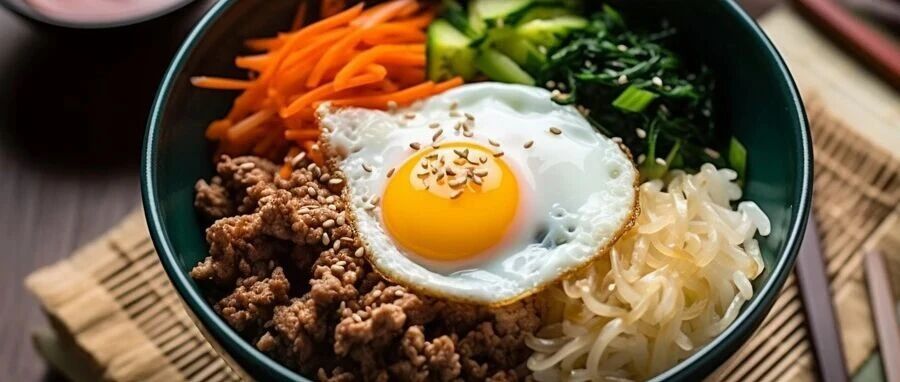
这是半佛仙人的第1884篇原创 周末不卷,随便写点。 最近连吃了好几天的米村拌饭。 不是因为觉得好吃,味道就那样,甚至感觉除了服务员基本都是预制的。 但我发自心内的不觉得有问题。 因为他们已经用尽全力演了。 米村拌饭,简直是预制菜的亲爷爷。 真的,我越吃越觉得6,而且哪怕你知道一切都是预制的,你也服气。 米村拌饭的核心竞争力是那个【石锅】。 呲溜呲溜,热气腾腾。 锅子热到烫手。 石锅端上来很烫,吃完了还是烫。 就这个烫的程度,会让你很快就忘却了这是从冷冻车间生产出来通过冷链运输运到店里的 原料。 用刺啦刺啦的声音,用铁板上冒着的热气,来完成一个【预制菜—现制菜】在你心理上的 转化。 客观:半成品。 理智:就是预制的。 感官:太锅气了,太6了,这就是现做的。 关键是,米村拌饭选择的这个品类也非常合适。 1 石板拌饭,金枪鱼拌饭,香辣鱿鱼,都是对料理技艺的需求并不高的菜品,预制和现制的 差别极其小。 哪怕你让米其林三星的大厨,用上全世界最好的材料来做,做出来也就那样。 它的天花板就在这里了。 这不是缺点,这甚至是优点。 简而言之,就是: 演的如此认真,以至于你也承认没有功劳也有苦劳。 你都不好意思不认。 预制菜最 ...
日辰股份跌2.04%,成交额5239.64万元,主力资金净流出238.02万元
Xin Lang Zheng Quan· 2025-09-26 05:35
Company Overview - Day Chen Co., Ltd. is located in Qingdao, Shandong Province, and was established on March 23, 2001. It was listed on August 28, 2019. The company specializes in the research, production, and sales of compound seasonings, primarily targeting food processing and catering enterprises with customized seasoning solutions [2]. Financial Performance - As of June 30, 2025, Day Chen achieved operating revenue of 204 million yuan, representing a year-on-year growth of 8.63%. The net profit attributable to the parent company was 35.23 million yuan, reflecting a year-on-year increase of 22.64% [2]. - The company has distributed a total of 202 million yuan in dividends since its A-share listing, with cumulative distributions of 88.11 million yuan over the past three years [3]. Stock Performance - Year-to-date, Day Chen's stock price has increased by 15.02%. In the last five trading days, it rose by 0.35%, while it gained 13.29% over the past 20 days and 19.38% over the last 60 days [2]. - As of September 26, the stock price was 30.66 yuan per share, with a market capitalization of 3.023 billion yuan [1]. Shareholder Information - As of June 30, 2025, the number of shareholders for Day Chen was 6,357, an increase of 2.81% from the previous period. The average circulating shares per person decreased by 2.74% to 15,512 shares [2]. - Among the top ten circulating shareholders, CITIC Prudential Multi-Strategy Mixed Fund (LOF) A is the seventh largest shareholder, holding 950,600 shares as a new shareholder [3].

五芳斋涨2.10%,成交额2378.94万元,主力资金净流入132.88万元
Xin Lang Cai Jing· 2025-09-26 03:01
Core Insights - Wufangzhai's stock price increased by 2.10% on September 26, reaching 17.97 CNY per share, with a total market capitalization of 3.542 billion CNY [1] - The company has seen a year-to-date stock price increase of 0.32%, with a recent decline of 1.86% over the last five trading days [2] Financial Performance - For the first half of 2025, Wufangzhai reported a revenue of 1.592 billion CNY, reflecting a year-on-year growth of 0.66%, while the net profit attributable to shareholders decreased by 16.70% to 195 million CNY [2] - Cumulative cash dividends since the company's A-share listing amount to 347 million CNY [3] Shareholder Information - As of June 30, 2025, the number of shareholders increased by 34.30% to 16,700, with an average of 7,295 circulating shares per shareholder, a decrease of 25.54% [2] - The top ten circulating shareholders include Dazhong Strategy Return Mixed A, which holds 1.2532 million shares, down by 969,300 shares from the previous period [3] Business Overview - Wufangzhai, established on April 27, 1998, specializes in the research, production, and sales of glutinous rice-based food products, with its main revenue sources being zongzi (81.88%), egg products, pastries, and others (11.56%), and meal series (4.36%) [2] - The company operates within the food and beverage industry, specifically in the food processing sector, and is associated with concepts such as prepared dishes, high dividends, e-commerce, and small-cap stocks [2]

温氏股份跌2.11%,成交额3.30亿元,主力资金净流出1273.65万元
Xin Lang Cai Jing· 2025-09-25 02:17
Group 1 - The core viewpoint of the articles highlights the recent performance and financial metrics of Wens Foodstuff Group Co., Ltd, including stock price fluctuations and revenue growth [1][2][3] - As of September 25, Wens' stock price decreased by 2.11% to 18.58 CNY per share, with a total market capitalization of 123.63 billion CNY [1] - The company has seen a year-to-date stock price increase of 13.91%, with a 2.62% decline over the last five trading days [1] Group 2 - For the first half of 2025, Wens reported a revenue of 49.88 billion CNY, reflecting a year-on-year growth of 6.67%, and a net profit of 3.48 billion CNY, which is a significant increase of 161.77% [2] - The company has distributed a total of 28.12 billion CNY in dividends since its A-share listing, with 4.94 billion CNY distributed in the last three years [3] - As of June 30, 2025, the number of shareholders decreased by 20.62% to 91,000, while the average circulating shares per person increased by 43.71% to 65,602 shares [2][3]

只懂教育人的太二酸菜鱼,终于学会讨好消费者了?
3 6 Ke· 2025-09-24 08:48
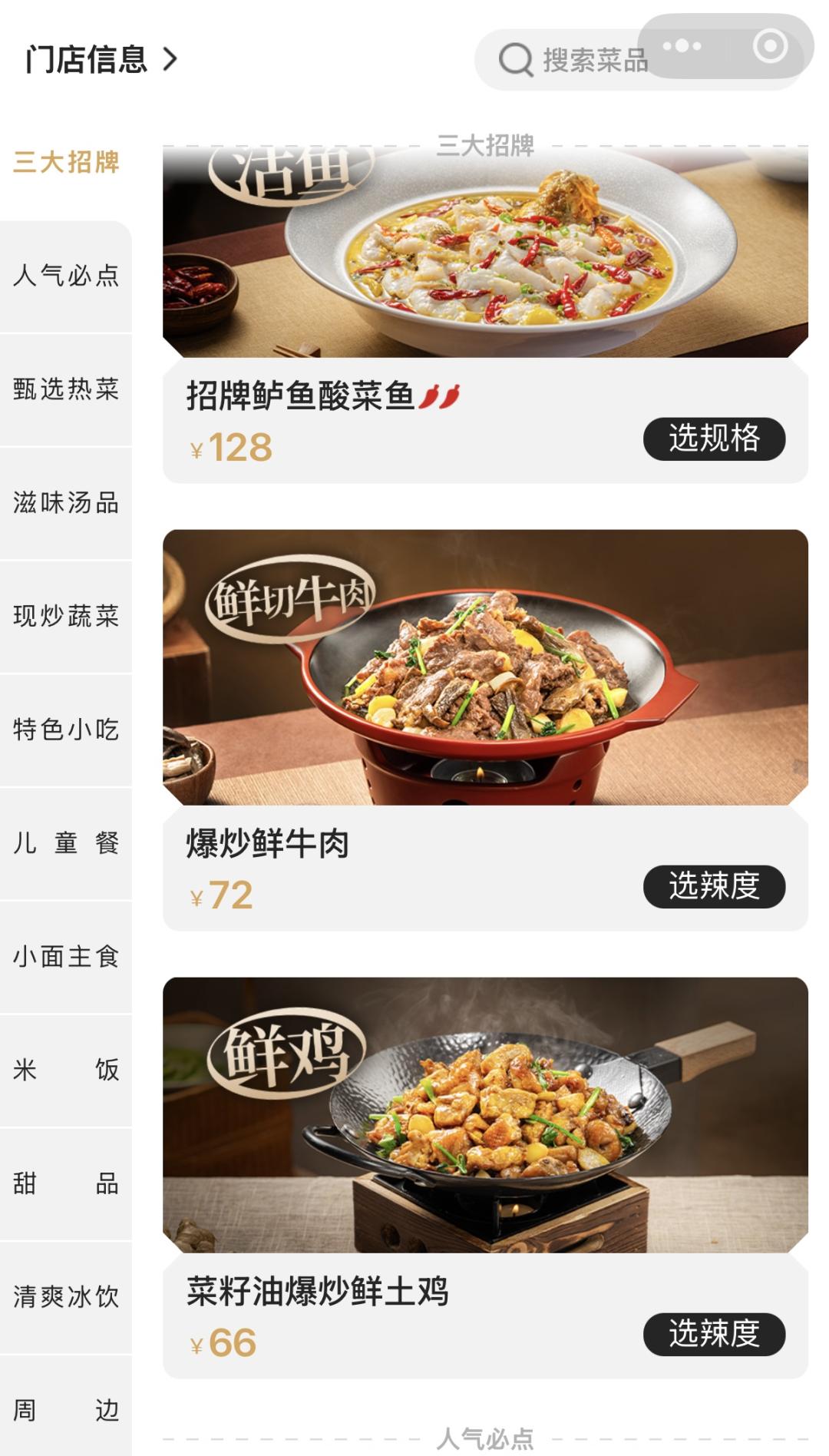
Core Viewpoint - The company "Tai Er" is undergoing a significant transformation, focusing on fresh ingredients and a new dining experience to address consumer concerns about pre-prepared dishes and to rejuvenate its brand image after a decade in the market [1][4][20]. Group 1: Company Overview - Tai Er, established in 2016, is a key member of the Jiumaojiu restaurant group and has recently initiated a "fresh upgrade" plan to modernize its brand and menu [4][20]. - The company has faced challenges over the years, including controversies surrounding pre-prepared dishes and strict dining rules, which have led to a need for market adjustments [4][20]. Group 2: Menu and Dining Experience Changes - The new menu features hot dishes and highlights fresh ingredients such as live fish, fresh chicken, and beef, aiming to attract consumers wary of pre-prepared meals [1][4][6]. - The restaurant's interior has been redesigned with a more inviting atmosphere, including an open kitchen concept that allows customers to see food preparation [1][5][6]. Group 3: Consumer Reactions - Consumer feedback on the upgrades has been mixed, with some appreciating the new offerings and ambiance, while others remain skeptical about the authenticity of the "live fish" concept due to quick service times [4][9][12]. - The company is attempting to rebuild trust with consumers by emphasizing transparency and freshness, but some customers still question the execution of these promises [9][12][22]. Group 4: Market Position and Challenges - Despite the upgrades, Tai Er has experienced a slowdown in expansion, with a notable reduction in the number of self-operated stores from 612 to 547 by mid-2025 [18][20]. - The brand's previous strict dining rules have been relaxed, indicating a shift in strategy to adapt to changing consumer preferences and market conditions [18][20][27].
山姆上架太二酸菜鱼预制菜,九毛九转型寻求新增长
Xi Niu Cai Jing· 2025-09-24 05:48
Group 1 - The core point of the news is that Sam's Club has launched several prepared dishes from Jiu Mao Jiu Group, indicating a significant increase in the company's focus on the retail channel for prepared foods [2] - Jiu Mao Jiu Group's traditional restaurant business is facing challenges, with a reported revenue of 2.753 billion yuan and a net profit of 61 million yuan for the first half of 2025, while the revenue from prepared food sales surged from 54.96 million yuan in the first half of 2024 to 132 million yuan in the first half of 2025, marking a 140% increase [2] - The prepared food segment has become the only rapidly growing area for Jiu Mao Jiu Group amidst declining revenues from its three core brands [2] Group 2 - The brand "Tai Er Sauerkraut Fish," once a dining sensation, has seen its table turnover rate drop from 4.9 times per day in 2019 to 2.2 times per day by mid-2025, with the average customer spending decreasing from 80 yuan to 73 yuan [3] - In response to operational pressures, Jiu Mao Jiu Group is actively seeking transformation by launching the "5.0 Fresh Model" for Tai Er, which includes renovations and the addition of chefs for on-site cooking to enhance food freshness [3] - The rapid development of the prepared food retail business is seen as a critical breakthrough for the group in light of sluggish growth in dine-in services [3]