连锁加盟

Search documents
中国连锁加盟商业发展白皮书2026
Hong Can Chan Ye Yan Jiu Yuan· 2026-01-31 09:42
Investment Rating - The report does not explicitly provide an investment rating for the chain franchise industry in China Core Insights - The scale of China's chain franchise industry is approaching 3 trillion yuan, with the "brand invitation" model gradually becoming the mainstream of the industry [7][21] - The industry has undergone five stages of development, transitioning towards compliance, professionalism, and ecological upgrades [8] - The rise of professional and super franchisees is reshaping the market, with a focus on standardized and regulated franchise processes [9][18] - The shift from a "quick franchise" model to a "brand invitation" model emphasizes long-term value and operational quality [33] Summary by Sections 1. Industry Overview - China's chain franchise industry is nearing a scale of 3 trillion yuan, with the brand invitation model becoming the mainstream [7] - The industry has evolved through five stages: exploratory, initial, regulatory, mature, and brand invitation era, reflecting changes in policy, technology, and market demand [8] 2. Current State of Franchise Operations - Franchisees are increasingly focusing on meticulous management, with a trend towards multi-brand strategies [46] - Approximately 90% of market participants operate two or more brands, indicating a diversification strategy [46] - The majority of franchisees (63.1%) focus on a single industry, emphasizing deep exploration of niche markets [48] 3. Characteristics of Franchisee Groups - The report highlights the emergence of professional and super franchisees as the dominant groups in the market [9] - Franchisees prefer to manage their stores independently, with a significant portion of the restaurant industry adopting self-management models [60] 4. Case Analysis - The timing of entry and store models are critical for franchisee success, with a need for multi-dimensional evaluation in popular sectors [44] 5. Franchise Operation Strategies - Key factors for investment effectiveness include product selection, site selection, and operational fit [5] 6. Industry Trends - The industry is witnessing parallel developments in digitalization and refined operations, with supply chain integration and differentiated niche markets becoming new competitive paths [5][18] - The supply chain's maturity is reducing information asymmetry between sectors, leading to intensified competition and shorter franchise store lifecycles [35]
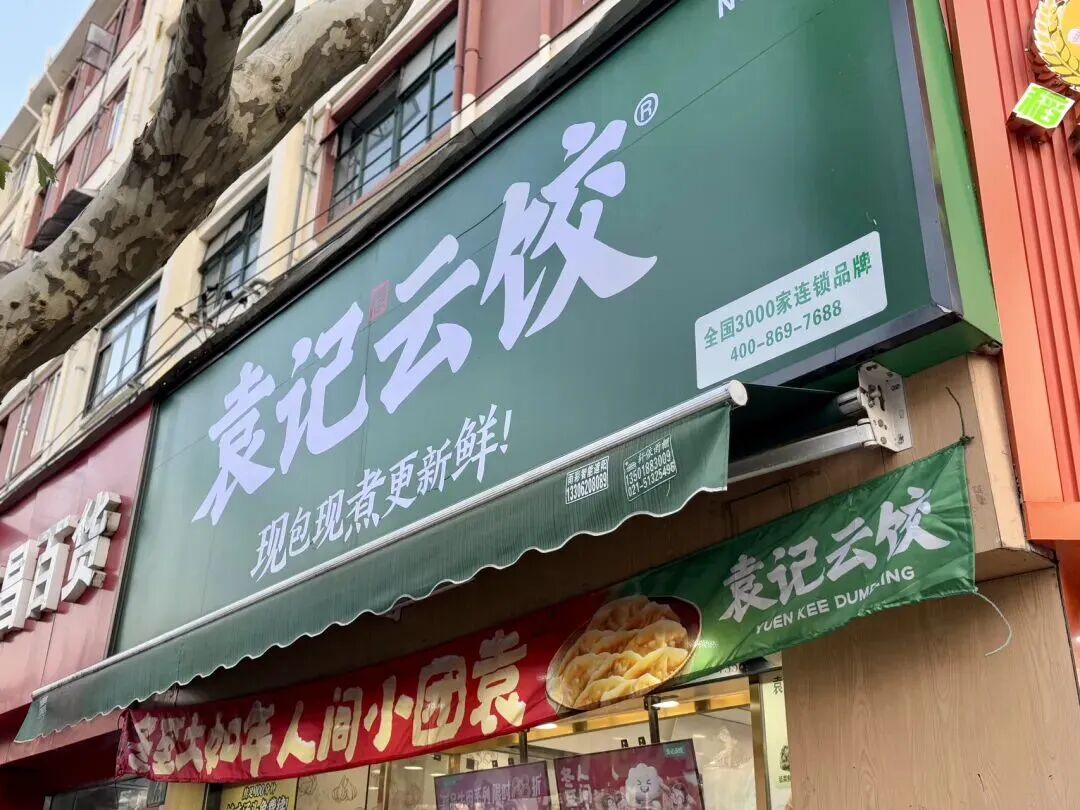
饺子吃出蚯蚓余波未平,袁记食品携4266家门店冲刺港股
Guo Ji Jin Rong Bao· 2026-01-21 11:29
Core Viewpoint - Yuanji Food Group has submitted its main board listing application to the Hong Kong Stock Exchange, aiming to expand its market presence and capitalize on growth opportunities in the Chinese and overseas markets [1] Group 1: Company Overview - Yuanji Food is the largest Chinese fast-food enterprise and the largest dumpling and wonton company in China based on GMV in retail and dining [1] - The company operates two brands: "Yuanji Wontons" focusing on community stores and "Yuanji Weixiang" targeting retail scenarios [3] - As of September 2025, Yuanji Food plans to have a total of 4,266 stores globally, with a significant presence in mainland China [3] Group 2: Market Expansion - The company has begun its overseas expansion, with 53 stores outside mainland China, primarily in Hong Kong and Macau, and plans to enter Singapore and Thailand [4] - Part of the IPO proceeds will be used to enhance overseas supply chain construction and explore potential investment and acquisition opportunities in Southeast Asia, East Asia, Europe, and North America [4] Group 3: Financial Performance - The total number of orders increased from 183 million in 2023 to 253 million in 2024, with GMV rising from 4.772 billion to 6.248 billion yuan, a growth of 30.9% [6] - Revenue for 2023 and 2024 was 2.026 billion and 2.561 billion yuan, respectively, with a year-on-year growth of 26.4% [9] - The adjusted net profit for 2023, 2024, and the first nine months of 2025 was 178 million, 180 million, and 192 million yuan, with adjusted net profit margins of 8.8%, 7%, and 9.7% [12] Group 4: Operational Challenges - The rapid expansion through the franchise model has led to food safety issues, highlighted by a consumer incident involving a worm found in a dish [7] - Complaints regarding food safety have surged, with 382 complaints reported on the Black Cat Complaints platform, prompting the company to enhance its food safety measures [7][8] - The company operates five self-owned factories and a comprehensive cold chain storage network, ensuring supply chain efficiency [8] Group 5: Revenue Model - The primary revenue source for Yuanji Food comes from selling ingredients to franchisees, with over 95% of revenue derived from product sales [9] - The cost of goods sold is significantly high, with raw material costs comprising over 85% of total sales costs [9] - Marketing expenses remain low, consistently under 5% of total revenue [11]

FAT Brands(FAT) - 2026 FY - Earnings Call Transcript
2026-01-13 15:32
Financial Data and Key Metrics Changes - The company reported a cautious but cautiously optimistic consumer environment, with recent weeks showing significant sales improvements [5] - Same-store sales were down approximately 3% to 3.5% across all 18 brands, which is considered manageable in the current environment [28] - The company has sold around 200 new franchise units and opened over 70 new stores, with plans to open another 100 this year [28] Business Line Data and Key Metrics Changes - The company has expanded its portfolio to 18 brands, including high-growth brands like Fatburger, Johnny Rockets, and Round Table Pizza [4][7] - The manufacturing operation, which produces cookie dough and pretzel mix, has increased its capacity utilization from 30% to 45%, generating approximately $15 million in annual EBITDA [11][12] Market Data and Key Metrics Changes - The company has seen a shift towards cautious consumer spending, but there are signs of improving consumer confidence due to factors like refund checks [5] - The development pipeline indicates strong franchisee confidence, with existing franchisees purchasing more units [6] Company Strategy and Development Direction - The company focuses on co-branded and multi-branded locations, which are expected to generate 10% to 20% higher revenues compared to standalone units [8] - The strategy includes converting select Smokey Bones locations into Twin Peaks, which has shown a potential to double sales in converted units [18][21] Management's Comments on Operating Environment and Future Outlook - Management acknowledges the challenges posed by rising interest rates and a difficult equity market, but emphasizes the strength of the brand portfolio and the potential for restructuring debt [24][25] - The company aims to restructure its debt to make it more manageable, as the current debt is non-recourse to FAT Brands and secured at the brand level [23][24] Other Important Information - The company has faced significant costs related to a government investigation, amounting to $75 million, which has impacted cash flow [25] - The management team is focused on maintaining brand health and leveraging the manufacturing business for additional growth opportunities [29] Q&A Session Summary Question: What is the current state of the consumer? - Management noted a cautious but cautiously optimistic consumer environment, with recent sales improvements [5] Question: How is the development pipeline looking? - The company has sold a couple hundred incremental franchise units in recent years, indicating strong franchisee confidence [6] Question: What are the growth opportunities in non-traditional locations? - Non-traditional locations can be lucrative if they have good traffic flow, and the company is exploring opportunities in places like universities and airports [10] Question: How does the manufacturing operation fit into the long-term strategy? - The manufacturing facility is expected to utilize excess capacity and generate high margins, contributing to overall profitability [11][12] Question: What is the strategy for Twin Peaks and Smokey Bones? - The company is converting select Smokey Bones into Twin Peaks, which has shown promising sales increases [18][21] Question: How is the company addressing its financial position? - Management is in discussions to restructure debt and is looking for practical solutions to improve the financial situation [26][27]

加盟店大增的老乡鸡,何以在外卖大战中吃到甜头
Hua Er Jie Jian Wen· 2026-01-11 06:14
Core Viewpoint - The company, Lao Xiang Ji, has submitted its third prospectus for its IPO in Hong Kong, showcasing its growth and expansion strategy in the fast-food industry. Group 1: Financial Performance - In the first eight months of 2025, the company's revenue reached 4.58 billion yuan, representing a year-on-year growth of 10.9% [2] - The gross profit margin increased by 0.7 percentage points to 24.6%, while the net profit margin slightly rose by 0.1 percentage points to 8.1% [8] Group 2: Store Expansion and Strategy - As of August 2025, the total number of stores increased by 179 to 1,658, with a significant portion of stores still located in Anhui province [2][3] - The company employs a balanced strategy of deepening its presence in Anhui while expanding into other provinces, with 86.5% of its stores located in the East China region [3] - Lao Xiang Ji is the largest Chinese fast-food brand in East China by transaction volume, holding a market share of 2.2%, which is 2.5 times that of its second-largest competitor [3] Group 3: Franchise Model - The number of franchise stores reached 733, accounting for nearly 44% of total stores, a significant increase from 18.8% in 2023 [5] - The company has optimized its store structure by converting mature direct-operated stores into franchise stores and allowing qualified former employees to open franchises [4] - Lao Xiang Ji's franchise model is among the highest in the industry, with competitors like Jian Jian Xiao Mian and Yum China having lower franchise ratios [6] Group 4: Supply Chain and Cost Structure - The company has established a comprehensive supply chain, including two central kitchens, three chicken farms, and eight distribution centers, which supports its rapid franchise expansion [3] - The company charges a management fee of 6% based on the monthly sales of franchise stores [7] - The average platform service fee rate for direct-operated store delivery business was 17.9% in 2024 and 17.5% in the first eight months of 2025 [10]
Tims天好中国总门店数达到1030家
Bei Jing Shang Bao· 2025-12-09 12:04
Core Insights - Tim Hortons China reported a total revenue of 358 million RMB for Q3 2025, with a system sales increase of 12.8% year-on-year [1] Financial Performance - The total number of stores reached 1,030, comprising 551 self-operated stores and 479 franchise stores, covering 91 cities nationwide [1] - For the first nine months of 2025, the costs and expenses of self-operated stores decreased by 10.9% year-on-year [1] Operational Strategy - The company is upgrading self-operated stores with real-time production improvements and closing underperforming locations to enhance operational efficiency and overall network health [1] - Tim Hortons China is actively expanding its franchise system with a diverse franchise policy, particularly targeting transportation hubs for recruitment [1] Franchise Growth - The number of franchise stores increased to 479 across 14 provinces, contributing to other income rising to 75.13 million RMB, a 25% year-on-year growth [1]
市值缩水500亿的“鸭脖大王”,又因违法“藏富”变身“ST绝味”
Guan Cha Zhe Wang· 2025-09-26 02:29
Core Viewpoint - The company, Juewei Foods, faces a critical juncture regarding its brand survival rather than merely boosting performance, following severe penalties for information disclosure violations [1] Regulatory Issues - On September 19, Juewei Foods announced it received an administrative penalty notice from Hunan Securities Regulatory Bureau, resulting in a total fine of 8.5 million yuan for information disclosure violations [3] - Following the announcement, the company's stock was suspended for one day and resumed trading with a risk warning, leading to two consecutive days of trading halts [7] - The penalties include a warning and fines of 4 million yuan for the company, 2 million yuan for the former chairman, and additional fines for other executives [9] Financial Misconduct - Juewei Foods has been found to have concealed revenue from franchise store renovation services over five years, amounting to a total of 724 million yuan, which significantly impacted its reported earnings [8] - The company failed to properly manage and account for these revenues, leading to a series of violations of the Securities Law [8][9] Impact on Business Operations - The company has experienced a significant decline in its operational metrics, with a reported revenue drop of 15.57% in the first half of the year, totaling 2.82 billion yuan [16] - The core business of Juewei Foods, which accounts for 84.88% of its revenue, has also seen a decline, with sales dropping by 16.67% [16] - The number of stores has decreased sharply, with over 4,200 closures reported, indicating a significant contraction in its market presence [13][15] Market Position and Competitors - Despite being a leader in the Chinese snack food market, Juewei Foods has struggled to maintain its growth trajectory, with its stock price reflecting investor concerns [20] - Competitors like Zhou Hei Ya and Huang Shang Huang have managed to increase profits through strategic adjustments, contrasting with Juewei's reliance on a franchise model that has shown vulnerabilities [18][19]


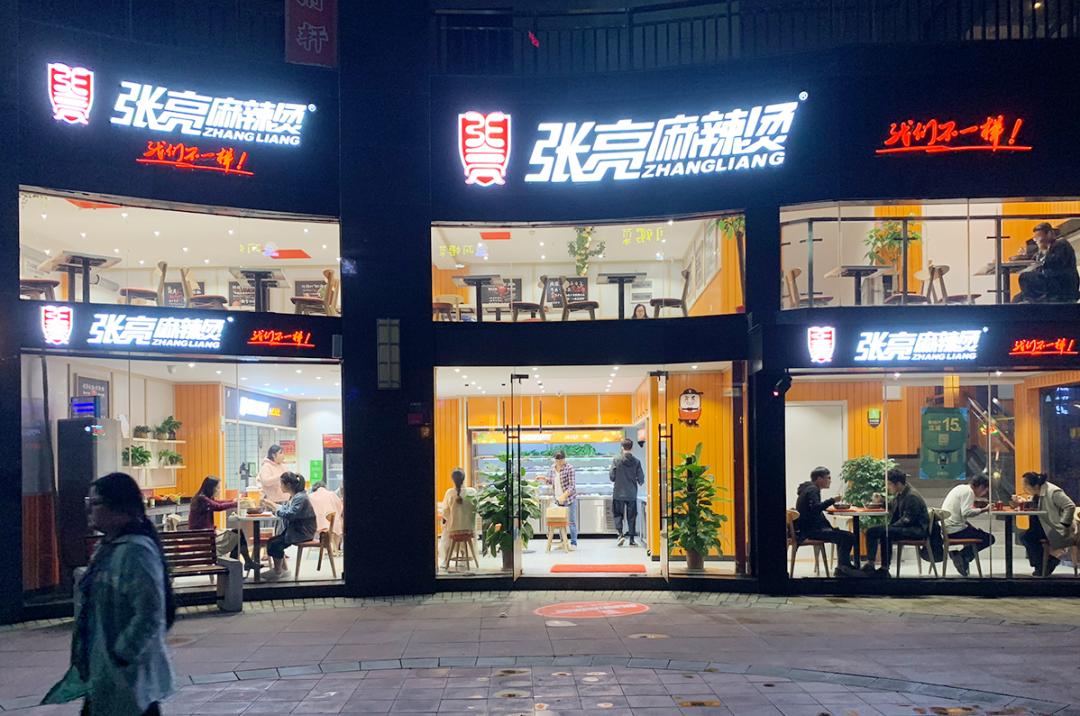
没有张亮的麻辣烫,还对味儿吗?
3 6 Ke· 2025-09-23 12:20
Core Viewpoint - Zhang Liang's exit from direct shareholder status in Zhang Liang Spicy Hot Pot indicates a shift towards optimizing the equity structure and potentially preparing for future capital market entry [1][5] Company Overview - Zhang Liang Spicy Hot Pot has evolved from a regional specialty to a national brand, with over 6,000 stores across China, contributing significantly to its status as a major player in the restaurant industry [2][5] - The brand's annual revenue exceeded 5 billion in 2019, with a compound annual growth rate of over 10% from 2016 to 2019, reflecting the rapid growth of the hot pot market [2][5] Market Dynamics - The hot pot market in China has reached a scale of over 1 trillion, with a projected growth to 1,565 billion by 2025, indicating ongoing expansion opportunities despite increasing competition [12][13] - Competitors like Yang Guofu and Liu Wenxiang are also significant players, with Yang Guofu operating over 7,000 stores and generating annual revenues exceeding 10 billion [12][13] Business Strategy - Zhang Liang Spicy Hot Pot has successfully differentiated itself through product innovation, such as modifying traditional spicy hot pot recipes to cater to broader tastes, and maintaining high standards for ingredients [4][5] - The company has established a robust supply chain, ensuring consistency in taste and quality across its outlets, which is crucial for maintaining brand reputation [4][5] Franchise Model - The franchise model has been a key growth driver, with a survival rate of over 90% for franchise stores, although the reliance on franchisees poses challenges in quality control and profitability [5][6] - The cost of opening a franchise store is approximately 180,000, with local support provided by regional offices [5] Challenges and Risks - The rising average price of meals, now around 40, has led to consumer backlash, with complaints about affordability and quality issues surfacing on social media [6][8] - The company faces scrutiny over food safety, with nearly 2,000 complaints reported, highlighting the difficulties in managing a large franchise network [8][11] International Expansion - Zhang Liang Spicy Hot Pot has begun international expansion, with over 100 stores opened in more than 20 countries, including recent openings in Paris and San Francisco, indicating a strategic move to tap into the global market [13][16] - The brand's success abroad is attributed to localizing products and maintaining a strong supply chain, which enhances its competitiveness in foreign markets [16][17]
三棵树(603737):社区店vs茶饮店,如何理解涂料新消费
SINOLINK SECURITIES· 2025-09-04 09:49
Investment Rating - The report maintains a "Buy" rating for the company, indicating a positive outlook for future performance [4][22]. Core Insights - The company is positioned in a growth phase with improved profitability and high growth potential in new business models. The net profit forecasts for 2025 and 2026 have been raised to 1.0 billion and 1.4 billion RMB, respectively, reflecting optimism about the company's expansion and profit recovery [4][22]. - The "马上住" community store model is compared to the tea beverage industry, highlighting similarities in brand standardization and service enhancement to address consumer trust issues. The tea beverage sector has reached a mature stage, while "马上住" is still in the growth phase, indicating significant market potential [2][10][21]. Summary by Sections Company Overview - The company has launched the "马上住" one-stop service system since 2016, with strategic upgrades leading to a comprehensive service ecosystem. The goal is to provide a seamless home renovation experience, with plans to expand the number of community stores significantly by 2026 [9][21]. Financial Projections - Revenue projections for the company are as follows: 12,476 million RMB in 2023, with a growth rate of 10.03%, and expected to reach 16,212 million RMB by 2027. The net profit is projected to grow from 174 million RMB in 2023 to 1,759 million RMB by 2027, indicating a robust growth trajectory [8][22]. Market Comparison - The initial investment for a "马上住" store is approximately 100,000 RMB, significantly lower than the average costs for tea beverage stores, which range from 170,000 to 800,000 RMB. The average payback period for "马上住" stores is around 6 months, suggesting a favorable investment environment [3][16]. Competitive Landscape - The report emphasizes the importance of establishing a strong supply chain and human resource management to support rapid expansion. The company aims to leverage its existing brand recognition and operational standards to create a competitive edge in the home renovation market [21][22].

超90%途虎工场店盈利:将加盟生意变成为自己“打工”赚钱
市值风云· 2025-08-22 10:14
Core Viewpoint - The automotive aftermarket presents a significant investment opportunity due to market saturation in other sectors like chain restaurants and beverage shops, with a focus on automotive repair and maintenance as a potential blue ocean market [3]. Market Overview - As of June 2025, the total number of vehicles in China is projected to reach 359 million, leading to a steady increase in the automotive service market size [4]. - The traditional 4S dealership model is declining, with over 4,400 dealerships closing last year, creating a more favorable environment for third-party repair services [4]. Company Performance - Tuhu's recent mid-year report for 2025 shows revenue of 7.88 billion yuan, a year-on-year increase of 10.5%, and an adjusted net profit growth of 14.6% [4]. - Tuhu has over 7,200 service centers and boasts a 90% profitability rate for stores operating for over six months, indicating strong financial performance for franchisees [4][15]. User Engagement - Tuhu's platform has seen a 23.8% increase in transaction users, reaching 26.5 million, with a customer satisfaction rate of 95% and a repurchase rate of 64% [10][11]. Standardization and Supply Chain - Tuhu addresses industry pain points through product and supply chain standardization, ensuring transparency and quality in parts sourcing [8][10]. - The company has implemented a data-driven supply chain model, achieving an 83% next-day delivery rate, enhancing operational efficiency [10]. Service Standardization - Tuhu has standardized service processes to improve service quality and reduce disputes, ensuring consistent customer experiences across locations [11]. Franchisee Success - Franchisees report stable profitability, with some achieving monthly gross profits of 120,000 to 130,000 yuan, supported by Tuhu's cost-reduction initiatives [15][17]. - The company has a growing number of franchisees, with many opening multiple locations, indicating strong market confidence [17].

【齐鲁创业嘉年华】2025山东(济南)连锁加盟展览会
Sou Hu Cai Jing· 2025-08-07 02:20
Group 1 - The core viewpoint of the article emphasizes that chain franchising has become a key engine of business innovation in the context of consumption upgrades and digitalization [1][11] - Jinan, as a major economic hub and a node city of the "Belt and Road" initiative, is highlighted for its strategic importance in the expansion of chain brands due to its large population base of 100 million and a retail sales total of 3.8 trillion yuan [1][3] - The upcoming annual event focusing on the chain franchising industry will take place from November 21 to 23, 2025, at the Shandong International Exhibition Center, featuring a significant exhibition area and a large number of participating brands [1][3] Group 2 - The exhibition is strategically scheduled over the weekend to accommodate entrepreneurs, allowing them to engage fully in the event and make informed decisions quickly [3][5] - The event will cover four major industries: catering, retail, education, and services, with an expected attendance of over 50,000 professional visitors [3][5] - The exhibition aims to serve as a comprehensive resource hub for the entire industry chain, facilitating connections between brand owners and potential franchisees [3][5] Group 3 - Participants will have opportunities to enhance brand visibility and market expansion through innovative display activities and direct engagement with investors and agents [5][9] - The event will feature various sectors, including food and beverage, education, and retail, providing a platform for investors to explore potential investment projects [5][9] - The exhibition will also include thematic forums and industry seminars, offering insights into new trends and opportunities in the franchising sector [9][11]