
人工智能

Search documents
HBM,再创新高!
半导体芯闻· 2026-03-27 10:26
Core Viewpoint - Samsung Electronics and SK Hynix are expected to see significant growth in high bandwidth memory (HBM) shipments this year, driven by demand from clients like NVIDIA, Broadcom, and AMD, with total shipments projected to reach 300 billion Gb [1][4]. Group 1: Samsung Electronics HBM Production - Samsung Electronics aims to triple its HBM production capacity this year compared to last year, with an estimated shipment target of around 110 billion Gb, up from approximately 40 billion Gb last year [2][3]. - The company has received positive feedback from NVIDIA regarding its next-generation HBM4, and negotiations with other clients like AMD and Broadcom are nearing completion [2][3]. - Samsung's HBM4 products are designed using advanced 10nm and 4nm process technologies, which are considered superior to competitors [2][3]. Group 2: SK Hynix HBM Production - SK Hynix is projected to ship about 200 billion Gb of HBM this year, a 60% increase from last year's 120 billion Gb, with two-thirds of this capacity dedicated to NVIDIA [4][5]. - Despite concerns over performance issues with HBM4, SK Hynix plans to maintain its original shipment targets, indicating that the overall supply will not be significantly altered [4][5]. - The company is adjusting its product mix to meet customer demands while adhering to its planned HBM shipment volume [5]. Group 3: Market Dynamics and Future Outlook - The semiconductor industry is facing a supply-demand imbalance for HBM, with both Samsung and SK Hynix expected to meet their shipment goals despite performance controversies [5]. - The overall market demand for HBM is anticipated to exceed current production capacities, suggesting a favorable environment for both companies [5].



同比增长20.18%!华虹发布2025年度报告
半导体芯闻· 2026-03-27 10:26
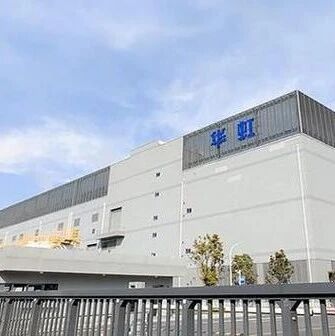
Core Viewpoint - The company has demonstrated robust growth in 2025, achieving record revenue and optimizing its product structure amidst a recovering global semiconductor industry and rising demand in AI and new energy sectors [1][2]. Financial Performance - In 2025, the company reported revenue of 17.291 billion yuan, a year-on-year increase of 20.18%, and a net profit attributable to shareholders of 377 million yuan [1]. - The net cash flow from operating activities reached 5.065 billion yuan, reflecting a significant year-on-year growth of 40.38%, indicating strong cash flow health [1]. - The company's wafer shipment volume (equivalent to 8-inch) grew by 18.4% year-on-year, with sales revenue increasing by 19.9% [1]. Production Capacity and Expansion - 2025 was a critical year for the company's capacity expansion, with the FAB9 project achieving rapid ramp-up in production, reaching over 40,000 wafers in December [2]. - The first phase of FAB9's capacity target was successfully achieved by the end of 2025, with plans for the second phase to be completed by Q3 2026 [2][5]. - The company maintained over 100% average capacity utilization for both 8-inch and 12-inch production lines, positioning itself as an industry leader [1]. Technology and Product Development - The company focuses on five key specialty process platforms, including embedded non-volatile memory and power management, which have all shown significant growth [2][3]. - The embedded non-volatile memory platform saw double-digit growth in both shipment volume and sales, driven by increased demand in consumer and automotive electronics [2]. - The independent flash memory platform's sales revenue grew by 44.5%, with a notable increase in the shipment proportion of 48nm NOR Flash products [2]. Market and Customer Structure - In 2025, revenue from mainland China and Hong Kong accounted for 82.19% of total revenue, while North America saw a year-on-year growth of 31.42%, indicating successful overseas market expansion [6]. - Consumer electronics represented 63.81% of the revenue, while industrial and automotive electronics accounted for 22.21%, reflecting a balanced application structure [6]. Research and Development - The company invested 1.994 billion yuan in R&D in 2025, a year-on-year increase of 21.37%, representing 11.53% of its revenue [5]. - By the end of 2025, the company had authorized a total of 4,913 patents, with 306 new patents granted during the year, reinforcing its technological barriers [5].
半导体供应链,迎来剧变
半导体芯闻· 2026-03-27 10:26
Group 1 - Global tech giants and semiconductor companies are breaking existing business boundaries to build independent semiconductor ecosystems, indicating a new round of supply chain restructuring [1] - ARM has launched its own general-purpose AI central processing unit (AGI CPU) under its own brand, marking its first direct market entry in 35 years, which could disrupt the server CPU market traditionally dominated by Intel and AMD [1] - The impact on Samsung Electronics varies across its business units; ARM's entry into product manufacturing transforms the relationship from cooperation to competition for its system LSI department [1] Group 2 - For the foundry department, ARM's move presents both opportunities and risks; ARM is considering using Samsung for production, which could help Samsung secure orders previously concentrated with TSMC [2] - The storage chip department is expected to benefit positively from ARM's entry, as the new platform will diversify the server CPU market and increase demand for high-bandwidth memory (HBM) and DDR5 chips [2] - SK Hynix, a pure storage company, is also likely to benefit from ARM's entry, as it may break the current supply concentration of HBM with Nvidia, promoting a more diversified supply structure [2] Group 3 - Tesla's plan for a trillion-dollar "Terafab" factory, led by Elon Musk, has mixed implications; while it raises concerns about former clients becoming competitors, it may also help diversify storage demand currently dominated by Nvidia [3] - The semiconductor industry faces challenges in achieving self-sufficiency in chip manufacturing due to the need for advanced process technology and significant capital investment [3] - Talent loss is a pressing threat, as companies like Tesla actively recruit semiconductor talent from South Korea, which could increase labor costs and lead to the outflow of core technical personnel [3]

黄仁勋获imec 2026年度终身成就奖
半导体芯闻· 2026-03-27 10:26
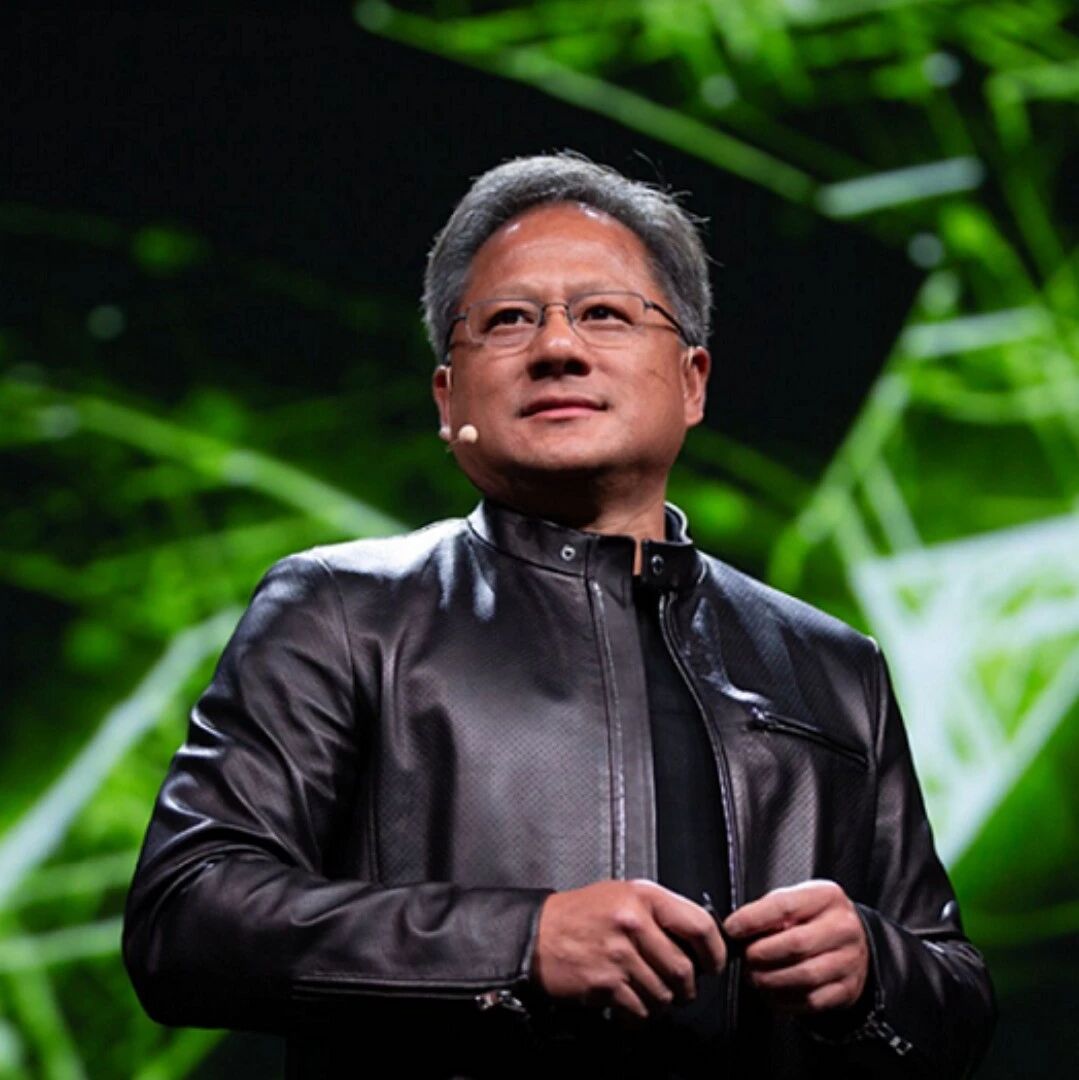
Core Viewpoint - The article highlights the recognition of Jensen Huang, CEO of NVIDIA, with the 2026 Lifetime Innovation Award by imec for his pivotal role in advancing computing technology and artificial intelligence through the invention of GPUs [1][2]. Group 1: Award and Recognition - The 2026 Lifetime Innovation Award will be presented to Jensen Huang during the imec International Technology Forum on May 19 in Antwerp, Belgium [1]. - The award acknowledges Huang's contributions to the acceleration of computing technology and the empowerment of core AI applications across industries [1][2]. - imec CEO Luc Van den hove emphasized Huang's role as a foundational figure in modern computing, stating that the GPU, originally designed for gaming, has transformed various industries [2]. Group 2: Impact of GPUs and AI - The article discusses how GPUs have become the core "brain" for computers, humanoid robots, and autonomous vehicles, enabling them to perceive and understand the real world [1]. - Huang's leadership at NVIDIA has been instrumental in the deep learning technologies that have fueled the modern AI wave [1][3]. - Van den hove noted that the explosive growth of AI necessitates continuous innovation and collaboration across the semiconductor ecosystem to seize future opportunities [3]. Group 3: Huang's Background and Achievements - Jensen Huang co-founded NVIDIA in 1993 and has served as its CEO since then, leading the company to launch the programmable GPU in 1999 [1][3]. - Huang has received numerous prestigious awards, including the Robert Noyce Award and the IEEE Founder’s Medal, recognizing his significant contributions to the semiconductor industry [3].
机械行业月报:顺周期机械复苏持续,高油价有望催化新能源行业机遇
Zhongyuan Securities· 2026-03-27 10:24
Investment Rating - The report maintains an "Outperform" rating for the mechanical industry [1] Core Views - The cyclical recovery in the mechanical sector continues, with high oil prices expected to catalyze opportunities in the new energy sector [1][5] - In March, the CITIC mechanical sector fell by 13.54%, underperforming the CSI 300 index by 8.59 percentage points, ranking 25th among 30 CITIC primary industries [4][10] - The report suggests a cautious approach to investing in the mechanical sector, focusing on defensive stocks and sectors with stable earnings and high dividend yields [5] Summary by Sections 1. Mechanical Sector Market Performance - As of March 26, 2026, the CITIC mechanical sector experienced a decline of 13.54%, with all sub-industries showing a downward trend, except for nuclear power and railway transportation equipment, which fell by less than 10% [4][10] - The median decline for 635 stocks in the CITIC mechanical sector was -14.17%, with 58 stocks rising and 576 falling [14] 2. Engineering Machinery - In January-February 2026, excavator sales increased by 13.1% year-on-year, indicating a sustained recovery in the industry [21][32] - The report highlights the importance of equipment renewal cycles and increasing export competitiveness for leading companies in the engineering machinery sector [39] 3. Robotics - The industrial robot sector continues to recover, with production increasing by 31.1% year-on-year in January-February 2026 [40][43] - The report emphasizes the significance of humanoid robots as a key application of artificial intelligence, with several domestic companies entering the IPO stage [48] 4. Shipbuilding - In January-February 2026, new ship orders and prices showed signs of recovery, with China maintaining a leading position in global shipbuilding metrics [49][51] - The report notes that the global shipbuilding market remains competitive, with China capturing a significant share of new orders [51]
传媒行业月报:谷歌苹果下调分成比例,加码游戏板块布局力度
Zhongyuan Securities· 2026-03-27 10:24
Investment Rating - The industry investment rating is "Outperform the Market" with an expected increase of over 10% relative to the CSI 300 index in the next six months [2][61]. Core Insights - The media sector index fell by 11.98% as of March 25, 2026, ranking 28th among 30 primary industries, underperforming the ChiNext index by 14.42 percentage points and the CSI 300 by 10.55 percentage points [5][16]. - All sub-sectors experienced declines, with the cultural entertainment and publishing sectors showing relatively smaller drops of 9.72% and 7.85%, respectively [5][19]. - The current PE ratio for the media sector is 27.76 times, with a historical percentile of 62.5% [5][21]. Summary by Sections Investment Recommendations - The report suggests focusing on companies with strong performance support, good fundamentals, and sufficient valuation adjustments, particularly in the gaming sector due to favorable changes in revenue-sharing policies by Google and Apple [6][13]. - The gaming market is expected to maintain steady growth, driven by new product launches and supportive government policies [6][13]. Market Review - As of March 25, 2026, the media index has underperformed compared to other indices, with only 8 out of 139 stocks showing gains during the review period [5][18]. - The average PE ratio for the media sector has been 26.10 times in 2023, with a median of 26.14 times [21][22]. Industry News - Significant developments include Google's reduction of service fees for app purchases from 30% to 20%, which is expected to benefit game developers [22][24]. - The domestic AI application market is experiencing rapid growth, with daily token usage exceeding 140 trillion, indicating a strong demand for AI technologies [7][14]. Monthly Industry Data - In February 2026, the domestic film market generated a box office of 7.793 billion yuan, a year-on-year decrease of 50.15% but a month-on-month increase of 296.59% [25][33]. - The gaming market's actual sales revenue reached 33.231 billion yuan in February 2026, reflecting a year-on-year growth of 18.96% [46][48].


1年分红顶8年!胜宏科技:利润暴涨270%,砸200亿继续押注AI算力
市值风云· 2026-03-27 10:16
Core Viewpoint - The article highlights the significant growth of Shenghong Technology, driven by its strategic positioning in the AI computing infrastructure sector, leading to a remarkable increase in revenue and profit margins [3][6][20]. Financial Performance - In 2025, Shenghong Technology reported a revenue of 19.29 billion yuan, representing a year-on-year growth of approximately 80% [3]. - The net profit attributable to shareholders reached 4.31 billion yuan, marking a staggering increase of 273.5% compared to the previous year [3]. - The company plans to distribute a cash dividend of 20 yuan per 10 shares, totaling 1.74 billion yuan, which exceeds the cumulative dividends distributed since its listing [4]. Business Segmentation - The AI and high-performance computing (HPC) segment emerged as a new growth engine, accounting for 41.5% of revenue in the first three quarters of 2025 [7]. - The demand for high-layer, high-density, and high-reliability PCBs has surged due to the global AI arms race, with Shenghong Technology being one of the few manufacturers capable of producing PCBs with over 100 layers [9]. Profitability and Margins - The overall gross margin for Shenghong Technology soared to 35.22% in 2025, an increase of 12.5 percentage points year-on-year, as high-margin AI orders transitioned from supplementary to primary revenue sources [9]. Research and Development - The company invested 780 million yuan in research and development in 2025, reflecting a growth of over 70% [11]. International Expansion - Shenghong Technology accelerated its "China + Southeast Asia" dual-base strategy, achieving overseas revenue of 14.82 billion yuan in 2025, a year-on-year increase of 126.88%, with overseas revenue accounting for 76.83% of total revenue [14]. Future Investment Plans - The company announced a significant investment plan for 2026, with a total investment of up to 20 billion yuan, primarily for new facilities and automation upgrades [16]. - The planned investment for 2026 is nearly seven times higher than the 3 billion yuan investment planned for 2025, indicating the company's ambition in the AI arms race [17]. Strategic Positioning - Shenghong Technology's story exemplifies the success of Chinese high-end manufacturing in the global market, transitioning from a contract manufacturer to a key partner in the AI sector [19]. - The company's evolution from a low-end market player to a foundational supplier in global AI computing infrastructure is underscored by its strategic focus on product upgrades and customer transitions [20].


稳中有进 向新向优——中国建设银行公布2025年度经营业绩
Sou Hu Cai Jing· 2026-03-27 10:13
Core Viewpoint - China Construction Bank (CCB) reported stable growth in its 2025 annual performance, emphasizing its commitment to serving the national economy and enhancing financial quality while maintaining a balance between scale, structure, efficiency, and risk [1] Group 1: Financial Performance - Total assets reached 45.63 trillion yuan, an increase of 12.47% year-on-year [1] - Total liabilities amounted to 41.95 trillion yuan, up by 12.68% [1] - Net profit was 339.79 billion yuan, reflecting a growth of 1.04% [1] - Non-performing loan ratio stood at 1.31%, with a provision coverage ratio of 233.15% [1] Group 2: Loan and Investment Growth - Net loan issuance was 26.93 trillion yuan, increasing by 7.53% [2] - Bond investments rose to 12.43 trillion yuan, marking a 20.51% increase [2] - Customer deposits reached 30.84 trillion yuan, with a growth of 7.39% [2] Group 3: New Business Initiatives - CCB is focusing on new service models and has launched several service brands to support modern industrial systems [2] - The bank is transitioning towards light asset and capital models, enhancing wealth management and investment banking services [2] - The integration of technology has led to the application of AI in 398 scenarios within the bank [2] Group 4: Dividend Distribution - CCB plans to distribute a cash dividend of 2.029 yuan per share for the end of 2025, totaling approximately 53.08 billion yuan [3] - The total cash dividend for the year is projected at 3.887 yuan per share, amounting to around 101.68 billion yuan, maintaining a payout ratio of 30% [3] Group 5: Support for the Real Economy - CCB has actively supported the recovery of the national economy, with corporate loans reaching 15.69 trillion yuan, an increase of 8.70% [4] - Loans to the manufacturing sector grew by 15.83%, while loans to strategic emerging industries increased by 23.46% [4] - Personal consumption loans surged by 29.41%, demonstrating the bank's commitment to consumer finance [4] Group 6: Risk Management - CCB emphasizes comprehensive risk management, maintaining a focus on asset quality and proactive risk control [8] - The non-performing loan ratio decreased by 0.03 percentage points compared to the previous year [8] - The bank has strengthened its internal control and compliance management to protect consumer rights [8] Group 7: Operational Efficiency - CCB is implementing cost reduction and efficiency enhancement measures, focusing on agile management and digital transformation [9] - The bank's digital infrastructure has seen a 12.10% increase in total computing power [10] - The bank aims to provide a seamless customer experience through integrated service channels [10]

好书推荐·赠书|《前瞻“十五五”》
清华金融评论· 2026-03-27 10:02
Core Viewpoint - The article emphasizes the importance of the "14th Five-Year Plan" period as a critical phase for achieving socialist modernization and addressing the challenges posed by global changes, focusing on innovation, consumption, and structural reforms to drive economic growth [3][4]. Summary by Sections Introduction: New Framework for Growth - The need for a new growth framework is highlighted, focusing on innovation and consumption as key drivers for economic expansion [6]. Chapter 1: Innovation and Consumption - Emphasizes the potential for greater growth through embracing innovation and enhancing consumption [6]. Chapter 2: Systemic Structural Transformation - Discusses the transition towards modernization through systemic structural changes, including supply-side and demand-side transformations [7][10]. Chapter 3: Key to Boosting Consumption Demand - Analyzes why demand remains insufficient despite stimulus efforts, referencing Keynesian theory and historical contexts [8][10]. Chapter 4: Achieving Consumption Prosperity - Outlines strategies for promoting consumption during the "14th Five-Year Plan" period, including international experiences and macro policy adjustments [9][10]. Chapter 5: Industrial Upgrading Beyond $10,000 Income - Examines the challenges and experiences of industrial transformation as income levels exceed $10,000 per capita [10][11]. Chapter 6: High-Level Opening for High-Income Status - Reviews the role of openness in driving rapid economic development and enhancing international competitiveness [11][13]. Chapter 7: Income Distribution Reform for Inclusive Growth - Discusses the importance of income distribution reforms in promoting inclusive economic growth [11][13]. Chapter 8: Coordinated Reforms for Consumption, Social Security, and Stock Market Stability - Proposes a coordinated approach to enhance consumption rates and stabilize the stock market [11][12]. Chapter 9: Financing Transformation and Industrial Upgrading - Explores the mechanisms through which financial markets can support economic and social development [12][13]. Chapter 10: Exchange Rate Mechanism Reform and RMB Internationalization - Discusses the current state and future recommendations for RMB internationalization during the "14th Five-Year Plan" [12][13]. Chapter 11: Capital Market Development Strategies - Highlights the strategic significance of developing capital markets and the challenges faced [12][13]. Chapter 12: AI and Deep Integration with the Real Economy - Reviews the significant advancements in AI and its implications for the real economy [12][19]. Chapter 13: Pathways to Green Growth - Identifies innovation as a fundamental driver for green transformation and outlines structural challenges [12][19]. Chapter 14: Building New Urban-Rural Integration - Discusses the characteristics and policy choices for achieving urban-rural integration in China [12][19].

ICBC(01398) - 2025 Q4 - Earnings Call Transcript
2026-03-27 10:02
Financial Data and Key Metrics Changes - ICBC's total assets exceeded RMB 53 trillion, with customer loans surpassing RMB 30 trillion, an increase of RMB 2.13 trillion year-over-year [3] - Operating income rose by 1.9% year-over-year to RMB 800 billion, while net profit reached RMB 370 billion, up by 1% year-over-year [4] - The non-performing loan (NPL) ratio stood at 1.31%, down 3 basis points year-over-year, with a provision coverage ratio of 213.6% [7] Business Line Data and Key Metrics Changes - Customer loans, bond investments, and deposits grew by 7.5%, 19.6%, and 7.1% year-over-year, respectively [5] - Corporate loans increased by 7.8% year-over-year, while personal business loans rose by 15% [5] - Green loans reached RMB 6.7 trillion, ranking first in the industry, and inclusive loans totaled RMB 3.6 trillion, with a growth rate of 22.8% [6] Market Data and Key Metrics Changes - Cross-border RMB settlements grew by 8% year-over-year to RMB 6.3 trillion, with RMB global payment services expanding to 44 countries and regions, a 23% year-over-year increase [8] - The international assets of ICBC reached RMB 491.6 billion, up by 12.4% year-over-year, outpacing the group average of 9.5% [33] Company Strategy and Development Direction - ICBC aims to deepen its five transformations, balancing progress with stability to deliver sustainable value for global shareholders [9] - The bank is focusing on enhancing its financial services, integrating technology-driven solutions, and expanding its international operations [15][17] - ICBC plans to support the modernization of the industrial system by refining its corporate credit allocation structure and enhancing financial support for key sectors [59] Management's Comments on Operating Environment and Future Outlook - Management expressed confidence in achieving good results in 2026, emphasizing the importance of high-quality risk control and asset management [19] - The bank is committed to maintaining a strong capital position while dynamically optimizing its dividend policies to enhance shareholder returns [44][46] - Management highlighted the need to adapt to market changes and ensure stable asset quality across the group [27] Other Important Information - ICBC's cash dividends for 2025 totaled RMB 110.6 billion, with an interim dividend of RMB 50 billion and a proposed final dividend of RMB 60 billion [4] - The bank's digital initiatives, branded as Smart ICBC, focus on enhancing AI capabilities and integrating technology into financial services [36][39] Q&A Session Summary Question: Did ICBC achieve fundamental shifts in performance? What were the standout achievements for 2026? - Management noted that 2025 marked a successful culmination of the 14th Five-Year Plan, with improvements in resilience and profitability despite challenges [10] Question: Can you provide an overview of the overall situation with asset quality? - Management confirmed that the NPL ratio improved to 1.31%, with proactive risk management ensuring overall controllability [21] Question: What are the current pricing trends for corporate and retail loans? How do you project NIM trajectory in 2026? - Management projected that NIM will continue to decline but at a moderated pace, with early signs of stabilization in loan pricing [30] Question: Has ICBC upgraded its strategy in the fintech sector? What were the key achievements in AI application in 2025? - Management highlighted the launch of the AI Plus initiative and significant advancements in AI applications across various business scenarios [37][39] Question: What are ICBC's capital replenishment plans for 2026? Will dividend policies evolve? - Management emphasized the importance of capital management and indicated a commitment to maintaining a high dividend payout ratio while considering market demands [44][46]
