价格战

Search documents
花王称不陷入“价格战” 全渠道平衡是关键
Sou Hu Cai Jing· 2025-07-02 07:17
Core Insights - The beauty industry is facing a significant price war, with over 70% of brands expected to engage in price reductions between 2024 and 2025, including international brands initiating over 200 official discount promotions in 2024, with some products seeing discounts as high as 50% [2][5] - Kao Group emphasizes a strategy of providing high-value products at reasonable prices to meet the needs of young consumers, aiming to avoid the pitfalls of price wars [2][5] - The company is focusing on localizing product development in China, with plans to transfer production lines for mid-range products to China and launch unique products tailored to Chinese consumers [5][6] Industry Dynamics - The cosmetics market is currently in a "mixed battle" era, with online sales dominating at 64.23%, while offline channels are under pressure, leading many international giants to close stores and shift to a model focused on flagship stores and online sales [6][7] - Kao Group is implementing a "slimming" strategy by closing inefficient brands and reducing distribution inventory, while also increasing its budget for the European market by 20% in 2025 [6][7] - The company recognizes the importance of balancing online and offline channels, as offline stores provide unique customer touchpoints and service experiences that cannot be replaced [6][7]

if赴港上市,46人撑起百亿市值
虎嗅APP· 2025-07-01 10:42
Core Viewpoint - IFBH Limited, the parent company of the popular coconut water brand "if," successfully launched on the Hong Kong stock market, with a significant increase in share price and market capitalization, indicating strong investor interest and confidence in the brand's growth potential [1][2]. Financial Performance - In 2024, IFBH is projected to achieve revenues of approximately $158 million (about 1.58 billion USD), representing an 80.32% increase from 2023, with net profit expected to rise by 98.9% to $33.32 million [2]. - The majority of IF's revenue, approximately 92.4%, is generated from the Chinese mainland market, which is identified as the primary growth engine for the brand [2]. Market Position - IF has maintained a leading position in the coconut water market in China for five consecutive years, with a market share of about 34% in 2024, significantly surpassing its closest competitor [2]. - The global coconut water market has seen substantial growth, expanding from $2.517 billion in 2019 to an estimated $4.989 billion in 2024, with a compound annual growth rate (CAGR) of 14.7% [2]. Operational Efficiency - The company operates with a lean workforce of only 46 employees, achieving an impressive revenue per employee of 25 million RMB, thanks to its outsourcing model for production and logistics [3]. - IFBH's product lines are strategically designed to cater to various consumer needs, with the 1L family pack contributing 58% of revenue [3]. Competitive Landscape - The coconut water market in China is projected to grow from 500 million RMB in 2019 to over 26 billion RMB by 2025, indicating a 50-fold increase in five years [5]. - The entry of numerous brands into the coconut water segment has intensified competition, with established players like Wahaha and Uni-President launching their own products [6]. Pricing and Market Challenges - The average price of coconut water has been declining, with a 23.5% drop from 1.91 RMB per 100ml in Q1 2023 to 1.46 RMB in Q1 2025, leading to increased price competition [7]. - IF's market share peaked at 55.53% in Q1 2024 but has since declined to 36.42% by Q1 2025, highlighting the challenges posed by aggressive pricing strategies from competitors [7]. Supply Chain and Quality Control - The reliance on third-party manufacturers for production has raised concerns about quality control and supply chain vulnerabilities, especially with rising raw material costs due to reduced coconut production in Thailand [9][12]. - The company has faced scrutiny over product quality, with reports of substandard products entering the market, prompting a nationwide recall [11]. Future Outlook - Despite the challenges, the coconut water market is expected to continue its rapid growth, with projections indicating a market size of $2.652 billion in China by 2029 [12]. - IFBH plans to expand into international markets, including Australia and North America, but will face stiff competition from established global brands like Vita Coco [12].

汽车行业“价格战”点评:汽车行业“价格战”严重,如果企业竞争过激烈或影响汽车质量与后期维修
SINOLINK SECURITIES· 2025-07-01 07:39
Group 1: Government Debt Issuance - In June, government debt issuance remained high at 2.8 trillion yuan, up from 2.3 trillion yuan in the previous period, with net financing of 1.41 trillion yuan[5] - By the end of June 2025, the net financing scale of government debt is projected to reach 7.8 trillion yuan, with an issuance progress of 56.2%[5] - The cumulative issuance progress for various types of government bonds is 52.0% for general bonds, 47.5% for special bonds, and 85.2% for special refinancing bonds[5] Group 2: Automotive Market Trends - From June 1 to June 22, retail sales of passenger cars reached 1.269 million units, a year-on-year increase of 24% and a month-on-month increase of 8%[8] - The price war in the automotive sector ended in June, with BYD offering discounts of up to 34% on certain models, boosting consumer purchasing intentions[8] - The automotive industry faces risks from intense competition, which may affect product quality and future maintenance services[4] Group 3: Economic Indicators - The BCI index fell to 49.3 in June, indicating a cautious outlook among enterprises, with sales and profit expectations declining by 2.7 and 2.9 percentage points respectively[11] - The manufacturing PMI rose by 0.2 points to 49.7% in June, with production and new orders indices improving to 51 and 50.2 respectively[19] - GDP growth for the second quarter is expected to be between 5.3% and 5.4%[20]

超百万充电宝陷入召回风波 无底线价格战敲响行业警钟
Xin Lang Cai Jing· 2025-06-30 23:00
Core Insights - The charging battery industry is facing a significant crisis due to safety concerns, leading to the recall of over 1.2 million units, prompting a shift in focus towards quality assurance and cost-performance balance [1][2][4] Industry Overview - The recall includes 491,700 units from Romoss and over 710,000 units from Anker, totaling more than 1.2 million products that need to be processed [2] - The recall process has faced challenges, with consumers reporting difficulties in returning products due to courier rejections, leading to alternative disposal methods being suggested [2][3] Safety Concerns - The core issue revolves around the battery cells, with some manufacturers potentially using lower-quality "C-grade" cells, which pose significant safety risks [4] - The main supplier involved, Amperex Technology Co., Ltd., has multiple products with suspended 3C certification, raising concerns about the quality and safety of the components used [4] Market Dynamics - The global market for mobile power banks is projected to exceed 120 billion yuan, with China accounting for 38.7% of this market [5] - Intense price competition has driven retail prices close to material cost, leading to compromises in quality as manufacturers push suppliers for lower prices [5] Industry Response - The recent recall has prompted a shift away from low-price promotions, with e-commerce platforms emphasizing the importance of 3C certification in product listings [5] - Prices for mainstream products have increased, with typical retail prices for 10,000 mAh power banks rising to between 80 yuan and 150 yuan, reflecting a move towards better quality assurance [5]
汽车行业破解“内卷”要找准方向
Zhong Guo Chan Ye Jing Ji Xin Xi Wang· 2025-06-30 22:25
Core Viewpoint - The domestic automotive industry is experiencing an intensified "price war" that has lasted over two years, with significant price reductions leading to widespread industry repercussions [1][2]. Group 1: Price War Dynamics - In May, several leading companies initiated limited-time promotions, with some models seeing price cuts exceeding 50,000 yuan, prompting many manufacturers to follow suit [1]. - Over 60 models had price reductions in the first four months of the year, with the number exceeding 100 in May alone [1]. - The China Association of Automobile Manufacturers and other industry organizations have called for an end to disorderly price competition, urging companies to adhere to market rules and engage in rational competition [1]. Group 2: Impact on Profitability - The automotive industry is facing a "vicious cycle" where increased sales do not translate into higher profits, with profit margins dropping from 5.7% in 2022 to 4.1% by April 2023, and further declining to below 4% in May [2]. - This decline in profitability contrasts sharply with the previous years when profit margins were around 7% [2]. - Many manufacturers are experiencing sustained pressure on profitability, with some dealers caught in a "volume increase but profit decrease" scenario [2]. Group 3: Market Conditions and Challenges - The automotive market in China has transitioned from a phase of rapid growth to one of saturation, leading to intensified competition among a large number of manufacturers [3]. - The forecast for 2024 indicates a sales volume of 31.436 million units, representing a 4.5% year-on-year growth, which is below the average growth rate of 6% over the past decade [3]. - The industry is characterized by low market concentration and an excess of operational entities, which hampers innovation and leads to a lack of competitive differentiation [3]. Group 4: Solutions and Recommendations - To address the "involution" in the industry, companies must focus on reducing excess capacity and enhancing innovation capabilities [4]. - Automotive firms are encouraged to invest more in technology research and development to create high-value innovative products and pursue differentiation strategies [4]. - Government agencies should strengthen price regulation, standardize pricing behaviors, and implement policies that promote innovation and guide companies towards healthy competition and industry restructuring [4].
激荡三十年,锂电老牌霸主欣旺达何以持续穿越产业周期|深度
24潮· 2025-06-29 22:23
Core Viewpoint - The article highlights the significant evolution of the lithium battery industry over the past 30 years, emphasizing the stability and growth of the company XINWANDA (300207.SZ) amidst industry challenges and cycles [1][2]. Company Overview - XINWANDA has shown remarkable resilience, with revenue growth from 489 million yuan in 2008 to 56.02 billion yuan in 2024, marking a 113.56-fold increase over 17 years [2]. - The company has never reported a loss in 17 years and has maintained positive net profit growth for nearly 12 years [2]. - In Q1 2024, XINWANDA achieved record revenue and profit, with a gross margin reaching the highest point in nearly 13 years [2]. Business Development - Founded by Wang Mingwang and his cousin Wang Wei, XINWANDA initially focused on OEM and ODM models before entering the supply chains of major companies like Philips and Apple [8][10]. - The company has successfully transitioned from consumer electronics batteries to power and energy storage batteries, establishing a dual-wing development strategy [8][18]. Market Position - XINWANDA is the global leader in consumer batteries, holding a 30% market share in mobile phone batteries, and is positioned as the second-largest player in the mobile battery market after ATL [15][18]. - The company has made significant strides in the power battery sector, with revenue from electric vehicle batteries rising from 2.93 billion yuan in 2021 to 15.14 billion yuan in 2024, accounting for 27.02% of total revenue [23]. Financial Performance - In Q1 2024, the power business generated 3.3 billion yuan in revenue, with a year-on-year growth of 20% [26]. - The company’s energy storage business contributed 1.889 billion yuan in revenue in 2024, reflecting a 70.19% increase [29]. Global Expansion - XINWANDA has established a strong international presence, with overseas revenue accounting for approximately 42.58% of total revenue from 2008 to 2024, and consistently exceeding 20 billion yuan since 2022 [40][39]. - The company is expanding its production capabilities in Vietnam, Hungary, Morocco, and Thailand to enhance its global footprint [43][44]. Challenges and Strategic Adjustments - The company faces challenges due to over-reliance on consumer batteries and intense competition in the power battery market, leading to a decline in gross margins [48]. - XINWANDA has initiated a split IPO plan for its power battery platform to address funding pressures, with significant investments planned for future growth [49][50].

比亚迪,叫停价格战?车市“一口价”或在失守
21世纪经济报道· 2025-06-28 14:37
Core Viewpoint - BYD's "one-price" policy is reportedly nearing its end, with a new purchasing policy set to take effect on July 1, 2025, rendering previous pricing schemes obsolete [1][3]. Group 1: Pricing Strategy - A leaked notice indicates that starting from July 1, 2025, BYD will implement a new purchasing policy, which will invalidate all prior pricing strategies [1]. - Sales personnel from BYD's dealerships confirm that the "one-price" policy will be adjusted, urging customers to make purchases before June 30 to benefit from the current pricing [3]. - In May 2023, BYD announced a significant price adjustment, with 22 models under its Dynasty and Ocean series being promoted at reduced prices, indicating an unusual level of discounting [3]. Group 2: Market Competition - The "one-price" strategy, which aims for nationwide price uniformity regardless of region or dealer, has been adopted by some joint venture brands to counter competitive pressures [7]. - However, as of June 2023, the "one-price" approach has shown signs of weakening, with reports of varying discounts across different regions for the same model [8][10]. - A dealer from a German brand noted that while the "one-price" model allows for fixed pricing, it can be disregarded in practice, leading to potential price reductions by dealers if they face financial difficulties [11]. Group 3: Company Positioning - BYD's executives have stated that the company does not engage in price wars, instead focusing on technological innovation and efficiency to deliver value to customers [4][5]. - The company's chairman did not respond to questions regarding industry price competition, while the secretary emphasized BYD's commitment to innovation over price competition [5].
雷军吓坏了中国车圈
首席商业评论· 2025-06-28 03:40
以下文章来源于财经天下WEEKLY ,作者财经天下 财经天下WEEKLY . 《财经天下》周刊官方账号,提供有品质的深度报道,讲述中国企业在时代浪潮中的精彩故事。 如果说小米SU7撞脸保时捷,那么小米YU7从面相上看有不少法拉利的影子。不少网友调侃:这是雷军继给 年轻人造出"保时捷"后,又造了一辆"法拉利"。之前小米SU7以21.59万元的价格向市场扔了一张"王炸",如 今小米YU7又让市场沸腾了。 01 25.35万元起,小米YU7卖爆了 3分钟,大定突破20万台;1小时,大定突破28.9万台。6月26日晚,小米汽车首款SUV——YU7上市,以其 惊人的大定数据成为当晚的微博爆词。 20万台是什么概念?2024年全年,蔚来的销量约22.19万台,小鹏汽车全年交付量刚超过19万台,而去年"成 绩单" 破50万台的理想汽车,平均到每个月的销量也只有4万多台。而且从市场热度看,小米YU7仅用3分钟 就超过了小米SU7上市后24小时的大定订单数。 有销售称,试驾通道会在6月27日开启,从目前的咨询量看,不排除之后会采取"拼车"方式试驾。也就是 说,一辆YU7同一时间会邀请2~4个客户试驾。 "'法拉利'还是比'保时 ...

降价的高端火锅:海底捞拓圈,巴奴慢慢来丨餐饮变局
2 1 Shi Ji Jing Ji Bao Dao· 2025-06-27 13:01
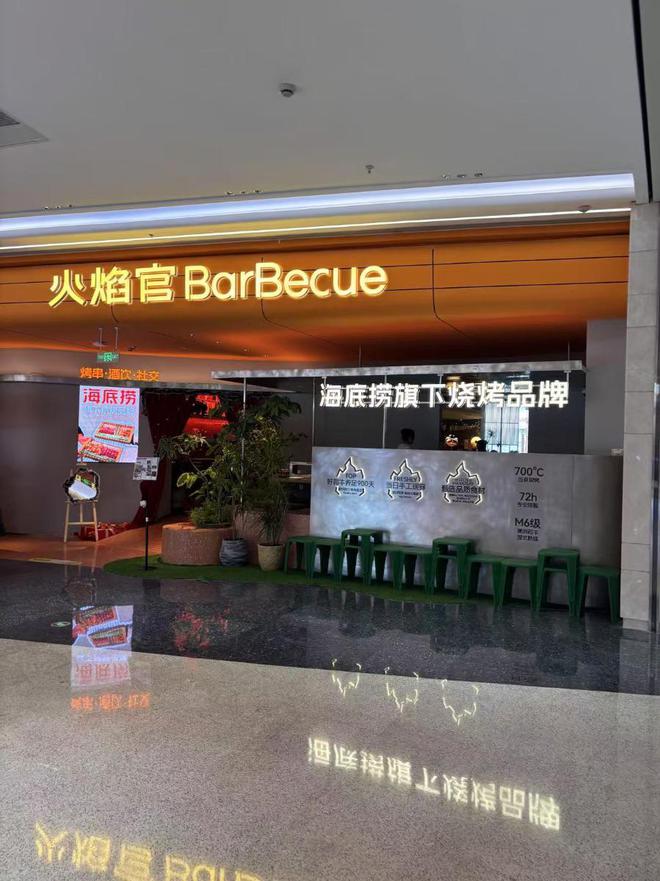
Core Insights - The restaurant market is entering a new phase characterized by price wars, with a notable decline in average dining prices despite an increase in order volume [1][4][6] - Major players like Haidilao and Banu are adapting their strategies in response to market changes, with Haidilao focusing on new brand development while Banu aims to maintain its position in the high-end hot pot segment [8][12][16] Market Trends - In 2024, the average dining price dropped by 10.2% while the per capita dining order volume increased by 15.4% [1] - 47.8% of ongoing restaurant operators reduced their average price, with over 80% of restaurants priced above 100 yuan experiencing a decline in customer spending [1][4] Company Performance - Haidilao reported a revenue increase of 3.1% to 42.75 billion yuan in 2024, while its net profit grew by 4.7% to 4.708 billion yuan [8] - In contrast, other listed companies like Xiaobuxiang and Quanjude faced significant revenue declines, with Xiaobuxiang's revenue down 19.7% to 4.755 billion yuan [7][8] Competitive Landscape - The competitive environment is intensifying, leading to a higher closure rate of restaurants, with 61.2% of new openings in 2024 exiting the market [5][6] - Haidilao's new brand initiatives, such as the "Red Pomegranate Plan," have led to the establishment of 11 new brands and 74 outlets, generating 483 million yuan in revenue, a 39.6% increase [8][9] Strategic Approaches - Banu is focusing on a cautious expansion strategy, prioritizing brand recognition in key cities and maintaining higher profit margins in lower-tier cities [12][14] - Banu's profit margin in first-tier cities is 20.7%, while it reaches 24.5% in second-tier and below cities, with the highest margin of 26.2% in Henan province [14][15] Future Outlook - Banu plans to leverage its established brand to explore multi-brand ecosystems in the future, indicating potential growth opportunities despite current market challenges [19][20]

比亚迪告别闪电战
芯世相· 2025-06-27 10:28
Core Viewpoint - The article discusses BYD's aggressive pricing strategy and rapid expansion in the electric vehicle market, highlighting its impact on the industry and competitors, as well as the potential challenges ahead. Group 1: Pricing Strategy and Market Position - BYD has initiated a price war, reducing prices of 22 models by 10% to 30%, with the lowest price reaching 5.58 million yuan, marking its third round of systematic price cuts in 2023 [2][3] - Despite the price cuts, BYD's financial performance has improved, with a projected net profit of 40.25 billion yuan for 2024 and a gross margin of 21.02% [2][3] - The company aims to sell 5.5 million vehicles in 2023, with 4.7 million targeted for the domestic market, indicating a strategy to dominate the market by significantly reducing the market share of joint venture brands [8][9] Group 2: Expansion and Production Capacity - BYD's production capacity is set to increase from 600,000 units in 2021 to 4.28 million units by 2024, with capital expenditures reaching 354.25 billion yuan during this period [9][10] - The company has rapidly expanded its workforce from 290,000 to over 900,000 employees, reflecting its aggressive growth strategy [9][10] - BYD's depreciation costs are expected to rise significantly due to the rapid technological advancements in the industry, with depreciation expenses projected at 75.6 billion yuan for 2024 [10] Group 3: Supply Chain and Cost Management - BYD has a highly integrated supply chain, allowing it to maintain cost advantages and respond quickly to market changes [16][18] - The company has increased its research and development spending to approximately 14.22 billion yuan in Q1 2025, surpassing the combined R&D expenses of its competitors [16] - BYD's strategy includes direct procurement from suppliers, which helps avoid intermediary costs and allows for better cash flow management [20][21] Group 4: Challenges and Future Outlook - The article notes that the aggressive pricing strategy may not be sustainable in the long term, especially as the industry faces increasing pressure to avoid "involution" and maintain healthy supplier relationships [26][29] - BYD's sales in the domestic market have shown signs of decline, with a 3.2% drop in May 2023, while overseas sales have surged, indicating a potential shift in focus towards international markets [33] - The company is preparing for a transition from a "domestic export" model to a "local production" model in overseas markets, which may present new challenges [38]