
数字消费

Search documents
解读《国家信息化发展报告(2024年)》④—数智生活服务加速普及
Zhong Guo Jing Ji Wang· 2025-08-08 06:57
Core Insights - In 2024, the number of internet users in China reached 1.108 billion, with an internet penetration rate of 78.6% [3] - The report highlights a continuous improvement in digital literacy and skills among the population, with 60.61% of adults and 64.69% of minors (ages 12-17) possessing basic digital skills [3] Digital Health Services - By the end of 2024, the number of internet medical users is projected to reach 418 million, an increase of 3.72 million from the previous year [4] - The number of users of the national medical insurance code has exceeded 1.2 billion [5] - The national medical insurance service platform has 580 million real-name users [6] Social Security and Fitness - The number of social security cardholders in China reached 1.389 billion by the end of 2024, with 1.07 billion using electronic social security cards [8] - The online fitness event attracted over 22 million participants [7] Digital Services and User Satisfaction - Online services provided reached 17.051 billion times, covering 98.6% of the population [10] - The national elderly care service information platform has accumulated over 18 million visits [12] - 84.8% of respondents noted significant improvements in smartphone performance, while over 50% observed enhancements in wearable devices and AI applications [14] Digital Consumption Trends - 68.3% of respondents reported an increase in digital consumption in online shopping over the past year [14] - 47.1% noted an increase in digital learning consumption, and 42.8% in video and audio consumption [14] Public Satisfaction with Digital Services - 78.5% expressed satisfaction with QR code payments for public transport, and 74.4% were satisfied with real-time traffic information services [15] - 78.6% have used online payment services in healthcare, while 71.9% have utilized online report inquiry services [15] - 73.7% indicated that assistance is available for elderly individuals in navigating self-service devices in public places [15]


政策驱动下的五大消费新场景
Bei Jing Shang Bao· 2025-08-07 12:27
Core Viewpoint - Consumption is increasingly recognized as a key driver of economic growth, with a series of high-quality consumption policies being introduced since 2025 to invigorate the consumption market and accelerate the development of new consumption scenarios driven by technology and policy [1] Group 1: Launch Economy - Establish a new matrix for fashion launches by accelerating the construction of international consumption experience zones and encouraging the opening of flagship and innovative concept stores [3][4] - Create a global launch center to support the establishment of flagship stores and innovative concept stores in various districts, while promoting high-profile launch events [4] - Develop new international food brands by supporting high-quality development of catering enterprises and encouraging the establishment of flagship stores for domestic and international brands [4] Group 2: Digital Consumption - Support enterprises in innovating e-commerce models, including live streaming e-commerce and instant retail, to enhance service quality and digital consumption experiences [6][8] - Encourage the integration of traditional brands with digital transformation and cross-industry collaborations to stimulate the market potential of domestic products [7] - Establish a new benchmark for digital consumption by promoting the development of digital consumption experience centers and supporting innovative activities in live streaming e-commerce [8][9] Group 3: Event Economy - Promote high-profile sports events to enhance market operation capabilities and stimulate event-driven economic vitality [10] - Focus on cultivating a system of high-quality events, including international and local competitions, to enrich related consumption products and services [10][11] Group 4: Scene Integration - Strengthen the integration of tourism with various industries, creating demonstration scenarios for industrial tourism and enhancing rural tourism infrastructure [12] - Promote the development of diverse commercial spaces and encourage innovative operational models to revitalize commercial consumption areas [12][13] Group 5: Cultural Consumption - Explore new connotations of cultural and entertainment consumption by leveraging capital cultural resources and supporting the development of online performances and exhibitions [14][15] - Encourage the construction of cultural tourism projects and enhance the integration of cultural and commercial elements in urban spaces [14][15] Group 6: Technological Innovation - Promote the deep integration of artificial intelligence and gaming industries, supporting technological innovation in game development and operations [16] - Encourage the international expansion of gaming and e-sports enterprises, providing financial incentives for significant achievements in overseas markets [16] Group 7: Characteristic Consumption Districts - Develop characteristic consumption districts by integrating historical and cultural elements, enhancing the shopping environment, and promoting local fashion brands [17]

从商品到服务 消费市场进入深度调整期
Bei Jing Shang Bao· 2025-08-07 12:27
Core Insights - The Chinese consumption market is undergoing a significant structural transformation, shifting from a goods-driven model to a service-oriented one, presenting both new growth opportunities and challenges [1][3][6] - The importance of consumption in the national economy has been increasingly recognized, with policies aimed at boosting consumption being prioritized at both national and local levels [3][10] Consumption Market Trends - The growth rate of social retail sales (社零额) has been declining, reflecting a broader economic transition as GDP growth slows [1][6] - Service consumption is projected to account for 47% of household consumption by 2024, indicating a shift in consumer spending patterns towards services such as education, healthcare, and tourism [1][5] - Digital consumption is rapidly expanding, with online retail sales of physical goods reaching 27.6% of total retail sales in 2024, and in Beijing, this figure is as high as 40% [4][8] Factors Influencing Retail Sales Growth - The decline in retail sales growth is attributed to the transition from high-speed to medium-speed economic growth, alongside a shift in consumption structure from goods to services [6][7] - The contribution of final consumption to GDP growth has surpassed that of investment, highlighting the foundational role of consumption in stabilizing economic growth [7][8] Emerging Consumption Dynamics - New consumption drivers such as green consumption and digital consumption are emerging, with significant growth in sectors like electric vehicles and energy-efficient appliances [8] - The rise of domestic brands in various sectors, including fashion and beauty, reflects a growing trend towards "Guochao" (national tide) consumption [8] Policy Support and Market Mechanisms - Recent government policies aimed at stimulating consumption have been innovative, promoting collaboration across departments and encouraging green and smart consumption [10][11] - Market mechanisms are crucial for achieving supply-demand matching, yet challenges remain due to a lack of diversified supply and institutional barriers in service sectors [11][12] Challenges Facing the Consumption Market - Employment and income issues significantly impact consumer confidence and spending capacity [12][13] - The traditional supply model struggles to meet diverse consumer demands, and systemic barriers in sectors like education and healthcare hinder service development [13] - The transition from quantity to quality in consumption is essential, requiring comprehensive reforms in statistical systems, governance, and corporate structures to enhance consumer experience and confidence [13]
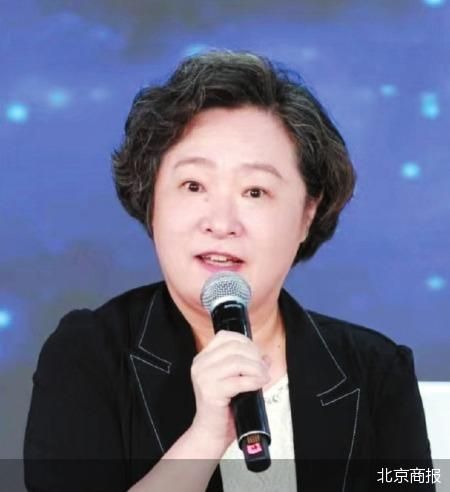
创新消费力|专访国务院发展研究中心市场经济研究所研究员王微:从商品到服务 消费市场进入深度调整期
Bei Jing Shang Bao· 2025-08-05 08:33
Core Insights - The Chinese consumption market is undergoing a significant structural transformation, shifting from goods consumption to service consumption, which presents both new growth opportunities and challenges [1] - The growth rate of social retail sales (社零额) has been declining, reflecting changes in economic development stages and consumption structure [1][5] - Service consumption is becoming a major growth driver, with its share in total household consumption expected to reach 47% by 2024 [1][4] Consumption Market Trends - The importance of consumption in the economy has been increasingly recognized, with policies aimed at boosting consumption being prioritized at both national and local levels [4] - New trends include a stable growth rate, emergence of new consumption drivers, and a shift from goods to service consumption, with digital and green consumption growing rapidly [4][7] - In Beijing, service consumption accounts for over 50% of household spending, with a projected growth of 6.1% in service consumption in 2024 [4] Changes in Social Retail Sales Growth - The decline in social retail sales growth is attributed to the transition of the economy from high-speed to medium-speed growth, alongside a shift in consumption structure [5] - The long-term trend indicates that service consumption will exceed 50% of household spending, becoming a primary source of consumption growth [5] Contribution of Consumption to Economic Growth - Consumption has become a more significant driver of economic growth compared to investment, especially in the context of uncertainties in international trade [6] - Prior to 2019, final consumption contributed over 50% to GDP growth, but recent fluctuations due to the pandemic have posed new challenges [6] Emerging Consumption Dynamics - Despite a slowdown in traditional consumption growth, new dynamics such as green and digital consumption are rapidly expanding [7][8] - The retail sales of new energy vehicles are projected to exceed 10 million units in 2024, marking a 40.7% year-on-year increase [8] Policy Support and Market Mechanisms - Recent years have seen a surge in consumption-boosting policies, with coordinated efforts across various government departments [9] - Market mechanisms play a crucial role in matching supply and demand, but challenges remain in addressing the mismatch between homogeneous supply and diverse consumer needs [10] Challenges Facing the Consumption Market - Key challenges include employment and income issues, which significantly impact consumer confidence and spending capacity [12] - The traditional supply model struggles to meet the diverse demands of consumers, and institutional barriers in service sectors like education and healthcare hinder growth [12] Future Outlook - The consumption market is at a critical juncture, requiring comprehensive reforms in statistical systems, governance, and corporate structures to fully realize its potential [13]

上海浦东新区:支持研发和应用数字化系统及技术,建设数字消费新场景
Zheng Quan Shi Bao Wang· 2025-08-05 06:53
Core Viewpoint - The Shanghai Pudong New Area Business Committee has issued implementation guidelines to support the development of international consumer centers, emphasizing the encouragement of commercial renewal and digital transformation [1] Group 1: Digital Transformation and Support - The guidelines promote the research and application of digital systems and technologies to create new digital consumption scenarios [1] - Projects that enhance the environment and facilities of shopping malls and street shops in line with consumption upgrades will receive rewards after evaluation, particularly those with demonstrative effects [1] Group 2: Community and Economic Development - Enterprises are encouraged to actively participate in the development of convenient living circles and night economy, as well as high-quality specialty dining areas [1] - Demonstration projects that achieve good results will be rewarded, with local funding support encouraged for projects within town jurisdictions [1]
如何理解7月政治局会议和PMI数据:政策含义和资产指向
2025-08-05 03:18
Summary of Conference Call Industry or Company Involved - The conference call primarily discusses macroeconomic policies and their implications for various sectors, particularly focusing on the Chinese economy and its policy adjustments. Core Points and Arguments 1. The recent Politburo meeting emphasized the need for a balance between short-term and long-term economic strategies, indicating a cautious approach to policy adjustments that may not meet market expectations [2][12] 2. The focus of short-term policies is on maintaining a bottom-line thinking approach, with an emphasis on existing policies rather than introducing new measures [2][12] 3. There is a notable shift towards supporting service consumption as a new growth point, moving away from a focus on goods consumption [4][5][18] 4. The meeting highlighted the importance of nurturing new service consumption sectors, suggesting potential future policy support in this area [5][18] 5. The government is expected to continue promoting urban renewal and efficiency in existing systems rather than expanding new projects, indicating a transition from an expansionary phase to a focus on optimizing current resources [7][12] 6. The tone of the meeting suggested a more lenient approach towards industries previously considered weak, with a shift from strict capacity exit policies to governance of existing capacities [9][10] 7. The meeting also addressed the need for improved efficiency in fiscal policies, particularly in managing local government investments to avoid ineffective projects [10][11] 8. The PMI data for July showed a decline in both manufacturing and non-manufacturing sectors, indicating weakening demand, which may influence future policy decisions [14][15][16] 9. The service sector's performance in July was below expectations, reflecting broader economic challenges, particularly in consumer spending [17][18] 10. The overall sentiment from the meeting suggests that while current policies are focused on maintaining stability, there may be room for additional measures if economic indicators continue to weaken [19][20] Other Important but Possibly Overlooked Content 1. The meeting indicated that the government is still in the process of implementing previously announced policies, with no immediate plans for new stimulus measures [19] 2. The discussion around the service sector highlighted the impact of real estate on consumer spending, suggesting that recovery in this area is crucial for overall economic health [17][18] 3. The potential for future policy adjustments will depend on the performance of key economic indicators in the coming months, particularly in August [19]
安徽经济半年报:新场景激活新动能 让消费“马车”加速奔跑
Sou Hu Cai Jing· 2025-08-04 11:45
Group 1 - Consumption is the main engine driving economic growth in Anhui, with a focus on service consumption, digital consumption, and green consumption, leading to the emergence of new consumption scenarios and business models [1] - In the first half of the year, Anhui's total retail sales of consumer goods reached 1,205.1 billion yuan, with a growth rate of 5.5%, ranking first in the Yangtze River Delta region [20] - The province has launched over 3,000 "Hui Dong Consumption" activities and issued consumption vouchers worth 800 million yuan, stimulating consumption by 2.26 billion yuan [20] Group 2 - The Yuan Xiao Ao Magic Bookstore in Hefei offers an innovative cultural experience by combining technology, IP, and immersive experiences, attracting over 200,000 visitors and generating over 1.8 million yuan in offline revenue [5][3] - The park where the bookstore is located has hosted over 800 exhibitions and art activities, receiving more than 15 million visitors [5] - The development of new consumption scenarios, such as immersive cultural tourism projects, has contributed to the growth of the entire park's cultural tourism consumption [5][11] Group 3 - Anhui has established 41 provincial-level commercial and cultural tourism integration development clusters and introduced 637 new stores, leading to a 7.0% increase in domestic tourist visits and a 7.2% increase in domestic tourism spending [13] - The province is focusing on enhancing urban commercial capabilities and meeting diverse consumer demands through various initiatives, including attracting well-known commercial projects [15] - The "old-for-new" policy has provided 8 billion yuan in subsidies, driving sales of 59.3 billion yuan, with a focus on improving product quality and consumer experience [17] Group 4 - The shift from "functional consumption" to "value consumption" reflects a growing demand for personalized and high-quality products, prompting Anhui to enhance supply, expand scenarios, and strengthen consumer protection [23] - The province's retail sales growth is 0.5 percentage points faster than the national average, indicating a robust consumer market [20]

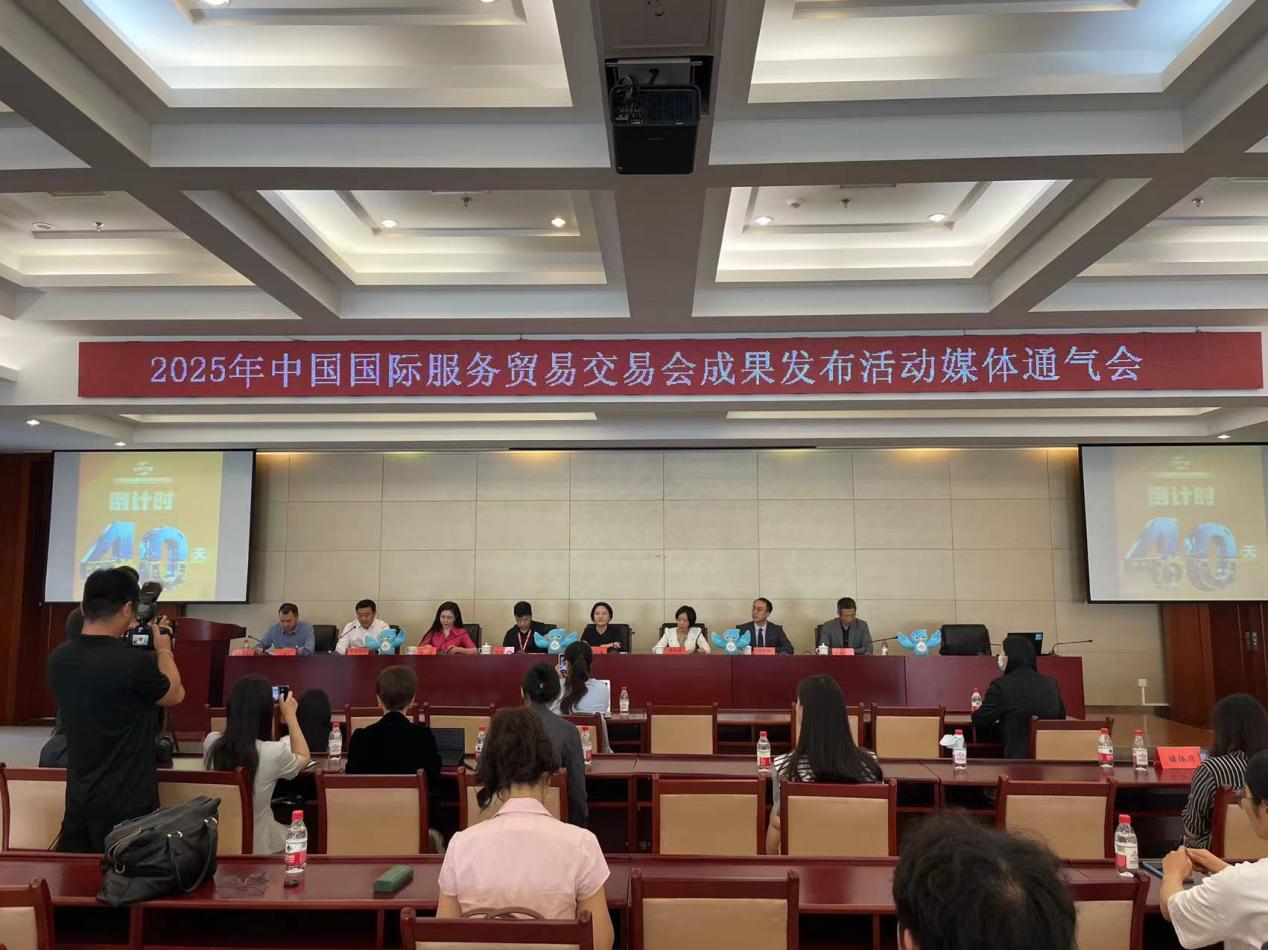
倒计时40天丨2025北京服贸会前瞻:服务贸易解决方案集中亮相
Zhong Guo Jing Ji Wang· 2025-08-01 11:55
Group 1 - The 2025 China International Service Trade Fair (CIFTIS) is set to showcase significant achievements from various enterprises and institutions, with a media briefing held 40 days prior to the event [1] - The China Hotel Association will launch the first "China Accommodation Consumption Index" and "China Catering Consumption Index" at the fair, focusing on price, customer flow, and confidence indices to reflect industry consumption trends [2] - The association will also release two national industry standards related to ESG management and digital operations for hotels, aiming to promote high-quality development in the industry [2] Group 2 - Ernst & Young will present innovative products and insights at the fair, including the first industry-specific intelligent Q&A system, which provides 24/7 service across various sectors [3] - Alibaba will unveil a series of innovative results, including the "Yellow Handrail Plan" aimed at enhancing safety for the elderly, and a report on new e-commerce models that leverage digital capabilities [4] - The company will also introduce the China Online Consumption Brand Index (CBI), focusing on quality metrics in online consumption [4] Group 3 - Baiwang Co., Ltd. will launch a global transaction compliance solution at the fair, integrating AI with tax expertise to support enterprises in compliance management [5]
第三届西部消博会10月将在西安举办
Xi An Ri Bao· 2025-07-30 02:38
7月29日记者获悉,第三届西部消费精品博览会(简称"西部消博会")将于2025年10月17日-19日在 西安国际会展中心举办。本届博览会以"促消费 惠千企 利万民"为主题,汇聚全球消费精品,打造文商 旅体融合的多元消费生态。 原文链接:第三届西部消博会10月将在西安举办 据悉,本届西部消博会规模升级,10000平方米展区覆盖消费全领域。其中,区域促消费展区展出 陕西"一县一品"、兄弟省市特色消费品,感受地域风情。外贸优品展区,展出出口转内销高性价比好 物,家居、服饰、电子消费一站购。老字号展区,有非遗创新、潮玩文创、新茶饮酒饮,传统与潮流碰 撞。文旅融合展区,涵盖了特色旅游线路、非遗文创、民俗体验,解锁"沉浸式"消费。体育消费展区, 展出运动装备、露营户外、互动体验,点燃健康生活。数字消费展区,5G、元宇宙、直播电商,体验 智慧零售新未来。 ...
消费热度攀升 需求持续释放
Liao Ning Ri Bao· 2025-07-24 01:10
Core Insights - The article highlights the vibrant development of the "night economy" in Shenyang, with various new consumption scenarios and models emerging, enhancing consumer experiences [1] - The province's retail sales of consumer goods reached 513.77 billion yuan in the first half of the year, showing a year-on-year growth of 6.3%, which is 1.3 percentage points higher than the national average [1] - The implementation of the "old-for-new" consumption policy has significantly boosted consumer spending, with over 645.8 million items sold under this initiative, generating sales exceeding 44 billion yuan [2] Group 1: Economic Performance - The retail sales of consumer goods in Liaoning province increased by 6.3% year-on-year, with a notable growth in retail sales of limited above consumer goods by 9.6% [1] - The province's consumption market has been invigorated by various promotional activities and policies, leading to a significant increase in consumer spending [2][3] Group 2: Policy Impact - The "old-for-new" policy has expanded its scope, now including 20 categories of household appliances, which has effectively stimulated consumer demand [2] - The provincial government has issued nearly 300 million yuan in consumption subsidies, which has played a crucial role in driving consumption growth [3] Group 3: Event-Driven Consumption - Major events such as concerts and beer festivals have attracted large crowds, with a concert in Dalian drawing 3.25 million visitors and generating 3.16 billion yuan in consumption [5] - The province has organized over 1,000 promotional activities this summer, aiming to convert emotional value into economic value [5][6] Group 4: Future Strategies - The provincial government plans to continue promoting the "old-for-new" initiative and organize more consumption activities, focusing on integrating commerce, tourism, culture, and sports [6] - There is an emphasis on developing new consumption formats, including online shopping and artificial intelligence, to sustain the current positive consumption trend [6]