国产替代

Search documents
2026年中国MRI超导磁体行业政策、产业链、发展历程、供需规模、竞争格局及发展趋势研判:产能产量扩张,国产替代进程加速落地,国产化率显著提升[图]
Chan Ye Xin Xi Wang· 2026-02-20 01:11
Core Insights - The MRI superconducting magnet industry in China is experiencing significant growth due to advancements in domestic production capabilities and technology, particularly in helium-free technology and high-field magnet performance optimization [1][4][6] - By 2025, China's MRI superconducting magnet production capacity is expected to reach 1,400 units, with a production volume of 900 units and a market size of 3.032 billion yuan [1][5] - The global MRI superconducting magnet market is projected to grow from $1.278 billion in 2020 to $1.582 billion by 2025, indicating strong demand driven by both developed and developing markets [4][6] Industry Definition - Superconducting magnets are electromagnetic devices that utilize superconducting materials to generate strong magnetic fields without energy loss, essential for MRI imaging [2][3] - MRI superconducting magnets are critical components of MRI devices, providing the necessary magnetic field for imaging [2] Industry Development History - The development of China's MRI superconducting magnet industry can be divided into three phases: technology introduction and initial exploration (1980s-1990s), independent research and industrialization (early 2000s-2010s), and high-end breakthroughs and domestic substitution (2010s-present) [4] Current Industry Status - The domestic MRI superconducting magnet industry has seen a steady demand, with production capacity and quality improving significantly due to local technological advancements and increased domestic supply chain capabilities [4][5] - By 2026, the industry is expected to see further increases in production capacity to 1,500 units and a market size of 3.235 billion yuan [1][5] Industry Supply Chain - The supply chain for the MRI superconducting magnet industry includes upstream materials such as niobium-titanium (NbTi), niobium-tin (Nb3Sn), and liquid helium, with the midstream focusing on magnet production and the downstream involving MRI machine manufacturing [6] Industry Development Environment - Recent government policies have supported the high-end medical equipment industry, emphasizing the importance of domestic production capabilities in key components like superconducting magnets [6][8] Competitive Landscape - The MRI superconducting magnet market is dominated by major international players like Siemens, GE, and Philips, while domestic companies are gaining market share through competitive pricing and localized services [8][10] - Key domestic companies include Ningbo Jiexin Superconducting Technology Co., Weifang New Power Superconducting Technology Co., Shanghai United Imaging Healthcare Co., and Western Superconducting Technologies Co. [8][10] Industry Trends - The domestic market is expected to accelerate the process of domestic substitution, with a significant increase in the localization rate of superconducting magnets [12][14] - The industry is likely to see a concentration of market resources towards companies with technological advantages and global reach, while smaller firms may focus on niche markets [15]


研判2026!中国超微细电子线材行业产业链、产量、需求量、市场规模、竞争格局和未来趋势分析:电子产品微型化发展,推动超微细电子线材需求增加[图]
Chan Ye Xin Xi Wang· 2026-02-20 01:04
内容概要:随着电子信息、新能源汽车等行业的快速发展,它们对传输电子信号的线材要求越来越高, 尤其是下游信息电子产品对轻、薄、短、小的不懈追求,要求线材也必然向超微细的方向发展。超微细 电子线材的发展,不仅降低了传输信号线束的体积、重量,更会大幅提升线束的抗弯折性能,多条超微 细线材绕制的线束也提高了信号传输的质量和稳定性。鉴于超微细电子线材的优异性能,机器人、新能 源汽车、医疗仪器等领域也越来越多采用超微细电子线材,行业市场规模不断扩大。数据显示,2016年 中国超微细电子线材行业市场规模达到17.11亿元,到了2025年行业市场规模增长至48.62亿元,同比上 涨12.3%。 相关上市企业:ST东尼(603595)、露笑科技(002617)、瀛通通讯(002861)、通达股份 (002560)、康强电子(002119)、杭电股份(603618)、震雄集团(00057)、博威合金 (601137)、江西铜业(600362)、紫金矿业(601899)等。 相关企业:珠海蓉胜超微线材有限公司、浙江微力方复合材料有限公司、江西中易微连新材料科技有限 公司、白银一致长通超微线材有限公司等。 关键词:超微细电子线材行业 ...

趋势研判!2026年中国高频高速覆铜板行业发展历程、供需情况、市场规模、竞争格局及未来趋势:国产替代进程加快,高频高速覆铜板市场规模达370.6亿元[图]
Chan Ye Xin Xi Wang· 2026-02-20 01:04
Core Viewpoint - The high-frequency and high-speed copper-clad laminate market is experiencing robust growth driven by the large-scale construction of 5G base stations, rapid bandwidth demand in data centers, and the proliferation of electric vehicles and intelligent driving technologies. The market is projected to grow from 4.8 billion yuan in 2016 to 37.06 billion yuan by 2025, with a compound annual growth rate (CAGR) of 25% [1][7]. Industry Overview - High-frequency and high-speed copper-clad laminates are essential materials for the electronic information industry, primarily used in 5G communication devices, high-speed data centers, automotive electronics, satellite communications, and artificial intelligence hardware [1][6]. - These laminates exhibit significant advantages over traditional copper-clad laminates in terms of dielectric constant, dielectric loss, and signal transmission speed, making them suitable for high-frequency and high-speed signal transmission [1][6]. Market Size and Growth - The market size of China's high-frequency and high-speed copper-clad laminate industry is expected to grow from 4.8 billion yuan in 2016 to 37.06 billion yuan by 2025, reflecting a CAGR of 25% [1][7]. - By 2025, the demand for high-frequency and high-speed copper-clad laminates is projected to reach 13,168.8 million square meters, a year-on-year increase of 28% [5][6]. Industry Development History - The development of China's high-frequency and high-speed copper-clad laminate industry can be divided into several stages: initial stage, technology introduction and development, independent innovation and growth, vigorous industry development, and technological upgrades with international competition [3]. Industry Supply Chain - The supply chain for high-frequency and high-speed copper-clad laminates includes upstream raw materials such as copper foil, glass fiber cloth, resin materials, fillers, and processing equipment. The midstream involves the production and manufacturing of the laminates, while the downstream applications span communication equipment, consumer electronics, automotive electronics, and more [4]. Competitive Landscape - The industry has a clear tiered competitive structure, with the first tier dominated by Taiwanese, Japanese, and Korean companies, including well-known firms like Taiyo Yuden and Nanya Technology. The second tier consists of leading domestic manufacturers such as Shengyi Technology and Jin'an Guoji, while the third tier comprises smaller companies competing in niche markets [8]. Key Companies - Shengyi Technology Co., Ltd. is a major player in the industry, focusing on high-quality copper-clad laminates and achieving a global market share of 13.7% by 2024. The company emphasizes innovation and has filed numerous patents to enhance its competitive edge [8]. - Nanya New Material Technology Co., Ltd. specializes in copper-clad laminates and has reported a revenue increase of 41.83% in the first half of 2025, highlighting its strong market position [9][10]. Industry Trends - The industry is expected to focus on low-loss materials with low dielectric loss (Df) and low dielectric constant (Dk) through innovative resin systems and advanced manufacturing techniques [11]. - There is a trend towards higher integration in electronic products, with developments in high-density interconnect (HDI) and system-in-package (SiP) technologies to meet the demands for compact and multifunctional devices [12]. - The industry is also moving towards sustainable practices, promoting the use of green materials and clean production processes to reduce environmental impact [12].


半导体行业迎多重利好 拍明芯城股价震荡
Xin Lang Cai Jing· 2026-02-19 21:12
Group 1 - The global semiconductor industry is experiencing multiple favorable trends, including a sustained price increase for memory chips, with NAND flash contract prices expected to rise by 55%-60% in Q1 2026 and server DRAM prices increasing by nearly 90% due to surging AI server demand, indicating the onset of a super cycle in the industry [1] - Domestic policy support is intensifying, with the Ministry of Industry and Information Technology prioritizing computing chips and high-end storage as key focus areas, and the National Integrated Circuit Industry Investment Fund III injecting capital into the storage sector, alongside Shenzhen's AI + advanced manufacturing plan accelerating domestic substitution efforts [1] - Public funds have been actively researching the semiconductor sector before the Spring Festival, focusing on companies like Blue Arrow Electronics and Biyiwei, highlighting the industry's cyclical recovery and structural opportunities [1] Group 2 - Recently, the stock price of Paiming Xincheng has shown volatility, closing at $1.04 on February 18, 2026, with a maximum price of $1.09 and a minimum of $1.00 during the week, indicating an overall fluctuation of 8.74% and a slight increase of 0.97% [2] - Trading volume has increased, with 26,480 shares traded on February 17, suggesting heightened short-term trading activity, although the stock's performance has diverged from the broader semiconductor sector trends [2] Group 3 - Institutions have noted a tightening supply-demand balance in the global semiconductor market, with Goldman Sachs predicting a 26% increase in storage demand against a 21% supply growth, leading to a DRAM supply gap of 4.9%, the most severe shortage in 15 years [3] - The explosive demand for AI computing power and the deepening of domestic substitution efforts are resonating, making storage chips and AI chips key focus areas for the year, indicating a transition from cyclical recovery to growth in the chip industry [3] - The upward trend in both volume and price in the semiconductor sector is expected to positively impact Paiming Xincheng's position in the electronic product distribution segment [3]
2026年中国铝塑膜行业政策、规模现状简析:全产业链布局加速,行业安全、绿色、高质量发展[图]
Chan Ye Xin Xi Wang· 2026-02-18 23:28
Core Viewpoint - The aluminum-plastic film is a key material for packaging soft-pack lithium battery cells, with a stable supply-demand balance in the industry, driven by a gradual recovery in demand from the power battery sector and accelerated domestic substitution processes. The market size for aluminum-plastic film in China is projected to reach 6.3 billion yuan by 2025, with significant growth in both the power battery and 3C/storage sectors compared to 2024 [1][10]. Aluminum-Plastic Film Industry Overview - Aluminum-plastic film is essential for sealing soft-pack lithium battery cells, protecting internal materials. It consists of multiple layers, including an outer barrier layer, a barrier layer, and a heat-seal layer, each serving specific protective functions [2][4]. - The film is categorized based on production processes into dry and thermal aluminum-plastic films, with varying advantages and applications [3]. Product Characteristics - Battery-grade aluminum-plastic film has stringent performance requirements, including high barrier properties against moisture and oxygen, excellent deep-drawing performance, puncture resistance, and chemical stability to ensure battery safety and longevity [4][5]. Industry Policy Background - China's battery and aluminum-plastic film industries are under strong national regulation, with policies focusing on export control, lifecycle management, and support for key materials. Recent regulations aim to enhance compliance and promote domestic production of critical materials [6][7]. Industry Chain - The aluminum-plastic film industry chain consists of upstream raw material suppliers, midstream production companies, and downstream soft-pack lithium battery manufacturers, serving various end-use sectors including consumer electronics, electric vehicles, and energy storage [8]. Industry Development Status - From 2017 to 2025, the aluminum-plastic film market in China is expected to grow steadily, driven by demand from 3C consumer electronics and the energy storage sector, alongside improvements in domestic production capacity. The market is projected to reach a size of 6.3 billion yuan by 2025, with a notable increase in both production and demand [9][10][11]. Competitive Landscape - The aluminum-plastic film industry in China is still developing, with key players concentrated in the Pearl River Delta and Yangtze River Delta regions. Major companies include New Lian New Materials, Zijiang Enterprises, Mingguan New Materials, and others, with varying production capacities and market positions [13][14][15]. Industry Development Trends - The aluminum-plastic film is evolving towards high barrier, corrosion resistance, and ultra-thin high-strength specifications to meet the stringent packaging requirements of advanced battery technologies. The industry is also focusing on green transformation and lifecycle management to enhance sustainability and competitiveness [16].



研判2026!中国高纯三甲基铝行业概述、分类、产业链图谱及市场现状分析:行业呈现“技术突破-产能扩张-国产替代”的良性循环[图]
Chan Ye Xin Xi Wang· 2026-02-18 23:22
Core Viewpoint - The high-purity trimethyl aluminum (TMA) market in China is experiencing strong growth driven by increasing demand in semiconductor and advanced technology applications, with a projected market size of approximately 1.122 billion yuan in 2024, reflecting a year-on-year growth of 11.20% [1][8]. Industry Overview - High-purity trimethyl aluminum is a critical precursor material used in MOCVD and ALD processes, essential for manufacturing GaN-based LED epitaxial wafers and aluminum nitride films [1][4]. - The purity of high-purity trimethyl aluminum typically exceeds 99.999% (5N), and it is categorized into different purity levels such as 5N, 6N, and 6.5N [1][4]. Industry Chain - The upstream of the high-purity trimethyl aluminum industry includes raw materials like high-purity aluminum, halogenated methane, and inert gases, as well as production equipment such as reactors and distillation units [4]. - The midstream involves the production and manufacturing of high-purity trimethyl aluminum, while the downstream applications span across semiconductors, display panels, solar photovoltaics, and LEDs [4]. Market Size - The Chinese high-purity trimethyl aluminum industry is in a rapid development phase, characterized by a virtuous cycle of technological breakthroughs, capacity expansion, and domestic substitution [8]. - The demand for high-purity trimethyl aluminum is expected to grow significantly due to the rising production of integrated circuits, projected to reach 484.279 billion units in 2025, marking a year-on-year increase of 7.28% [8]. Key Companies' Performance - The market for high-purity trimethyl aluminum is highly concentrated, with domestic companies like Nanda Optoelectronics and Yake Technology challenging the long-standing dominance of international leaders such as Nouryon and Albemarle [9][12]. - Nanda Optoelectronics reported a revenue of 1.884 billion yuan in the first three quarters of 2025, a year-on-year increase of 6.83%, with a net profit of 301 million yuan, up 13.24% [9]. - Yake Technology achieved a revenue of 6.467 billion yuan in the same period, reflecting a year-on-year growth of 29.36%, with a net profit of 796 million yuan, an increase of 6.33% [9]. Industry Trends - The primary trend in the industry is the advancement of technology driving purity standards towards extreme levels to meet the demands of advanced semiconductor applications [11]. - Market demand is shifting from basic applications to high-value strategic emerging industries, with significant growth expected in sectors like semiconductor lasers, LEDs, and next-generation solar cells [12]. - The competitive landscape is evolving, with domestic companies transitioning from mere substitutes to significant players in the global market, necessitating advancements in product purity, production capacity, and supply chain stability [13].


2026年中国钢帘线行业发展历程、政策、市场规模、重点企业及趋势研判:国产替代推动自给率提升,钢帘线市场规模超200亿元[图]
Chan Ye Xin Xi Wang· 2026-02-18 23:22
Core Viewpoint - The steel cord industry in China is experiencing fluctuations in market size due to changes in product specifications, price volatility, and corporate pricing strategies, with a projected market size of approximately 232.97 billion yuan by 2025, reflecting a 3% year-on-year growth [1][13]. Industry Overview - Steel cord is a specialized fine steel wire made from high-carbon steel, crucial for various types of tires, including passenger cars, light trucks, heavy trucks, engineering machinery, and aircraft [1]. - The market size for steel cord in China has shown significant volatility, recovering from 148.9 billion yuan in 2016 to 194.21 billion yuan in 2019, before declining in 2020 due to the COVID-19 pandemic [1][12]. - The market rebounded to 222.68 billion yuan in 2021 and has continued to grow since, supported by the automotive and tire industries and government policies promoting new energy vehicles [1][12]. Industry Development History - The steel cord industry in China began in the 1960s, with significant advancements occurring in the 1980s and 1990s, leading to the establishment of key production enterprises [5]. - By the 21st century, the industry matured, with a high market concentration and a shift towards technological innovation and quality improvement to enhance competitiveness [5][11]. Industry Policies - The Chinese government has implemented various policies to promote the development of the steel cord industry, focusing on green and low-carbon transformation in traditional industries [7]. - Policies aim to optimize production processes and enhance energy efficiency, which are crucial for the industry's sustainable growth [7]. Industry Chain - The upstream of the steel cord industry includes raw materials like steel wire rods and production equipment, while the midstream involves the manufacturing of steel cords [8]. - The downstream applications are primarily in the production of radial tires for various vehicles, indicating a focused market demand [8]. Current Market Situation - The domestic steel cord market has transitioned from a supply-demand imbalance to a situation where domestic production meets the needs of the tire industry, reducing reliance on imports [11]. - In 2023, China's steel cord production exceeded 3 million tons, marking a 20.69% year-on-year increase, with projections for continued growth in production and demand through 2025 [11][12]. Competitive Landscape - The steel cord industry features a multi-layered competitive structure, with multinational companies like Bekaert leading in high-end markets, while domestic leaders such as Xingda International and Hengxing Technology dominate mid to high-end segments [13][14]. - Smaller specialized companies are focusing on niche markets and differentiated products, while the industry is witnessing a consolidation trend towards larger, more technologically advanced firms [13]. Future Trends - The industry is expected to advance towards higher strength and lightweight materials, integrating new technologies for improved performance [15]. - Sustainable manufacturing practices and circular economy principles are becoming central to production processes, aiming to reduce energy consumption and carbon emissions [16]. - The integration of smart manufacturing technologies, including IoT and AI, is anticipated to enhance production efficiency and supply chain management [17].

A股节后怎么投资?多家券商发“干货”
证券时报· 2026-02-18 09:50
Core Viewpoint - The article emphasizes the investment opportunities in the AI application industry, highlighting the potential for significant growth and profitability by 2026, as well as the importance of diversified asset allocation in the current market environment [4][7][8]. Group 1: AI Application Industry - The AI application industry is expected to establish a strong trend, with a potential "double hit" in 2026, as companies see AI orders and revenue constituting 10% or more of their overall income [4]. - Four key directions for investment in AI applications are identified: 1. Super entry points with large models acting as dual hubs for traffic and commercialization 2. AI infrastructure that defines software-driven computing power, ensuring stable returns 3. High growth areas where AI technology enhances marketing and content creation 4. High barriers in sectors like healthcare and manufacturing due to data and workflow integration [5][6]. Group 2: Market Analysis and Asset Allocation - The A-share market is currently at a historically low valuation, presenting a cost-effective investment opportunity compared to global markets [4][8]. - Various asset classes are analyzed: - Cash assets are under pressure from low interest rates but provide liquidity advantages, with money market funds and short-term deposits yielding around 1.5%-2% annually [8]. - Bond assets are reasonably valued, but long-term bonds may face pressure, while high-grade bonds offer stable yields [8]. - Stock assets, particularly high-dividend sectors like utilities, are seen as reasonably valued, while tech growth stocks are entering a favorable allocation zone after adjustments [8]. - Gold is supported by declining real interest rates and the dynamics of U.S. dollar credit, although short-term volatility may occur [8]. Group 3: Investment Strategy Recommendations - The article suggests a pyramid model for asset allocation, adjusting weights dynamically based on 2026 characteristics: - Base layer (40%-50% of investable assets) should focus on high-grade bonds and stable income products - Growth layer (30%-40%) should prioritize utility and consumer goods leaders, emphasizing "AI empowerment" and "domestic substitution" themes - Opportunity layer (10%-20%) should involve moderate participation in industrial metals and frontier sectors like commercial aerospace and AI applications through thematic funds, with strict loss control measures [8].




A股节后怎么投资?多家券商发“干货”!
天天基金网· 2026-02-18 07:30
Core Viewpoint - The article emphasizes the ongoing investment opportunities in the A-share market, particularly in AI applications and various asset classes, despite the market being closed during the Spring Festival [4][5][6][7]. Group 1: AI Applications - The AI application industry is expected to establish a trend, with a potential "double hit" by 2026, as some companies have over 10% of their revenue from AI orders [5]. - Four key directions for investment in AI applications are identified: super entry points, AI infrastructure, high growth sectors, and high barrier industries [5]. - The production paradigm of animated dramas is being restructured by AI, marking a "golden window period" for this sector [6]. Group 2: Asset Class Analysis - Cash assets are under pressure due to low interest rates, with annual returns around 1.5%-2%, but they provide liquidity advantages [6]. - Bond assets are reasonably valued, but there is pressure on long-term yields; high-grade bonds can offer stable returns [6]. - A-shares are currently at historically low valuations, making them attractive compared to global markets, while high-dividend sectors are also seen as reasonable [6][7]. Group 3: Investment Strategy - The trend of converting household savings into investments continues, with a conservative risk appetite favoring high-dividend and stable bonds [7]. - A pyramid model for asset allocation is suggested, with 40%-50% in stable assets, 30%-40% in growth assets focusing on utility and consumer leaders, and 10%-20% in opportunities like industrial metals and frontier sectors [7]. - The article encourages dynamic adjustment of asset weights based on the characteristics of 2026 [7].

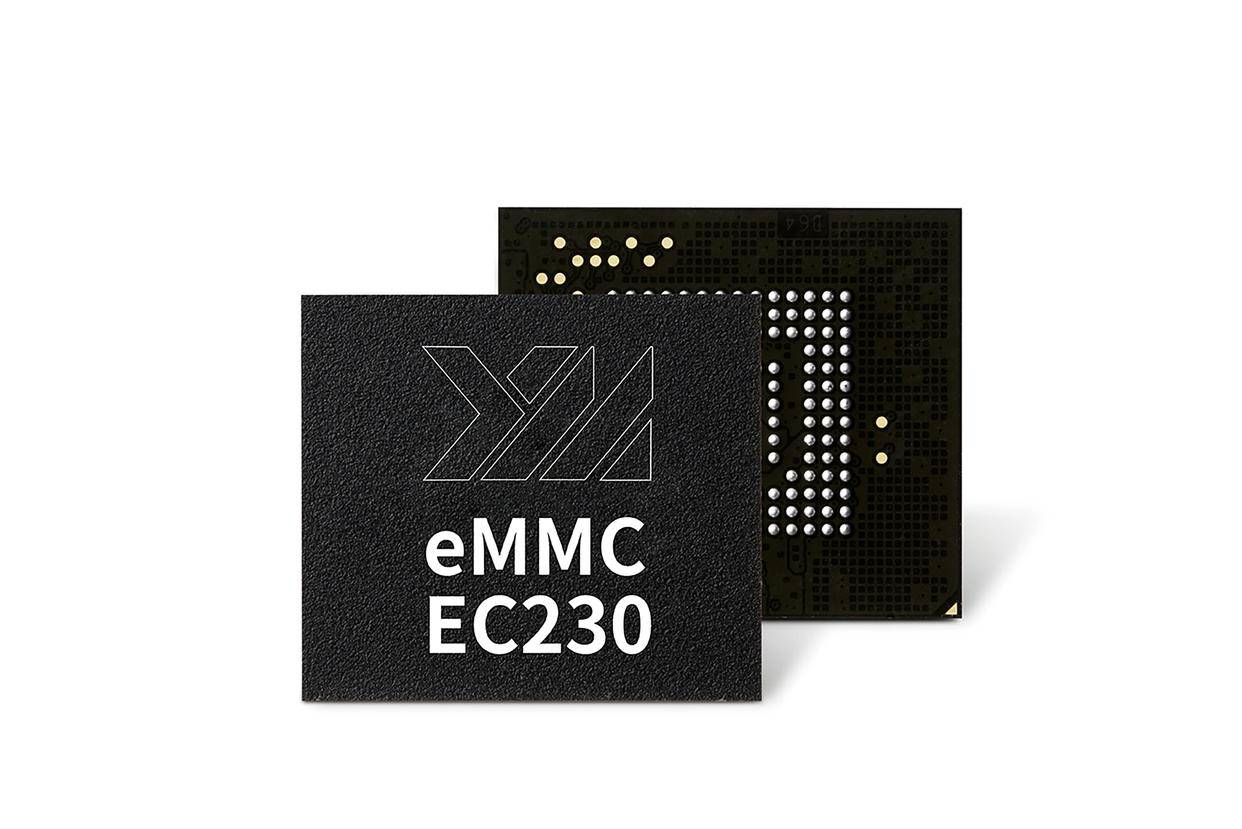
群联CEO预警:存储短缺预计持续5年 大量消费电子企业或将倒闭
Sou Hu Cai Jing· 2026-02-18 07:07
Core Viewpoint - The storage chip supply crisis driven by AI is expected to last until 2030, with significant impacts on consumer electronics manufacturers by the end of 2026, leading to potential production halts and company closures [1] Group 1: Market Dynamics - The NAND Flash and DRAM markets have shifted to a "seller's market," creating a challenging environment for manufacturers [1] - Some manufacturers are requiring customers to prepay for three years of cash payments to secure capacity allocation, a first in the semiconductor industry [1] - The price of 8GB eMMC storage chips has surged from $1.5 at the beginning of 2025 to $20, an increase of over 1200%, with automotive-grade products nearing $30 [1] Group 2: Impact on Consumer Electronics - Global smartphone production is predicted to decline by 200 to 250 million units in 2026, with significant drops in PC and TV shipments as well [2] - Mid to low-end brands may exit the market, while surviving companies will extend product lifecycles, opting for repairs over replacements [2] Group 3: Supply Chain Challenges - The supply-side "double bind" includes cautious expansion by storage manufacturers following significant losses from 2020 to 2024 [2] - The ramp-up period for new 3D NAND technology, which has surpassed 300 layers, is lengthy, taking 18 to 24 months, with new wafer fabs not expected to be operational until 2027-2028 [2] Group 4: Potential Opportunities - There is potential for growth in demand from China's cloud, ground, and education sectors, which could exacerbate the supply gap but also accelerate domestic alternatives [2] - Companies like Yangtze Memory Technologies and ChangXin Memory are making technological progress, providing some buffer for the supply chain, although they cannot fill the global supply gap of 10% to 20% in the short term [2]