
二次元经济

Search documents
百货商场,还要怎么“变”?
3 6 Ke· 2025-08-19 11:29
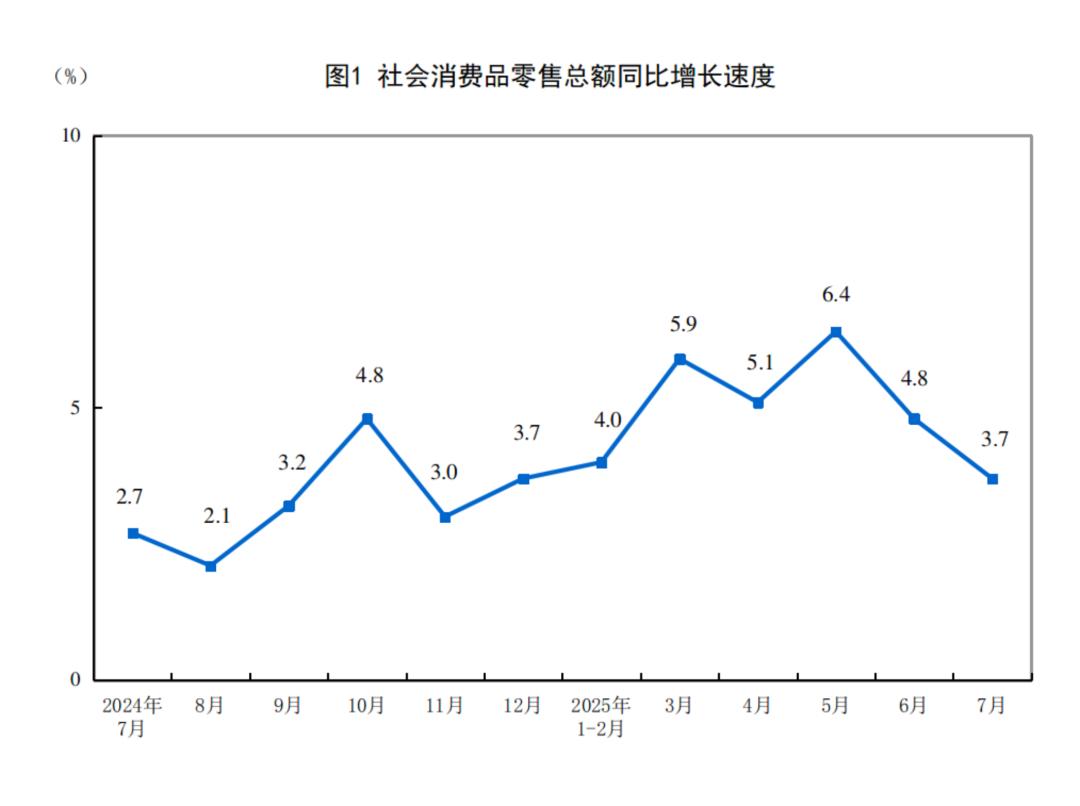
在成都群光广场,海贼王、柯南、初音未来等二次元IP周边店挤满年轻人。北京双安商场顶层,绿植萦绕的"仰望花园"成为白领下班后的新聚点。商场里 导购员手持平板快速调货,试衣间镜子变身虚拟穿搭顾问,结账队伍消失不见。 过去几年,传统百货由于商场品牌和商品同质化现象加剧、场景单一缺乏吸引力,叠加线上渠道的冲击、消费者需求更加多样化等因素,行业业态走向式 微。而近两年来随着传统百货商场的集体转型调整,百货零售行业正迎来新一轮发展机遇。 2025年,走进百货商场,你会发现熟悉的景象正在悄然蜕变。 图片来源:国家统计局 按零售业态分,1—7月份,限额以上零售业单位中便利店、超市、百货店、专业店、品牌专卖店零售额同比分别增长7.0%、5.2%、1.1%、5.8%、1.9%。 可以看出,百货店是百货店是限额以上零售业单位中增长最为缓慢的业态。 从各大百货公布的今年上半年业绩数据来看,不少百货企业面临增长困境、利润下滑。 失速的业绩,流失的年轻人 2025 年百货零售行业增长不算乐观。 国家统计局最新数据显示,2025年1-7月社会消费品零售总额284238亿元,同比增长4.8%。其中7月份同比增长3.7%,消费呈现温和复苏态势 ...

小红书攻入B站大本营
3 6 Ke· 2025-08-15 10:05
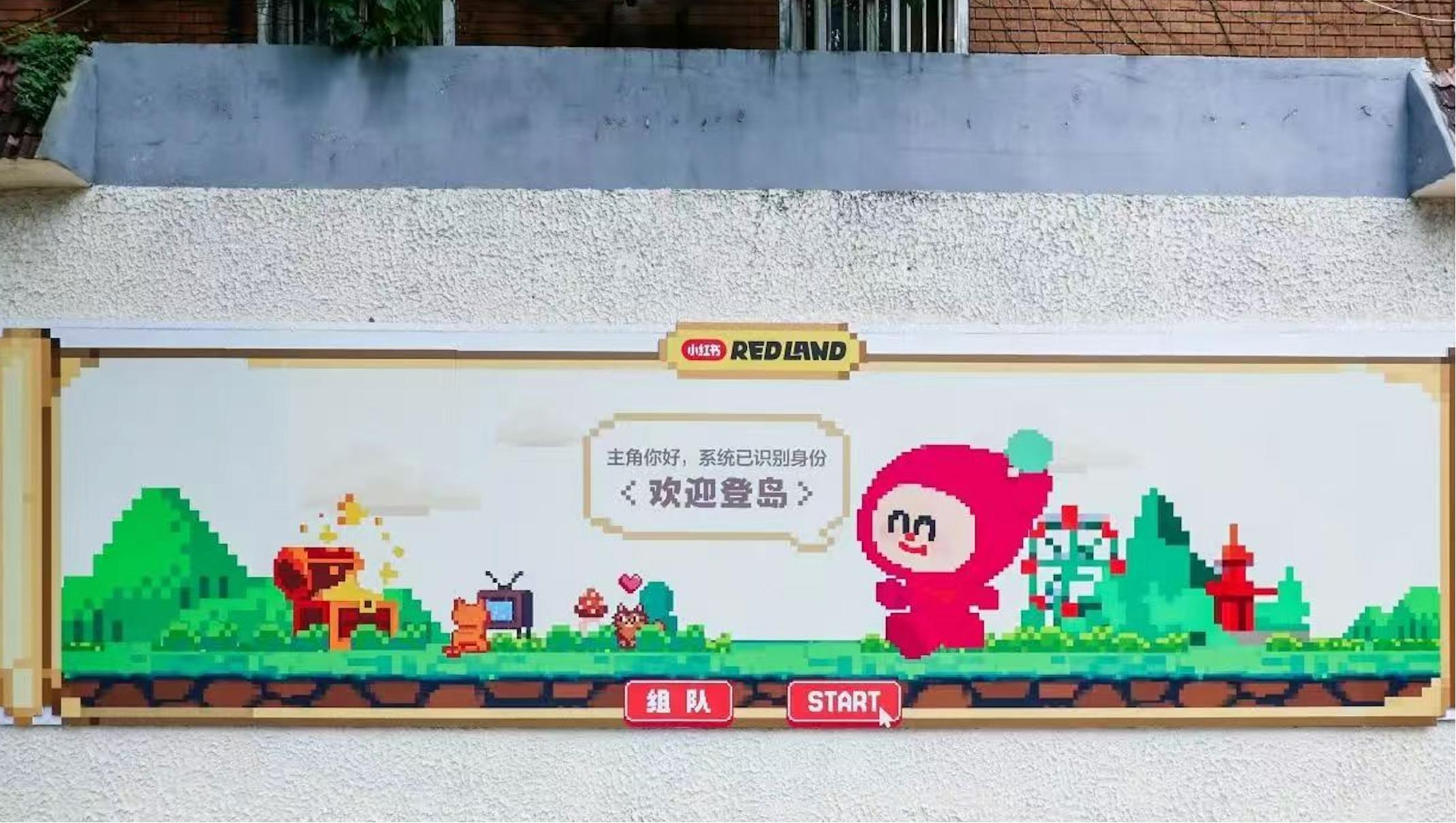
Core Insights - The competition between Xiaohongshu and Bilibili in the ACG (Anime, Comic, Game) sector is intensifying, with both platforms hosting large-scale events in Shanghai during the summer of 2025, highlighting their rivalry for young users' attention and spending power [2][20][26] Group 1: Event Comparisons - Bilibili World (BW) attracted over 400,000 participants and covered 250,000 square meters, making it the largest ACG event globally [2] - Xiaohongshu's RED LAND event, held on an 80,000 square meter outdoor site, drew approximately 100,000 attendees, emphasizing a different approach by focusing on immersive experiences rather than traditional exhibition formats [6][9] - BW featured a more extensive lineup with 167 exhibitors and over 30,000 cosplayers, while RED LAND emphasized a theme park-like experience with three main exhibition areas [4][10] Group 2: Market Dynamics - The ACG content release on both platforms saw significant growth, with a 175% increase in ACG content and a 168% increase in game content on Xiaohongshu, indicating a shift in user engagement [2][3] - Bilibili reported a net revenue of 7.003 billion yuan in Q1 2025, a 24% year-on-year increase, with mobile game revenue surging by 76% [2][17] Group 3: User Demographics and Engagement - Xiaohongshu's user base is predominantly young, with 50% aged 95 and 35% aged 00, and a significant female user demographic, aligning well with the ACG audience [11][12] - Bilibili has a daily active user count of 106.7 million and a monthly active user count of 368 million, while Xiaohongshu's monthly active users reached 350 million by the end of 2024 [13][15] Group 4: Strategic Implications - Xiaohongshu's entry into the ACG space represents a strategic shift from a lifestyle platform to an interest-based community, aiming to redefine its user value and business model [21][23] - The competition for advertising revenue from game developers is a critical driver for both platforms, with Xiaohongshu seeking to capture a larger share of this market [23][24] Group 5: Future Outlook - The ongoing rivalry between Xiaohongshu and Bilibili will significantly influence the future landscape of China's ACG industry, as both platforms strive to enhance their offerings and user engagement [25][26]

摆脱“土”“俗”,黄金消费现“K型分化”丨创新消费力
Bei Jing Shang Bao· 2025-08-09 06:52
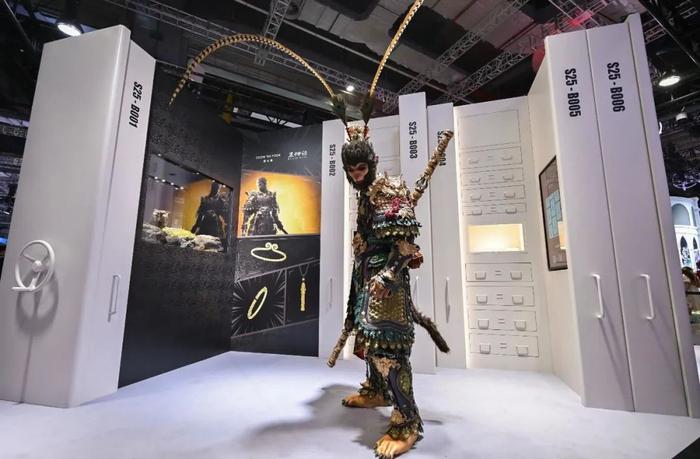
Core Insights - The gold jewelry industry is undergoing significant transformation in 2025, with rising gold prices leading to a shift in consumer preferences from traditional value preservation to emotional and cultural significance [3][4][5] - Major brands like Chow Tai Fook are focusing on product innovation and cultural integration to maintain market relevance and appeal to younger consumers [4][9][14] Industry Trends - The market is experiencing a "K-shaped" differentiation, where high-end custom and light luxury segments thrive, while smaller brands struggle under high gold prices [3][11][12] - The proportion of consumers under 35 years old in the gold and silver jewelry market has increased from 38% in 2020 to 55% in 2025, with over 60% of this demographic purchasing for themselves [5][7] Company Strategies - Chow Tai Fook reported a 9.8% increase in operating profit for the fiscal year 2025, reaching HKD 14.746 billion, despite the challenges posed by high gold prices [4][15] - The company has successfully launched innovative product lines, such as the "Chuanfu" and "Chow Tai Fook Palace" series, generating approximately HKD 4 billion each in sales [4][16] Consumer Behavior - Younger consumers are increasingly viewing gold jewelry as a form of social currency, with a focus on cultural significance and design innovation rather than mere investment [5][8][14] - The rise of digital channels, including live e-commerce and social media, has become crucial for brands to engage with younger audiences, with jewelry live sales accounting for 35% of the category in 2025 [7][8] Competitive Landscape - The industry is witnessing a polarization, where leading brands leverage their innovation and brand equity to capture market share, while smaller brands face significant operational challenges [9][11] - The new consumer formula for gold value incorporates design premium, cultural significance, and social relevance, shifting away from traditional weight and price metrics [8][9] Future Outlook - The future of gold brands hinges on their ability to become cultural symbols rather than mere commodity suppliers, with a focus on integrating culture, technology, and consumer experiences [14][17] - Companies are encouraged to enhance their brand positioning and operational efficiency to navigate the evolving market landscape and consumer expectations [13][17]

热爱诚可贵,理性价更高
Zhong Guo Qing Nian Bao· 2025-08-05 23:03
Core Insights - The article discusses the rising trend of "pain gold," which refers to gold products infused with elements from anime, manga, and gaming, appealing particularly to younger consumers [1][2][5][11] Group 1: Market Trends - "Pain gold" products are gaining popularity, with collaborations between gold brands and popular anime IPs leading to high demand and significant sales, particularly in Hong Kong [5][11] - The market for "pain gold" is part of a broader "谷子经济" (grain economy), which is projected to reach a market size of 1,689 billion yuan in 2024, with the broader anime-related market expected to reach 5,977 billion yuan [7] - Young consumers are increasingly prioritizing emotional value in their purchases, with "pain gold" serving as both a collectible and a form of investment [7][11] Group 2: Consumer Behavior - Consumers like Lin Jia are willing to spend significant amounts on customized "pain gold," viewing it as a rational investment compared to other collectibles that may depreciate in value [2][13] - The trend reflects a shift towards younger demographics in gold consumption, with individuals aged 18-34 contributing over one-third of gold retail sales in China [11][12] - The emotional connection to characters and the desire for unique, personalized items drive the demand for custom "pain gold" products [6][9] Group 3: Risks and Legal Concerns - The customization of "pain gold" raises potential legal issues, particularly regarding copyright infringement if products are created without proper authorization from IP holders [2][17][21] - Consumers face risks related to quality and after-sales service when purchasing customized items, as many products may not meet expectations or could be of inferior quality [16][21] - The article highlights the importance of respecting intellectual property rights, as unauthorized reproductions can lead to legal consequences for both consumers and producers [20][21]
上百家首店扎堆上海,遇冷老商圈能否 “逆袭”?
Sou Hu Cai Jing· 2025-08-05 09:56
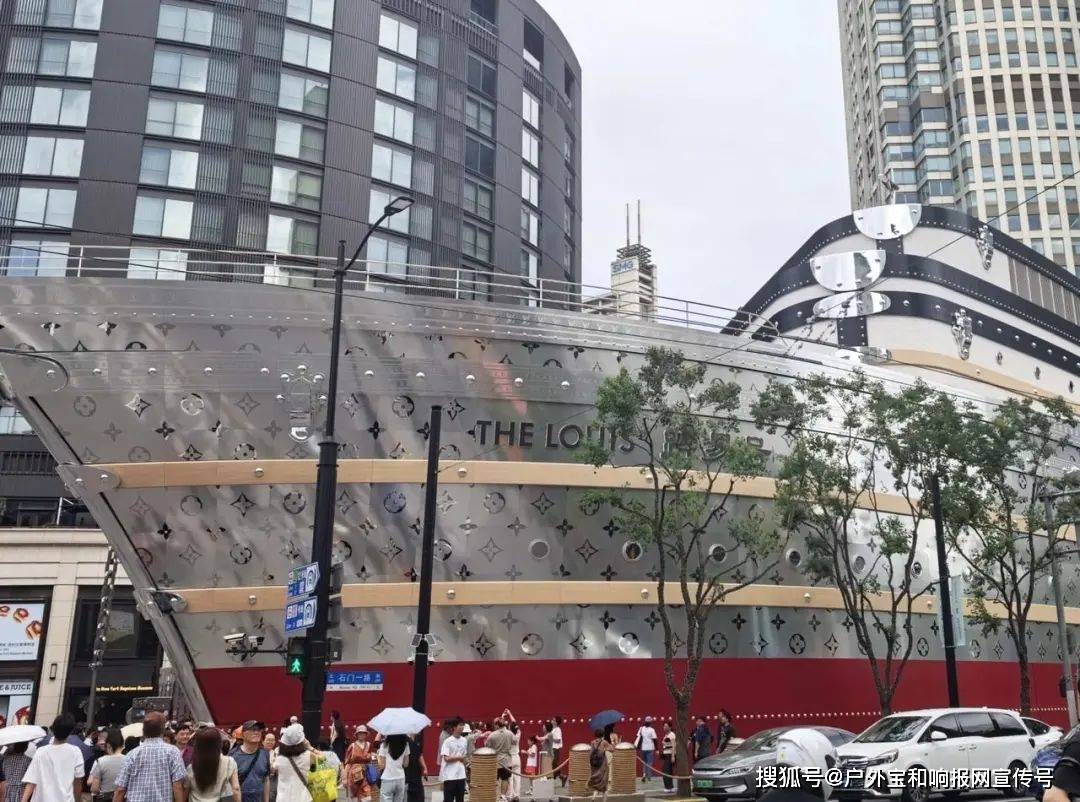
事实上,类似 LV "路易号" 这样的首店、旗舰店,正逐渐成为拉动消费的关键力量。RET 睿意德数据显示,拥有首店的购物中心客流量平均提升 20%-30%,销售额增长 15% 以上。首店,已然成为商业竞争中的超级流量入口。 上海,作为首店经济蓬勃发展的前沿阵地,数据十分亮眼。央视网数据显示,今年 1 至 4 月,上海新增首店 301 家,其中高能级首店占比 15.95%。自 2015 年率先提出发展首店经济以来,上海持续发力,今年更是从展会支持、通关便利、财政激励等多维度强化扶持,对亚洲及以上级别首店给予 100 万元一次性 奖励,持续吸引优质首店资源。 前段时间,LV 在上海兴业太古汇打造的 30 米高、1600 平方米的 "路易号" 船型概念旗舰店正式亮相。开业当天,尽管高温橙色警报拉响,南京西路却因慕 名而来打卡的人群变得热闹非凡,工作日的冷清一扫而空。这艘 "巨轮" 不仅成为 LV 品牌形象的独特展示窗口,其与对面星巴克烘焙工厂的 "有趣对视", 在社交平台引发大量二创,持续吸引大众目光,成为新晋网红打卡点。 不过,从上半年首店资料来看,尽管核心商圈依旧备受青睐,但新兴区域凭借差异化特色,正不断吸引品 ...
一票难求,火爆!“情绪消费场”撬动经济新支点
Sou Hu Cai Jing· 2025-08-04 08:35
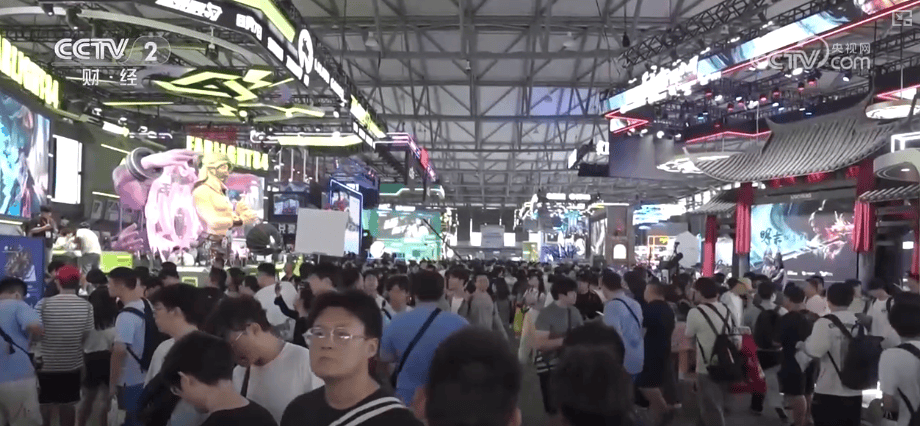
Core Insights - The first International Animation Month in Shanghai will take place from July 4 to August 10, 2025, featuring multiple animation exhibitions that are expected to attract hundreds of thousands of domestic and international visitors [1][3] - The event has transformed animation exhibitions into a significant urban attraction, with high demand for tickets and surrounding services [1][3] Industry Impact - The exhibition area for this year's event exceeds 135,000 square meters, with participation from 800 companies across 37 countries and regions, indicating a strong international presence [4] - During the event week, hotel bookings in the vicinity reportedly increased by 475% year-on-year, showcasing the economic impact on local hospitality [3] Consumer Behavior - The integration of animation elements into traditional shopping areas has led to the emergence of pop-up stores and themed markets, enhancing consumer engagement [9][10] - The emotional value derived from dressing as favorite characters and participating in themed events is driving a new form of consumer spending known as "emotional consumption" [10] Sales Performance - In the first half of 2025, a shopping mall in Shanghai hosted 55 animation-themed pop-up events, generating sales of 82 million yuan, with total revenue from related merchandise reaching 140 million yuan, an increase of approximately 85% compared to the same period in 2024 [19] - A shopping mall in Hangzhou reported that over 50% of its stores are now dedicated to animation brands, resulting in a 151.7% increase in foot traffic and a 161.2% increase in sales year-on-year in the first half of 2025 [21] Market Growth - The number of users in China's broader animation market surged from 210 million in 2017 to 526 million in 2025, with the market for related merchandise expected to reach 652.1 billion yuan [23] - The animation economy, driven by IP value and emotional consumption, is reshaping traditional business models and creating a new ecosystem that fosters user engagement and industry collaboration [25]
二次元吃谷热背后:手艺人发财,小红书闲鱼赚流量,粉丝痛并快乐?
创业邦· 2025-07-31 03:53
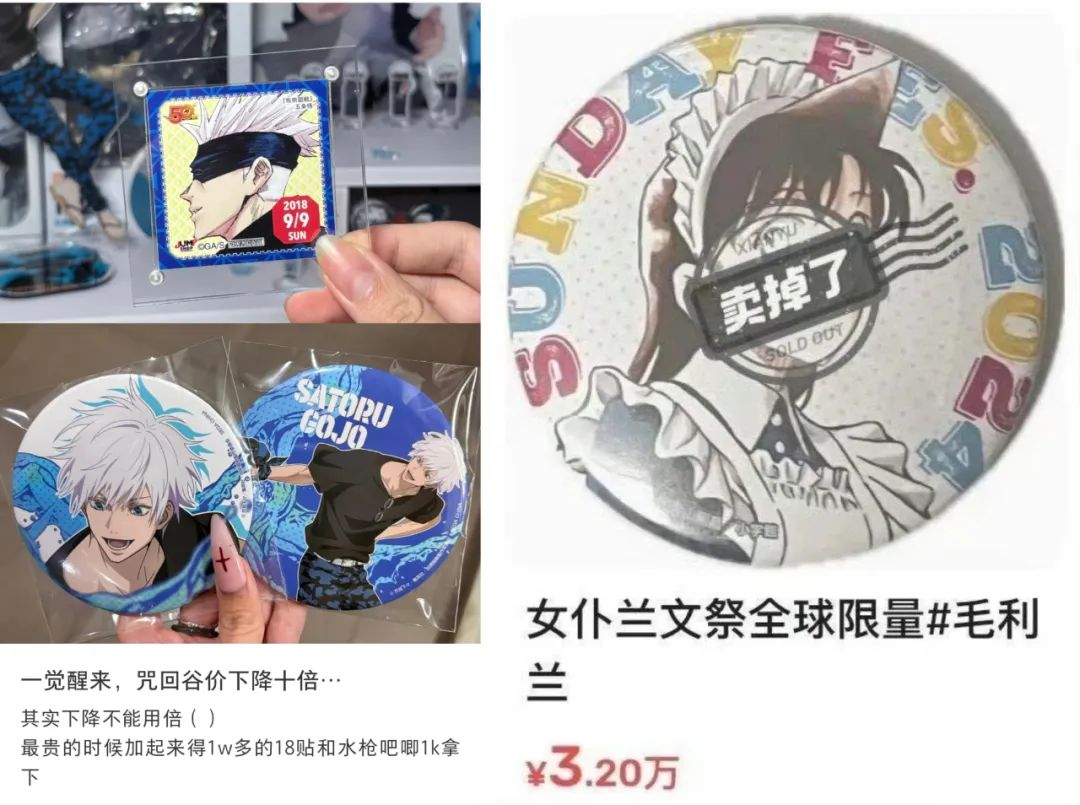
Core Viewpoint - The article discusses the booming second-hand trading market within the ACG (Anime, Comic, Game) community, highlighting the impulsive buying behavior and the subsequent need for selling items at a loss, driven by the popularity of various IPs and merchandise [4][6][62]. Group 1: Market Dynamics - The second-hand market for ACG products has seen significant growth, with items experiencing drastic price fluctuations, such as a character figure dropping from 3000 yuan to hundreds within six months [4][6]. - The rise of IP economy has led to an increase in merchandise releases, with brands frequently launching new collaborations and products, creating a vibrant trading environment [6][7]. - The impulsive buying behavior is prevalent, with consumers often purchasing items at inflated prices during initial releases, only to later sell them at a loss on platforms like Xianyu [7][16]. Group 2: Consumer Behavior - Consumers in the ACG community exhibit a "buy high, sell low" mentality, often relying on second-hand sales to recoup costs from impulsive purchases [16][34]. - The phenomenon of "blind box" purchases has become common, where consumers buy mystery boxes with uncertain outcomes, leading to increased spending driven by the thrill of potential high-value items [35][40]. - Social media platforms like Xiaohongshu play a crucial role in influencing consumer behavior, where users showcase their collections and engage in community discussions before making purchases on trading platforms [57][58]. Group 3: Platform Analysis - Xianyu remains the dominant platform for second-hand ACG transactions, boasting a user base of 105 million and a 75% year-on-year increase in transaction volume [53]. - The emergence of niche platforms like Qindao and Jihuan She caters to specific segments within the ACG community, offering tailored services and community engagement [52][51]. - Xiaohongshu has unexpectedly benefited from the trading boom, becoming a preferred platform for users to showcase and discuss their collections before transitioning to sales on Xianyu [57][58]. Group 4: Challenges and Concerns - The influx of underage users in the second-hand market has raised concerns about impulsive buying and refund requests, complicating transactions for sellers [58][59]. - Issues such as counterfeit products and the need for better regulatory measures have emerged as significant challenges for the trading platforms [60][61]. - The sustainability of the second-hand market is questioned, as it heavily relies on the ongoing popularity of ACG IPs, with potential risks if new hits do not emerge [62].

二次元吃谷热背后:手艺人发财,小红书闲鱼赚流量,粉丝痛并快乐?
3 6 Ke· 2025-07-31 00:25
Core Insights - The article discusses the booming second-hand trading market for anime and gaming merchandise, highlighting the volatility in prices and the impulsive buying behavior of consumers in the "二次元" (two-dimensional) culture [1][5][12] - It emphasizes the dual nature of consumers as both buyers and sellers, often leading to a cycle of impulsive purchases followed by attempts to recoup costs through resale [31][46] Group 1: Market Dynamics - The second-hand market for anime merchandise has seen significant fluctuations, with items like character badges experiencing price drops from thousands to hundreds of yuan [1][5] - The rise of IP (intellectual property) economy has led to an increase in merchandise availability, with consumers often engaging in impulsive buying, resulting in a vibrant second-hand trading environment [5][12] - Platforms like Xianyu (闲鱼) and Qidao (千岛) have become central to this trading ecosystem, with Xianyu reporting a user base of 105 million and a 75% year-on-year increase in transaction volume [50][49] Group 2: Consumer Behavior - Consumers often engage in "blind box" purchases, where they buy merchandise without knowing the specific items they will receive, leading to a gambling-like mentality [32][37] - The article notes that many sellers are also significant buyers, with profits from sales often reinvested into new merchandise, perpetuating a cycle of consumption [31][46] - The community aspect of platforms like Xiaohongshu (小红书) plays a crucial role in influencing purchasing decisions, with users often showcasing their collections and purchases [54][52] Group 3: Challenges and Risks - The second-hand market faces challenges such as counterfeit products, high uncertainty due to the involvement of minors, and complex unwritten rules within the community [14][56] - The article highlights the need for better regulation and service standards on trading platforms to address these issues and ensure sustainable market growth [56] - Concerns are raised about the long-term viability of the second-hand market, which heavily relies on the popularity of anime IPs, suggesting that a lack of new content could lead to market decline [56]
让城市魅力打破“次元壁”(文旅棱镜)
Ren Min Ri Bao Hai Wai Ban· 2025-07-30 01:30
Group 1 - The core appeal of anime exhibitions lies in their ability to create social experiences for fans, with over 70% of attendees prioritizing in-person interactions over the exhibitions themselves [1] - The trend of "traveling with anime exhibitions" reflects the significant influence of interest-based socialization and emotional value on the travel choices of the younger generation [1] - Activities such as cosplay and purchasing merchandise serve as expressions of individuality and community recognition for fans, making anime exhibitions large-scale social gatherings [1] Group 2 - The rapid rise of domestic IPs like "Nezha" and "Black Myth: Wukong" has led to an expansion of the "ACG" (Anime, Comic, Game) user base, with the market size projected to reach approximately 597.7 billion yuan by 2024 [2] - The contribution of anime peripheral products to the anime industry has been increasing, with "IP derivatives + cultural tourism consumption" becoming a new growth driver for the "anime + tourism" sector [2] - Urban spaces are evolving to provide offline social scenes for young tourists, extending anime IP elements beyond traditional venues into shopping districts and scenic spots [2] Group 3 - Over 60 core business districts in first- and second-tier cities are actively developing "ACG" consumption landmarks by introducing IP-authorized stores and pop-up events to attract young visitors [3] - Cities are encouraged to enhance content curation and quality improvement while embracing this youthful cultural trend, creating vibrant spaces that blend cultural charm with consumer vitality [3] - The goal is to construct a "dream world" for young tourists while fostering a healthy and prosperous new landscape for urban cultural tourism [3]
“动漫+旅游” 流量变“留量”(文旅新象)
Ren Min Ri Bao· 2025-07-29 22:59
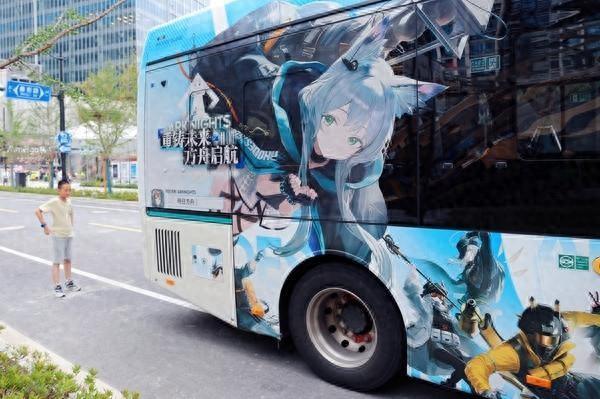
Group 1 - The first "Shanghai Summer International Animation Month" has been launched, featuring a collaboration of three major events: CCG EXPO, Bilibili Offline Carnival, and ChinaJoy, creating a significant summer event for "two-dimensional" enthusiasts [1][2] - The collaboration of the three events is unprecedented, allowing for interactive experiences and exchanges between attendees, such as redeeming exclusive merchandise and enjoying performances from popular IPs [2][3] - CCG EXPO showcased well-known IPs and interactive experiences, while BW focused on esports and cutting-edge technology, providing immersive experiences for fans [2][3] Group 2 - ChinaJoy will start on August 1, emphasizing technological themes and introducing a "Smart Entertainment Robot" exhibition area, along with the ChinaJoy AIGC conference and a global AI game developer competition [3] - The events attracted international participation, with CCG EXPO featuring 480 exhibitors from various countries and BW drawing attendees from over 20 countries, highlighting Shanghai's global appeal [3] Group 3 - The integration of "anime + tourism" has revitalized urban spaces in Shanghai, with initiatives like "pain boats" decorated with popular game IPs, enhancing the cultural landscape along the Suzhou River [4][5] - The "dimension corridor" along the Suzhou River and various themed events are designed to engage visitors and promote cultural tourism [5] Group 4 - The "two-dimensional" economy in Shanghai is experiencing significant growth, with a 35% increase in cultural tourism bookings and a 50% year-on-year rise in flight reservations during the BW event week [6] - Shanghai leads the nation with 15 top "two-dimensional" malls and 80 well-known brand stores, indicating a robust market presence [7] Group 5 - The development of the "two-dimensional" economy requires collaboration among cultural, commercial, and urban planning sectors to enhance the integration of events and cultural experiences [8]