
新经济

Search documents
仲量联行:新经济动能支撑深圳办公楼租赁市场韧性
Zheng Quan Shi Bao Wang· 2026-01-20 10:59
Group 1: Shenzhen Grade A Office Market - In 2025, Shenzhen's Grade A office market will see a peak in supply with 15 new projects totaling nearly 1.16 million square meters, the highest level in three years, while the overall vacancy rate will rise by 1.8 percentage points to 26.2% [1] - The rental market is experiencing downward pressure, with new rental prices continuing to decline and lease negotiations increasingly favoring tenants, leading to a year-on-year rental drop of 11.1% [1] - The main drivers of rental demand in Shenzhen are the expansion of the consumer electronics sector, the acceleration of brand internationalization, and the growth of strategic emerging industries such as artificial intelligence and semiconductor [1] Group 2: Logistics and Real Estate Trends - Capital is increasingly flowing into hard technology sectors, fostering the growth of new productive forces, with a resurgence in demand for consumer electronics and accelerated applications of AI driving the need for R&D and operational spaces [2] - Office location decisions are shifting from a single price focus to a comprehensive evaluation of cost-effectiveness, property management, and supporting facilities, benefiting high-quality office spaces in core business districts and emerging areas with mature amenities [2] - Some ongoing and existing office projects are alleviating vacancy pressures by incorporating hotel operations, with high-end hotel average room rates in Shenzhen expected to rise by 5.3% to 1,078 yuan and occupancy rates increasing by 5.9 percentage points to 82.0% [2] Group 3: Hotel Market Insights - The national hotel market is anticipated to experience structural highlights, with the potential expansion of public REITs to commercial real estate by 2026, providing new capital operation and exit channels for mature high-quality hotel assets in Shenzhen [3]
数据点评 | 12月经济:被忽视的“积极变化”(申万宏观·赵伟团队)
申万宏源宏观· 2026-01-19 08:21
Core Viewpoints - The three major changes are the improvement in service consumption, the easing of the "crowding-out effect" from debt reduction, and the recovery of new economic vitality [1][3][94]. GDP Analysis - The GDP for Q4 2025 recorded a year-on-year growth of 4.5%, matching market expectations, despite a high base effect [1][4][96]. - The actual GDP growth on a seasonally adjusted quarter-on-quarter basis increased to 1.2%, up from 1.1% in Q3 [1][94]. - The secondary industry value-added growth rate fell significantly, reflecting weakened fixed investment and declining commodity consumption [1][4][94]. Consumption Insights - Retail sales in December showed a year-on-year decline of 0.4 percentage points to 0.9%, primarily due to a drop in retail sales of goods below a certain threshold [2][6][13]. - Service retail sales improved, with a cumulative year-on-year increase of 0.1 percentage points to 5.5%, indicating a recovery in non-food service consumption [2][14][94]. Investment Trends - Fixed asset investment in December fell by 1.2 percentage points to -13.2% year-on-year, with manufacturing and real estate investments also declining [6][19][95]. - The easing of the special refinancing bond issuance ratio has led to a positive improvement in infrastructure investment [19][95]. - The decline in investment is largely attributed to corporate debt repayment policies, which, while negatively impacting current investment, may benefit future cash flow [3][19][95]. Production Developments - Industrial value-added growth in December rose by 0.4 percentage points to 5.2%, with significant recovery in sectors with high "new momentum" such as pharmaceuticals and specialized equipment [2][37][52]. - Traditional sectors like automotive production showed a decline, reflecting the impact of intensified anti-involution policies [37][94]. Summary of Economic Structure Changes - The economic structure is increasingly differentiated during the policy transition, with traditional indicators showing weakness not necessarily indicating a lack of positive changes [3][46][94]. - The shift in consumption policies from goods to services has resulted in a decline in commodity consumption indicators, while service consumption indicators have shown significant growth [3][46][94].

反内卷逐步推进
Nan Hua Qi Huo· 2026-01-19 02:41
Report Investment Rating - Not provided in the content Core Viewpoints - Recently, there have been signs of adjustment in non-ferrous varieties, with selling pressure emerging at higher levels. The strong upward trend in non-ferrous metals and precious metals is essentially driven by the new economic logic, specifically the demand logic of related commodities driven by the new energy and AI economies. However, their valuations are slightly high. The anti-involution logic of low-valuation varieties is gradually advancing. The daily melting volume of glass has dropped to 150,000 tons, approaching the low limit in 2015. The national policy is determined to rectify involution-style competition and adjust the dynamic adjustment ability of the supply side. It is believed that anti-involution may play a role in the theme market in 2026 [2][5] - The hot spots in the commodity market in the past week still revolved around non-ferrous and precious metal varieties. As prices rose, risks also accumulated, and exchanges at home and abroad introduced corresponding measures to control risks. After the decline of the non-ferrous hot spots, the anti-involution theme may be able to take over [4] Summary by Directory Market Overview - The hot spots in the commodity market in the past week centered on non-ferrous and precious metal varieties. As prices increased, the risks also grew, and exchanges at home and abroad took steps to manage risks. The market's hot money may look for the next theme market [4] Variety Analysis - **Precious Metals**: Gold coins have been falling continuously in recent months, breaking below the 50 mark, and gold has shown continuous stagnant growth, so adjustments need to be watched out for [4] - **Agricultural Products**: It is rumored that the initial agreement on Sino-Canadian trade was reached on Friday, and the tariff on rapeseed may be lowered. The market has already priced in this expectation, causing rapeseed oil and rapeseed meal to open significantly lower on Friday night. The global soybean supply and demand pattern remains weak, but the support around 1000 for US soybeans is still effective [4] - **Chemical Industry**: In 2026, the chemical industry will generally operate within the anti-involution framework. The national policy emphasizes the supply and demand adjustment of the petrochemical sector. The production capacity of glass has declined significantly recently, and the valuation of chemical products is at the limit [4] - **Black Sector**: Steel is one of the key varieties for anti-involution, and the downward space for coal is also limited, and the supply guarantee market is coming to an end [4] Data Tables - **Plate Capital Flow**: The total capital was 8.809 billion. The precious metal sector had 9.738 billion, a decrease of 1.862 billion in the non-ferrous sector, an increase of 1.281 billion in the black sector, a decrease of 189 million in the energy sector, a decrease of 213 million in the chemical industry, an increase of 281 million in the feed breeding sector, an increase of 1.308 billion in the oil and fat sector, and a decrease of 587 million in the soft commodity sector [9] - **Black and Non-ferrous Weekly Data**: It includes the price percentile, inventory percentile, valuation percentile, position percentile, position difference percentile, and annualized basis of various black and non-ferrous varieties such as iron ore, rebar, and gold [9] - **Energy and Chemical Weekly Data**: It shows the price percentile, inventory percentile, valuation percentile, position percentile, position difference percentile, and annualized basis of various energy and chemical varieties such as fuel oil, low-sulfur oil, and asphalt [11] - **Agricultural Product Weekly Data**: It presents the price percentile, inventory percentile, valuation percentile, position percentile, position difference percentile, and annualized basis of various agricultural products such as soybean meal, rapeseed meal, and soybean oil [12] Graphs - There are graphs showing the capital flow of black varieties, olefin varieties, polyester varieties, other chemical varieties, oil and fat varieties, energy varieties, agricultural and sideline varieties, and non-ferrous plate varieties [13][15][18]

机构看好“老经济“板块配置价值,自由现金流ETF(159201)成长线投资布局利器
Sou Hu Cai Jing· 2026-01-16 02:40
Group 1 - The core viewpoint of the article highlights the positive performance of the Free Cash Flow ETF (159201), which has seen a 0.64% increase in early trading on January 16, with leading stocks such as Yaxiang Integration, Pinggao Electric, and Silver Industry rising over 4% [1] - The Free Cash Flow ETF (159201) has experienced net inflows in 8 out of the last 10 trading days, totaling over 782 million yuan [1] - Huatai Securities Research Institute expresses optimism about the allocation value of the "old economy" sector, citing four key reasons for this outlook, including the positive correlation between new and old economies, low valuations in the old economy sector, strong recovery potential from the cyclical bottom, and a preference for value styles among incremental funds [1] Group 2 - The Free Cash Flow ETF (159201) and its linked funds (A: 023917; C: 023918) closely track the National Index of Free Cash Flow, selecting stocks with positive and high free cash flow after liquidity, industry, and ROE stability screening, indicating high quality and strong risk resistance suitable for long-term investment [2] - The fund management fee is set at an annual rate of 0.15%, and the custody fee at 0.05%, both of which are the lowest in the market, maximizing benefits for investors [2]
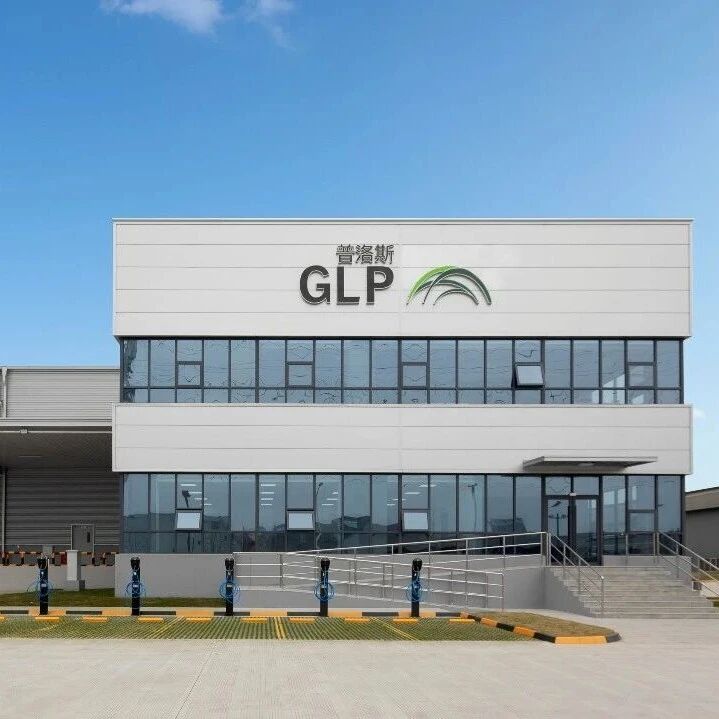
普洛斯中国任命新CEO,“新基建+新经济”协同发展再提速
财富FORTUNE· 2026-01-15 13:07
Core Viewpoint - GLP Pte Ltd has appointed Zhao Mingqi as the CEO of GLP China, emphasizing the company's commitment to local talent development and its confidence in the long-term potential of the Chinese market [1][3]. Group 1: Leadership and Strategic Direction - Zhao Mingqi has been with GLP since its inception in China in 2003 and has played a crucial role in driving the rapid growth of the company's operations in the region [5]. - Under her leadership, GLP China has expanded its business into large-scale data centers and the renewable energy sector, while maintaining a strong reputation in private and public real estate funds and private equity investments [3][5]. - The appointment reflects GLP's strategic focus on enhancing the synergy of its new economy businesses in China [3]. Group 2: Business Expansion and Infrastructure - GLP's services have evolved from traditional logistics warehousing to encompass supply chain, data centers, and renewable energy, with a national footprint of 20 data centers providing 1.4 GW of IT load [6]. - The company has delivered over 400 MW of capacity and ranks among the top five data center service providers in China [6]. - GLP's renewable energy initiatives include investments in distributed and centralized solar power, wind energy, and energy storage, with an installed capacity exceeding 1 GW [6]. Group 3: Market Position and Future Outlook - The new economy infrastructure sector is experiencing unprecedented opportunities, aligning with national strategies for digital economy and green energy transitions [9]. - GLP's comprehensive capabilities across strategic planning, investment development, and operational management position it as a key player in the new infrastructure landscape [9]. - The company has attracted significant investment, including a $1.5 billion investment from the Abu Dhabi Investment Authority, highlighting confidence in GLP's role in China's new economy [9]. Group 4: Investment Products and Performance - GLP's real estate funds, such as the CICC GLP REIT, have been recognized for their robust performance, with 14 distributions totaling nearly 1.4 billion yuan since its launch [10]. - The REIT is noted for its market-oriented operations and reflects GLP's expertise in asset management and operational efficiency [10]. - Zhao Mingqi expressed optimism about leveraging GLP's unique business platform to capture new opportunities and drive sustainable growth [10].
中国经济透视 _2026年宏观主题和可能存在的变数_ 宇
2026-01-15 06:33
Summary of Key Points from the Conference Call Industry Overview - The conference call discusses the macroeconomic outlook for China in 2026, focusing on GDP growth, export trends, real estate market dynamics, and policy support measures. Core Insights and Arguments 1. **GDP Growth Forecast**: The expected GDP growth rate for China in 2026 is projected to be around 4.5%, a slowdown from approximately 5% in 2025, primarily due to a significant reduction in net exports' contribution to growth [2][6][25]. 2. **Export Trends**: Export growth is anticipated to slow down in 2026, influenced by global economic conditions, previous tariff impacts, and a high base effect. The forecasted export growth rate is between 2.5% and 3% [7][4][6]. 3. **Real Estate Market**: The real estate sector is expected to continue its downward trend, with a projected decline in sales, new construction, and investment by 5-10% in 2026. However, the extent of the decline may be less severe than in 2025 [8][12][26]. 4. **Consumer Spending**: Consumer growth is expected to remain moderate but slow down due to high base effects from previous subsidies. The total amount for trade-in subsidies is estimated at approximately 250 billion yuan, a 17% decrease from 2025 [12][16]. 5. **Investment Recovery**: Fixed asset investment is projected to recover moderately in 2026, particularly in infrastructure and manufacturing, following a significant decline in 2025 [13][17]. 6. **Policy Support**: The government is expected to maintain a balanced and moderate policy support approach, with a potential increase in the fiscal deficit by 0.5-1% of GDP and a reduction in policy interest rates by 20 basis points [3][25][32]. 7. **Inflation Trends**: CPI is expected to slightly rebound to 0.4% in 2026, while PPI is projected to see a narrowing of its decline [16][22]. 8. **Currency Outlook**: The Chinese yuan is expected to appreciate against a basket of currencies while remaining stable against the US dollar, with a projected exchange rate fluctuation around 7.0 to 6.9 by the end of 2026 [20][22]. Additional Important Insights 1. **Structural Reforms**: The government is focusing on structural reforms, including promoting innovation and reducing "involution" in the economy, which may enhance overall economic growth [26][27]. 2. **Uncertainties and Risks**: Potential risks include the unpredictability of the real estate market, the impact of US-China trade relations, and the possibility of a bubble in artificial intelligence investments [4][38]. 3. **Long-term Economic Strategy**: The new five-year plan emphasizes innovation and aims to increase the contribution of "new economy" sectors to GDP, which is expected to grow faster than traditional sectors [26][27]. This summary encapsulates the key points discussed in the conference call, providing a comprehensive overview of the anticipated economic landscape for China in 2026.
史海钩沉系列:“亲历”一次科网泡沫,我们能学到什么?-国联民生证券
Sou Hu Cai Jing· 2026-01-14 16:40
Group 1 - The core point of the article emphasizes that the dot-com bubble from 1995 to 2000 was driven by a combination of technological advancements, macroeconomic changes, regulatory relaxation, and monetary policy adjustments, providing important lessons for the current market [1][3] - The bubble's formation was influenced by multiple factors, including the internet revolution that spurred investments in telecommunications, computer equipment, and software, significantly enhancing U.S. labor productivity [1][2] - The macroeconomic environment during 1997-1998 allowed the U.S. economy to remain resilient amid overseas crises, breaking the "low unemployment, high inflation" pattern [1][2] Group 2 - The evolution of the bubble can be divided into three stages: the prologue from 1995 to 1997, the investment climax from 1998 to 1999, and the bubble's burst in 2000 [2] - The prologue saw rational market behavior, with the publication of Morgan Stanley's "Internet Trends" report in 1996 establishing investment logic and the 1996 Telecommunications Act triggering a wave of mergers and acquisitions [2][31] - The investment climax was characterized by a surge in technology stocks, driven by liquidity inflows into the U.S. due to global turmoil, and the Federal Reserve's emergency rate cuts, which led to a significant rise in tech stocks [2][44] Group 3 - The core logic behind the bubble is clear: loose liquidity and a flexible monetary policy framework served as the foundation, while the profit-seeking nature of capitalism and regulatory relaxation acted as the driving force [2][3] - The chaotic expansion of credit through leverage was a key factor in the bubble's extremity, with corporate stock option incentives, lax accounting rules, and aggressive investment bank ratings contributing to disorderly capital expansion [2][3] Group 4 - Historical insights reveal three key lessons: first, that loose liquidity is a common feature of bubbles, necessitating a balance between stabilizing prices and preventing asset bubbles; second, that regulatory relaxation must be moderate, with a need to strengthen norms around financial innovation and corporate financial operations; and third, that technological progress fundamentally enhances productivity, and capital frenzy detached from fundamentals is ultimately unsustainable [3][11] - Current market evaluations of AI investment trends should draw from the experiences of the dot-com bubble, remaining vigilant against disorderly leverage expansion and speculative behaviors detached from value [3][11]


【转|太平洋化工&新材料-26年度策略】“反内卷”催化周期复苏,“新经济”拉动新材料成长
远峰电子· 2026-01-14 12:46
Investment Highlights - The article highlights the increasing trend of industry consolidation driven by recent mergers and acquisitions among leading companies, indicating a clear upward trajectory in industry concentration [2] - The chemical industry is expected to experience a recovery in 2026, supported by improving supply-demand dynamics, macroeconomic stability during the 14th Five-Year Plan, and the impact of new technologies such as AI and robotics on demand for new materials [39][40] 2025 Chemical Industry Review and 2026 Outlook 1.1 2025 Industry Review: Clear Differentiation - As of December 12, 2025, the basic chemical industry outperformed the market with a 32.16% increase in the CITIC Basic Chemical Index, compared to a 6.59% increase in the CITIC Oil and Petrochemical Index [3][6] 1.2 2025 Industry Review: Sub-industry Differentiation - Among 39 sub-industries, 38 saw increases, with potassium fertilizer leading at +85.87% and refining lagging at -8.99% [6] 1.3 Energy Chemical Products Review and 2026 Outlook - Oil prices have significantly decreased, with WTI and Brent averaging $65.05 and $68.36 per barrel respectively in 2025, down from $76.10 and $80.11 in 2024 [8] 1.4 Supply-Demand Dynamics Improvement: Capacity Expansion Slowing - Fixed asset investment in the chemical industry decreased by 7.9% year-on-year from January to October 2025, indicating a slowdown in capacity expansion [13] 1.5 Supply-Demand Dynamics Improvement: Demand Side Stabilization Expected - The basic chemical industry achieved revenue of 676.5 billion yuan in Q3 2025, reflecting a 5.32% year-on-year increase [18] 1.6 Supply-Demand Dynamics Improvement: Capital Expenditure and Construction Projects - Capital expenditure in the basic chemical industry fell by 1.17% year-on-year in Q3 2025, indicating a trend of reduced investment [22] 1.7 Revenue and Profit Situation: Revenue Growth of 2.87% in 2025 - The basic chemical industry saw a revenue increase of 2.87% in the first three quarters of 2025, with 14 out of 33 sub-industries reporting growth [25] 1.8 Revenue and Profit Situation: Profit Growth of 5.61% in 2025 - The industry recorded a profit increase of 5.61% in the first three quarters of 2025, with notable growth in sectors like pesticides and membrane materials [27] 1.9 Capital Expenditure and Construction Projects: Capacity Expansion Slowing - Capital expenditure in the basic chemical sector decreased by 9.07% year-on-year in the first three quarters of 2025, indicating a slowdown in capacity expansion [29] 1.10 Oil and Petrochemical Industry Revenue and Construction Projects - The oil and petrochemical industry reported a revenue of 19,037 billion yuan in Q3 2025, a decline of 4.67% year-on-year [33] 1.11 Strategic Emerging Industries Development Direction - The focus for 2026 will be on quality improvement in the chemical industry, with an emphasis on new materials and technologies [37] Chemical Cycle Products: "Anti-Internal Competition" Catalyzing Cycle Recovery 2.1 Petrochemical Refining: Oil Price Stabilization - Oil prices are expected to stabilize around $60 per barrel, benefiting refining margins and improving profitability for domestic refineries [42][45] 2.2 Pesticides: Industry Outlook Improving - The pesticide industry is expected to see gradual improvement in market conditions as raw material prices stabilize [48][50] 2.3 Potash: Resource Endowment Supporting Industry Stability - The potash industry is characterized by a concentrated global supply chain, ensuring food security [52][56] 2.4 Phosphate: Favorable for Integrated Resource Companies - The phosphate industry is expected to benefit from stable demand in agriculture and the growth of new energy sectors [59][62] 2.5 Civil Explosives: Steady Growth Supported by Demand - The civil explosives industry is projected to grow steadily due to stable demand from infrastructure projects [64][66] 2.6 Fluorochemicals: Growth Potential in High-Value Applications - The fluorochemical industry is expected to benefit from increasing demand for high-value applications in various sectors [71][74] 2.7 Soda Ash: Tight Supply-Demand Balance - The soda ash industry is expected to maintain a tight supply-demand balance, with limited new capacity expected [81][83] 2.8 Titanium Dioxide: Industry Recovery Anticipated - The titanium dioxide industry is expected to recover as supply constraints and environmental regulations drive consolidation [86][89] Chemical New Materials: "New Economy" Driving Growth 3.1 Electronic Chemicals: Accelerating Domestic Substitution - The semiconductor materials market is projected to grow, with domestic companies making strides in replacing imported products [91][93]




“亲历”一次科网泡沫,我们能学到什么?(国联民生宏观邵翔、林彦)
Jin Shi Shu Ju· 2026-01-13 11:48
Overview - The article draws parallels between the current AI investment climate and the dot-com bubble of the late 1990s, suggesting that understanding the historical context can provide insights into current market dynamics [1][5] - It emphasizes the importance of recognizing the signs of a potential bubble and the need for a nuanced approach to investment decisions in the face of market skepticism [1][5] Market Dynamics - The Nasdaq index experienced significant volatility from 1995 to 2000, with annual declines exceeding 10% or even 20%, yet the market did not enter a bear phase, indicating resilience [5] - The period saw a marked increase in technology IPOs, peaking in 1999, with the Nasdaq reaching a record high of 5048.62 on March 10, 2000, before a global sell-off triggered by Japan's economic downturn [1][5] Economic Factors - Two key economic characteristics during this period were rapid increases in labor productivity and a boom in technology investments, which led to a contraction in output gaps and a failure of the Phillips curve, as inflation did not rise despite falling unemployment [7][11] - The Federal Reserve's monetary policy shifted from a focus on controlling inflation in the 1980s to a more flexible approach in the 1990s, which contributed to a generally accommodative monetary environment [11] Policy Environment - The Federal Reserve under Alan Greenspan adopted a more lenient monetary policy framework, balancing concerns about inflation and employment while also considering the stability of overseas economies and financial markets [11] - Greenspan's evolving stance on asset prices, from initial optimism to warnings about "irrational exuberance," reflected a complex approach to managing the economic landscape [11][12] Industry Insights - The period from 1995 to 1997 marked the beginning of the internet boom, with significant policy changes, such as the Telecommunications Act of 1996, facilitating the commercialization of the internet and spurring investment in telecommunications [17][18] - The technology sector's performance was not isolated; other sectors like healthcare and finance also showed strong returns, indicating a broader market dynamic rather than a singular focus on tech stocks [21] Investment Trends - The late 1990s saw a surge in IPOs and a focus on market capitalization management, particularly in the telecommunications sector, which was driven by the need for infrastructure investment [33][34] - The "Y2K" issue created a unique demand for technology upgrades, further fueling investment in the tech sector, with estimates suggesting a $100 billion market for related expenditures [34] Conclusion - The article concludes that while technological advancements are crucial for productivity, the excessive capital expenditure during the bubble phase can hinder efficiency gains, highlighting the need for a balanced approach to investment in technology [52]

有色金属新年保持强劲涨势:铝价逼近四年高点,锡价剑指历史新高
Zhi Tong Cai Jing· 2026-01-13 07:06
Group 1 - Aluminum prices are nearing the highest levels since early 2022, with LME aluminum prices approaching $3200 per ton, just $0.5 shy of the peak [1] - Tin prices have increased for the third consecutive day, with a year-to-date rise of nearly 20%, making it the best-performing metal on the London Metal Exchange [1] - The strong performance of base metals in 2026 is attributed to expectations of continued Federal Reserve rate cuts and supply constraints failing to meet demand, particularly driven by the growth of artificial intelligence [1] Group 2 - The tin market is expected to remain tight in the coming months, characterized by limited supply and strong demand, especially in the semiconductor and emerging technology sectors [2] - Indonesia's export policies and actions against illegal mining are creating regulatory uncertainty and potential supply disruption risks for refined tin [2] - The aluminum market is also anticipated to experience tight supply and strong price performance due to rigid production limits in China and rising energy costs in Europe [2]