
金九银十

Search documents
金九热度初显!上周深圳高端改善房源成交大幅上涨
Sou Hu Cai Jing· 2025-08-25 11:04
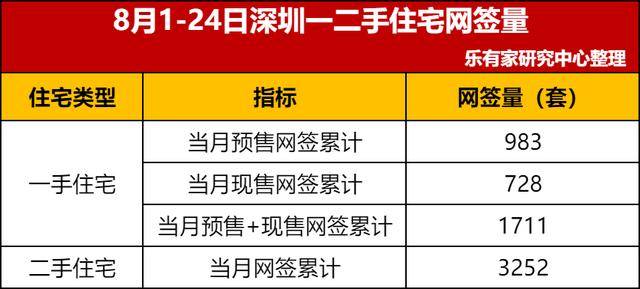
8月24日,深圳一手住宅预售网签20套,本月预售网签累计983套,一手住宅现售网签9套,本月现售网签累计728套,本月预售+现售网签累计1711套;二手 住宅网签备案35套,本月已累计网签备案3252套。 | | 8月1-24日深圳一二手住宅网签量 | | | --- | --- | --- | | | | 乐有家研究中心整理 | | 住宅类型 | 指标 | 网签量(套) | | 一手住宅 | 当月预售网签累计 | 983 | | | 当月现售网签累计 | 728 | | | 当月预售+现售网签累计 | 1711 | | 二手住宅 | 当月网签累计 | 3252 | 乐有家研究中心数据显示,上周深圳门店二手住宅看房量环比持平,连续3周维持相对高位,门店二手住宅签约量环比上涨5.8%,且保持持续稳定态势。值 得注意的是,上周深圳1500万以上高端改善房源成交占比大幅提升,占比5.6%,上涨3.1个百分点,达到7月以来的新高。股市冲新高,部分在股市获益的高 端客户开始将所获收益投入楼市,带动楼市活跃度同步提升,金九银十可期! (作者:深圳特区报记者 窦延文) ...

上海楼市调控瞄准外环外 开发商立即推“今夜不打烊”、中介抢客
Xin Jing Bao· 2025-08-25 10:56
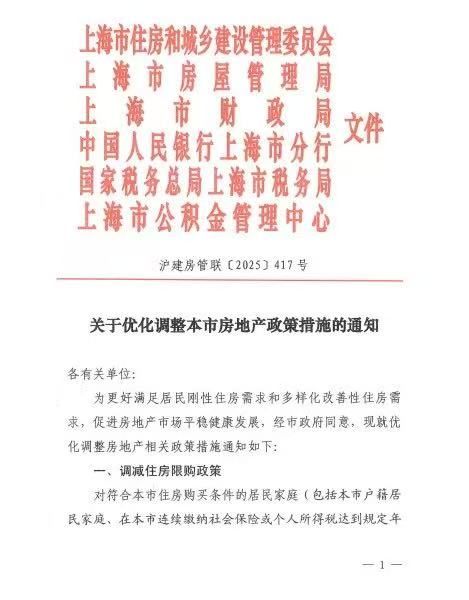
Core Viewpoint - Shanghai has implemented a new set of real estate policies aimed at optimizing housing purchase conditions, which is expected to stimulate the local real estate market and improve transaction volumes during the upcoming sales season [1][2][8]. Policy Adjustments - The new policies include significant changes to purchase limits, allowing both local and eligible non-local residents to buy unlimited properties outside the outer ring of Shanghai [2][4]. - Single individuals are now treated as families under the housing purchase policy, effectively increasing their purchasing power [3][4]. Housing Loan and Financial Adjustments - The new regulations eliminate the distinction between first and second home loan interest rates, reducing the interest rate from 3.45% to 3.05%, which lowers monthly payments by 220 yuan for a 1 million yuan loan [6][7]. - The maximum loan amount for housing provident fund has been increased by 15% for buyers of new green buildings, which constitute about 60% of new homes in Shanghai [6][8]. Market Response and Expectations - Following the announcement, real estate developers and agents quickly mobilized to attract potential buyers, indicating a positive market reaction [1][2]. - Analysts believe that the combination of these policies will help alleviate inventory pressure in the outer ring areas and enhance overall market stability [2][8]. Market Performance Indicators - In the first half of the year, Shanghai's real estate market showed signs of recovery, with a 17% year-on-year increase in transaction volume, reaching a total of 1.311 million square meters [8][10]. - The new policies are expected to further boost sales during the traditional peak season of "Golden September and Silver October" [9][10].

上海打出限购政策松绑组合拳 一线置业顾问:“忙得没时间吃午饭”
Zhong Guo Jing Ying Bao· 2025-08-25 10:36
Core Viewpoint - The new real estate policy in Shanghai aims to stimulate housing demand by relaxing purchase restrictions and lowering financing costs, particularly benefiting the outer ring housing market [4][6][9]. Group 1: Policy Changes - The new policy removes purchase limits for Shanghai residents and allows non-local residents to buy homes in the outer ring after one year of tax or social security contributions [6][7]. - Single residents are treated similarly to family units in terms of housing purchase limits, allowing them to buy without restrictions in the outer ring [7][8]. - The policy aligns with previous measures in Beijing, focusing on improving housing demand and balancing work and living conditions [6][7]. Group 2: Market Impact - The policy is expected to significantly boost housing transactions, especially in the outer ring, which accounted for over 60% of new home sales recently [6][9]. - The upcoming "Golden September and Silver October" sales period is anticipated to see increased activity due to these favorable policy changes [4][11]. - Analysts suggest that the policy will help alleviate inventory pressure in the outer ring and maintain a smooth transition between new and second-hand housing markets [7][8]. Group 3: Financial Adjustments - The policy increases the maximum loan limits for housing provident funds, with first-time buyers now eligible for up to 184 million yuan, and additional benefits for families with multiple children [9][10]. - It allows buyers to withdraw provident funds for down payments without affecting their loan limits, thereby easing the financial burden on homebuyers [10]. - The adjustment in commercial loan interest rates is expected to lower monthly payments for second homes, enhancing affordability for buyers [10][11].
棉花(纱)产业日报-20250825
Rui Da Qi Huo· 2025-08-25 09:23
Group 1: Report Industry Investment Rating - Not provided in the content Group 2: Core Viewpoints of the Report - Due to the weakening US dollar, the price of ICE cotton futures closed higher. Domestically, cotton is in a de - stocking state, with tight supply before the new cotton is on the market, and the spot price is firm. Although inland spinning mills have no profit, there are expectations for the upcoming "Golden September and Silver October" peak demand season, and the operating rate has slightly increased. In 2025, China's overall cotton planting area has increased, and attention should be paid to the impact of weather on the growth of new crops. Overall, the tight supply of old crops and the expectation of improved demand are expected to boost the short - term cotton trend, while the medium - term trend is suppressed by the increased production of new cotton. It is recommended to conduct short - term long trades on dips [2]. Group 3: Summary by Relevant Catalogs Futures Market - Zhengzhou cotton main contract closing price is 14,120 yuan/ton, up 105 yuan; cotton futures top 20 net position is - 54,544 lots, down 6,028 lots; main contract position of cotton is 504,609 lots, up 19,701 lots; cotton warehouse receipt quantity is 7,104 lots, down 94 lots. The closing price of the main contract of cotton yarn is 20,165 yuan/ton, up 90 yuan; the top 20 net position of cotton yarn futures is - 709 lots, down 329 lots; the main contract position of cotton yarn is 22,276 lots, up 318 lots; the warehouse receipt quantity of cotton yarn is - 8 lots [2]. Spot Market - China's cotton price index (CCIndex:3128B) is 15,235 yuan/ton, down 35 yuan; China's imported cotton price index (FCIndexM:1% tariff) is 13,506 yuan/ton, down 23 yuan; China's imported cotton price index (FCIndexM: sliding duty) is 14,297 yuan/ton, down 20 yuan. The arrival price of imported cotton yarn price index for pure - combed 32 - count cotton yarn is 20,720 yuan/ton, up 20 yuan; the arrival price of imported cotton yarn price index for pure - combed 32 - count cotton yarn is 23,931 yuan/ton, up 19 yuan [2]. Upstream Situation - The national cotton sowing area is 2,838.3 thousand hectares, an increase of 48.3 thousand hectares; the national cotton output is 6160 thousand tons, an increase of 540 thousand tons [2]. Industry Situation - The cotton - yarn price difference is 5,505 yuan/ton, up 28 yuan; the industrial inventory of cotton nationwide is 857 thousand tons, up 7 thousand tons; the monthly import volume of cotton is 50 thousand tons, up 20 thousand tons; the monthly import volume of cotton yarn is 110 thousand tons, unchanged; the profit of imported cotton is 946 yuan/ton, up 56 yuan; the commercial inventory of cotton nationwide is 2,189.8 thousand tons, down 640 thousand tons [2]. Downstream Situation - The inventory days of yarn are 27.67 days, down 0.69 days; the inventory days of grey cloth are 36.14 days, down 1.1 days; the monthly output of cloth is 2.7 billion meters, down 0.79 billion meters; the monthly output of yarn is 2.065 million tons, up 0.114 million tons; the monthly export value of clothing and clothing accessories is 1,516,175.9 thousand US dollars, down 10,495.5 thousand US dollars; the monthly export value of textile yarns, fabrics and products is 1,160,400.9 thousand US dollars, down 44,419.8 thousand US dollars [2]. Option Market - The implied volatility of at - the - money call options for cotton is 11.08%, up 0.56%; the implied volatility of at - the - money put options for cotton is 11.11%, up 0.59%; the 20 - day historical volatility of cotton is 8.23%, up 0.18%; the 60 - day historical volatility of cotton is 5.74%, up 0.05% [2]. Industry News - According to Mysteel research, the national commercial inventory of cotton is decreasing. As of August 22, 2025, the total commercial inventory of cotton is 1.7126 million tons, a week - on - week decrease of 0.1435 million tons (a decrease of 7.73%). Among them, the commercial cotton in Xinjiang is 0.9842 million tons, a week - on - week decrease of 0.1477 million tons (a decrease of 13.05%); the commercial cotton in inland areas is 0.4027 million tons, a week - on - week decrease of 0.0162 million tons (a decrease of 3.87%). Last Friday, the December contract of ICE cotton closed up 0.79%. On Monday, the 2601 contract of cotton closed up 0.75%, and the 2511 contract of cotton yarn closed up 0.45% [2]
棉花市场:新棉供应偏紧,策略逢回调低多
Sou Hu Cai Jing· 2025-08-25 08:53
Group 1 - The People's Bank of China emphasizes the importance of promoting a reasonable recovery in prices as a key consideration for monetary policy, aiming to maintain prices at a reasonable level [1] - A new policy financial tool worth 500 billion yuan will be introduced, focusing on emerging industries and infrastructure, with participation from policy banks [1] - Domestic cotton inventory is decreasing faster than the same period last year, leading to increased tension by the end of September [1] Group 2 - The cotton market is experiencing tight supply before the new cotton harvest, with a possibility of rush harvesting in some areas, providing short-term support to the market [1] - The demand for cotton is expected to be observed as the "Golden September and Silver October" stocking season begins, with a recommendation to buy on dips [1] - The textile and apparel export data for July shows pressure, with markets in ASEAN, EU, and the US weakening both year-on-year and month-on-month [1]
棉系周报:短期去库仍存支撑,关注下游旺季表现-20250825
Zhong Hui Qi Huo· 2025-08-25 07:58
Report Industry Investment Rating - The report has a "Cautious Bullish" rating on the cotton industry [4] Core Viewpoints - Considering the current de - stocking speed of cotton commercial inventory and the import situation, the tight supply of cotton before the new cotton goes on the market still exists. There is still some short - term support for the market due to the high - production capacity and the possibility of a small - scale pick - up in some areas. However, the expected increase in this year's new cotton production and the possibility of early listing limit the upside space and time. In terms of demand, the "Golden September and Silver October" stocking market has started, with the operating rate and orders gradually improving, but the demand performance needs further observation. It is recommended to take a long - position approach on dips and consider adjusting the long - short rhythm according to the year - on - year demand situation in September [4] Summary by Related Catalogs 1. Week - on - Week Review - **Macro**: China's central bank aims to promote a reasonable recovery of prices. A 500 - billion - yuan new policy - based financial instrument will be launched. Internationally, the drought in the US cotton - growing areas has slightly eased, and the cotton excellent - rate has slightly rebounded. Brazil's new cotton harvest progress is the slowest in the past five years [4] - **Supply**: In the international market, the drought in the US cotton - growing areas has eased, and Brazil's new cotton harvest progress is slow. Domestically, most of Xinjiang's new cotton has entered the boll - splitting stage, and some may be listed early in early October. The import quota policy has not been introduced, and the import volume in July did not effectively ease the tight inventory [4] - **Inventory**: Domestically, the commercial de - stocking of cotton is still fast and lower than the same period. The downstream terminal products are also slightly de - stocking, with pure - cotton products de - stocking faster than blended products [4] - **Demand**: Domestically, the "Golden September and Silver October" has started, with orders accelerating and the operating rate rising but still lower than the same period. The trading volume in the light - textile market has recovered, but the pure - cotton fabric trading has not recovered well. Externally, the textile and clothing export data in July was under pressure [4] 2. August USDA Supply - Demand Balance Sheet - The US cotton production and ending inventory in the August USDA supply - demand balance sheet were significantly revised down, which was more bullish than expected. For example, the US cotton production was revised down from 315 (July) to 262.7 (August) [5] 3. Cotton Futures and Spot - The weekly average cotton price and the basis both declined significantly [6] 4. Cotton Yarn Futures and Spot - The weekly cotton - yarn price declined along with the cotton price [13] 5. Supply - **Raw Material and Finished - Product Inventory**: This week, the national commercial cotton inventory decreased by 153,500 tons to 1.7126 million tons, lower than the same period. The inventory of pure - cotton yarn, terminal grey fabric, and polyester - cotton yarn in the factory all decreased [16] - **Imported Cotton**: In July, the imported cotton resources increased month - on - month but were still weak year - on - year, with a total of about 150,766 tons [18] - **Warehouse Receipts**: As of August 22, the number of Zhengzhou cotton registered warehouse receipts decreased by 564 to 7,198, and the total of warehouse receipts and forecasts was equivalent to 290,400 tons of cotton [20] 6. Demand - **Operating Rate and Orders**: This week, the spinning mill's operating rate increased by 0.3% to 65.8%, and the weaving mill's operating rate increased by 0.2% to 37%. The spinning mill's orders increased by 3.06 days to 11.42 days. The spinning profit improved [22] - **Light - Textile Market**: The total trading volume in the light - textile market increased, but the cotton - fabric trading volume decreased. The prices of fabric and accessories in the Keqiao market declined [25] - **Retail Sales**: In July, the retail sales of clothing, footwear, and knitted textiles above the designated size increased by 1.8% year - on - year, with a slightly slower growth rate than in June [28] - **Exports**: From January to July 2025, the cumulative textile and clothing exports increased by 0.6%. In July, the exports decreased by 0.1% year - on - year and 2% month - on - month. Exports to the US, ASEAN, and the EU all weakened to varying degrees [30][33] - **PMI**: In July, the cotton - spinning industry PMI decreased by 12% to 35.71%, and sub - indicators such as new orders and operating rate also declined [35] 7. CFTC Positioning Data - The net short positions of non - commercial and fund investors decreased slightly [36] 8. Macro - China's central bank aims to promote a reasonable recovery of prices, and a large - scale policy - based financial instrument will be launched [4]
棉花早报-20250825
Da Yue Qi Huo· 2025-08-25 07:31
Report Overview - **Report Title**: Cotton Morning Report - August 25, 2025 - **Report Author**: Wang Mingwei from Dayue Futures Investment Consulting Department - **Report Source**: Dayue Futures 1. Investment Rating No investment rating for the industry is provided in the report. 2. Core View The Zhengzhou cotton main contract 01 shows signs of starting to rise after a short - term struggle at 14,000. Optimistic expectations may prevail regarding whether the peak seasons of "Golden September and Silver October" will be prosperous. After standing firm at 14,000, the probability of a volatile upward trend increases [4]. 3. Summary by Directory 3.1. Previous Day's Review No content is provided under this section in the report. 3.2. Daily Tips - **Fundamentals**: According to ICAC's August report, the production in the 25/26 season is 25.9 million tons, and consumption is 25.6 million tons. USDA's August report shows production of 25.392 million tons, consumption of 25.688 million tons, and an ending inventory of 16.093 million tons in the 25/26 season. In July, textile and clothing exports were $26.77 billion, a year - on - year decrease of 0.1%. China's cotton imports in July were 50,000 tons, a year - on - year decrease of 73.2%, and cotton yarn imports were 110,000 tons, a year - on - year increase of 15.38%. The Ministry of Agriculture's forecast for the 25/26 season includes production of 6.25 million tons, imports of 1.4 million tons, consumption of 7.4 million tons, and an ending inventory of 8.23 million tons, presenting a neutral situation [4]. - **Basis**: The national average price of spot 3128b is 15,243, with a basis of 1213 (for the 01 contract), showing a premium over futures, which is bullish [4]. - **Inventory**: The Ministry of Agriculture's estimated ending inventory for the 25/26 season in August is 8.23 million tons, which is bearish [4]. - **Market Trend**: The 20 - day moving average is flat, and the K - line is above the 20 - day moving average, which is bullish [4]. - **Main Position**: The position is bullish, but the net long position is decreasing, and the main trend is unclear, still considered bullish [4]. 3.3. Today's Focus - **Likely Positive Factors**: Reduced previous Sino - US additional tariffs and a year - on - year decrease in commercial inventory. There are enhanced expectations for the peak consumption seasons of "Golden September and Silver October" [5]. - **Likely Negative Factors**: The trade negotiation is postponed, and the current export tariffs to the US are relatively high. Overall foreign trade orders are decreasing, and inventory is increasing. A large amount of new cotton is about to be listed [5]. 3.4. Fundamental Data - **USDA Global Cotton Supply - Demand Forecast**: In August, the total global production is 25.392 million tons, a decrease of 391,000 tons from July, and a year - on - year decrease of 2%. Consumption is 25.688 million tons, a decrease of 30,000 tons from July, and a year - on - year increase of 0.4%. The ending inventory is 16.093 million tons, a decrease of 742,000 tons from July, and a year - on - year decrease of 2.4% [9][10]. - **ICAC Global Cotton Supply - Demand Balance Sheet**: In the 2025/26 season, global production is 25.9 million tons, an increase of 400,000 tons (+1.6%); consumption is 25.6 million tons, basically flat; the ending inventory is 17.1 million tons, an increase of 260,000 tons (+1.6%); the global trade volume is 9.7 million tons, an increase of 360,000 tons (+3.9%); the price forecast (Cotlook A index) is 57 - 94 cents per pound (median 73 cents), with a narrower year - on - year fluctuation [11]. - **Ministry of Agriculture's Forecast for China**: In the 2025/26 season, production is 6.25 million tons, imports are 1.4 million tons, consumption is 7.4 million tons, and the ending inventory is 8.23 million tons [4][13]. 3.5. Position Data No content is provided under this section in the report.
大越期货沪镍、不锈钢周报-20250825
Da Yue Qi Huo· 2025-08-25 07:25
1. Report Industry Investment Rating No relevant content provided. 2. Core Views of the Report - This week, nickel prices continued to be weak. At the beginning of the week, trading was light, but as nickel prices further declined, trading improved. In the industry chain, ore prices remained stable, while ferronickel prices increased slightly, with a firm cost line. Stainless steel inventories increased, and it is expected that the "Golden September and Silver October" period will boost consumption and reduce inventories. New energy vehicle production and sales data were good, but the installed capacity of ternary batteries decreased year - on - year, limiting overall demand growth. The long - term oversupply pattern remains unchanged [8]. - The Shanghai nickel main contract is expected to fluctuate around the 20 - day moving average, and the stainless steel main contract is expected to have a wide - range fluctuation around the 20 - day moving average [9][10]. 3. Summary According to the Directory 3.1. Views and Strategies - **Shanghai Nickel View**: Nickel prices were weak this week. The ore price was stable, ferronickel price rose slightly, stainless steel inventory increased, and the overall demand boost was limited. The long - term oversupply pattern remains unchanged [8]. - **Operation Strategy**: The Shanghai nickel main contract will fluctuate around the 20 - day moving average, and the stainless steel main contract will have a wide - range fluctuation around the 20 - day moving average [9][10]. 3.2. Fundamental Analysis 3.2.1. Industry Chain Weekly Price Changes - **Nickel Ore**: The prices of red clay nickel ore (CIF) NI1.5%, Fe30 - 35% and NI1.4%, Fe30 - 35% remained unchanged from last week [13]. - **Electrolytic Nickel**: Shanghai electrolytic nickel, Shanghai Russian nickel, and Jinchuan ex - factory prices decreased by 0.61%, 0.87%, and 0.57% respectively compared with last week [14]. - **Nickel Iron**: The price of low - grade ferronickel in Shandong increased by 7.81%, while the price of high - grade ferronickel remained unchanged [13]. - **Stainless Steel**: The price of 304 stainless steel decreased by 0.27% compared with last week [14]. - **Sulfuric Acid Nickel**: The price of battery - grade sulfuric acid nickel increased by 0.74%, while the price of electroplating - grade sulfuric acid nickel remained unchanged [13]. 3.2.2. Nickel Ore Market Conditions Analysis - Nickel ore prices were stable, and shipping costs were the same as last week. On August 21, 2025, the total nickel ore inventory at 14 ports in China was 12.0585 million wet tons, an increase of 1.1069 million wet tons or 10.11% from the previous period. In July 2025, the nickel ore import volume was 5.0058 million tons, a month - on - month increase of 0.6591 million tons or 15.16% and a year - on - year increase of 1.5207 million tons or 43.63%. The September quotation was settled, and the ore price remained stable [17]. 3.2.3. Electrolytic Nickel Market Conditions Analysis - Nickel prices fluctuated weakly with support below and pressure above. In the long - term, supply and demand will continue to increase, but the oversupply pattern will not change. In July 2025, China's refined nickel production was 36,151 tons, a month - on - month increase of 4.74% and a year - on - year increase of 24.57%. In July 2025, China's refined nickel import volume was 38,164.223 tons, a month - on - month increase of 21,154 tons or 124.36%, and the export volume was 15,545.572 tons, a month - on - month increase of 5,403 tons or 53.27%. LME inventory decreased by 1,914 tons, and SHFE inventory decreased by 19 tons [22][30][33]. 3.2.4. Nickel Iron Market Conditions Analysis - Ferronickel prices increased slightly. In July 2025, China's nickel pig iron actual production of metal was 22,900 tons, a month - on - month decrease of 1.69% and a year - on - year decrease of 10.63%. In July 2025, China's nickel iron import volume was 836,000 tons, a month - on - month decrease of 206,000 tons or 19.7%. In July 2025, the nickel iron inventory was 224,800 physical tons, equivalent to 21,800 nickel tons [43][46][49]. 3.2.5. Stainless Steel Market Conditions Analysis - The price of 304 stainless steel decreased this week. In July, stainless steel crude steel production was 3.2108 million tons, and the 300 - series production decreased by 2.63% month - on - month. The latest stainless steel import volume was 73,000 tons, and the export volume was 416,300 tons. On August 22, the national stainless steel inventory was 1.0917 million tons, a month - on - month increase of 12,800 tons [56][61][64]. 3.2.6. New Energy Vehicle Production and Sales Situation - In July 2025, the production and sales of new energy vehicles were 1.243 million and 1.262 million respectively, a year - on - year increase of 26.3% and 27.4%. From January to July 2025, the production and sales of new energy vehicles were 8.232 million and 8.22 million respectively, a year - on - year increase of 39.2% and 38.5%. In July 2025, the production of power and other batteries was 133.8 GWh, a month - on - month increase of 3.6% and a year - on - year increase of 44.3%. The installed capacity of ternary batteries decreased year - on - year [73][74][78]. 3.3. Technical Analysis - From the daily K - line, the price fell below the 20 - day moving average and continued to decline along the moving average. The short - selling force is increasing. The MACD continued to diverge downward after a death cross. The KDJ entered the oversold area and may have a rebound demand. The price is testing the support of the golden ratio line. If it breaks down, the downward space will be opened; otherwise, it will continue to fluctuate [81]. 3.4. Industry Chain Sorting and Summary - **Fundamental Views**: The nickel ore market is neutral, the ferronickel market is neutral, the refined nickel market is slightly bearish, the stainless steel market is neutral, and the new energy market is neutral [84]. - **Trading Strategy**: The Shanghai nickel main contract will fluctuate around the 20 - day moving average, and the stainless steel main contract will have a wide - range fluctuation around the 20 - day moving average [86].
沪镍、不锈钢早报-20250825
Da Yue Qi Huo· 2025-08-25 07:22
Report Summary 1. Industry Investment Rating No industry investment rating is provided in the report. 2. Core Views - **沪镍**: Last week, nickel prices continued to be weak. At the beginning of the week, trading was light, but as prices fell further, trading improved. The ore price remained stable, and the ferronickel price increased slightly, keeping the cost line firm. Stainless steel inventories rose, and the market is looking forward to the "Golden September and Silver October" to boost consumption and reduce inventories. New energy vehicle production and sales data were good, but the installed capacity of ternary batteries decreased year-on-year, limiting overall demand. The medium - to long - term oversupply situation remains unchanged. The conclusion is that SHFE nickel 2510 will fluctuate around the 20 - day moving average [2]. - **不锈钢**: The spot stainless steel price decreased. In the short term, the nickel ore price was stable, the shipping cost was firm, and the ferronickel price increased slightly, keeping the cost line firm. Stainless steel inventories rose, and the market should focus on consumption during the "Golden September and Silver October". The conclusion is that stainless steel 2510 will have a wide - range fluctuation around the 20 - day moving average [4]. 3. Summary by Directory **沪镍** - **基本面**: Last week, nickel prices were weak. Ore prices were stable, ferronickel prices rose slightly, and stainless steel inventories increased. New energy vehicle data was good, but ternary battery installed capacity decreased year - on - year. The long - term oversupply situation remains unchanged [2]. - **基差**: The spot price was 120,550, and the basis was 940, indicating a bullish signal [2]. - **库存**: LME inventory was 209,748 (+150), and SHFE warrants were 22,552 (-36), showing a bearish signal [2]. - **盘面**: The closing price was below the 20 - day moving average, and the 20 - day moving average was downward, suggesting a bearish signal [2]. - **主力持仓**: The main position was net short, and short positions increased, indicating a bearish signal [2]. - **结论**: SHFE nickel 2510 will fluctuate around the 20 - day moving average [2]. **不锈钢** - **基本面**: The spot stainless steel price decreased. Nickel ore prices were stable, shipping costs were firm, and ferronickel prices rose slightly. Stainless steel inventories increased, and the market should focus on "Golden September and Silver October" consumption [4]. - **基差**: The average stainless steel price was 13,775, and the basis was 1025, indicating a bullish signal [4]. - **库存**: Futures warrants were 101,925 (-16,715), showing a bearish signal [4]. - **盘面**: The closing price was below the 20 - day moving average, and the 20 - day moving average was downward, suggesting a bearish signal [4]. - **结论**: Stainless steel 2510 will have a wide - range fluctuation around the 20 - day moving average [4]. **多空因素** - **利多因素**: Expectations for the "Golden September and Silver October", anti - involution policies, and a cost support line at 120,000 [7]. - **利空因素**: A significant year - on - year increase in domestic production, no new demand growth points, a long - term oversupply situation, and a year - on - year decrease in the installed capacity of ternary batteries [7]. **镍、不锈钢价格基本概览** - **期货价格**: On August 22, the SHFE nickel main contract was 119,610 (-220), LME nickel was 14,975 (+35), and the stainless steel main contract was 12,750 (-45). - **现货价格**: On August 22, SMM1 electrolytic nickel was 120,550 (-550), 1 Jinchuan nickel was 121,850 (-500), 1 imported nickel was 119,650 (-600), and nickel beans were 121,700 (-600). Cold - rolled stainless steel prices also decreased slightly [12]. **镍仓单、库存** - As of August 22, SHFE nickel inventory was 26,943 tons, with futures inventory at 22,552 tons (a decrease of 19 tons and an increase of 411 tons respectively). LME inventory was 209,748 (+150), and SHFE warrants were 22,552 (-36). The total inventory was 232,300 (+114) [14][15]. **不锈钢仓单、库存** - On August 22, Wuxi inventory was 61.46 tons, Foshan inventory was 315,400 tons, and national inventory was 1,091,700 tons (a month - on - month increase of 12,800 tons). The inventory of the 300 series was 658,700 tons (a month - on - month increase of 14,200 tons). Futures warrants were 101,925 (-16,715) [18][19]. **镍矿、镍铁价格** - **镍矿**: The price of laterite nickel ore CIF (Ni1.5%) was 57 dollars/wet ton, and (Ni0.9%) was 29 dollars/wet ton, remaining unchanged. Shipping costs from the Philippines to Lianyungang and Tianjin Port also remained stable. - **镍铁**: The price of high - nickel ferronickel was 930 yuan/nickel point (+1), and the price of low - nickel ferronickel was 3420 yuan/ton, remaining unchanged [22]. **不锈钢生产成本** - The traditional cost was 12,919, the scrap steel production cost was 13,587, and the low - nickel + pure - nickel cost was 16,519 [24]. **镍进口成本测算** - The imported price was converted to 120,957 yuan/ton [27].
长江期货棉纺产业周报:震荡偏强-20250825
Changjiang Securities· 2025-08-25 07:00
Report Industry Investment Rating - The investment rating for the cotton textile industry is "Oscillating with a Bullish Bias" [3] Core Viewpoints of the Report - In the short - term, due to the rising expectation of the Fed's interest rate cut and the bullish USDA report, the futures market will oscillate and rebound. Next week, the CF2601 contract is expected to trade in the range of [14100 - 14500]. In the medium - term, as the 09 - contract futures nears its end, the probability of a US interest rate cut in September is over 90%. With the approaching of the new cotton season and the "Golden September and Silver October" period, futures prices may be supported or rebound. In the long - term, the new cotton prices are expected to oscillate or rebound initially, then decline after October, and show a bullish bias next year [5]. - The cotton yarn market is expected to strengthen recently as it approaches the consumption peak season of "Golden September and Silver October", along with the expectation of a moderate increase in cotton prices [7]. Summary by Relevant Catalogs 01. Weekly Viewpoint - Cotton - Short - term: Futures market to oscillate and rebound due to Fed rate - cut expectation and USDA report. Next week, CF2601 to trade in [14100 - 14500] [5]. - Medium - term: 09 - contract futures nearing end, high probability of US rate cut in September. New cotton season and "Golden September and Silver October" may support prices [5]. - Long - term: New cotton prices to oscillate or rebound initially, decline after October, and be bullish next year. Support at 13600 - 13700, resistance at 14300 - 14600 [5]. 02. Weekly Viewpoint - Cotton Yarn - The cotton yarn market shows some improvement with increased downstream procurement. As it approaches the "Golden September and Silver October" peak season and with the expected rise in cotton prices, prices are likely to strengthen [7]. 03. Market Review - Cotton market: Spot prices rose slightly. The low basis of the CF09 contract was digested, and the spot shifted to the CF01 contract. Spot trading was mainly for rigid demand [11]. - Cotton yarn market: After the rebound of Zhengzhou cotton, the cotton yarn market improved slightly but overall performance was still average. High - price acceptance was poor [11]. 04. International Macroeconomics - Multiple economic indicators of the US and the Eurozone were released, including unemployment rates, trade balances, inflation rates, etc. [13] 05. Domestic Macroeconomics - Various domestic economic indicators were announced, such as foreign exchange reserves, CPI, PPI, fixed - asset investment, and retail sales [15]. 06. Global Supply - Demand Balance Sheet - In the 2025/26 season, global cotton production, consumption, and trade volume were all adjusted down, and the ending inventory decreased. In the 2024/25 season, production was expected to decrease, consumption to increase, and exports to decrease, with the ending inventory declining again [17]. 07. Domestic Supply - Demand Balance Sheet - In the 2024/25 season, total supply was adjusted down, consumption was adjusted up, and the ending inventory decreased. In the 2025/26 season, total supply was adjusted down, production increased slightly, and the ending inventory decreased [19][20]. 08. US Cotton Exports - As of August 14, 2025, the US had cumulatively signed 75.5 tons of cotton exports for the 2025/26 season, with a shipment rate of 8.49%. China had signed 0.3 tons [28]. 09. Industrial and Commercial Inventories - By the end of July, the national commercial cotton inventory was 218.98 tons, a 22.62% decrease from the previous month. As of August 15, the commercial inventory was 182.02 tons, a 16.88% decrease from the end of July [31]. 10. Cotton and Cotton Yarn Imports in July - In July 2025, China's cotton imports were 5 tons, a 66.7% increase from the previous month but a 73.2% decrease from the same period last year. Cotton yarn imports were 11 tons, a 16.4% decrease year - on - year [34]. 11. Cotton Yarn Production and Sales in July - In July, the production of pure cotton yarn decreased to 43.4 tons, a 3.2% decrease from the previous month. Consumption was 50.3 tons, a 0.8% decrease from the previous month [38]. 12. US Cotton Growth - As of August 17, the budding rate of US cotton was 97%, the boll - setting rate was 73%, and the flocculation rate was 13%. The growth progress was slightly slow, but the good - quality rate was 55%, higher than in previous years [39]. 13. US Cotton Weather - In the week ending August 16, 2025, the average temperature in the US cotton - growing areas was 84.14°F, and the average rainfall was 0.88 inches. The drought situation was better than last year [45]. 14. Xinjiang Cotton Growth - As of August 18, 2025, the average flocculation rate of Xinjiang cotton was 8.3%. Some cotton fields were affected by high - temperature and rainfall, and the management of cotton fields was approaching the end [47]. 15. Textile Industry Inventory - In June, the inventory of the textile industry and related sub - sectors showed different trends in month - on - month and year - on - year changes [48]. 16. Domestic Demand - In July 2025, the total retail sales of consumer goods were 38780 billion yuan, a 3.7% year - on - year increase. The retail sales of clothing, footwear, and textiles were 961 billion yuan, a 1.8% year - on - year increase [53]. 17. External Demand - Exports - In July 2025, China's textile and clothing exports were 267.66 billion US dollars, a 0.06% year - on - year decrease. From January to July, the total exports were 1707.41 billion US dollars, a 0.63% year - on - year increase [56]. 18. US Clothing Retail Sales in June - In June 2025, US clothing and apparel retail sales (seasonally adjusted) were 263.42 billion US dollars, a 3.88% year - on - year increase [59]. 19. US Cotton Product Imports in June - In June 2025, US cotton product imports were 13.57 billion square meters, a 4.47% year - on - year decrease. From January to June, the cumulative imports were 85.21 billion square meters, a 4.68% year - on - year increase [62]. 20. Warehouse Receipts - As of August 14, 2024/25 season, the total number of warehouse receipts was 8195, a decrease of 84 from the previous week [64]. 21. Non - Commercial Positions - As of August 12, the net long positions of non - commercial futures and options in the ICE cotton futures market decreased by 2102 contracts compared to the previous week [68]. 22. Textile Mill Load - As of August 15, the comprehensive yarn load was 49.33, a 0.01 increase from the previous week. The pure cotton yarn mill load index was 63.3, a 0.04 decrease from the previous week [71]. 23. Weaving Mill Load - The all - cotton grey fabric load index was 45.08, a 0.70 increase from the previous week. The yarn load remained low, but the grey fabric load was rebounding [74]. 24. Industrial Chain Inventory - Textile enterprises' cotton inventory was 30.9 days, a 0.68 - day decrease from the previous week. Yarn inventory was 30.46 days, a 0.38 - day decrease. All - cotton grey fabric inventory was 36.62 days, a 0.86 - day decrease [78]. 25. Industrial Chain Profit - The cotton yarn market improved slightly, but the profit change was not significant. Inland C32S spinning enterprises still had a cash - flow loss of about 500 yuan/ton, while Xinjiang enterprises had a small profit [82]. 26. Basis - This week, the basis weakened significantly with the futures price rebound. The current inland basis is 1033 yuan/ton, a 505 - yuan/ton weakening this week [85]. 27. Domestic - Foreign Cotton Price Spread - This year, the domestic cotton market is strong while the foreign market is weak. However, after October, the situation may change [90]. 28. Inter - Month Spread - The 9 - 11 spread was - 215 yuan/ton, continuing to weaken. The 11 - 1 spread weakened to - 80 yuan/ton [94]