单边主义

Search documents
11国联手反美!抢在莫迪来中国之前,80岁总统下令,直接盯上美国!中国必须做好准备
Sou Hu Cai Jing· 2025-08-13 03:08
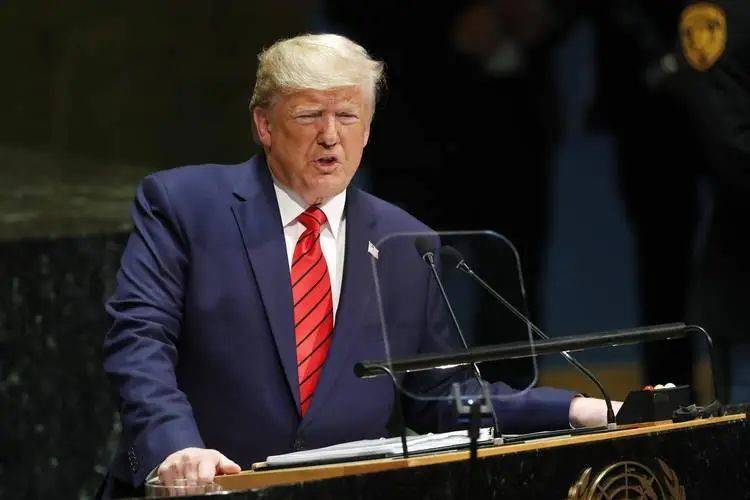
Core Points - The recent international situation has seen 11 countries unite against the U.S., particularly in response to aggressive tariff policies imposed by the U.S. government [1][3] - Brazil's President Lula has taken a strong stance against U.S. tariffs, which have significantly impacted trade relations, marking the lowest point in U.S.-Brazil relations in 200 years [3] - Brazil and India are collaborating to counter U.S. tariffs, aiming to increase bilateral trade to $20 billion by 2030 and expand trade agreements [3][5] - The 11 BRICS nations have collectively criticized the U.S. for its unilateral tariff actions, indicating a growing resistance to U.S. economic dominance [3][5] - Brazil is actively seeking to strengthen trade ties with emerging economies and has filed a request with the WTO to discuss U.S. tariffs [3][5] - India has also expressed its discontent with U.S. tariffs, emphasizing the need to protect its domestic industries while maintaining a firm stance against U.S. pressure [5] - The actions of these countries reflect a broader trend towards de-dollarization and a desire to reduce reliance on the U.S. dollar in international trade [5][7] - China plays a crucial role in supporting these nations, as evidenced by its quick response to U.S. tariffs on Brazilian coffee, allowing exports to China [7] Summary by Sections U.S. Tariff Policies - The U.S. has imposed significant tariffs on Brazilian and Indian products, with rates reaching as high as 50% [1][3] - These actions have provoked strong reactions from both Brazil and India, leading to discussions on how to respond collectively [3][5] Brazil's Response - Brazil is enhancing trade relations with emerging economies and has initiated discussions to expand trade agreements with Mexico [3] - The Brazilian government has also approached the WTO regarding U.S. tariffs and is considering joint actions with other countries [3][5] India's Position - India has declared U.S. tariffs as unfair and is committed to protecting its domestic industries, despite internal pressures to concede [5] - The Indian government is prepared to take necessary actions to safeguard its economic interests [5] BRICS Coalition - The 11 BRICS nations have united to challenge U.S. economic policies, indicating a shift towards greater cooperation among emerging economies [3][5] - This coalition reflects a growing sentiment against U.S. economic hegemony and a push for a more balanced global trade system [5][7] De-dollarization Efforts - The collective actions of these countries signify a move towards reducing dependence on the U.S. dollar, with agreements to conduct trade in local currencies [5][7] - This trend is expected to reshape global trade dynamics and reduce U.S. influence in international markets [7]

被印度拒绝后,特朗普转身找中国:希望帮助美农,增加三倍进口量
Sou Hu Cai Jing· 2025-08-12 22:19
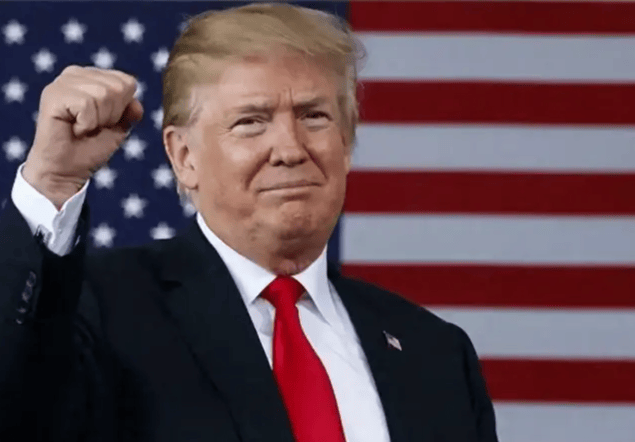
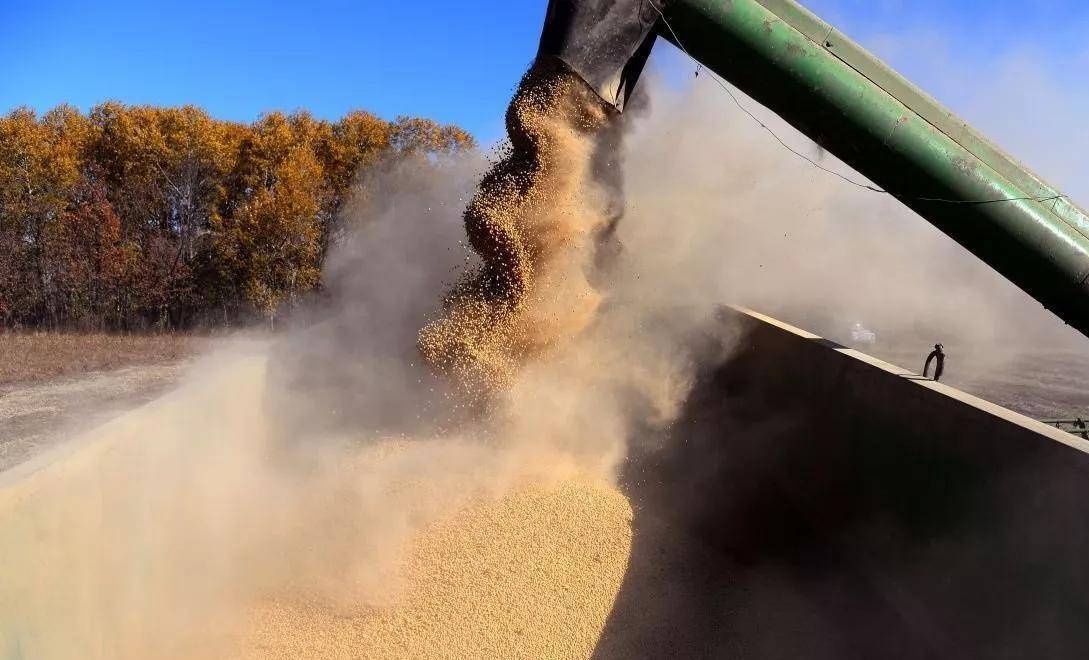
Core Viewpoint - The trade war initiated by former President Trump through tariffs has led to a global "food crisis," adversely affecting American farmers and demonstrating the failure of unilateral trade policies [2][6]. Group 1: Impact on China - China strategically reduced imports of U.S. soybeans and corn starting in January 2025, opting for supplies from Brazil and Argentina to ensure domestic food security [3]. - In the first half of 2025, China imported 49.37 million tons of soybeans, a year-on-year increase of 1.8%, primarily for animal feed rather than domestic oil and food production [3]. - This shift reflects China's effective response to U.S. policy instability and a strong commitment to maintaining food security [3]. Group 2: Impact on India - The Trump administration's attempts to open the Indian market for U.S. agricultural products were met with resistance from the Modi government, which prioritized domestic farmers' interests [5]. - India's refusal to comply with U.S. demands resulted in the loss of a significant potential export market for American agricultural products [5]. Group 3: Consequences for U.S. Agriculture - The retaliatory tariffs imposed by allies like the EU and Canada severely impacted U.S. agricultural exports, particularly affecting the supply chain for agricultural machinery [6]. - In 2025, U.S. soybean planting area decreased by 4%, with many farmers switching to other crops or facing bankruptcy and unemployment [6]. - The failure of the tariff policy has undermined the political support base for Trump, as many affected farmers were his core supporters [6]. Group 4: Negotiation Dynamics - China has maintained a firm stance, indicating that further trade negotiations are contingent upon the U.S. lifting unreasonable tariffs [7]. - The dual impact of U.S. tariffs has led to immediate product surpluses and price drops, alongside long-term market share losses and damaged international credibility [7]. Group 5: Conclusion on Trade Strategy - The failure of Trump's "first strike, then negotiate" strategy highlights the need for the U.S. to abandon unilateral tariff policies and rebuild international trust through multilateral cooperation [8]. - Without a new fair trade agreement between the U.S. and China, expectations for increased Chinese imports of U.S. agricultural products are unrealistic [8].
习近平同巴西总统通电话
Yang Shi Wang· 2025-08-12 11:48
Core Viewpoint - The phone call between Chinese President Xi Jinping and Brazilian President Lula highlights the strengthening of China-Brazil relations, emphasizing mutual cooperation and the importance of multilateralism in addressing global challenges [1] Group 1: China-Brazil Relations - Xi Jinping stated that China-Brazil relations are at their historical best, with successful progress in building a community of shared destiny and aligning development strategies [1] - Both leaders expressed a commitment to enhancing cooperation and achieving more mutually beneficial outcomes, aiming to set an example of solidarity among major developing countries [1] Group 2: Multilateralism and Global Challenges - Lula praised China's commitment to multilateralism and its responsible role in international affairs, expressing Brazil's desire to strengthen communication within BRICS and oppose unilateral actions [1] - Xi Jinping reiterated support for Brazil in defending its sovereignty and emphasized the need for countries to unite against unilateralism and protectionism [1] - The BRICS mechanism is highlighted as an important platform for consolidating the consensus of global South countries, with a focus on maintaining international fairness and justice [1]
新华社:习近平同巴西总统卢拉通电话
Xin Hua Cai Jing· 2025-08-12 05:55
Core Points - The relationship between China and Brazil is at its historical best, with positive progress in building a community of shared destiny and aligning development strategies [1] - Both countries aim to strengthen cooperation and create more mutually beneficial outcomes, setting an example for solidarity among global South countries [1] - Brazil emphasizes the importance of its relationship with China and seeks to deepen strategic alignment and cooperation [1] Summary by Sections - **China-Brazil Relations** - Xi Jinping highlighted the current peak in China-Brazil relations and the successful start of their community of shared destiny [1] - Both nations are committed to seizing opportunities for enhanced cooperation and mutual benefits [1] - **Brazil's Position** - Lula expressed Brazil's high regard for its relationship with China and the desire to strengthen cooperation [1] - He also discussed Brazil's relationship with the United States and reaffirmed Brazil's commitment to maintaining its sovereignty [1] - **Multilateral Cooperation** - Both leaders agreed on the importance of multilateralism and the need to oppose unilateralism and protectionism [1] - They emphasized the role of the BRICS mechanism in fostering consensus among global South countries [1] - **Global Challenges** - China and Brazil aim to jointly address global challenges, including ensuring the success of the UN climate change conference and promoting political solutions to the Ukraine crisis [1]
莫迪“准备好了”?卢拉联络金砖,对等关税生效,印度巴西不屈服
Sou Hu Cai Jing· 2025-08-12 02:08
Group 1: Tariff Impact on Emerging Economies - The U.S. has imposed a 50% tariff on imports from India and Brazil, significantly affecting their economic competitiveness [1][3] - India's defense procurement plans have been halted due to the tariffs, impacting contracts for military equipment [1] - Brazil faces a sudden increase in tariffs, with a total of 40% on top of existing rates, leading to a 50% threshold for most products [1] Group 2: India's Response to Tariffs - Indian Prime Minister Modi is caught between protecting farmers and addressing the impact of tariffs on exports [3][9] - India is considering concessions in agriculture and dairy sectors while maintaining a strong stance on military purchases [3] - There are discussions between India and Russia to enhance cooperation in sectors like rare earth mining and coal gasification [3] Group 3: Brazil's Strategy Against Tariffs - Brazilian President Lula is avoiding direct dialogue with Trump while seeking trade partnerships in Mexico [5] - Brazil aims to increase bilateral trade with India to $20 billion by 2030 and is pursuing regional cooperation to counter U.S. policies [5] - Brazil has filed a dispute resolution request with the WTO against the U.S. tariffs [5] Group 4: Domestic Economic Consequences in the U.S. - U.S. consumers are experiencing significant price increases, with average household expenses rising by $2,400 annually due to tariffs [4][6] - The tech industry is particularly affected, with companies like AMD and Supermicro seeing substantial stock price drops [7] - The current tariff levels are the highest since 1934, indicating a shift in global trade dynamics [8] Group 5: Broader Implications of the Tariff War - The tariff conflict reflects a deeper struggle over national sovereignty and economic independence for emerging markets like India and Brazil [9] - Both countries are navigating complex negotiations, balancing between resistance and compromise in the face of U.S. pressure [9] - The ongoing tariff war may lead to a redefinition of global trade rules, emphasizing the importance of multilateral cooperation [9]
几无先例!美政府从对华出口芯片“抽成”引哗然,多种政策疑成“创收手段”
Huan Qiu Shi Bao· 2025-08-11 22:45
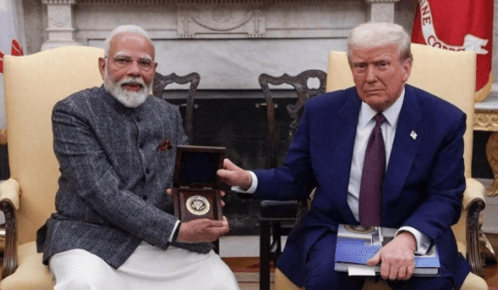
Core Viewpoint - Nvidia and AMD have reached an unprecedented agreement with the U.S. government to pay 15% of their sales revenue from the Chinese market in exchange for semiconductor export licenses, reflecting increased government intervention in business operations [1][3][4]. Group 1: Agreement Details - Nvidia will pay 15% of its sales revenue from the H20 chip in China, while AMD will do the same for its MI308 chip [3][4]. - This financial arrangement was a condition for obtaining export licenses after both companies were previously banned from exporting these chips to China [3][4]. - The expected sales revenue from Nvidia's H20 chip in China is projected to exceed $15 billion by the end of the year, while AMD's MI308 chip is expected to generate around $800 million, resulting in over $2 billion in revenue for the U.S. government [4]. Group 2: Government Intervention - The agreement is seen as part of the Trump administration's broader strategy to encourage domestic investment and job creation while imposing export controls [3][4]. - This type of financial arrangement for export licenses is rare and aligns with the Trump administration's increasing intervention in international business operations [4]. - The U.S. government has previously used similar tactics, such as the "golden share" condition in other acquisitions, to maintain control over companies [4]. Group 3: Reactions and Implications - Critics, including former U.S. Commerce Department advisors, argue that this practice compromises national security for financial gain [5]. - The situation raises questions about the ultimate goals of U.S. trade policies, particularly regarding tariffs and their dual role as a means of revenue generation [5]. - The Chinese government has expressed opposition to the politicization of technology and trade issues, emphasizing that such actions disrupt global supply chains and do not serve any party's interests [6].



詹德斌:关税大棒下,新殖民主义幽灵在游荡
Sou Hu Cai Jing· 2025-08-11 22:40
Group 1 - The core argument highlights the detrimental impact of U.S. tariffs on countries like Lesotho, particularly with a 15% tariff on apparel products, which exacerbates economic challenges in these nations [1] - The U.S. has been using tariffs as a tool to compel global companies to relocate production and transfer technology to the U.S., effectively leveraging its market power [2][3] - Traditional allies of the U.S. are competing for lower tariff rates rather than resisting U.S. pressure, indicating a lack of strategic autonomy and a shift towards dependency on U.S. economic policies [2][3] Group 2 - The article critiques the U.S. for undermining international rules and order, portraying it as a significant disruptor rather than a fair market leader [3][4] - It emphasizes the need for global South countries to unite in defending a multilateral international system based on international law and the principles of the UN Charter [4][5] - The call for a more equitable international order is framed as a collective responsibility, urging nations to reject unilateralism and embrace genuine multilateralism [5]
特朗普签字,每日数十亿美元流向美国,美前财长:中国是唯一赢家
Sou Hu Cai Jing· 2025-08-11 21:55
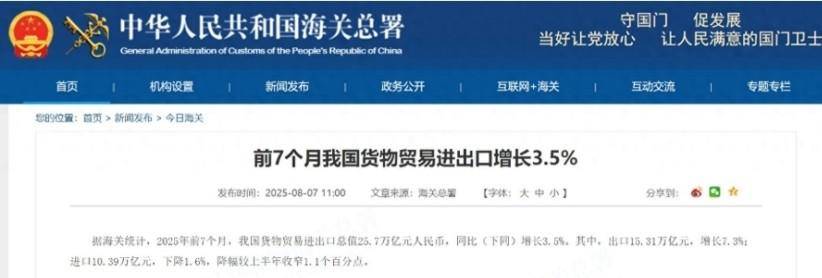
Core Viewpoint - The article argues that the ultimate winner of the tariff war is China, despite the U.S. government's claims of success in generating revenue through tariffs [3][15]. Group 1: Economic Impact on the U.S. - The high tariffs imposed by the Trump administration have led to skyrocketing prices for raw materials like steel and semiconductors, forcing U.S. factories to cut production and resulting in a decline in product quality [7]. - U.S. allies are shifting their trade partnerships towards China, with Brazil signing a multi-billion dollar soybean deal with China and India accelerating trade with Russia [7]. - Retail giants like Walmart and Best Buy are facing increased costs, contributing to a rise in inflation to 2.9%, which is straining consumers' finances [7]. Group 2: China's Economic Resilience - China's total import and export volume reached 25.7 trillion yuan in the first seven months of 2025, marking a 3.5% increase, with exports to Belt and Road Initiative countries soaring by 8.7% [11]. - Many U.S. companies are relocating their production lines to China to avoid tariffs, benefiting from China's robust textile industry infrastructure [11]. - Chinese e-commerce platforms like Taobao and Dunhuang.com are gaining international traction as affected businesses and consumers turn to them [11]. Group 3: Global Reactions and Trends - India and Brazil have strongly opposed Trump's tariff policies, with India's government prioritizing farmers' interests and Brazil filing a complaint with the WTO [13]. - The U.S. manufacturing PMI has dropped to 48%, while China's remains above 50%, indicating a stark contrast in economic health [15]. - The article concludes that unilateralism and protectionism will backfire in the changing global economic landscape, with China emerging as the biggest winner due to its flexible economic strategies and strong industrial chain [15].
中国代表驳斥美方在巴拿马运河问题上对中国无理指责
Xin Hua She· 2025-08-11 21:53
Core Viewpoint - The Chinese representative at the UN, Fu Cong, refuted U.S. accusations regarding the Panama Canal, asserting that China respects Panama's sovereignty and the canal's status as a neutral international waterway [1] Group 1: U.S. Accusations and China's Response - The U.S. has repeatedly made unfounded accusations against China in various UN Security Council discussions, which China firmly opposes [1] - China emphasizes its respect for Panama's sovereignty over the canal and criticizes the U.S. for fabricating lies to justify its control over the Panama Canal [1] Group 2: U.S. Actions in the South China Sea - Fu Cong labeled the U.S. as the biggest disruptor of peace and stability in the South China Sea, citing the deployment of offensive weapons and military reconnaissance activities by the U.S. in the region [1] - The U.S. aims to create chaos in the South China Sea to serve its geopolitical interests, according to Fu Cong [1] Group 3: Global Maritime Security Risks - The U.S. is accused of exacerbating global maritime security risks through its hegemonic behavior, Cold War mentality, and unilateral actions [1] - The U.S. has not joined the United Nations Convention on the Law of the Sea and disregards international law, which undermines global maritime governance [1] - The U.S. is also criticized for threatening the normal operations of key maritime routes like the Panama and Suez Canals, challenging the sovereignty of other nations [1]
不许对巴西加税!特朗普不留一条后路,50%关税生效前48小时,中方送去5年大单给巴西托底
Sou Hu Cai Jing· 2025-08-11 06:22
Group 1 - The U.S. has imposed a 40% tariff on Brazilian products, raising the total tariff rate to 50%, significantly impacting Brazil's economy [1][3] - Brazil's President Lula has stated that there is no room for direct dialogue with President Trump, indicating a challenging diplomatic situation [1][3] - Approximately 35.9% of Brazilian exports to the U.S. will face a combined tariff of 50%, severely affecting key products like raw coffee beans [3][5] Group 2 - China has approved 183 Brazilian coffee companies to export to China, effective from July 30, 2025, providing crucial support to Brazil's coffee industry [3][5] - Brazil's agricultural sector is facing difficulties, with the coffee export to the U.S. being a significant concern due to the new tariffs [3][5] - The relationship between China and Brazil remains strong, with China being Brazil's largest trading partner for 15 consecutive years, and future investments from China in Brazil are projected to reach 27 billion reais [5][7] Group 3 - Brazil is seeking support from emerging economies and plans to address the tariff issue through the World Trade Organization [5][7] - The unilateral tariff actions by the U.S. are seen as damaging to global trade order and are likely to face resistance from other countries [7]