逆全球化

Search documents
西南期货早间评论-20250819
Xi Nan Qi Huo· 2025-08-19 02:35
Report Industry Investment Ratings No relevant content provided. Core Views of the Report - The macro - economic recovery momentum needs strengthening, and monetary policy is expected to remain loose. Treasury bond futures are expected to have no trend - based market, so a cautious approach is advised [6][7]. - The domestic economy is stable, but the recovery momentum is weak, and corporate profit growth is low. However, domestic asset valuations are low, and China's economy has sufficient resilience. The long - term performance of Chinese equity assets is still optimistic, and existing long positions can be held [9][10]. - The global trade and financial environment is complex, and the "de - globalization" and "de - dollarization" trends are beneficial to the allocation and hedging value of gold. The long - term bullish trend of precious metals is expected to continue, and considering going long on gold futures is advisable [11][12]. - For most commodities, the market is affected by various factors such as policies, supply - demand relationships, and cost. Each commodity has its own specific investment suggestions, including paying attention to callbacks for buying opportunities, short - term observation, and taking corresponding strategies based on price trends and fundamentals [13][23][25]. Summary According to Related Catalogs Treasury Bonds - The previous trading day, treasury bond futures closed down across the board. The central bank conducted 266.5 billion yuan of 7 - day reverse repurchase operations, with a net investment of 154.5 billion yuan. The macro - economic recovery momentum needs strengthening, and treasury bond futures are expected to have no trend - based market, so be cautious [5][6][7]. Stock Index Futures - The previous trading day, stock index futures showed mixed performance. The A - share market value exceeded 100 trillion yuan. The domestic economy is stable, but the recovery momentum is weak. The long - term performance of Chinese equity assets is optimistic, and existing long positions can be held [8][9][10]. Precious Metals - The previous trading day, gold and silver futures rose. The global trade and financial environment is complex, and the long - term bullish trend of precious metals is expected to continue. Consider going long on gold futures [11][12]. Steel Products (Thread, Hot - Rolled Coil) - The previous trading day, steel product futures declined slightly. Policy changes are the main factor in the short - term, and the mid - term is expected to return to the supply - demand logic. The real estate industry's downturn suppresses the price of rebar. The steel industry's stable - growth policy may be a positive factor. Technically, there may be short - term adjustments, and investors can pay attention to callback buying opportunities [13]. Iron Ore - The previous trading day, iron ore futures had a slight correction. Policy is the main factor in the short - term. The supply - demand pattern is currently strong but may weaken in the mid - term. Technically, there may be short - term adjustments, and investors can pay attention to callback buying opportunities [15]. Coking Coal and Coke - The previous trading day, coking coal and coke futures declined significantly. The policy has affected supply, and there is still positive support for prices. Technically, there may be short - term adjustments, and investors can pay attention to callback buying opportunities [16]. Ferroalloys - The previous trading day, the manganese - silicon contract rose, and the silicon - iron contract fell. The cost of ferroalloys is rising, production is increasing, and demand recovery is weak. There may be short - term supply surpluses. Consider long positions at low levels after price corrections [18][19]. Crude Oil - The previous trading day, INE crude oil hit a new low. The "Double - Putin" talks may lead to European and Ukrainian participation in negotiations, which will put pressure on crude oil. CFTC data shows a bearish sentiment. The price is expected to be weak, and the main contract should be temporarily observed [20][21][23]. Fuel Oil - The previous trading day, fuel oil showed a strong upward trend. Singapore's fuel oil inventory has decreased significantly, which supports the price. The strategy is to shrink the spread between high - and low - sulfur fuel oils [24][25]. Synthetic Rubber - The previous trading day, synthetic rubber rose. Losses have increased, supply has decreased, and the macro - sentiment is positive. Pay attention to opportunities for a rebound after stabilization [26][27]. Natural Rubber - The previous trading day, natural rubber rose. The macro - market sentiment has improved, and supply - side disruptions continue. Pay attention to long - position opportunities [28][29]. PVC - The previous trading day, PVC declined. The oversupply situation continues, but the downward space may be limited. It is expected to continue bottom - range oscillations [30][31]. Urea - The previous trading day, urea rose. The short - term fundamentals change little, and the mid - term view is bullish [32][34]. PX - The previous trading day, PX rose. The short - term supply - demand situation has weakened, and the cost and demand support are insufficient. It may be adjusted in a range [35]. PTA - The previous trading day, PTA rose. The short - term processing fee is under pressure, supply may decrease, demand improves slightly, and the cost support is weak. It may be adjusted in a range [36][37]. Ethylene Glycol - The previous trading day, ethylene glycol declined. The short - term supply increase may suppress the price, but the demand may improve. Consider trading in a range and pay attention to port inventory and imports [38]. Short - Fiber - The previous trading day, short - fiber rose. The short - term supply is high, demand has improved, and the supply - demand contradiction is not significant. It may follow the cost to oscillate [39][40]. Bottle Chips - The previous trading day, bottle chips rose. The device maintenance has increased, inventory is stable, and it is expected to follow the cost to oscillate [41]. Soda Ash - The previous trading day, soda ash declined. Supply is increasing, demand is general, and it is expected to be lightly stable and oscillate in the short - term. Pay attention to controlling positions [42][43]. Glass - The previous trading day, glass declined. The production line is stable, the de - stocking speed has slowed down, and demand is weak. In the short - term, consider short - positions, and pay attention to controlling positions [44]. Caustic Soda - The previous trading day, caustic soda rose. Supply fluctuates little, and consumption and prices may be under pressure due to the use of imported ores. The market will gradually return to the logic of stable spot prices [45][46]. Pulp - The previous trading day, pulp declined. Supply contraction expectations dominate the sentiment, but demand improvement is uncertain. There is a game between high inventory and macro - sentiment [47][48]. Lithium Carbonate - The previous trading day, lithium carbonate rose. The trading logic has shifted, and the mine - permit event is uncertain. Light - position operations are recommended for non - participants [49]. Copper - The previous trading day, Shanghai copper fluctuated slightly. The market's expectation of interest - rate cuts has cooled, and copper prices are oscillating. Downstream enterprises purchase as needed. Consider long - position opportunities [51][52][53]. Tin - The previous trading day, Shanghai tin oscillated. The supply is still tight, and consumption is not optimistic. Tin prices are expected to oscillate [54]. Nickel - The previous trading day, Shanghai nickel declined. The supply of primary nickel is in an oversupply pattern, and the consumption is not optimistic. There is pressure on the upper side [55]. Soybean Oil and Soybean Meal - The previous trading day, soybean meal and soybean oil rose. The U.S. soybean's excellent - rate is high, and the supply of soybeans is expected to be loose. Consider taking long - position exits at high levels and then long - positions at support levels [56][57]. Palm Oil - The previous trading day, palm oil rose. Malaysian exports have increased, and domestic imports have also increased. Consider holding long - positions lightly [58][59][60]. Rapeseed Meal and Rapeseed Oil - The previous trading day, rapeseed - related products' prices changed. The domestic supply of rapeseed products is expected to be tight in the short - term. Consider reducing and holding long - positions [61][62]. Cotton - The previous trading day, domestic cotton oscillated. The global supply - demand is expected to be loose, but short - term reports are positive. Prices are expected to be strong [63][64][65]. Sugar - The previous trading day, domestic sugar rebounded slightly. Overseas production is expected to be high, and domestic imports are large before October. It is recommended to observe [66][67][68]. Apple - The previous trading day, apple futures rose slightly. The expected production reduction is falsified, and there is a slight increase in production. It is recommended to observe [69][71][72]. Live Pigs - The previous trading day, the price of live pigs declined slightly. The supply is increasing, and demand is weak in the short - term. Consider an anti - spread strategy [73][74]. Eggs - The previous trading day, egg prices rose. Egg supply is expected to increase in August, and consumption is not as expected. Consider stopping profit on anti - spreads and then observing [75][76]. Corn and Starch - The previous trading day, corn and corn starch futures declined. The short - term domestic corn supply - demand is approaching balance, but new - season corn has a high - yield expectation, so it is recommended to observe. Corn starch follows the corn market [77][78][79]. Logs - The previous trading day, log futures were flat. Log spot prices are strong, demand is slightly better than arrivals, and short - term bullish sentiment is expected to be supported [80][81][82].
2025中国(郑州)国际期货论坛今日开启
Qi Huo Ri Bao Wang· 2025-08-18 16:26
Group 1 - The 2025 China (Zhengzhou) International Futures Forum is a significant industry exchange platform, featuring various sub-forums focused on open discussions and risk management for enterprises [1][2] - The forum attracts a diverse range of participants, including government officials, exchanges, futures companies, industry clients, and academic experts, enhancing its professional and forward-looking nature [2][3] - The themes of the forum have evolved to address current global commodity trade conditions, with topics ranging from rural revitalization to risk management for industrial enterprises, reflecting the ongoing development of the futures market [2][3] Group 2 - Participants express a strong interest in learning from international experiences, particularly regarding the internationalization of the Chinese futures market amidst global economic uncertainties [3] - Zhengzhou serves as a central hub for transportation, connecting major economic regions, and the forum is positioned as a vital platform for exchanging ideas and experiences in the global futures market [3]
西南期货早间评论-20250818
Xi Nan Qi Huo· 2025-08-18 06:19
1. Report Industry Investment Ratings No information about industry investment ratings is provided in the report. 2. Core Views of the Report - The macro - economic recovery momentum needs to be strengthened, and it is expected that the monetary policy will remain loose. Treasury bond futures are expected to have no trend - based market, and a cautious attitude should be maintained [6]. - The long - term performance of Chinese equity assets is optimistic, and it is advisable to consider going long on stock index futures [9]. - The long - term bull market trend of precious metals is expected to continue, and it is advisable to consider going long on gold futures [12]. - For steel products such as rebar, hot - rolled coil, iron ore, etc., investors can pay attention to buying opportunities during pull - backs and manage positions carefully [14][15]. - Crude oil prices are expected to be weak, and it is advisable to temporarily observe the main crude oil contract [22][23]. - For fuel oil, it is advisable to shrink the spread between high - and low - sulfur fuel oil [26]. - For synthetic rubber, wait for it to stabilize and participate in the rebound [28]. - For natural rubber, consider going long after a pull - back [31]. - PVC will continue to fluctuate at the bottom [32]. - Urea will fluctuate in the short - term and is expected to be bullish in the medium - term [35]. - PX will fluctuate and adjust in the short - term, and interval trading can be considered [36]. - PTA may have a pull - back adjustment in the short - term, and interval trading can be considered [37]. - Ethylene glycol may be suppressed by short - term supply increases, and interval trading is advisable, paying attention to port inventory and import changes [38]. - Short - fiber may fluctuate with costs in the short - term, and attention should be paid to cost changes and macro - policy adjustments [39]. - Bottle - grade chips are expected to fluctuate with the cost side [41]. - For soda ash, pay attention to controlling positions due to the increase in supply and weak demand [42]. - For glass, go short in the short - term, and pay attention to controlling positions due to capital - side disturbances before contract roll - over [43]. - For caustic soda, the price is expected to stabilize, and attention should be paid to the impact of imported ore on consumption and prices [45]. - For pulp, the supply contraction expectation dominates, but the demand improvement is of uncertain sustainability, and there is a game between high inventory and macro - sentiment [47]. - For lithium carbonate, the trading logic has shifted, and it is advisable for non - participating investors to operate with a light position and control risks [49]. - For copper, pay attention to buying opportunities for the main Shanghai copper contract [52][53]. - Tin and nickel prices are expected to fluctuate [54][55]. - For soybean oil and soybean meal, consider exiting long positions at stage highs and then look for long - entry opportunities after adjustment [57]. - For palm oil, consider reducing long positions and holding them lightly [60]. - For rapeseed meal and rapeseed oil, consider reducing long positions and holding them [62]. - Cotton prices are expected to be strong in the short - term [65]. - Sugar is recommended to be observed, showing interval - based fluctuations [69][70]. - Apple futures are expected to be affected by increased production [71]. - For live pigs, consider a reverse - spread strategy [74]. - For eggs, consider gradually taking profits on the 9 - 10 reverse spread [77]. - Corn prices have support at lower levels in the short - term and pressure at higher levels, and corn starch follows the corn market [79][80]. - Log prices are expected to be supported by bullish sentiment in the short - term [83]. 3. Summaries According to Relevant Catalogs Treasury Bonds - The previous trading day, most treasury bond futures closed down. The central bank conducted 238 billion yuan of 7 - day reverse repurchase operations, with a net injection of 116 billion yuan. The macro - economic recovery momentum needs to be strengthened, and treasury bond futures are expected to have no trend - based market [5][6]. Stock Index Futures - The previous trading day, stock index futures showed mixed performance. The central bank will implement a moderately loose monetary policy. The long - term performance of Chinese equity assets is optimistic, and it is advisable to consider going long [8][9]. Precious Metals - The previous trading day, gold and silver futures closed down. The US retail sales data was stable, and the "anti - globalization" and "de - dollarization" trends are beneficial to gold. The long - term bull market trend of precious metals is expected to continue, and it is advisable to consider going long on gold futures [10][12]. Rebar and Hot - Rolled Coil - The previous trading day, rebar and hot - rolled coil futures slightly declined. Policy changes dominate the market in the short - term, and the prices are expected to be determined by supply - demand fundamentals in the medium - term. The real estate downturn suppresses rebar prices, and investors can pay attention to buying opportunities during pull - backs [14]. Iron Ore - The previous trading day, iron ore futures slightly pulled back. Policy is the dominant factor, and iron ore prices follow coking coal. The high demand for hot metal supports prices, but the supply has increased. The short - term supply - demand pattern is strong, and investors can pay attention to buying opportunities during pull - backs [15]. Coking Coal and Coke - The previous trading day, coking coal and coke futures fluctuated and sorted. Policy affects supply, and prices may continue to adjust in the short - term. Investors can pay attention to buying opportunities during pull - backs [17]. Ferroalloys - The previous trading day, manganese silicon and silicon iron futures declined. Manganese ore supply and prices have changed, and the cost of ferroalloys has increased. The supply is excessive, and investors can consider long - entry opportunities at low levels [19][20]. Crude Oil - The previous trading day, INE crude oil fluctuated upwards and was blocked by the 5 - day moving average. The "Double - Putin" talks and CFTC data indicate that crude oil prices are expected to be weak, and it is advisable to temporarily observe [21][22]. Fuel Oil - The previous trading day, fuel oil fluctuated downwards. The Asian high - sulfur fuel oil market shows signs of improvement, but the supply in Singapore is still excessive. It is advisable to shrink the spread between high - and low - sulfur fuel oil [24][25]. Synthetic Rubber - The previous trading day, synthetic rubber futures rose. Losses have increased, supply has decreased, and the market sentiment is positive. Wait for it to stabilize and participate in the rebound [27]. Natural Rubber - The previous trading day, natural rubber futures rose. The macro - market sentiment has warmed up, and supply - side disruptions continue. Consider going long after a pull - back [29][31]. PVC - The previous trading day, PVC futures declined. The supply exceeds demand, but the downward space is limited. It will continue to fluctuate at the bottom [32]. Urea - The previous trading day, urea futures closed flat. The short - term fundamentals change little, and it will fluctuate. It is expected to be bullish in the medium - term [33][35]. PX - The previous trading day, PX futures rose. The supply has increased, and the cost support is weak. It will fluctuate and adjust in the short - term, and interval trading can be considered [36]. PTA - The previous trading day, PTA futures rose. The supply has slightly increased, demand has slightly improved, and the cost support is weak. It may have a pull - back adjustment in the short - term, and interval trading can be considered [37]. Ethylene Glycol - The previous trading day, ethylene glycol futures declined. The supply has increased, and the port inventory has accumulated. It may be suppressed by short - term supply increases, and interval trading is advisable [38]. Short - Fiber - The previous trading day, short - fiber futures rose. The supply is at a relatively high level, demand has improved, and the supply - demand contradiction is not significant. It may fluctuate with costs in the short - term [39]. Bottle - Grade Chips - The previous trading day, bottle - grade chips futures rose. The supply has decreased due to maintenance, and demand has recovered. It is expected to fluctuate with the cost side [40][41]. Soda Ash - The previous trading day, soda ash futures rose. Supply has increased, demand is weak, and the price is expected to decline. Pay attention to controlling positions [42]. Glass - The previous trading day, glass futures declined. The inventory reduction speed has slowed down, and demand is weak. Go short in the short - term, and pay attention to controlling positions due to capital - side disturbances [43]. Caustic Soda - The previous trading day, caustic soda futures declined. Supply has little change, and inventory has decreased. The use of imported ore may affect consumption and prices, and the price is expected to stabilize [44][45]. Pulp - The previous trading day, pulp futures rose slightly. The supply contraction expectation dominates, but the demand improvement is of uncertain sustainability. The inventory is high, and the price rebound space is limited [46][47]. Lithium Carbonate - The previous trading day, lithium carbonate futures rose. The trading logic has shifted, and it is advisable for non - participating investors to operate with a light position and control risks [48][49]. Copper - The previous trading day, Shanghai copper slightly fluctuated. The copper concentrate is in short supply, and the Fed's interest - rate cut expectation and smooth Sino - US trade negotiations support copper prices. Pay attention to buying opportunities [51][52]. Tin - The previous trading day, Shanghai tin fluctuated. The ore supply is tight, and the market expects the tin ore to resume production in the fourth quarter. The supply is still in short supply, and the price is expected to fluctuate [54]. Nickel - The previous trading day, Shanghai nickel rose. The ore price has weakened, the inventory has increased, and the demand is weak. The primary nickel is in an oversupply situation, and the price is expected to fluctuate [55]. Soybean Oil and Soybean Meal - The previous trading day, soybean oil and soybean meal futures declined. The USDA report lowered the US soybean planting area. The domestic soybean supply is loose, and the import cost has increased. Consider exiting long positions at stage highs and then look for long - entry opportunities after adjustment [56][57]. Palm Oil - Malaysian palm oil rose. The export volume in the first half of August increased. The domestic palm oil inventory has accumulated. Consider reducing long positions and holding them lightly [58][59]. Rapeseed Meal and Rapeseed Oil - Canadian rapeseed futures rose. China imposed anti - dumping duties on Canadian rapeseed. The domestic rapeseed supply may be tight in the short - term. Consider reducing long positions and holding them [61][62]. Cotton - The previous trading day, domestic cotton futures fluctuated. The US and global cotton supply - demand reports were favorable. The domestic cotton inventory has decreased, and textile exports have declined. The price is expected to be strong in the short - term [63][65]. Sugar - The previous trading day, domestic sugar futures rebounded slightly. The Brazilian sugar production has accelerated, and Thailand and India are expected to have a bumper harvest. The domestic inventory is low, but imports will be high before October. It is recommended to observe [67][69]. Apple - The previous trading day, apple futures fluctuated. The expected apple production increase has been confirmed. The inventory has decreased, and the price of early - maturing apples has declined [71]. Live Pigs - The previous trading day, the national average live - pig price declined. The supply in the north has increased, and the price is expected to be observed. The supply in the south is stable. The supply will increase in August, and it is advisable to consider a reverse - spread strategy [73][74]. Eggs - The previous trading day, the egg price rose slightly. The cost is high, and the inventory has increased. The supply in August is expected to increase, and consider gradually taking profits on the 9 - 10 reverse spread [75][77]. Corn and Corn Starch - The previous trading day, corn and corn starch futures declined. The domestic corn supply - demand is approaching balance, and the inventory pressure has decreased. The new - season corn is expected to have a bumper harvest, and the price has pressure. Corn starch follows the corn market [78][80]. Logs - The previous trading day, log futures rose. The expected arrival of New Zealand logs has decreased, and the inventory has declined. The trading volume has increased, and the price is expected to be supported by bullish sentiment in the short - term [81][83].
财经观察:为什么要促消费、“反内卷”、“薅羊毛”……专家这样说
Ren Min Wang· 2025-08-18 01:35
Group 1: Economic Indicators and Consumer Behavior - The Consumer Price Index (CPI) has shifted from decline to increase, indicating a need to further stimulate consumer activity in the economy [1] - Consumer spending is a major component of GDP, and its growth is essential for economic development [1] - The government has introduced policies such as "trade-in" and "consumer loan interest subsidies" to boost consumption [1] Group 2: Trends in Consumption - There is a significant trend towards increasing the proportion of consumption in GDP, which is currently lower compared to developed countries [2] - Enhancing consumer income through industrial upgrades is crucial for boosting consumption [2] - The demand for sports events and related products indicates untapped consumer potential [2] Group 3: Competition and Market Dynamics - "Involution" or excessive competition in certain industries is detrimental to consumer welfare and market health [3] - The need to improve industry concentration and profitability is emphasized to combat "involution" [5] - The manufacturing sector's upgrade is essential for increasing residents' income and overcoming the middle-income trap [4][5] Group 4: Policy Utilization and Consumer Opportunities - Consumers are encouraged to take advantage of government subsidies for various sectors, including home appliances and automobiles [6] - The limited nature of subsidies means consumers should act quickly to benefit from available policies [6] - Traditional and new consumption sectors hold significant potential for growth, and consumers should embrace digital economic opportunities [7]
大争之世中国如何把握主动
Sou Hu Cai Jing· 2025-08-17 20:52
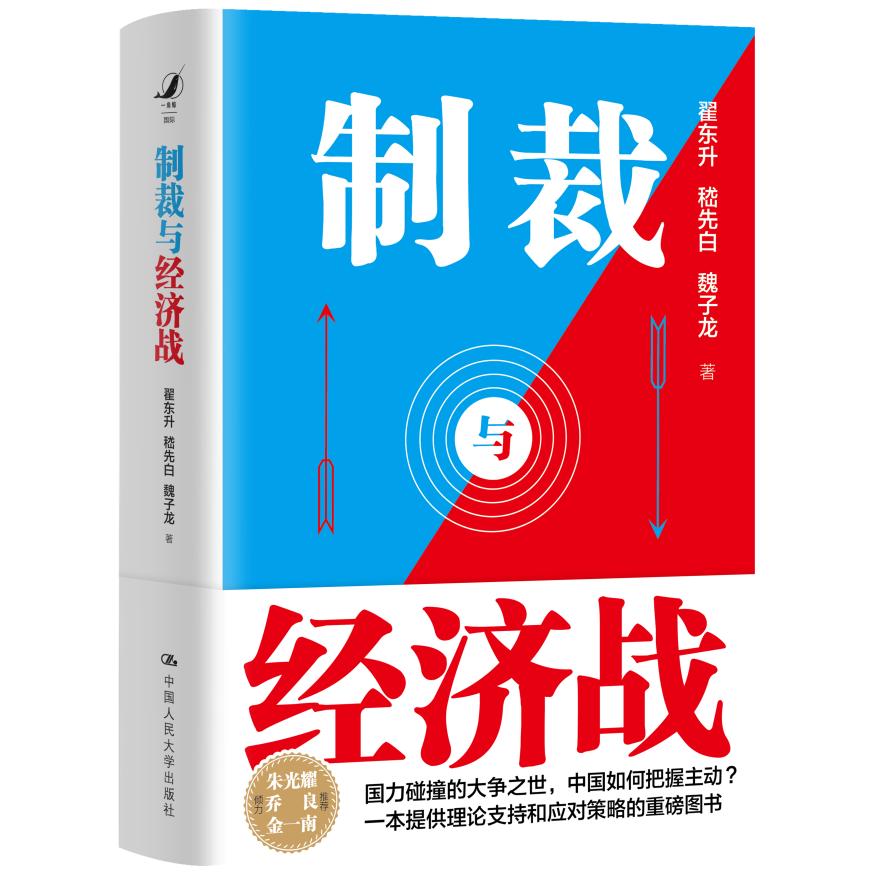
Core Viewpoint - The book "Sanctions and Economic Warfare" emphasizes the increasing relevance of studying economic sanctions and warfare in the context of globalization and geopolitical tensions, particularly between China and the United States [2][3]. Group 1: Globalization and Economic Warfare - The 21st century is characterized as a golden age for the study and practice of economic sanctions and warfare, driven by deepening globalization and complex interdependencies between nations [2]. - The current downward trend in globalization has led to rising international conflicts, yet the degree of interdependence among countries remains high, making sanctions a significant tool in geopolitical strategies [2]. - The ongoing struggle between sanctions and counter-sanctions is expected to disrupt international interdependence and division of labor, potentially limiting the applicability of sanctions in the future [2]. Group 2: China's Strategic Response - The urgency and strategic importance of researching sanctions and economic warfare are particularly pronounced for China, given the escalating political and economic competition with the U.S. [2][3]. - China recognizes the need to defend its political, economic, and strategic interests in the global system, necessitating the development of appropriate foreign policy tools, primarily relying on economic means rather than military or propaganda strategies [2]. Group 3: Theoretical Framework - The authors propose establishing a "Chinese paradigm" for sanctions and economic warfare theory, addressing deficiencies in existing Western frameworks, particularly those from U.S. academia [4][5]. - The critique of U.S. approaches highlights a misunderstanding of the effectiveness of economic sanctions, which often overlook the political motivations behind such policies [5]. - The book aims to build a theoretical system based on China's practical experiences and historical context, emphasizing the unique institutional advantages and strategic culture of China [6]. Group 4: Historical Context and Case Studies - The book includes extensive case studies from various historical contexts, such as ancient Chinese strategies against northern tribes, the Continental System during the Napoleonic Wars, and modern sanctions against Russia amid the Ukraine conflict [5][6]. - These historical examples serve to validate the theoretical propositions and provide insights into the dynamics of sanctions and economic warfare [5].

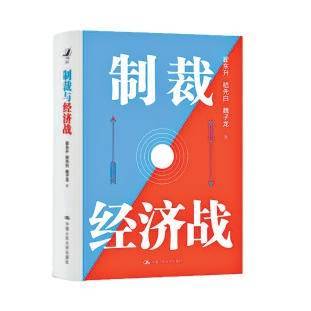
为什么我们要研究制裁与经济战?
3 6 Ke· 2025-08-17 00:07
Group 1 - The 21st century is characterized as a golden age for the study and practice of sanctions and economic warfare [1] - Globalization has led to a complex and asymmetric interdependence among countries, creating favorable conditions for the use of sanctions and economic warfare [2][3] - The effectiveness of sanctions relies on the significant and asymmetric economic interdependence between the sanctioning and target countries [2] Group 2 - The current global environment is marked by a downturn in globalization, characterized by decoupling, protectionism, and rising nationalism [4] - The weaponization of economic interdependence is a significant feature of the post-globalization era, impacting how countries respond to sanctions [4] - The study of how smaller countries can navigate sanctions and avoid becoming collateral damage in great power conflicts is increasingly important [4] Group 3 - For China, the urgency and strategic importance of researching sanctions and economic warfare are evident due to increasing pressures from the U.S. and its allies [5] - China's response to sanctions is a pressing issue in its foreign economic policy, especially as localized sanctions may escalate into broader economic warfare [5] - The need for China to develop appropriate foreign policy tools is highlighted, with a focus on economic means rather than military or propaganda approaches [5] Group 4 - The trade and technology wars initiated by the U.S. during Trump's administration have heightened awareness in China regarding the importance of studying sanctions and economic warfare [6] - The concept of "empire" and the need for China to learn from the U.S. in terms of governance and strategy in economic warfare is emphasized [6] - The establishment of a Chinese paradigm for sanctions and economic warfare theory is deemed feasible due to existing deficiencies in the U.S. academic framework [6][7] Group 5 - The misunderstanding of the "effectiveness" of economic sanctions in U.S. academia is noted, with a call for a broader evaluation that includes both implemented and threatened sanctions [7] - The political motivations behind sanctions are highlighted, suggesting that political power is the ultimate goal rather than mere economic welfare [8] - The interdisciplinary nature of sanctions and economic warfare is acknowledged, requiring an understanding of political, economic, and strategic principles [9] Group 6 - Historical and contemporary case studies of sanctions and economic warfare are presented, covering various significant events and their implications [10] - The impact of the ongoing geopolitical conflicts, such as the Russia-Ukraine war, on the study of sanctions and economic warfare is discussed [12] - The potential for China to learn from the sanctions strategies employed by the U.S. and Europe against Russia is emphasized, as well as the importance of understanding its own economic vulnerabilities [12]
西南期货早间评论-20250815
Xi Nan Qi Huo· 2025-08-15 03:13
Report Industry Investment Ratings There is no information about the report industry investment ratings in the provided content. Core Views - The report is cautious about the trend of Treasury bond futures but optimistic about the long - term performance of Chinese equity assets and recommends considering going long on stock index futures. It also believes that the long - term bull trend of precious metals may continue and suggests going long on gold futures. For other commodities, it provides specific market analyses and corresponding investment strategies [6][9][11]. Summary by Related Catalogs Treasury Bonds - The previous trading day, Treasury bond futures closed down across the board. The 30 - year, 10 - year, 5 - year, and 2 - year main contracts fell by 0.36%, 0.12%, 0.08%, and 0.02% respectively. The central bank conducted 128.7 billion yuan of 7 - day reverse repurchase operations, with a net withdrawal of 32 billion yuan. Given the current macro - economic situation, it is expected that Treasury bond futures will have no trend - based market, and caution is advised [5][6]. Stock Index - The previous trading day, stock index futures showed mixed performance. Although the domestic macro - economic recovery momentum is weak, the low valuation of domestic assets and China's economic resilience, along with the warming market sentiment, make the report optimistic about the long - term performance of Chinese equity assets and recommend considering going long on stock index futures [7][9]. Precious Metals - The previous trading day, the gold main contract rose 0.13%, and the silver main contract fell 0.15%. Due to the complex global trade and financial environment, the "de - globalization" and "de - dollarization" trends, central bank gold - buying, and the possible Fed rate cut, the long - term bull trend of precious metals may continue, and going long on gold futures is recommended [11]. Steel Products (Thread, Hot - Rolled Coil) - The previous trading day, steel product futures fell significantly. Policy currently dominates the market, and the price of finished products follows the price of coking coal. In the medium - term, the price of finished products will return to the supply - demand logic. The downward trend of the real estate industry and over - capacity suppress the price of steel products. The possible steel industry stability - promoting policy is a potential positive factor. Technically, the short - term adjustment may continue, and investors can pay attention to buying opportunities on pullbacks and manage positions [13]. Iron Ore - The previous trading day, iron ore futures had a significant correction. Policy dominates the market, and the price follows coking coal. The high daily output of molten iron supports the price, but the supply has increased since April. The short - term supply - demand pattern is strong but may weaken in the medium - term. Technically, the short - term adjustment may continue, and investors can pay attention to buying opportunities on pullbacks and manage positions [15]. Coking Coal and Coke - The previous trading day, coking coal and coke futures fell sharply due to the position - limit measures of the Dalian Commodity Exchange. Fundamentally, the policy on coal production inspection has reduced the supply. Technically, the short - term adjustment may continue, and investors can pay attention to buying opportunities on pullbacks and manage positions [17]. Ferroalloys - The previous trading day, manganese silicon and silicon iron main contracts fell. The supply of manganese ore has changed, and the cost of ferroalloys has increased. The demand has slightly recovered, but the supply is still high, and the high inventory pressures the market. In the short - term, the supply may be in surplus, and investors can consider long positions at low levels when the spot market falls into losses [19][20]. Crude Oil - The previous trading day, INE crude oil oscillated downward. The CFTC data showed a reduction in net long positions, the Baker Hughes report showed a decrease in the number of oil and gas rigs, and the IEA monthly report raised the supply forecast and lowered the demand forecast. The market focus is on the US - Russia talks, and the short - term outlook is bearish. It is recommended to wait and see for the main crude oil contract [21][22]. Fuel Oil - The previous trading day, fuel oil oscillated downward. The Asian fuel oil market had multiple sales transactions. The spread of ultra - low - sulfur fuel oil turned to a discount, and the expected large - scale inflow of arbitrage fuel oil and the increase in ARA region inventory are bearish factors. It is recommended to shrink the spread between high - and low - sulfur fuel oils [23][24]. Synthetic Rubber - The previous trading day, the synthetic rubber main contract fell. The loss has increased, and the supply has decreased. The macro - sentiment is positive, and the market has stabilized. Investors can pay attention to the opportunity of a rebound after stabilization [25]. Natural Rubber - The previous trading day, the natural rubber main contract and 20 - rubber main contract fell. The macro - market sentiment has improved, the supply is disturbed by heavy rain, and the cost support has strengthened. The demand has slightly recovered, and the inventory has decreased. It is recommended to consider long positions after a pullback [27]. PVC - The previous trading day, the PVC main contract fell. The supply - demand situation remains oversupplied, but the downward space is limited, and it is expected to oscillate at the bottom. The supply has increased, the demand has decreased, and the profit has improved. The social inventory has increased [29]. Urea - The previous trading day, the urea main contract fell. The short - term fundamentals have little change, and the market oscillates. In the medium - term, a bullish view is maintained. The supply is at a high level, and the demand from compound fertilizer production is increasing. The enterprise inventory is lower than expected, and the port inventory is higher than expected [30][31]. PX - The previous trading day, the PX main contract fell. The PXN and PX - MX spreads have adjusted. The supply has slightly increased, and the import has changed. The short - term supply - demand has weakened, the cost and demand support are insufficient, and it is expected to oscillate and adjust. Interval operations are recommended [32]. PTA - The previous trading day, the PTA main contract fell. The supply has slightly increased, the demand has slightly improved but with limited space, the cost support from crude oil is weak, and the processing fee has recovered. It is expected to adjust and correct in the short - term, and interval participation is recommended [33][34]. Ethylene Glycol - The previous trading day, the ethylene glycol main contract fell. The overall supply has increased, the port inventory has accumulated, but the overseas supply may decrease. The short - term supply increase may suppress the market, and interval participation is recommended, paying attention to inventory and import changes [35]. Short - Fiber - The previous trading day, the short - fiber main contract fell. The supply remains at a high level, the demand has improved, and the supply - demand contradiction is not significant. It is expected to oscillate with the cost, and attention should be paid to cost changes and macro - policy adjustments [36][37]. Bottle Chip - The previous trading day, the bottle chip main contract fell. The supply has decreased due to more device overhauls, the demand from the downstream soft - drink industry has increased, and the export has maintained high growth. The market is supported by inventory stability, but the main logic lies in the cost, and it is expected to oscillate with the cost [38]. Soda Ash - The previous trading day, the soda ash main contract fell. The production has increased, the inventory has increased slightly, the supply has shown an upward trend, and the downstream demand is stable. It is expected to oscillate lightly in the short - term, and attention should be paid to cost support and position control [39]. Glass - The previous trading day, the glass main contract fell. The production line is stable, the inventory has increased slightly, the de - stocking speed has slowed down, and the downstream demand is weak. It is recommended to go short in the short - term and pay attention to inventory and trade conditions [40]. Caustic Soda - The previous trading day, the caustic soda main contract rose. The production has increased slightly, the inventory has decreased, and the profit has improved. The use of imported ore may suppress the consumption and price. The market is expected to return to the spot price stability logic [41][42]. Pulp - The previous trading day, the pulp main contract rose. The supply contraction expectation dominates, but the demand improvement is uncertain. The port inventory is at a high level, which pressures the market. The cost support has increased, but the price rebound space is limited [43][44]. Lithium Carbonate - The previous trading day, the lithium carbonate main contract rose. The shutdown of a mining area has raised concerns about mining rights and costs, but the supply - demand surplus pattern remains. The short - term supply impact is limited, and the demand has increased due to the approaching peak season. The trading logic has shifted, and it is recommended to operate with a light position and avoid short - selling against the trend [46]. Copper - The previous trading day, Shanghai copper oscillated downward. The shortage of copper concentrate, the Fed rate - cut expectation, and the progress of Sino - US trade negotiations support the copper price. It is recommended to pay attention to long - position opportunities for the Shanghai copper main contract [48][49][50]. Tin - The previous trading day, Shanghai tin oscillated. The supply is still tight, the market has expectations for the resumption of tin mining in the fourth quarter, the consumption is weak, and the inventory is decreasing. It is expected that the tin price will oscillate [51]. Nickel - The previous trading day, Shanghai nickel fell. The supply has increased, the demand is weak, the inventory is at a relatively high level, and the market is in an oversupply pattern. It is expected that the nickel price will oscillate [52]. Soybean Oil and Soybean Meal - The previous trading day, soybean meal rose, and soybean oil fell. The USDA report adjusted the soybean planting area, the domestic soybean supply is abundant, the cost has increased, the demand for soybean meal is expected to grow moderately, and the demand for soybean oil is weak. For soybean meal, consider exiting long positions at high levels and then entering long positions at support levels; for soybean oil, consider exiting long positions at high levels [53][54][55]. Palm Oil - The Malaysian palm oil fell. The factors include profit - taking, the possible delay of the B50 policy, the decrease in Indian imports, and the increase in Malaysian inventory. The domestic inventory is at a high level. It is recommended to reduce long positions [56][58]. Rapeseed Meal and Rapeseed Oil - Canadian rapeseed fell slightly. The supply of rapeseed in China may be tight due to the anti - dumping investigation on Canadian rapeseed. The inventory of rapeseed, rapeseed meal, and rapeseed oil is at different levels. It is recommended to reduce long positions [59][60]. Cotton - The previous trading day, domestic and foreign cotton oscillated. The USDA report showed a decrease in US and global cotton production and inventory. The domestic cotton inventory has decreased, but the textile export is under pressure. The global supply - demand is expected to be loose, but the short - term report is positive, and the price is expected to be strong [61][62]. Sugar - The previous trading day, domestic sugar rebounded slightly, and foreign sugar fell. The sugar production in India and Brazil is expected to increase, and the domestic inventory is low but the import is high before October. It is recommended to wait and see [64][65]. Apple - The previous trading day, the apple futures fell slightly. The expected apple production has increased, the inventory has decreased, and the acquisition price of early - maturing apples has dropped. It is recommended to wait and see [67][68][69]. Live Pigs - The previous trading day, the live - pig price was stable with a slight increase. The supply is high, the demand is weak, the inventory of frozen products has increased, and the cost is low. It is recommended to consider an inverse spread strategy [70][72]. Eggs - The previous trading day, the egg price was stable. The egg - laying hen inventory is increasing, the supply is expected to increase in August, the consumption is weak, and the profit is low. It is recommended to gradually take profit on the 9 - 10 inverse spread [73][74]. Corn and Corn Starch - The previous trading day, the corn main contract rose, and the corn starch main contract fell. The corn inventory has decreased, the demand is growing slightly, the supply - demand is approaching balance in the short - term, and the price is supported at a low level. The import may increase, and the new - season corn is expected to be abundant. For corn, consider virtual call options for old - season contracts; for corn starch, it follows the corn market [75][76]. Logs - The previous trading day, the log main contract fell. The expected arrival of logs has decreased significantly, the inventory is at a low level, the demand has increased, and the price has risen. The short - term bullish sentiment is supported [77][79].
中加基金配置周报|国内出口维持韧性,OpenAI发布新一代大模型
Xin Lang Ji Jin· 2025-08-14 09:24
中加基金配置周报|国内出口维持韧性,OpenAI发布新一代大模型 重要信息点评 1、据海关统计,7月份,我国货物贸易进出口总值3.91万亿元,同比增长6.7%,增速比6月加快1.5个百 分点,创年内新高。其中,出口2.31万亿元,增长8%;进口1.6万亿元,增长4.8%,连续两个月增长。 前7个月,我国货物贸易进出口总值25.7万亿元,同比增长3.5%。 2、国家统计局发布数据显示,7月CPI环比由上月下降0.1%转为上涨0.4%,同比持平,扣除食品和能源 价格的核心CPI同比上涨0.8%,涨幅连续3个月扩大。7月PPI环比下降0.2%,环比降幅比上月收窄0.2个 百分点,同比下降3.6%,降幅与上月相同。国家统计局解读称,CPI环比涨幅略高于季节性,核心CPI 同比持续回升;CPI同比持平,主要受食品价格较低影响。PPI环比降幅收窄,一是季节性因素叠加国际 贸易环境不确定性影响部分行业价格下降,二是国内市场竞争秩序持续优化带动相关行业价格降幅收 窄。PPI同比降幅与上月相同,一是产业转型升级带动相关行业价格同比回升,二是内需潜力持续释放 拉动部分行业价格同比上涨。 4、国务院办公厅印发《关于逐步推行免费学前 ...
西南期货早间评论-20250814
Xi Nan Qi Huo· 2025-08-14 05:05
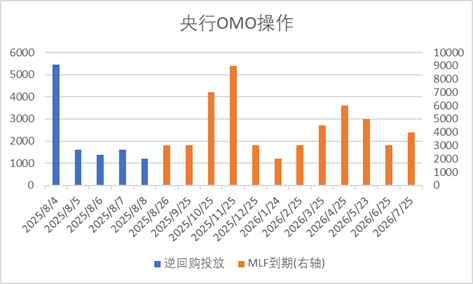
Report Industry Investment Ratings No relevant content provided. Core Views of the Report - The macro - economic recovery momentum needs strengthening, and the bond market is expected to have no trend - based market, so a cautious attitude is recommended [6][7]. - The long - term performance of Chinese equity assets is optimistic, and it is advisable to consider going long on stock index futures [9][10]. - The long - term bullish trend of precious metals is expected to continue, and it is recommended to consider going long on gold futures [11][12]. - For steel products such as rebar and hot - rolled coils, investors can pay attention to opportunities to buy on dips and manage positions carefully [14][15]. - For iron ore, investors can pay attention to opportunities to buy on dips and manage positions carefully [16][17]. - For coking coal and coke, investors can pay attention to opportunities to buy on dips and manage positions carefully [19][20]. - For ferroalloys, after a decline, investors can consider long - position opportunities at low levels when the spot market falls into a loss - making range again [22][23]. - For crude oil, the main contract should be put on hold for the time being [26]. - For fuel oil, the main contract should be used to narrow the spread between high - and low - sulfur fuel oils [28]. - For synthetic rubber, investors should wait for it to stabilize and then participate in the rebound [29][30]. - For natural rubber, investors should pay attention to long - position opportunities after a correction [32][33]. - PVC is expected to fluctuate at the bottom [34][36]. - Urea is expected to fluctuate in the short term and be treated bullishly in the medium term [37][38]. - PX is expected to fluctuate and adjust in the short term, and interval trading is recommended [39]. - PTA is expected to have some support below in the short term, and interval trading is recommended [40][42]. - Ethylene glycol is recommended for interval trading in the short term, and attention should be paid to port inventory and import changes [43]. - Short - fiber is expected to fluctuate with costs in the short term, and attention should be paid to cost changes and macro - policy adjustments [44]. - Bottle chips are expected to fluctuate with costs, and risk control is necessary [45]. - Soda ash is expected to have high - level adjustments in supply, and attention should be paid to controlling positions [46]. - Glass is recommended for short - selling in the short term, and attention should be paid to controlling positions [47]. - Caustic soda is expected to have a stable and narrow - range adjustment in price, and the market will gradually return to the logic of stable spot prices [48][49]. - Pulp is expected to maintain a weak and fluctuating pattern in the short term [51][52]. - Lithium carbonate trading is complex, and it is recommended that non - participants operate with a light position and control risks [53]. - For copper, investors should pay attention to long - position opportunities [55][57]. - Tin is expected to fluctuate [58]. - Nickel is expected to fluctuate [59]. - For soybean oil and soybean meal, investors should consider exiting long positions at high levels and then look for long - position opportunities at support levels [60][61]. - For palm oil, long - position holders should consider reducing positions [62][64]. - For rapeseed meal and rapeseed oil, long - position holders should consider reducing positions [65][66]. - Cotton is expected to be strong in price [67][69]. - Sugar is recommended for on - the - sidelines observation [70][71]. - Apples are recommended for on - the - sidelines observation [73][75]. - For live pigs, an inverse spread strategy is recommended [76][77]. - For eggs, a 9 - 10 inverse spread strategy is recommended [78][79]. - For corn and starch, the near - month contract of corn has support at low levels, and starch follows the corn market [80][81]. - Logs are expected to have some support for bullish sentiment in the short term [82][84]. Summaries by Related Catalogs 1. Treasury Bonds - On the previous trading day, treasury bond futures closed up across the board. The central bank conducted 118.5 billion yuan of 7 - day reverse repurchase operations, with a net withdrawal of 20 billion yuan on the day. China's macro - economic data in July showed that M2 increased by 8.8% year - on - year, M1 increased by 5.6%, and M0 increased by 11.8%. The increase in RMB loans in the first seven months was 12.87 trillion yuan, and the increase in RMB deposits was 18.44 trillion yuan. The cumulative increase in social financing scale in the first seven months was 23.99 trillion yuan, 5.12 trillion yuan more than the same period last year [5]. - The macro - economic recovery momentum needs strengthening, and the bond market is expected to have no trend - based market, so a cautious attitude is recommended [6][7]. 2. Stock Index - On the previous trading day, stock index futures showed mixed performance. The main contract of CSI 300 Index Futures (IF) rose 1.02%, the main contract of SSE 50 Index Futures (IH) rose 0.35%, the main contract of CSI 500 Index Futures (IC) rose 1.78%, and the main contract of CSI 1000 Index Futures (IM) rose 1.77% [8]. - The long - term performance of Chinese equity assets is optimistic, and it is advisable to consider going long on stock index futures [9][10]. 3. Precious Metals - On the previous trading day, the closing price of the gold main contract was 777.72, up 0.22%, and the night - session closing price was 777.1; the closing price of the silver main contract was 9,300, up 1.23%, and the night - session closing price was 9318. The US Treasury Secretary speculated that the Fed might cut interest rates, and the global trade and financial environment is complex, which is beneficial to the allocation and hedging value of gold. The Fed is expected to cut interest rates, providing a new driving force for gold [11]. - The long - term bullish trend of precious metals is expected to continue, and it is recommended to consider going long on gold futures [11][12]. 4. Rebar and Hot - Rolled Coils - On the previous trading day, rebar and hot - rolled coil futures fell slightly. The latest price of Tangshan common carbon billet was 3080 yuan/ton, the spot price of Shanghai rebar was 3240 - 3370 yuan/ton, and the price of Shanghai hot - rolled coil was 3490 - 3500 yuan/ton. Policy changes are the main factor affecting the market, and the price of finished products follows the price of coking coal. In the medium term, the price of finished products is expected to return to the logic of industrial supply and demand. The downward trend of the real estate industry and over - capacity are the core factors suppressing rebar prices. The steel industry's stable - growth policy may be a positive factor [13][14]. - Investors can pay attention to opportunities to buy on dips and manage positions carefully [14][15]. 5. Iron Ore - On the previous trading day, iron ore futures fluctuated and consolidated. The spot price of PB fines at the port was 788 yuan/ton, and the spot price of Super Special fines was 660 yuan/ton. Policy is the main factor affecting the market, and the iron ore price follows the coking coal price. The daily output of hot metal remains above 2.4 million tons, supporting the iron ore price. Although the import volume of iron ore has increased significantly since April, the import volume and domestic output in the first half of the year decreased year - on - year, and the port inventory is lower than last year. The supply - demand pattern is strong in the short term but may weaken in the medium term [16]. - Investors can pay attention to opportunities to buy on dips and manage positions carefully [16][17]. 6. Coking Coal and Coke - On the previous trading day, coking coal and coke futures回调 significantly. On Wednesday night, affected by the position - limit measures of the Dalian Commodity Exchange, the prices of coking coal and coke futures fell sharply. The policy of coal production verification has affected the supply, and some coal mines have stopped production, resulting in a month - on - month decrease in coking coal supply [18][19]. - Investors can pay attention to opportunities to buy on dips and manage positions carefully [19][20]. 7. Ferroalloys - On the previous trading day, the main contract of manganese silicon closed down 0.65% to 6074 yuan/ton, and the main contract of silicon iron closed down 1.02% to 5794 yuan/ton. The spot price of manganese silicon in Tianjin was 6000 yuan/ton, unchanged; the price of silicon iron in Inner Mongolia was 5450 yuan/ton, unchanged. The shipping volume of manganese ore from Gabon decreased, and the supply of Australian ore increased, with the port manganese ore inventory rising slightly to 4.49 million tons. The output of rebar by sample building material steel mills increased slightly, and the output of ferroalloys continued to rise, but the demand recovery was weak, and the supply was still high. The high inventory of warrants exerts pressure on the spot and futures markets [21]. - After a decline, investors can consider long - position opportunities at low levels when the spot market falls into a loss - making range again [22][23]. 8. Crude Oil - On the previous trading day, INE crude oil oscillated downward, hitting a new low in recent days. The CFTC data showed that speculators reduced their net long positions in US crude oil futures and options. The Baker Hughes report showed that the total number of US oil and gas rigs decreased by 1. The IEA monthly report raised the global oil supply growth forecast and lowered the global oil demand growth forecast, and it is expected that there will be a record - high oil supply surplus next year [24]. - The market focus has shifted to the US - Russia talks, and geopolitical risks have eased. The IEA monthly report is negative for crude oil prices. The main contract of crude oil should be put on hold for the time being [25][26]. 9. Fuel Oil - On the previous trading day, fuel oil oscillated downward, and its trend remained weak. The downstream demand in the Asian fuel oil market continued to be weak, and the expected increase in Western arbitrage inflows pressured the low - sulfur fuel oil market. The supply of high - sulfur fuel oil in Asia was sufficient, and the power plant demand decreased. In the Singapore spot market, the trading was difficult to conclude due to the large gap between buyers' and sellers' quotes [27]. - The main contract of fuel oil should be used to narrow the spread between high - and low - sulfur fuel oils [28]. 10. Synthetic Rubber - On the previous trading day, the main contract of synthetic rubber closed down 0.13%. The mainstream price in Shandong remained stable at 11850 yuan/ton, and the basis was stable. The supply decreased due to increased losses, the macro - sentiment was positive, and the market stabilized. The price of butadiene oscillated, and the processing of synthetic rubber was in a loss. The weekly capacity utilization rate of China's high - cis butadiene rubber industry fell to around 68%. The production of some unexpectedly shut - down enterprises resumed, driving a slight increase in the overall capacity utilization rate. The manufacturer's inventory decreased month - on - month, and the trader's inventory increased month - on - month [29]. - Investors should wait for it to stabilize and then participate in the rebound [29][30]. 11. Natural Rubber - On the previous trading day, the main contract of natural rubber rose 0.13%, and the main contract of 20 - grade rubber fell 0.08%. The Shanghai spot price remained stable at around 14400 yuan/ton, and the basis was stable. The macro - market sentiment improved, and there were continued disturbances on the supply side, with the market stabilizing and rising. Heavy rainfall in domestic and foreign production areas affected rubber tapping, and the raw material purchase price continued to rise, strengthening the upstream cost support. The production of some unexpectedly shut - down enterprises resumed, driving a slight increase in the overall capacity utilization rate. The natural rubber inventory in China decreased this week, with both dark and light rubber inventories falling. It is estimated that Thailand's rubber production will increase by 2% to 4.89 million tons in 2025 [31][32]. - Investors should pay attention to long - position opportunities after a correction [32][33]. 12. PVC - On the previous trading day, the main contract of PVC closed down 0.38%, the spot price decreased by 10 - 20 yuan/ton, and the basis was stable. The oversupply situation of PVC continued, but the room for further decline was limited, and it continued to fluctuate at the bottom. The number of domestic PVC enterprises under maintenance decreased week - on - week, and the supply increased. The operating rates of the main downstream pipe and profile industries continued to decline, and the operating rates of other products were relatively stable. The cost and profit were mainly affected by raw materials. Currently, the raw material price fell, while the PVC price rose slightly, and the PVC profit improved. The social inventory of PVC increased by 7.49% week - on - week to 7.763 million tons, a year - on - year decrease of 17.52% [34][35]. - PVC is expected to fluctuate at the bottom [34][36]. 13. Urea - On the previous trading day, the main contract of urea closed flat. The price in Linyi, Shandong remained stable at 1720 yuan/ton, and the basis was stable. In the short term, the fundamentals changed little, and the market oscillated. In the medium term, a bullish view was maintained. The supply side saw a slight decline in the overall industry operating rate, but the supply remained at a high level. The main downstream compound fertilizer for autumn was in the production season, and the operating rate increased steadily. The operating rate of melamine decreased slightly. The total inventory of Chinese urea enterprises was 887,600 tons, lower than expected last week, and the inventory of urea ports was 483,000 tons, higher than expected last week [37][38]. - Urea is expected to fluctuate in the short term and be treated bullishly in the medium term [37][38]. 14. PX - On the previous trading day, the main contract of PX2509 fell 0.35%. The PXN spread was adjusted to 260 US dollars/ton, and the PX - MX spread was 120 US dollars/ton. The PX operating rate rose slightly to 82%, a month - on - month increase of 0.9%. Some refineries increased their loads or restarted. In June, the total import volume of PX in the Chinese mainland was about 765,000 tons, a month - on - month decrease of about 1% and a year - on - year increase of about 34.4%. The international oil price oscillated weakly [39]. - PX is expected to fluctuate and adjust in the short term, and interval trading is recommended [39]. 15. PTA - On the previous trading day, the main contract of PTA2509 fell 0.55%. The spot price in East China was 4695 yuan/ton, and the basis rate was 0.06%. Some PTA plants restarted or reduced their loads, with the PTA operating rate at 76.2%. The operating rate of polyester increased to 88.8%. The profit of PTA processing improved slightly to around 200 yuan/ton [40]. - PTA is expected to have some support below in the short term, and interval trading is recommended [40][42]. 16. Ethylene Glycol - On the previous trading day, the main contract of ethylene glycol fell 0.47%. The overall operating rate of ethylene glycol was 68.40%, a month - on - month decrease of 0.6%. The operating rate of ethylene glycol produced by the oxalic acid catalytic hydrogenation method increased by 0.14%. The inventory at the main ports in East China was about 553,000 tons, a month - on - month increase of 37,000 tons. The planned arrival volume at the main ports from August 11 to August 17 was about 141,000 tons. The downstream polyester operating rate was adjusted to 88.8%, and the operating rate of terminal looms was adjusted locally [43]. - Ethylene glycol is recommended for interval trading in the short term, and attention should be paid to port inventory and import changes [43]. 17. Short - Fiber - On the previous trading day, the main contract of short - fiber 2510 fell 0.22%. The operating rate of short - fiber plants rose to around 90.6%. The sales of polyester yarn improved, and the operating rates of downstream drawing, weaving, and dyeing in Jiangsu and Zhejiang were 70%, 59%, and 65% respectively. The raw material inventory of terminal factories in Jiangsu and
莫迪访华,双普会面,欧洲没资格上桌,百年之未有大变局真要来了
Sou Hu Cai Jing· 2025-08-14 04:08
Core Viewpoint - The geopolitical landscape is undergoing significant changes, marked by the breakdown of the US-India alliance and the thawing of US-Russia relations, indicating a potential shift in global power dynamics [1][9]. Group 1: US-India Relations - Trump signed an executive order imposing a 25% tariff on Indian imports, signaling a deterioration in US-India relations [1]. - Modi's visit to China, after seven years, is seen as an attempt to pressure the US regarding tariff negotiations, highlighting the unraveling of the US-led Indo-Pacific strategy [3]. - The initial optimism for a trade agreement between the US and India has dissipated due to harsh tariff conditions imposed by the US, leading to a breakdown in negotiations [3]. Group 2: US-Europe Relations - The US has sidelined Europe in the ongoing Russia-Ukraine ceasefire negotiations, with the US and Russia planning a bilateral meeting without European involvement [5]. - Trump's administration has expressed dissatisfaction with European military spending and trade deficits, viewing European contributions as inadequate [7]. - The EU's trade surplus with the US amounted to €198.2 billion last year, which contradicts Trump's "America First" policy [7]. Group 3: Global Geopolitical Shifts - The rise of populism and extreme right-wing movements in Western societies, along with increasing unilateralism, is contributing to a fragmented international order [9]. - Trump's tariffs and withdrawal from international agreements are exacerbating global tensions and signaling a potential shift towards a multipolar world [9][11]. - The outcome of these geopolitical changes presents both challenges and opportunities for China, as the US may seek to consolidate its alliances against China while also facing potential discontent from its allies [11].