情绪价值

Search documents
小小冰箱贴传递的情绪价值
Jing Ji Ri Bao· 2025-05-31 00:08
Core Insights - The article highlights the growing popularity of refrigerator magnets as souvenirs among travelers, emphasizing their emotional value and ability to evoke memories of travel experiences [1][2] - Refrigerator magnets serve as a means for consumers to express their identity and interests, creating a unique social culture around collecting and sharing these items on social media [2] Group 1: Emotional and Cultural Significance - Refrigerator magnets have become a symbol of travel experiences, allowing individuals to commemorate their journeys and evoke emotions associated with those memories [1] - The act of purchasing and displaying refrigerator magnets transforms the refrigerator into a visual diary of past travels, enhancing the emotional connection to the experiences [1] Group 2: Social Media and Consumer Behavior - In the age of social media, refrigerator magnets have fostered a unique social culture where enthusiasts share their collections and experiences, thus expanding their social networks [2] - The desire to share and showcase personal collections on social media platforms drives consumer behavior, as individuals seek to engage with others and gain recognition for their unique tastes [2]
情绪价值带动 鞋带也能“玩出花”
Xiao Fei Ri Bao Wang· 2025-05-30 02:22
Core Insights - The article highlights the transformation of athletic shoes into fashion statements through the introduction of decorative elements like ribbons and lace, catering to the diverse aesthetic needs of Generation Z consumers [1][5][6] Industry Trends - The trend of "shoe lace revolution" is leading to a more personalized and diverse phase in sports consumption, with brands incorporating feminine elements into athletic shoe designs [1][2][3] - Social media platforms are playing a significant role in promoting this trend, with tutorials and user-generated content driving engagement and interest in customizable shoe laces [2][6] Consumer Behavior - Over 80% of young consumers own more than five pairs of athletic shoes, indicating a shift from basic functionality to a focus on personal expression and style [5][6] - The popularity of decorative shoe laces reflects a growing demand for low-cost, high-reward style modifications, allowing consumers to express their individuality without the need for new shoes [6][7] Market Dynamics - The "shoe lace economy" is emerging as a significant market segment, with sales of decorative laces like satin and lace reaching thousands of units monthly on platforms like Taobao [4][5] - Brands are adapting their strategies to focus on modular, DIY systems that enhance consumer interaction and loyalty, transforming retail spaces into style experience hubs [6][7]

信“心”心理问答|“变质”的朋友,厌恶感背后,藏着哪些未被看见的心理真相
Jing Ji Guan Cha Bao· 2025-05-30 00:45
Core Insights - The letter discusses the emotional turmoil experienced in a long-term friendship that has become strained, highlighting feelings of confusion and self-doubt regarding the relationship [1][2] - The author seeks to understand the reasons behind the shift from intimacy to aversion in the friendship, questioning whether this is a natural evolution or a sign of irreconcilable differences [2][3] Group 1: Emotional Dynamics - The concept of "familiarity" in friendships can lead to "aversion" due to psychological mechanisms such as the mere exposure effect, where overexposure can result in emotional numbness and misinterpretation of neutral behaviors as negative [3][4] - Attachment theory suggests that when a close relationship loses its comforting role, defensive mechanisms may trigger feelings of aversion as a way to protect oneself from perceived emotional neglect [3][4] - Value conflicts may also contribute to feelings of aversion, as differing perspectives on social validation can create tension and resentment within the friendship [3][4] Group 2: Assessing Relationship Status - Evaluating the emotional value of the relationship is crucial; healthy relationships allow for conflict resolution and understanding, while deteriorating ones often lead to silence and unresolved tension [4][5] - Growth potential in friendships is another indicator; healthy relationships foster new perspectives and acceptance of differences, whereas failing ones become rigid and focused on changing each other [4][5] - Respecting personal space is essential; healthy relationships maintain a balance of independence, while deteriorating ones may exhibit excessive dependence or control, leading to feelings of suffocation [4][5] Group 3: Navigating Change - Accepting the legitimacy of conflicting emotions is important; acknowledging feelings of loss can facilitate the process of distancing oneself from the friendship [5][6] - Establishing gentle boundaries can help manage the transition; practical steps like reducing social media interactions and communicating feelings without blame can ease the process [5][6] - Focusing on self-reconstruction through new social experiences can help fill emotional voids and reshape memories of the old relationship, promoting personal growth [6][7]
私募玩转新消费风口
Zhong Guo Zheng Quan Bao· 2025-05-29 21:31
Core Viewpoint - The new consumption sector in Hong Kong has seen significant growth, with stocks like Pop Mart rising over 150% this year, driven by a shift in investment strategies among private equity firms towards new consumer products [1][2] Group 1: Market Dynamics - The rise of new consumption is fundamentally a supply-side transformation, with high demand in niche markets such as trendy toys, pet food, and high-end beauty products [1][2] - External factors have prompted a shift of funds towards domestic consumption, as traditional sectors like liquor and home goods are closely tied to real estate [1][2] - The generational shift in consumer behavior, with younger consumers prioritizing emotional value and personal satisfaction, is a key driver of this trend [2][3] Group 2: Investment Strategies - Private equity firms are refining their investment strategies, focusing on new consumption as a primary target, emphasizing the importance of emotional value and product innovation [2][3] - A systematic approach to identifying new consumption companies involves five critical questions regarding emotional value, target demographics, innovation capabilities, international potential, and growth stage [2][3] - The investment community recognizes the need to differentiate between genuine growth companies and those with inflated valuations, leading to a consensus on a "goose the genuine, discard the false" strategy [4][5] Group 3: Future Outlook - The new consumption sector is viewed as a blue ocean market with substantial growth potential, particularly in areas like pet economy and beauty products [5] - The ongoing evolution of consumer preferences, driven by younger generations, suggests that the new consumption revolution is just beginning [5]
北京烹饪协会会长云程:需求适配是激活餐饮消费力的破局密钥
Bei Jing Shang Bao· 2025-05-29 06:54
Core Insights - The 2025 Beijing Catering Industry High-Quality Development Conference was held on May 29, focusing on enhancing the quality of the catering industry in Beijing [2] - The conference highlighted the resilience and vitality of Beijing's catering industry, with a significant increase in the proportion of private enterprises, reaching 91.52% as of May this year [2][4] Industry Trends - Consumer preferences are shifting towards quality-price ratio, with only 20.6% of consumers favoring well-known brands, while 27.4% prefer unique and characteristic dining options [3] - There is a growing trend of curiosity and novelty in dining experiences, with 29.6% of consumers willing to try new restaurants if the price is right [3] Market Dynamics - The Beijing catering industry is experiencing strong growth due to market recovery and policy benefits, with new business models like night-time consumption and digital dining emerging [4] - Despite growth, the industry faces structural challenges such as intensified competition, supply chain fluctuations, rising labor costs, and increasing rent pressures [4] Strategic Focus - Companies in the catering industry need to innovate to overcome development bottlenecks, focusing on digital upgrades, green practices, and cultural empowerment to enhance brand differentiation [4]

别被盲盒骗了
3 6 Ke· 2025-05-29 00:26
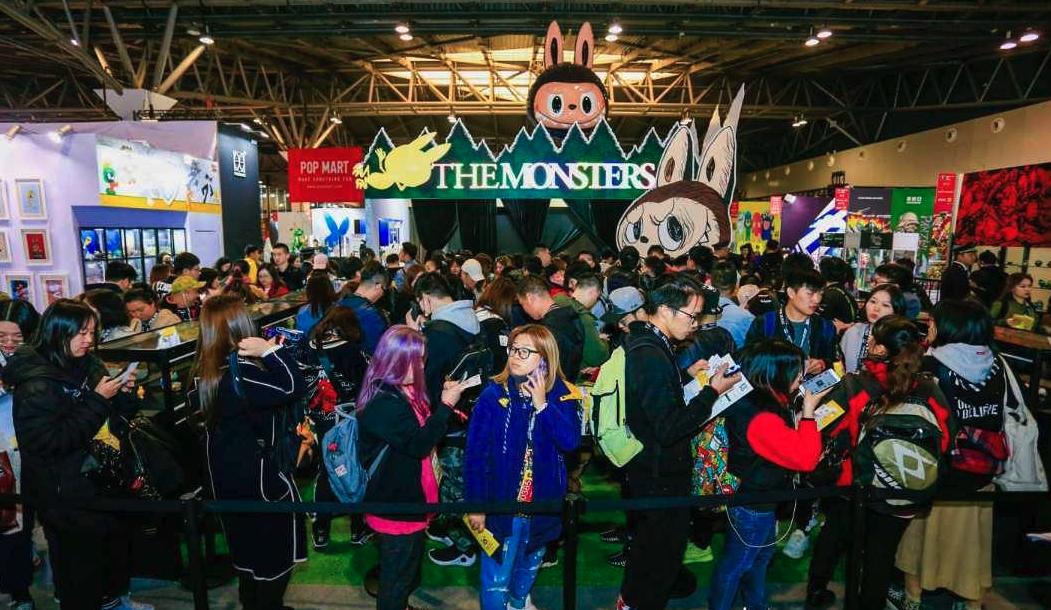
凌晨排队抢Labubu的风,从洛杉矶芝加哥吹到了巴黎米兰、东京曼谷,取货都要排队的疯抢,堪比当年抢iPhone4的狂热,隐藏款溢价几十倍,堪比年轻 人的茅台。 很多人还不知道,泡泡玛特是纯正的国产品牌出海,签约很多也是中国设计师,去年海外市场增速375%,股价从去年到今天翻了10倍。市值甚至超过了 旗下有Gucci、巴黎世家、圣罗兰等等一众奢侈品牌的开云集团。 为什么泡泡玛特,能这么火? 大部分人只看到第一层,也就是泡泡玛特一开始的售卖方式是抽盲盒:你知道你买了但不知道买了哪一款,甚至能抽到很少出现的隐藏款。 概率式的刺激,合法的gamble,门槛不高,给人持续不断的惊喜感、持续不断的多巴胺,让人上瘾。 但是,泡泡玛特远不止于盲盒。我们要层层深入,扒开真相,剥洋葱看看人们为什么被迷得五迷三道的。看懂了泡泡玛特,也就能真正看懂现代人真正 的,最最深层次的消费需求。 抽盒多巴胺 第一层,盲盒多巴胺。 欧气面前,人人平等。就像可口可乐说的,乞丐和总统喝的是同一种快乐水。不需要到澳门开个VIP室,就能享受到直冲天灵盖的、开奖的快 感。一次不够,还能多来几次。 而这种欧气还没有结束,一代人有一代人的邮票。说不定你就中了 ...

在得物做年轻人生意,每15分钟一个百万级爆品,稳定长销3年
36氪· 2025-05-28 13:07
Core Insights - The article discusses how brands can capture the attention of 500 million young consumers, emphasizing the importance of understanding consumer trends and emotional value in products [19][20]. Group 1: Brand Performance on the Platform - A jewelry dealer reported a sales increase of over 1600% year-on-year on the platform, indicating significant growth potential for brands in the jewelry category [4]. - A toy dealer experienced a 100-fold increase in sales over two years, reaching 70 million yuan in 2024, showcasing the platform's effectiveness for toy brands [5]. - The platform has seen a nearly 200% year-on-year growth for brands like Pop Mart, with over 150,000 units sold [6]. Group 2: Consumer Trends - Young consumers prioritize emotional value and practical functionality over mere price, leading to a shift in purchasing behavior [8][12]. - Products like "test shoes" have gained popularity, with significant sales figures indicating a demand for high-quality, functional items [8]. - Emotional products, ranging from affordable accessories to high-end jewelry, are among the top-selling items on the platform [11]. Group 3: Low Return Rates - The platform boasts a low average return rate of 10%, significantly lower than the 40-90% seen in other e-commerce sectors, which helps reduce costs for merchants [16]. - High-value items like jade bracelets have a return rate of only 8-9%, indicating strong consumer satisfaction [16]. - The platform's model of "authentication before shipping" builds consumer trust, contributing to lower return rates [16]. Group 4: Business Model and Growth - The platform's operational model is simpler compared to others, allowing merchants to focus on product selection and promotion without extensive overhead [17]. - Brands have reported significant sales growth, with some achieving over 400% increase in sales on the platform [17]. - The average product lifecycle on the platform is 138 days, which is 2.4 times longer than the industry average, indicating a more stable sales environment [17][18]. Group 5: Targeting Young Consumers - The platform has over 500 million registered users, with a balanced gender ratio, making it a key player in reaching the young demographic [19]. - Brands that understand young consumer trends and launch exclusive products on the platform are more likely to succeed [20]. - The platform has expanded its categories significantly, now covering over 30 major categories, which allows for diverse consumer engagement [23]. Group 6: Policy Support for Merchants - The platform has implemented policies to reduce operational costs for merchants, including fee reductions of up to 16% in key categories [25]. - Brands have reported substantial marketing returns due to these supportive policies, enhancing their profitability [25]. - The platform is seen as a vital channel for brands to tap into the growth potential of young consumers [26].

智篆商业智库:2025年秋冬天猫服饰白皮书
Sou Hu Cai Jing· 2025-05-28 03:38
Industry Overview - The report highlights that the apparel consumption in China is expected to show a significant increase in quality and trend integration by autumn and winter of 2025, with a total consumption amount of 386.9 billion yuan in the first quarter of 2025, reflecting a year-on-year growth of 3.4% [1][18][22] - The apparel industry is experiencing a dual-driven growth model, with internal factors driven by technological innovation and emotional value, while external factors are supported by AI technology across the entire industry chain [1][25][28] Core Consumer Groups - High-consumption groups are identified as the core driving force for Tmall apparel, characterized by their pursuit of quality, novelty, and trendiness, with a TGI (Target Group Index) of 292 for quality luxury purchases and 212 for trend exploration [2][34][36] - The average number of items purchased by high-consumption groups has increased significantly, with a notable rise in the number of categories and brands they engage with [2][39] Category Trends - The report outlines that functional and aesthetic considerations are becoming increasingly important, with specific trends noted in categories such as down jackets, jackets/coats, knitwear, and loungewear [3][47] - For down jackets, the sales cycle has extended, with a focus on price ranges of 200-600 yuan for women's and 200-800 yuan for men's, while emphasizing functional technology and diverse scenarios [3][52] - The knitwear category is seeing rapid growth in the 1000 yuan price range, with a shift towards high-quality materials and intricate designs [3][47] Style Trends - The report identifies several emerging style trends, including "Country Calling," "Light Punk," "Demure," and "Cozycore," each characterized by unique aesthetics and material preferences [4][5] - Emotional value is highlighted as a significant factor in consumer preferences, with styles reflecting a desire for comfort and cultural identity [4][5] Merchant Strategies - Tmall suggests that merchants focus on "trend co-creation and omnichannel marketing," utilizing tools like TMIC to capture material, design, and scenario trends while leveraging AI technology to optimize supply chains and marketing strategies [5][28] - The emphasis is placed on product innovation and differentiation in style, alongside targeted marketing efforts during key promotional periods [5][28]

“情绪价值”赋能新消费赛道
Mei Ri Shang Bao· 2025-05-27 23:02
Core Viewpoint - The new consumption sector is experiencing a significant rise, driven by changing consumer behaviors and preferences, particularly among the younger generation, leading to strong market performance in related stocks [1][4][5]. Group 1: Market Performance - New consumption stocks, particularly in the beverage sector, have seen substantial gains, with companies like Kweichow Moutai and Junyao Health hitting their daily price limits and achieving new historical highs [1][2][3]. - Over 430 stocks in the new consumption sector closed higher, with notable performers including Kweichow Moutai, which has risen over 57% since May, and Yong'an Pharmaceutical, which has surged over 180% year-to-date [2][3]. Group 2: Consumer Trends - The shift in consumer demographics, particularly the transition from older generations to Generation Z, is influencing spending habits, with a focus on emotional value and personalized experiences [4][5]. - The retail sales of consumer goods in China reached 12,032.7 billion yuan in the first quarter, reflecting a year-on-year growth of 4.7%, with service retail sales growing by 10.0% [4]. Group 3: Future Outlook - Analysts predict that the new consumption sector will continue to thrive over the next 10 to 20 years, with consumer spending potentially increasing from around 40% to 70% of GDP [4][5]. - The current valuation of consumption stocks remains low historically, with some offering dividend yields of 4% to 5%, providing a buffer against price declines [4][5].


未来消费赛道 金融预备跑
Bei Jing Shang Bao· 2025-05-27 13:39
Group 1: Core Economic Focus - The central economic work conference prioritizes "boosting consumption, improving investment efficiency, and expanding domestic demand" as the main focus for 2025 [1] - Financial institutions are expected to play a crucial role in supporting consumption through innovative solutions [1] Group 2: Silver Economy - By 2030, the population aged 60 and above in China is projected to exceed 400 million, with the pension industry market size expected to reach 13 trillion yuan [3] - The silver economy is becoming a core battleground for consumer finance, driven by the high education level, net assets, and internet penetration of the "60s" generation [3] - Health management services are a key consumption target for the elderly, with personalized health records and one-stop services being developed [3] Group 3: Green Health - The dual drivers of "dual carbon" goals and public health awareness are leading to a growing emphasis on green, low-carbon, and healthy consumption [4] - The transportation sector is experiencing a green transformation, with increasing sales and ownership of electric vehicles and the rise of battery swap services [4] - The food consumption sector is also embracing green trends, with organic products and low-carbon menus becoming popular among consumers [5] Group 4: Emotional Consumption - Emotional value is becoming a new focus in consumer spending, particularly among the younger generation, especially Generation Z [6] - The market for two-dimensional culture has evolved into a trillion-yuan market, with blind box economy gaining popularity among young consumers [6] - The pet economy is significant, with new business models like pet cafes and theme parks emerging to cater to pet lovers [6] Group 5: Artificial Intelligence - The integration of artificial intelligence in consumer sectors is accelerating, particularly in smart home technology [7] - AI is transforming entertainment consumption, with virtual idols and immersive experiences becoming more prevalent [7] Group 6: New Consumption Opportunities - The silver economy, green health consumption, emotional value consumption, and AI-driven consumption present significant market potential [8] - Insurance companies are exploring long-term care insurance and innovative pension products to cater to the elderly [8] - Financial institutions are increasingly engaging with Generation Z through co-branded credit cards and tailored financial services [8] Group 7: Future Consumption Trends - Future consumption scenarios will diversify based on the characteristics of different demographic groups, with education and cultural products being key for youth [9] - The demand for high-quality medical services and wellness products is expected to grow among middle-aged and elderly consumers [9] - Financial institutions are encouraged to develop services for rapidly evolving smart technology products to meet the increasing demand for personalized cultural experiences [9]