服务消费

Search documents
下周A股,冲击4000点!
Sou Hu Cai Jing· 2025-10-26 12:03
Market Performance - A-shares exhibited a fluctuating upward trend from October 20 to 24, with the Shanghai Composite Index rising by 2.88%, the Shenzhen Component Index by 4.73%, and the ChiNext Index by 8.05% [1] - The overall average stock price in the A-share market increased by 3.47%, while trading volume showed a contraction, indicating a cautious yet optimistic market sentiment [1] Sector Performance - Key sectors that performed well included CPO, quantum communication, deep earth economy, cultivated diamonds, and storage concepts, while precious metals, liquor, and rare earth sectors saw declines [1] Investment Outlook - Analysts believe that ongoing reforms in China's capital market will attract more medium- to long-term and international funds, promoting healthy and stable development of the A-share market [1] - The upcoming Third Plenary Session of the 20th CPC Central Committee is expected to provide new policy expectations and investment clues, potentially boosting market confidence [1] - Investment opportunities are suggested in high-quality companies following recent corrections, particularly in technology stocks [1] Strategic Focus Areas - In the new productive forces sector, technology companies with genuine technological barriers aligned with national strategies are highlighted as key investment themes [2] - In the consumption sector, areas that promote consumer welfare and service consumption driven by investments in goods and people are recommended for attention [2] - Infrastructure-related sectors, including construction materials and machinery, are expected to benefit from major local strategic projects [2] Upcoming Events - The National Bureau of Statistics will release the monthly report on industrial economic efficiency on October 27, with previous data showing a profit total of 46,929.7 billion yuan for large-scale industrial enterprises from January to August, a year-on-year increase of 0.9% [3] - The People's Bank of China will have significant reverse repos and MLF maturities next week, totaling 8,672 billion yuan and 7,000 billion yuan respectively [4][5] - A total of 42 companies will have lock-up shares released next week, amounting to 3.598 billion shares with a total market value of approximately 49.092 billion yuan based on the closing price on October 24 [5]
场景体验消费热潮涌动:从“卖产品”到“卖服务” 催生消费多元新亮点
Yang Shi Wang· 2025-10-26 03:04
Core Insights - The潮玩 industry is transitioning from "product consumption" to "interactive services," driven by the expanding connotation of service consumption [1] - New service forms such as潮玩街区, customized figurines, and pop-up events are effectively stimulating young consumers' spending enthusiasm, becoming a rapidly growing segment of service consumption [1] Group 1 -潮玩街区 is leading a new consumption trend, with local brands shifting from "selling products" to "selling services" [3] - In Dongguan, companies are integrating cultural elements into modern designs, offering潮玩 products with cultural explanations and interactive services [3] - Brands are launching customizable and wearable doll outfits to meet young consumers' personalized needs, further expanding the boundaries and value of潮玩 services [3] Group 2 - The潮玩街区 in Xuhui District, Shanghai, spans 1.9 kilometers and attracted 1.5 million visitors in its first month, generating over 40 million yuan in sales [4] - Consumers can purchase various figurines and participate in潮玩-related pop-up events, with large installations integrating game IP into the consumption scene [4] Group 3 - In the first three quarters, national box office revenue increased by 20.7% year-on-year, with the "big screen + small潮玩" crossover becoming a new growth point in the market [6] - During the summer release, a domestic animated film achieved over 7 million yuan in surrounding sales on its opening day, with two blind box products selling over 3 million units [6] - Companies are responding precisely to young consumers' new consumption demands, focusing on creating experiences that resonate emotionally and facilitate social interactions [6]


郑栅洁:推动重点产业提质升级,未来5年会新增10万亿元左右的市场空间
Xin Lang Cai Jing· 2025-10-24 06:07
Core Viewpoint - The Chinese government emphasizes the construction of a modern industrial system, focusing on strengthening the real economy as a foundation for future growth [1][2]. Group 1: Modern Industrial System - The strategy includes four key tasks: optimizing traditional industries, nurturing new industries, expanding and improving service sectors, and enhancing foundational efficiency [1]. - Traditional industries contribute approximately 80% of the manufacturing value added, and there is an estimated market space of around 10 trillion yuan to be released over the next five years [1]. Group 2: Nurturing New Industries - The "three new" economy is projected to account for over 18% of GDP in 2024, with a focus on developing strategic emerging industries such as new energy, new materials, and aerospace [2]. - The government aims to create several trillion-yuan market clusters in emerging industries, with a long-term vision of generating new economic growth points from advanced technologies [2]. Group 3: Service Sector Development - There is significant potential for the service sector to expand and improve, with actions proposed to enhance the integration of modern services with advanced manufacturing and agriculture [3]. - Economic policies are suggested to stimulate service consumption through income security and quality improvement, including a shift from product subsidies to service consumption subsidies [3]. Group 4: Infrastructure Development - The government plans to strengthen the modern infrastructure system, which already includes the world's largest networks of high-speed rail, highways, and ports [4]. - Proposals include coordinated planning for infrastructure and the construction of new types of infrastructure to enhance connectivity and efficiency [4].
优化供给释放健康消费潜力
Jing Ji Ri Bao· 2025-10-23 21:42
Core Viewpoint - The Ministry of Commerce and nine other departments have issued a notice to expand service consumption, particularly in the healthcare sector, by relaxing market access and increasing the supply of quality services [1] Group 1: Health Consumption Overview - Health consumption encompasses a wide range of industries and can be understood from multiple perspectives, including basic and development-oriented consumption [2] - Basic health consumption focuses on disease treatment and quality of life improvement, while development-oriented consumption targets disease prevention and health promotion [2] - The shift from basic to development-oriented health consumption is driven by an increase in residents' health literacy [2] Group 2: Consumption Content - Health consumption includes both goods and services, with goods comprising common medications, medical devices, and health supplements, while services include medical care, health management, and health insurance [2] - As income levels rise, there is a notable shift towards health-promoting services such as sports, health tourism, and wellness care [2] Group 3: Supply Side of Health Consumption - The health consumption market supply includes direct consumer goods and services, such as health promotion services and pharmaceutical distribution, but excludes healthcare infrastructure and indirect services [3] - The quality of health consumption is significantly influenced by the supply of intermediate goods and productive services within the healthcare industry [3] Group 4: Policy Recommendations - It is essential to increase public spending in the health sector, particularly for low-income groups, and to enhance the quality of basic medical services [4] - The government aims to promote the integration of "Internet + healthcare" services into insurance payment systems and to expand the openness of the health industry [4] - The focus will be on attracting foreign investment and expertise in healthcare services, as well as relaxing regulations for foreign partnerships in medical institutions [4]
“消费第一城” 拼了
Mei Ri Jing Ji Xin Wen· 2025-10-23 15:40
Core Insights - Shanghai's GDP for the first three quarters reached 40,721.17 billion yuan, growing by 5.5% year-on-year, surpassing the national average growth rate of 5.2% [1] - The city's retail sales of consumer goods increased by 4.3%, recovering from a negative growth of -1.1% in Q1 and 1.7% in H1, indicating a significant upward trend [2] - The growth in consumption is driven by a combination of policies and promotional activities aimed at enhancing consumer confidence and spending [3][4] Economic Performance - Shanghai's manufacturing output grew by 8.5%, while the information transmission, software, and IT services sector saw a 15.5% increase, and the financial sector grew by 9.8% [1] - The city's consumer spending has been bolstered by various initiatives, including the "Five-Five Shopping Festival" and the issuance of service consumption vouchers [4][5] Consumer Confidence and Spending - The recovery in consumer spending is attributed to improved consumer confidence, a rebound in inbound tourism, and structural policies that stimulate demand [5][6] - Inbound tourism increased by 37% year-on-year, contributing to the growth in accommodation, dining, and retail sectors [6] Competitive Landscape - The competition for the title of "Consumption First City" has intensified, with Chongqing briefly surpassing Shanghai in retail sales [7] - Shanghai's per capita consumption expenditure reached 40,892 yuan, the highest among all provinces, highlighting its strong consumer market [8] Service Consumption - Service consumption, which includes various sectors such as healthcare, education, and entertainment, is becoming increasingly important and is not fully captured by traditional retail sales metrics [8][9] - Shanghai aims to enhance its service consumption capabilities, with a focus on high-quality medical services and cultural events [12] Strategic Initiatives - The city is positioning itself as a leader in service consumption, with plans to develop a cultural consumption hub and improve the supply of high-end services [10][12] - Shanghai's population density and high disposable income provide a robust market for both domestic and international brands [10][11] Future Outlook - Shanghai is expected to continue its role as a pioneer in consumption and economic development, leveraging its unique advantages to attract both local and global consumers [11][12]
四中全会关注重点
Bank of China Securities· 2025-10-23 13:24
Group 1 - The core viewpoint of the report emphasizes the importance of the "15th Five-Year Plan" in achieving the long-term goal of building a modern socialist country by 2035, focusing on economic stability and structural transformation [3][4][9] - The report anticipates that the "15th Five-Year Plan" will set an implicit GDP growth target of around 4.5%-5%, reflecting a commitment to maintaining economic growth despite challenges [10][12] - The report highlights the need for a balanced economic structure, emphasizing the role of consumption in driving growth and the importance of stabilizing prices to achieve the 2035 goals [11][12] Group 2 - The report outlines key areas of focus during the "15th Five-Year Plan," including the development of new productive forces, regional coordination, and deepening reform and opening-up [4][6] - It discusses the significance of enhancing service consumption as a new engine for economic growth, with a particular emphasis on improving the quality of services and expanding supply [52][55] - The report indicates that employment stability and income growth will be prioritized, with strategies aimed at reducing income disparities and supporting vulnerable groups [62][64]
151.35亿元、119亿人次!“数”看美食撬动文旅、舌尖带动脚尖 跨城带动效能释放
Yang Shi Wang· 2025-10-23 05:53
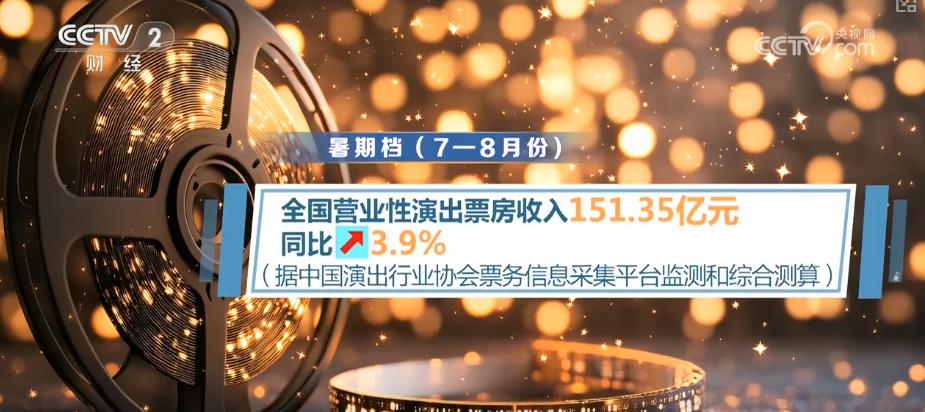
Group 1 - The service consumption sector is becoming a new engine for economic growth, driven by increasing demand and activities such as performances, music festivals, and events since 2025 [1] - In the summer season (July-August), the national box office revenue from commercial performances reached 15.135 billion yuan, showing a year-on-year growth of 3.90% [1] - Museums across the country welcomed 304 million visitors during the summer, a 2.6% increase compared to 296 million visitors in 2024, marking a historical high [1] Group 2 - The e-commerce transaction volume for tourism and sightseeing services grew by over 20% in the first three quarters [2] - The national catering revenue reached 409.89 billion yuan in the first three quarters, reflecting a year-on-year increase of 3.3% [2] Group 3 - In the summer transportation period of 2025, the total cross-regional movement of people reached 11.9 billion, averaging 192 million daily, with a year-on-year growth of 4.3% [3] - Policy incentives have led to a surge in inbound consumption, with 178 million people entering and exiting the country in the third quarter, a 12.9% increase year-on-year [3] - Among the inbound foreign visitors, 7.246 million were from visa-exempt countries, accounting for 72.2% of total inbound foreigners, which is a 48.3% increase year-on-year [3]
四季度消费增长有哪些发力点?解读梳理↓
Yang Shi Wang· 2025-10-23 05:52
Core Insights - The article discusses the role of consumption as a key driver of economic growth in the first three quarters of 2025 and explores potential growth points for consumption in the fourth quarter. Group 1: Consumption Policies - The "old-for-new" policy is expected to have both short-term and long-term effects, stabilizing growth while promoting industrial upgrades and green transformation across society [3][4]. - The introduction of new scenarios and business formats aims to stimulate new consumption dynamics and innovation, enhancing the experience of traditional goods and services [5]. Group 2: Economic Support Mechanisms - Maintaining employment and increasing income are crucial for creating a supportive environment for consumption, requiring a coordinated policy effort across all levels of society [7]. - Establishing a virtuous cycle among employment, income, and consumption is essential for sustaining economic growth [8].

多维度透视2025中国经济秋季报·新型消费“加速跑” 消费主引擎作用增强
Yang Shi Wang· 2025-10-23 03:00
Group 1 - The core viewpoint is that since 2025, various policies aimed at boosting consumption, such as trade-in programs, have been implemented effectively, leading to stable growth in the consumption market [1] - In the first three quarters, final consumption expenditure contributed 53.5% to economic growth, an increase of 9 percentage points compared to the previous year, continuing to serve as the "main engine" of economic growth [3] - The central government allocated 300 billion yuan in special long-term bonds to local governments in four batches to support the expansion of trade-in programs, directly aiding the release of consumer demand [5] Group 2 - In the first three quarters, the total retail sales of consumer goods reached 3.65877 trillion yuan, representing a year-on-year growth of 4.5% [7] - The national online retail sales amounted to 1.1283 trillion yuan, with a year-on-year increase of 9.8% [11] - Driven by the trade-in policy, per capita spending on daily necessities and services increased by 9.6% in the first three quarters [13] Group 3 - The production of trade-in products such as new energy vehicles, electric bicycles, and tablet computers grew by 29.7%, 27.1%, and 9.5% respectively, indicating significant policy-driven effects [15] - The structure of urban and rural consumption markets continues to optimize, with rural retail sales of consumer goods growing by 4.6%, outpacing urban growth by 0.2 percentage points [17] Group 4 - Under the series of policies aimed at expanding service consumption, the demand for service consumption has accelerated, with service retail sales increasing by 5.2% year-on-year, surpassing the growth of goods retail sales by 0.6 percentage points [19] - According to the latest data from the Ministry of Culture and Tourism, domestic tourism saw 4.998 billion trips by residents in the first three quarters of 2025, a year-on-year increase of 18.0%, with total spending reaching 4.85 trillion yuan, up 11.5% [21]

事关A股!高盛、摩根大通、瑞银等多家外资巨头集体发声
天天基金网· 2025-10-23 01:10
Core Viewpoint - The article discusses the optimistic outlook for the Chinese stock market, highlighting a transition to a "slow bull" market with significant potential for growth in the coming years, driven by various economic and policy factors [4][6][9]. Group 1: Market Outlook - Goldman Sachs predicts that the Chinese stock market is entering a slow bull phase, expecting major indices to rise by approximately 30% by the end of 2027, supported by a 12% growth in earnings and a 5%-10% upward adjustment in valuations [4][6]. - Morgan Stanley maintains a positive view on the CSI 300 index, citing a shift in household asset allocation towards equities, which is expected to sustain the market's rebound [9][10]. - UBS analysts believe the market outlook is favorable in the medium term, with growth style investments likely remaining the main focus [11][12]. Group 2: Supporting Factors - The article identifies four key supports for the anticipated bull market: 1. Policy benefits, including measures to reduce risks and stimulate demand [6]. 2. Accelerated economic growth driven by AI and increased competitiveness [7]. 3. Low current valuations of the Chinese stock market compared to historical levels and global markets [7]. 4. Strong capital inflows into the stock market, with potential for trillions in new investments as household assets shift [7][8]. Group 3: Investment Strategies - Investors are advised to shift their mindset from "selling high" to "buying low" as the bull market develops, focusing on growth stocks, particularly in sectors benefiting from the "anti-involution" trend and companies with strong cash flow [8][9]. - Morgan Stanley emphasizes the importance of the "anti-involution" theme, which could drive significant investment opportunities over the next 18-24 months [9][10]. - UBS suggests that despite recent market fluctuations, the growth style is likely to outperform value style investments in the medium term, with a favorable risk-return profile for investing in the ChiNext index [11][12].