产业链重构

Search documents
共探上市公司创新生态:全球上市公司30人智库论坛在京举行
Di Yi Cai Jing· 2025-06-23 14:37
Group 1 - The core viewpoint of the forum emphasizes the effective synergy between capital and technology, which is seen as a necessary outcome of deepening capital market reforms [1][6] - Chinese listed companies are recognized as the core engine of China's technological innovation, necessitating the formation of an innovative ecosystem involving enterprises, capital, government, research, supply chains, and media to support this [1][2] - The global technology competition landscape is undergoing reconstruction, with listed companies being the main force in technological innovation, contributing significantly to national R&D efforts [2][3] Group 2 - The importance of governance in achieving environmental and social responsibility goals is highlighted, with a focus on integrating ESG principles into corporate governance [4] - The shift from traditional globalization to a more integrated and clustered industrial model is noted, with China positioned to accelerate manufacturing upgrades and create global industrial clusters [5] - The need for systemic innovation in listed companies is emphasized, requiring a shift from single technological breakthroughs to diversified, multi-factor collaborative innovation [6]
破解“内卷”困局:以品牌价值为核心 ,构建产业链价值共创格局
Jing Ji Guan Cha Wang· 2025-06-12 10:27
Group 1 - The automotive industry is facing supply chain pressures, prompting 16 major car manufacturers to limit payment terms to suppliers within 60 days, coinciding with the implementation of a new regulation aimed at protecting small and medium-sized enterprises (SMEs) [2] - The automotive sector is experiencing a competitive environment similar to that seen in the home appliance and mobile phone industries, where aggressive pricing strategies have led to market instability and only a few companies with core technologies and brand value have survived [2][4] - The need for industries to balance scale expansion with quality upgrades is critical, with brand building becoming a key focus for high-quality development [2] Group 2 - Former Sinopec Chairman Fu Chengyu emphasized the importance of not sacrificing long-term benefits for short-term gains, warning against practices that could harm SMEs, such as prolonged payment terms and price reductions [3] - The home appliance industry, particularly in Guangdong Shunde, is under pressure despite its mature supply chain, with ODM factories facing order uncertainty and profit compression due to aggressive pricing competition [4][5] Group 3 - The home appliance industry's supply chain is characterized by a "pyramid" structure, where brand owners exert pricing power, leading to cost pressures on suppliers and ultimately resulting in product homogenization and quality risks [5][6] - The dominance of leading brands in the home appliance sector has resulted in a significant profit squeeze for many SMEs, with net profit margins declining over the years [6] Group 4 - The restructuring of the supply chain is urgent, requiring collaboration between large enterprises and SMEs to break the cycle of exploitation and promote high-quality development driven by both brand and technology [7] - Major companies are encouraged to adopt a role as enablers rather than exploiters, fostering innovation and resilience within the supply chain [7] Group 5 - Companies like Midea and Haier are taking steps to empower SMEs through platforms that provide resources and support for brand development and innovation [8] - The acquisition of brands by SMEs, such as Jiahe Intelligent's purchase of the German audio brand Beyerdynamic, represents a strategic move towards establishing a presence in high-end markets [9] Group 6 - The Chinese government is implementing policies to support the growth of specialized SMEs, including financial incentives and resources for technology upgrades [11] - The internationalization of supply chains is seen as a way to alleviate domestic pressures, with companies like BYD and CATL establishing production bases in Europe to enhance local service and reduce costs [13]




中金:钨价创出历史新高,全球钨业龙头配置价值愈加凸显
中金点睛· 2025-06-10 23:48
Core Viewpoint - The tungsten market is entering a bull market phase, driven by supply constraints and increasing demand from emerging industries and geopolitical tensions, leading to a significant rise in tungsten prices and highlighting the strategic value of global tungsten industry leaders [1][3][7]. Group 1: Price Trends and Market Dynamics - As of June 6, the price of 65% WO3 tungsten concentrate in China has surpassed 173,000 yuan per ton, marking an increase of 31,000 yuan since the beginning of the year, with a cumulative growth of 21.8% [1][7]. - The price of tungsten has been on an upward trend since mid-March, reaching a historical high of 166,500 yuan per ton on May 16, and further increasing to 173,000 yuan by June 6 [7][8]. - The global supply of tungsten is expected to grow at a CAGR of 2.57% from 2023 to 2028, while global tungsten consumption is projected to grow at a CAGR of 2.61% during the same period [3][36]. Group 2: Policy Impacts and Strategic Value - The strategic value of tungsten is increasingly recognized amid de-globalization, with China tightening mining quotas and enhancing export controls, particularly affecting upstream products like APT and tungsten carbide [3][15]. - The U.S. and Europe are restructuring their supply chains and increasing strategic stockpiling of tungsten, with the U.S. imposing tariffs and planning to boost tungsten inventory levels [3][23][27]. - China's export controls on tungsten products are expected to limit the export of midstream products, while downstream high-value tungsten products may see increased export opportunities [3][30]. Group 3: Supply Constraints and Demand Growth - China's tungsten production growth is slowing, with a significant drop in the over-extraction rate from 32% in 2020 to 14% in 2024, indicating a tightening supply [16][36]. - Emerging industries, such as photovoltaic tungsten wire and robotics, are driving domestic demand, while geopolitical conflicts are stimulating overseas demand for tungsten [41][45]. - The global tungsten supply is expected to face constraints, with only Kazakhstan and South Korea likely to contribute significant supply increases in the short term [36][38].
中国对美国留的后手见效,特朗普束手无策,只渴望尽快与中方通话
Sou Hu Cai Jing· 2025-06-02 17:07
Group 1 - The article discusses the strategic leverage China holds over the U.S. in the ongoing trade negotiations, particularly through its control of rare earth materials, which are critical for various industries, including technology and defense [1][3][6] - The U.S. is facing significant pressure as over 200 American companies have applied for tariff exemptions, indicating the adverse impact of tariffs on domestic industries [4][6] - The current situation is characterized by a direct exchange of bargaining chips, with China's rare earth resources corresponding to U.S. demands for tariff cancellations and the lifting of technology bans [6][9] Group 2 - The article highlights the irony of the U.S. administration's position, as it attempts to maintain a hardline stance on tariffs while simultaneously needing China's rare earth supplies [4][6] - China's dominance in the rare earth market, accounting for 90% of global production of neodymium-iron-boron magnets, is forcing U.S. companies to rethink their supply chains [6][9] - The ongoing negotiations are framed as a critical moment for both nations, with the potential for a breakdown in talks looming despite a temporary agreement on tariffs [9]

印尼不锈钢降维打击,欧洲市场陷结构性危机
Sou Hu Cai Jing· 2025-05-24 17:35
Group 1 - The stainless steel industry is expected to face significant challenges in 2025 due to seasonal weakness and declining prices, with no signs of market recovery in the coming months [1][2] - The European stainless steel market is under pressure, with both volume and price declines in flat and long products, leading to high factory inventories [1][2] - Indonesia's production of stainless steel using nickel pig iron technology offers a cost advantage of nearly 30% over Europe's traditional scrap-based methods, creating a competitive edge [2][3] Group 2 - The ongoing competition has prompted a restructuring of the European supply chain, with companies reassessing their raw material strategies and considering alternatives like nickel pig iron instead of scrap [2][3] - The European Union's attempts to protect its market through tariff barriers are being challenged by Indonesian producers who continue to penetrate the market through transshipment [2][3] - The shift of global production capacity towards Southeast Asia is likely to lead to a new world stainless steel industry landscape by 2025 [3]
马斯克惊叹中国实力:发电量暴涨、人才井喷,全球为何低估东方巨龙?
Sou Hu Cai Jing· 2025-05-24 16:02
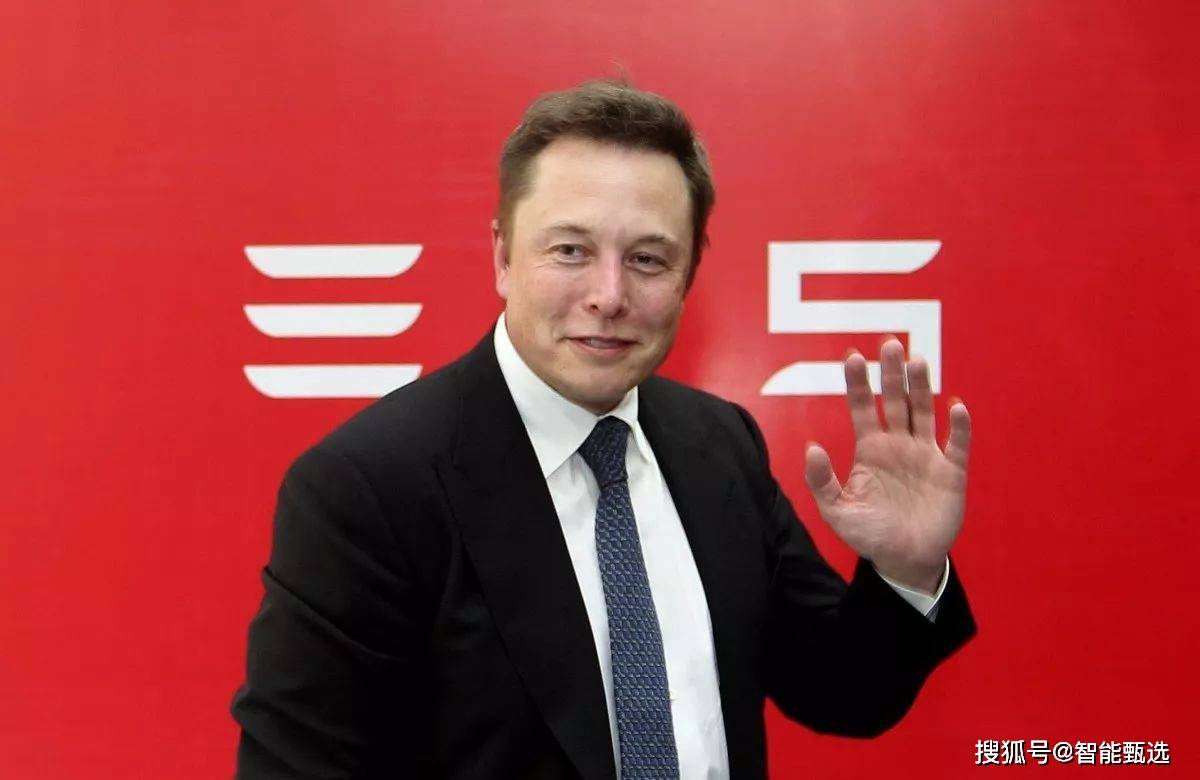
Group 1: Energy Revolution - China's electricity generation reached 9.4 trillion kWh in 2023, surpassing the combined total of the US, EU, and Japan, with renewable energy accounting for over 30% for the first time [4] - China leads the world in photovoltaic capacity for ten consecutive years, with Longi Green Energy achieving a record conversion efficiency of 26.81% for monocrystalline silicon [4] - The "West-East Power Transmission" project utilizes China's ultra-high voltage transmission technology, achieving only 5% loss over 2000 kilometers [4] Group 2: Talent Pool - China produces 1.2 million engineering graduates annually, ten times that of the US, with over 40% of top AI paper authors being Chinese [4] - The return rate of Tsinghua University graduates to China has increased, with over 80% of PhD graduates choosing to return [6] - Tesla's Shanghai R&D center employs 100% local engineers, indicating a shift towards local talent acquisition [6] Group 3: Industrial Chain Transformation - China controls 90% of global polysilicon production and 70% of silicon wafer production, indicating a significant shift from imitation to innovation [4] - The RCEP agreement covers 2.3 billion people, with trade between China and ASEAN reaching $975.3 billion in 2023 [6] - The global high-speed rail patent applications from China are 2.3 times that of the US, Germany, and Japan combined [4] Group 4: Innovation and Technology Standards - Huawei holds 18% of global 5G essential patents, surpassing Nokia and Ericsson, showcasing China's leadership in telecommunications [6] - CATL leads in establishing the first global safety standard for power batteries, further solidifying China's role in setting industry standards [6] - The "Belt and Road" initiative promotes Chinese technology standards globally, enhancing China's influence in emerging markets [6] Group 5: Cultural and Global Influence - TikTok has over 1.5 billion monthly active users, with 60% being Gen Z, reflecting China's growing cultural impact [6] - The game "Genshin Impact" topped the sales charts in 68 countries, showcasing the global reach of Chinese cultural products [6] - China is committed to achieving carbon neutrality by 2060, positioning itself as a key player in global governance and climate change initiatives [6]

“好房子”重构产业链,房企如何算账
Xin Lang Cai Jing· 2025-05-22 02:07
Core Viewpoint - The implementation of the new national standard "Residential Project Specification" has shifted the real estate market towards a service-oriented development model centered around homebuyers, moving away from the previous scale expansion model [1][2]. Group 1: Impact of "Good House" Policy - The "Good House" policy has become a key selling point for real estate projects, prompting developers to pause and redesign existing projects to align with the new standards [2]. - The construction of "Good Houses" is now being extended to the renovation of old buildings, with a focus on creating better living environments [4]. Group 2: Construction Standards - The new standards specify that the height of new residential buildings must not be less than 3 meters, an increase from the previous standard of 2.8 meters, which could impact the number of floors and overall profitability [5][11]. - Enhanced sound insulation requirements have been introduced, with the impact sound insulation performance for floors being improved from "not greater than 75 decibels" to "not greater than 65 decibels" [5]. Group 3: Smart Home Integration - Smart home technology is becoming an essential feature of "Good Houses," with projects incorporating advanced systems for better living experiences [7]. - Different projects exhibit varying levels of smart home integration, affecting their appeal and market competitiveness [8]. Group 4: Community and Operational Changes - The focus is shifting from merely constructing residential projects to managing and operating communities, emphasizing the integration of local amenities and services [9]. - Real estate companies are adapting their business models to meet buyer demands and improve construction standards, which is leading to the formation of new industry chains [9][10]. Group 5: Cost Implications - The increase in construction standards is expected to raise costs for developers, who may need to absorb these expenses unless supported by policy adjustments [11][12]. - Companies are encouraged to develop systematic solutions to reduce costs and enhance efficiency in building "Good Houses" [12][13].

关税冲突 - 宏观对冲策略
2025-05-15 15:05
Summary of Conference Call Records Industry or Company Involved - The records primarily discuss the impact of the US-China trade conflict on various industries and macroeconomic conditions. Core Points and Arguments - **Global Supply Chain Constraints**: The US faces significant challenges in adjusting global supply chains in the short term, leading to persistent price increases that cannot be resolved through supply adjustments alone. This may require agreements with other trade partners or domestic subsidies for mitigation [1][3][4] - **Tariff Measures**: The US's imposition of tariffs is driven by economic, political, and social factors. The short-term goal is to address trade deficits and increase tax revenue, while the long-term goal is partial decoupling and maintaining global dominance, making complete tariff removal unlikely [1][5] - **China's Tariff Strategy**: China has adopted a strategy of suspending or canceling certain tariffs based on negotiation outcomes, making it one of the countries with the highest tax burdens globally due to tariffs related to fentanyl and investigations [1][5] - **Projected Revenue from Tariffs**: Assuming US imports reach $3 trillion in 2025, a 10% tariff could generate at least $200 billion in additional revenue, not accounting for potential future tariff increases on certain trade partners [1][6] - **Trade Negotiation Phases**: The current phase of US-China trade negotiations is the second stage, with expectations of continued tariff increases. The first phase saw China implement comprehensive countermeasures that exceeded market expectations [1][7][8] Other Important but Possibly Overlooked Content - **Macroeconomic Impact of Tariffs**: The imposition of tariffs leads to decreased total output and increased prices in consumer countries initially, followed by rising interest rates and inflation. In producer countries, initial output declines are offset by falling prices and rising real wages [2] - **Sector Resilience**: Sectors with low trade correlation, such as consumer goods, services, and consumer banking, are expected to remain stable. Import substitution sectors like agriculture and certain chemicals show potential, while automotive parts and consumer electronics may receive exemptions [3][9] - **Commodity Price Trends**: Commodity prices are generally on a downward trend, with domestic policy support potentially weakening, leading to price volatility. Interest rates are expected to have limited downward pressure, and exchange rates may fluctuate around the 7.2 mark [10] - **Investment Strategy**: In the current economic environment, it is recommended to focus on domestic demand sectors while maintaining a defensive investment posture. A small allocation to aggressive sectors is suggested to capitalize on market volatility [11]
开封产业能级起势跃升
Jing Ji Ri Bao· 2025-05-07 22:15
Group 1: Automotive Industry Development - Chery Automobile's production facility in Kaifeng is experiencing a surge in orders, with vehicles rolling off the assembly line every two minutes, supported by a network of component suppliers achieving rapid response times through zero-inventory management [1] - The Kaifeng automotive industry has evolved since the introduction of Chery in 2010, focusing on a complete industrial chain that includes leadership, collaboration, and innovation [1] - In March 2024, the Zhengzhou and Kaifeng New Energy Vehicle Industry Cluster was recognized as an advanced manufacturing cluster in Henan Province, prompting Kaifeng to enhance its automotive industry capabilities and integrate into the national market [1][2] Group 2: New Energy and Green Technology - Kaifeng is establishing a new energy revolution with the production of cadmium telluride (CdTe) solar glass, which is produced in just three hours and offers lower costs and higher efficiency compared to traditional solar panels [2] - The CdTe solar glass produced by Chanya New Energy is noted for its large area and advanced technology, with a production line that has set national records [2][3] - Chanya New Energy is planning a second phase of production to increase capacity from 495 MW to 933 MW, aiming to create a closed-loop green industry that integrates solar power generation, energy storage, and recycling [3] Group 3: Economic Performance - In the first quarter of this year, Kaifeng achieved a GDP of 63.299 billion yuan, reflecting a year-on-year growth of 6.6%, with industrial output increasing by 8.7%, indicating a faster growth rate compared to the previous year [3]
上市公司借力海外并购重塑市场价值
Zheng Quan Ri Bao· 2025-05-06 16:26
Core Viewpoint - The trend of overseas mergers and acquisitions (M&A) by A-share listed companies is on the rise, driven by the need to expand global markets and restructure value amidst global economic adjustments and industry chain reconstruction [1] Group 1: Acquisition of Core Technologies - Acquiring core technologies is a primary goal for many listed companies engaging in overseas M&A, allowing them to enhance technical capabilities, product value, and industry influence [2] - Companies can quickly gain new technologies and enter new markets, exemplified by Lingyun Optical Technology's investment in PhotonicX AI to access next-generation optical communication technologies [2] Group 2: Expanding Overseas Markets - Overseas M&A serves as a crucial strategy for companies to overcome geographical limitations and reshape market presence, with 2,405 A-share companies reporting foreign revenues exceeding 10 million yuan in 2024 [3] - For instance, Jinko Power Technology's acquisition of a 50% stake in UAE's Sweihan Holding aims to enhance its brand influence in the Middle East and tap into renewable energy projects [3] Group 3: Resource Integration and Industry Ecosystem Reconstruction - Many companies view overseas M&A as a means to integrate key resources globally, forming complementary advantages and building a more efficient and competitive industry ecosystem [4] - This ecosystem reconstruction can lower production costs, improve operational efficiency, and enhance innovation capabilities, positioning companies favorably within global supply chains [4] - Supportive policies from the government, such as the recent financial measures to facilitate cross-border M&A, further stimulate the overseas M&A market for listed companies [4] - The shift from "scale chasing" to "value leading" in overseas M&A activities indicates a focus on high-quality acquisitions, with expectations for continued growth in this area [4]